
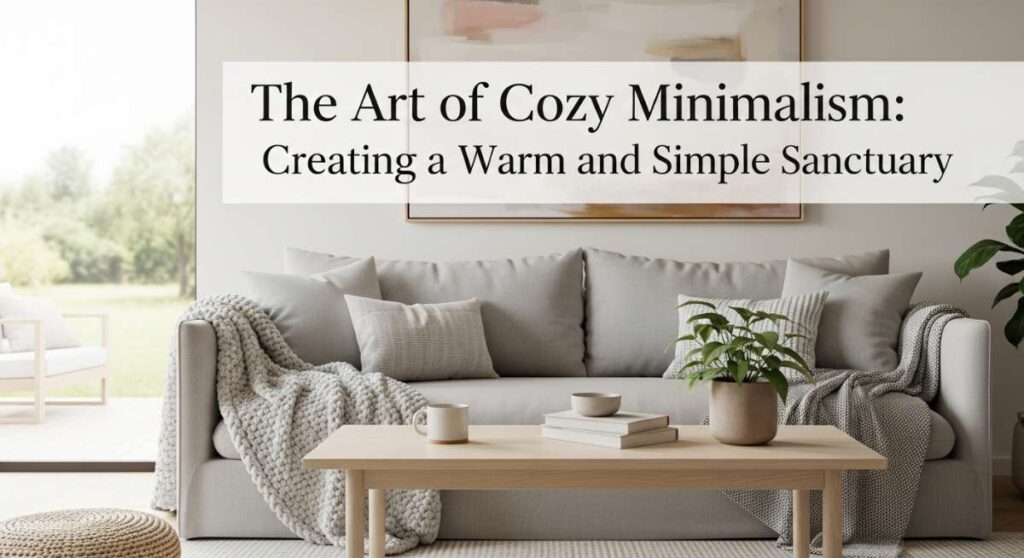
The Art of Cozy Minimalism: Creating a Warm and Simple Sanctuary
Have you ever walked into a room and felt an immediate sense of relief, like a heavy weight was lifted off your shoulders? That is the magic of cozy minimalism. It is the sweet spot between the stark, cold galleries of traditional minimalism and the overwhelming clutter of a lived-in home. For years, I thought I had to choose: either I lived in a beige box with one chair, or I lived in a mountain of blankets and trinkets. But the truth is, the most soul-soothing homes are those that balance the breathing room of simplicity with the tactile warmth of a sanctuary.
Creating this vibe isn’t about buying a specific set of furniture; it is about a shift in mindset. It is about choosing items that spark peace rather than just occupying space. In this guide, we are diving deep into how you can curate your own haven, focusing on textures that beg to be touched, lighting that glows like a sunset, and a layout that allows your mind to finally go quiet after a long day. Let’s transform your home into a place that feels as good as it looks.
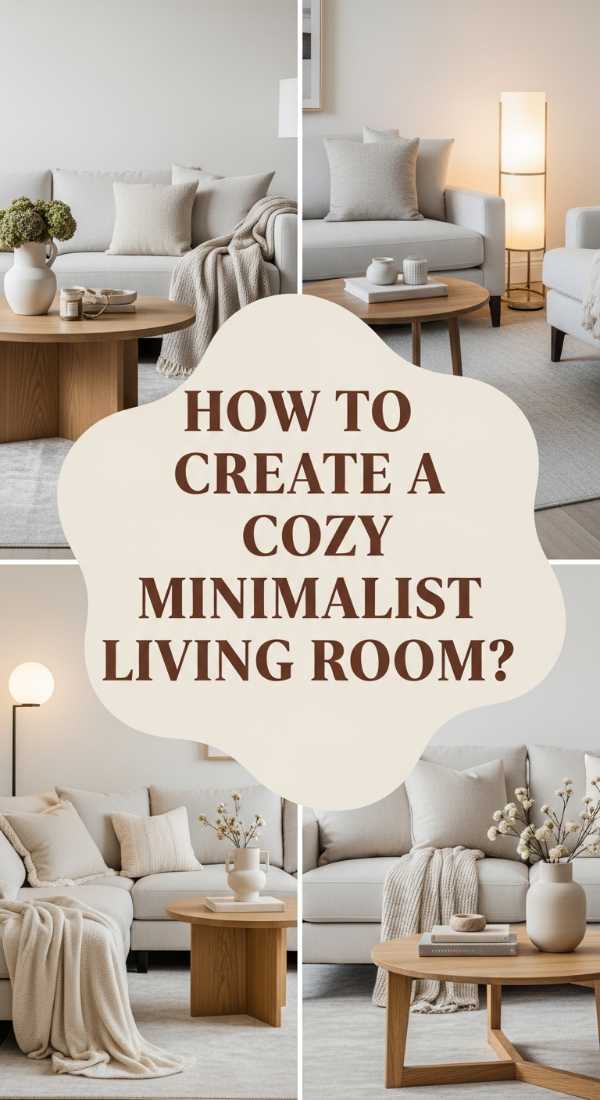
How to Create a Cozy Minimalist Living Room for Ultimate Relaxation
Why we love this
There is something deeply restorative about a living room that doesn’t demand your attention the moment you walk in. When you strip away the visual noise and focus on a few high-quality, plush elements, the room becomes an invitation to exhale. Imagine sinking into a cloud-like sofa, the scent of a cedarwood candle wafting through the air, while the afternoon sun dances across a clean wooden floor. This aesthetic celebrates the beauty of negative space, allowing your favorite pieces—like a chunky knit throw or a single piece of abstract art—to truly shine and provide emotional comfort.
Essential Elements:
- A low-profile, deep-seated sectional in a neutral linen or velvet.
- A curated selection of oversized floor pillows.
- Warm, dimmable ambient lighting (2700K bulbs).
- One large-scale organic wooden coffee table.
- A high-pile wool rug in a cream or soft grey.
How to make it
- Start by clearing the entire room of small knick-knacks to establish a ‘blank canvas’ feeling.
- Position your largest piece of furniture, the sofa, facing the natural light source to maximize the ‘airy’ feel.
- Layer a thick, plush wool rug under the sofa, ensuring at least the front legs are resting on it to ground the space.
- Introduce soft textures by draping a weighted knit blanket over one corner of the sofa, letting it pool slightly on the floor for a ‘lived-in’ look.
- Add exactly three decorative items to your coffee table: a stack of two books, a small ceramic bowl, and a single branch in a tall vase.
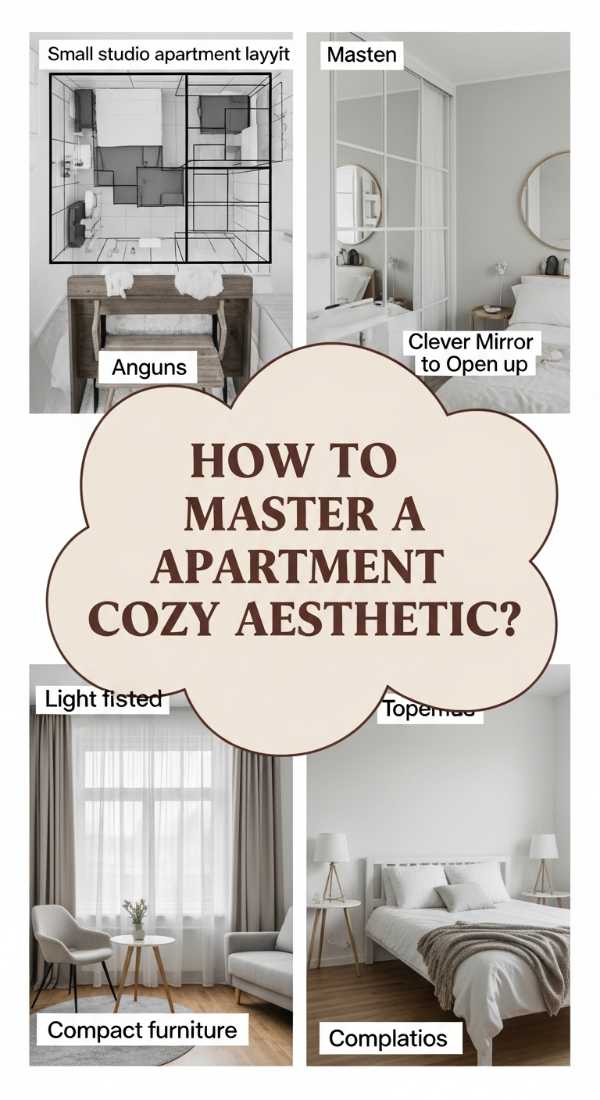
How to Master Small Living Room Ideas Apartment Cozy Aesthetic Style
Why we love this
Small apartments often feel like they are closing in on us, but with a cozy minimalist approach, they can become the ultimate urban cocoon. By choosing furniture with slim profiles and keeping the color palette monochromatic, you trick the eye into seeing a much larger space. The tactile richness of a silk pillow or a soft jute rug prevents the small space from feeling ’empty’ or ‘cheap,’ instead making it feel curated and intentional. It’s the feeling of a boutique hotel suite—tightly edited but overflowing with luxury and comfort in every square inch.
Essential Elements:
- Multi-functional furniture (like an ottoman with storage).
- Large wall mirrors to bounce natural light.
- Sheer floor-to-ceiling linen curtains.
- Wall-mounted shelving to keep the floor clear.
- A consistent color palette of whites, tans, and soft oaks.
How to make it
- Install sheer curtains several inches above the window frame and let them hit the floor to create the illusion of height.
- Place a large mirror opposite your main window to double the visual depth of the room.
- Select a coffee table with ‘legs’ (rather than a block base) to keep the floor visible, which creates a sense of openness.
- Limit your wall decor to one large-scale piece of art rather than a gallery wall, which can feel cluttered in small spaces.
- Use ‘hidden storage’ baskets made of natural seagrass under consoles to tuck away electronics and chargers.
How to Design a Minimalist Room for Mindful Living

Why we love this
Design for mindful living is all about creating a flow that supports your daily rituals. This approach treats your home as a tool for mental clarity, focusing on clear pathways and a lack of ‘visual friction.’ We love how this style uses natural materials like stone and raw wood to connect us back to the earth. When a room is designed mindfully, every object has a purpose and a place, reducing the mental load of ‘tidying up’ and allowing you to spend more time in meditation, reading, or simply being present in the moment.
Essential Elements:
- Unobstructed walkways and clear floor space.
- Natural materials like unfinished wood, stone, and clay.
- Indoor greenery like a tall Fiddle Leaf Fig or Olive Tree.
- Hidden storage to keep ‘un-mindful’ items (like remotes) out of sight.
- Soft, diffused lighting sources rather than harsh overheads.
- Identify the ‘main path’ of the room and ensure there is at least 3 feet of clear walking space at all times.
- Arrange furniture in a way that encourages conversation, usually in a circular or ‘U’ shaped formation.
- Incorporate a ‘zen corner’ with a single floor cushion and a small side table for tea or a journal.
- Swap out plastic storage containers for ceramic or wooden vessels to maintain a natural tactile experience.
- Schedule a ‘digital sunset’ where all tech is hidden away in a dedicated drawer by 8 PM to reset the room’s energy.
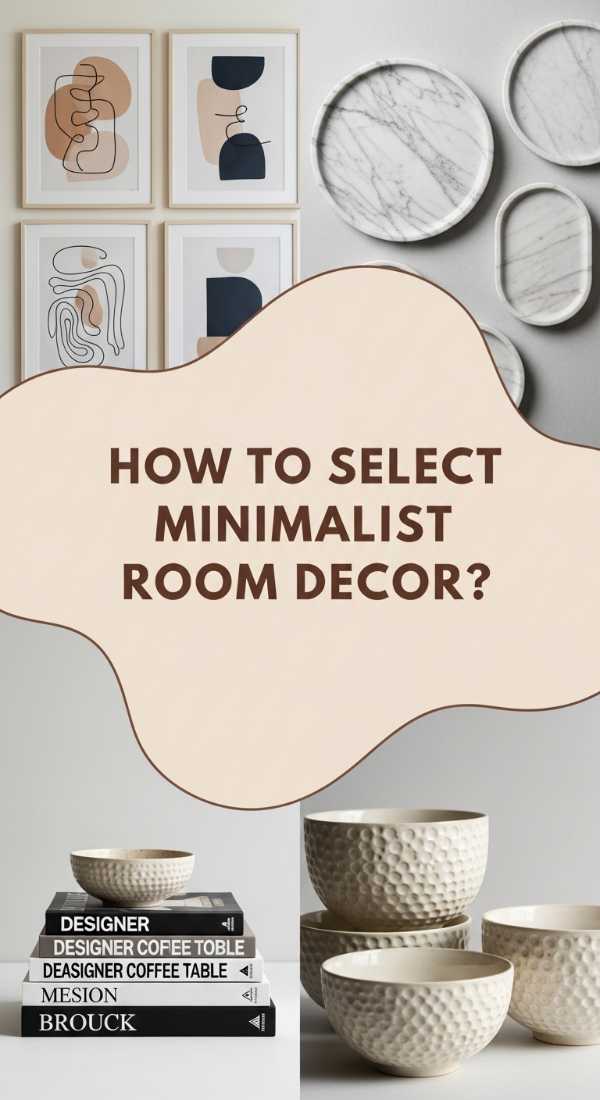
- Substantial materials: Marble, travertine, heavy glass, and brass.
- Oversized statement art with significant negative space.
- Architectural lighting fixtures that double as sculpture.
- A ‘less but better’ philosophy for surfaces.
- Textured wall treatments like lime wash or plaster.
- Choose one ‘hero’ piece for each room, such as a travertine coffee table or a large-scale sculpture.
- Group smaller items in odd numbers (the rule of three) and place them on a tray to create a ‘unified’ visual unit.
- Ensure all frames for artwork are identical in material and thickness for a museum-grade finish.
- Use a single, high-quality fragrance—like a luxury room spray or a stone diffuser—to create a signature ‘high-end’ scent profile.
- Eliminate any items made of faux materials; replace them with a single authentic piece of stone or solid wood.
- A simple wooden bench or a sleek console table.
- A large, round mirror to widen the narrow entry space.
- A woven basket for shoes or umbrellas.
- A single bowl or tray for daily essentials.
- A warm, low-wattage lamp to provide a soft evening glow.
- Clear the floor of all loose shoes and place them inside a closed cabinet or a structured seagrass basket.
- Center a round mirror above your console to create a focal point that reflects light into the rest of the house.
- Place a textured runner (like a flat-weave wool rug) that extends at least 3/4 the length of the hallway.
- Style the console with one tall botanical element—like a single Eucalyptus branch—and one small ceramic dish for keys.
- Add a wall hook for one ‘aesthetic’ bag or coat, but keep all other outerwear in a closet to maintain the clean lines.
- Linen or organic cotton bedding in earthy tones.
- Handmade ceramic tableware with visible ‘maker marks.’
- Soft, dimmable task lighting for reading.
- High-quality textiles like mohair or cashmere throws.
- Functional decor like a sculptural clock or a wooden bookstand.
- Perform a ‘utility audit’: remove any item from your surfaces that you haven’t used or truly admired in the last month.
- Invest in a set of matching, high-quality storage jars for any visible pantry or bathroom items to create visual uniformity.
- Layer your bed with a linen duvet cover and two oversized pillows in a slightly darker shade to create depth.
- Switch your bedside lamp to a bulb with a warm amber hue to encourage melatonin production and nighttime calm.
- Organize your bookshelf by color or by turning the spines inward for a ‘quiet’ visual effect if the room feels too busy.
- Contrasting materials: Jute, wool, linen, velvet, and leather.
- Natural wood grains (oak, walnut, or birch).
- Stone elements like marble, travertine, or concrete.
- Woven elements like rattan or seagrass.
- Soft ‘nobby’ fabrics like bouclé or chenille.
- The ‘Rule of Three Textures’: In every room, ensure you have something ‘Hard’ (wood/stone), something ‘Soft’ (wool/velvet), and something ‘Rough’ (jute/linen).
- Layer two rugs: Put a larger, flat-weave neutral rug on the bottom and a smaller, plush sheepskin or shag rug on top.
- Mix your wood tones carefully; keep the ‘undertone’ (warm or cool) the same while varying the darkness of the wood.
- Toss a velvet pillow onto a linen-covered chair to create a sophisticated, high-contrast look.
- Use a ‘textured’ wall hanging—like a macrame piece or a framed textile—to add softness to flat walls.
- Curved furniture silhouettes (rounded sofas, barrel chairs).
- Monochromatic color schemes (all shades of grey or all shades of tan).
- Integrated lighting that hides the fixture but shows the glow.
- Large-scale floor plants with broad leaves.
- Sleek, handle-less cabinetry for a seamless look.
- Identify the sharpest angles in your room and ‘break’ them with a curved element, like a round rug or a curved armchair.
- Adopt a ‘strict’ color palette: choose one base color and use three different shades of it throughout the entire room.
- Hide all ‘clutter’ behind closed, minimalist cabinetry that blends into the wall color.
- Install a single, oversized pendant light that acts as the ‘crown jewel’ of the room.
- Use a large, healthy floor plant like a Bird of Paradise to add a vibrant, organic shape to a modern corner.
- Floating furniture (wall-mounted desks or nightstands).
- Hidden cable management systems.
- Uniform storage containers (all glass or all wood).
- Under-furniture storage that is visually ‘invisible.’
- Vertical storage solutions that utilize wall height.
- Use ‘floating’ shelves for books and decor to keep the floor surface clear, which makes the room feel twice as large.
- Apply a ‘one in, one out’ rule: for every new item brought into the living room, one old item must be donated or moved.
- Group all electronics in one ‘charging station’ hidden inside a decorative box or drawer to eliminate ‘cord clutter.’
- Organize your ‘daily carry’ (keys, wallet, phone) in a dedicated drawer near the door so they never end up on the coffee table.
- Use clear acrylic furniture (like a ghost chair) if you need extra seating without adding ‘visual weight’ to the room.
- Daily ‘reset’ rituals to keep the space clear.
- Intentional shopping habits (quality over quantity).
- A ‘sentimental item’ box to keep nostalgia from cluttering surfaces.
- Open shelving used sparingly for only the most beautiful items.
- Natural scents like essential oils or fresh air.
- Establish a ’10-minute nightly reset’ where you return all items to their designated homes before going to bed.
- Unsubscribe from ‘fast decor’ newsletters to reduce the temptation to buy trendy, low-quality items.
- Designate one ‘clutter-free’ zone (like your nightstand) that is never allowed to have a single stray item on it.
- Open your windows for at least 15 minutes a day to clear the ‘energy’ and bring in fresh, crisp air.
- Practice ‘mindful acquisition’: wait 30 days before purchasing any new piece of decor to see if you truly need it.
How to make it
How to Select Minimalist Room Decor for a High End Look
Why we love this
The secret to a high-end minimalist look isn’t a massive budget; it’s a commitment to ‘the power of one.’ One stunning marble tray, one handcrafted ceramic vase, or one architectural lamp can carry the entire weight of a room’s luxury. This style thrives on the contrast between matte and gloss finishes, and the weight of substantial materials. It feels like walking into an art collector’s residence—sophisticated, quiet, and timeless. Each piece is a conversation starter because it isn’t competing with twenty other items for your attention.
Essential Elements:
How to make it
How to Style Decor Minimalist Accents for a Warm Welcome
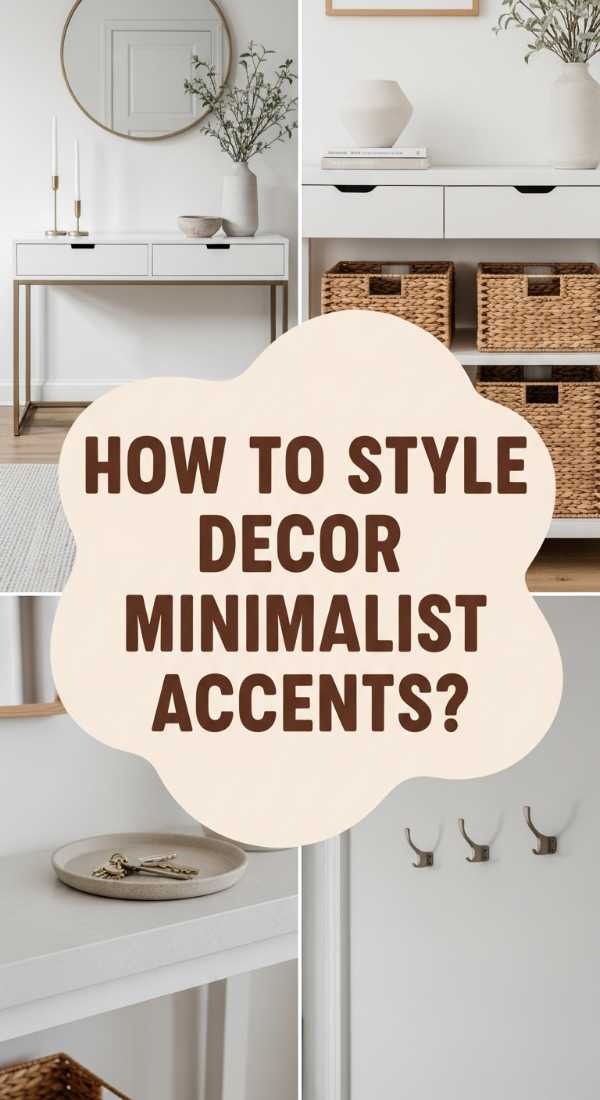
Why we love this
The entryway is the first ‘hug’ your home gives you, and styling it with minimalist accents ensures that the welcome is calm rather than chaotic. By focusing on a few warm accents—like a soft runner or a wooden bench—you set a tone of hospitality and peace. We love how a minimalist entryway uses light and shadow to create a sense of transition from the busy world outside to the sanctuary inside. It’s about the tactile joy of dropping your keys into a smooth stone bowl and feeling the soft texture of a rug underfoot immediately.
Essential Elements:
How to make it
How to Curate Room Decor Minimalist Essentials for Calm Spaces
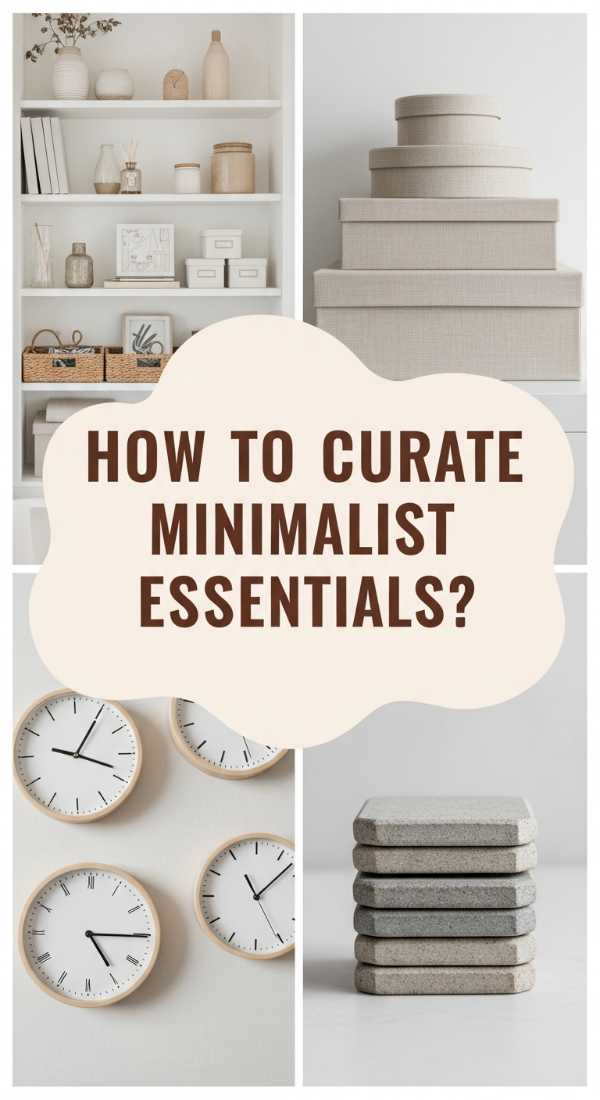
Why we love this
Curating essentials is like editing a poem; every word—or in this case, every object—must earn its place. This approach removes the ‘static’ from your life, leaving behind only the things that serve your well-being. There is a specific sensory pleasure in using a heavy ceramic mug that fits perfectly in your hands, or resting your head on a linen pillow that stays cool all night. It’s about the quality of life that comes from being surrounded by things that are both beautiful and functional, creating a rhythm of calm that permeates your entire day.
Essential Elements:
How to make it
How to Balance Cozy Minimalist Textures for a Layered Look
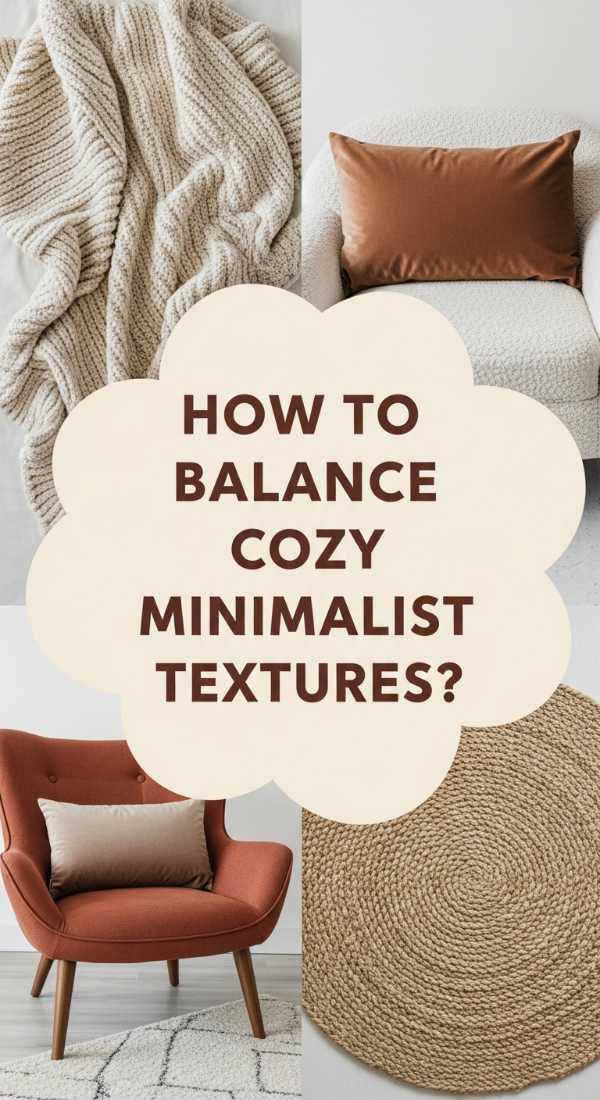
Why we love this
Without texture, minimalism can feel clinical and cold. But when you layer a rough jute rug under a soft sheepskin, or place a smooth marble coaster on a grain-heavy oak table, the room comes alive. This sensory contrast is what makes a room feel ‘expensive’ and ‘cozy’ at the same time. We love the way light catches on a bouclé chair or the way a chunky knit blanket adds weight and security to a bed. It’s a tactile playground that encourages you to slow down and touch everything around you.
Essential Elements:
How to make it
How to Refine Living Room Decor Minimalist Styles for Modern Homes
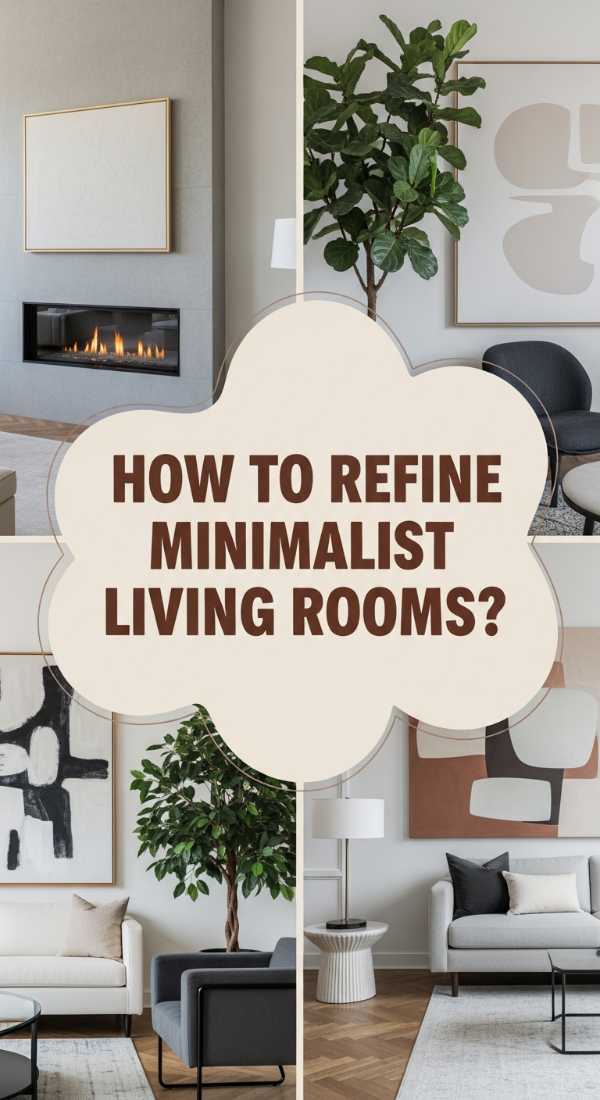
Why we love this
Modern homes often feature sharp angles and glass, which can feel a bit ‘sharp’ for a relaxation space. Refining this look involves introducing ‘curved’ minimalism to soften the edges. Think of a rounded sofa or a circular coffee table that breaks up the grid-like architecture of a modern build. This style is the peak of sophistication because it uses the architecture of the furniture itself to create interest rather than relying on ‘stuff.’ It’s clean, it’s bold, and it feels incredibly fresh and airy.
Essential Elements:
How to make it
How to Organize Minimalist Living Room Small Spaces for Better Flow
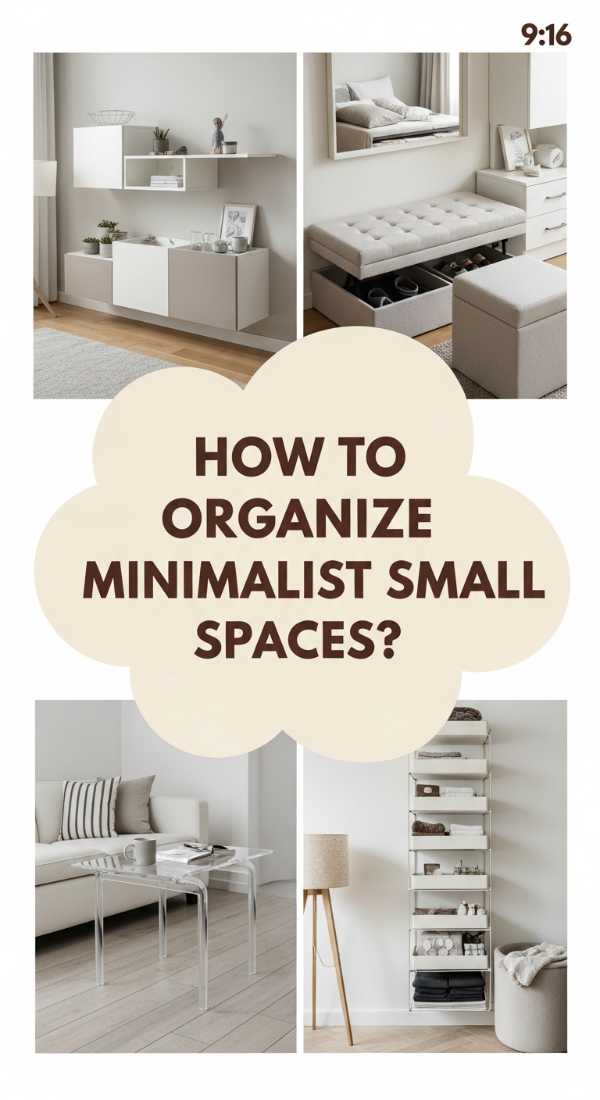
Why we love this
Organization is the foundation of the minimalist aesthetic. In a small space, flow is everything. When you can move freely through a room without bumping into furniture or tripping over cords, your nervous system can finally relax. We love the cleverness of ‘hidden’ organization that keeps the aesthetic pure while holding all the necessities of modern life. It creates a home that feels ‘proactive’—everything you need is right where it should be, allowing for a seamless transition between work, rest, and play.
Essential Elements:
How to make it
How to Cultivate a Minimalist Home for a Stress Free Lifestyle
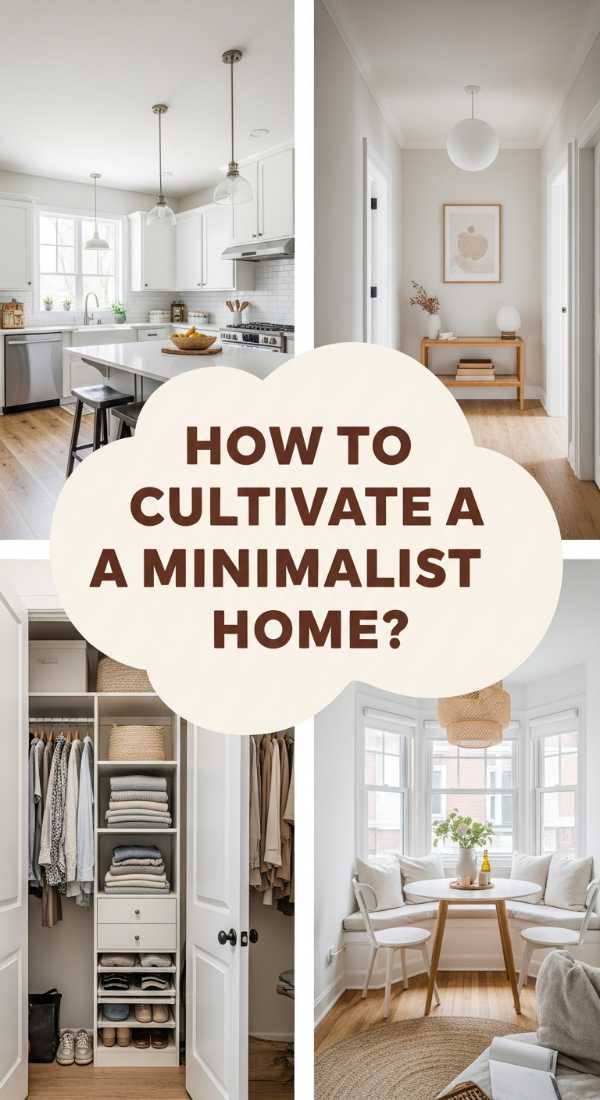
Why we love this
Ultimately, a minimalist home is a love letter to yourself. It is a decision to prioritize your peace of mind over the accumulation of things. When you cultivate this lifestyle, you find that your home starts to work for you, rather than you working for your home. No more weekends spent ‘purging’ or hours spent looking for lost items. Instead, you have a sanctuary that recharges your batteries and provides a calm backdrop for your life’s best moments. It’s the feeling of total freedom and the quiet joy of having ‘enough.’
Essential Elements:
How to make it
Conclusion: Your Sanctuary Awaits
Creating a cozy minimalist home isn’t a destination; it’s an ongoing practice of refinement and care. By focusing on the interplay of texture, light, and space, you can transform any house into a true sanctuary. Remember, your home should be the place where you feel most like yourself—unburdened, inspired, and deeply at peace. Start small, edit often, and always choose the item that makes you want to sit down and stay a while.