
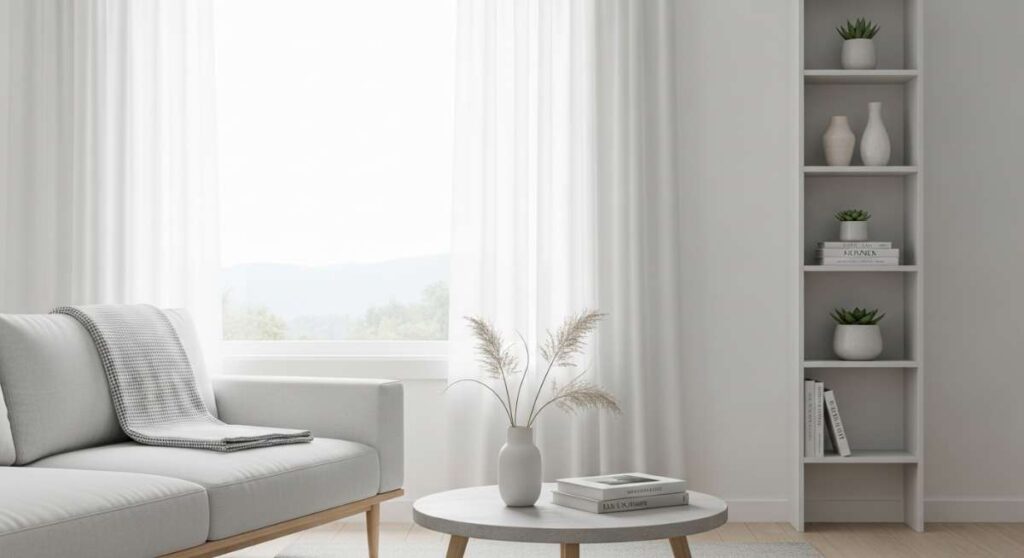
Have you ever walked into a room and felt an immediate, audible exhale escape your lips? Not because the room was empty, but because every single piece within it felt like it had a purpose, a place, and a soul. For the longest time, my home felt like a collection of ‘someday’ projects and ‘just in case’ items that left me feeling heavy and stagnant. Transitioning to a minimalist lifestyle wasn’t just about clearing out the junk; it was about curating a sanctuary that reflects the peace I want to feel inside.
Today, we’re diving deep into the art of the airy, aesthetic home. We are moving past the cold, clinical minimalism of the early 2000s and embracing a ‘Cozy Minimalist’ vibe—one that celebrates soft textures, warm light, and intentional living. This is about making room for the things that matter by letting go of the things that don’t. Let’s transform your space into a breathable, elegant haven where every corner sparks a sense of calm.
How to Style a Cozy Minimalist Living Room for Ultimate Comfort
Why we love this
This approach transforms a standard living area into a tactile retreat that engages the senses without overwhelming them. We love the way the scent of a clean linen candle mingles with the sight of soft, natural light dancing across a bouclé chair. It’s the feeling of ultimate soft-landing after a long day, where the lack of visual clutter allows your mind to finally settle into a state of deep, restorative rest while you wrap yourself in a chunky knit throw.
Essential Elements:
- Neutral-toned oversized sectional sofa
- Textured wool or jute area rug
- Layered pillows in varying fabrics (linen, velvet, cotton)
- Soft ambient lighting (floor lamps with warm bulbs)
- A single, large-scale piece of abstract art
How to make it
- Begin by stripping the room to its primary furniture pieces. Evaluate the layout to ensure there is a clear flow for movement, aiming for at least 30 inches of walking space between items.
- Introduce a base layer with a large rug that grounds the room. Choose a low-pile wool for durability and a creamy off-white or soft beige color to brighten the floor.
- Layer in the seating, focusing on ‘comfort-first’ silhouettes. When choosing pillows, use a 22-inch base pillow with a 20-inch accent to create depth without bulk.
- Incorporate lighting at ‘eye level’ rather than overhead. Use warm LED bulbs (2700K temperature) to mimic the golden hour glow. This ‘heat level’ is crucial for the cozy factor.
- Visual cues for completion: The room is ‘done’ when you can stand at the entrance and your eye moves smoothly across the space without getting ‘stuck’ on any single cluttered surface.
How to Transform Small Living Room Ideas for Apartment Cozy Aesthetic Vibes
Why we love this
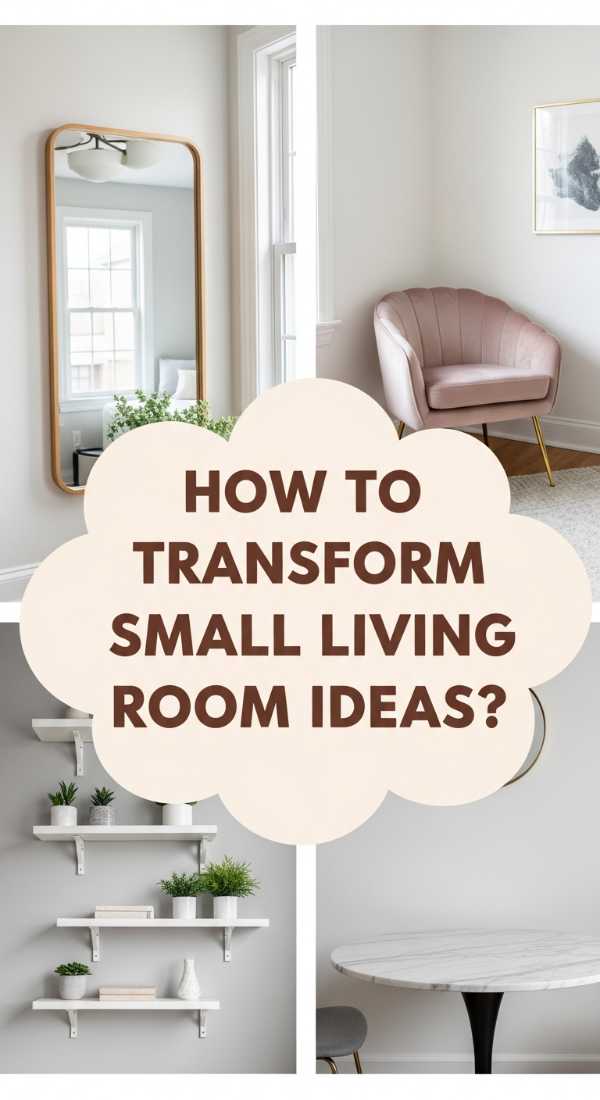
Small apartments can often feel like they are closing in on you, but with the right minimalist tweaks, they become intimate jewel boxes of style. This transformation focuses on maximizing the ‘vertical breath’ of a room, allowing the eyes to travel upward and creating an illusion of height and airiness. We love the cozy intimacy of a perfectly styled small space where every item is high-quality and multifunctional, providing a sense of luxury despite the limited square footage.
Essential Elements:
- Mirrored surfaces to bounce light
- Legged furniture (to see the floor underneath)
- Sheer floor-to-ceiling curtains
- Wall-mounted shelving
- Hidden storage ottomans
How to make it
- Start by replacing heavy, floor-grazing furniture with pieces that have slim legs. Seeing more of the floor trickles the brain into thinking the room is larger.
- Mount curtain rods 6-10 inches above the actual window frame. Use sheer, lightweight linen panels that reach the floor to draw the eye upward and soften the incoming light.
- Integrate mirrors opposite your main light source. This prep phase is like ‘doubling’ your windows, significantly increasing the brightness of the space.
- Select a color palette that is monochromatic. Using different shades of the same ‘parchment’ or ‘clay’ color prevents the room from feeling segmented and ‘choppy.’
- Visual cues for completion: The space should feel ‘expansive’ despite its size; if you feel a sense of ‘pinching’ when walking through, remove one small accessory.
How to Curate a Minimalist Home for Peaceful Daily Living
Why we love this
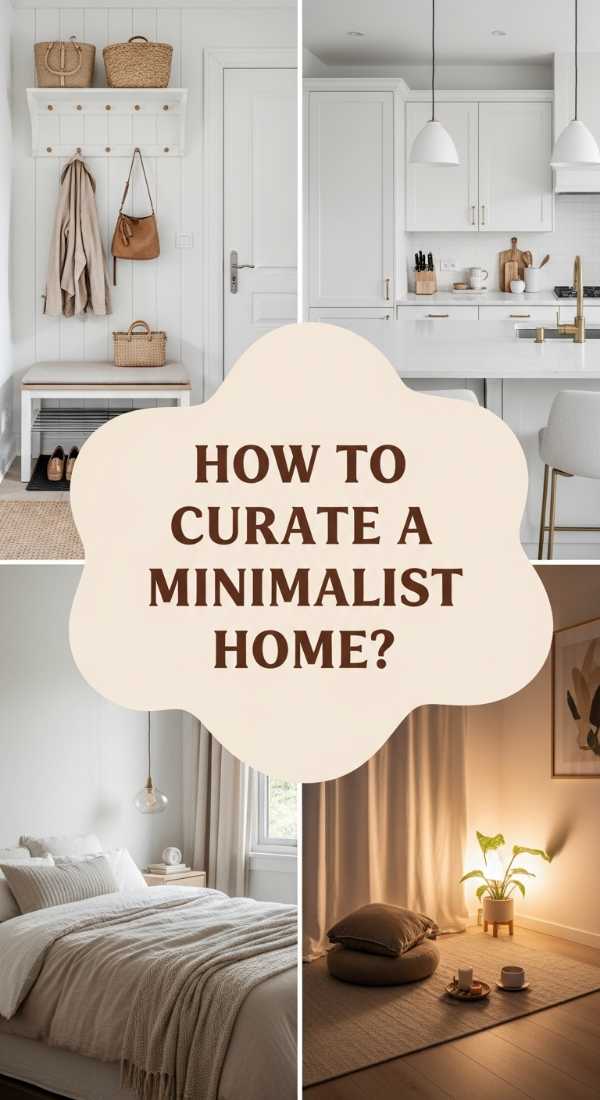
A minimalist home acts as a buffer against the chaotic outside world, creating a predictable and serene environment for your daily rituals. We love the ritualistic feel of waking up to clear surfaces and organized drawers; it reduces decision fatigue and allows for a more mindful morning. The aroma of fresh coffee seems to taste better when enjoyed in a space that isn’t whispering a ‘to-do’ list of cleaning and organizing at you from every corner.
Essential Elements:
- Defined ‘zones’ for specific activities
- Uniform storage containers
- Empty ‘breathing space’ on shelves
- Natural materials like wood and stone
- A dedicated ‘drop zone’ for mail and keys
How to make it
- Perform a ‘house-wide’ edit. Category by category, remove items that haven’t been touched in six months, prioritizing quality over quantity in what remains.
- Organize cupboards using uniform glass or ceramic jars. This visual consistency reduces the ‘noise’ created by mismatched packaging.
- Assign a specific ‘home’ for every object. This technique ensures that cleanup takes minutes, not hours, maintaining the ‘prep’ state of the home constantly.
- Introduce natural textures. A solid oak coffee table or a marble tray adds a grounding, organic weight to a room that prevents it from feeling ‘hollow.’
- Visual cues for completion: You should be able to perform your daily routine (getting ready, cooking a meal) without having to move one object to get to another.
How to Elevate Minimalist Room Decor for an Elegant Home Feel
Why we love this
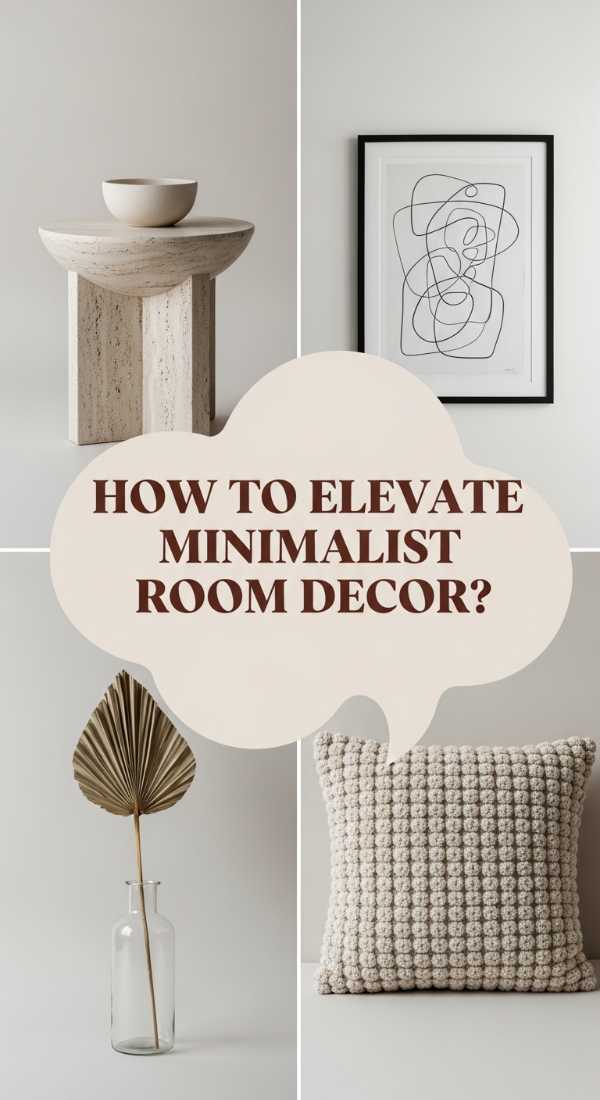
High-end minimalism is all about the ‘quiet luxury’ of interiors—using fewer pieces but ensuring each one is a masterpiece of form and function. We love the sophisticated elegance of a single, architectural branch in a heavy ceramic vase or the subtle sheen of a silk-blend rug. This style feels expensive because it is curated, showing that you value the craftsmanship of your belongings over the sheer volume of them.
Essential Elements:
- Statement sculptural furniture
- High-quality textiles (silk, cashmere, heavy linen)
- Artisan-made ceramics
- Integrated ‘invisible’ technology
- Minimalist gallery wall with wide matting
How to make it
- Invest in one ‘hero’ piece of furniture with a unique silhouette—perhaps a curved sofa or a travertine coffee table with a bold geometric base.
- Upgrade your textiles. Swap polyester blends for 100% natural fibers. The ‘feel’ of the fabric is just as important as the look for achieving an elegant finish.
- Style your surfaces using the ‘Rule of Three,’ but with a minimalist twist: use objects of varying heights but in the same color family to maintain a sleek look.
- Use ‘museum-style’ lighting. Direct small spotlights toward art or architectural features to create drama and depth in an otherwise simple room.
- Visual cues for completion: The room should feel like a curated gallery. If a piece doesn’t have a distinct ‘silhouette,’ it may need to be moved to a less prominent spot.
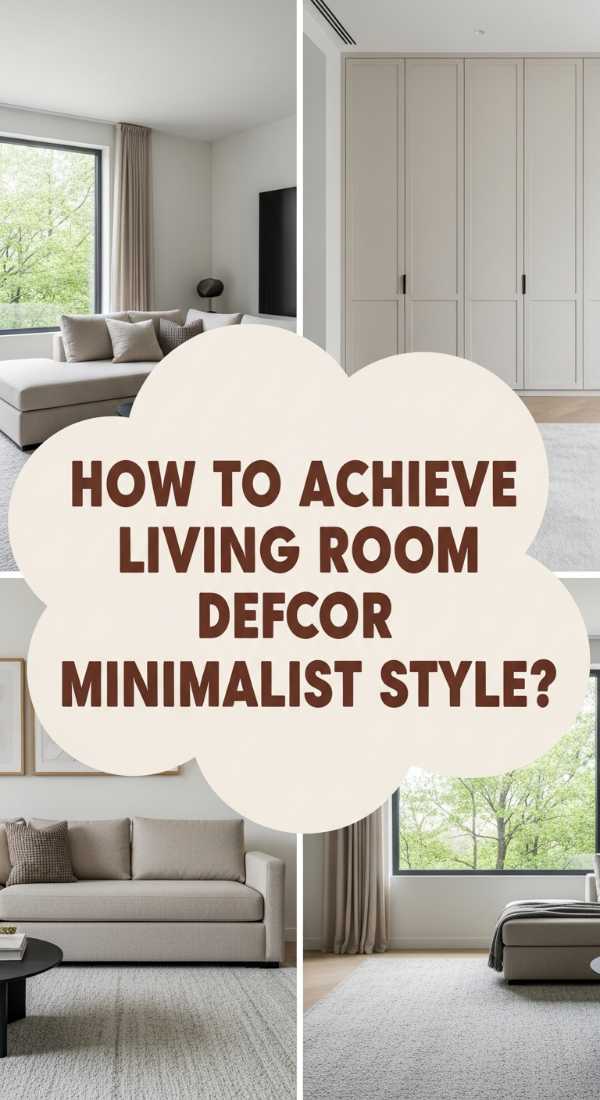
How to Achieve Living Room Decor Minimalist Style for a Stress Free Environment
Why we love this
Stress-free minimalism is about removing the visual triggers that remind us of work and chores. We love how a clean, minimalist living room lowers the heart rate and encourages conversation. There is a specific, cool crispness to a room that has been edited down to its essentials—it feels fresh, like the first day of spring, every single time you walk through the door, allowing your nervous system to fully recalibrate.
Essential Elements:
- Hidden cable management systems
- Closed cabinetry for media and toys
- Cool-toned neutral walls (soft grey or cool white)
- Indoor greenery (a single large fiddle leaf fig or olive tree)
- Minimal window treatments
How to make it
- Tackle ‘visual noise’ first. Hide all electronic cords using trunking or behind-the-wall kits. This is a technical step that has an immediate psychological payoff.
- Paint walls in a high-reflectance white (LRV of 80+). This maximizes natural light, which is scientifically proven to reduce stress levels.
- Choose ‘closed’ storage over open shelving. This keeps the clutter of everyday life out of your direct line of sight.
- Incorporate ‘living’ decor. A single, healthy plant adds oxygen and a touch of nature, softening the sharp lines of minimalist furniture.
- Visual cues for completion: Sit in your favorite chair; if your eyes can scan the room without landing on a ‘problem area’ or mess, the environment is successfully stress-free.
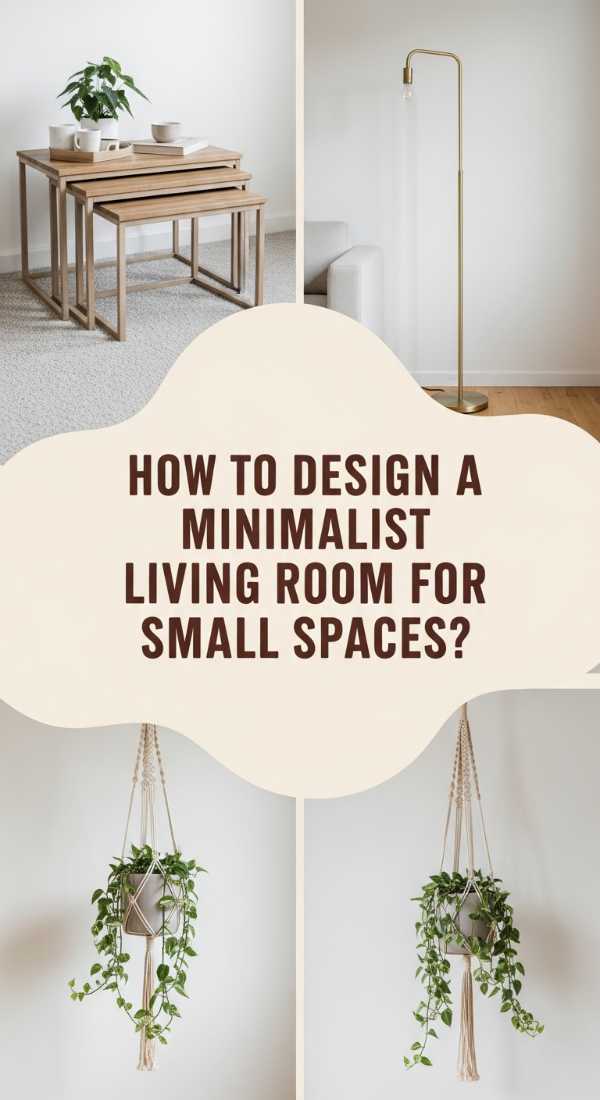
How to Design a Minimalist Living Room for Small Spaces for Maximum Functionality
Why we love this
There is a unique satisfaction in a space that works as hard as you do. This approach is all about the ‘Swiss Army Knife’ of interior design—furniture that transforms and serves multiple roles without looking bulky. We love the cleverness of a coffee table that rises to become a desk, or a sofa that houses a guest bed, all while maintaining that clean, airy aesthetic that makes small spaces feel like a breath of fresh air.
Essential Elements:
- Nest tables that can be tucked away
- Wall-mounted desks or drop-leaf tables
- Sofa with built-in storage underneath
- Modular seating components
- Vertical storage units that reach the ceiling
How to make it
- Measure your space with precision. In a functional minimalist room, every inch counts. Map out ‘multi-use’ zones for work, relaxation, and dining.
- Select modular furniture. Pieces that can be moved or reconfigured allow the room to adapt to different needs throughout the day.
- Utilize the ‘top third’ of your room. Install high shelves for items you use less frequently, keeping the ‘eye-level’ area clear and uncluttered.
- Opt for ‘dual-purpose’ decor. A decorative ladder can hold blankets; a beautiful tray can turn an ottoman into a solid table surface.
- Visual cues for completion: Test the room’s ‘flow’ by transitioning from ‘work mode’ to ‘relax mode.’ If the transition takes less than three minutes, the functionality is peaked.
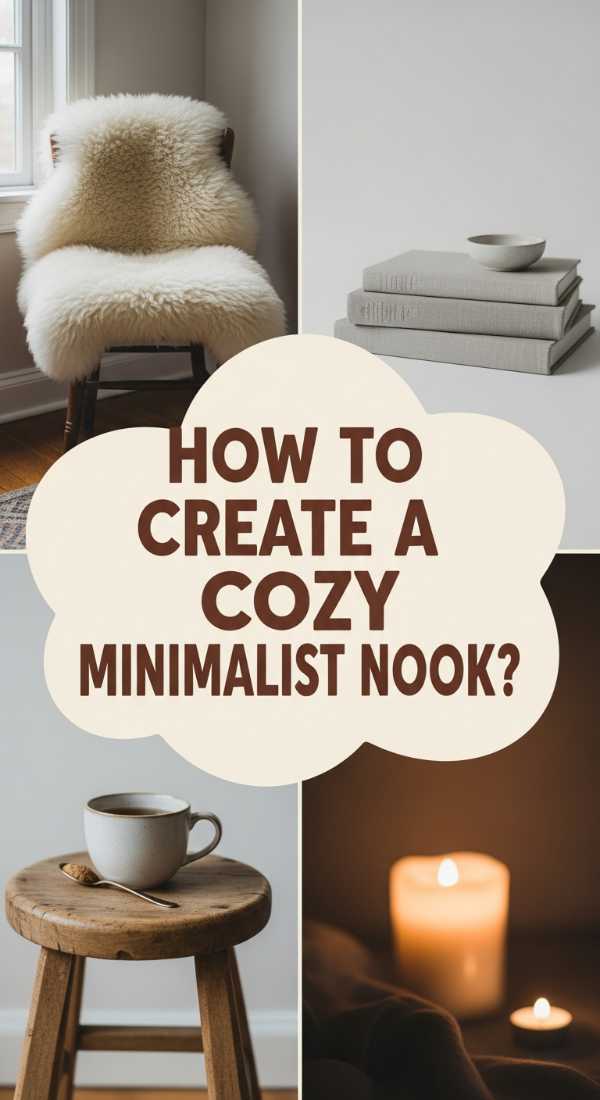
How to Create a Cozy Minimalist Nook for Quiet Moments
Why we love this
Everyone needs a corner of the world that belongs only to them and their thoughts. We love the ‘hug’ of a perfectly styled minimalist nook—a place where the distractions of the house disappear. It’s about the sensory delight of a soft sheepskin rug underfoot, a warm mug of tea, and the perfect amount of light for reading, creating a micro-sanctuary within your larger home.
Essential Elements:
- A deep, comfortable armchair or floor cushion
- A small, sleek side table
- A high-quality reading lamp
- A soft, textured throw blanket
- A single piece of personal inspiration (a book or a small plant)
- A sheepskin or faux-fur rug
How to make it
- Identify a ‘dead’ corner of your home—perhaps by a window or under a staircase—and clear it out completely to create a blank canvas.
- Place your primary seating. If using an armchair, angle it toward a view or a window to capitalize on natural light and ‘visual distance.’
- Add a side table that is just large enough for a cup and a book. Avoid large tables that will inevitably collect clutter.
- Install a dedicated light source. Use a bulb with a ‘warm’ CRI (Color Rendering Index) to ensure colors look natural and the vibe stays cozy.
- Visual cues for completion: The nook should feel like a ‘destination.’ When you look at it from across the room, it should look inviting and complete, even without anyone in it.
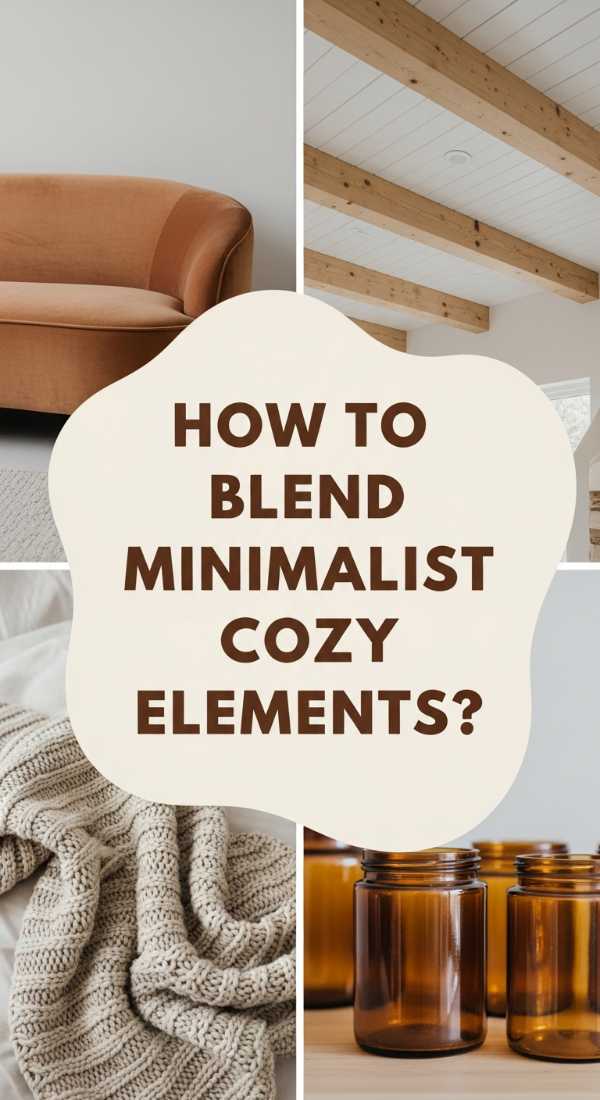
How to Blend Minimalist Cozy Elements for a Warm Sanctuary
Why we love this
This is the ‘Warm Minimalism’ movement at its finest—the perfect marriage between the ‘less is more’ philosophy and the ‘hygge’ lifestyle. We love how this style uses organic shapes and warm wood tones to prevent a minimalist room from feeling cold or uninviting. It’s the visual equivalent of a cashmere sweater; it’s simple, it’s high-quality, and it makes you feel safe and cocooned in your own environment.
Essential Elements:
- Warm wood finishes (oak, walnut)
- Textured wall treatments (limewash or subtle wallpaper)
- Organic, rounded furniture shapes
- Soft, diffused lighting (linen lampshades)
- Natural fibers like hemp, jute, and wool
How to make it
- Switch out any ‘cold’ metals (like chrome) for ‘warm’ ones (like aged brass or matte black). This subtle ‘heat’ shift changes the entire mood of the room.
- Apply a limewash paint to a feature wall. The subtle, suede-like texture adds ‘visual warmth’ without adding the clutter of actual objects.
- Introduce curves. A round dining table or a curved sofa softens the ‘harshness’ often associated with minimalist design.
- Layer your lighting. Use three levels: task (lamp), ambient (wall sconce), and accent (candle). This creates a ‘warm’ atmosphere that feels layered and rich.
- Visual cues for completion: The room should feel ‘soft’ to the eye. If there are too many sharp angles, add a round pillow or a draped throw to break the lines.
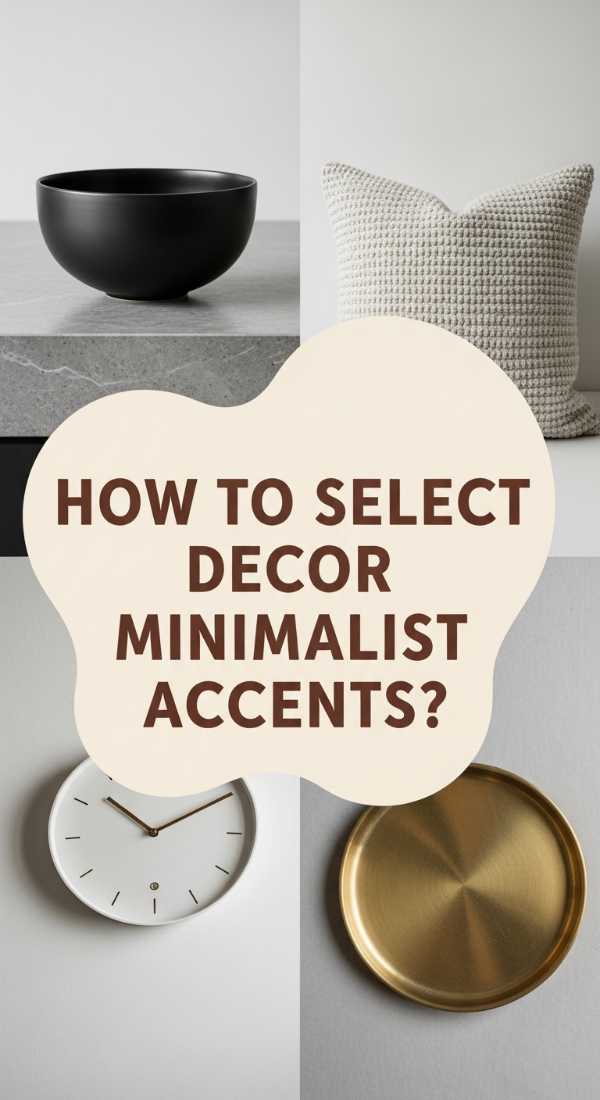
How to Select Decor Minimalist Accents for a Refined Look
Why we love this
In a minimalist home, the accents are the stars of the show. We love the intentionality behind choosing a single, hand-crafted vase over ten mass-produced trinkets. Each accent becomes a conversation piece, a focal point that draws the eye and tells a story of quality, travel, or personal taste. It’s about the ‘edited’ life—choosing the best of the best and letting those pieces breathe and be seen.
Essential Elements:
- Handmade pottery and ceramics
- Coffee table books with neutral spines
- Architectural dried florals (pampas grass, eucalyptus)
- Minimalist clocks or functional art
- Heavy glass or crystal candle holders
How to make it
- The ‘One-In, One-Out’ rule: For every new accent piece you bring in, one must leave. This maintains the ‘refined’ balance of the room.
- Group items in odd numbers. A tray with a candle, a small plant, and a bowl creates a balanced ‘vignette’ that feels purposeful rather than accidental.
- Focus on scale. One large, impactful vase is often better than three small ones. The ‘heaviness’ of a single piece provides a more refined aesthetic.
- Choose a consistent color palette for all accents. If you stick to ‘earth tones,’ then every piece will look like it belongs with the others, regardless of texture.
- Visual cues for completion: Clear off all flat surfaces, then add back only 30% of what was there. If the room feels ‘intentional’ rather than ’empty,’ you’ve nailed it.
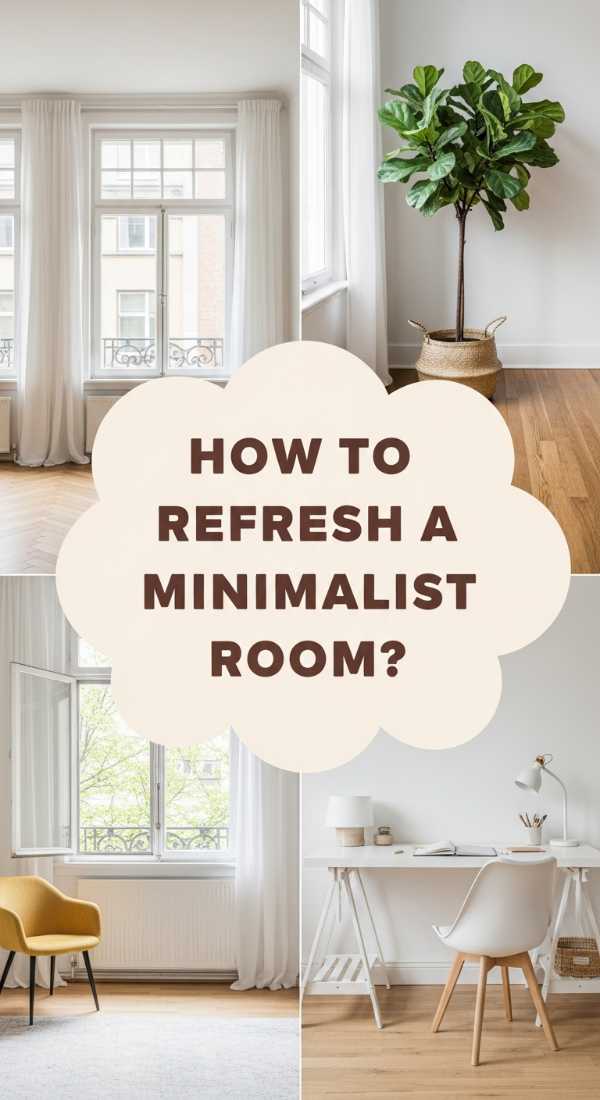
How to Refresh a Minimalist Room for a Bright New Perspective
[IMAGE_10]
Why we love this
Even the most curated minimalist spaces need a ‘breath of fresh air’ occasionally. We love the process of the ‘seasonal edit’—the feeling of stripping everything back and re-introducing pieces in a new way. It keeps the home feeling dynamic and alive. It’s like hitting a ‘reset’ button on your environment, clearing out stagnant energy and letting new light and inspiration flood in for the months ahead.
Essential Elements:
- Seasonal natural elements (fresh flowers vs. dried branches)
- Lighter or heavier textile swaps
- New configuration of existing art
- Deep-cleaned surfaces and windows
- A signature seasonal scent (citrus for spring, cedar for winter)
How to make it
- Clear everything out of the room except the largest furniture. This ‘prep’ phase allows you to see the architecture of the space again.
- Deep clean every surface, especially windows. Maximizing the ‘light’ entering the room is the fastest way to refresh a minimalist aesthetic.
- Swap your textiles for the season. In warmer months, use light linen throws; in colder months, bring out the heavy wool and velvet.
- Rotate your artwork. Moving a piece from the hallway to the living room can change the ‘energy’ and focus of the entire space.
- Visual cues for completion: The room should feel ‘new’ to you. If you walk in and feel a sense of discovery or renewed appreciation, the refresh is a success.
Embracing the Airy Life
Transforming your home into a minimalist sanctuary isn’t a weekend project—it’s a lifelong practice of intentionality. By focusing on quality, light, and texture, you create a space that doesn’t just look like a magazine spread, but feels like a true reflection of your most peaceful self. Remember, minimalism isn’t about having less; it’s about making room for more of what actually matters. Start small, breathe deep, and enjoy the beauty of the edit.