
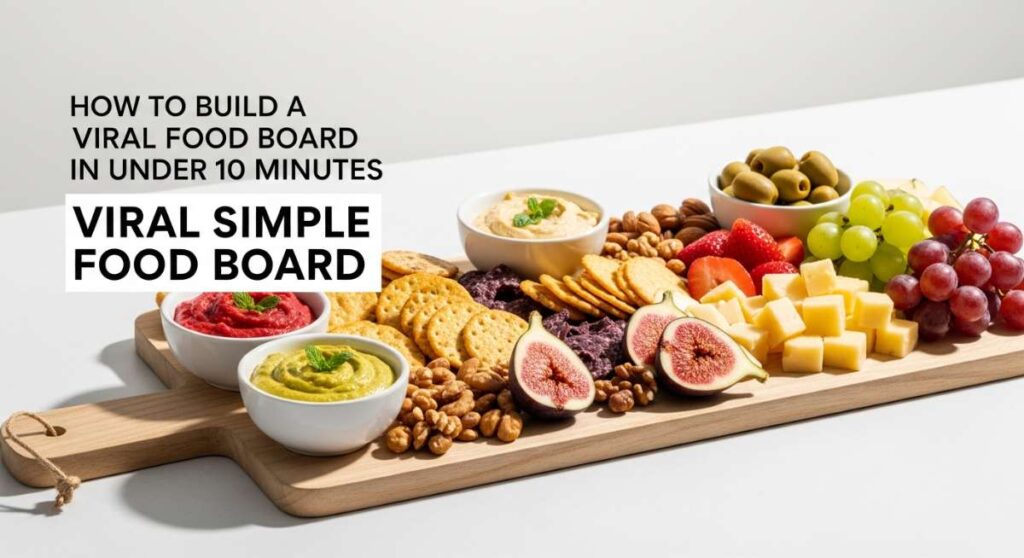
How to Build a Viral Food Board in Under 10 Minutes
There is something truly magical about the way a perfectly styled food board brings people together. I remember the first time I set out a sprawling, colorful spread for a Friday night gathering; the room instantly transformed from a quiet hangout to a vibrant celebration of flavor. It is about more than just food; it is about creating an invitation to linger, to talk, and to share in a sensory experience that feels both indulgent and effortlessly cool.
The secret to the Viral Simple Food Board isn’t about spending hours in the kitchen or having professional chef skills. It is about the art of assembly, the pop of fresh colors, and that irresistible ‘wow’ factor that makes everyone reach for their phones before they reach for a fork. Today, I’m showing you exactly how to craft a Thai-inspired pasta salad board that is guaranteed to go viral on your feed and in your friend group.
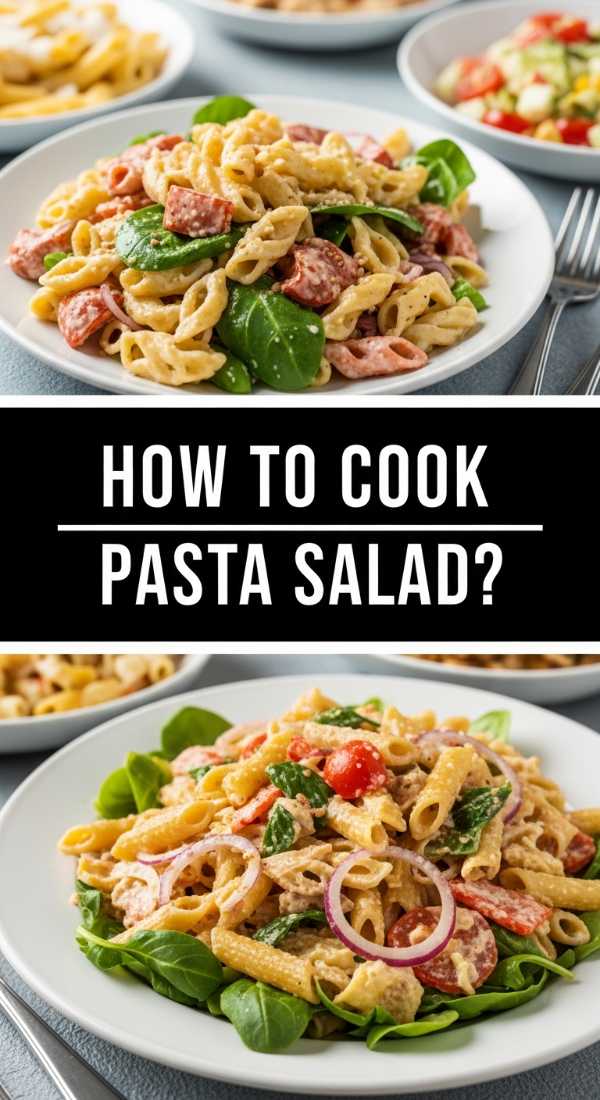
How to make Thai pasta salad
Why we love this
This dish is a breathtaking symphony of textures and temperatures that dances across the palate with every single bite. We love how the creamy, nutty richness of the peanut dressing clings to every curve of the pasta, providing a decadent base for the sharp, citrusy brightness of fresh lime and the spicy kick of Thai chilies. It feels like a tropical escape in a bowl, offering a refreshing yet satisfying crunch from fresh vegetables that makes it the ultimate centerpiece for any modern food board.
Ingredients
- 1 lb Linguine or Fettuccine pasta
- 1/2 cup Creamy peanut butter
- 1/4 cup Soy sauce
- 2 tablespoons Sriracha
- 1 tablespoon Freshly grated ginger
- 2 tablespoons Honey or agave
- Juice of 2 large limes
- 1 cup Shredded red cabbage
- 1/2 cup Shredded carrots
- 1/4 cup Chopped cilantro
How to make it
- Begin by preparing your pasta base; fill a large stockpot with water and add a generous tablespoon of sea salt to ensure the noodles are seasoned from the inside out.
- Once the water reaches a vigorous, rolling boil, add your noodles and stir immediately to prevent sticking, cooking them until they are exactly al dente to maintain a firm bite against the creamy sauce.
- While the pasta cooks, create the signature dressing by whisking together peanut butter, soy sauce, Sriracha, ginger, honey, and lime juice in a medium glass bowl until the mixture is completely smooth and emulsified.
- Drain the pasta, reserving half a cup of the starchy cooking water, and immediately toss the hot noodles with the dressing, adding the reserved water a tablespoon at a time if the sauce needs thinning to coat every strand perfectly.
- Fold in your shredded cabbage and carrots while the pasta is still slightly warm so they soften just a touch while retaining their vibrant color and essential crunch.
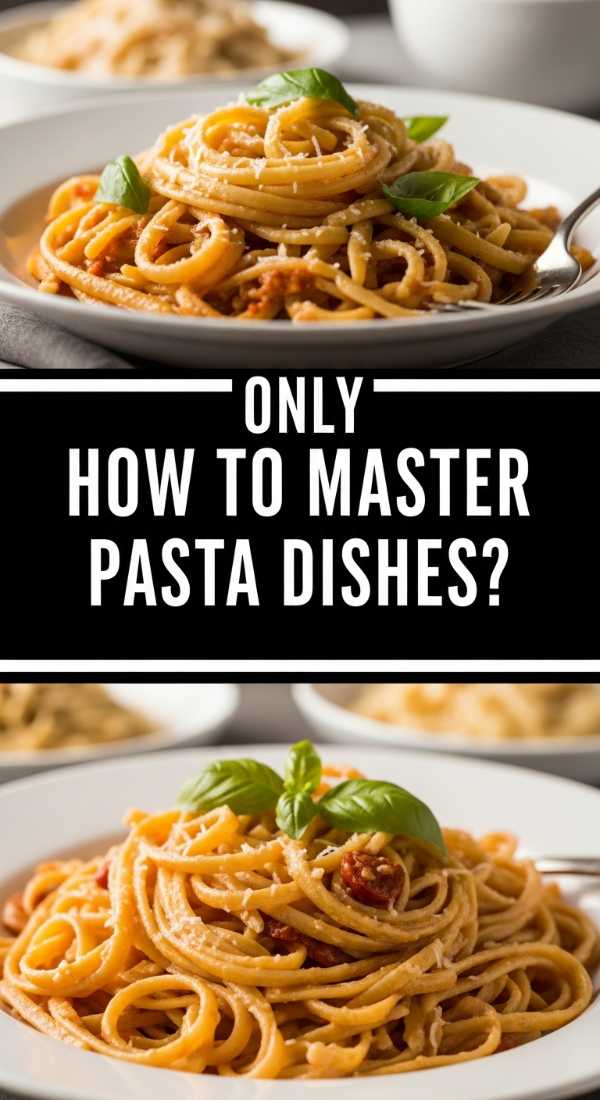
How to cook pasta salad
Why we love this
Mastering the base of a pasta salad is the fundamental secret to a dish that doesn’t get soggy or bland after sitting out on a board. We love the technique of ‘cold-shocking’ because it preserves the structural integrity of the pasta, ensuring each piece remains distinct and firm rather than clumping together into a starchy mass. It creates a clean canvas that allows the vibrant colors of your Thai-inspired toppings to truly pop against the pale, perfectly cooked noodles.
Ingredients
- 1 box Fusilli or Rotini pasta
- 4 quarts Water
- 2 tablespoons Kosher salt
- Large bowl of ice water
- 1 teaspoon Neutral oil (like grapeseed)
How to make it
- Fill your largest pot with four quarts of filtered water and bring it to a heavy boil over high heat, ensuring you see large bubbles breaking the surface constantly.
- Add the salt—it should taste like the ocean—and then drop in your pasta shapes, stirring for the first 60 seconds to ensure no pieces fuse to the bottom or each other.
- Check the pasta two minutes before the package directions suggest; you are looking for a center that is opaque but firm, with no raw flour taste remaining.
- Drain the pasta into a colander and immediately plunge the entire colander into a pre-prepared ice bath to halt the residual cooking process instantly.
- Once chilled, drain thoroughly and toss with a teaspoon of neutral oil to create a light barrier that prevents the pasta from absorbing too much dressing later and becoming mushy.
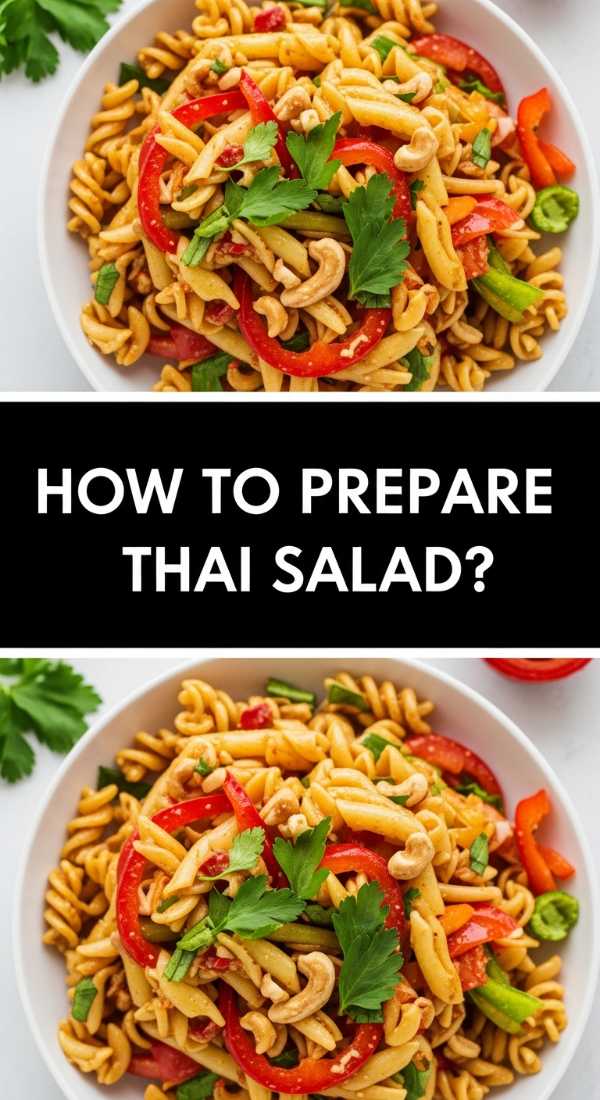
How to master pasta dishes
Why we love this
Mastery is all about the subtle nuances that elevate a simple meal into a gourmet experience that people will talk about for weeks. We love the process of layering flavors—understanding that the ‘pasta water’ is liquid gold and that the marriage of fat and acid is what creates that addictive, lip-smacking quality. When you master these small details, your food boards move from looking ‘homemade’ to looking like they were styled for a high-end lifestyle magazine.
Ingredients
- High-quality bronze-cut pasta
- Reserved pasta cooking water
- Premium extra virgin olive oil
- Flaky sea salt
- Freshly cracked black peppercorns
How to make it
- Select a pasta that has been ‘bronze-cut,’ which creates a rougher surface area that allows sauces to grip and cling to the noodle rather than sliding off.
- Always reserve at least one cup of the cloudy pasta water before draining; the starches in this water act as a natural binder that helps create a silky, restaurant-quality emulsion.
- Heat your finishing oil or sauce base over medium-low heat in a wide skillet, then add the cooked pasta directly into the sauce rather than pouring the sauce over the pasta.
- Vigorously toss the pasta in the skillet using tongs, adding splashes of the reserved water and a drizzle of oil, until you see a glossy sheen develop on every noodle.
- Finish with a final seasoning of flaky sea salt and cracked pepper from a height of six inches to ensure an even distribution of flavor across the entire dish.
How to prepare Thai salad
Why we love this
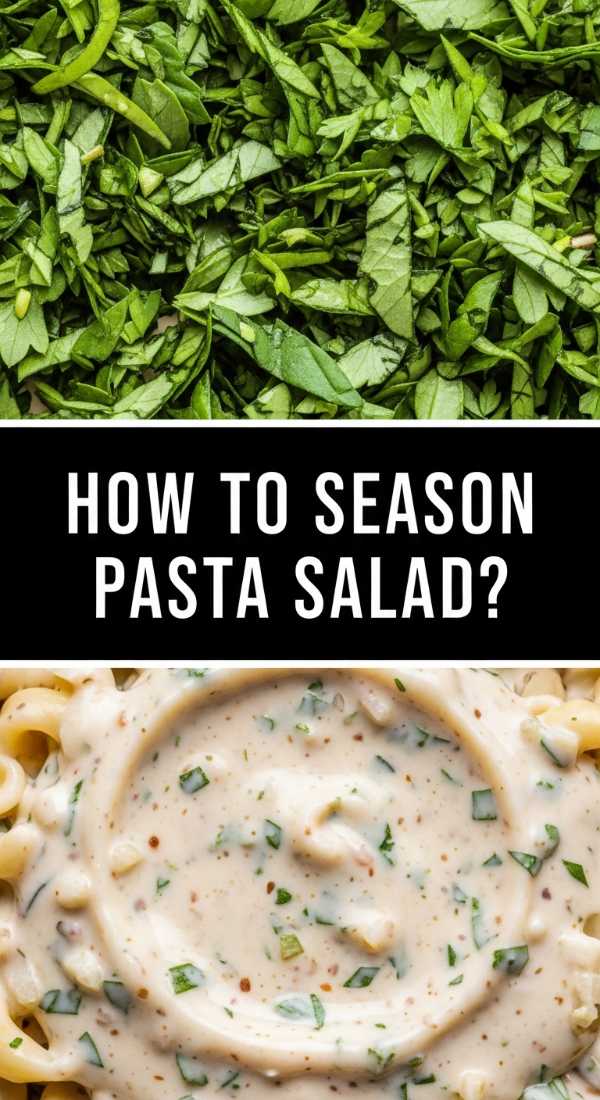
The preparation of the fresh elements in a Thai salad is where the true aromatherapy of the kitchen comes alive, filling the room with the scent of mint and lime. We love the meditative process of julienning crisp vegetables into matchstick thinness, creating a visual texture that is both delicate and incredibly satisfying to crunch into. It is the contrast between the soft noodles and these razor-crisp vegetables that provides the complex mouthfeel necessary for a viral-worthy dish.
Ingredients
- 1 head Napa cabbage
- 2 Red bell peppers
- 1 bunch Green onions
- 1 cup Fresh mint leaves
- 1/2 cup Toasted peanuts
How to make it
- Using a very sharp chef’s knife, slice the Napa cabbage into paper-thin ribbons, discarding the very bottom of the core to ensure every bite is tender.
- De-seed the red bell peppers and slice them into long, elegant julienne strips that are no thicker than a matchstick for a professional, uniform appearance.
- Bias-cut the green onions on a sharp diagonal, which increases the surface area and releases more of their mild, oniony aroma while looking beautiful on the board.
- Hand-tear the mint leaves rather than chopping them with a knife to prevent bruising and to keep the edges from turning brown, ensuring they stay bright green for hours.
- Roughly chop the toasted peanuts by hand so you have a variety of sizes—from fine dust to large chunks—which provides a more interesting textural experience.
How to season pasta salad
Why we love this
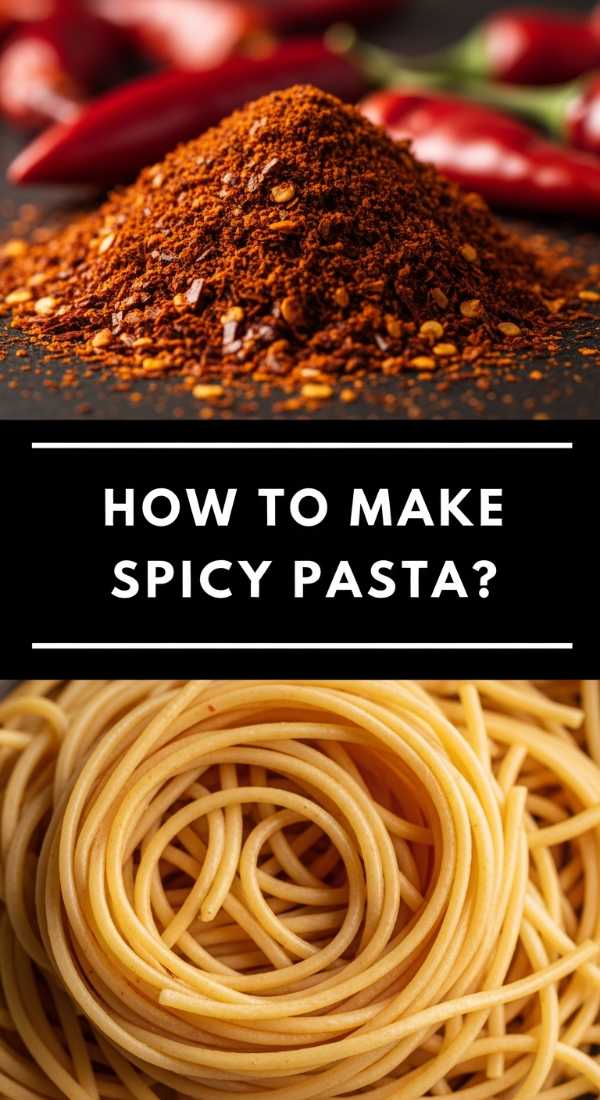
Seasoning is the bridge between a dish that is merely ‘good’ and one that is absolutely unforgettable, hitting every corner of your taste buds simultaneously. We love how a pinch of red pepper flakes can wake up the palate, while a touch of ginger provides a warming depth that lingers long after the meal is finished. It is the careful balance of salt, heat, and aromatics that transforms simple wheat noodles into a complex, savory masterpiece that guests will keep coming back for.
Ingredients
- Red pepper flakes
- Freshly grated garlic
- Microplane-grated ginger
- Toasted sesame seeds
- Light brown sugar
How to make it
- Grate your garlic and ginger using a microplane directly over the mixing bowl to capture all the essential oils and juices that are often lost on a cutting board.
- Whisk in the brown sugar slowly, tasting as you go, to find the perfect point where the sweetness balances the acidity of the lime without becoming sugary.
- Toast your sesame seeds in a dry pan over medium heat for 2-3 minutes until they fragrance the air and turn a pale golden brown, then stir them directly into the seasoning base.
- Add the red pepper flakes last, starting with a half teaspoon and increasing based on your preference for a slow, building heat that doesn’t overwhelm the other flavors.
- Let the seasoning base sit for at least ten minutes before mixing it with the pasta to allow the dry spices to hydrate and the garlic to mellow in the acid of the lime.
How to make spicy pasta
Why we love this
Spiciness adds a layer of excitement and energy to a food board, acting as a bold counterpoint to the cooling, crunchy vegetables. We love how the heat in this Thai pasta builds gradually—it’s not a sharp, painful burn, but a rounded, glowing warmth that makes the lime juice taste even brighter. It creates a dynamic eating experience where each bite feels slightly different, keeping your guests engaged and reaching for just one more spicy forkful.
Ingredients
- 2 tablespoons Sambal Oelek or Sriracha
- 1 teaspoon Thai bird’s eye chilies (optional)
- 1 tablespoon Chili oil with dregs
- 1/2 teaspoon Cayenne pepper
- 1 tablespoon Rice vinegar
How to make it
- Start by blooming your dried spices, like cayenne, in a tiny bit of warm oil to unlock their fat-soluble flavor compounds before adding them to the liquid ingredients.
- Incorporate the Sambal Oelek or Sriracha into your main sauce, whisking vigorously to ensure the chili paste is evenly distributed and there are no “hot spots” in the dish.
- If using fresh bird’s eye chilies, mince them extremely fine, almost into a paste, and rub them into the salt before adding the salt to the dressing for an even heat.
- Drizzle the chili oil over the finished pasta salad at the very end, ensuring you include the crunchy “dregs” from the bottom of the jar for a smokey, spicy kick.
- Balance the high heat by adding a splash more rice vinegar; the acid helps to cut through the capsaicin, making the spice feel refreshing rather than heavy.
How to dress pasta salad
Why we love this
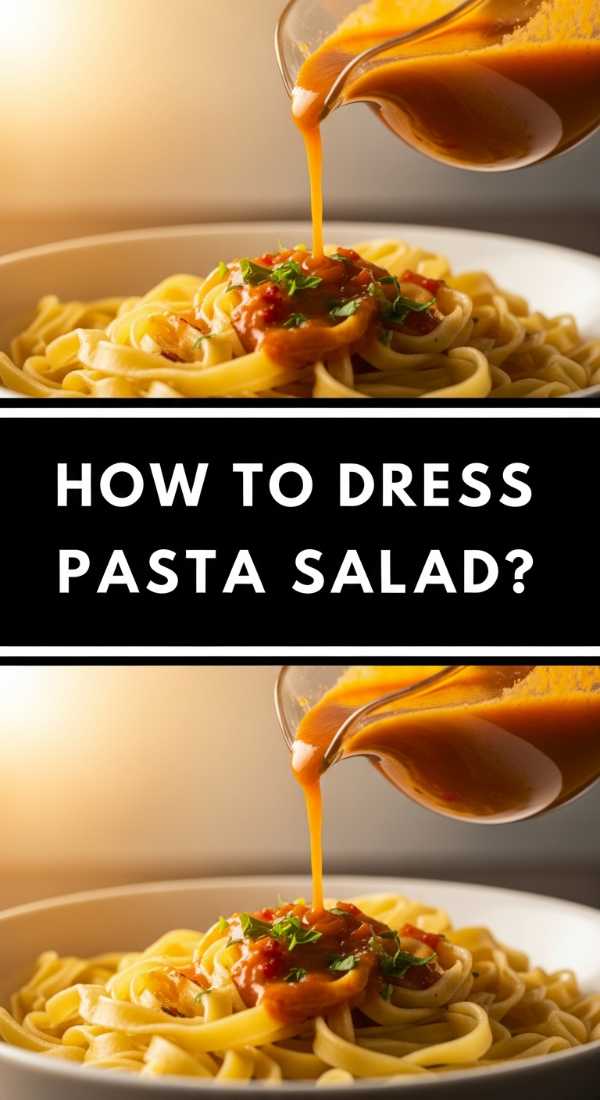
The dressing is the ‘glue’ that holds your food board concept together, providing the gloss and the flavor profile that defines the entire spread. We love the way a well-emulsified dressing coats the noodles in a silky, reflective layer that looks absolutely stunning under dinner party lights. It ensures that every single vegetable and noodle is seasoned perfectly, so there are no bland bites, making the entire board a consistent explosion of Thai-inspired flavor.
Ingredients
- 1/3 cup Rice vinegar
- 1/4 cup Sesame oil
- 1/4 cup Soy sauce
- 1 tablespoon Dijon mustard (as an emulsifier)
- 2 tablespoons Honey
How to make it
- Combine the rice vinegar, soy sauce, and honey in a tall jar or blender, adding the Dijon mustard which serves as a natural stabilizer to keep the oil and vinegar from separating.
- Slowly stream in the sesame oil while whisking or blending at a high speed; this “slow-and-steady” approach is what creates a thick, creamy emulsion that won’t puddle.
- Taste the dressing with a piece of the actual pasta you are using, as the starch in the noodle will change how you perceive the salt and acid levels.
- Pour the dressing over the pasta while it is still slightly warm—this allows the noodles to absorb the flavors more deeply than if they were ice-cold.
- Reserve a small amount of the dressing in a ramekin on your board so guests can add a fresh drizzle right before they eat for maximum shine and flavor.
How to create pasta dishes
Why we love this
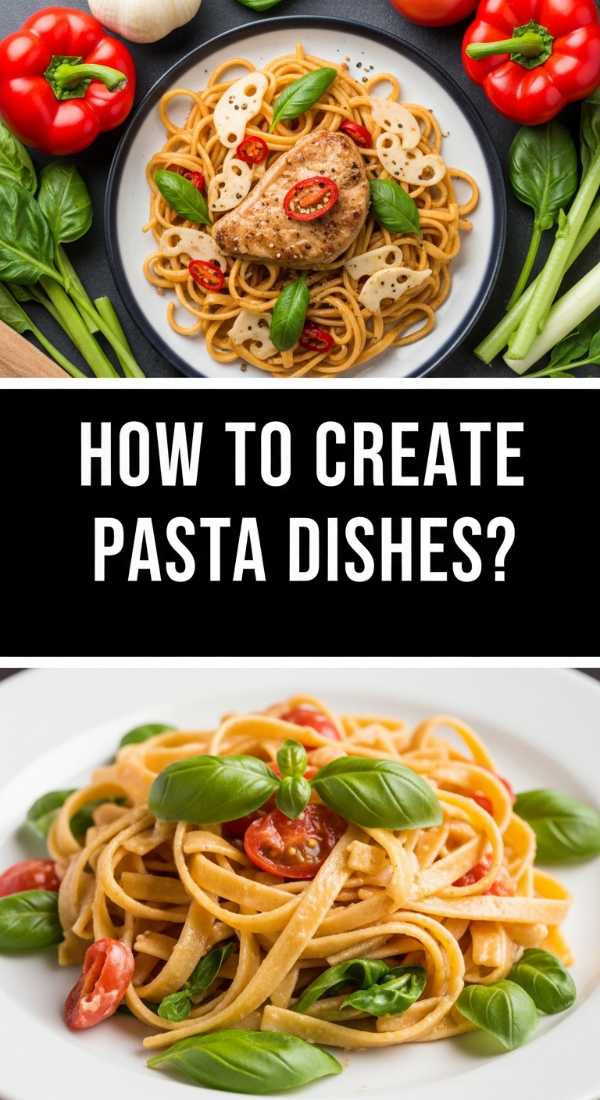
Creating a dish is an artistic endeavor that goes beyond just following a recipe; it’s about the visual architecture of the plate. We love the use of height and color blocking to create a board that looks abundant, lush, and professional. By treating each component—the noodles, the herbs, and the garnishes—as a design element, you turn a simple meal into a viral centerpiece that captures the imagination and the appetite of everyone in the room.
Ingredients
- Wide wooden serving board
- Large bunch of fresh cilantro
- Lime wedges
- Edible flowers (optional)
- Crushed peanuts
How to make it
- Begin by laying down a bed of large, vibrant greens or banana leaves on your board to create a natural, organic boundary for your pasta.
- Use a large pair of kitchen tongs to twirl the pasta into “nests” rather than just dumping it, which creates height and makes it easier for guests to serve themselves.
- Place your colorful vegetables in clusters around the pasta nests rather than mixing them all in, creating a high-contrast visual that looks more deliberate and high-end.
- Tuck fresh lime wedges and sprigs of cilantro into the gaps, ensuring the green of the herbs is bright and perky to signify freshness.
- Finalize the look by scattering crushed peanuts and sesame seeds from a height, letting them fall naturally across the board like edible confetti.
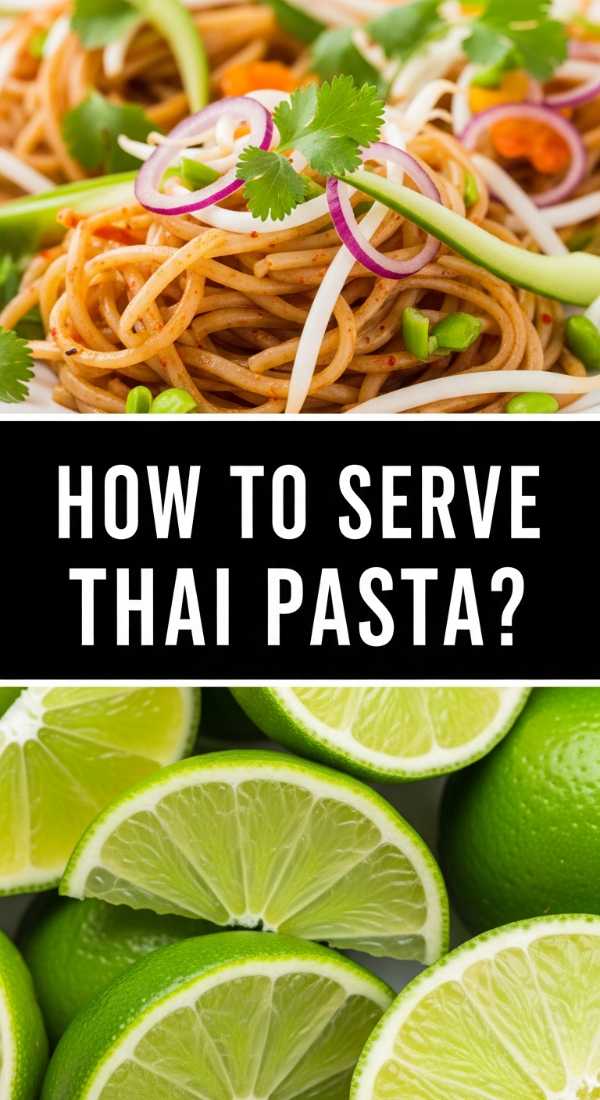
How to serve Thai pasta
Why we love this
Serving is the final act of hospitality, and we love how a food board makes this process interactive and social. Instead of being stuck in the kitchen plating individual portions, you are in the middle of the action, watching people customize their own plates with extra lime or a heavy sprinkle of nuts. It breaks down the formality of dining and replaces it with a communal, joyful energy that is the hallmark of any truly viral lifestyle moment.
Ingredients
- Miniature tongs or serving forks
- Small bowls for extra sauce
- Extra napkins (it gets messy!)
- Chopsticks for an authentic touch
- Small appetizer plates
How to make it
- Place the board in the center of the table where it is accessible from all sides, encouraging guests to move around and interact with the display.
- Set out several sets of miniature tongs or heavy-duty chopsticks so multiple people can serve themselves at the same time without a bottleneck forming.
- Place small ramekins of extra Sriracha and peanut sauce on opposite corners of the board, allowing guests to control their own spice and creaminess levels.
- Provide small, high-quality appetizer plates that are easy to hold while standing, as this dish is perfect for a mingling-style cocktail hour.
- Keep a small bowl of fresh lime wedges nearby, as a fresh squeeze of acid right before eating will revive the flavors if the board has been sitting out for a while.
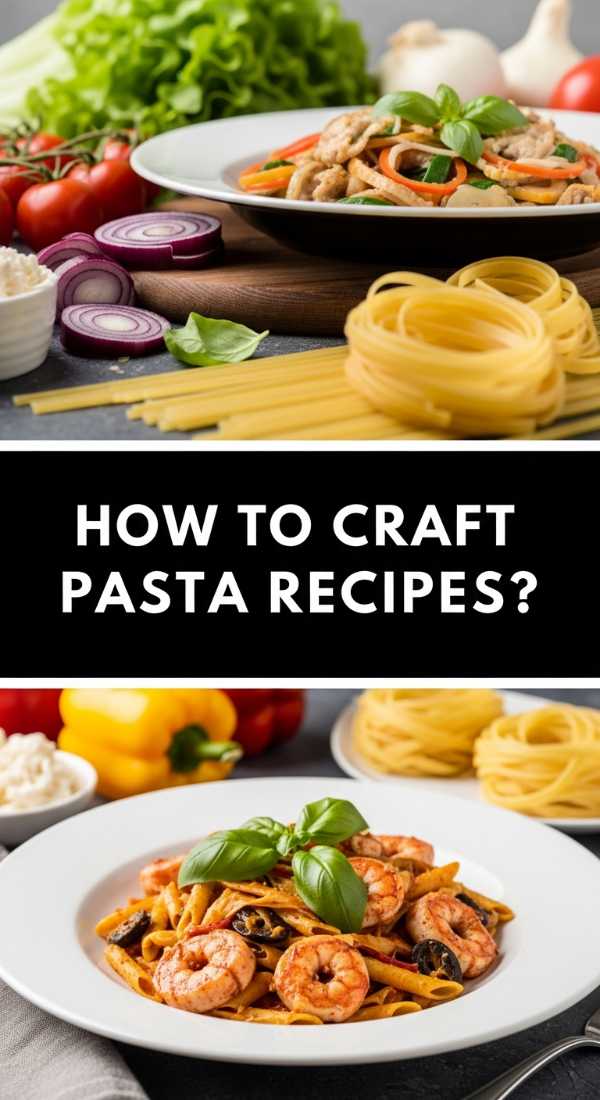
How to craft pasta recipe
[IMAGE_10]
Why we love this
Crafting your own signature version of a recipe is the ultimate way to express your personality through food. We love the process of experimentation—adding a dash of fish sauce for umami or swapping peanuts for cashews to make it your own. When you craft a recipe specifically for your board, it becomes a story you tell your guests, making the meal feel personal, intentional, and deeply special.
Ingredients
- 1 tablespoon Fish sauce (for depth)
- 1/2 cup Toasted cashews (instead of peanuts)
- 1 tablespoon Lemongrass paste
- Fresh Thai basil
- Zest of 1 lime
How to make it
- Incorporate a tablespoon of fish sauce into your dressing base; this provides a funky, salty depth of flavor that is the hallmark of authentic Thai street food.
- Sauté lemongrass paste with a tiny bit of oil before adding it to your sauce to soften its fibrous texture and release a bright, floral citrus aroma.
- Swap out standard basil for Thai basil, which has a distinct anise or licorice-like flavor that pairs beautifully with the heat of the chilies.
- Use a fine zester to add the lime zest directly over the finished board; the zest contains the fragrant oils that provide a more intense aroma than the juice alone.
- Document your adjustments in a kitchen journal as you go, noting which flavors popped most, so you can recreate your viral signature board perfectly every single time.
Conclusion
Building a viral-worthy food board is truly about embracing the joy of the process and the beauty of fresh ingredients. By focusing on a few key techniques—like cold-shocking your pasta and creating a perfectly emulsified dressing—you can transform a simple Thai pasta salad into a stunning centerpiece. Remember, the best boards are the ones that reflect your personal taste and the warmth of your hospitality. So grab your tongs, get creative, and get ready to see your creation all over your friends’ stories tonight!