
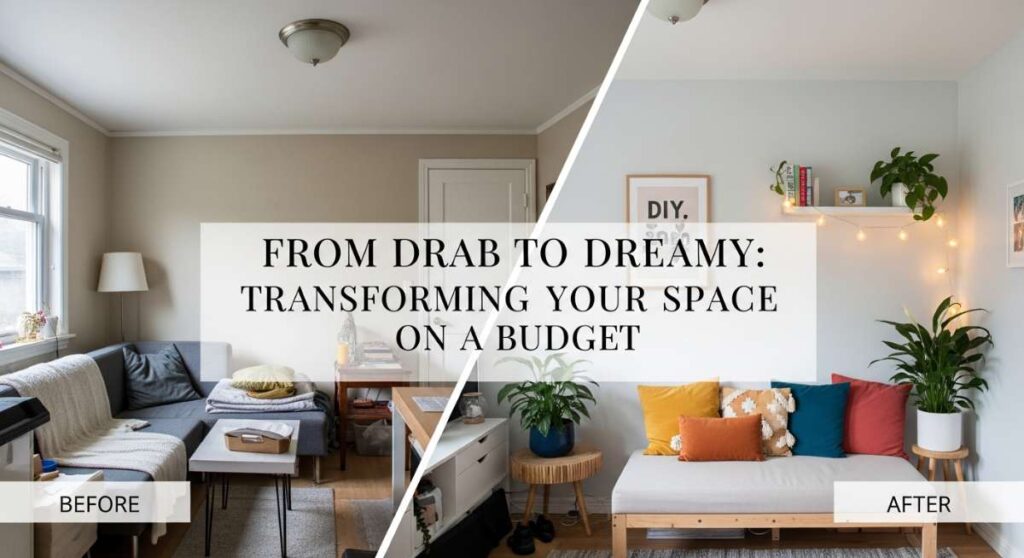
Have you ever walked through your front door and felt a heavy sigh escape your lips, but not the good kind? We’ve all been there—the ‘drab’ phase where our living space feels more like a storage unit than a sanctuary. I remember sitting on my mismatched sofa, staring at bare walls, and realizing my home didn’t reflect the vibrant, creative person I felt like inside. It wasn’t about the lack of luxury; it was about the lack of soul.
The magic happens when we realize that a dreamy home isn’t bought from a high-end catalog; it’s curated with intention, a bit of elbow grease, and a whole lot of heart. Whether you are working with a tiny studio apartment or a house that needs a personality transplant, the goal is to create a space that hugs you the moment you walk in. Let’s dive into ten ways we can transform the everyday into the extraordinary without emptying our savings accounts.
How to Create a Sun Drenched Summer Sanctuary for Refreshing Afternoons
Why we love this
There is something fundamentally healing about a room that feels like it’s breathing alongside the season. This summer sanctuary style is all about capturing the ethereal glow of the late afternoon sun, where the air feels light and the scent of citrus and sea salt lingers on the breeze. Imagine sinking into a chair with a cold glass of iced tea, feeling the soft touch of linen against your skin while the golden hour light dances across your walls. It’s a sensory reset button that turns a simple room into a refreshing escape from the humidity and heat of the outside world.
Essential Elements:
- Sheer, floor-to-ceiling white linen curtains
- Natural jute or sisal area rugs
- Potted citrus trees or tall leafy palms
- Large-scale mirrors to bounce natural light
- A palette of crisp whites, pale lemons, and sky blues
How to make it
- Start by stripping back heavy window treatments. Install a thin curtain rod as high as possible—close to the ceiling—to draw the eye upward and make the windows feel expansive.
- Hang sheer, lightweight panels that catch the wind. Ensure they are long enough to slightly puddle on the floor for a romantic, airy aesthetic.
- Position a large floor mirror directly opposite your primary window. This technique doubles the visual sunlight and creates an illusion of a much larger, open-air terrace.
- Introduce organic textures by placing a jute rug over your existing flooring. The raw, earthy feel underfoot immediately grounds the space and adds that ‘vacation’ texture.
- Arrange a cluster of terracotta pots with Mediterranean plants like lavender or lemon balm. The scent is subtle and refreshing, especially when hit by the warmth of the sun.
How to Style a Timeless Vintage Parlor for Classic Sophistication

Why we love this
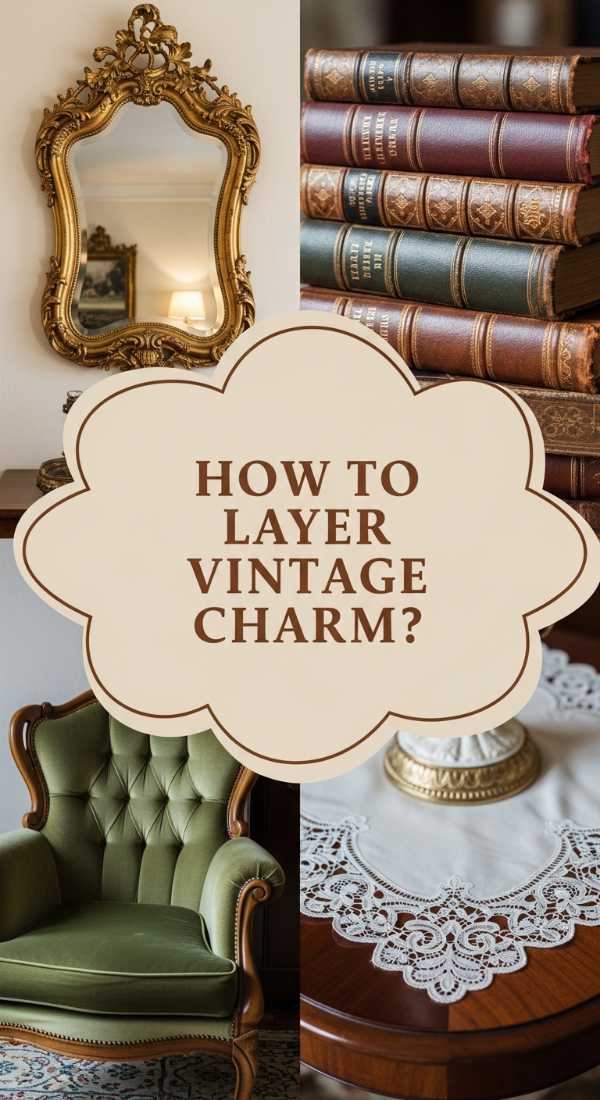
Stepping into a vintage-inspired parlor feels like entering a storied past where every object has a secret to tell. We love this look because it prioritizes character over perfection, celebrating the patina of aged wood, the luster of tarnished brass, and the weight of heavy velvet upholstery. It smells faintly of old books and dried roses, offering a sophisticated refuge where you can unplug from the digital world. It’s the ultimate way to bring a sense of history and permanence into a modern home, making even a new build feel like it has ancestral roots.
Essential Elements:
- Dark wood furniture (mahogany or walnut finishes)
- Thrifted brass candle holders and ornate frames
- Deep jewel-toned velvet cushions (emerald, ruby, or sapphire)
- A gallery wall featuring oil paintings or botanical sketches
- Traditional Persian or Oriental-style rugs
How to make it
- Identify a focal point, such as a fireplace or a bookshelf, and anchor the room with a plush, dark-colored rug that features intricate traditional patterns.
- Source a statement velvet piece, like a wingback chair or a chaise lounge. Look for deep tufting, as the shadows in the fabric add immense visual depth and a sense of luxury.
- Curate a gallery wall using mismatched gold frames. Don’t worry about symmetry; focus on a balanced ‘salon-style’ layout where the frames are spaced 2-3 inches apart.
- Layer in lighting using lamps with pleated shades or amber-toned bulbs. Avoid overhead lighting; you want a soft, warm glow that highlights the textures of the wood and metal.
- Finalize the look with ‘old-world’ accessories like a brass bell, a stack of vintage leather-bound books, and a crystal decanter on a side table.
How to Achieve the Perfect Coastal Cottage Look for Serene Seaside Living

Why we love this
The coastal cottage aesthetic is the interior design equivalent of a deep, cleansing breath. It moves away from ‘nautical kitsch’ and toward a sophisticated, serene palette that mimics the shoreline—sandy beiges, weathered driftwood grays, and the softest foamy whites. This style is incredibly forgiving for families and pet owners because it thrives on lived-in textures like slipcovered sofas and distressed finishes. It creates a home environment that feels perpetually relaxed, where the boundaries between the indoors and the natural beauty of the coast seem to blur into one peaceful retreat.
Essential Elements:
- White-washed or light oak wood flooring
- Bleached cotton or linen furniture slipcovers
- Decor accents made of seagrass, wicker, or driftwood
- Striped textiles in navy or soft gray
- Large glass vases filled with beach grass or hydrangeas
How to make it
- Establish a base of ‘warm white’ paint on the walls (look for undertones of cream rather than blue) to keep the space from feeling clinical or cold.
- Swap out formal seating for slipcovered furniture. The key is to choose fabrics that are machine-washable, giving the room a relaxed, ‘nothing is too precious’ vibe.
- Integrate woven textures through baskets and lighting fixtures. A large wicker pendant light can act as a stunning centerpiece that filters light beautifully.
- Add ‘found’ objects from nature. Place a large piece of driftwood on a mantel or fill a clear glass bowl with smooth, sea-tumbled stones and shells.
- Layer blue and white striped throw pillows on the sofa. Mix different scales of stripes—wide awning stripes with thin pinstripes—to add professional-looking visual interest.
How to Design a Sacred Prayer Space for Daily Spiritual Connection

Why we love this
In a world that is constantly demanding our attention, a dedicated sacred space acts as a vital anchor for the soul. We love this design because it doesn’t require a large room—only a quiet corner and an intentional heart. It’s a place that smells of frankincense or sandalwood, where the air feels still and the lighting is purposefully dim to encourage introspection. Creating this space is an act of self-care, providing a physical boundary where the noise of the world stops and your spiritual practice, whether through prayer, meditation, or journaling, can truly flourish.
Essential Elements:
- A low wooden table or altar shelf
- Comfortable floor cushions or a prayer rug
- Soft, adjustable lighting (candles or salt lamps)
- Meaningful icons, scriptures, or spiritual symbols
- A small water fountain or singing bowl for sound therapy
How to make it
- Choose a low-traffic corner of your home, preferably away from electronics and noise, to minimize distractions during your practice.
- Place a plush floor cushion or a dedicated rug in the center. Ensure it provides enough support for your knees and back to allow for extended periods of stillness.
- Set up a small table at eye level when seated. This serves as your altar; keep it uncluttered, featuring only items that hold deep personal or spiritual significance.
- Incorporate an element of fire or light. A single candle or a warm salt lamp creates a focal point for the eyes and signifies the transition into a sacred time.
- Engage the sense of hearing and smell. Light a high-quality resin incense and play soft, ambient nature sounds or chants to drown out the hum of the household.
How to Build a Whimsical Fairy Garden Nook for Magical Daydreaming
Why we love this
There is a hidden child in all of us that still believes in a little bit of magic, and a fairy garden nook is the perfect way to let that wonder out. This style is wonderfully whimsical, utilizing miniature details, cascading greenery, and twinkling lights to create an enchanting forest-like atmosphere indoors. It’s the ultimate cozy reading spot—a place where you can lose track of time. We love it because it’s inherently creative and playful, turning a neglected corner into a lush, sparkling sanctuary that looks like it was plucked straight from a storybook.
Essential Elements:
- Copper wire ‘fairy’ string lights
- Hanging glass terrariums with moss and succulents
- Faux or real ivy vines draped over shelves
- Soft, moss-green velvet throws and mushroom-shaped pillows
- Vintage birdcages used as plant holders
How to make it
- Select a corner with a window or a bookshelf. Begin by draping ivy vines (silk ones work best for high reach) along the tops of furniture to create a ‘canopy’ effect.
- Intertwine warm-toned copper string lights through the greenery. Ensure the wires are hidden so the lights appear to be floating fireflies among the leaves.
- Create a ‘miniature world’ on a shelf using glass cloches. Inside, layer pebbles, moss, and tiny ceramic toadstools or miniature stone paths.
- Hang several teardrop-shaped glass terrariums at varying heights from the ceiling using clear fishing line to maintain the illusion of floating magic.
- Complete the nook with ‘enchanted’ seating. A velvet floor pouf in an earthy tone, surrounded by a few lanterns, makes for the perfect spot to dream.
How to Layer Textures for a Boho Chic Retreat for Effortless Relaxation
Why we love this
Boho chic is the reigning queen of comfort because it rejects the ‘rules’ of traditional design in favor of maximum coziness and global inspiration. We love this look for its ‘more is more’ approach to soft goods—it’s all about the tactile experience of chunky knits, woven macrame, and smooth rattan. It feels warm, inviting, and effortlessly cool, as if you’ve collected treasures from every corner of the earth. This style encourages you to kick your shoes off and lounge, making it the perfect aesthetic for those who want their home to be a soft place to land after a long day.
Essential Elements:
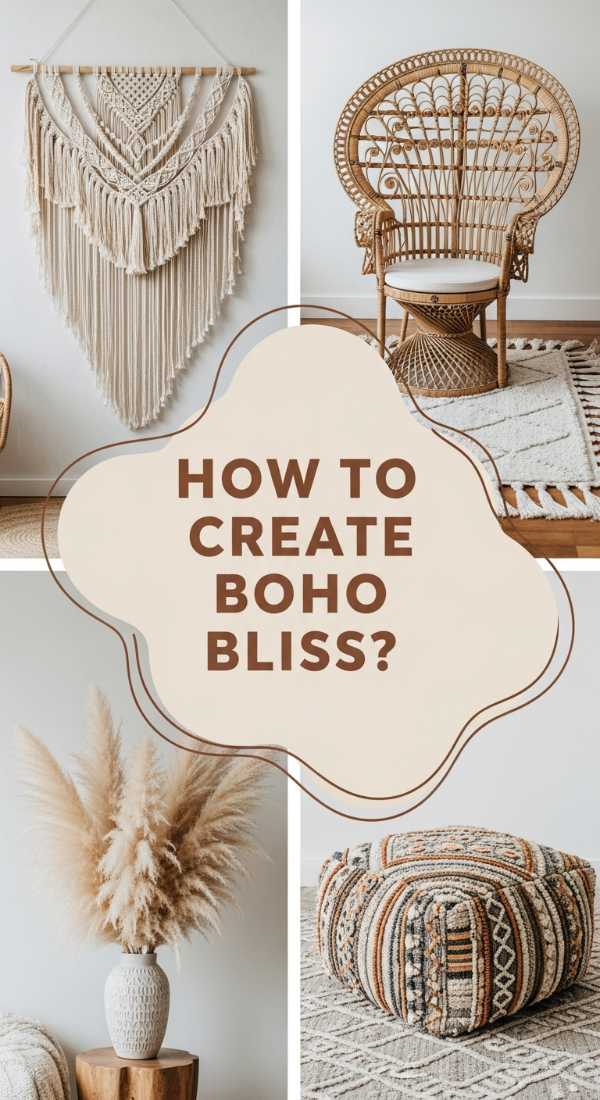
- Macrame wall hangings and plant hangers
- Rattan or wicker furniture pieces
- Layered rugs (a large jute base with a smaller patterned rug on top)
- An abundance of throw pillows with tassels and fringe
- Floor-dwelling plants like Monsteras or Fiddle Leaf Figs
How to make it
- Start with the floors. Lay down a large, neutral-toned natural fiber rug, then place a smaller, colorful Moroccan-style rug diagonally over it to create visual ‘movement.’
- Add height and texture to the walls with a large-scale macrame hanging. The woven knots add a soft, architectural element that absorbs sound and adds warmth.
- Mix and match your textiles. When choosing pillows, look for a variety of textures: one chunky knit, one smooth cotton with fringe, and one embroidered piece.
- Incorporate natural wood and rattan. A peacock chair or a simple rattan side table provides that signature bohemian structure without feeling heavy or dark.
- Go green. Place large leafy plants in woven baskets and hang smaller trailing plants from the ceiling to create a ‘jungle’ vibe that brings the outdoors in.
How to Incorporate Nostalgic Retro Patterns for a Funky Throwback Vibe
Why we love this
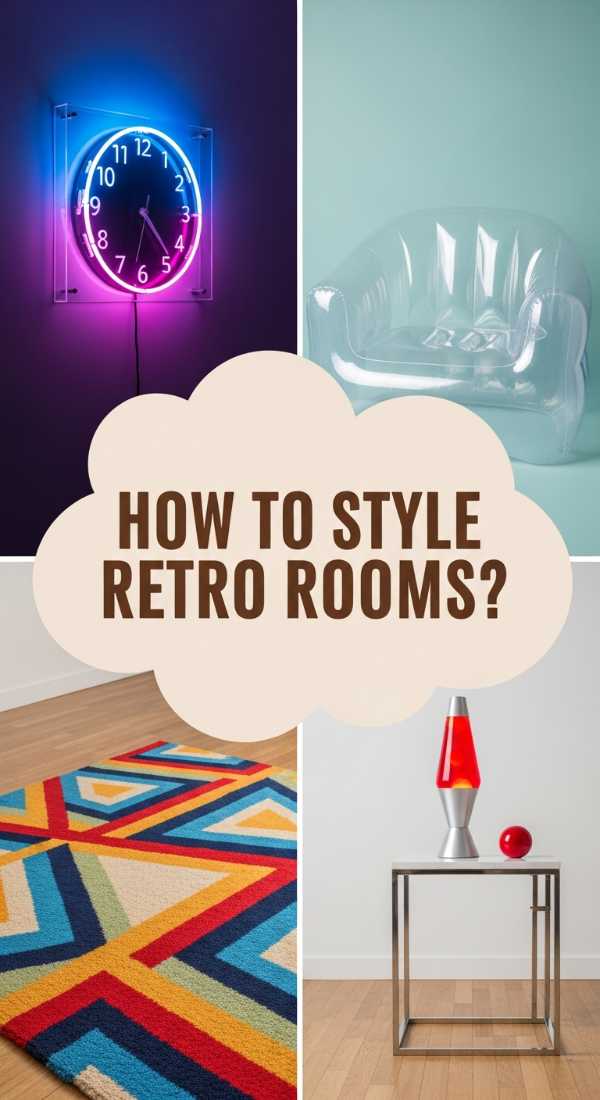
Retro design is making a massive comeback because it injects an undeniable sense of joy and playfulness into a space. We love this vibe because it’s bold, energetic, and a little bit rebellious. Think mid-century modern shapes met with 70s ‘groovy’ patterns—shades of burnt orange, mustard yellow, and avocado green. It’s a style that celebrates personality and doesn’t take itself too seriously. Walking into a retro-inspired room feels like a trip back in time to an era of vinyl records, conversation pits, and unapologetic color, instantly lifting the mood of anyone who enters.
Essential Elements:
- Geometric or floral wallpaper in warm ‘earthy’ tones
- Mid-century modern furniture with tapered legs
- A dedicated vinyl record player station
- Colored glass vases (amber, smoke, or olive)
- Sunburst mirrors or atomic-style wall clocks
How to make it
- Choose a ‘hero’ wall and apply a removable peel-and-stick wallpaper featuring a large-scale 70s geometric print. This creates an instant focal point with minimal commitment.
- Focus on furniture silhouettes. Look for ‘leggy’ pieces—sideboards or armchairs with angled wooden legs—which create a sense of airiness and authentic mid-century style.
- Introduce a bold color palette. Use mustard yellow and burnt orange as your primary accent colors through pillows, rugs, or even a painted accent cabinet.
- Create a ‘retro hub.’ Set up a low console table with a turntable and a stack of colorful vinyl covers. It’s functional art that provides both visual and auditory nostalgia.
- Accessorize with ‘funky’ items. Use amber-colored glass bottles on a windowsill to catch the light and add a sunburst mirror above a sofa for that classic atomic-age flair.
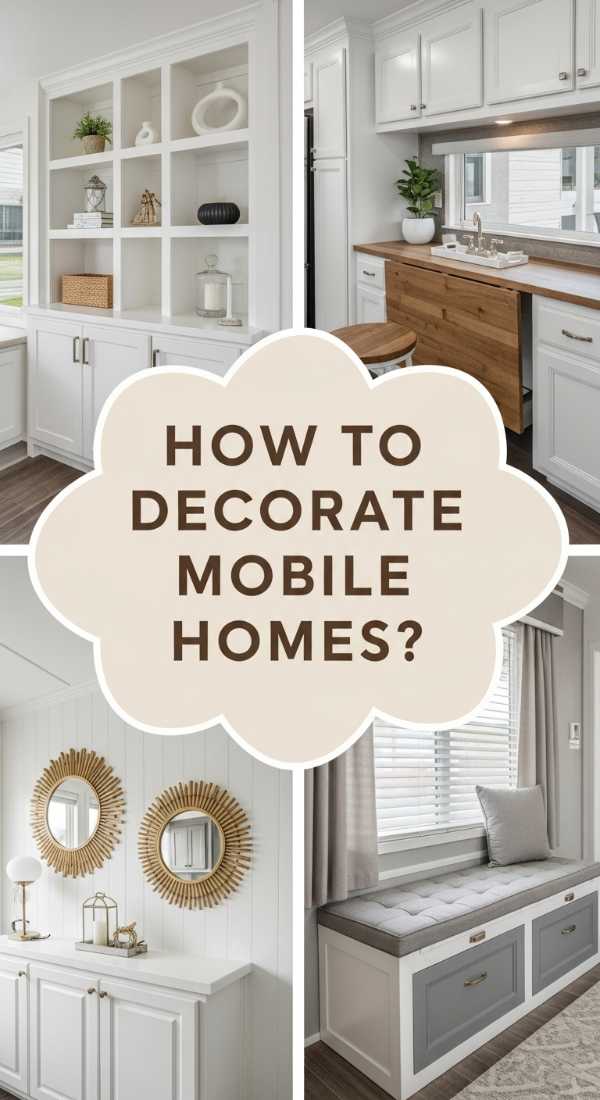
How to Transform a Compact Living Area for Stylish Small Space Living
Why we love this
Small space living is an art form that proves you don’t need a mansion to live beautifully. We love the challenge of a compact area because it forces you to be curated and clever with every square inch. The result is often a space that feels incredibly cozy, efficient, and intentional. By focusing on verticality and multi-functional pieces, you can turn a ‘cramped’ room into a ’boutique’ experience. It’s about creating a jewel-box effect where everything has a place and every piece of furniture earns its keep, proving that style is never about square footage.
Essential Elements:
- Floating shelves to utilize vertical wall space
- Furniture with exposed legs (to show more floor area)
- Multi-functional pieces (ottomans with storage, nesting tables)
- Light, monochromatic color palettes
- Transparent acrylic or glass furniture pieces
How to make it
- Clear the floor. Use floating shelves for books and decor instead of bulky bookcases. This keeps the floor visible, which tricks the eye into thinking the room is larger.
- Choose ‘breathable’ furniture. Opt for chairs and sofas with slender legs rather than ‘skirted’ bases. Seeing the light pass under furniture makes the room feel less crowded.
- Use mirrors strategically. A large mirror placed behind a lamp or near a window will reflect light and depth, effectively ‘doubling’ the perceived size of the living area.
- Stick to a tonal color scheme. Using different shades of the same light color (like creams and soft beiges) creates a seamless look that prevents the eye from stopping at harsh color breaks.
- Invest in ‘ghost’ pieces. An acrylic coffee table or side chair provides function without taking up visual weight, making it perfect for the tightest of layouts.
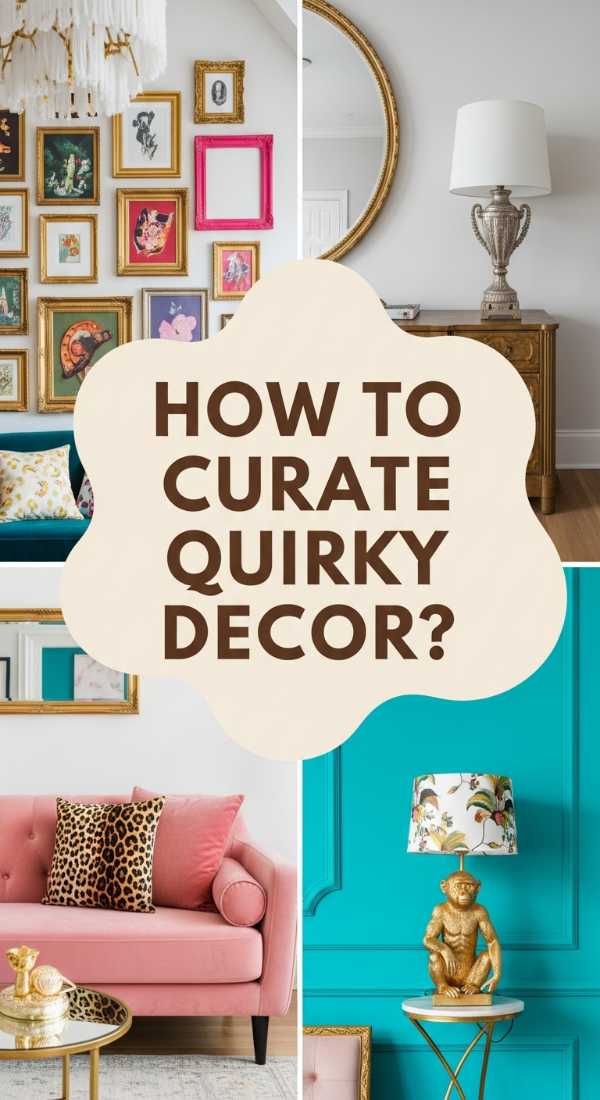
How to Mix Bold Eccentric Patterns for a Truly Unique Personality
Why we love this
For the maximalist at heart, mixing bold, eccentric patterns is the ultimate way to express a unique personality. This style is fearless and vibrant, creating a home that feels like a curated museum of your own life. We love it because it defies the ‘neutral’ trend and embraces clashing prints, vivid colors, and quirky textures. It’s a visual feast—every time you look around, you see something new. It’s about confidence and the joy of surrounding yourself with everything you love, regardless of whether it ‘matches’ in the traditional sense.
Essential Elements:
- A mix of scales (one large print, one medium, one small)
- A unifying ‘bridge’ color that appears in all patterns
- Animal prints (leopard or zebra) as a ‘neutral’
- Ornate, maximalist wallpaper or rugs
- Eclectic art and sculptural decor items
How to make it
- Pick your ‘anchor’ pattern first. This should be the largest print in the room, such as a floral rug or a bold wallpaper. This sets the color story for everything else.
- Choose a secondary pattern in a different scale. If your rug has big flowers, choose a medium-sized geometric print for your curtains to prevent the patterns from competing.
- Apply the ‘Rule of Three.’ Use at least three different patterns in a space to make the ‘clash’ look intentional rather than accidental.
- Find a common thread. Ensure that each patterned item contains at least one color from your ‘anchor’ piece. This ‘bridge’ color provides the visual harmony that ties the room together.
- Add a ‘wildcard.’ A small pop of animal print or a high-contrast stripe acts as a palate cleanser and adds that final ‘designer’ touch of eccentricity.
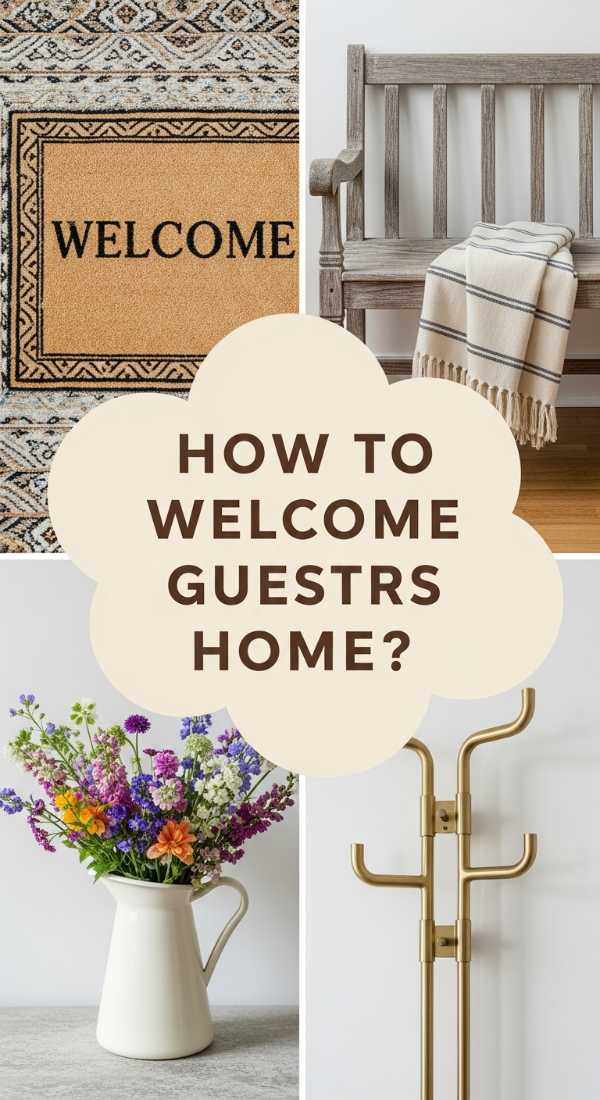
How to Curate an Inviting Entryway for the Warmest Guest Greetings
[IMAGE_10]
Why we love this
The entryway is the handshake of your home; it sets the tone for everything that lies beyond the threshold. We love a well-curated entryway because it combines high-functioning organization with a warm, welcoming hug. It’s the space that says ‘welcome home’ to you and ‘you belong here’ to your guests. By focusing on soft lighting, pleasant scents, and a place to land, you transform a utilitarian ‘pass-through’ into a beautiful transition zone. It’s the first impression that lingers long after the door has closed.
Essential Elements:
- A slim console table or a sturdy bench
- A decorative bowl or tray for keys and mail
- A large round mirror for last-minute checks
- Scented candles or a high-quality reed diffuser
- Soft ambient lighting (a small lamp or wall sconces)
How to make it
- Identify the ‘landing zone.’ Place a narrow table against the wall near the door. Ensure it doesn’t obstruct the path but provides enough surface area for daily essentials.
- Add a mirror at eye level. A round mirror softens the often-linear lines of an entryway and reflects light from the door, making the entrance feel bright and airy.
- Define the space with a runner rug. Choose a durable, low-pile rug with a welcoming pattern to guide guests into the home and protect your floors from traffic.
- Layer in the ‘human’ touches. Place a small lamp on the console table to provide a warm glow in the evenings, and add a fresh vase of flowers or a small plant.
- Address the scent. Place a reed diffuser with a ‘clean’ scent like linen or citrus near the door so that the first thing anyone experiences upon entering is a refreshing aroma.
Creating Your Dream Home on Your Terms
Transforming your space from ‘drab to dreamy’ isn’t a race, nor is it a requirement to have a massive budget. It is a journey of discovering what makes you feel most at peace and most inspired. By taking it one corner, one texture, and one pattern at a time, you are weaving your own story into the walls of your home. Remember, the most beautiful homes aren’t the ones that look like a showroom; they are the ones that feel like the person living inside them. Happy decorating!