

Pinterest vs. Reality: Why These Decor Ideas Are Going Viral Right Now
We’ve all been there: tucked under the covers, phone glow illuminating our faces as we scroll through endless boards of ‘aesthetic’ homes that look more like movie sets than living spaces. There’s a specific kind of magic in those Pinterest pins, isn’t there? They promise a life where the laundry is always folded, the lighting is perpetually golden, and every corner of our home whispers a story of peace and curated beauty. But as we look up from our screens to the reality of mismatched socks and cluttered coffee tables, it’s easy to feel like those dreams are out of reach.
The truth is, the gap between ‘Pinterest’ and ‘Reality’ isn’t about how much money you spend; it’s about the intention you pour into your surroundings. Those viral spaces aren’t just pretty—they are designed to evoke a feeling. Whether it’s the crisp, quiet calm of a minimalist studio or the velvet-clad embrace of a reading nook, these trends are going viral because they offer us an escape from the digital noise. Today, I’m pulling back the curtain on how to actually recreate these looks in your own home, making them functional, livable, and every bit as dreamy as your saved pins.
Join me as we explore ten of the most viral interior design concepts of the year. We won’t just look at the pictures; we’ll break down the sensory experiences, the essential components, and the step-by-step ‘recipe’ to build these sanctuaries from scratch. Let’s turn your home into the destination you’ve been dreaming of.
How to Design a Dreamy Goddess Bedroom for the Ultimate Night of Relaxation

Why we love this
Imagine sinking into a cloud of 800-thread-count Egyptian cotton, where the faint scent of dried lavender and vanilla candles lingers in the air like a gentle hug. The room is bathed in the soft, iridescent glow of Himalayan salt lamps and fairy lights draped behind sheer chiffon curtains, creating a shimmering sanctuary that feels entirely separate from the chaotic world outside. You run your hand over a plush faux-fur throw, feeling the decadent softness against your skin, while the rhythmic flicker of candlelight dances across the walls, inviting your mind to finally drift into a deep, restorative slumber. This isn’t just a bedroom; it’s a sensory ritual designed to honor your rest.
Essential Elements:
- Layered silk and linen bedding in champagne or dusty rose tones.
- Sheer floor-to-ceiling canopy curtains.
- Dimmable warm lighting (2700K color temperature).
- A dedicated ‘altar’ space with crystals, essential oils, and a journal.
- Floor cushions and high-pile rugs for underfoot softness.
How to make it
- **Base Layer Preparation:** Clear the room of all electronic devices and work-related clutter to ensure the ’emotional temperature’ of the space stays cool and calm.
- **The Bed Foundation:** Layer your mattress with a feather topper. Use the ‘sandwich technique’—a fitted sheet, a flat sheet tucked with hospital corners for a crisp feel, and a heavy duvet. Timing is key: let the duvet air out for 2 hours before styling to maximize fluffiness.
- **Lighting Calibration:** Replace harsh overhead bulbs with soft-amber LEDs. Place lamps at three different heights—floor, bedside, and eye-level—to eliminate harsh shadows.
- **Scent and Sound Integration:** Use an ultrasonic diffuser with 5 drops of lavender and 2 drops of sandalwood. The ‘visual cue’ for doneness is a fine mist that doesn’t dampen the furniture.
- **The Final Flourish:** Drape a silk throw diagonally across the corner of the bed. It should look ‘effortlessly tossed,’ which usually takes about three intentional tries to get the drape just right.
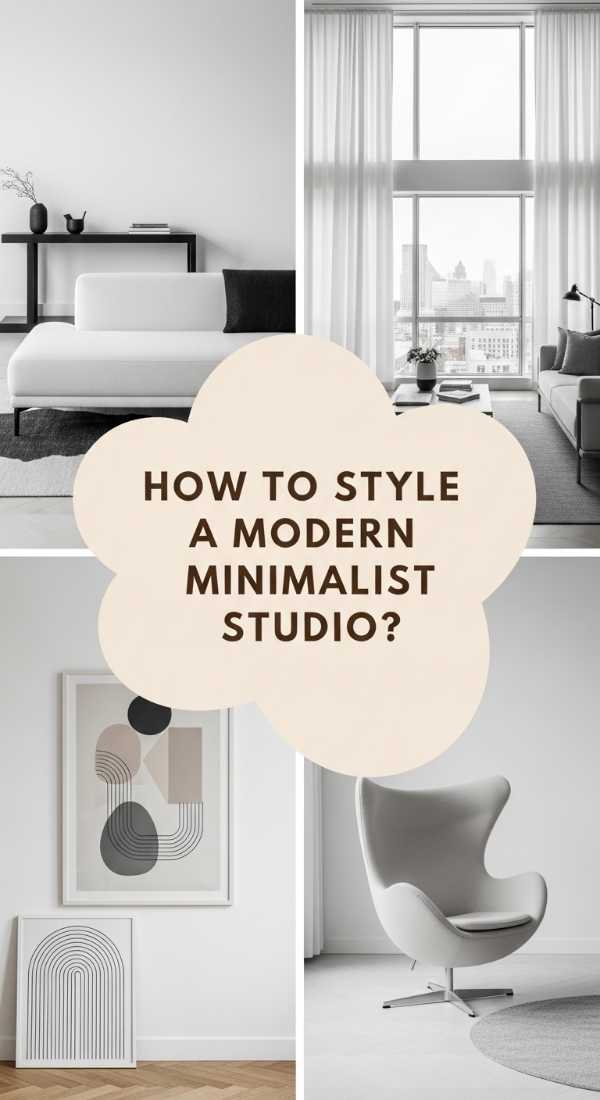
How to Style a Modern Minimalist Studio for Maximum Daily Calm
Why we love this
Walking into a perfectly curated minimalist studio feels like taking a deep, cleansing breath for your soul. There is a profound sense of lightness in a room where every object has a purpose and every surface is clear, allowing the natural light to bounce off polished concrete or pale oak floors. The visual quietude is matched by a physical sense of space; you can move freely without the friction of ‘stuff’ catching your eye. The air feels cooler and fresher, and the silence is punctuated only by the soft click of a ceramic mug on a stone coaster, creating a headspace where focus and tranquility can finally flourish.
Essential Elements:
- A monochromatic color palette (whites, greys, and blacks).
- Multi-functional furniture with hidden storage.
- Industrial materials like glass, steel, and light wood.
- A single, large-scale statement piece of art.
- Negative space (empty areas on walls and floors).
How to make it
- **The Great Purge:** Remove every item that hasn’t been used in 30 days. The ‘heat level’ here is high intensity—be ruthless to ensure the ‘purity’ of the minimalist aesthetic.
- **Zoning the Layout:** Use low-profile furniture to define ‘rooms’ without blocking sightlines. A rug acts as a visual ‘container’ for the living area, while a clear desk marks the work zone.
- **Texture Contrast Prep:** Since color is limited, use texture for ‘flavor.’ Pair a smooth leather chair with a chunky wool rug. The visual cue is a space that feels ‘layered’ rather than ‘flat.’
- **Concealing Chaos:** Route all power cables through management boxes. The ‘doneness’ indicator is when no black cords are visible against the walls.
- **Curating the View:** Place one singular plant, like a Monstery, in a corner. The green should pop against the neutral background, providing the only ‘vibrancy’ the room needs.
How to Create a Cozy Reading Nook for Endless Afternoon Escapes

Why we love this
There is nothing quite like the feeling of curling up in a velvet armchair as the rain drums a steady rhythm against the windowpane. A great reading nook smells like the comforting mustiness of old paper, mixed with the sharp, clean aroma of a freshly brewed cup of Earl Grey tea. Your fingers trace the tactile spine of a hardcover book while your legs are tucked under a heavy, weighted knit blanket that feels like a warm embrace. It’s a tiny universe where time slows down, the light is always soft enough for dreaming, and the rest of the world simply ceases to exist for a few blissful hours.
Essential Elements:
- An oversized, ergonomic accent chair or chaise lounge.
- A small side table for beverages and snacks.
- A directional reading lamp with a warm bulb.
- A small bookshelf or stack of current reads.
- A plush footstool or ottoman.
How to make it
- **Location Scouting:** Find a ‘dead corner’ near a window. The natural light provides the ‘primary heat’ for the space during the day.
- **Seating Setup:** Angle the chair at 45 degrees towards the window to maximize the view while maintaining a sense of enclosure.
- **Lighting Precision:** Position a brass floor lamp so the beam falls directly over your shoulder. Adjust the ‘intensity’ so the page is bright but the room remains dim.
- **Soft Goods Layering:** Place a sheepskin rug under the chair to insulate against cold floors. Timing: fluff the rug daily to maintain its ‘cloud-like’ visual cue.
- **Accessory Curation:** Place a ceramic coaster and a small candle on the side table. The ‘doneness’ check is when you can reach everything without standing up.
How to Build a Sustainable Loft Space for Earth Friendly Living

Why we love this
A sustainable loft feels grounded and honest, resonating with the raw beauty of the natural world brought indoors. You are surrounded by the earthy, woody scent of reclaimed cedar and the rough-hewn texture of natural jute under your bare feet. Sunlight filters through organic linen curtains, casting soft, dappled shadows across walls painted with non-toxic clay finishes that feel cool and velvety to the touch. It is a space that breathes with you, where every piece of furniture tells a story of rebirth and conscious choice, creating a home that feels as good for the planet as it does for your heart.
Essential Elements:
- Furniture made from reclaimed wood or recycled metal.
- Textiles crafted from hemp, organic cotton, or linen.
- Thrifted or vintage decor pieces.
- Energy-efficient LED lighting and smart thermostats.
- Indoor air-purifying plants (Snake plants, Pothos).
How to make it
- **Sourcing the Ingredients:** Visit local vintage markets. Look for ‘visual cues’ of quality like dovetail joints in wood or heavy-gauge metal. Avoid particle board at all costs.
- **Surface Refinishing:** Sand down old wood and apply a beeswax or linseed oil finish. The ‘technique’ is to rub with the grain until the wood looks ‘saturated’ but not greasy.
- **Textile Swapping:** Replace all synthetic polyester curtains and pillows with organic linen. The visual cue of ‘doneness’ is the natural, beautiful wrinkling that signals a relaxed vibe.
- **Green Integration:** Group plants in odd numbers (3, 5, or 7). Use terracotta pots for their breathability. Visual cue: when the soil is dry to the touch, it’s ‘time to prep’ for watering.
- **Waste Reduction Station:** Designate a hidden area for compost and recycling using aesthetic wicker bins to keep the loft looking polished.
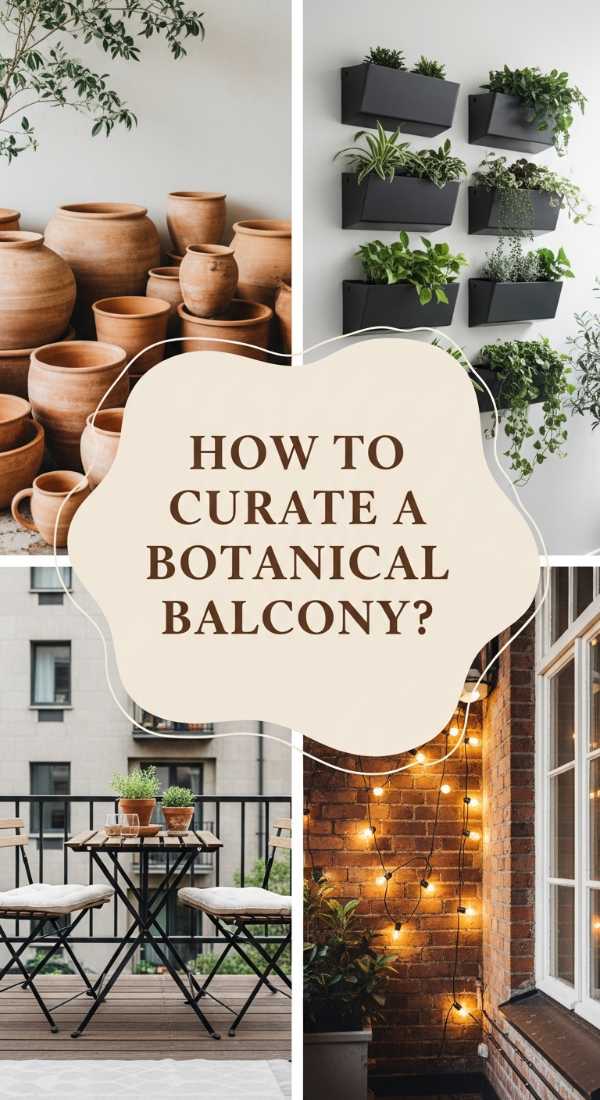
How to Curate a Botanical Balcony for an Urban Garden Oasis
Why we love this
High above the buzzing city streets, a botanical balcony offers a lush, vertical escape into nature. The air is heavy with the intoxicating scent of blooming jasmine and damp earth after a light watering, creating a microclimate of coolness in the urban heat. Your eyes rest on a sea of variegated greens and pops of terracotta, while the gentle tinkling of a small water feature masks the distant sound of traffic. Sitting here with a chilled glass of lemonade, you feel the sun-warmed wood of the deck under your feet and the delicate brush of fern fronds against your arm—a private jungle just steps from your kitchen.
Essential Elements:
- Weather-resistant bistro set or wooden bench.
- A variety of planters (terracotta, ceramic, and hanging baskets).
- Vertical trellis for climbing vines.
- Solar-powered fairy lights or lanterns.
- Outdoor rugs made from recycled plastics.
How to make it
- **Light Assessment:** Track the sun for 24 hours. Full sun (6+ hours) requires ‘high heat’ plants like succulents; shade requires ‘cool’ plants like ferns.
- **Vertical Layering:** Install a wooden trellis against the wall. This ‘prep work’ allows you to grow upwards, making the space feel twice as large.
- **Potting Technique:** Line the bottom of pots with 1 inch of gravel for drainage. The visual cue of a healthy ‘cook’ is when water flows freely through the bottom holes.
- **Atmospheric Lighting:** String solar lights along the railing. Ensure the sensor faces the sky directly; the ‘timing’ for them to turn on should be right at dusk.
- **Seating Comfort:** Add outdoor-rated cushions. The ‘doneness’ check is when the balcony feels like an extension of your living room.
How to Master a Wabi Sabi Sanctuary for True Inner Peace

Why we love this
Wabi-sabi is the art of finding beauty in imperfection, and a sanctuary designed this way feels profoundly human and forgiving. The space is defined by raw, organic textures: a handmade ceramic bowl with a visible crack repaired in gold (kintsugi), a wrinkled linen bedspread, and walls with the subtle, uneven wash of limewash paint. It smells like Hinoki wood and rain-soaked stone, grounding you in the present moment. There is no pressure for perfection here; instead, there is a quiet, meditative dignity in the way the light hits a single branch in a stone vase, teaching you to find peace in the fleeting and the flawed.
Essential Elements:
- Handmade pottery and irregular ceramics.
- Natural, unfinished wood and stone surfaces.
- A muted, earthy color palette (beiges, ochres, muted greens).
- Minimalist decor with an emphasis on ‘one beautiful thing.’
- Floor seating or low-profile furniture.
How to make it
- **Wall Preparation:** Apply a limewash paint in a cross-hatch pattern. The ‘technique’ is to embrace the streaks; the visual cue is a soft, chalky, multi-toned finish.
- **Furniture Curation:** Select one piece of furniture with a ‘live edge’—wood that retains its natural curve. The ‘visual cue’ is a piece that looks like it was found in a forest.
- **The ‘Less is More’ Edit:** Remove 50% of the decor currently on your shelves. The space needs ‘room to breathe’—this is the ‘cooling phase’ of the design process.
- **Natural Accents:** Instead of a bouquet, find a single, interesting dried branch. Place it in a heavy clay vase. The timing: this ‘decor’ lasts forever, evolving as it dries.
- **Sensory Grounding:** Place a stone bowl of water on a low table. The visual cue for peace is the stillness of the water’s surface.
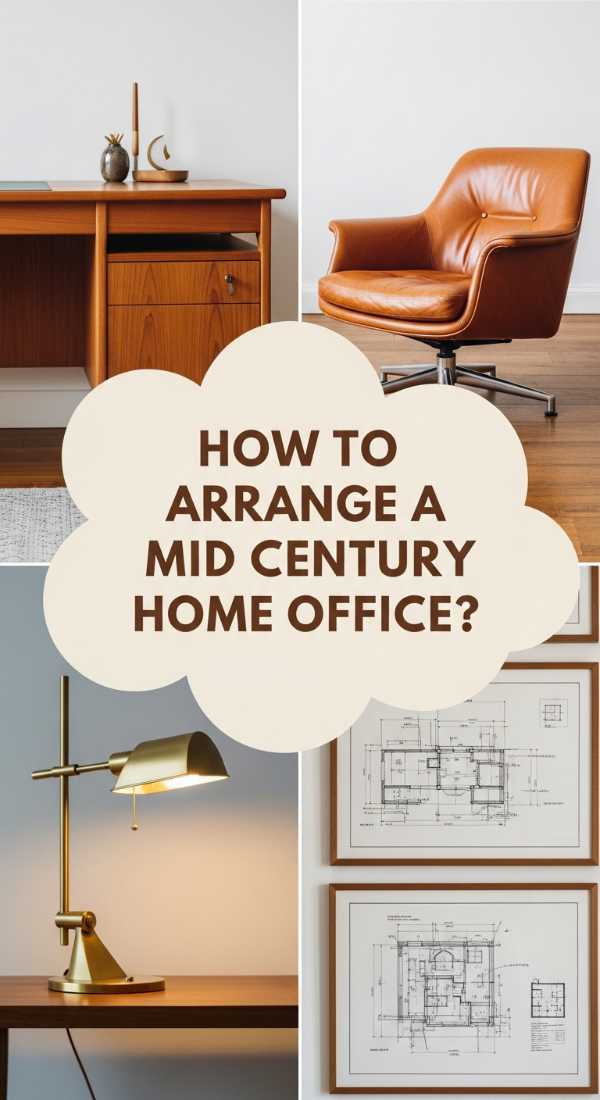
How to Arrange a Mid Century Home Office for Total Professional Focus
Why we love this
Stepping into a Mid-Century Modern office feels like stepping into a world of sharp intellect and vintage cool. The room is dominated by the rich, warm glow of teak and walnut wood, characterized by sleek, tapered legs and geometric precision. There’s a tactile satisfaction in the click of a brass desk lamp and the smooth surface of a leather-topped desk. The air is clear and energizing, with a palette of mustard yellow and forest green providing a vibrant backdrop for deep work. It’s an environment that demands focus while offering a stylish, retro charm that makes every task feel like a creative breakthrough.
Essential Elements:
- A walnut or teak desk with tapered ‘spindle’ legs.
- An Eames-style or upholstered ergonomic office chair.
- Brass task lighting with adjustable arms.
- Geometric patterned rugs or wallpaper.
- Analog accessories: a rotary phone, a physical calendar, or a record player.
How to make it
- **The Anchor Piece:** Position the desk in the center of the room or facing a window. The ‘visual cue’ is symmetry; ensure the desk is perfectly aligned with the rug.
- **Lighting Strategy:** Use ‘warm’ LED bulbs in brass lamps to highlight the wood grain. The technique is to avoid ‘glare’ on your computer screen by angling the lamp head.
- **Cable Stealth:** Drill small holes in the back of your vintage desk for cord management. The ‘doneness’ indicator is a completely clean desktop surface.
- **Color Accents:** Introduce a ‘pop’ color (like burnt orange) through a single chair or piece of art. This provides the ‘visual heat’ to stimulate creativity.
- **Organizing the Flow:** Use wooden trays to categorize ‘To-Do’ and ‘Done’ piles. The final cue is when your eye can move across the desk without snagging on clutter.
How to Craft an Earthy Boho Living Room for Warm Family Gatherings

Why we love this
An earthy boho living room feels like a warm, collective hug for your family and friends. It is a riot of textures—macramé wall hangings, woven rattan chairs, and layers upon layers of Persian rugs that make you want to kick off your shoes and stay a while. The room is filled with the scent of nag champa incense and old records, while the golden afternoon sun streams through a jungle of hanging plants. It’s a space that celebrates life’s beautiful mess, where every sun-drenched corner offers a soft place to land and the atmosphere is always set to ‘vibrant’ and ‘welcoming.’
Essential Elements:
- Rattan and wicker furniture pieces.
- Macramé wall art and woven tapestries.
- Floor poufs and oversized throw pillows.
- A variety of indoor trees (Fiddle Leaf Fig, Bird of Paradise).
- Layered rugs with different patterns and textures.
How to make it
- **Rug Layering Technique:** Start with a large, neutral jute rug as the ‘base.’ Layer a smaller, colorful patterned rug on top at a slight angle. The visual cue is a ‘traveled’ and ‘eclectic’ look.
- **Greenhouse Integration:** Place larger floor plants in the corners and hang ‘trailing’ plants from the ceiling. The technique is to create a ‘canopy’ effect over the seating area.
- **Texture Stacking:** Place 3-5 pillows of different fabrics (velvet, cotton, wool) on the sofa. Use the ‘karate chop’ method in the center for that Pinterest-perfect visual cue.
- **Lighting Warmth:** Use string lights and floor lamps with wicker shades. The ‘timing’ is to turn them on 30 minutes before guests arrive to ‘preheat’ the room’s mood.
- **Personalization Prep:** Create a ‘gallery wall’ of mismatched frames. The doneness check: the wall should feel like a collection gathered over years, not bought in a day.
How to Update a Scandi Kitchen for a Fresh Morning Start

Why we love this
There is a crystalline clarity to a Scandinavian kitchen that makes the first cup of coffee feel like a sacred event. The room is a study in light: pale wood cabinetry, white subway tiles with dark grout, and large windows that invite the morning sun to dance on the polished marble countertops. It smells like fresh-pressed juice and toasted sourdough, a clean and invigorating aroma that wakes up your senses. The functional beauty of the space—where every utensil has a magnetic home and every bowl is a piece of art—creates a sense of effortless order that turns the morning rush into a graceful flow.
Essential Elements:
- Light wood (ash, pine, or birch) accents.
- All-white walls and cabinetry.
- Minimalist open shelving for aesthetic dishes.
- Black hardware (faucets, handles) for contrast.
- Natural elements like herb pots and wooden cutting boards.
How to make it
- **Surface Brightening:** Paint walls a ‘Pure White’ with no yellow undertones. The technique: use two coats for maximum ‘light bounce’ visual cues.
- **Hardware Swap:** Replace old silver handles with matte black ones. The ‘timing’ is quick (1 hour), but the visual impact is an immediate ‘modern’ doneness.
- **Shelf Styling:** Place only your most beautiful ceramics on open shelves. Group items by color. The visual cue: it should look like a boutique display, not a pantry.
- **Organic Touches:** Set up a ‘window garden’ of basil, mint, and rosemary. The ‘prep’ involves using uniform white pots to maintain the Scandi discipline.
- **The Floor Finish:** If possible, sand back dark floors to a light natural wood. The doneness indicator: the kitchen should feel 20% brighter without adding any lights.
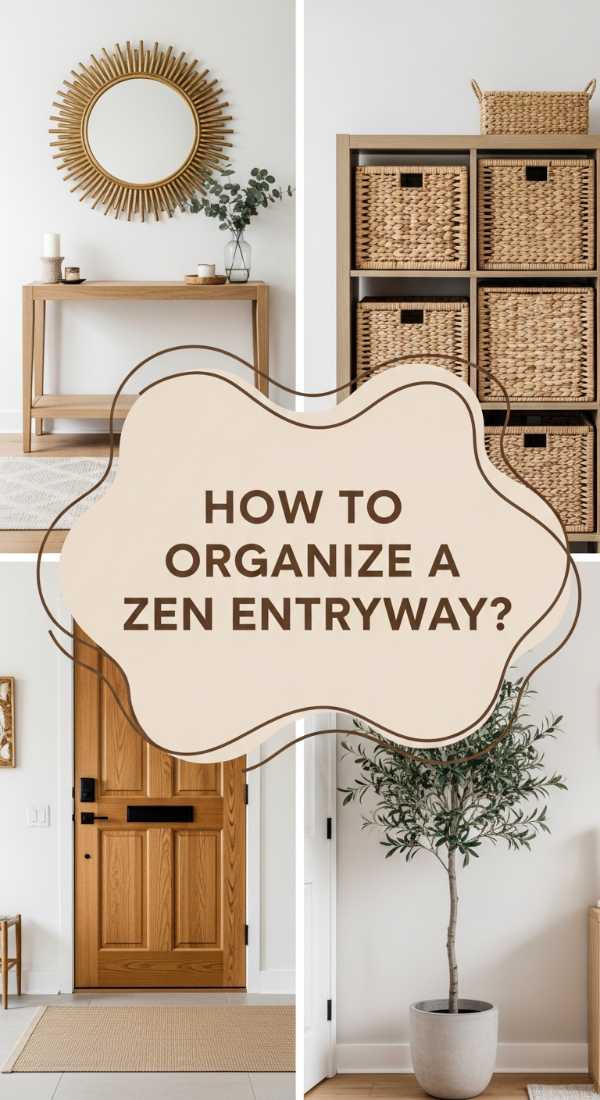
How to Organize a Zen Entryway for a Stress Free Arrival
Why we love this
The moment you step through the door and into a Zen entryway, the weight of the day simply slides off your shoulders. It is a transition zone defined by silence and order; there are no piles of mail or tangled shoes to greet you, only the smooth surface of a wooden bench and the calming sight of a single green leaf in a glass vase. The air is lightly scented with eucalyptus and peppermint, instantly clearing your mind. Here, everything has a ‘home,’ and as you place your keys in a carved stone bowl, you feel a physical shift in your energy—a signal that you are finally, truly, safe at home.
Essential Elements:
- A sleek console table or a low wooden bench.
- A large round mirror to expand the space.
- Closed storage (baskets or cabinets) for shoes and bags.
- A small tray or bowl for keys and daily essentials.
- A subtle, high-quality reed diffuser.
How to make it
- **The ‘Drop Zone’ Prep:** Identify the natural spot where you drop your keys. Place a heavy stone or ceramic bowl there. Visual cue: no more searching for keys in the morning.
- **Shoe Management:** Install a closed-door shoe cabinet. The ‘heat level’ is low, but the ‘visual cue’ for doneness is a completely clear floor area.
- **Mirror Placement:** Hang a large mirror opposite or adjacent to the door. This ‘technique’ doubles the light and creates an ‘open-hearted’ feeling for the arrival.
- **Scent Setup:** Place a reed diffuser near the door. The ‘timing’: flip the reeds every 3 days to ensure the ‘arrival scent’ is always fresh.
- **Minimalist Decor:** Limit the console table to three items: a bowl, a lamp, and a plant. The doneness check: the entryway should feel like a ‘reset’ button for your brain.
Final Thoughts on the Viral Home
Creating a Pinterest-worthy home isn’t about replicating a photo perfectly; it’s about translating the *feeling* of those images into your daily life. Whether you are building a goddess sanctuary or a minimalist studio, the goal is to create a space that supports your mental health and reflects your unique story. Remember, the ‘reality’ part of the equation is where the memories happen. Don’t be afraid of a little mess—just make sure you have a beautiful place to put it away at the end of the day!