

The Art of Living Beautifully: A Modern Lifestyle Guide
Have you ever walked into a room and felt an immediate sense of calm wash over you, like a soft exhale you didn’t know you were holding? We often treat our homes as just places where we store our things, but the truth is that our surroundings are a living reflection of our inner landscape. When we curate our spaces with intention, we aren’t just decorating; we are crafting a sanctuary that nurtures our dreams and holds space for our growth.
In this guide, we’re diving deep into the art of the aesthetic lifestyle. Whether it’s the way the morning light hits a specific plant or the tactile comfort of a linen sheet, these small details are the brushstrokes of a life well-lived. I’ve gathered my favorite transformations—from tiny balconies to cozy nooks—to help you turn your everyday environment into a masterpiece of comfort and inspiration.
How to Design a Dreamy Goddess Bedroom for the Ultimate Night of Relaxation
Why we love this
There is something profoundly healing about a bedroom that feels like a sacred temple dedicated to rest. Imagine sinking into layers of cloud-like linen while the faint, earthy scent of lavender drifts through the air from a nearby diffuser. The soft, amber glow of a salt lamp creates a halo of warmth against silk pillows, making the entire room feel like a gentle embrace. It’s not just a place to sleep; it’s a sensory experience that signals to your nervous system that it is finally safe to let go of the day’s burdens.
Essential Elements:
- High-thread-count linen or bamboo bedding in muted earth tones.
- Adjustable warm-toned lighting (smart bulbs or dimmers).
- A high-quality ultrasonic essential oil diffuser.
- Sheer floor-to-ceiling curtains for a diffused light effect.
- A variety of tactile textures: faux fur, chunky knits, and silk.
How to make it
- Begin by clearing every surface of clutter; a goddess bedroom requires visual silence to allow the mind to drift. Use a microfiber cloth to remove dust from baseboards and window sills to ensure the air feels crisp.
- Layer your bed starting with a fitted sheet, followed by a flat sheet tucked tightly at the corners using the ‘hospital corner’ technique for a crisp, hotel-like feel. Top with a heavy duvet and then fold a weighted throw over the foot of the bed to add dimension.
- Position your lighting at different heights. Place a warm-toned lamp on the nightstand (aim for 2700K color temperature) and a floor lamp in the corner. This layering avoids harsh overhead shadows and creates a 360-degree glow.
- Program your diffuser to begin 30 minutes before you intend to sleep. Use a blend of 4 drops of lavender and 2 drops of cedarwood to ground the space.
- Final touch: Place a silk sleep mask and a glass of filtered water on your nightstand to complete the ritualistic atmosphere.
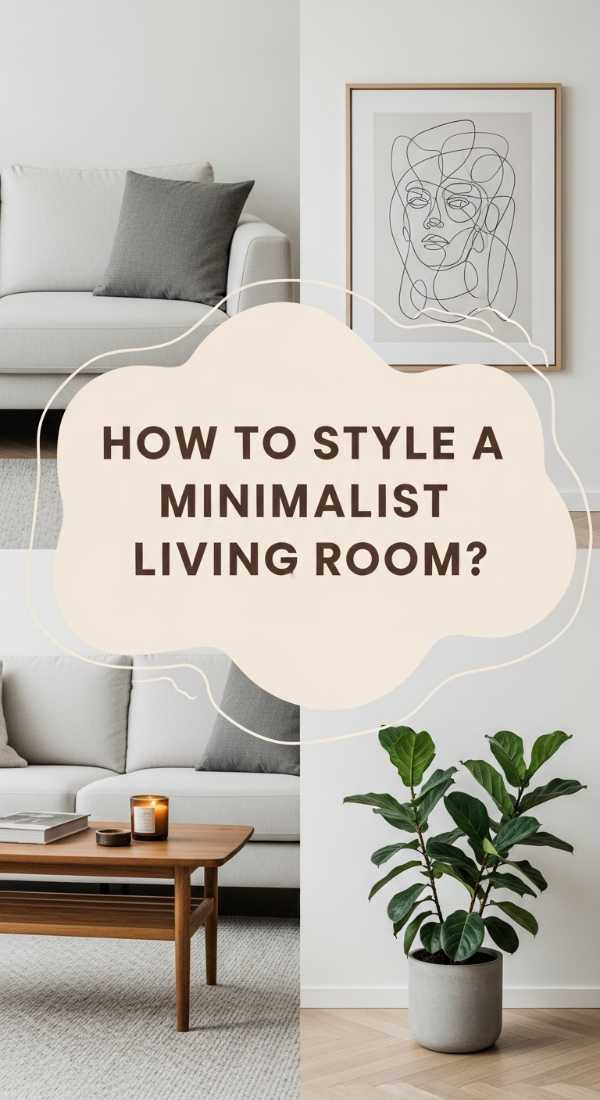
How to Style a Minimalist Living Room for a Clutter Free Mind

Why we love this
A minimalist living room is the ultimate antidote to a chaotic world, offering a visual palate cleanser that allows your thoughts to breathe. We love how the clean lines of a low-profile sofa contrast with the organic softness of a hand-woven wool rug. The absence of ‘stuff’ highlights the beauty of the few items that remain—the curve of a ceramic vase or the grain of a white oak coffee table. It creates an atmosphere of intentionality where every object has a purpose and every shadow tells a story of quiet elegance.
Essential Elements:
- Neutral color palette (whites, creams, soft greys).
- Multi-functional furniture with hidden storage.
- Natural materials like wood, stone, and wool.
- One or two high-quality statement art pieces.
- Hidden cable management systems.
How to make it
- Perform a ‘spatial audit’ by removing everything from the room except the largest pieces of furniture. This allows you to see the true flow of the floor plan without distraction.
- Select a focal point, such as a fireplace or a large window. Arrange your seating to face this point, ensuring there is at least 30 inches of walking space between furniture pieces to prevent a cramped feeling.
- Apply the ‘One-In, Two-Out’ rule for decor. For every new item you place on a shelf, remove two others. This ensures that only the most meaningful objects remain.
- Tuck all electronics into a media console. Use adhesive cord clips to run wires along the back of furniture legs so they are invisible from a standing or sitting position.
- Style your coffee table with a single ‘hero’ object—perhaps a large coffee table book or a sculptural bowl—and nothing else. This creates a moment of stillness in the center of the room.
How to Create a Cozy Reading Nook for Endless Quiet Evenings
Why we love this
The reading nook is the ultimate introverted luxury, a tiny corner of the world carved out specifically for imagination. We adore the way a deep velvet armchair seems to cradle you as you lose track of time between the pages of a favorite novel. The gentle steam rising from a ceramic mug of chamomile tea adds a layer of warmth, while a dedicated task light casts a perfect circle of clarity over your book. It’s a dedicated portal to other worlds, tucked right inside your own home.
Essential Elements:
- An oversized, comfortable armchair or a built-in window seat.
- A small side table for tea and candles.
- An adjustable brass or matte black floor lamp.
- A basket filled with soft blankets.
- A small bookshelf or floating ledge for current reads.
How to make it
- Locate an underutilized corner, ideally near a window for natural light during the day. Ensure the spot is away from high-traffic areas like the kitchen or entryway.
- Angle your chair at a 45-degree angle toward the center of the room to make the nook feel integrated yet private. Test the chair for at least 10 minutes to ensure the lumbar support is sufficient for long reading sessions.
- Position your floor lamp so the light falls directly over your shoulder. Use a bulb with a high CRI (Color Rendering Index) to reduce eye strain during evening reading.
- Set up your side table within arm’s reach. It should be approximately the same height as the arm of your chair to prevent spilling your tea while reaching for it.
- Personalize the space with a small ‘reading kit’: a high-quality bookmark, a highlighter, and a soft coaster.
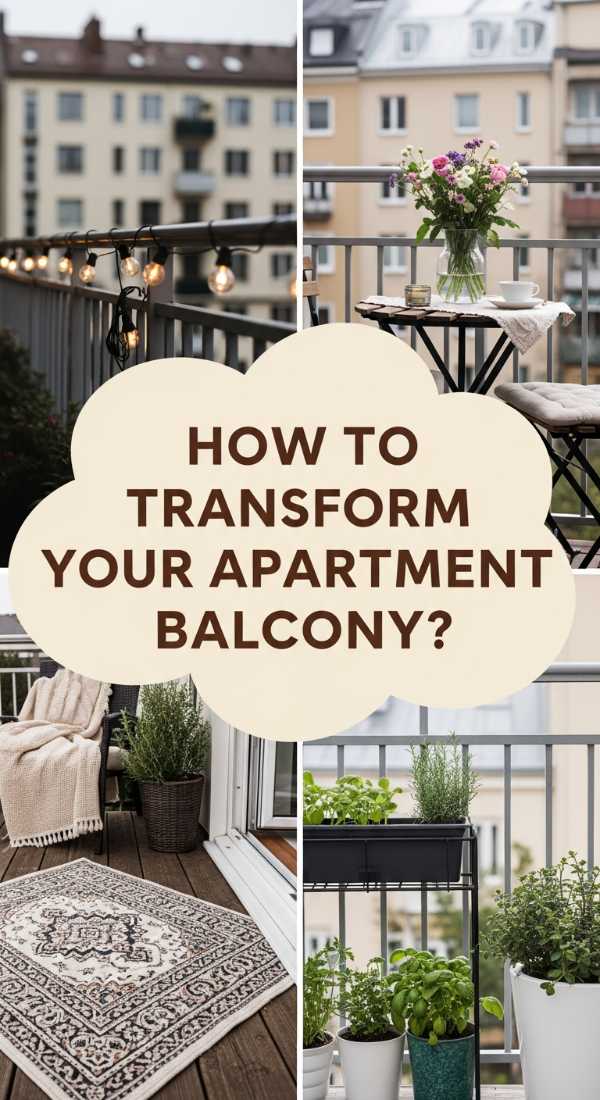
How to Transform a Small Apartment Balcony for Sunset Viewings
Why we love this
There is a unique magic in turning a tiny concrete slab into a private urban oasis where you can watch the sky turn to cotton candy pink. We love the juxtaposition of bustling city life below and the stillness of a balcony draped in fairy lights and lush greenery. The feeling of the cool evening breeze against your skin as you sip a glass of chilled wine on a bistro chair is the height of romanticizing your life. It turns a few square feet into a front-row seat for nature’s nightly show.
Essential Elements:
- Weather-resistant outdoor rug.
- Foldable bistro set or a small bench with cushions.
- Solar-powered string lights or lanterns.
- Vertical planters or railing-mounted flower boxes.
- Outdoor-safe throw pillows.
How to make it
- Thoroughly scrub the balcony floor with a mixture of warm water and mild detergent. Once dry, lay down interlocking wooden deck tiles or an outdoor rug to immediately warm up the cold concrete.
- Install ‘fairy lights’ along the railing using zip ties. Opt for warm-white LEDs that are rated for outdoor use to ensure they survive the rain.
- Utilize vertical space by hanging planters from the ceiling or using a ladder shelf. This provides the ‘garden’ feel without sacrificing precious floor space.
- Select furniture that scales with the space. If the balcony is narrow, use a ‘half-table’ that mounts directly to the railing.
- Add a privacy screen using bamboo fencing or tall potted grasses like Miscanthus to block the view of neighbors while maintaining airflow.
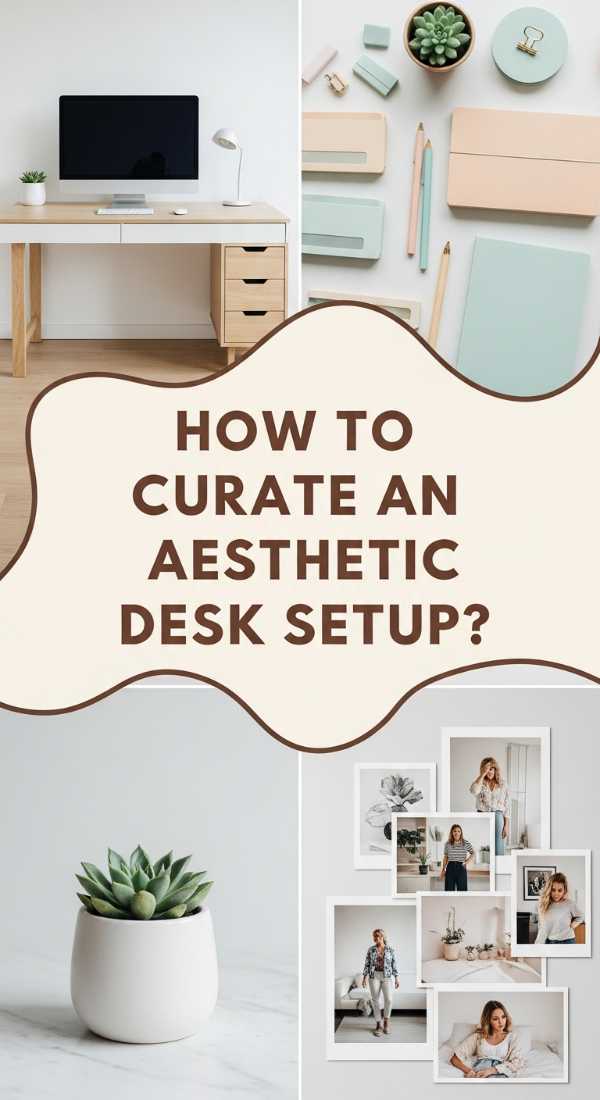
How to Curate an Aesthetic Desk Setup for Maximum Creative Flow

Why we love this
A beautifully curated desk is more than just a workspace; it is an invitation to create. We love the tactile satisfaction of a mechanical keyboard clicking under our fingers and the organized visual rhythm of a desk mat paired with a minimalist monitor stand. When your tools are displayed with such care, the friction of starting a task disappears. The scent of a nearby eucalyptus candle and the presence of a small, thriving succulent create an environment where focus feels effortless and inspiration feels inevitable.
Essential Elements:
- A large felt or vegan leather desk mat.
- Ergonomic chair that supports spinal alignment.
- A monitor riser to keep the screen at eye level.
- Minimalist cable management tray.
- Task lighting with adjustable brightness and color temperature.
How to make it
- Clear the desk completely and wipe it down with a wood-safe cleaner. Start with a ‘blank canvas’ to avoid simply moving old clutter around.
- Position your monitor so the top third of the screen is at your eye level. This prevents neck strain and ‘tech neck’ during long sessions.
- Organize your cables using a tray mounted underneath the desk. Group power bricks together and use velcro ties to bundle wires, feeding them up behind the monitor stand.
- Zone your desk: keep the ‘active’ zone in the center (keyboard/mouse) and the ‘inspiration’ zone to the side (a notebook or a small piece of art).
- Incorporate a ‘living’ element, like a Pothos plant, which thrives in indoor light and helps purify the air around your workstation.
How to Build a DIY Floating Shelf for Elegant Home Storage
Why we love this
The floating shelf is a masterclass in functional art, providing a stage for your most treasured possessions without the bulk of traditional cabinetry. We love the ‘magic’ look of a thick wooden beam seemingly hovering against a plaster wall, showcasing a curated collection of vintage ceramics and trailing ivy. It adds a sense of height and architectural interest to a room, turning a blank wall into a dynamic gallery of your personality. The raw wood texture brings a grounding, organic element to even the most modern spaces.
Essential Elements:
- A solid wood board (pine or oak work best).
- Internal floating shelf brackets or a hidden cleat system.
- A power drill and heavy-duty wall anchors.
- A spirit level (critical for the ‘floating’ effect).
- Sandpaper and wood stain or wax.
How to make it
- Measure your wall space and cut your wood board to the desired length. Sand the edges with 120-grit sandpaper followed by 220-grit for a professional, buttery-smooth finish.
- Apply a wood stain in a circular motion with a lint-free cloth. Allow it to sit for 10 minutes before wiping away the excess, ensuring the grain of the wood is visible. Let it cure for 24 hours.
- Use a stud finder to locate the vertical supports behind your drywall. Marking these spots is crucial for weight-bearing stability.
- Drill pilot holes into the wall and the back of your shelf board using a drill bit slightly smaller than your bracket screws.
- Mount the brackets to the wall, checking with your spirit level at every step. Slide the shelf onto the brackets and secure it with the locking screws provided in the kit.
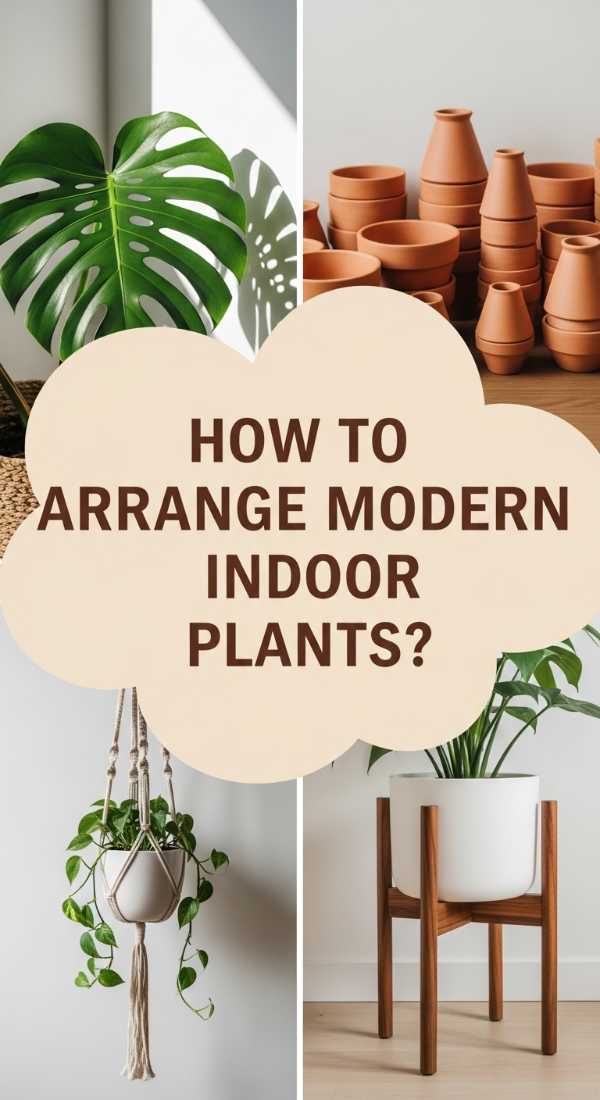
How to Arrange Modern Indoor Plants for a Fresh Natural Vibe

Why we love this
Bringing the outdoors in is the quickest way to breathe life into a static room. We love how the vibrant, waxy green of a Fiddle Leaf Fig leaf catches the light, or how the delicate tendrils of a String of Pearls spill over a bookshelf like a living waterfall. Plants do more than decorate; they soften the hard angles of furniture and provide a rhythmic, organic energy. The daily ritual of checking the soil and misting the leaves becomes a grounding meditative practice that connects you to the seasons.
Essential Elements:
- A variety of plants with different heights and textures.
- Coordinating ceramic, terracotta, or woven planters.
- A stylish brass watering can and mister.
- Plant stands of varying heights for layering.
- Organic potting mix and pebbles for drainage.
How to make it
- Group plants in odd numbers (3s or 5s) to create a more natural, pleasing visual flow. Place the largest ‘anchor’ plant in the back and smaller ones in the front.
- Mix leaf textures: pair a broad-leafed Monstera with the fine, needle-like foliage of an Asparagus Fern to create visual contrast.
- Ensure each pot has a drainage hole to prevent root rot. If using a decorative ‘cachepot’ without a hole, keep the plant in its plastic nursery liner and place that inside the decorative pot.
- Elevate smaller plants using wooden stands or stacks of books. This creates a ‘canopy’ effect that draws the eye upward.
- Rotate your plants 90 degrees every week. This ensures they grow evenly and don’t lean too heavily toward the light source.
How to Refresh Budget Kitchen Cabinets for a High End Look
Why we love this
The kitchen is the heart of the home, and a cabinet refresh can make it beat with a whole new energy without the price tag of a full remodel. We love the transformative power of a deep navy or a creamy mushroom paint paired with brushed brass hardware. It feels like a total rebirth of the space—clean, sophisticated, and bespoke. The satin finish of the paint reflecting the morning light makes the whole kitchen feel larger and more expensive, providing a professional backdrop for your culinary adventures.
Essential Elements:
- High-quality cabinet-specific paint (satin or semi-gloss finish).
- Deglosser or liquid sandpaper.
- High-density foam rollers for a smooth finish.
- Modern hardware (knobs or pulls) in a consistent finish.
- Painter’s tape and drop cloths.
How to make it
- Remove all doors and hardware. Label each door with a small piece of tape so you know exactly where it goes back. This is the most overlooked but vital step for a headache-free reassembly.
- Clean every surface with TSP (trisodium phosphate) to remove grease. Lightly sand the surfaces with 220-grit sandpaper until the shine is gone, creating a ‘tooth’ for the paint to grip.
- Apply a high-quality primer specifically designed for slick surfaces. Let this dry completely—usually 4 to 6 hours depending on humidity.
- Apply two thin coats of cabinet paint using a foam roller. Use a ‘W’ motion to distribute the paint, then ‘lay off’ the paint by doing long, single strokes in one direction to eliminate roller marks.
- Wait at least 48 hours before reattaching the doors to prevent the paint from sticking or peeling. Install your new hardware using a template to ensure every handle is perfectly aligned.
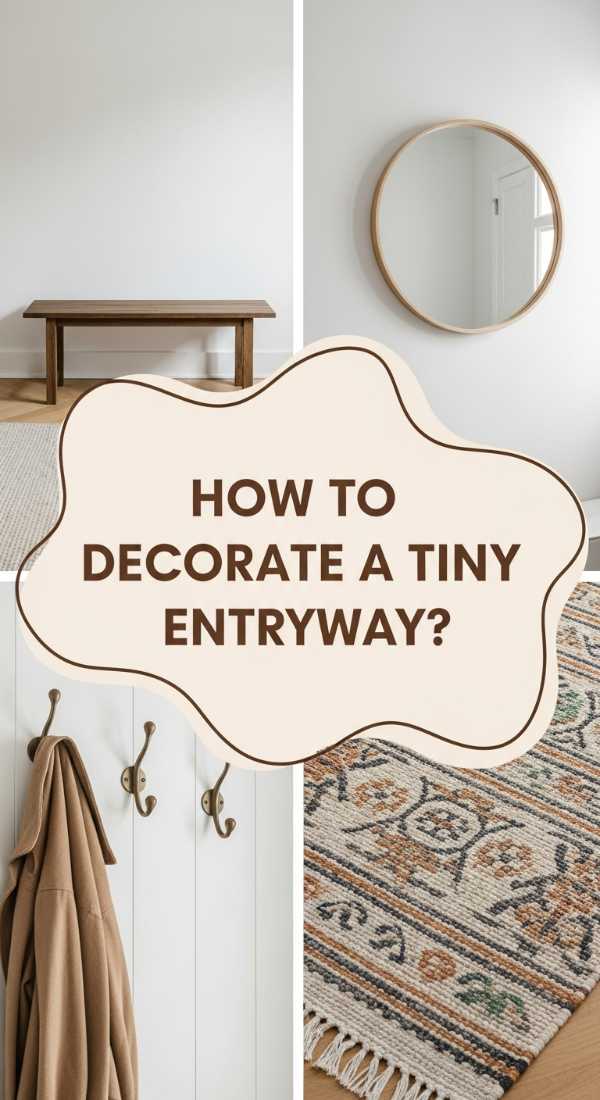
How to Decorate a Tiny Entryway for a Warm Welcome

Why we love this
The entryway is your home’s first impression, and even a tiny one can offer a warm, stylish ‘hello.’ We love the efficiency of a slim console table styled with a single candle and a small tray for keys. A well-placed round mirror not only bounces light into a dark hallway but also provides a final ‘check-out’ spot before you head out the door. It’s about creating a transition zone that immediately tells you—and your guests—that you’ve arrived in a place of peace and order.
Essential Elements:
- A narrow console table or a floating wall ledge.
- A large circular or arched wall mirror.
- A woven basket for shoes or umbrellas.
- Wall hooks for bags and coats.
- A small rug or runner with a welcoming pattern.
How to make it
- Define the space using a rug. Even if you don’t have a formal foyer, a 2×3 rug creates a visual ‘landing zone’ that separates the entrance from the rest of the house.
- Hang a mirror at eye level directly opposite or adjacent to the door. This ‘doubles’ the perceived space and captures any available natural light.
- Install wall hooks at two different levels: higher for adult coats and lower for bags or children’s jackets. This prevents a ‘mountain of coats’ look.
- Place a decorative tray on your console. This ‘corral’ technique ensures that keys, mail, and sunglasses don’t migrate across the rest of the house.
- Add a scent. Use a reed diffuser with a ‘fresh linen’ or ‘citrus’ scent to ensure the very first thing you notice when opening the door is a pleasant aroma.
How to Master Hygge Home Decor for the Coldest Winter Nights
[IMAGE_10]
Why we love this
Hygge is more than a trend; it’s a survival strategy for the soul during the long, dark months of winter. We love the ritual of lighting a dozen beeswax candles and watching their flickering flames dance against the walls. The feeling of thick wool socks and the weight of a chunky knit blanket creates a cocoon of safety against the frost outside. It’s the celebration of simplicity—the sound of a crackling fire, the taste of a warm cinnamon roll, and the shared warmth of a space designed purely for coziness.
Essential Elements:
- Warm, ambient lighting (avoid all overhead lights).
- Natural textiles: sheepskin, wool, and heavy cotton.
- Wood elements and ‘nature finds’ like pinecones or dried branches.
- A dedicated ‘hyggekrog’ (cozy nook).
- Plenty of candles (unscented for dining, spiced for lounging).
How to make it
- Turn off all ‘the big lights.’ Rely entirely on floor lamps, table lamps, and candles to create small pools of light. This mimics the low, warm light of a sunset.
- Layer your textiles. Place a faux sheepskin rug over the back of a wooden chair or layer a smaller wool rug over a larger jute one for added warmth and sound dampening.
- Create a ‘beverage station’ on your coffee table with a thermal carafe of tea, beautiful mugs, and a small bowl of nuts or chocolates to encourage slow grazing.
- Incorporate nature. Place a simple glass vase filled with bare branches or evergreen sprigs on your mantle to acknowledge the season without it feeling cluttered.
- Practice ‘digital minimalism’ in your hygge space. Tuck phones into a basket and replace them with a deck of cards or a book to encourage present-moment connection.
Creating Your Own Beautiful Life
Living beautifully isn’t about having the most expensive furniture or a perfectly Pinterest-worthy home at all times. It’s about the intention you pour into your surroundings. It’s the way you choose a mug that feels good in your hands, the way you light a candle just because it’s Tuesday, and the way you make space for the things that bring you peace. Start small, trust your intuition, and remember that your home is the canvas for your most beautiful life.
Frequently Asked Questions
Find answers to common questions about creating an aesthetic and functional home lifestyle.