

Stop Scrolling! These 7 Wall Design Hacks are Taking Over the Internet
Have you ever sat on your sofa, coffee in hand, staring at that one blank, beige wall that just feels… empty? We’ve all been there. That nagging feeling that your home is a series of boxes rather than a reflection of your soul can be so draining. Your walls are the largest canvas you own, and leaving them bare is like leaving a beautiful story unwritten. It’s time to stop settling for ‘fine’ and start creating a space that actually makes you exhale the moment you walk through the door.
The internet is currently obsessed with tactile, immersive wall designs that do more than just look pretty—they change how a room feels. From the earthy scent of a living garden to the sophisticated chill of polished stone, these trends are about bringing texture and personality back into our living spaces. I’ve rounded up the absolute best hacks that are currently viral, ensuring your home feels like a curated sanctuary rather than a showroom floor. Let’s dive into the designs that are turning heads and transforming homes across the globe.
How to Cultivate a Vertical Garden for Natural Serenity
Why we love this
There is nothing quite like the crisp, oxygenated air that fills a room when it’s adorned with a living, breathing wall of greenery. Imagine the soft rustle of trailing ivy and the earthy, damp aroma of ferns after a light misting; it’s like having a private slice of a rainforest right in your living room. The deep, velvety greens against a wooden backdrop create a multi-dimensional texture that is incredibly soothing to the eyes, providing a visual ‘hug’ that lowers stress and brings a vibrant, organic energy to even the most industrial apartment.
Essential Elements:
- Wall-mounted planter system or felt pocket irrigation bags
- Assorted indoor plants (Pothos, Philodendron, Ferns, and Spider Plants)
- High-quality potting mix mixed with perlite
- LED grow lights (if natural light is insufficient)
- Small watering can with a long spout or an integrated drip system
How to make it
- Assess your wall’s structural integrity to ensure it can support the weight of wet soil and plants, then install a waterproof backing or vapor barrier to protect your drywall from moisture.
- Mount your planter frames or felt pockets securely using heavy-duty anchors, ensuring they are perfectly level and spaced to allow for trailing growth.
- Prepare your plants by gently loosening their roots and placing them into the pockets; start with larger, bushier plants at the bottom to create a ‘foundation’ and lighter, trailing plants at the top for a waterfall effect.
- Fill the remaining gaps with a lightweight potting mix, pressing down firmly to remove air pockets while ensuring the stems are not buried too deeply.
- Water each pocket individually starting from the top row, allowing the excess to drip down naturally, and monitor the soil moisture daily for the first two weeks until the ecosystem stabilizes.
How to Install an Indoor Moss Wall for Organic Vibes

Why we love this
Moss walls are the ultimate ‘set it and forget it’ luxury for those who crave a forest aesthetic without the maintenance of live plants. The texture is incredibly soft and sponge-like to the touch, and it carries a faint, nostalgic scent of the deep woods that immediately grounds the room. Visually, the varied shades of chartreuse, emerald, and forest green create a rich tapestry that absorbs sound, making your space feel quieter, more intimate, and deeply connected to the natural world.
Essential Elements:
- Preserved Reindeer, Sheet, and Mood moss in varying shades
- Plywood backing board cut to your desired size
- Industrial-strength tacky glue or hot glue gun
- Natural wood frame or metal edging
- Decorative elements like preserved bark or driftwood
How to make it
- Cut your plywood backing to the exact dimensions of your space and sand the edges to ensure a smooth finish before applying a dark green or black matte paint to the board to hide any gaps between the moss.
- Lay your board flat on a work surface and map out your design by placing large clumps of moss and driftwood first to establish ‘anchor points’ of visual interest.
- Apply a generous amount of glue to a small section of the board and press the preserved moss firmly into place, holding for a few seconds to ensure a permanent bond.
- Work in small sections, blending different colors and textures of moss together to mimic the natural way moss grows in the wild, ensuring no plywood is visible.
- Once the glue is fully cured (usually 24 hours), attach your framing material to the edges and mount the entire masterpiece to the wall using a French cleat system for maximum security.
How to Build a Marble Statement Wall for High End Glamour

Why we love this
A marble statement wall is the height of sophisticated glamour, offering a cool, sleek surface that reflects light with an ethereal glow. The touch of the stone is always refreshingly cold, and the intricate, flowing veins look like frozen lightning caught in a cloud of white and grey. It creates a focal point that feels expensive and permanent, turning a simple bedroom or dining area into a grand hall that feels both modern and timelessly elegant.
Essential Elements:
- Large-format marble tiles or high-quality porcelain marble-effect slabs
- Modified thin-set mortar
- Notched trowel
- Tile spacers (1/16 inch for a seamless look)
- Diamond blade wet saw for precision cuts
- Non-sanded grout in a matching color
How to make it
- Prep the wall by removing any wallpaper or gloss paint and applying a liquid waterproofing membrane or a cement backer board if the tiles are exceptionally heavy.
- Dry-lay your tiles on the floor first to plan the vein matching, ensuring the natural patterns flow logically from one slab to the next for a professional ‘book-matched’ appearance.
- Apply the thin-set mortar to the wall using the notched trowel in straight lines, then ‘back-butter’ the tile by applying a thin layer of mortar to the back of the slab to ensure 100% coverage.
- Carefully press the tile into the wall, using a rubber mallet to tap it into place and inserting spacers to maintain perfectly even lines.
- After the mortar has set for 24 hours, apply the non-sanded grout into the joints with a rubber float, wiping away the excess with a damp sponge until the marble shines brilliantly.
How to Curate Gallery Walls for Artistic Living

Why we love this
Gallery walls are the heartbeats of a home, acting as a visual diary of your travels, tastes, and memories. There’s a rhythmic beauty in the way different frame textures—from distressed wood to sleek gold—interact with one another. Standing before a well-curated wall feels like walking through a private museum; you can almost feel the stories leaping off the paper. It adds a layer of curated chaos that makes a house feel lived-in, warm, and deeply personal.
Essential Elements:
- A mix of framed art, sketches, and 3D objects (like brass keys or small masks)
- Varying frame sizes and finishes
- Painter’s tape and kraft paper
- Level and measuring tape
- Picture hanging hooks or command strips
How to make it
- Trace each of your frames onto kraft paper and cut them out, labeling which piece of art corresponds to each cutout to save time during the layout phase.
- Use painter’s tape to stick the paper templates onto your wall, experimenting with different configurations—start with your largest piece in the center and build outwards for balance.
- Step back frequently to check the overall ‘weight’ of the arrangement, ensuring there is a consistent gap (usually 2-3 inches) between each template.
- Hammer your hooks directly through the paper templates at the marked hanging points, then pull the paper away to reveal the perfectly placed hardware.
- Hang your art and use a small level on top of each frame to ensure they are perfectly straight, adding small pieces of adhesive putty to the bottom corners to keep them from shifting over time.
How to Craft a Mirrored Feature Wall for Spacious Depth

Why we love this
A mirrored wall is a magician’s trick for the home; it instantly doubles the visual footprint of a room and bounces light into every dark corner. The surface is crisp and reflective, catching the flicker of candlelight or the golden glow of a sunset and throwing it back into the space. It feels airy and expansive, stripping away the feeling of being enclosed and replacing it with a sense of infinite, glamorous depth that makes even a tiny studio feel like a sprawling penthouse.
Essential Elements:
- Beveled mirror tiles or large custom-cut mirror panels
- Mirror-safe mastic adhesive (crucial to prevent silvering damage)
- Level and chalk line
- Soft microfiber cloths and glass cleaner
- Decorative trim (optional for a paneled look)
How to make it
- Clean the wall surface thoroughly to remove any dust or oils, and snap a chalk line both horizontally and vertically to create a perfect cross-hair starting point in the center of the wall.
- Apply the mirror-safe mastic to the back of the first tile in a ‘pancake’ pattern (dollops), keeping the adhesive away from the very edges to prevent squeeze-out.
- Press the first tile firmly onto the center of the chalk line, holding it for 30 seconds to ensure the initial tack takes hold.
- Continue outward from the center, using small spacers if you want a gridded look or butting them tightly for a seamless mirror effect, constantly checking with a level.
- Once the adhesive is fully cured (48 hours), buff the entire wall with a microfiber cloth and glass cleaner to remove fingerprints and reveal the stunning, light-filled transformation.
How to Integrate Floating Cabinets for Modern Utility

Why we love this
Floating cabinets offer a sense of weightless grace that floor-bound furniture simply can’t match. By exposing the floor underneath, they create an illusion of more space while providing sleek, hidden storage that keeps clutter at bay. The clean lines and shadow gaps beneath the units give the room a futuristic, architectural feel. It’s the perfect blend of utility and high-end design, making your walls work for you without sacrificing an ounce of style.
Essential Elements:
- Wall-mount specific cabinetry or sturdy modular units
- Heavy-duty wall anchors or French cleat mounting system
- Power drill and long screws
- Level and stud finder
- Under-cabinet LED strip lighting (optional for extra ‘wow’ factor)
How to make it
- Use a stud finder to locate and mark every vertical stud along the section of the wall where the cabinets will hang, as these must bear the primary weight.
- Mark a perfectly level horizontal line at the desired height for the bottom of the cabinets, ensuring it’s high enough to create a distinct ‘floating’ look (usually 10-12 inches from the floor).
- Install the French cleat or the mounting bracket to the wall, screwing directly into the studs with high-torque screws for a rock-solid foundation.
- Lift the cabinet onto the mounting system, checking again for level and ensuring the unit is centered and flush against the wall surface.
- Secure the cabinet from the inside to the wall or the bracket, then install any shelving and the doors, finishing with a strip of LED lighting underneath to highlight the floating effect.
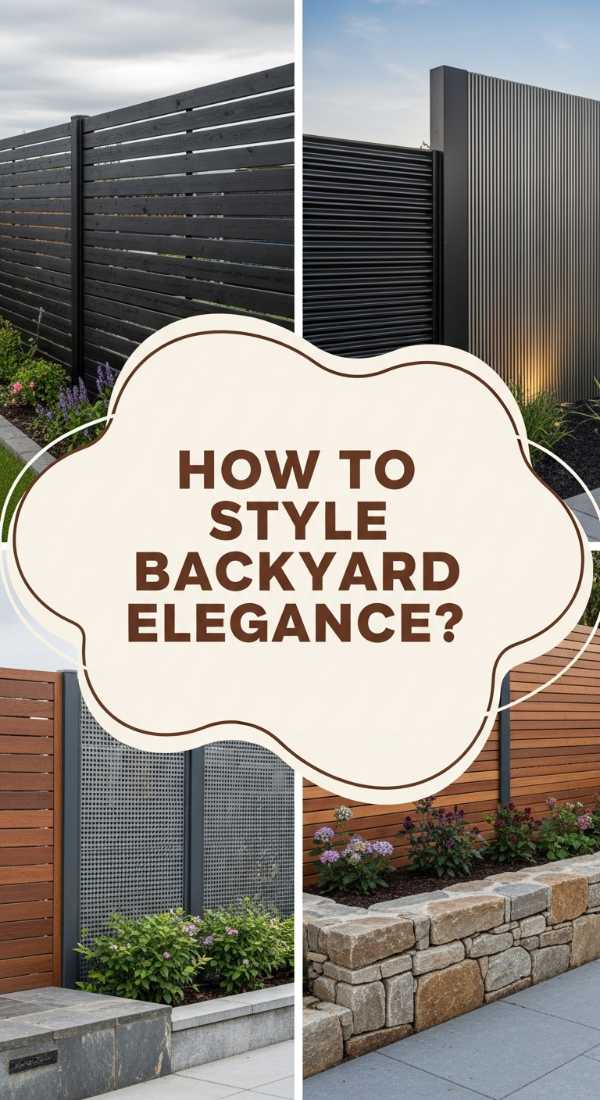
How to Choose Stone Accent Walls for Outdoor Sophistication

Why we love this
There is something profoundly grounding about the rugged, tactile surface of a stone accent wall in a backyard or patio. When the sun hits the uneven textures of slate or ledger stone, it creates a dance of highlights and shadows that feels ancient and sturdy. The smell of sun-warmed stone and the way it radiates heat long into the evening makes your outdoor space feel like a Mediterranean villa. It’s the ultimate way to bring structural sophistication and a sense of permanence to your garden.
Essential Elements:
- Natural stone ledger panels or loose fieldstone
- Outdoor-rated thin-set mortar or Type S masonry mortar
- Angle grinder with a diamond masonry blade
- Wire brush and bucket
- Stone sealer for weather protection
How to make it
- Ensure your outdoor wall is made of concrete block or has a cement board facing; if it’s wood, you must install a moisture barrier and metal lath to provide a ‘grip’ for the mortar.
- Scrub the wall with a wire brush to remove any loose debris, then apply a ‘scratch coat’ of mortar (about 1/2 inch thick) and let it dry slightly until it is firm but tacky.
- Apply mortar to the back of each stone panel or individual stone, pressing it firmly into the scratch coat and wiggling it slightly to set the bond.
- Work from the bottom up, using the natural shapes of the stone to minimize gaps, and use an angle grinder to trim stones for corners or edges.
- Once the wall is complete and dry (72 hours), apply a high-quality stone sealer to protect the surface from rain, UV rays, and moss growth, ensuring the colors stay vibrant for years.
Transforming Your Sanctuary
Redesigning your walls is more than just a home improvement project; it’s an act of self-care. Whether you choose the lush vibrancy of a vertical garden or the sleek, reflective power of a mirrored wall, you are creating a backdrop for your life that inspires you every single day. Don’t be afraid to mix these textures and ideas to find what truly resonates with your personal style. Your home is your world—make it beautiful!