
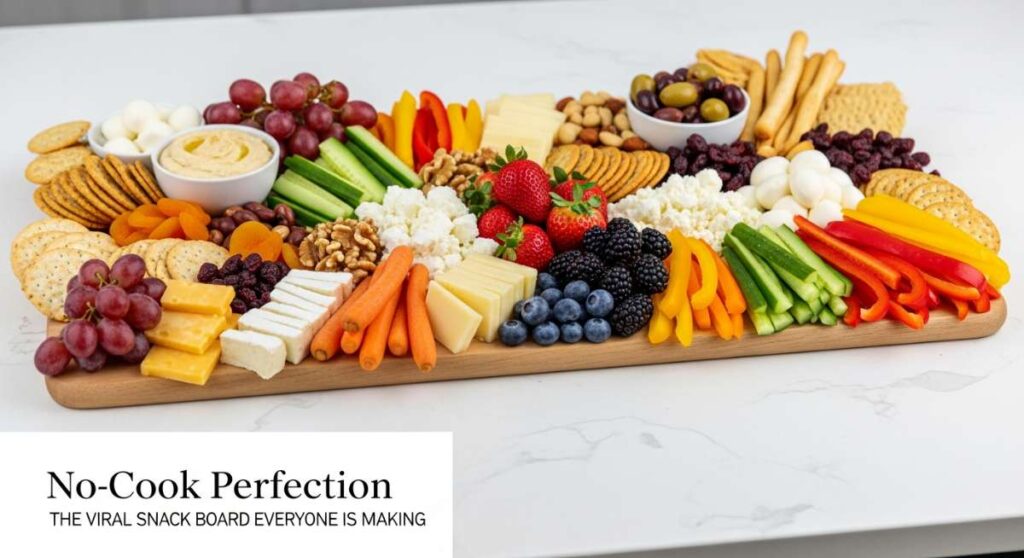
No-Cook Perfection: The Viral Snack Board Everyone Is Making
There is something inherently magical about that first weekend when the sun lingers just a little longer in the sky and the heavy, winter coats are finally tucked away. It’s a season of renewal, and for me, that always starts in the kitchen—or rather, by avoiding the oven entirely. We’ve all seen those stunning, effortless boards taking over our social feeds, and honestly, they are more than just a trend; they are a lifestyle shift toward slower, more intentional moments with the people we love.
The beauty of the viral snack board isn’t just in its aesthetic appeal, though the colors are undeniably breathtaking. It’s about the freedom to graze, the lack of pile-up dishes, and the ability to showcase the very best of spring’s harvest without overcomplicating things. Whether you are hosting a garden party or just treating yourself to a quiet Tuesday evening on the porch, these ideas are designed to bring a little extra sparkle and a lot of fresh flavor to your table.
5 Best Spring Cake Designs to Try Now
Why we love this
Nothing captures the essence of a spring celebration quite like a cake that looks like it was plucked directly from a wildflower meadow. We adore these designs because they transition from the heavy, rich chocolates of winter to light, airy sponges adorned with delicate pressed pansies and pastel Swiss meringue buttercream. There is a tactile joy in seeing the soft ridges of a palette-knife floral design, smelling the faint aroma of vanilla bean and lemon zest, and feeling the velvety smoothness of the frosting melt away into a light-as-air crumb that tastes like pure sunshine.
Ingredients
- Light lemon sponge cake layers
- Swiss meringue buttercream
- Edible pressed flowers (pansies, violas, cornflowers)
- Lemon curd filling
- Pastel gel food coloring
- Gold leaf accents
How to make it
- Begin by chilling your lemon sponge layers completely; a cold cake is essential for a stable structure and clean frosting application. Level each layer with a serrated knife to ensure a flat surface.
- Place your first layer on a rotating cake stand and pipe a stiff buttercream border around the edge. Fill the center with a generous layer of lemon curd, spreading it evenly to the edges of the border to prevent leaking.
- Stack the remaining layers and apply a thin ‘crumb coat’ of buttercream over the entire cake. Use a bench scraper held at a 45-degree angle to smooth the sides, then chill the cake for 30 minutes until the frosting is firm to the touch.
- Apply a thick final layer of pastel-tinted buttercream. For a ‘viral’ textured look, use a small offset spatula to create sweeping, painterly strokes upward from the base.
- Carefully apply your edible pressed flowers using sterilized tweezers. Gently press each bloom into the soft frosting so it adheres without bruising the delicate petals. Finish with tiny flecks of gold leaf for a high-end, artisanal touch.
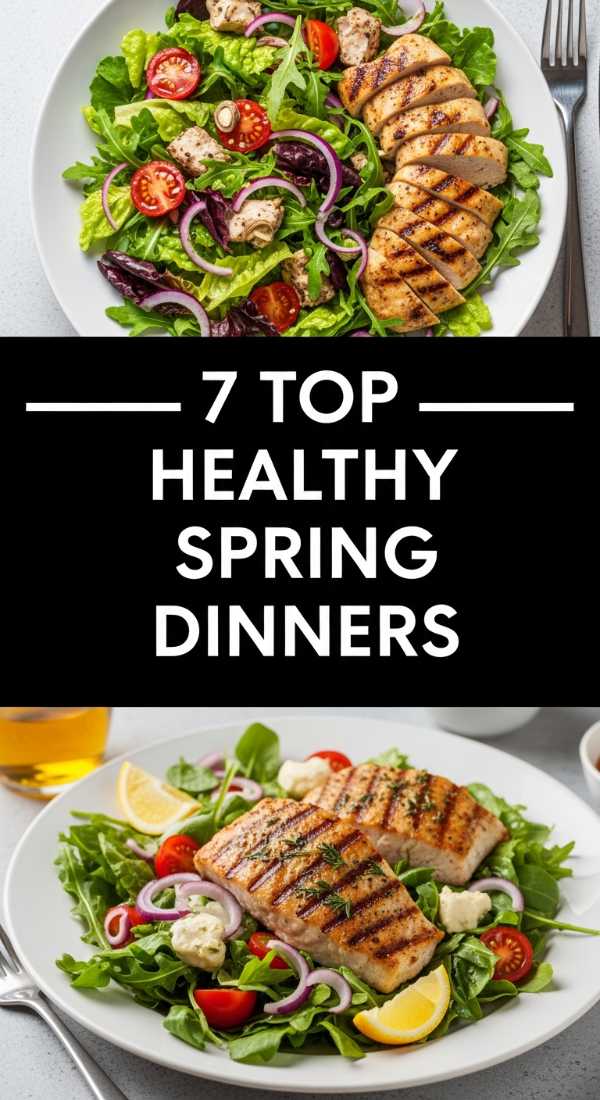
7 Top Healthy Spring Dinner Recipes
Why we love this
As the weather warms, our bodies naturally crave the crisp, hydrating crunch of seasonal greens and the zesty brightness of citrus-infused proteins. These dinner recipes are the ultimate celebration of vitality, offering a sensory experience that is both grounding and energizing. Imagine the sound of a sharp knife slicing through a fresh radish, the vibrant green of snap peas against a white ceramic plate, and the refreshing aroma of mint and parsley filling your kitchen. Eating these meals feels like a reset button for your system, providing deep nourishment without the midday slump.
Ingredients
- Fresh asparagus spears
- Wild-caught salmon fillets
- Quinoa or farro base
- Radishes and snap peas
- Lemon-tahini dressing
- Fresh mint and dill
How to make it
- Start by prepping your grain base; rinse quinoa thoroughly to remove bitterness and simmer in vegetable stock rather than water to infuse deep flavor from the start. Cook until the ‘tails’ appear, then fluff with a fork and let cool slightly.
- Season your salmon fillets with sea salt and cracked black pepper. Heat a cast-iron skillet over medium-high heat with a splash of avocado oil until it just begins to shimmer, indicating it is ready for searing.
- Place salmon skin-side down and press gently with a spatula for 30 seconds to ensure even contact. Cook for 4-5 minutes until the skin is crispy and golden, then flip and cook for only 2 more minutes to keep the center tender and moist.
- Blanch your asparagus and snap peas in boiling salted water for exactly 90 seconds, then immediately plunge them into an ice bath. This ‘shocks’ the vegetables, preserving their electric green color and snapping texture.
- Assemble the bowls by layering grains, the seared salmon, and the blanched greens. Drizzle with a whisked lemon-tahini sauce and top with shaved radishes and torn herbs for a professional, restaurant-quality presentation.
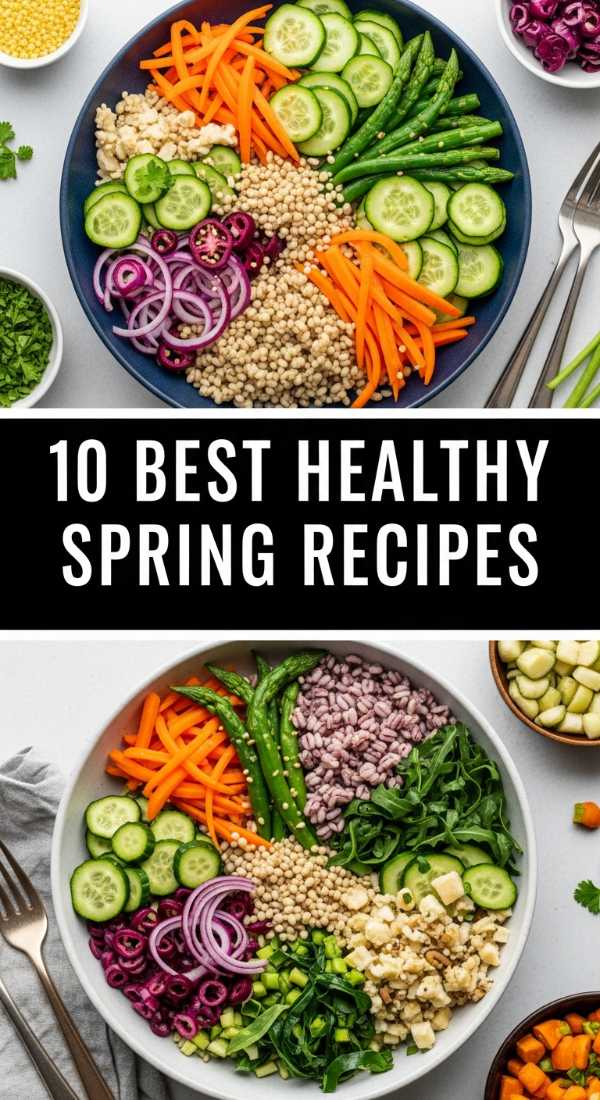
10 Best Healthy Spring Recipes Today

Why we love this
This collection represents the pinnacle of seasonal eating, focusing on ingredients that are at their nutritional peak during the spring months. We love these recipes because they celebrate the earthiness of root vegetables like carrots alongside the sharp, peppery bite of arugula and watercress. There is a beautiful balance of textures—the soft creaminess of goat cheese paired with the toasted crunch of walnuts. Each bite is a reminder of the garden’s bounty, offering a complex profile of earthy, sweet, and tangy notes that satisfy the palate while leaving you feeling light and vibrant.
Ingredients
- Baby arugula and spinach mix
- Roasted rainbow carrots
- Whipped goat cheese
- Toasted walnuts or pecans
- Honey-balsamic glaze
- Pickled red onions
How to make it
- Preheat your oven to 400°F (200°C). Toss heirloom rainbow carrots in olive oil, salt, and thyme, then roast on a parchment-lined sheet for 25 minutes until the edges are caramelized and the centers are tender when pierced with a fork.
- While the carrots roast, prepare the whipped goat cheese by pulsing softened goat cheese with a splash of heavy cream and a pinch of salt in a food processor until it reaches a cloud-like consistency.
- Toast your walnuts in a dry pan over medium heat for 3-5 minutes. Stay vigilant and toss them frequently; they transition from toasted to burnt very quickly. You’ll know they are done when they release a nutty, rich aroma.
- In a large wooden bowl, toss the baby greens with a minimal amount of olive oil and lemon juice—just enough to make the leaves glisten without weighing them down.
- Plate by spreading a generous dollop of whipped goat cheese on the bottom, topping with the warm roasted carrots, crunchy walnuts, and pickled onions. Finish with a zig-zag drizzle of honey-balsamic glaze for a visual ‘wow’ factor.
5 Most Magical Glitter Dumplings

Why we love this
Dumplings are already a comfort food staple, but adding a touch of edible shimmer turns them into a whimsical, high-fashion culinary experience. We love this trend because it brings a sense of play and wonder back to the dinner table, making any meal feel like a special event. The translucent, glass-like wrappers reveal glimpses of vibrant purple cabbage or bright green chives inside, while the outer dusting of gold or silver glitter catches the light beautifully. The texture is a delightful contrast between the chewy, elastic dough and the savory, juicy filling, creating a sensory explosion that is as fun to eat as it is to photograph.
Ingredients
- Wheat starch and tapioca starch (for crystal wrappers)
- Ground pork or minced mushrooms
- Finely shredded purple cabbage
- Edible luster dust (gold or pearl)
- Sesame oil and soy sauce
- Bamboo steamer liners
How to make it
- Create the ‘crystal’ dough by mixing boiling water into a blend of wheat and tapioca starches. It is crucial the water is at a rolling boil to properly gelatinize the starch, resulting in that signature translucent finish once steamed.
- Knead the dough until smooth and elastic, then cover with a damp cloth for 10 minutes. Roll it out into very thin circles; you should almost be able to see your hand through the dough.
- Prepare your filling with high-quality protein and finely minced aromatics. Ensure the filling is cold before wrapping, which prevents the steam from softening the dough prematurely and causing tears.
- Place a teaspoon of filling in the center and fold into a crescent or pleated pouch. Brush the exterior very lightly with a tiny amount of neutral oil using a soft pastry brush.
- Dip a dry brush into the edible luster dust and gently buff it onto the oiled surface of the raw dumpling. Steam in a bamboo basket over boiling water for 6-8 minutes until the wrappers become clear and the glitter shines brilliantly.
8 Easy Spring Crockpot Meals
Why we love this
The crockpot isn’t just for heavy winter stews; in the spring, it becomes the ultimate tool for ‘set it and forget it’ elegance that keeps the kitchen cool. We love these meals because they allow you to spend your afternoon in the garden or at the park while a bright, herbaceous dinner simmers away. The slow-cooking process breaks down proteins into succulent, melt-in-your-mouth textures while infusing them with the delicate flavors of lemon, garlic, and fresh dill. The aroma that greets you when you walk through the door is a comforting blend of savory warmth and citrus brightness that perfectly mimics a spring breeze.
Ingredients
- Chicken thighs (bone-in, skin-on for flavor)
- Artichoke hearts
- Baby potatoes
- Chicken bone broth
- Fresh lemons and garlic cloves
- Fresh rosemary sprigs
How to make it
- Sear the chicken thighs in a hot pan for 3 minutes per side before adding them to the crockpot. This step is vital; it renders the fat and creates a golden crust that adds a depth of flavor the slow cooker cannot achieve on its own.
- Place the halved baby potatoes and drained artichoke hearts at the bottom of the slow cooker to act as a ‘rack’ for the chicken. This prevents the meat from sitting in too much liquid and becoming mushy.
- Whisk together the bone broth, the juice of two lemons, and six smashed garlic cloves. Pour this mixture around the chicken, being careful not to pour it directly over the crispy skin you just seared.
- Set the slow cooker to ‘Low’ for 5-6 hours. Using the high setting can toughen the lean proteins typical of spring dishes, so low and slow is the secret to that fall-off-the-bone texture.
- Ten minutes before serving, scatter fresh rosemary and lemon slices over the top. Serve directly from the pot with a side of crusty bread to soak up the liquid gold broth.
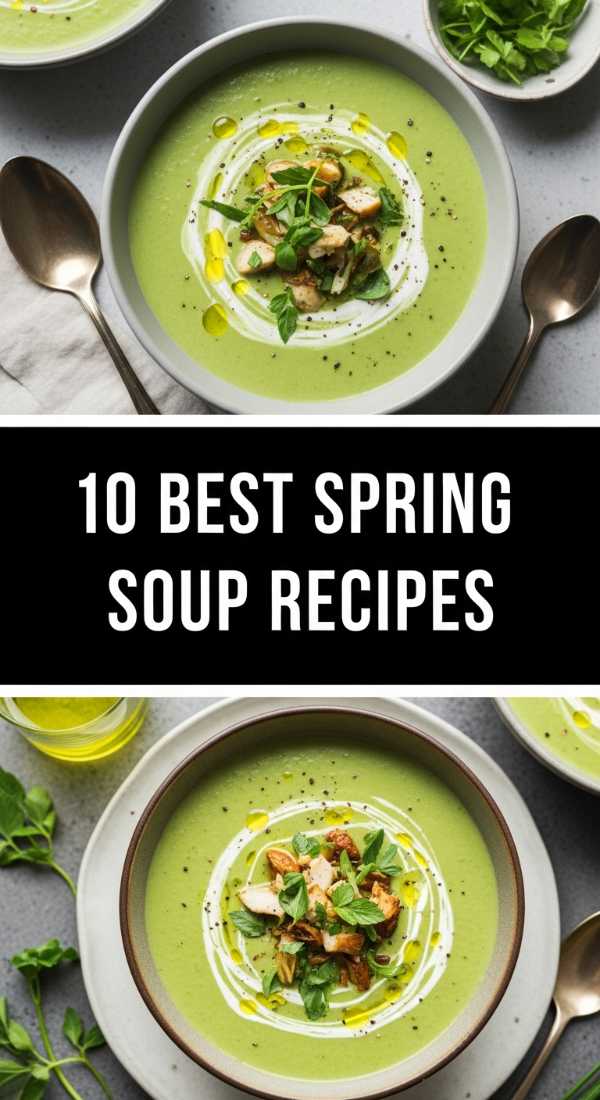
10 Best Spring Soup Recipes

Why we love this
Spring soups are the antithesis of the thick, brown stews of December; they are vibrant, light, and almost glow with freshness. We love these recipes for their silky textures—often achieved through pureed peas or leeks rather than heavy creams. There is a sophisticated simplicity in a bowl of bright green pea soup topped with a dollop of crème fraîche and a sprig of mint. The flavor profile is clean and crisp, offering a gentle warmth that is perfect for those lingering chilly spring evenings when you want something cozy but not heavy.
Ingredients
- Fresh or frozen sweet peas
- Leeks (white and light green parts only)
- Vegetable stock
- Crème fraîche
- Fresh mint leaves
- Lemon zest
How to make it
- Sauté finely sliced leeks in butter over medium-low heat until they are soft and translucent. Do not let them brown; you want to maintain a light color to ensure the final soup is a vivid, bright green.
- Add the peas and vegetable stock to the pot. Bring to a gentle simmer for only 5 minutes. Overcooking the peas will cause them to lose their bright color and turn a dull olive drab.
- Immediately transfer the mixture to a high-speed blender. Add a handful of fresh mint leaves and blend on the highest setting until the soup is completely smooth and aerated.
- Pass the soup through a fine-mesh sieve (chinois) into a clean pot. This extra step removes any remaining fiber or skin, resulting in a professional, velvety ‘restaurant-style’ texture.
- Reheat gently—do not boil—and serve in warmed bowls. Top each serving with a swirl of crème fraîche, a sprinkle of lemon zest, and a few reserved whole peas for a beautiful contrast in texture.
5 Gorgeous Spring Cake Trends
Why we love this
This season’s cake trends are all about moving away from perfection and embracing organic, artistic textures. We love the ‘lambeth’ style piping in pastel shades and the ‘naked cake’ look that allows the moist crumb of the cake to peek through. These trends feel approachable yet elevated, celebrating the raw beauty of ingredients. The visual appeal of a cake decorated with ‘pressed’ buttercream flowers or a simple dusting of freeze-dried strawberry powder is unmatched, creating a centerpiece that feels like a work of art. The textures range from the slight crunch of sugar pearls to the cloud-like softness of whipped ganache.
Ingredients
- Vanilla bean cake layers
- Whipped strawberry ganache
- Freeze-dried strawberry powder
- Pastel piping frosting
- Small offset spatula
- Cake turntable
How to make it
- Bake your vanilla bean layers and allow them to cool completely. For a ‘naked’ look, trim the dark caramelized edges from the sides of the cake with a very sharp knife to reveal the pale interior.
- Stack the layers with strawberry ganache in between. Use a thin layer of frosting on the outside, scraping most of it off with a bench scraper so the cake layers are visible through the ‘veil’ of frosting.
- To create the trending ‘pressed flower’ effect with frosting, pipe small dots of colored buttercream onto the cake. Use a small palette knife to swipe the dot outward, creating a petal shape.
- Repeat this process in a circular pattern to form a flower. Chill the cake between flower layers to ensure the shapes stay distinct and don’t smudge.
- For the final trendy touch, sift a light dusting of freeze-dried strawberry powder over one side of the cake to create a natural, ombré blush effect that smells as incredible as it looks.
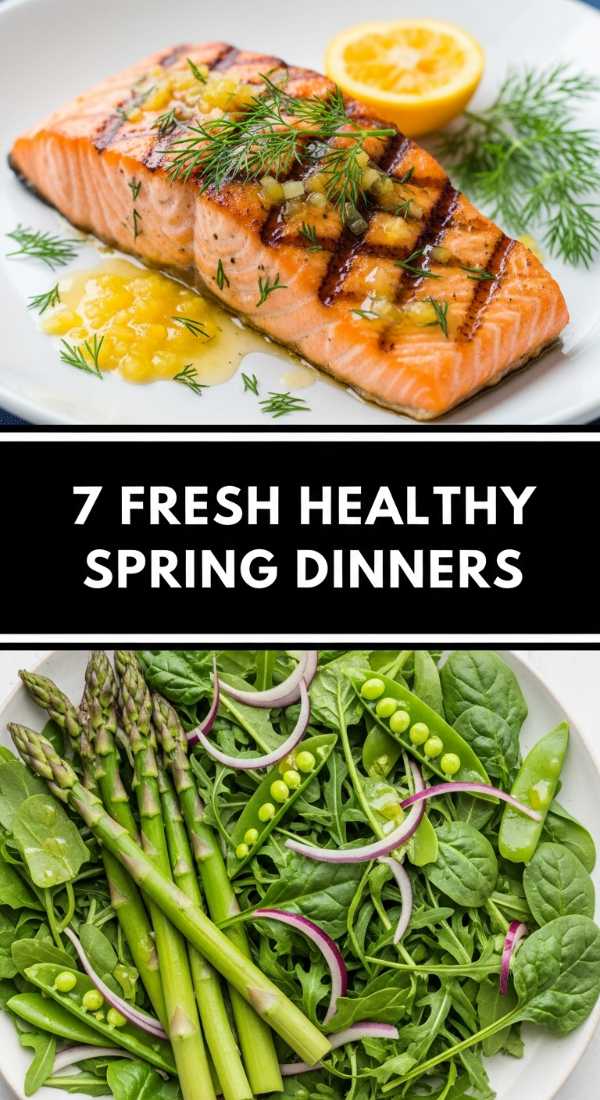
7 Fresh Healthy Spring Dinners
Why we love this
When the days get longer, we want dinners that are quick to assemble but pack a massive punch of flavor. We love these fresh recipes because they rely on ‘hero’ ingredients like vine-ripened tomatoes, creamy avocado, and zesty lime. There’s a wonderful tactile experience in assembling these meals—tearing fresh basil, squeezing lime over grilled shrimp, or crumbling feta with your fingers. The flavors are bright and acidic, which wakes up the palate and makes every bite feel like a celebration of the new season. It’s healthy eating that never feels restrictive, only indulgent and fresh.
Ingredients
- Grilled jumbo shrimp
- Avocado slices
- Heirloom cherry tomatoes
- Cucumber ribbons
- Lime-cilantro vinaigrette
- Feta cheese crumbles
How to make it
- Marinate your shrimp in lime juice, garlic, and a pinch of chili flakes for no more than 15 minutes. Any longer and the acid in the lime will begin to ‘cook’ the shrimp, changing the texture.
- Thread the shrimp onto skewers and grill over high heat for 2 minutes per side. You are looking for an opaque center and a slight char on the outside to provide a smoky contrast to the fresh veggies.
- Use a Y-peeler to create long, thin ribbons of cucumber. This increases the surface area for the dressing to cling to and provides a much more elegant texture than standard slices.
- Halve the heirloom tomatoes and toss them with a little salt five minutes before plating; this draws out their natural juices to create a ‘mini sauce’ on the plate.
- Arrange the shrimp over a bed of cucumber ribbons and tomatoes. Top with avocado and feta, then drizzle the lime-cilantro vinaigrette over everything right before serving to keep the vegetables crisp.
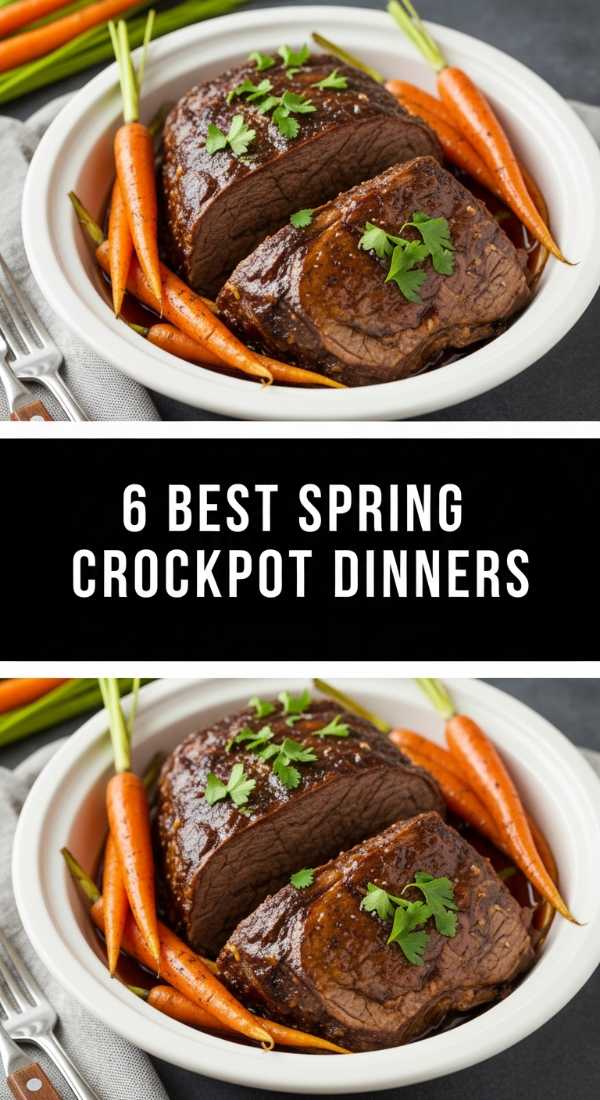
6 Best Spring Crockpot Dinners
Why we love this
There’s a misconception that slow cookers are only for the dark days of winter, but these spring-focused crockpot dinners prove otherwise. We love how these recipes utilize the gentle, indirect heat to preserve the integrity of delicate spring lamb or tender young carrots. The results are incredibly succulent and flavorful, with a depth of seasoning that you simply can’t get from a quick sauté. The texture of a slow-cooked spring roast, paired with a bright gremolata, offers a sophisticated balance of rich, melt-in-your-mouth fat and sharp, herbaceous freshness that is absolutely addictive.
Ingredients
- Boneless leg of lamb (trimmed)
- Baby carrots and pearl onions
- Beef or vegetable stock
- Fresh parsley and lemon zest (for gremolata)
- Garlic and Dijon mustard
- White wine (Pinot Grigio or Sauvignon Blanc)
How to make it
- Rub the lamb roast with a mixture of Dijon mustard, minced garlic, salt, and pepper. The mustard acts as a binder and helps the seasonings penetrate the meat during the long cook time.
- Deglaze your searing pan with a splash of white wine, scraping up all the brown bits (fond) from the bottom. Pour this liquid into the crockpot; it contains the most concentrated flavor of the entire dish.
- Place the lamb on top of a bed of pearl onions and baby carrots. Pour the stock in until it reaches about a third of the way up the meat. Adding too much liquid will result in ‘boiled’ meat rather than a succulent roast.
- Cook on the ‘Low’ setting for 7-8 hours. The low temperature is essential for breaking down the connective tissue in the lamb without drying out the lean parts of the muscle.
- Once finished, let the meat rest for 15 minutes before slicing. Serve with a fresh gremolata (parsley, lemon zest, and raw garlic finely chopped together) sprinkled generously over the top to cut through the richness.
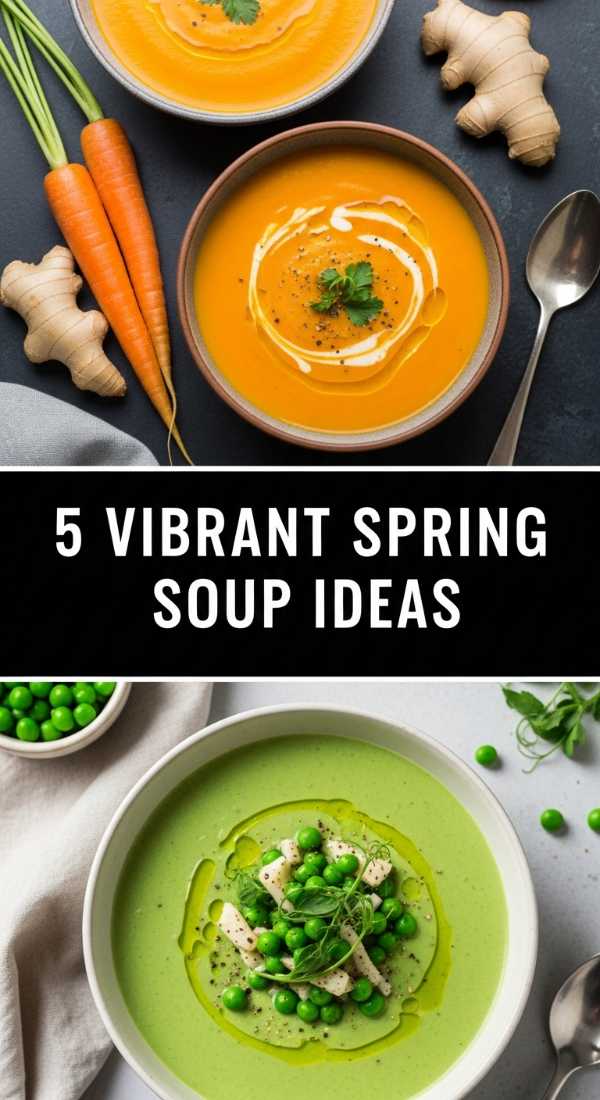
5 Vibrant Spring Soup Ideas
[IMAGE_10]
Why we love this
Vibrant spring soups are like a liquid garden in a bowl, offering a concentrated burst of chlorophyll and vitamins that feel incredibly healing. We love these ideas because they often incorporate unexpected ingredients like coconut milk for a tropical twist on carrot soup or ginger for a spicy kick to a beet bisque. The visual impact of these soups—ranging from shocking pink to deep, emerald green—makes them a favorite for hosting. The aroma is always earthy and clean, and the feeling of a warm, smooth liquid that is packed with nutrition is the ultimate way to nourish yourself as the seasons change.
Ingredients
- Rainbow beets (for pink/golden soup)
- Fresh ginger root
- Full-fat coconut milk
- Vegetable broth
- Toasted pepitas
- Microgreens for garnish
How to make it
- Roast the beets whole in foil packets at 400°F (200°C) until tender. This method concentrates the sugars and makes the skins slip right off, preserving the most vibrant color possible.
- In a large pot, sauté freshly grated ginger in a little coconut oil until fragrant. Adding the ginger early allows the heat to mellow its bite while infusing the base oil with flavor.
- Combine the peeled, roasted beets, the ginger base, and vegetable broth. Simmer for 10 minutes to allow the flavors to marry before blending.
- Add the coconut milk during the blending process. This creates a beautiful, creamy emulsion and softens the earthy ‘dirt’ flavor that beets can sometimes have, turning it into something sweet and sophisticated.
- Garnish each bowl with a handful of toasted pepitas for a necessary crunch and a cluster of microgreens. The contrast of the hot pink soup and the tiny green leaves is visually stunning.
Conclusion
Stepping into spring doesn’t have to mean spending hours over a hot stove. From the artistic flair of glitter dumplings to the rustic charm of a slow-cooked lamb roast, these recipes prove that seasonal eating is about celebrating the ingredients themselves. By focusing on fresh textures, vibrant colors, and simple techniques, you can create a viral-worthy spread that tastes even better than it looks. So, gather your favorite people, set out a beautiful board, and let the flavors of the season do the talking.