

Have you ever walked into a room and felt instantly at peace, as if every corner was whispering a story written just for you? We’ve all spent hours scrolling through Pinterest, hearting those perfectly lit sunrooms and impeccably styled shelves, wondering how to bridge the gap between our current reality and that dream aesthetic. Designing a home isn’t just about the furniture you buy; it’s about the soul you breathe into the space, the way the morning light catches a glass vase, and the comforting weight of a hand-woven throw on a rainy afternoon.
Your home should be your ultimate sanctuary—a living, breathing reflection of your heritage, your travels, and your quietest joys. Whether you are looking to revitalize a tired porch or create a sacred corner for reflection, the secret lies in the details. It’s in the tactile contrast of raw wood against velvet, the vibrant pop of a hand-painted tile, or the nostalgia of a vintage heirloom. In this guide, we are diving deep into ten transformative design styles that will help you curate a space that feels both magazine-worthy and deeply, authentically human.
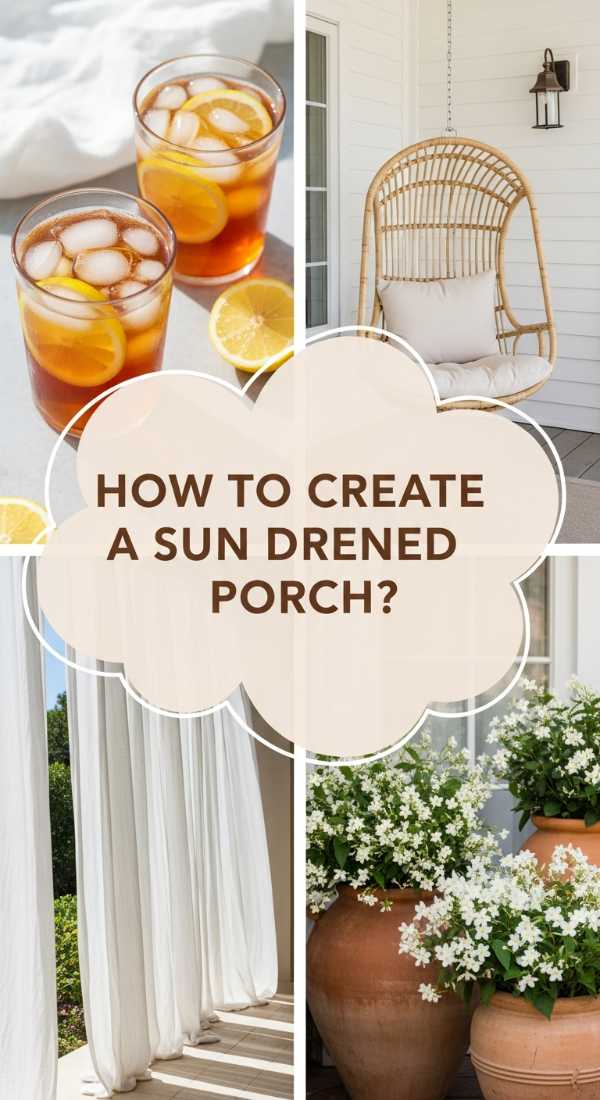
How to Create a Sun Drenched Summer Porch for Endless Golden Hour Relaxation
Why we love this
There is nothing quite like the sensory symphony of a summer porch when the sun begins its slow descent. Imagine the feeling of warm, honeyed light dancing across your skin while the scent of blooming jasmine hangs heavy in the humid air. We love this because it transforms an outdoor transition space into a true destination for relaxation. The gentle creak of a wicker chair, the condensation on a glass of icy lemonade, and the softness of an outdoor rug under bare feet create a nostalgic, almost cinematic atmosphere that makes every afternoon feel like a slow-motion vacation.
Essential Elements:
- Weather-resistant wicker or rattan seating
- Linen throw pillows in shades of oatmeal and cream
- Overhead string lights with Edison bulbs
- Potted citrus trees or fragrant jasmine vines
- A low-profile wooden coffee table or ottoman
- Sheer outdoor curtains to diffuse harsh midday light
How to make it
- Start by clearing your porch and deep-cleaning the floor to create a blank canvas; use a pressure washer for wood or stone to reveal its natural grain.
- Define the “living area” by laying down a large, durable jute rug; ensure it is centered to anchor your furniture and provide a soft tactile experience for bare feet.
- Position your largest seating piece—ideally a deep-seated sofa or a swinging daybed—facing the sunset to maximize the visual impact of the golden hour.
- Layer in smaller accent chairs at a 45-degree angle to the main piece to encourage conversation; check that there is at least 18 inches of walking space between furniture.
- Install sheer white linen curtains along the perimeter; hang them high and wide to create the illusion of height and allow the breeze to catch the fabric for a rhythmic, calming movement.
- Add greenery at varying heights: place a tall lemon tree in a terracotta pot in one corner and smaller herbs like lavender or mint on the side table to infuse the air with natural fragrance.
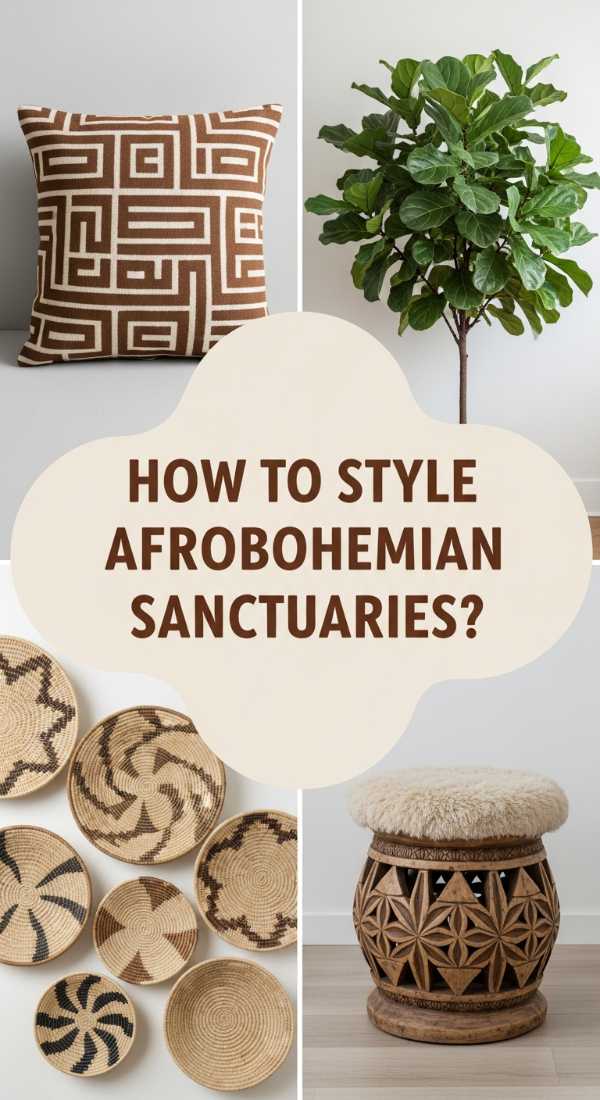
How to Layer Rich Textures for an Afrobohemian Sanctuary of Cultural Soul
Why we love this
The Afrobohemian aesthetic is a masterclass in storytelling through touch and pattern. It is a style that feels incredibly grounded and wise, grounding the room with the weight of hand-carved wood and the intricate history of indigo-dyed fabrics. We love the way it celebrates imperfection—the nubby texture of a mudcloth pillow, the rugged grain of a Baobab-inspired table, and the earthy, smoky aroma of burning frankincense. It turns a living space into a sanctuary that feels both ancient and contemporary, offering a soul-stirring warmth that sleek modernism often lacks.
Essential Elements:
- Hand-woven mudcloth (Bògòlanfini) textiles
- Natural fiber rugs like sisal or seagrass
- Woven wall baskets in geometric patterns
- Raw, dark wood furniture with organic edges
- Statement indoor plants like the Fiddle Leaf Fig or Bird of Paradise
- Brass accents for a touch of metallic warmth
How to make it
- Begin with a neutral base by painting walls in a warm clay or soft off-white to let the patterns and textures take center stage without visual clutter.
- Layer your flooring by placing a patterned tribal-print rug directly over a larger, neutral sisal rug; this “rug-on-rug” technique adds immediate depth and a cozy, curated feel.
- Drape a vintage indigo or mudcloth throw over the back of a leather sofa, allowing the fringe to hang naturally to create a relaxed, lived-in silhouette.
- Create a gallery wall of hand-woven baskets; start with the largest basket in the center and spiral smaller, differently patterned ones outward to mimic natural growth.
- Incorporate “living texture” by grouping large-leaf tropical plants in baskets of varying heights; use moss toppers in the pots to hide the soil and add another layer of green.
- Finish the space with a signature scent, like sandalwood or amber, using a ceramic diffuser that matches the matte, earthy aesthetic of the room.
How to Arrange a Sacred Prayer Nook for Daily Spiritual Serenity

Why we love this
In our fast-paced world, having a dedicated space for stillness is not just a luxury—it’s a necessity for the spirit. A sacred prayer nook acts as a visual deep breath, offering a sanctuary where the mind can settle and the heart can open. We love the way the soft glow of a beeswax candle illuminates a favorite scripture or icon, creating a focal point for devotion. The tactile sensation of smooth prayer beads and the support of a plush floor cushion invite you to linger in the quiet, making spiritual practice feel like an indulgent act of self-care.
Essential Elements:
- A low wooden altar or side table
- Velvet floor cushions or a comfortable meditation chair
- Soft, warm lighting (candles or a salt lamp)
- Spiritual texts, journals, or devotional art
- A small bowl for incense or essential oils
- Fresh flowers or a single stem in a bud vase
How to make it
- Identify a quiet, low-traffic corner of your home, preferably near a window where you can observe the soft morning light or the stars at night.
- Place a small, dedicated table or floating shelf at a height that is comfortable to reach while sitting on the floor or in a low chair.
- Center your primary devotional object—be it a cross, a statue, or a sacred book—on the table to serve as your visual anchor during moments of reflection.
- Surround this anchor with “softeners”: a silk cloth draped over the table and a small dish of water or sand to safely hold incense or candles.
- Position a high-quality floor cushion or zabuton; ensure it provides enough hip support so you can sit comfortably for at least 15 to 20 minutes without strain.
- Dedicate a small basket nearby for your journals and pens, keeping the space uncluttered and focused solely on your spiritual practice.
How to Craft a Whimsical Fairy Garden Entryway for Enchanting Home Vibes

Why we love this
Walking through a fairy-inspired entryway is like stepping through a portal into a childhood storybook. It’s an aesthetic that leans heavily into the magical and the miniature, sparking a sense of wonder before you even cross the threshold. We love the playful combination of mossy greens, delicate twinkling lights, and tiny architectural details. It’s about the delight of discovering a hidden ceramic toadstool nestled in a fern or the way a chime tinkles softly in the breeze, reminding us that home is a place where magic and reality coexist in the most beautiful way.
Essential Elements:
- Lush ferns and trailing ivy
- Solar-powered copper fairy lights
- Weathered stone or resin garden gnomes and fairies
- Miniature stone pathways or pebble borders
- A decorative birdhouse or a tiny “fairy door” at the base of a wall
- Pastel-colored planters and pots
How to make it
- Frame your entryway door with climbing plants like ivy or star jasmine; use invisible wire or small clips to train the vines to arch over the doorway.
- Create “levels” of greenery by using a multi-tiered plant stand or vintage wooden crates to elevate smaller pots, ensuring the tallest plants are in the back.
- Line the walkway or the edge of your porch with smooth river stones or colorful sea glass to create a shimmering, ethereal path leading to the door.
- Weave thin copper wire fairy lights through the foliage of your potted plants; hide the battery packs or solar panels behind the pots for a seamless look.
- Tuck small surprises among the leaves: a tiny ceramic mushroom, a small brass key hanging from a branch, or a miniature stone bench to create a sense of discovery.
- Incorporate a small water feature, like a tabletop fountain, to provide the soothing sound of trickling water, which masks street noise and adds to the enchanted forest vibe.
How to Infuse Bold Mexican Colors for a Vibrant Hacienda Kitchen Transformation

Why we love this
A Mexican-inspired kitchen is an explosion of joy, heat, and communal energy. It is a space that practically begs you to turn up the music and start chopping fresh cilantro. We love this look for its unapologetic use of color—think cobalt blues paired with sun-baked oranges and fuchsia accents. There is a delicious tactile quality to the hand-painted Talavera tiles and the rough terracotta floors that feels incredibly inviting. It’s a kitchen that smells of toasted spices and fresh lime, where every meal feels like a celebration of life and heritage.
Essential Elements:
- Hand-painted Talavera tile backsplash
- Terracotta floor tiles or ceramic accents
- Open shelving with colorful stoneware and glassware
- Wrought iron light fixtures or hardware
- Brightly colored textiles like Mexican serapes used as table runners
- Abundant indoor herbs and cacti in painted pots
How to make it
- Swap out a plain backsplash for authentic Talavera tiles; if a full renovation isn’t possible, use high-quality peel-and-stick tile decals in traditional patterns for an instant lift.
- Paint your kitchen island or a single accent wall in a bold, saturated hue like “Marigold” or “Azul Tequila” to create a vibrant focal point.
- Replace standard cabinet knobs with hand-painted ceramic pulls; choose mismatched patterns for a truly eclectic, artisanal feel.
- Display your most colorful cookware on open shelves or a pot rack; the goal is to make functional items like clay cazuelas and bright bowls part of the decor.
- Hang a string of dried red chili peppers (ristras) near the stove; they provide a pop of organic color and a traditional nod to Mexican culinary heritage.
- Use a heavy, hand-woven Mexican blanket as a rug in the dining nook, ensuring it has a non-slip pad underneath to handle the high-traffic kitchen environment.
How to Style Timeless Vintage Treasures for a Curated Antique Aesthetic

Why we love this
There is a profound sense of continuity in a room styled with vintage treasures. It’s the aesthetic of the “soulful collector,” where every piece has a past and a patina that modern furniture simply cannot replicate. We love the way a tattered gold-leaf frame looks against a matte wall, or the heavy, satisfying weight of a vintage brass candlestick. This style feels like a slow, intentional curation—a blend of aged wood, old paper smells, and the subtle glint of antique glass that makes your home feel like a living museum of your own unique taste.
Essential Elements:
- Gilded mirrors with natural oxidation
- Hardbound vintage books with textured spines
- Brass or copper candle holders and trays
- Mid-century modern or Victorian accent furniture
- Antique oil paintings or botanical sketches
- Linen or velvet textiles in muted, dusty tones
How to make it
- Start by “scouting” for a hero piece—like a weathered leather armchair or a carved oak sideboard—that will set the tone for the rest of the room’s era.
- Create a “vignette” on a coffee table or mantel by grouping items in threes; use a stack of old books as a pedestal to vary the height of a brass figurine or a glass cloche.
- Mix textures within your displays: pair the cold smoothness of a marble bust with the warmth of a woven textile or the rough edges of a piece of coral.
- When hanging vintage art, use different styles of frames but keep the color palette of the artwork consistent to create a cohesive but non-uniform gallery wall.
- Incorporate lighting that mimics the era; find vintage lamps and replace the wiring for safety, or use “Edison” style LED bulbs to maintain that soft, amber glow.
- Avoid the “thrift store” look by leaving plenty of negative space around your treasures; every piece should have enough room to “breathe” so its details can be appreciated.
How to Design a Playful Summer Garden Party for Memorable Outdoor Hosting

Why we love this
A garden party is the ultimate expression of summer hospitality, blending the untamed beauty of nature with the refined charm of a dinner party. We love the casual elegance of long wooden tables set under the shade of an old oak tree, with mismatched vintage china catching the dappled sunlight. There’s an intoxicating aroma of cut grass and blooming peonies, mixed with the sound of laughter and the clinking of champagne flutes. It’s about creating a space that feels effortless yet meticulously planned, where guests feel comfortable enough to kick off their shoes and stay long after the sun goes down.
Essential Elements:
- Long wooden trestle tables or low picnic setups
- Mismatched vintage plates and glassware
- Wildflower arrangements in mason jars or pitchers
- Overhead bistro lights or paper lanterns
- Comfortable floor cushions and outdoor poufs
- A dedicated drink station with infused waters and cocktails
How to make it
- Set the scene by stringing bistro lights in a “zig-zag” pattern above the seating area; ensure they are hung high enough so guests won’t bump them but low enough to create a cozy canopy.
- For the table, skip the formal tablecloth and use a long linen runner to let the wood grain show through; this keeps the vibe relaxed and approachable.
- Create low-profile centerpieces using flowers from your own garden; cut them at varying lengths and place them in clusters of small vases so they don’t block eye contact across the table.
- Set up a “comfort station” in a vintage galvanized tub or basket filled with bug spray, sunscreen, and light pashmina shawls for when the evening chill sets in.
- Design a self-serve drink bar with large glass dispensers filled with cucumber-mint water or citrus sangria; use plenty of ice and garnish with edible flowers for that “Pinterest” touch.
- Arrange seating in small conversational clusters using outdoor rugs and floor cushions away from the main table to encourage guests to mingle and relax throughout the garden.
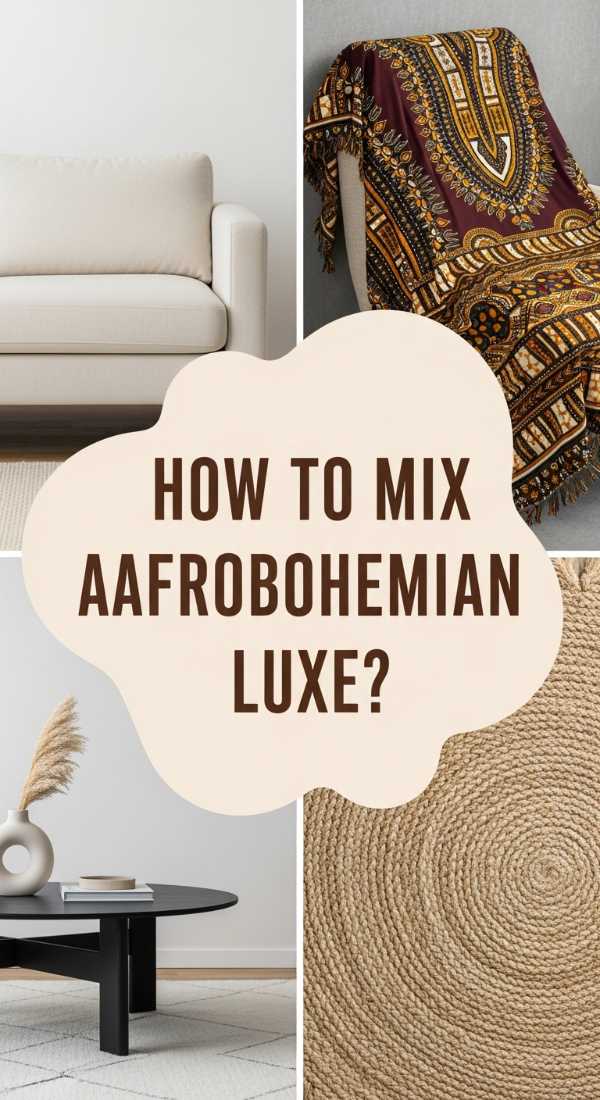
How to Mix Modern Comfort with Afrobohemian Heritage for a Luxe Living Space
Why we love this
Combining modern luxury with Afrobohemian heritage creates a space that feels both high-end and deeply grounded in cultural history. It is the perfect balance of sleek, clean lines and rich, organic patterns. We love the sophisticated contrast of a velvet tuxedo sofa paired with a hand-carved African Senufo stool. The space feels refined yet full of life, echoing with the textures of hand-spun wool and the gleam of polished marble. It’s a design that respects the past while embracing the future, offering a luxurious sanctuary that tells a story of global influence and personal style.
Essential Elements:
- Large-scale contemporary furniture (sofas, armchairs) in neutral tones
- Statement African art pieces or ceremonial masks
- Geometric patterned rugs (like Beni Ourain)
- Luxurious textiles like velvet, silk, and heavy linen
- Polished metal accents (gold or blackened steel)
- High-contrast color palettes (black, white, and ochre)
How to make it
- Start with your largest furniture piece in a high-quality modern silhouette, such as a low-profile sectional in a charcoal or cream performance velvet.
- Introduce “heritage hits”: place a pair of carved wooden stools as side tables or use a large framed piece of Kuba cloth as the primary artwork above the sofa.
- Layer your lighting by combining a modern arched floor lamp with smaller, artisanal table lamps made of ceramic or textured stone.
- Mix your pillows by pairing solid, high-texture modern cushions with hand-dyed African prints; stick to a consistent color story like “earth tones and brass” to keep it cohesive.
- Add a large-scale indoor tree, like a Ficus Audrey, in a sleek modern planter to bring in an organic element that matches the scale of the furniture.
- Use metallic accents sparingly—a brass tray on the coffee table or gold frames for art—to bridge the gap between the “raw” bohemian elements and the “polished” modern ones.
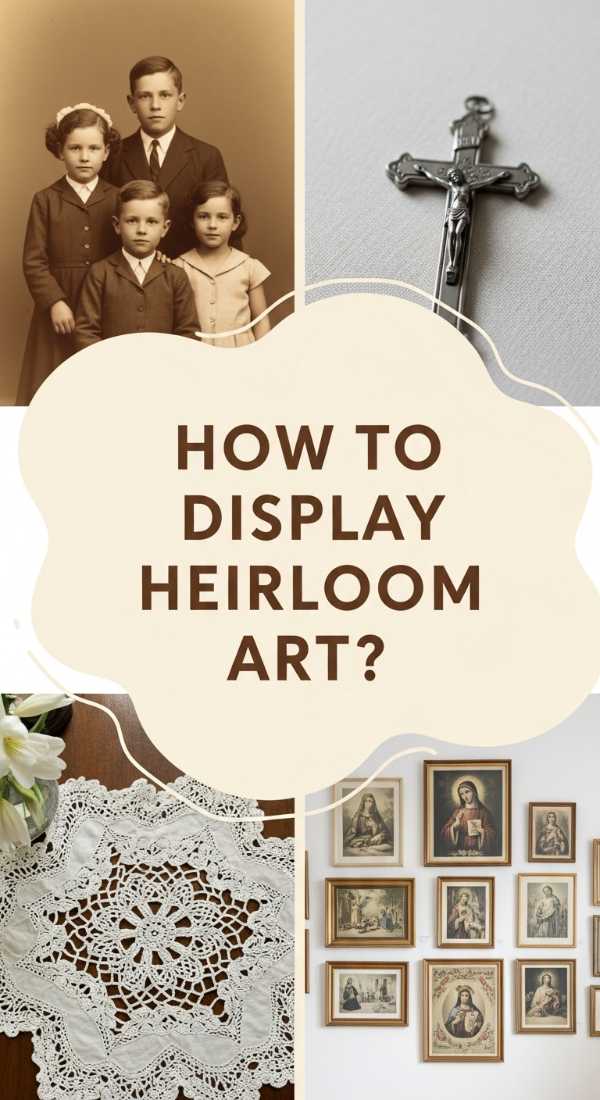
How to Display Heirloom Devotional Art for a Classic Spiritual Home
Why we love this
Displaying heirloom devotional art is a way of honoring the lineages that came before us, turning a home into a living testament to faith and history. We love the quiet dignity of a centuries-old icon or a hand-carved wooden cross that has been passed down through generations. There is a weight to these objects—a sense of peace and gravity that settles a room. The way the light catches the aged wood or the faded pigments of a religious painting creates an atmosphere of reverence, making the home feel like a sacred vessel for both memory and daily devotion.
Essential Elements:
- Antique icons or religious paintings
- Hand-carved wooden symbols or statues
- Gilded or rustic wooden frames
- Dedicated wall space or an ornate shelf
- Subtle accent lighting (picture lights or small spots)
- Fresh greenery or dried palms to accompany the art
How to make it
- Select a central wall in a room that feels naturally calm, such as a study or a bedroom, to act as your primary gallery for devotional pieces.
- Mount your most significant heirloom at eye level (roughly 57-60 inches from the floor) to ensure it is the first thing the eye rests upon when entering the space.
- Install a battery-operated LED picture light above the main artwork; this highlights the texture and significance of the piece without requiring messy wiring.
- Balance the “heaviness” of religious art by flanking it with softer elements, like two matching sconces or small vases of white lilies or eucalyptus.
- If you have smaller relics or prayer books, display them on a narrow picture ledge below the main art to create a layered, altar-like effect.
- Ensure the frames for different pieces, while they don’t have to match, share a similar “weight” or finish (e.g., all dark woods or all tarnished golds) to create a unified look.
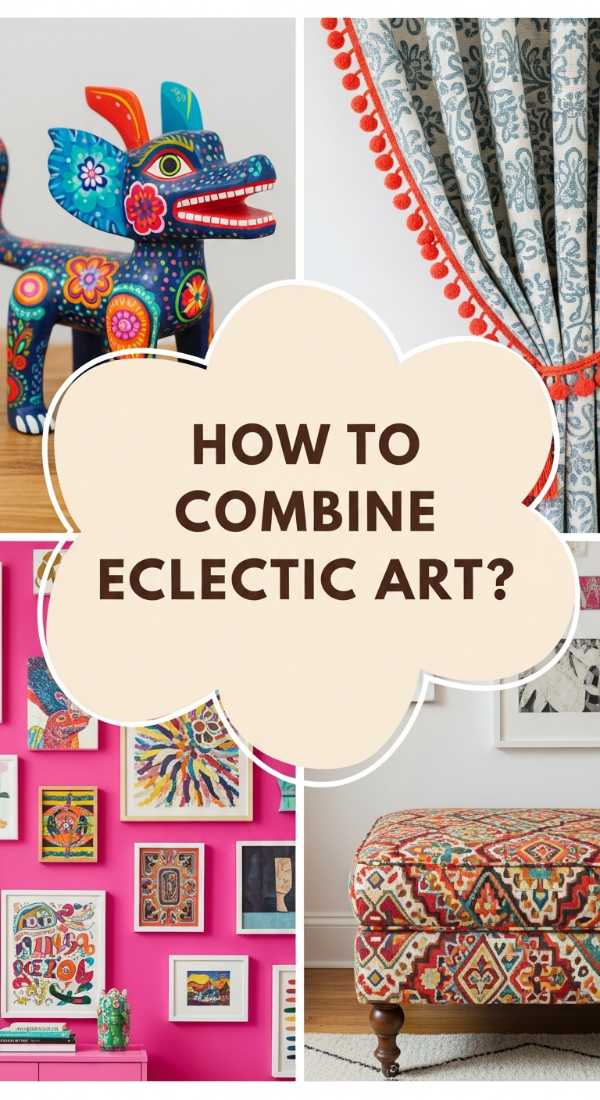
How to Combine Mexican Folk Art with Whimsical Accents for a Unique Eclectic Haven
Why we love this
Combining the vibrant, often surreal world of Mexican folk art with whimsical decor creates a home that is bursting with personality and creative fire. We love this look because it doesn’t take itself too seriously—it’s a celebration of color, craft, and imagination. Imagine an Alebrije (a brightly painted mythical creature) sitting next to a modern glass bubble lamp. The textures are rich, the colors are daring, and the overall feeling is one of curated chaos that somehow makes perfect sense. It’s a home that feels like a permanent fiesta for the senses, filled with stories and smiles.
Essential Elements:
- Alebrijes (brightly painted Oaxacan wood carvings)
- Milagros (small metal religious charms) displayed in shadow boxes
- Whimsical lighting, like neon signs or globe pendants
- Boldly patterned rugs and colorful throw blankets
- Artistic “oddities” like oversized papier-mâché flowers
- A mix of modern and vintage frames for folk art prints
How to make it
- Start with a neutral backdrop (white or very light grey) to act as a “gallery wall” so the vibrant colors of the folk art don’t become overwhelming.
- Choose a “color anchor”—select two or three dominant colors from a piece of folk art and repeat those colors in your curtains, pillows, or smaller decor items.
- Create a “curiosity cabinet” or open shelving display where you can group Alebrijes by color or size, mixing them with whimsical items like vintage toys or unique crystals.
- Display Milagros by pinning them to a velvet-backed shadow box; the contrast between the shiny metal charms and the soft fabric adds immediate sophisticated whimsy.
- Hang a large, colorful Mexican “Papel Picado” inspired banner or a set of oversized paper flowers over a doorway to add a temporary, festive architectural element.
- Mix in modern, minimalist furniture to keep the space from feeling like a souvenir shop; a sleek white coffee table is the perfect stage for a collection of vibrant folk art.
The Soul of Your Home
Designing a home that feels both aesthetic and authentic is a journey of discovery, not a weekend project. By weaving together the vibrant colors of Mexico, the rich textures of Afrobohemian heritage, and the quiet serenity of sacred spaces, you create a tapestry that is uniquely yours. Remember, the most beautiful homes are those that reflect the people living inside them—imperfections and all. So, go ahead, light that candle, layer that rug, and let your home tell your beautiful story.