

Stop Scrolling: These Home Decor Secrets Are Taking the Internet by Storm
Have you ever walked through your front door and felt an immediate wave of relief wash over you? That is the power of a home designed for the soul. In a world that constantly demands our attention through glowing screens and endless notifications, our living spaces have become more than just a place to sleep—they are our personal sanctuaries, our creative hubs, and our quiet retreats from the digital noise.
Lately, the internet has been buzzing with aesthetic transformations that feel less like a catalog and more like a warm hug. It’s not about having the most expensive furniture; it’s about the way the afternoon light hits a velvet cushion or the way a garden path invites you to slow down and breathe. I’ve spent weeks curating the most viral, most effective home and garden secrets that are currently taking the design world by storm, and I can’t wait to share how you can bring this magic into your own life.
How to Design an Outdoor Patio for Total Relaxation
Why we love this
There is something deeply restorative about an outdoor space that feels like an extension of your living room. Imagine stepping onto cool stone tiles as the scent of blooming jasmine hangs heavy in the air and a gentle breeze carries the soft chime of ceramic bells. It’s the ultimate sensory escape where the texture of weather-resistant linens meets the grounding presence of natural wood, creating a cocoon of serenity that makes the rest of the world simply melt away.
Essential Elements:
- Natural stone or high-quality composite decking
- Plush, oversized outdoor sectional with moisture-wicking fabric
- A rhythmic water feature or fountain
- Potted aromatic herbs like lavender and rosemary
- Heavy-duty outdoor rugs with a soft pile
How to make it
- Begin by clearing the area and defining the perimeter using pavers or a large outdoor rug to create a ‘room’ feel; this visual boundary is key for psychological comfort.
- Position your largest seating piece facing the most pleasant view—whether that’s your garden or the sunset—rather than facing the house, to promote a feeling of openness.
- Layer in soft textiles like lumbar pillows and weighted outdoor throws; choose neutral tones like sand and slate to keep the visual energy low and calming.
- Install a focal point water feature, ensuring the pump is set to a low, consistent trickle that masks ambient neighborhood noise without being intrusive.
- Incorporate greenery at varying heights; place tall potted palms in the corners to create a ‘ceiling’ effect and smaller succulents on coffee tables for intricate detail.
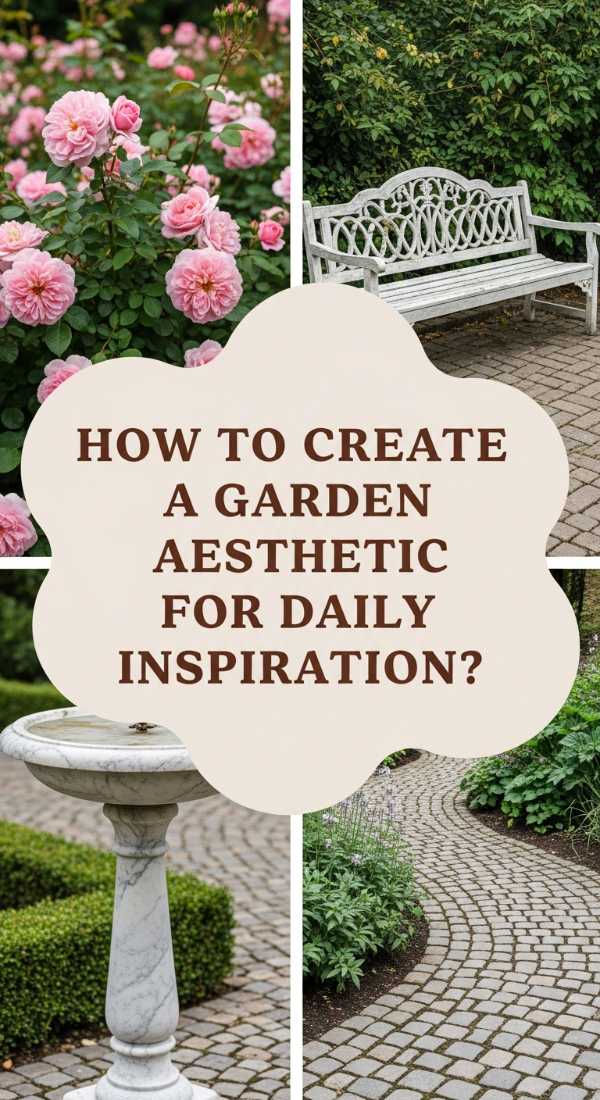
How to Create a Garden Aesthetic for Daily Inspiration

Why we love this
A garden should be more than a collection of plants; it should be a living gallery that shifts with the light. We adore this aesthetic because it plays with the soft, ethereal quality of dappled sunlight filtering through delicate leaves, creating a painterly atmosphere right in your backyard. The tactile crunch of pea gravel underfoot and the sight of wild, untamed petals dancing in the wind provide a daily dose of wonder that sparks creativity and refreshes the mind.
Essential Elements:
- Curving garden paths made of gravel or flagstone
- A mix of wild perennials and structured boxwoods
- Vintage-inspired garden benches or bistro sets
- Climbing roses or ivy-covered trellises
- Decorative bird baths or sundials
How to make it
- Map out a winding path rather than a straight line to encourage a slow, mindful pace as you walk through the garden; use steel edging to keep gravel contained.
- Plant a ‘tapestry’ of heights by placing taller foxgloves and delphiniums in the back, followed by medium-height peonies, and low-growing creeping thyme near the path edges.
- Integrate ‘pockets of surprise’ such as a hidden stone bench tucked behind a large shrub or a small reflecting pool that catches the morning sky.
- Choose a color palette of three harmonious shades, such as dusty pink, deep violet, and sage green, to ensure the space feels curated rather than cluttered.
- Incorporate weathered materials like terracotta pots or rusted iron obelisks to add a sense of history and ‘lived-in’ charm to the modern landscape.
How to Arrange Outdoor Furniture for Maximum Comfort
Why we love this
Comfort is an art form that balances physical support with social intimacy. We love a well-arranged patio because it transforms a static space into a dynamic hub for conversation and connection. Think of the soft ‘oomph’ of a deep-seated chair, the convenience of a perfectly placed side table for your iced tea, and the way a circular seating arrangement naturally draws people together, making every gathering feel cozy and intentional.
Essential Elements:
- Modular outdoor sofa or a set of deep-seated armchairs
- Sturdy, level coffee table or a central fire pit
- Strategically placed side tables for every seat
- Adjustable cantilever umbrella for shade control
- Floor cushions for extra, casual seating options
How to make it
- Identify the primary ‘anchor’ of the space—usually a fire pit or a coffee table—and arrange your largest seating pieces around it at a distance of 18 inches for easy legroom.
- Ensure every single seat has access to a surface; if a sofa is long, place a C-table at each end so no one has to reach too far to set down a glass.
- Angling chairs slightly inward (about 15 degrees) towards one another creates a ‘nesting’ effect that fosters eye contact and better acoustics for chatting.
- Test the ‘flow’ of the space by walking through the arrangement; there should be at least a 30-inch clear path for foot traffic to move around the furniture without squeezing.
- Add an adjustable shade element like a pergola or umbrella that can be tilted as the sun moves, ensuring comfort is maintained from high noon until dusk.
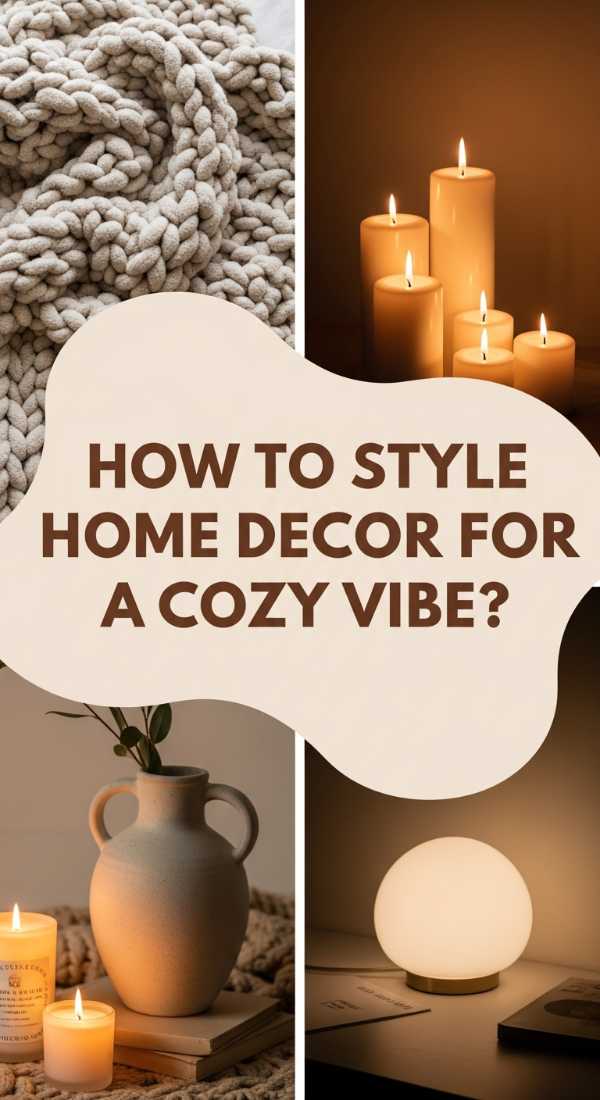
How to Style Home Decor for a Cozy Vibe
Why we love this
The ‘Cozy Vibe’ is all about satisfying the senses and making the indoors feel like a warm embrace. It’s the rich texture of a chunky knit blanket against smooth leather, the flickering amber glow of a wood-wick candle, and the soft, diffused light from a pleated lampshade. This style is viral because it prioritizes the feeling of home over the look of perfection, celebrating the layers of life that make a house feel truly occupied and loved.
Essential Elements:
- Layered rugs (jute base with a plush faux-fur top)
- Textured throw blankets in wool, linen, or velvet
- Dimmable floor lamps and table lamps
- Organic shapes in ceramics and glassware
- Books, candles, and framed personal photos
How to make it
- Start with the ‘Rule of Three’ when styling surfaces: group a tall item (a vase), a medium item (a stack of books), and a small item (a candle) for visual balance.
- Swap out harsh overhead lighting for ‘layered lighting’—use a mix of wall sconces and table lamps with warm-toned bulbs (2700K) to create a golden, inviting atmosphere.
- Drape textiles over the edges of furniture in a ‘casual-chic’ manner rather than folding them perfectly; this makes the space look approachable and ready for lounging.
- Incorporate scents that evoke comfort, such as sandalwood or vanilla, using diffusers or high-quality soy candles placed in areas with good airflow.
- Mix materials to add depth; pair a rustic wooden coffee table with a sleek glass tray and a soft wool rug to create a rich, multi-dimensional tactile experience.
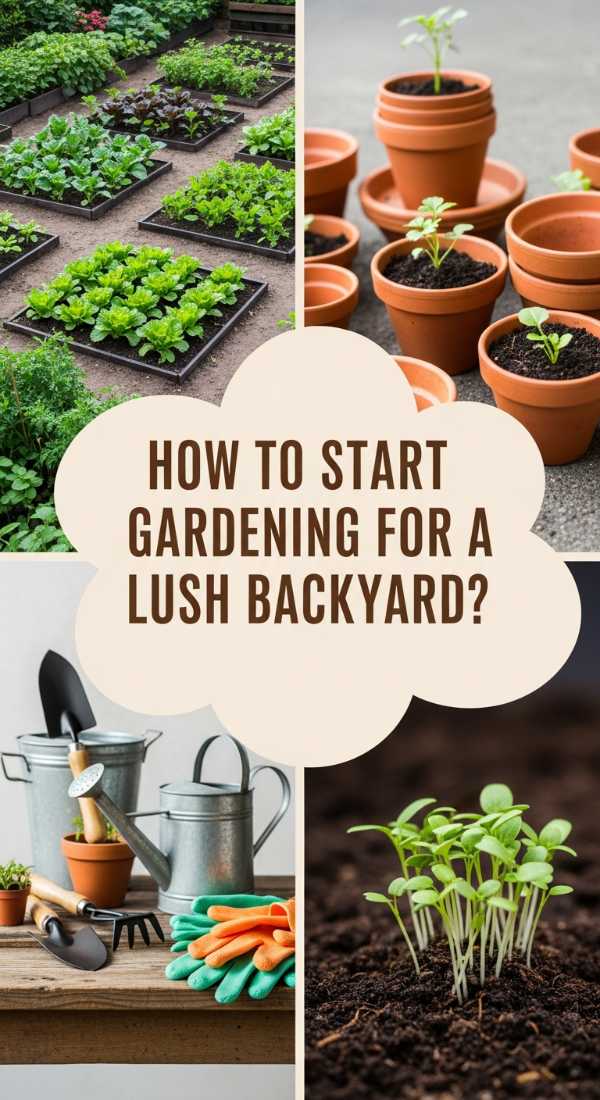
How to Start Gardening for a Lush Backyard
Why we love this
Starting a garden is like entering into a partnership with nature, and the results are incredibly rewarding for the soul. We love the vibrant, lush backyard look because it turns a flat plot of land into a thrumming, green ecosystem. The smell of damp earth after a watering session, the fuzzy texture of lamb’s ear leaves, and the neon green of new growth provide a visceral connection to the seasons that no interior decor can replicate.
Essential Elements:
- Rich, organic compost and high-quality topsoil
- A selection of hardy native plants and pollinators
- Reliable garden tools (trowel, pruners, kneeling pad)
- Soaker hoses or a smart irrigation system
- Mulch (bark or straw) to retain moisture
How to make it
- Test your soil pH using a home kit to determine if you need to add lime (to raise pH) or sulfur (to lower it) before you ever put a plant in the ground.
- Dig a hole twice as wide as the plant’s root ball and just as deep; loosen the roots gently before placing the plant to encourage outward growth.
- Apply a 2-3 inch layer of mulch around the base of your plants, being careful not to touch the stems, to suppress weeds and lock in essential moisture.
- Water deeply at the base of the plants early in the morning; this allows the water to soak into the roots before the heat of the day causes evaporation.
- Commit to ‘deadheading’—the process of pinching off faded flowers—which signals the plant to put its energy into creating new, lush blooms rather than seeds.
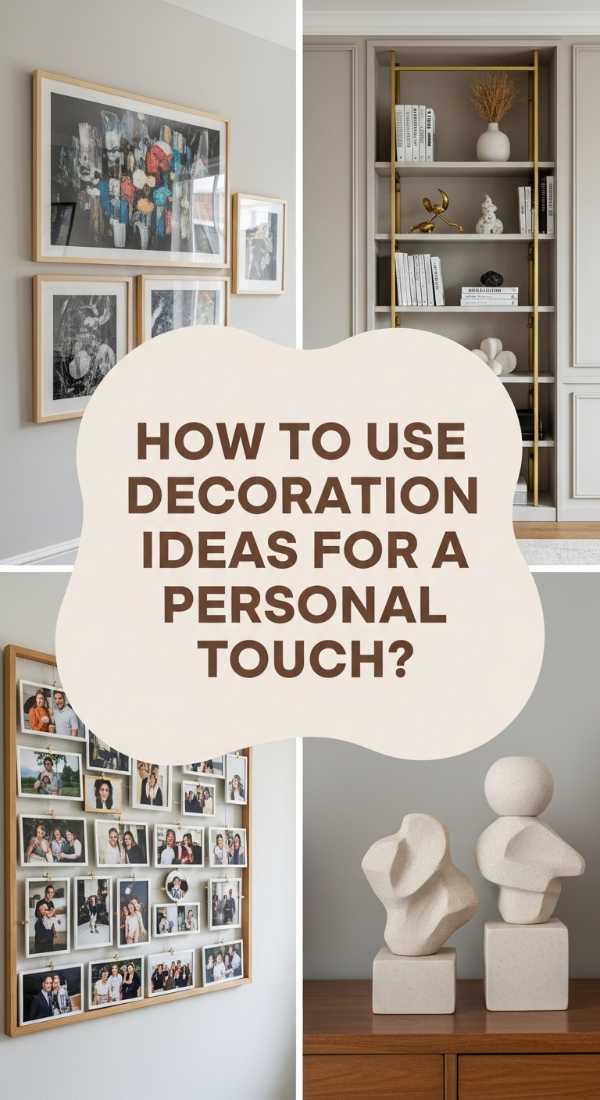
How to Use Decoration Ideas for a Personal Touch
Why we love this
Your home should tell your story, and personal touches are the chapters of that narrative. We love this approach because it moves away from generic ‘big box’ styling and leans into the quirky, the sentimental, and the unique. Whether it’s a gallery wall of travel photos or a collection of vintage brass candlesticks, these details add a layer of warmth and authenticity that makes a space feel uniquely yours and incredibly inviting to guests.
Essential Elements:
- Gallery wall frames in mismatched styles
- Travel mementos and heirloom pieces
- Handmade ceramics or local artwork
- Customized shelving for personal collections
- Monogrammed textiles or DIY projects
How to make it
- Create a ‘memory corner’ by gathering items that have a story—a shell from a favorite beach, a ticket stub, or an old family recipe—and displaying them under a glass cloche.
- Arrange a gallery wall on the floor first to find the perfect spacing; keep about 2-3 inches between frames to ensure the collection looks cohesive rather than cluttered.
- Incorporate ‘living’ decor, like a bowl of lemons from your tree or a bouquet of wildflowers picked on a walk, to add freshness and a sense of the current moment.
- Don’t be afraid to mix eras; placing a modern, sleek lamp next to a Victorian-era portrait creates a sophisticated ‘collected over time’ look that is very on-trend.
- Use books as pedestals; stack two or three linen-bound books horizontally to give height and importance to a small, sentimental object you want to highlight.
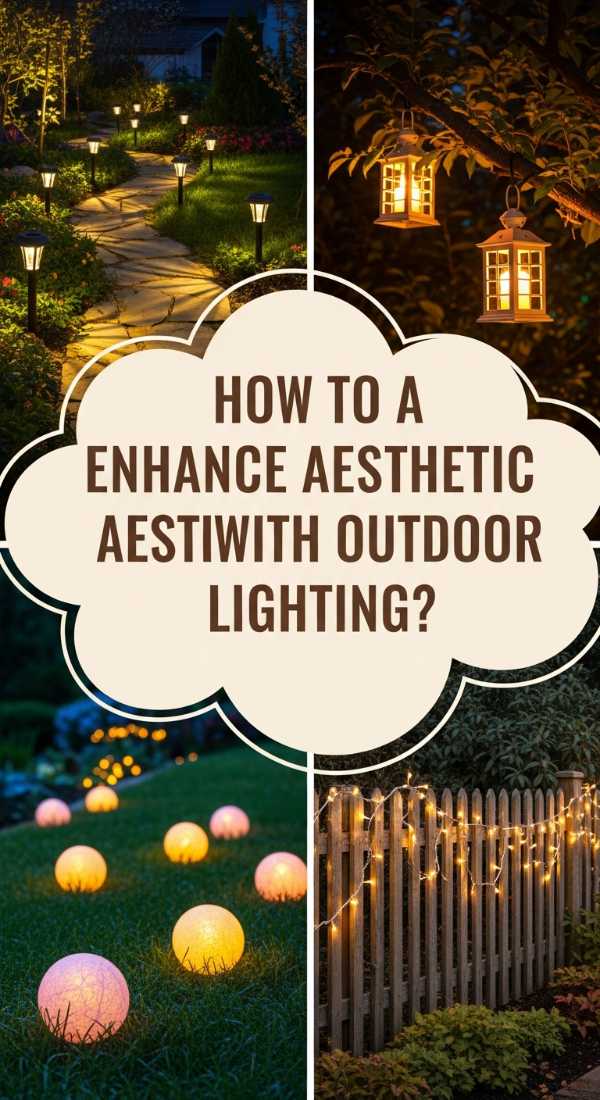
How to Enhance Garden Aesthetic with Outdoor Lighting
Why we love this
As the sun dips below the horizon, strategic lighting transforms a garden from a daytime retreat into a midnight fairyland. We love the soft, romantic glow of string lights caught in the branches of an oak tree or the dramatic shadows cast by well-placed uplights on architectural foliage. It extends the usability of your outdoor space and creates a cozy, high-end atmosphere that feels like a luxury resort right in your backyard.
Essential Elements:
- Low-voltage LED path lights
- Solar-powered fairy lights or Edison bulbs
- Directional spotlights for trees or features
- Dimmable lanterns for dining tables
- Submersible lights for water features
How to make it
- Focus on ‘grazing’ textures: place spotlights at the base of a stone wall or a textured tree trunk to highlight the intricate details of the surface at night.
- Avoid the ‘runway look’ by staggering path lights in a zigzag pattern rather than placing them in straight, perfectly aligned rows.
- Hang string lights with a slight swag (curve) rather than pulling them taut; this creates a more relaxed, whimsical vibe that is less industrial.
- Use warm-white bulbs (around 2200K to 2700K) to mimic the cozy glow of a candle; avoid cool-blue lights which can feel sterile and harsh in a natural setting.
- Install a smart timer or a photocell sensor so your lights automatically flicker on at dusk and off at dawn, saving energy while ensuring you always come home to a glowing garden.
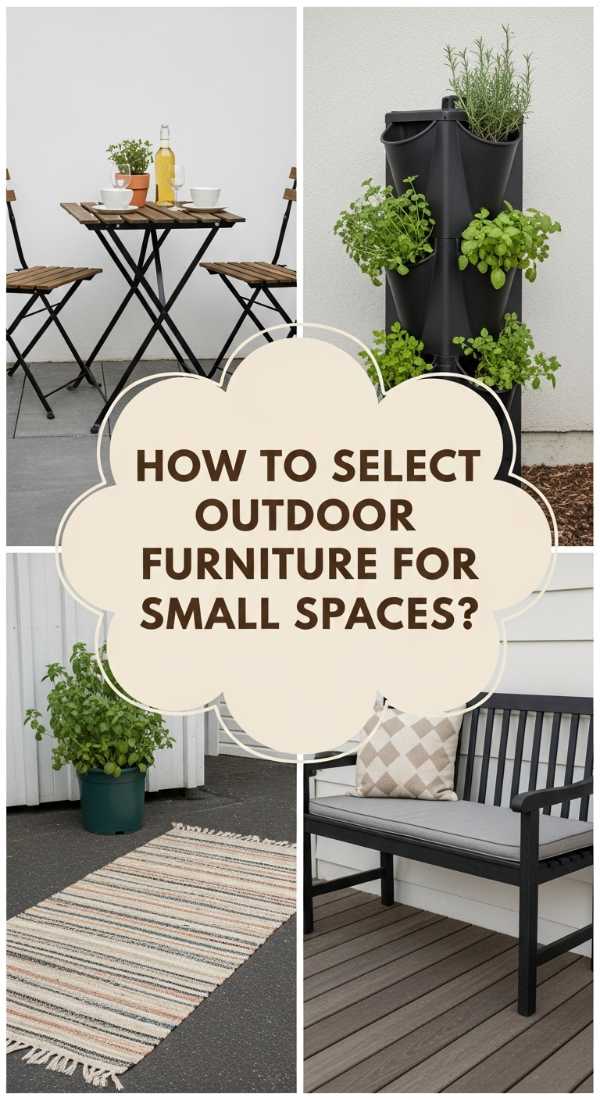
How to Select Outdoor Furniture for Small Spaces
Why we love this
Small spaces offer a unique opportunity for intimacy and clever design. We love the challenge of a tiny balcony or a compact patio because it forces you to choose pieces that are both beautiful and highly functional. There’s a certain magic in a perfectly scaled bistro set that fits into a sun-drenched corner, proving that you don’t need a massive estate to enjoy the luxury of an outdoor morning coffee or a sunset cocktail.
Essential Elements:
- Foldable or stackable chairs and tables
- Multi-functional pieces (benches with hidden storage)
- Vertical planters and wall-mounted decor
- Lightweight materials like aluminum or bistro-style iron
- Clear acrylic furniture to maintain ‘visual flow’
How to make it
- Measure your space twice and look for ‘apartment-scale’ furniture; standard patio sets are often too bulky for small balconies and will make the area feel cramped.
- Prioritize vertical space by using hanging planters or wall-mounted shelves for greenery, which keeps the floor clear and makes the area feel larger.
- Opt for furniture with open frames—like wire-back chairs—which allow the eye to see through the piece, creating an illusion of more square footage.
- Choose a round table rather than a square one; the lack of sharp corners makes it easier to navigate around the furniture in tight quarters.
- Select a single, large-scale outdoor rug to unify the space; a small rug can make a tiny patio look even smaller and more fragmented.
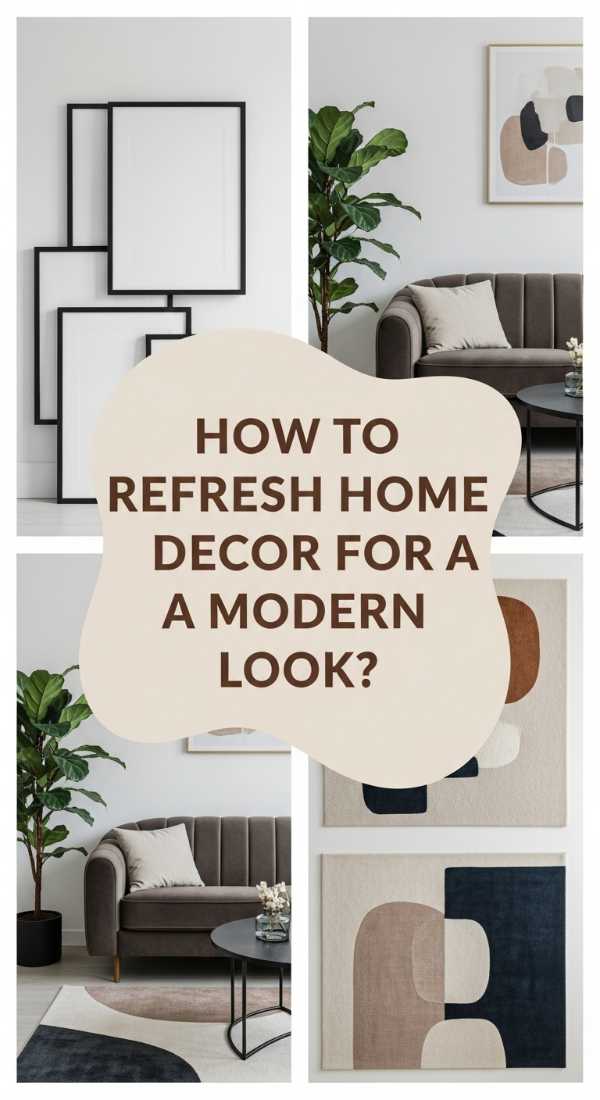
How to Refresh Home Decor for a Modern Look

Why we love this
A modern refresh is like a breath of fresh air for your interior. We love the crisp lines, the intentional use of negative space, and the ‘less is more’ philosophy that characterizes modern design. It’s about stripping away the visual clutter to let high-quality materials and bold silhouettes shine. The result is a home that feels organized, sophisticated, and incredibly calming to the modern, busy mind.
Essential Elements:
- Neutral color palette with bold black or metallic accents
- Clean-lined furniture without excessive ornamentation
- Abstract art or large-scale photography
- Statement lighting fixtures (geometric or oversized)
- Natural materials like marble, light oak, and brushed brass
How to make it
- Start with a ‘clutter audit’—remove everything from your surfaces and only add back items that serve a function or bring genuine aesthetic joy.
- Update your hardware: swapping out old cabinet pulls and doorknobs for sleek, matte black or brushed brass versions is the fastest way to modernize a room.
- Introduce a ‘statement piece’ like a large, arched floor lamp or a bold, oversized canvas to act as a focal point and anchor the room’s modern energy.
- Focus on silhouettes; choose chairs with tapered legs and sofas with slim profiles to create a sense of lightness and architectural interest.
- Incorporate ‘biophilic’ elements—like a single large fiddle-leaf fig tree—to soften the hard lines of modern furniture and bring a touch of life to the space.
How to Plan Garden Ideas for Seasonal Color
[IMAGE_10]
Why we love this
A garden that changes with the seasons is a living calendar that keeps you connected to the rhythm of the earth. We love the thrill of seeing the first crocuses pop through the snow in spring, followed by the riotous blooms of summer, and finally the fiery reds and oranges of autumn. It ensures that your outdoor space never feels stagnant, offering a fresh ‘reveal’ every few months that keeps your garden aesthetic exciting and ever-evolving.
Essential Elements:
- Spring bulbs (tulips, daffodils, crocuses)
- Summer annuals (zinnias, petunias, marigolds)
- Autumn interest plants (mums, ornamental kale, asters)
- Evergreens for winter structure and green color
- Deciduous trees with vibrant fall foliage (maples, oaks)
How to make it
- Create a ‘bloom calendar’ spreadsheet to track when each plant in your garden is expected to flower, ensuring there is no ‘gap’ where the garden looks bare.
- Plant in ‘drifts’ or groups of 3-5 of the same plant; this creates a much more powerful visual impact of color than scattering single plants.
- Incorporate plants with interesting foliage, not just flowers—hostas provide lush greens in summer, while coral bells offer deep purples and reds year-round.
- Don’t forget the ‘fourth season’ (winter); plant boxwoods or hollies that maintain their shape and color even when everything else has gone dormant.
- In late autumn, plant hundreds of spring bulbs at varying depths to ensure a staggered ‘firework display’ of color as soon as the ground thaws in March.
Conclusion
Creating a home and garden that truly inspires you isn’t about following a set of rigid rules or spending a fortune on the latest trends. It’s about being intentional with your space, layering in the textures and light that make you feel at peace, and allowing your personality to shine through every corner. Whether you’re starting with a small balcony or a sprawling backyard, these secrets are your toolkit for building a sanctuary that nourishes your soul every single day. Now, put down the phone, step into your space, and start creating!