
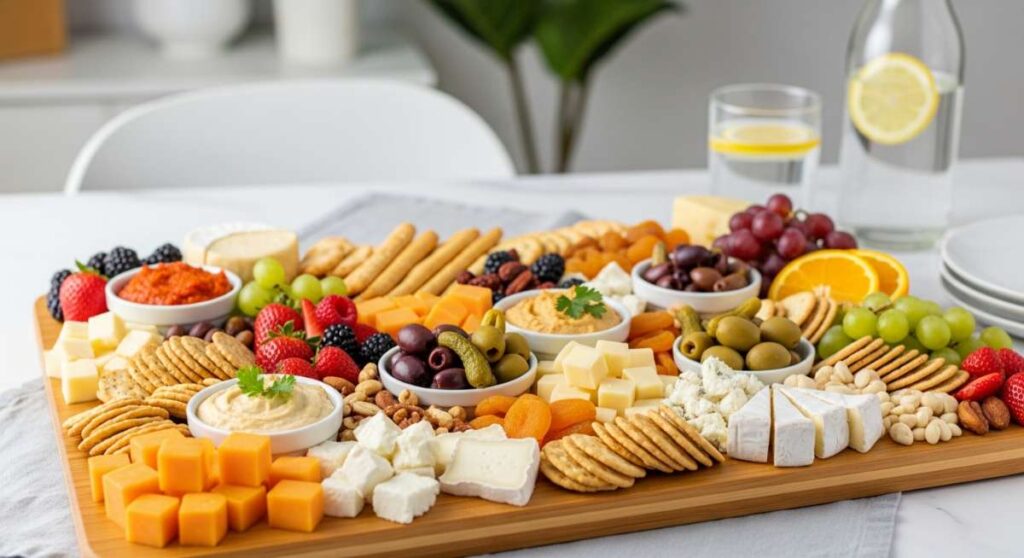
There is something truly magical about the moment your friends walk through the door, the air fills with laughter, and you realize that you aren’t stuck in the kitchen missing the best parts of the evening. We have all been there—sweating over a hot stove while the party happens in the living room. But the secret to modern hosting isn’t a five-course plated meal; it is the art of the ‘Simple Food Board,’ a viral trend that turns effortless grazing into a visual and culinary masterpiece. It is about creating a centerpiece that invites people to linger, snack, and connect.
When you build a board, you aren’t just serving food; you are curating an experience. From the snap of fresh spring vegetables to the buttery crumble of a homemade cookie, every element tells a story of seasonality and care. This approach to entertaining takes the pressure off the host and puts the focus back on what really matters: beautiful food and even better company. Let’s dive into how you can elevate your next gathering with these stunning, board-ready dishes that will have everyone reaching for their phones to take a photo before they take a bite.
How to design spring cakes?

Why we love this
Nothing captures the essence of a garden in bloom quite like a beautifully designed spring cake sitting at the center of your dessert board. We adore the contrast between a light, airy lemon sponge and the velvety richness of a floral-infused buttercream that melts on the tongue. The aroma of citrus and elderflower fills the room, instantly lifting the mood and signaling that warmer days are finally here. Each slice is a delicate balance of tangy and sweet, making it the ultimate refreshing treat for an afternoon tea or a breezy outdoor brunch with your favorite people.
Ingredients
- 2 cups all-purpose flour
- 1 1/2 cups granulated sugar
- 1/2 cup unsalted butter, softened
- 3 large eggs
- 1/2 cup whole milk
- 2 tsp baking powder
- 1 tbsp lemon zest
- 1 tsp elderflower syrup
- Edible pansies and violas for decoration
How to make it
- Preheat your oven to 350°F (175°C) and thoroughly grease two 6-inch round cake pans with butter and a dusting of flour to ensure a clean release later.
- In a large bowl, cream together the softened butter and granulated sugar using a hand mixer on medium-high speed for about 5 minutes until the mixture is pale, light, and fluffy.
- Add the eggs one at a time, beating well after each addition to ensure the emulsion doesn’t break; if it looks curdled, add a tablespoon of your flour.
- Sift the flour and baking powder together in a separate bowl to remove any lumps and ensure a fine crumb.
- Gradually alternate adding the dry ingredients and the milk into the butter mixture, starting and ending with the dry ingredients, mixing only until just combined to avoid overworking the gluten.
- Fold in the fresh lemon zest and elderflower syrup gently using a silicone spatula to keep the batter airy.
- Divide the batter evenly between the prepared pans and bake for 25-30 minutes, or until a wooden skewer inserted into the center comes out clean with just a few moist crumbs attached.
- Allow the cakes to cool in the pans for 10 minutes before transferring them to a wire rack to cool completely to room temperature before frosting.
- Once cooled, stack the layers with a thin coat of buttercream and use a small offset spatula to apply a ‘naked’ frosting effect on the sides, then carefully press fresh, organic edible flowers onto the surface for a viral-worthy botanical finish.
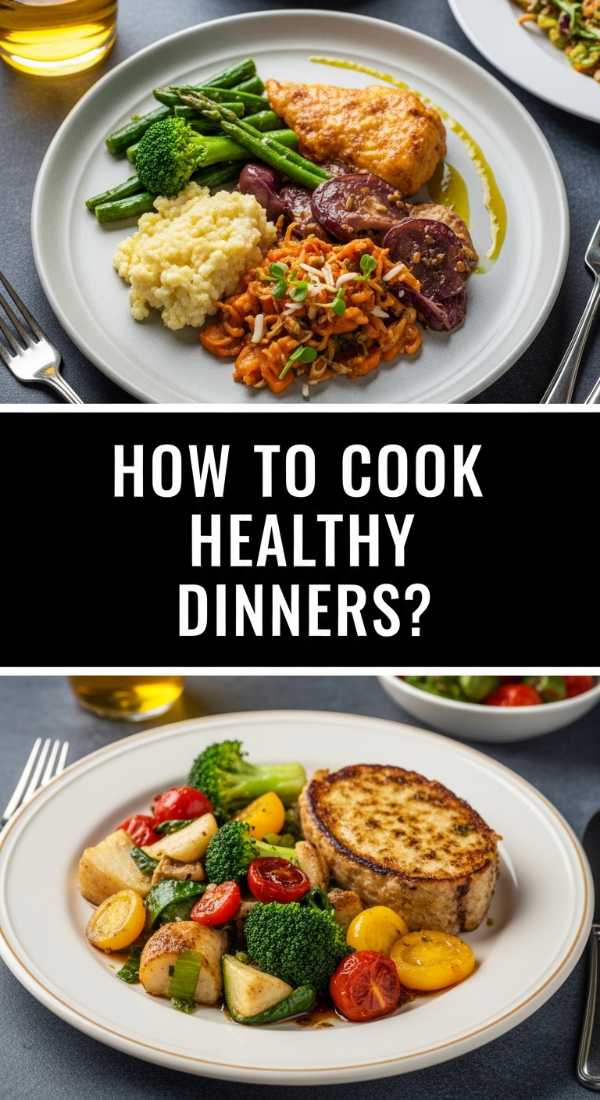
How to cook healthy dinners?
Why we love this
Healthy dinners don’t have to be boring or restrictive; in fact, we love them because they are an explosion of vibrant colors and crisp textures that make you feel nourished from the inside out. Imagine a board piled high with roasted rainbow carrots, charred broccolini, and succulent lemon-herb chicken that pulls apart with the slightest touch of a fork. The smell of roasted garlic and rosemary wafting through the house creates an inviting atmosphere that proves wholesome eating can be deeply satisfying and indulgent. It is the perfect way to reset after a busy week while still enjoying a meal that feels like a celebration.
Ingredients
- 2 lbs chicken thighs, bone-in skin-on
- 1 lb heirloom carrots, scrubbed
- 1 bunch broccolini, trimmed
- 4 tbsp olive oil
- 3 cloves garlic, smashed
- 1 tbsp fresh rosemary, chopped
- 1 tsp smoked paprika
- Salt and cracked black pepper
How to make it
- Begin by preheating your oven to 400°F (200°C) and lining a large, rimmed sheet pan with parchment paper for easy cleanup and even browning.
- Pat the chicken thighs completely dry with paper towels; this is a crucial step to ensure the skin becomes incredibly crispy rather than steaming in the oven.
- In a small bowl, whisk together the olive oil, smashed garlic, chopped rosemary, smoked paprika, salt, and pepper to create a fragrant herb oil.
- Place the chicken thighs and heirloom carrots on the sheet pan, drizzling them with two-thirds of the herb oil and massaging it into the skin and crevices.
- Roast the chicken and carrots for 20 minutes, allowing the chicken fat to render and begin caramelizing the vegetables.
- Remove the pan from the oven and add the broccolini to the empty spaces, drizzling with the remaining herb oil and tossing lightly.
- Return the pan to the oven for another 15-20 minutes, or until the chicken reaches an internal temperature of 165°F (74°C) and the skin is golden-brown and crackling.
- Let the meat rest for 5 minutes before serving to allow the juices to redistribute, ensuring every bite is moist and flavorful.
How to make spring soup?

Why we love this
There is something incredibly soothing about a bowl of spring soup that manages to be both light and intensely flavorful at the same time. We love the bright, verdant green color of a fresh pea and mint gazpacho or a creamy asparagus puree that looks like spring captured in a bowl. The texture is silky and smooth, gliding over the palate with a refreshing finish that isn’t heavy like winter stews. It serves as a beautiful ‘shot’ or small bowl addition to a food board, providing a warm, liquid element that cleanses the palate between bites of cheese and crackers.
Ingredients
- 1 lb fresh asparagus, woody ends removed
- 2 cups chicken or vegetable stock
- 1 leek, white and light green parts only, sliced
- 1 tbsp butter
- 1/2 cup heavy cream (optional)
- Handful of fresh mint leaves
- Lemon juice to taste
How to make it
- In a medium Dutch oven or heavy-bottomed pot, melt the butter over medium-low heat until it begins to foam but not brown.
- Add the sliced leeks and a pinch of salt, sautéing them gently for 5-7 minutes until they are soft and translucent, being careful not to let them pick up any color.
- Increase the heat to medium and add the asparagus pieces, tossing them in the butter and leeks for 2 minutes to wake up their flavor.
- Pour in the stock, ensuring the vegetables are just submerged, and bring the liquid to a gentle simmer; avoid a hard boil to preserve the bright green color of the asparagus.
- Simmer for 8-10 minutes until the asparagus is fork-tender but still vibrant in hue.
- Remove from heat and stir in the fresh mint leaves, then use an immersion blender to puree the soup until it is completely smooth and velvety.
- If using, stir in the heavy cream and a squeeze of fresh lemon juice to brighten the earthy notes of the asparagus.
- Pass the soup through a fine-mesh sieve for an extra-luxurious, restaurant-quality texture before serving in small cups on your board.
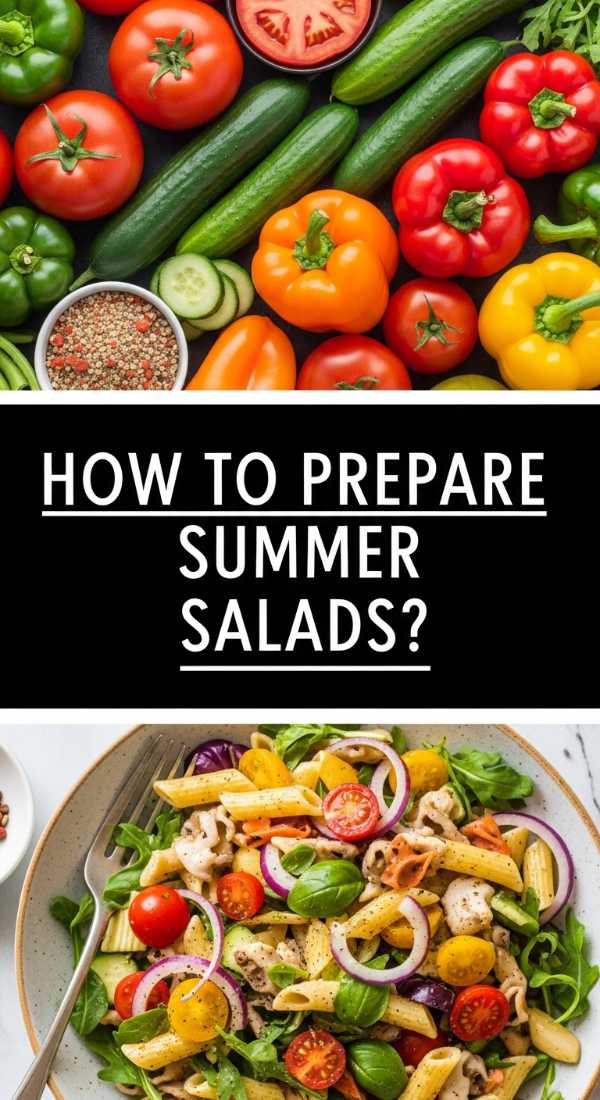
How to prepare summer salads?
Why we love this
Summer salads are the ultimate crowd-pleaser because they celebrate the peak of the season’s produce in a way that is both rustic and sophisticated. We love the juxtaposition of sweet, sun-ripened peaches against the salty punch of prosciutto and the creamy, decadent center of a fresh burrata ball. Every bite is a journey of textures—from the crunch of toasted pine nuts to the soft give of heirloom tomatoes. Drizzled with a thick balsamic glaze, these salads bring a high-end restaurant feel to your simple food board with almost no cooking required.
Ingredients
- 3 ripe peaches, sliced into wedges
- 1 ball of fresh burrata cheese
- 4 slices of prosciutto, torn
- 2 cups wild arugula
- 1/4 cup toasted pine nuts
- Extra virgin olive oil
- Aged balsamic glaze
- Flaky sea salt
How to make it
- Arrange a bed of wild arugula on a large flat platter or a dedicated section of your food board, creating a lush green foundation.
- Place the sliced peaches over the arugula, nesting them in small clusters to create visual height and interest.
- Carefully place the burrata ball in the center and use a knife to gently tear the outer skin, allowing the creamy stracciatella interior to spill out slightly.
- Drape the torn pieces of prosciutto around the peaches and cheese, folding them loosely to create a ribbon-like effect that adds texture.
- Scatter the toasted pine nuts evenly over the top for a necessary crunch and nutty undertone.
- Just before serving, drizzle the entire salad with high-quality extra virgin olive oil and a decorative zig-zag of aged balsamic glaze.
- Finish with a generous sprinkle of flaky sea salt and freshly cracked black pepper to make all the flavors pop.
How to decorate spring cookies?

Why we love this
Spring cookies are like tiny edible canvases, and we love how they add a whimsical, artisanal touch to any dessert spread. The scent of vanilla and almond shortbread baking in the oven is pure nostalgia, but the real joy comes in the decoration phase where creativity takes over. Using royal icing to create delicate floral patterns or pressing actual dried flowers into the dough produces a result that looks almost too good to eat. They provide that essential sweet crunch on a board, pairing perfectly with fresh berries and soft cheeses.
Ingredients
- 1 batch of chilled shortbread or sugar cookie dough
- 2 cups royal icing (various colors)
- Small piping bags with fine tips
- Dried edible flowers
- Gold leaf flakes (optional)
How to make it
- Roll out your chilled cookie dough on a lightly floured surface to a consistent 1/4-inch thickness to ensure even baking.
- Use fluted round or flower-shaped cutters to stamp out shapes, then chill the cutouts on a baking sheet for 15 minutes before baking to help them retain their sharp edges.
- Bake at 350°F (175°C) for 10-12 minutes until the edges are just barely starting to turn golden; you want them pale and tender.
- Let the cookies cool completely on a wire rack; icing a warm cookie will result in a melted mess.
- For a floral design, outline the cookie with a stiff consistency royal icing, then ‘flood’ the center with a thinner consistency of the same color.
- While the flood icing is still wet, use a toothpick to drag drops of a different color through it, creating a marbled or ‘wet-on-wet’ petal effect.
- Alternatively, for a rustic look, apply a thin layer of clear corn syrup to a plain baked cookie and carefully press a single dried viola or pansy onto the center, sealing it with another light brush of syrup.
- Allow the icing to dry for at least 6 hours or overnight until completely hard before stacking or placing on your board.
How to plan spring brunch?

Why we love this
Spring brunch is the ultimate occasion for the food board concept because it allows for a beautiful mingling of savory and sweet items that everyone can pick at over hours of conversation. We love the relaxed, sun-drenched vibe of a brunch board featuring smoked salmon, whipped cream cheese, and bright capers alongside mini croissants and fresh fruit. It feels celebratory and indulgent, yet completely approachable. The combination of chilled seafood, warm breads, and bubbly mimosas creates a sensory experience that defines luxury hosting at its easiest.
Ingredients
- 1 lb smoked salmon or lox
- 1/2 cup whipped cream cheese with chives
- Assorted mini bagels and croissants
- 1 red onion, thinly shaved
- 2 tbsp non-pareil capers
- Fresh dill sprigs
- Cucumber ribbons
How to make it
- Start by placing your larger items, like the bowls of cream cheese and the piles of bagels or croissants, on the board first to act as anchors for the design.
- Roll the smoked salmon into loose rosette shapes and nestle them together in a cluster; this makes them easy for guests to grab with tongs and looks incredibly elegant.
- Create ‘movement’ on the board by weaving cucumber ribbons (made with a vegetable peeler) between the salmon and the breads.
- Fill small gaps with the shaved red onions and a scattering of capers for a burst of salty acidity.
- Tuck fresh dill sprigs into the corners to provide a pop of green and a fresh, herbaceous aroma that complements the fish.
- Add a few lemon wedges around the salmon, which not only look bright but are essential for guests to squeeze over their bagels for a hit of citrus.
- Ensure you provide small spreading knives and tongs so the board stays tidy as guests serve themselves throughout the morning.
How to use sourdough discard?

Why we love this
If you are a sourdough baker, you know the guilt of throwing away discard, which is why we love transforming it into crispy, tangy crackers that are a staple for any food board. These crackers have a depth of flavor that store-bought versions simply cannot match, featuring a signature fermented tang and a shattered-glass crunch. Seasoned with sea salt and rosemary, they are the perfect vessel for soft brie or sharp cheddar. It’s an eco-friendly way to bake that feels both resourceful and gourmet, adding a truly homemade element to your entertaining repertoire.
Ingredients
- 1 cup sourdough discard (unfed)
- 1 cup all-purpose flour
- 1/4 cup unsalted butter, melted
- 1 tbsp dried rosemary, crushed
- 1 tsp sea salt for the dough plus extra for topping
- 2 tbsp olive oil for brushing
How to make it
- In a medium bowl, combine the sourdough discard, melted butter, flour, salt, and rosemary, mixing with a wooden spoon until a shaggy dough forms.
- Turn the dough onto a lightly floured surface and knead gently for 1-2 minutes until it becomes smooth and pliable.
- Wrap the dough in plastic wrap and let it rest in the refrigerator for at least 30 minutes; this relaxes the gluten and makes it much easier to roll out thinly.
- Preheat your oven to 350°F (175°C) and prepare two large baking sheets with parchment paper.
- Divide the dough in half and roll it out directly onto the parchment paper until it is paper-thin (about 1/16th of an inch); the thinner it is, the crispier the cracker.
- Brush the surface lightly with olive oil and sprinkle with an extra pinch of sea salt and perhaps some ‘everything bagel’ seasoning for extra flair.
- Use a pizza cutter to score the dough into squares or diamonds, but do not separate them yet.
- Bake for 15-20 minutes, rotating the pans halfway through, until the crackers are deeply golden brown and firm to the touch.
- Allow them to cool completely on the pan where they will continue to crisp up, then snap them along the scored lines and pile them into a basket on your board.
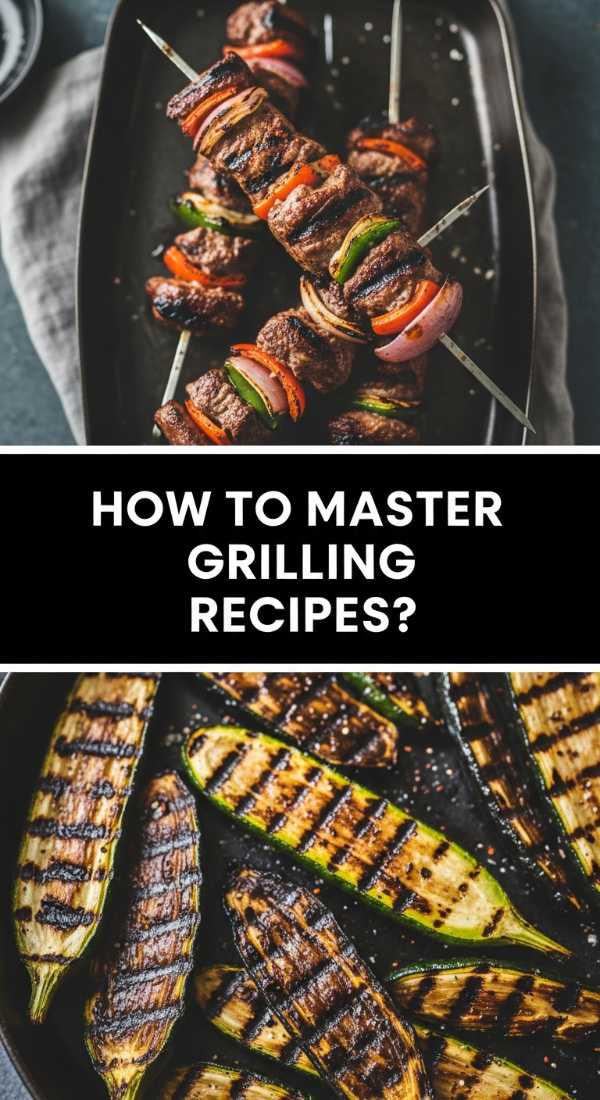
How to master grilling recipes?
Why we love this
Mastering the grill is about more than just cooking; it is about capturing that elusive smoky char that defines summer outdoor dining. We love the way fire transforms simple ingredients—like plump shrimp or marinated steak skewers—into caramelized masterpieces with deep, complex flavors. The sound of the sizzle and the aroma of hardwood smoke create an immediate sense of excitement for your guests. A ‘grill board’ featuring various skewers, charred limes, and a bright herb sauce like chimichurri is a rustic, masculine-meets-chic way to feed a hungry crowd.
Ingredients
- 1 lb large shrimp, peeled and de-veined
- 1 lb flank steak, cut into 1-inch cubes
- Bell peppers and red onions, cut for skewers
- 1/2 cup olive oil
- 3 tbsp red wine vinegar
- 1 cup flat-leaf parsley, finely chopped
- 2 cloves garlic, minced
- 1 tsp red pepper flakes
How to make it
- Prepare your marinade by whisking together the olive oil, vinegar, chopped parsley, minced garlic, and pepper flakes; set half aside to use as a finishing sauce.
- Thread the steak and vegetables onto metal or soaked wooden skewers, and do the same for the shrimp on separate skewers as they have different cooking times.
- Brush the skewers generously with the marinade and let them sit for at least 20 minutes at room temperature to absorb the flavors.
- Preheat your grill to high heat (about 450°F) and clean the grates thoroughly with a wire brush to prevent sticking.
- Place the steak skewers on the hottest part of the grill, searing for 3-4 minutes per side for a perfect medium-rare with dark char marks.
- Add the shrimp skewers to a slightly cooler part of the grill, cooking for only 2 minutes per side until they turn opaque and pink; overcooking will make them rubbery.
- While the meat rests, throw some halved limes face-down on the grill for 2 minutes to caramelize the sugars and create a smoky juice.
- Arrange the skewers on your board and drizzle with the reserved fresh chimichurri sauce for a vibrant, acidic finish that cuts through the rich grilled meat.
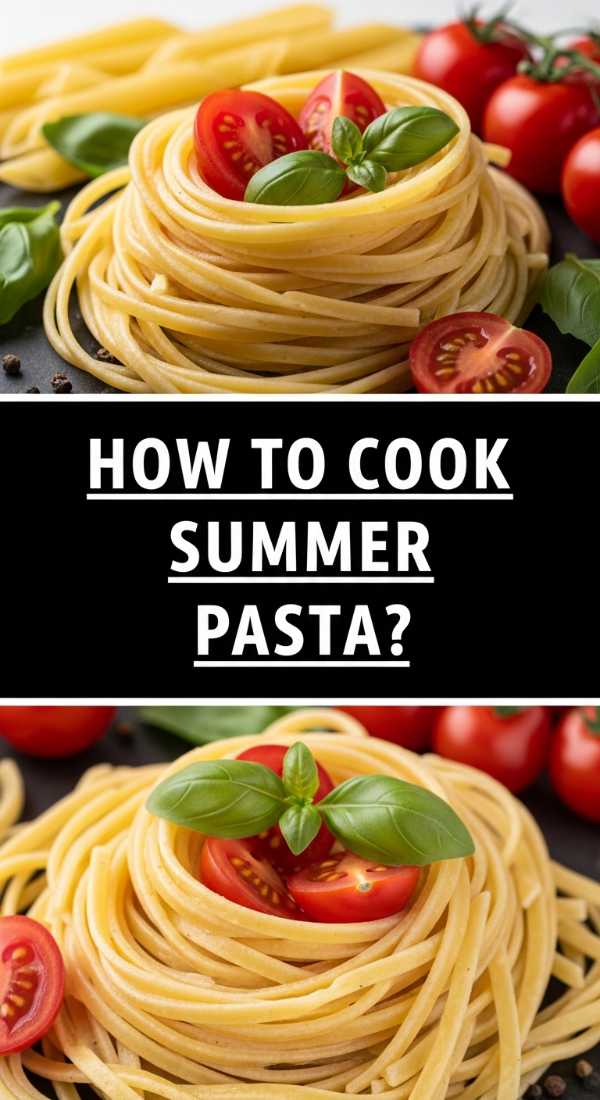
How to cook summer pasta?
Why we love this
Summer pasta should be light, bright, and effortless, focusing on the quality of a few key ingredients rather than heavy, simmering sauces. We love a ‘build-your-own’ pasta board where guests can toss al dente linguine with blistered cherry tomatoes, torn basil, and shavings of salty parmesan. The scent of garlic sizzling in golden olive oil is universally loved and provides a warm, comforting element to an otherwise fresh board. It is the perfect way to use up a garden bounty while keeping the kitchen cool and the atmosphere relaxed.
Ingredients
- 1 lb linguine or spaghetti
- 2 cups cherry tomatoes
- 4 cloves garlic, thinly sliced
- 1/2 cup extra virgin olive oil
- 1 cup fresh basil leaves, torn
- 1/2 tsp red pepper flakes
- Freshly shaved Parmesan cheese
How to make it
- Bring a large pot of heavily salted water to a rolling boil; the water should taste like the sea to properly season the pasta from the inside out.
- Cook the pasta until it is just ‘al dente’—firm to the bite—usually about 1-2 minutes less than the package instructions.
- While the pasta cooks, heat the olive oil in a large skillet over medium-low heat and add the thinly sliced garlic and red pepper flakes.
- Cook the garlic very slowly for 3-4 minutes until it is soft and fragrant but not browned; browned garlic becomes bitter and will ruin the delicate sauce.
- Increase the heat to medium and add the cherry tomatoes, cooking them until they begin to burst and release their juices, creating a natural ‘sauce’ with the oil.
- Drain the pasta, reserving 1/2 cup of the starchy pasta water.
- Toss the pasta into the skillet with the tomatoes and garlic, adding the pasta water a tablespoon at a time while tossing vigorously to create a silky emulsion that coats every strand.
- Remove from heat, stir in the torn basil leaves, and transfer to a large bowl on your food board, topping with a mountain of shaved parmesan and a final drizzle of raw olive oil.
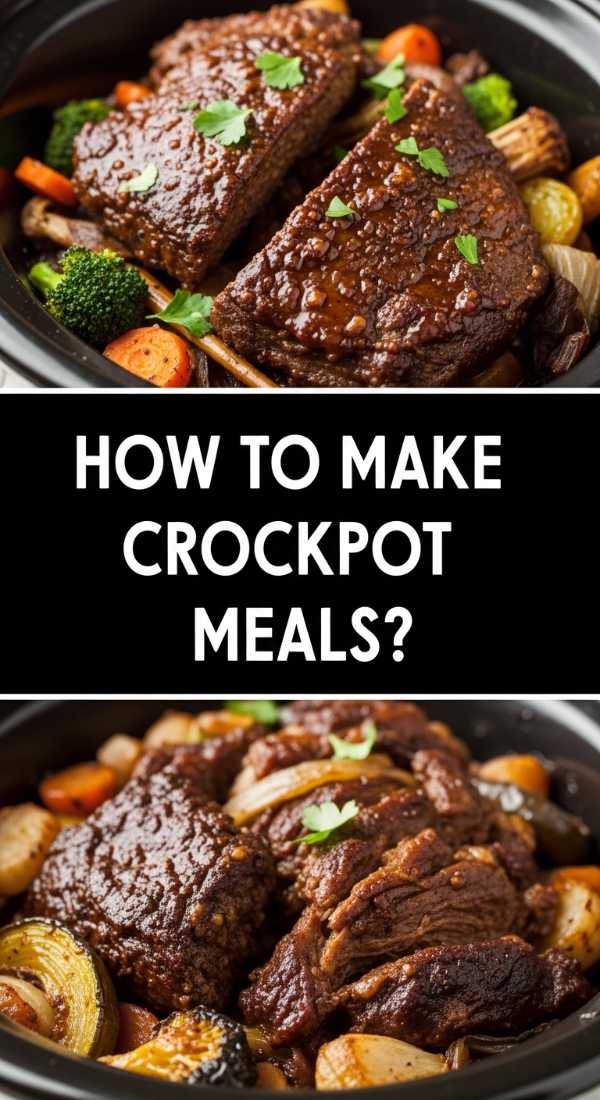
How to make crockpot meals?
Why we love this
The crockpot is the ultimate ‘set it and forget it’ tool for the busy host, and we love it because it produces meat so tender it literally falls off the bone with no effort. For a viral food board, a slow-cooked honey garlic pulled chicken or pork is a game-changer, providing a warm, savory protein that guests can pile onto sliders or crackers. The long, slow cooking process allows the spices and aromatics to meld into a deep, rich glaze that looks incredibly appetizing under the glow of party lights. It allows you to do all the work hours in advance, leaving you free to focus on your guests.
Ingredients
- 2 lbs chicken breasts or pork shoulder
- 1/2 cup soy sauce
- 1/2 cup honey
- 1/4 cup hoisin sauce
- 2 tbsp ginger, grated
- 4 cloves garlic, minced
- 1 tbsp sriracha (optional for heat)
- Sesame seeds and green onions for garnish
How to make it
- In a medium bowl, whisk together the honey, soy sauce, hoisin, grated ginger, minced garlic, and sriracha until the honey is completely dissolved.
- Place your meat in the bottom of the crockpot, ensuring it is in a single layer if possible for even cooking.
- Pour the sauce over the meat, turning the pieces to ensure they are fully coated in the liquid.
- Cover and cook on ‘Low’ for 6-7 hours or ‘High’ for 3-4 hours; for the best texture, ‘Low’ is always recommended as it prevents the proteins from becoming tough.
- Once the meat is tender enough to shred with two forks, remove it from the crockpot and place it on a cutting board.
- Pour the remaining liquid from the crockpot into a small saucepan and simmer over medium-high heat for 5-10 minutes until it reduces into a thick, shiny glaze.
- Shred the meat into bite-sized pieces, toss it back into the reduced glaze to ensure every piece is juicy, and transfer to a serving bowl.
- Place the bowl in the center of your board surrounded by mini brioche buns, pickles, and slaw, garnishing the meat with sesame seeds and sliced green onions for a professional look.
The Art of the Effortless Gathering
Building the ultimate viral food board isn’t about perfection; it’s about abundance, color, and the joy of sharing a meal. Whether you are featuring a slow-cooked masterpiece or a platter of hand-decorated spring cookies, the goal is to create an inviting space where everyone feels welcome to dig in. By focusing on seasonal ingredients and simple techniques, you can host an unforgettable evening that looks like it took days to prepare but actually allowed you to enjoy every second of the party. So grab a board, pick a few of these recipes, and start creating your own viral-worthy spread today!