
Shroom for Improvement: 10 Whimsical Mushroom Decor Ideas You’ll Love
There is something inherently magical about the forest floor, a secret world where moss cushions every step and tiny, polka-dotted fungi peek out from beneath fallen leaves. For many of us, that sense of wonder is exactly what we want to capture within the four walls of our homes. The mushroom decor trend isn’t just about kitsch; it’s about inviting a sense of play, organic beauty, and a touch of the ‘enchanted woods’ into our daily lives. Whether you are a dedicated cottagecore enthusiast or just looking for a quirky conversation piece, there is something deeply grounding about bringing these earthy, whimsical shapes into your space.
Imagine coming home after a long day to a living room bathed in the soft, amber glow of a glass mushroom lamp, or walking into a bedroom where the textiles feel as soft as a lichen-covered log. This trend celebrates the imperfect curves of nature and the vibrant, diverse colors of the fungal kingdom. In this guide, we are going to explore ten ways to transform your home into a whimsical sanctuary, blending artisanal crafts with elegant design to create a space that feels both sophisticated and straight out of a storybook. Let’s dive into the forest together.
How to Style Mushroom Decor for Enchanted Living Spaces
Why we love this
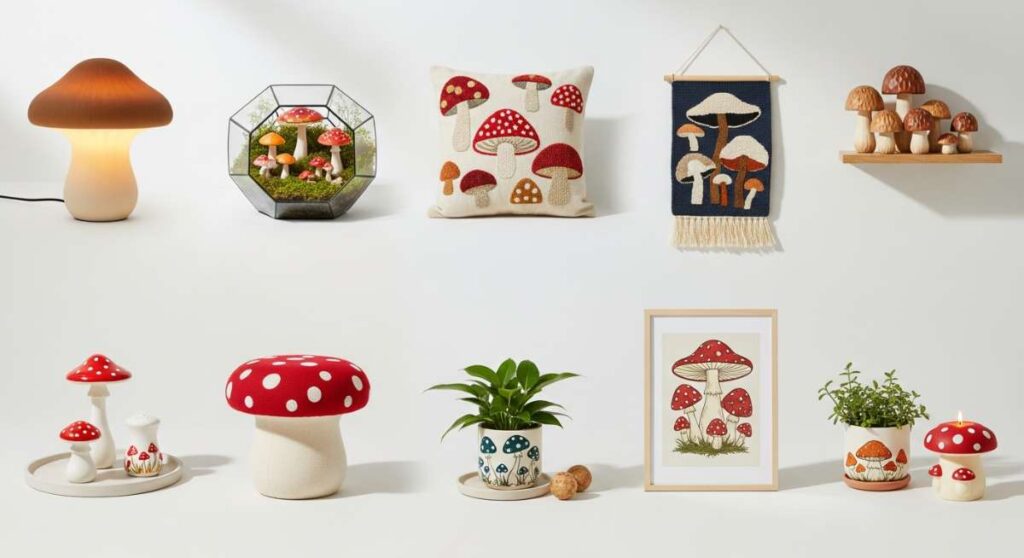
Styling mushroom decor in a living room creates an immediate sense of cozy mystery and organic warmth. When you walk into the room, your eyes are drawn to the soft, rounded silhouettes of ceramic toadstools and the tactile richness of velvet mushroom pillows that mimic the velvety underside of a real cap. The air feels lighter as these nature-inspired accents break up the harsh lines of modern furniture, replaced by the earthy aroma of beeswax candles and the comforting sight of woodland textures. It transforms a standard seating area into a lush, immersive retreat where every corner holds a small, whimsical surprise.
Essential Elements:
- Ceramic or glass mushroom lamps
- Velvet mushroom-shaped throw pillows
- Driftwood or reclaimed wood coffee table
- Dried moss accents in glass cloches
- Earthy color palette (terracotta, moss green, cream)
How to make it
- Begin by identifying your primary focal point, such as a mantel or a side table, where you can establish the ‘forest floor’ base using a runner made of green linen or faux moss.
- Layer your mushroom elements in odd-numbered groupings—usually three or five—varying the heights to mimic how fungi grow naturally in clusters; use a tall glass lamp as the anchor and smaller ceramic figurines tucked around the base.
- Introduce lighting that mimics the dappled sunlight of a forest; choose warm-toned bulbs (2700K) for your mushroom lamps to ensure the glow is amber and inviting rather than sterile.
- Balance the whimsy of the mushrooms with natural textures like a jute rug or a chunky wool throw to ground the look and prevent it from feeling too thematic or juvenile.
- Finally, incorporate real botanical elements, such as a potted fern or a vase of dried wildflowers, placing them near your mushroom decor to create a seamless transition between the ‘indoor’ and ‘outdoor’ feel of the room.
How to Create Giant Mushrooms for Whimsical Garden Charm
Why we love this
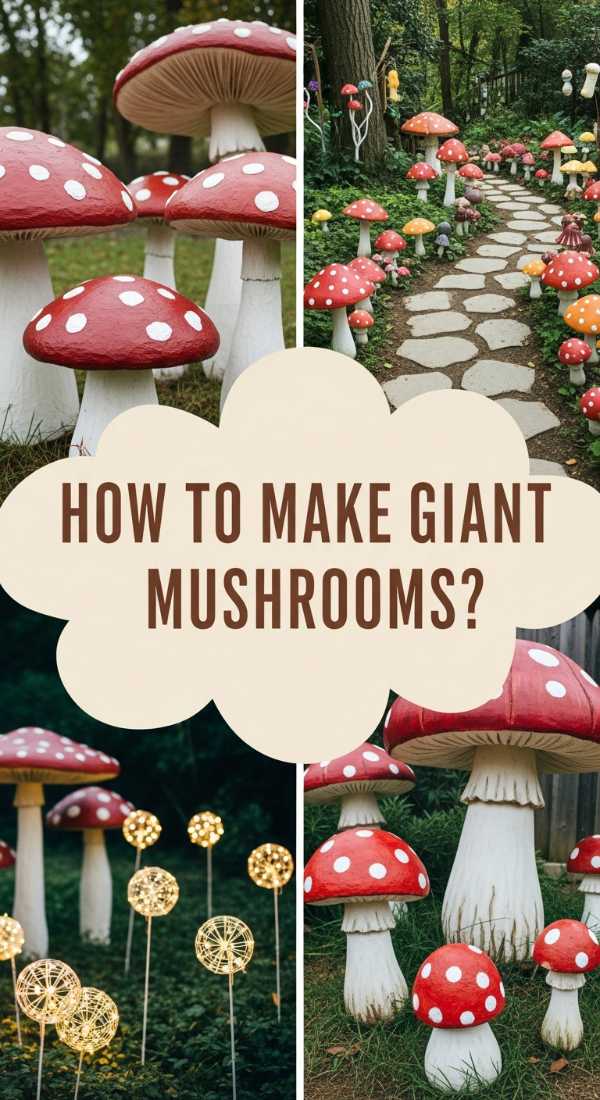
Giant garden mushrooms bring an oversized, Alice-in-Wonderland sense of scale to your outdoor space, turning a standard backyard into a legendary landscape. There is a tactile joy in seeing these large, smooth-capped structures rising from the grass, their surfaces catching the morning dew or reflecting the golden hour sun. As you walk past, the sturdy presence of these artisanal sculptures offers a grounding, permanent beauty that persists even when the flowers are out of season. The sight of a giant, crimson-capped mushroom tucked under a willow tree provides a pop of color that feels both bold and perfectly at home in the dirt.
Essential Elements:
- Quick-set concrete or hypertufa mix
- Large plastic bowls (for cap molds)
- PVC pipe or thick wooden logs (for stems)
- Exterior-grade acrylic paint and sealer
- Steel rebar for structural reinforcement
How to make it
- Select several different sizes of plastic bowls to serve as your molds; spray the inside of each bowl with a non-stick lubricant or vegetable oil to ensure easy release of the concrete.
- Mix your concrete or hypertufa to a thick, peanut-butter-like consistency, ensuring there are no large dry pockets, and pour it into the bowls, tapping the sides firmly to release any trapped air bubbles.
- Insert a pre-cut piece of rebar into the center of the wet concrete in the bowl, leaving about six inches sticking out; this will act as the ‘anchor’ that connects the cap to the stem later.
- Once the caps have cured for at least 48 hours, remove them from the molds and attach them to your stems—either concrete cylinders or logs—by drilling a hole into the stem and securing the rebar with exterior-grade construction adhesive.
- Finish by painting the caps with vibrant outdoor paints; use a sponge technique to add realistic speckles or ‘gills’ on the underside, and apply two coats of UV-resistant clear sealer to protect the color from fading in the sun.
How to Design a Mushroom Office for Inspired Productivity
Why we love this
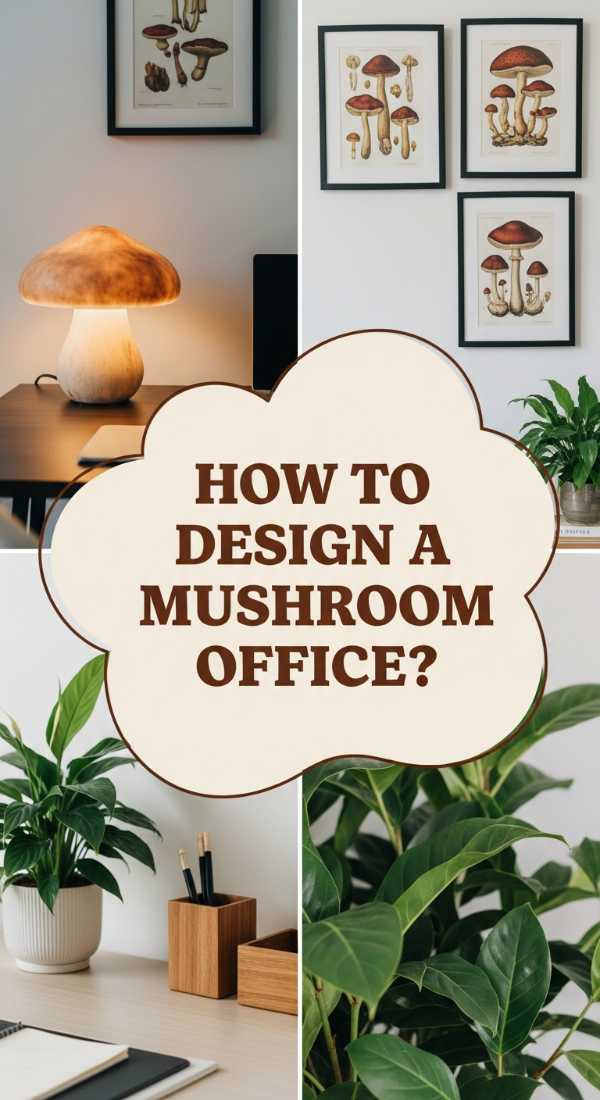
Designing a mushroom-themed office swaps the sterile, corporate vibe for a sanctuary of creative energy and organic calm. There is something deeply soothing about sitting at a desk surrounded by the muted greens and browns of a forest floor, complemented by the quirky charm of a mushroom-shaped pencil holder or a botanical desk mat. The soft curves of fungi-inspired decor reduce visual stress, allowing the mind to wander and innovate just like the interconnected mycelium beneath the earth. It creates a workspace that smells faintly of paper and wood, where productivity feels less like a chore and more like a natural growth process.
Essential Elements:
- Mushroom botanical wall art
- Fungi-shaped desk accessories (staplers, tape dispensers)
- Cork board or pinboard with mushroom pins
- Soft green desk chair or textile
- Terrarium with miniature mushroom figurines
How to make it
- Start with a clean, wooden desk surface to provide a natural foundation; avoid metal or plastic desks which can feel too cold for this specific aesthetic.
- Position a large-scale botanical print of various mushroom species directly in your line of sight to serve as a visual anchor and a source of color inspiration for your other office supplies.
- Organize your stationery using mushroom-shaped vessels; use a wide-capped ceramic mushroom as a tray for paperclips and a taller, hollowed-out wooden stem as a pen cup to keep the theme consistent and functional.
- Introduce ‘living’ elements by building a small desk terrarium; layer pebbles, activated charcoal, and moss into a glass orb, and place a tiny glass toadstool inside to create a miniature ecosystem that relieves eye strain during long work sessions.
- Optimise the lighting by placing a mushroom ‘nursery’ lamp in the corner of your desk; choose a lamp with a translucent shade that diffuses light downward, focusing the glow on your tasks without creating harsh glare on your monitor.
How to Craft DIY Mushroom Decor for Artisanal Accents
Why we love this
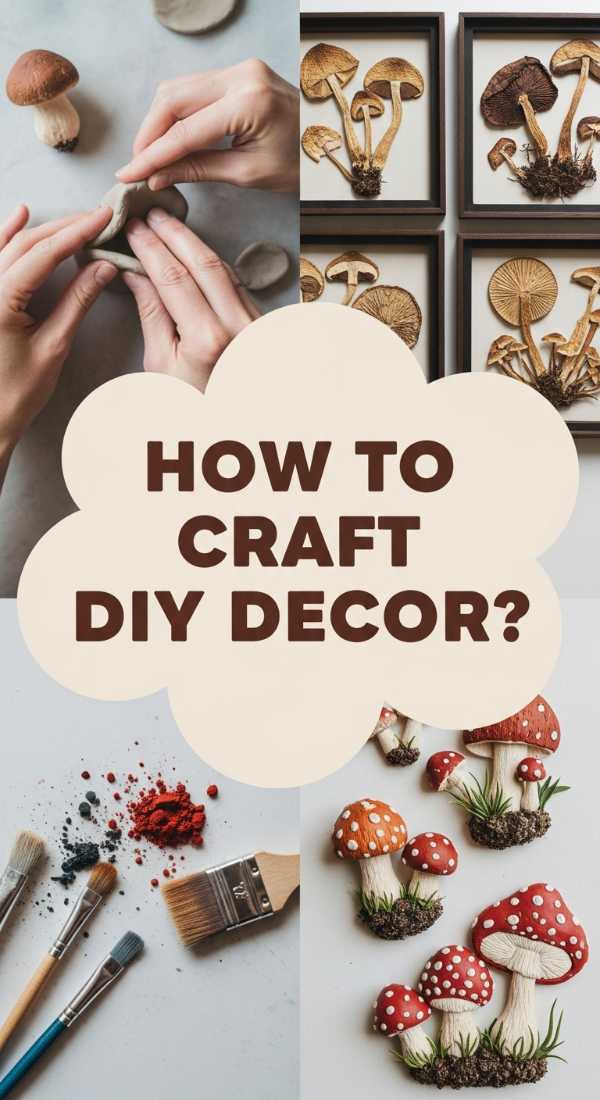
Crafting your own mushroom decor allows you to infuse your home with a piece of your own soul, creating artisanal accents that no one else possesses. The process of molding air-dry clay into organic shapes is incredibly therapeutic, providing a sensory experience of cool, damp earth between your fingers. As these little fungi take shape, they become unique expressions of nature’s diversity—some tall and spindly, others short and stout. The final pieces, painted with delicate watercolors and sealed with a glossy sheen, add a layer of handcrafted sophistication that makes your shelving units feel like a curated museum of woodland wonders.
Essential Elements:
- Air-dry clay or polymer clay
- Sculpting tools (or a simple toothpick and spoon)
- Watercolor or acrylic paints
- Fine-tipped brushes
- Glossy or matte varnish
How to make it
- Break off a palm-sized piece of clay and roll it into a smooth ball to start the cap; use your thumb to press a shallow indentation into the bottom, then pinch and pull the edges to create a natural, slightly wavy rim.
- Create the stem by rolling a separate piece of clay into a cylinder, making it slightly wider at the base for stability; use a damp finger or a scoring tool to join the cap and stem together, smoothing the seam until it disappears.
- To add ‘gills,’ use a fine needle tool or a toothpick to draw thin, radiating lines from the stem to the edge of the cap’s underside, giving the piece a professional, realistic botanical texture.
- Allow the clay to dry completely (usually 24-48 hours depending on humidity); once hardened, apply a base coat of off-white paint and then layer your colors, using a ‘wet-on-wet’ watercolor technique to create realistic gradients on the cap.
- After the paint is bone-dry, seal the mushroom with a high-gloss varnish on the cap to mimic a damp forest look, while leaving the stem matte for a realistic, earthy contrast.
How to Curate Mushroom Art for Elegant Gallery Walls
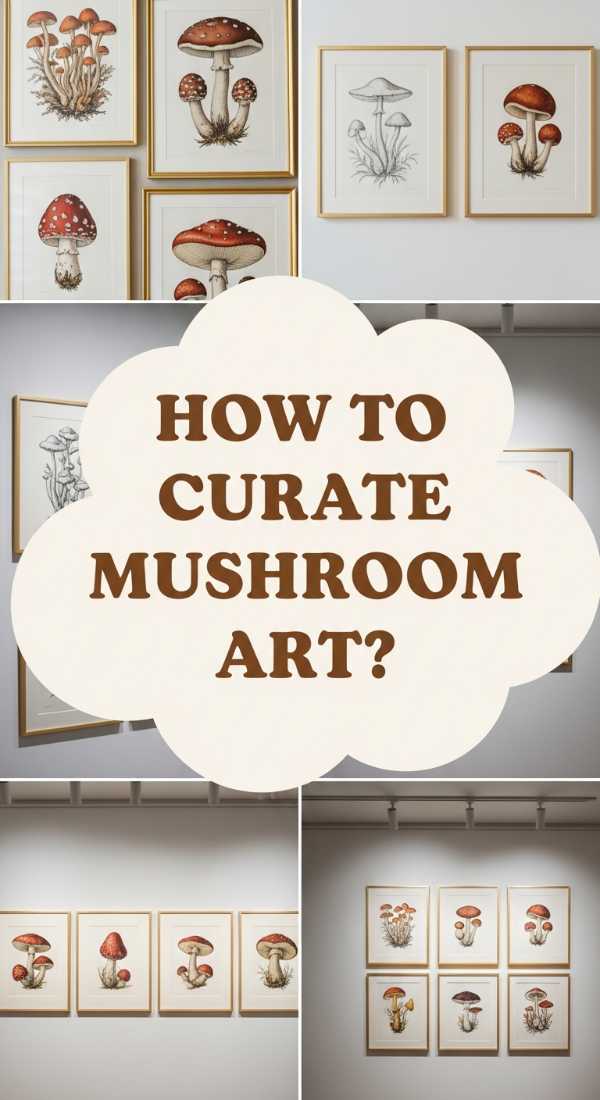
Why we love this
A curated gallery wall featuring mushroom art brings a sophisticated, vintage-scientific vibe to any room, turning your wall into a page from a Victorian naturalist’s sketchbook. We love the way detailed line drawings and rich, sepia-toned watercolors of different fungi species add an intellectual yet whimsical layer to home design. The visual rhythm of different mushroom shapes—from the iconic Amanita to the intricate Chanterelle—creates a fascinating focal point that invites guests to lean in and look closer. It smells like old books and fresh ink, evoking a sense of timeless discovery and appreciation for the smaller details of the natural world.
Essential Elements:
- Vintage-style botanical mushroom prints
- Assorted frames (gold, distressed wood, and black)
- White or cream-colored matting
- Wall level and hanging hardware
- Accent lighting (picture lights or spotlights)
How to make it
- Gather a diverse collection of prints; aim for a mix of full-color illustrations, black-and-white etchings, and perhaps one or two 3D elements like a pressed mushroom or a shadow box with a clay model.
- Choose frames that vary in texture but stay within a cohesive color family; for instance, mix ornate gold frames with simple dark wood frames to create a look that feels ‘collected over time’ rather than ‘bought as a set.’
- Lay your frames out on the floor first to experiment with the arrangement; place the largest and most colorful print slightly off-center to act as the visual weight, and build the smaller prints around it in a loose, organic cluster.
- Use archival-quality matting to give each piece breathing room; a wide white mat can make a small, detailed mushroom sketch look much more grand and professional.
- Hang the pieces with approximately 2-3 inches of space between each frame, and install a battery-operated picture light above the central print to highlight the fine details and add a warm glow to your hallway or living room.
How to Blend Home Decor Styles for Forest Living
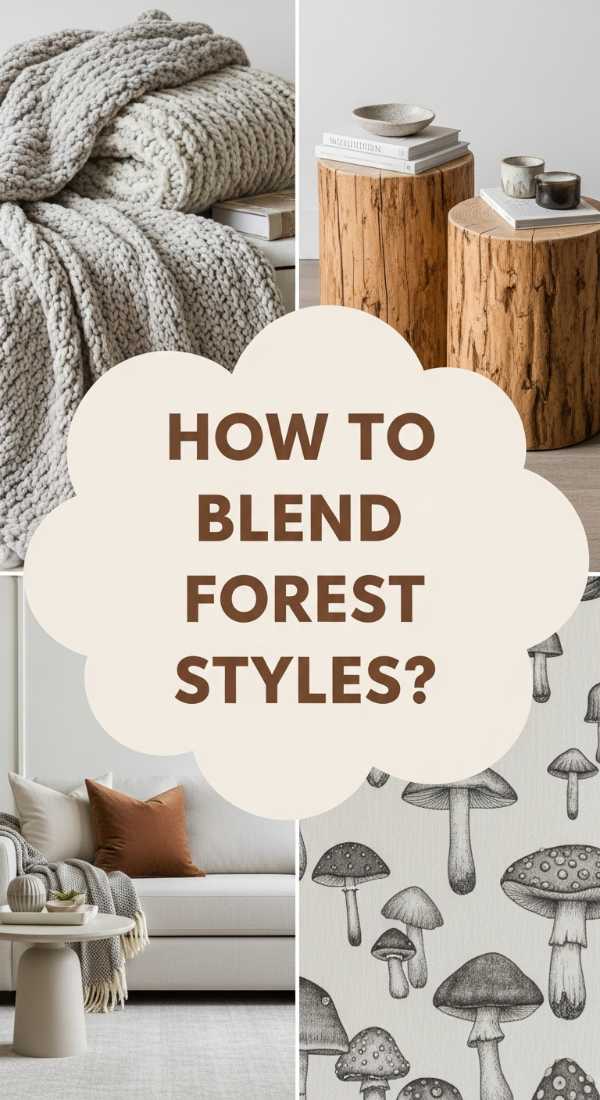
Why we love this
Blending styles—like pairing mid-century modern lines with the organic randomness of forest-inspired decor—creates a sophisticated ‘Forest Living’ aesthetic that feels lived-in and layered. We love this approach because it prevents the mushroom theme from feeling like a child’s bedroom, instead elevating it to a high-design concept. The contrast between a sleek, leather sofa and a chunky, mushroom-print wool rug is visually stimulating and incredibly tactile. It’s about the harmony of ‘man-made meets Mother Nature,’ resulting in a home that feels like a modern cabin in the woods, filled with the scent of pine and the comfort of contemporary luxury.
Essential Elements:
- Neutral-toned modern furniture (sofas, tables)
- Organic mushroom-shaped accessories
- Natural textiles (linen, wool, jute)
- Indoor trees and large-leaf plants
- Subtle mushroom-patterned wallpaper or decals
How to make it
- Select a ‘base’ style for your large furniture items—keep these pieces simple and neutral to act as a blank canvas for your whimsical accents.
- Introduce mushroom elements through textiles; a large area rug with a subtle, abstract fungal pattern can ground the room without being overly literal.
- Incorporate ‘living’ forest elements such as a tall Fiddle Leaf Fig or a Monstera near your mushroom decor; the green leaves will frame your mushroom accents and make them feel like they are part of a larger ecosystem.
- Use a ‘rule of three’ for color: choose one neutral (like beige), one forest tone (like deep emerald), and one mushroom accent color (like ochre or muted red) to tie the disparate styles together.
- Place a few high-quality, designer mushroom lamps on sleek metal side tables to bridge the gap between industrial modernism and organic whimsy, ensuring the lighting ties the room’s mood together.
How to Update House Decorating Ideas for Seasonal Warmth
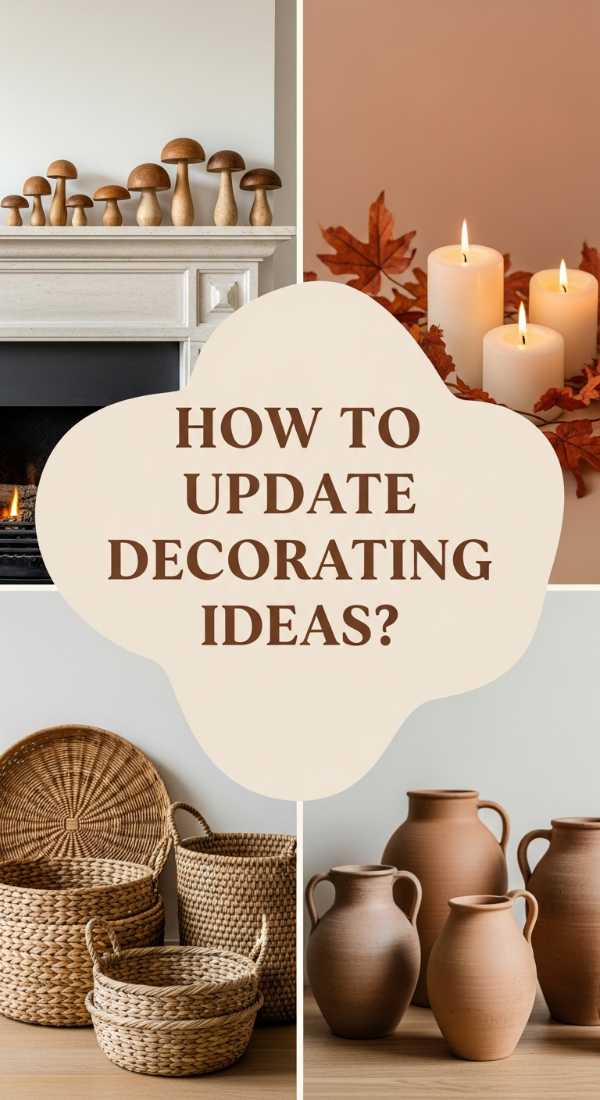
Why we love this
Updating your home with mushroom decor for the seasons allows you to mirror the natural rhythm of the earth, especially during the transition into autumn. There is a deep, soul-stirring warmth in swapping out bright summer florals for the deep oranges, browns, and crimsons of woodland fungi. We love how a few strategically placed mushroom accents can make a room feel instantly more ‘hibernation-ready,’ evoking the scent of woodsmoke and damp leaves. It’s a sensory shift that celebrates the harvest and the quiet beauty of the forest as it prepares for winter sleep, making your home a cozy burrow against the cooling air.
Essential Elements:
- Faux fur and chunky knit throws
- Woodland-scented candles (cedar, sandalwood, moss)
- Woven baskets filled with decorative mushrooms
- Autumnal foliage (dried leaves, pinecones)
- Warm-toned LED string lights
How to make it
- Remove airy summer fabrics like light cottons and replace them with heavy textures; drape a chunky knit blanket over the arm of a chair and tuck a small wooden mushroom into the folds for a ‘hidden’ surprise.
- Create a seasonal centerpiece for your dining table by filling a low wooden bowl with dried moss, pinecones, and several different sizes of wooden or ceramic mushrooms.
- Switch your scent profile; use candles or essential oil diffusers that feature earthy, ‘fungal’ scents like patchouli, oakmoss, or vetiver to provide the olfactory backdrop for your visual decor.
- Swap out your standard wall art for pieces that feature darker, moodier forest scenes or mushroom varieties that bloom in the fall, like the vibrant Orange Peel fungus.
- Incorporate ‘firefly’ lighting by weaving tiny LED fairy lights through a collection of glass mushrooms on a shelf, mimicking the magical, bioluminescent glow found in certain deep-forest fungi.
How to Incorporate Mushroom Elements for Earthy Bedrooms
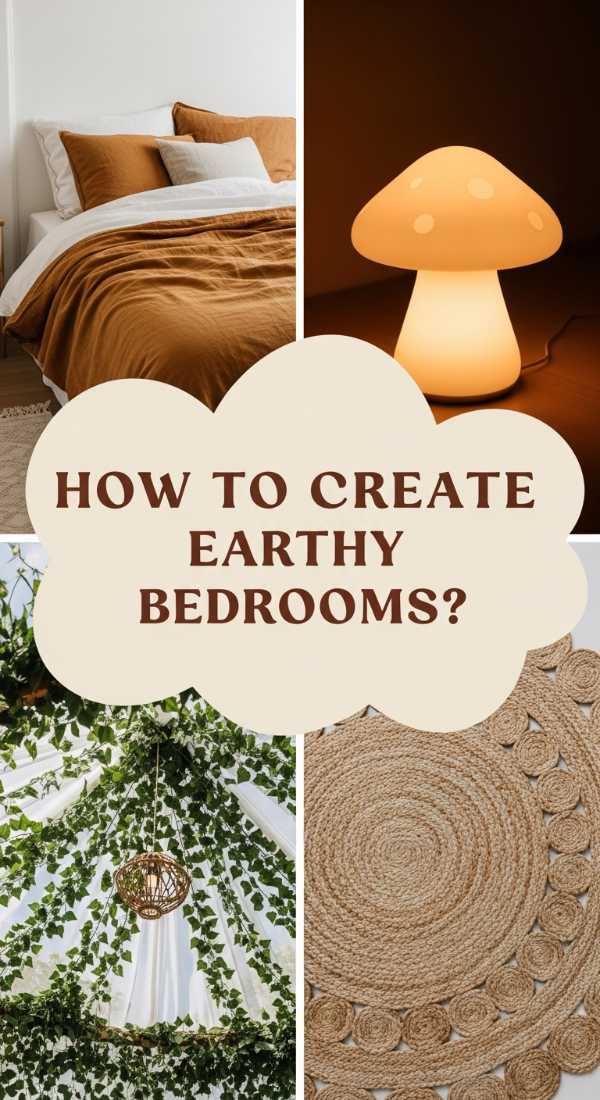
Why we love this
The bedroom is our ultimate sanctuary, and incorporating mushroom elements creates an earthy, grounded environment that is perfect for restful sleep and sweet dreams. There is a gentleness to mushroom shapes—the absence of sharp corners and the presence of soft, dome-like tops—that naturally lowers the heart rate. We love the feeling of sinking into bedding that features delicate fungal prints, surrounded by the soft, diffused light of a mushroom bedside lamp. It creates a space that feels like a hidden glade, where the air is cool and the textures are plush, allowing you to wake up feeling like you’ve been sleeping in the heart of an enchanted forest.
Essential Elements:
- Mushroom-print duvet cover or pillowcases
- Soft, dimmable mushroom nightlights
- Floating ‘fungus’ shelves
- Natural wood bed frame
- Calming forest-themed sound machine
How to make it
- Invest in high-quality linen or bamboo bedding with a subtle mushroom motif; look for ‘toile’ style patterns which offer a more mature, sophisticated take on the theme.
- Install floating wooden shelves that are shaped like bracket fungi (the ones that grow on the sides of trees) next to your bed to serve as unique, space-saving nightstands.
- Replace your standard bedside lamp with a dimmable glass mushroom lamp; the rounded shade will cast light downward, creating a soft pool of light that won’t disrupt your circadian rhythm.
- Keep the floor space ‘earthy’ by placing a high-pile green rug beside the bed, giving you the sensory experience of stepping onto soft moss the moment your feet hit the floor in the morning.
- Minimize clutter by using mushroom-shaped lidded jars for jewelry or small trinkets, keeping your sanctuary organized while maintaining the whimsical aesthetic.
How to Achieve Home Design Ideas with Fungi Themes
Why we love this
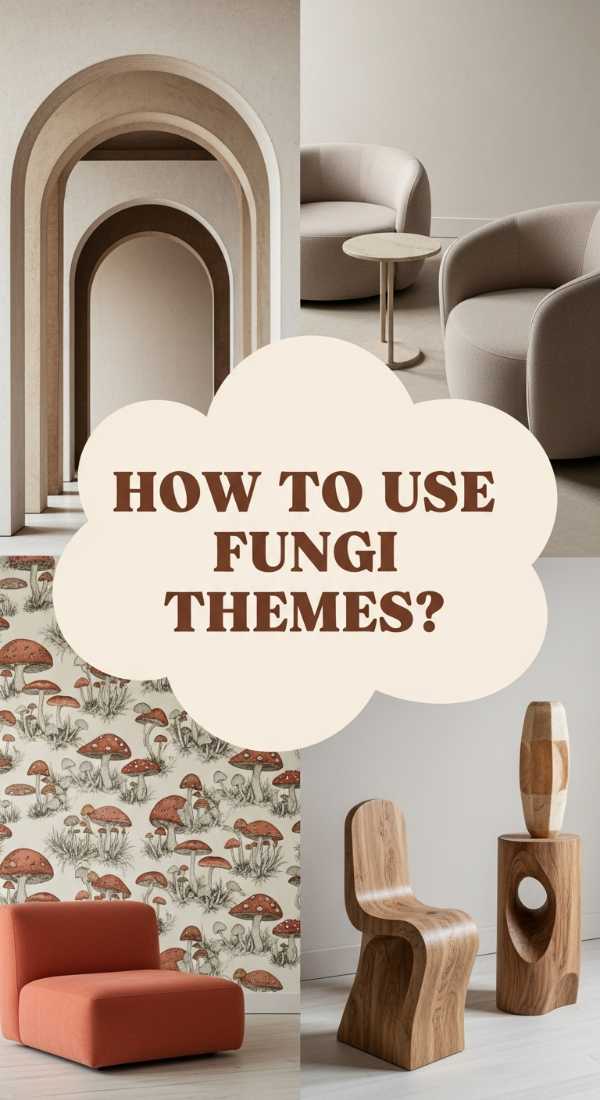
Using fungi themes as a core design principle allows for a unique exploration of texture and repetition that goes far beyond simple ornaments. We love this because it taps into the ‘mycelium network’ concept—the idea that everything in the home is interconnected. From 3D wall panels that mimic the underside of a mushroom cap to architectural details that follow the ‘growth’ patterns of fungi, this approach turns a house into a living piece of art. It’s a design language that speaks of resilience, beauty in the shadows, and a deep connection to the earth’s most mysterious kingdom, making every room feel alive with organic energy.
Essential Elements:
- 3D wall murals or textured wallpaper
- Organic, curved furniture shapes
- Mycelium-based sustainable materials (lampshades, bricks)
- Fungal-patterned tiles for bathrooms or backsplashes
- Subtle architectural ‘curving’ details
How to make it
- Identify a ‘feature wall’ and apply a textured wallpaper that mimics the intricate, repeating patterns of mushroom gills or the cellular structure of mycelium for a sophisticated, avant-garde look.
- Source furniture made from innovative mycelium composites; these are sustainable, biodegradable, and offer a unique, velvety texture that is unlike any traditional wood or plastic.
- In a kitchen or bathroom, use tiles that feature hexagonal or organic shapes reminiscent of fungal growth, choosing colors like ‘cremini’ mushroom or ‘chanterelle’ yellow for a gourmet touch.
- Incorporate architectural ‘softening’ by using curved archways or rounded corners on countertops, echoing the dome-like structure of the Agaricus mushroom family.
- Focus on ‘interconnectivity’ by repeating small fungal motifs across different mediums—for example, use the same mushroom-cap shape in your cabinet pulls as you do in your ceiling light fixtures to create a unified design narrative.
How to Master DIY Mushroom Decor for Unique Gifts
[IMAGE_10]
Why we love this
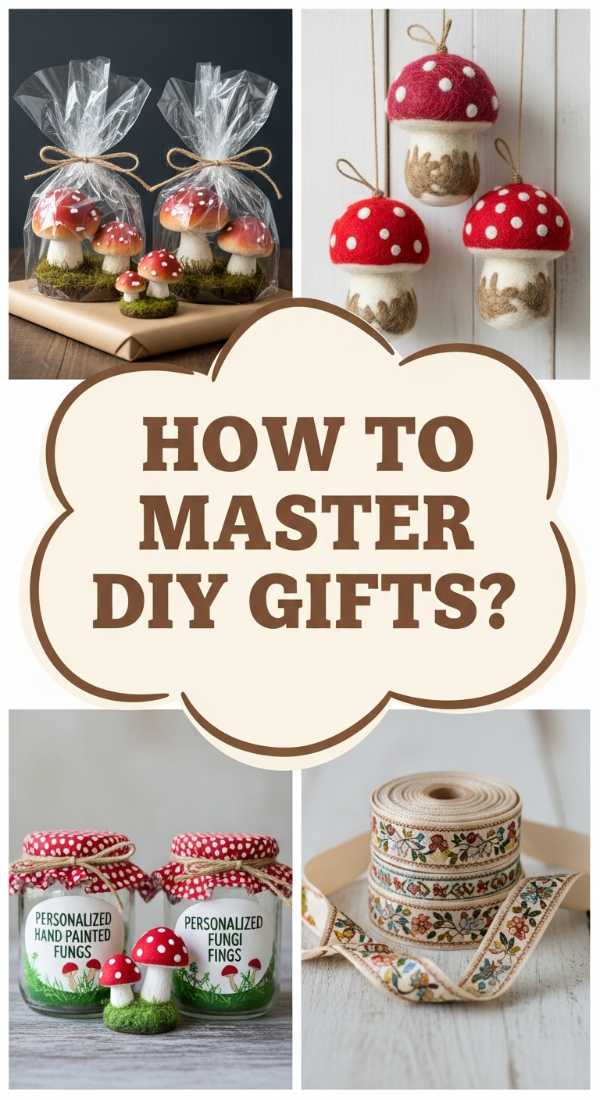
Mastering DIY mushroom decor for gifts allows you to give your loved ones a ‘piece of the forest’ that they can keep forever. There is a special joy in gifting a handmade mushroom terrarium or a hand-painted fungi ornament; it shows a level of thoughtfulness and artisanal care that store-bought items simply can’t match. We love the way these gifts smell of fresh moss and preserved wood, and how they bring a tiny spark of whimsy to a friend’s desk or shelf. It’s a way to share the magic of nature and the warmth of handmade craftsmanship, creating a lasting connection through the shared love of the whimsical and the wild.
Essential Elements:
- Glass jars or cloches for terrariums
- Preserved moss and dried botanicals
- Sculpted or wooden mushrooms
- Personalized gift tags and twine
- Small LED ‘fairy’ lights
How to make it
- Select a high-quality glass vessel—a vintage mason jar or an elegant glass dome—and clean it thoroughly to ensure the gift looks professional and polished.
- Create a ‘landscape’ inside by layering dried moss, small stones, and pieces of bark; use a long pair of tweezers to position your elements precisely, creating a tiny, realistic forest floor.
- Place your ‘hero’ mushroom—either a hand-carved wooden one or a clay one you’ve sculpted—into the center of the moss, securing it with a tiny drop of clear glue to prevent it from shifting during transport.
- Add a touch of magic by tucking a tiny, battery-operated string of fairy lights into the moss, hiding the battery pack behind a piece of bark or at the base of the jar.
- Finish the gift with a rustic touch by wrapping the neck of the jar in natural jute twine and attaching a personalized tag that explains the ‘species’ of mushroom or includes a whimsical forest-themed quote.
A World of Whimsy Awaits
As we’ve explored, mushroom decor is more than just a passing trend; it’s an invitation to reconnect with the natural world in a way that is playful, grounding, and undeniably beautiful. By bringing the textures, colors, and shapes of the forest into our homes, we create spaces that nourish our imaginations and provide a sanctuary from the hustle and bustle of modern life. Whether you choose to go bold with giant garden sculptures or keep it subtle with a curated gallery wall, the magic of the mushroom is sure to bring a sense of wonder to every corner of your living space. So go ahead—make some ‘shroom’ for improvement and let your home bloom with whimsical charm.