
Beyond the Pinterest Board: How to Create a Living Space You Love
We’ve all been there: curled up on the sofa, scrolling through an endless feed of pristine white living rooms and perfectly staged bedrooms, feeling a slow pang of discontentment with our own four walls. It’s easy to get lost in the ‘Pinterest Trap,’ where home feels less like a sanctuary and more like a project that’s never quite finished. But here is the secret I’ve learned after years of decorating and redecorating: a beautiful home isn’t about perfection; it’s about how it holds you at the end of a long day.
Creating a space you love is a sensory journey. It’s the weight of a heavy linen throw, the way the afternoon sun hits a velvet cushion, and the quiet joy of seeing your personality reflected in every corner. Today, we are diving deep into the art of the ‘soft finish’—specifically, the magic of throw pillows. These aren’t just accessories; they are the soul of your seating. Let’s move past the screen and start building a home that feels as good as it looks.
How to Create Throw Pillow Combinations for a Cozy Home Aesthetic
Why we love this
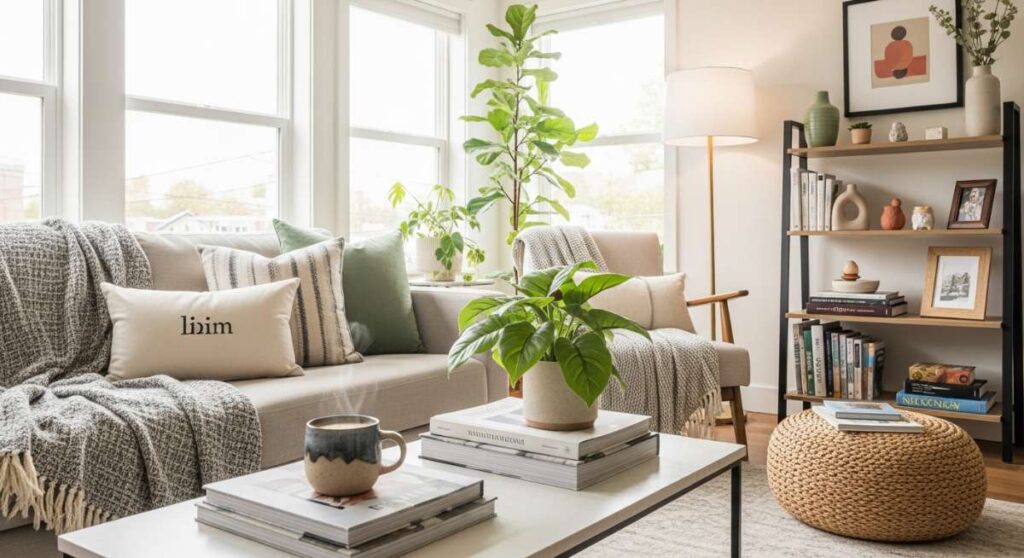
There is something incredibly grounding about a perfectly curated pile of pillows that invites you to sink in and stay a while. When you get the combination right, the room instantly feels more ‘finished’ and expensive, yet entirely approachable. You can almost feel the softness of the woven cotton against your skin and smell the faint, clean scent of home as you lean back. It’s about creating a tactile playground where different textures—like a chunky knit meeting a smooth silk—tell a story of comfort and intentionality.
Essential Elements:
- Two large 24-inch square base pillows in a solid neutral.
- Two 20-inch pillows in a coordinating pattern or texture.
- One rectangular lumbar pillow for the front center.
- High-quality down or down-alternative inserts (2 inches larger than the cover).
How to make it
- Start with your ‘Anchor Pillows.’ Place the largest 24-inch pillows at the outermost corners of your sofa. Ensure they are pulled taut and use the ‘karate chop’ method in the center top to create a professional, lived-in dent.
- Layer your ‘Secondary Pillows’ directly in front of the anchors, slightly offset toward the center. If your anchors are solid, choose a medium-scale pattern here, like a stripe or a geometric print, to create visual depth without overwhelming the eye.
- Integrate texture by choosing fabrics that contrast. If your base is smooth linen, make this middle layer a nubby bouclé or a heavy velvet. The visual weight should feel balanced from left to right.
- Finish with the ‘Statement Lumbar.’ Place a single long, rectangular pillow in the very center. This is where you can add a pop of color or a more intricate, small-scale print. It bridges the two sides and provides essential lower back support for ultimate coziness.
How to Source Cute Throw Pillows for a Whimsical Bedroom
Why we love this
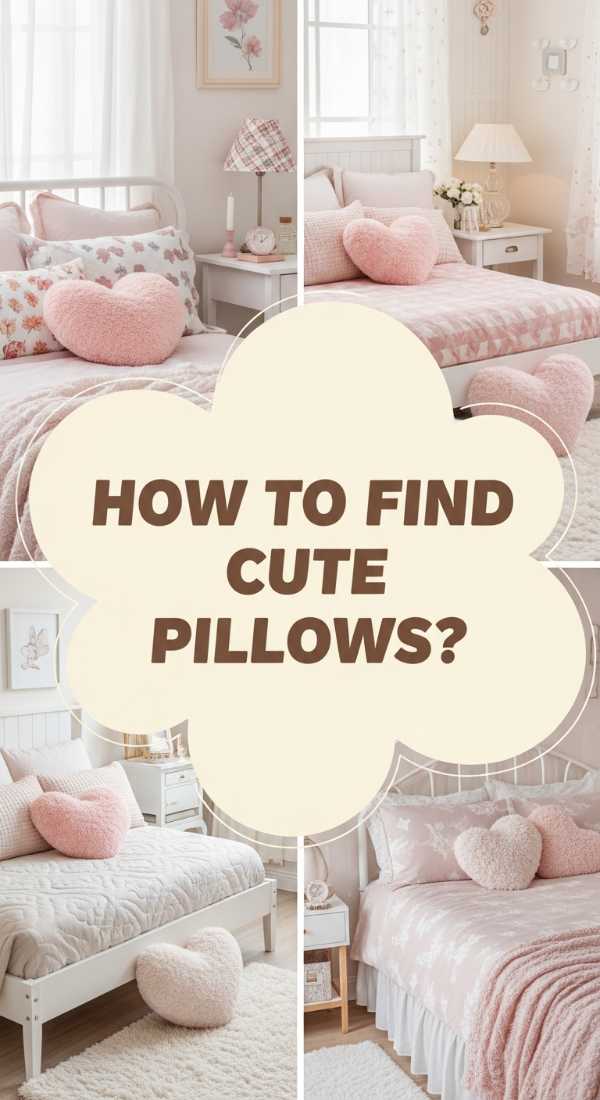
A whimsical bedroom should feel like a page out of a storybook, filled with unexpected charms and playful details that make you smile the moment you wake up. We love sourcing pillows that feel like found treasures—perhaps an embroidered floral or a scalloped edge that reminds you of a vintage find. The atmosphere becomes light, airy, and full of wonder, smelling like fresh lavender and feeling like a gentle hug. It turns the most private space in your home into a creative retreat where rules are meant to be broken.
Essential Elements:
- Scalloped-edge shams.
- Embroidered or hand-crewel work pillows.
- Unusual shapes (rounds, stars, or hearts).
- Pastel or vibrant jewel-toned fabric swatches.
How to make it
- Identify your ‘Whimsy Anchor.’ Instead of standard squares, look for pillows with unique silhouettes, such as a round velvet tufted cushion. Search boutique online marketplaces or local antique fairs for items with handmade qualities.
- Mix your eras. To avoid the room looking like a costume set, source one modern, minimalist pillow to pair with two vintage-style embroidered ones. Look for ‘deadstock’ fabric covers which offer unique patterns you won’t find in big-box stores.
- Focus on the trim. When sourcing, look for ‘extra’ details like pom-poms, tassels, or ruffled flanges. These small architectural details on a pillow add the ‘whimsical’ character that flat pillows lack.
- Prioritize organic textures. For a bedroom, ensure the sourced materials are soft against the face—think organic cotton or washed silk rather than rough wools which can be irritating during sleep.
How to Craft DIY Pillow Covers for a Custom Refresh
Why we love this
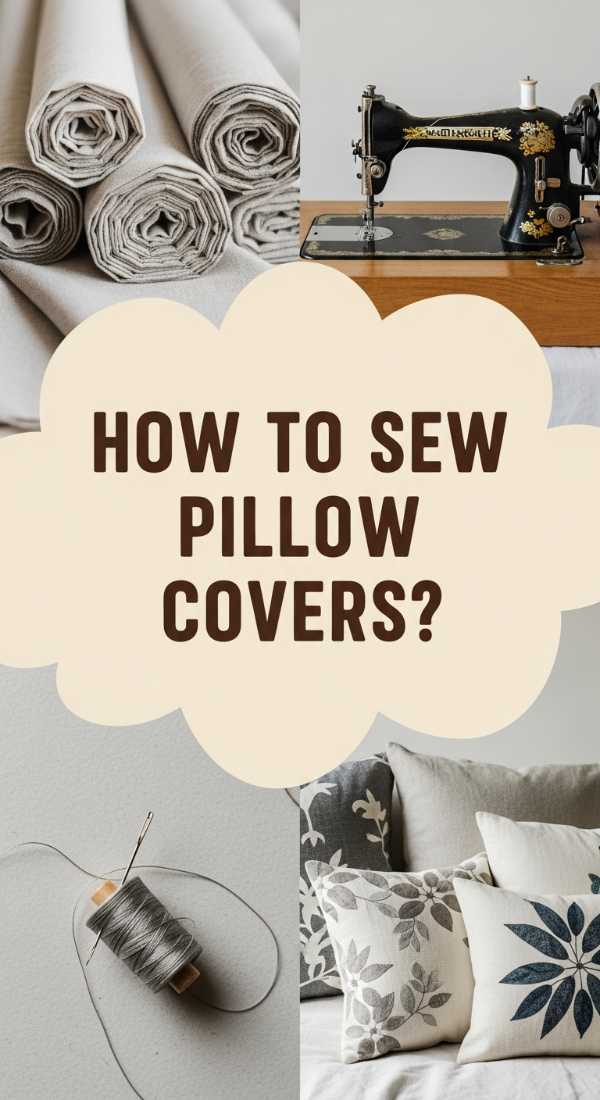
There is a profound sense of pride in resting your head on something you created with your own two hands. DIYing pillow covers allows you to bypass the limitations of retail and choose fabrics that speak directly to your soul—maybe a linen you found traveling or a vintage textile from your grandmother. The process of measuring, cutting, and the rhythmic hum of the sewing machine is a form of domestic meditation. The result is a custom look that fits your space’s exact dimensions and color palette perfectly.
Essential Elements:
- 1 yard of upholstery-weight fabric.
- Matching heavy-duty thread.
- Fabric shears and a rotary cutter.
- A sewing machine and an iron for pressing.
How to make it
- Measure your pillow insert carefully. To achieve a professional, plump look, cut your fabric to the exact size of the insert (the seam allowance will naturally make the cover slightly smaller, which is what you want).
- For an ‘Envelope Closure’ (the easiest DIY method), cut one front panel at 20×20 inches and two back panels at 20×15 inches. This allows for a generous 5-inch overlap at the back so the insert doesn’t peek out.
- Hem the inner edges of the two back panels. Fold over half an inch, press with a hot iron, fold again, and sew a straight line. Pressing is the ‘pro tip’ here; it ensures your seams are crisp and don’t bunch.
- Lay the front panel face up. Overlay the two back panels face down on top of it, aligning the raw outer edges. Pin the entire perimeter. Sew around all four sides with a 1/2-inch seam allowance. Clip the corners diagonally to ensure sharp points when you flip it right-side out.
How to Layer Decorative Pillows on Bed for a Luxury Hotel Vibe
Why we love this
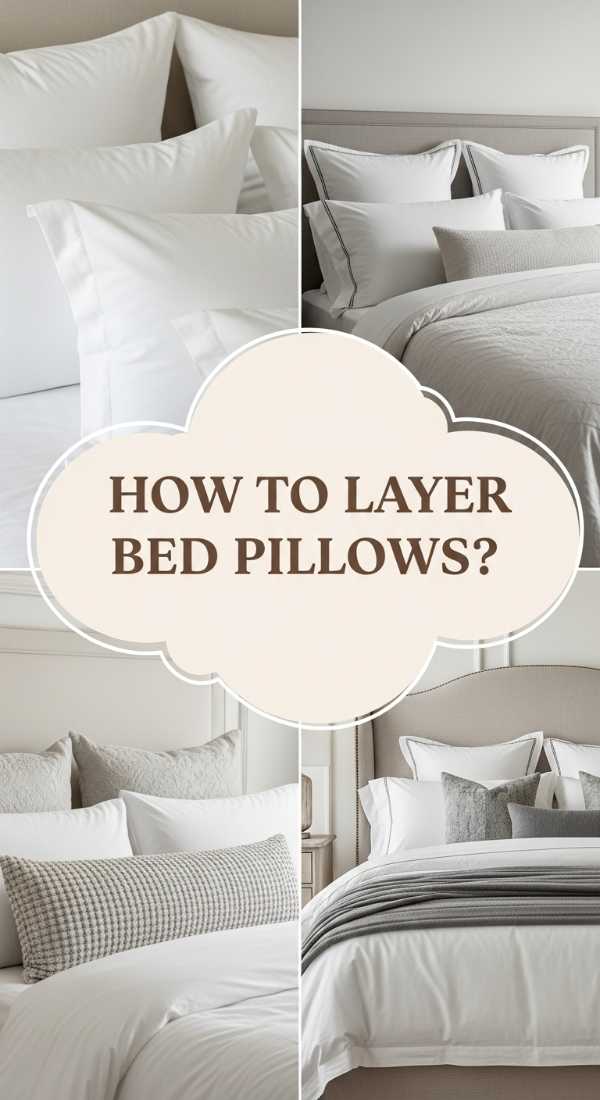
Walking into a bedroom that looks like a high-end hotel suite instantly lowers your cortisol levels. It’s that feeling of crisp, cool sheets and a mountain of plush pillows that look almost too good to touch. We love this look because it transforms sleep into a ritual. The sensory experience is all about the ‘crunch’ of high-thread-count cotton and the visual rhythm of perfectly symmetrical layers. It makes the bed the undisputed focal point of the room, radiating luxury and order.
Essential Elements:
- Two oversized Euro shams (26×26).
- Two standard sleeping pillows.
- Two decorative square pillows (20×20).
- One long bolster pillow.
How to make it
- Prop your two Euro shams against the headboard. These act as the ‘backboard’ and should be firm. Use high-loft down inserts to ensure they stand tall without slouching.
- Place your standard sleeping pillows directly in front of the Euros. For a clean look, hide them behind the decorative pillows, or stack them flat if you prefer a modern hotel aesthetic.
- Layer the 20×20 decorative pillows in front. Choose a fabric with a subtle sheen or a sophisticated weave to catch the light. Align them exactly with the center of the Euro shams behind them.
- Place the bolster or ‘extra-long lumbar’ at the very front, centered. This pillow should span about 2/3 the width of the bed. This final layer creates a horizontal line that anchors the entire arrangement and provides that ‘five-star’ finished look.
How to Select Fun Throw Pillows for an Eclectic Living Space

Why we love this
Eclectic living is all about the ‘more is more’ philosophy, but with a curated eye. We love this approach because it allows for total self-expression—mixing a 1970s retro print with a modern neon pop or a traditional kilim. The space feels alive, vibrating with energy and stories. It smells like incense and old books, and it feels like a collection of your life’s best moments. It’s the opposite of a sterile showroom; it’s a living, breathing autobiography of your taste.
Essential Elements:
- Pillows in varying shapes (circles, rectangles, squares).
- A mix of patterns (animal print, floral, stripes).
- Contrasting textures (fur, leather, wool).
- A consistent ‘anchor color’ to tie it all together.
How to make it
- Choose one ‘Common Thread’ color. Even in an eclectic space, you need a recurring hue—like a specific shade of mustard or teal—that appears in every pillow to prevent visual chaos.
- Vary the scale of your patterns. If you have a large-scale floral, pair it with a tiny ‘ditsy’ print and a solid leather pillow. This prevents the patterns from competing for the viewer’s attention.
- Introduce a ‘Wildcard.’ In an eclectic space, one pillow should be a conversation starter—think a pillow shaped like a tiger, or one with heavy 3D fringe. This acts as the ‘art’ of the sofa.
- Distribute weight evenly. Don’t put all the ‘heavy’ dark pillows on one side. Balance a dark navy velvet on the left with a dark patterned kilim on the right to keep the sofa looking balanced.
How to Mix Funky Throw Pillows for a Bold Statement
Why we love this
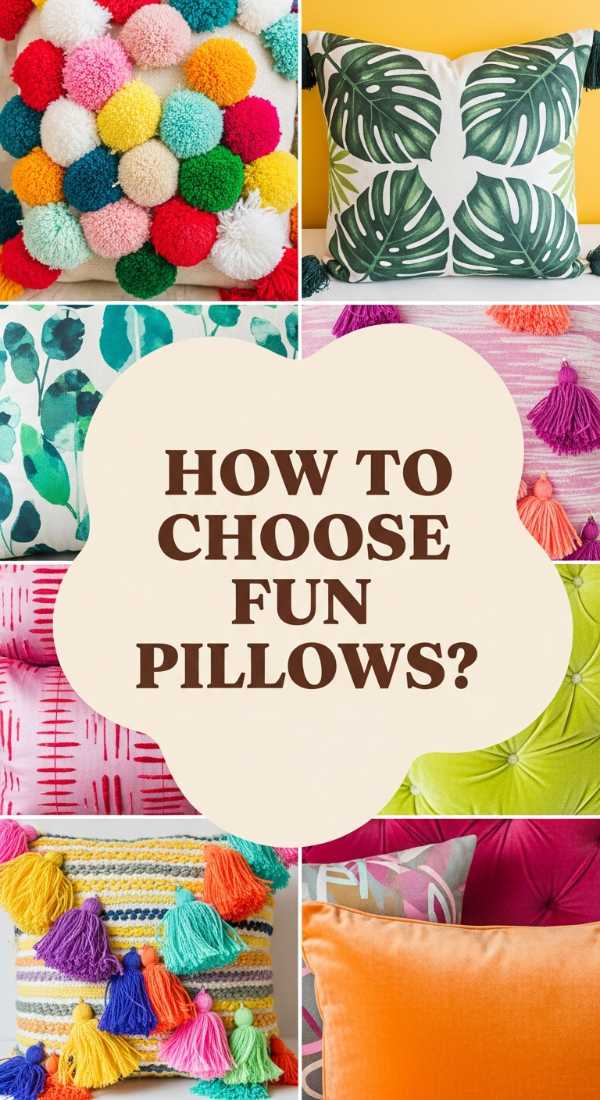
Bold statement pillows are the exclamation points of a room. We love this technique because it’s the fastest way to inject high-energy personality into a neutral space without the commitment of painting walls or buying a new sofa. It’s about the ‘funky’—the weird textures, the neon piping, and the avant-garde graphics that make guests go, ‘Wow, where did you get that?’ It feels daring, confident, and unapologetically cool.
Essential Elements:
- Graphic, high-contrast prints.
- Unconventional materials (metallic threads, plastic elements, or faux fur).
- Asymmetrical arrangements.
- Bright, saturated color palettes.
How to make it
- Start with a ‘clash-by-design’ mindset. Pick two colors that are opposites on the color wheel, like electric orange and deep cobalt. Choose pillows that feature these colors in bold, graphic blocks.
- Use the ‘Rule of Three.’ For a bold statement, pick three distinct styles: one geometric, one organic/swirly, and one textured solid. The friction between these styles creates the ‘funky’ energy.
- Look for ‘Artistic’ covers. Choose pillows that feature digital art, faces, or abstract paintings. Treat the pillow like a canvas rather than just a cushion.
- Break the symmetry. Instead of a 2-1-2 arrangement, throw three different sized pillows on one end of the couch and only one oversized, very bold pillow on the other. This asymmetrical ‘weight’ feels modern and intentional.
How to Store Throw Pillow Covers for an Organized Home
Why we love this
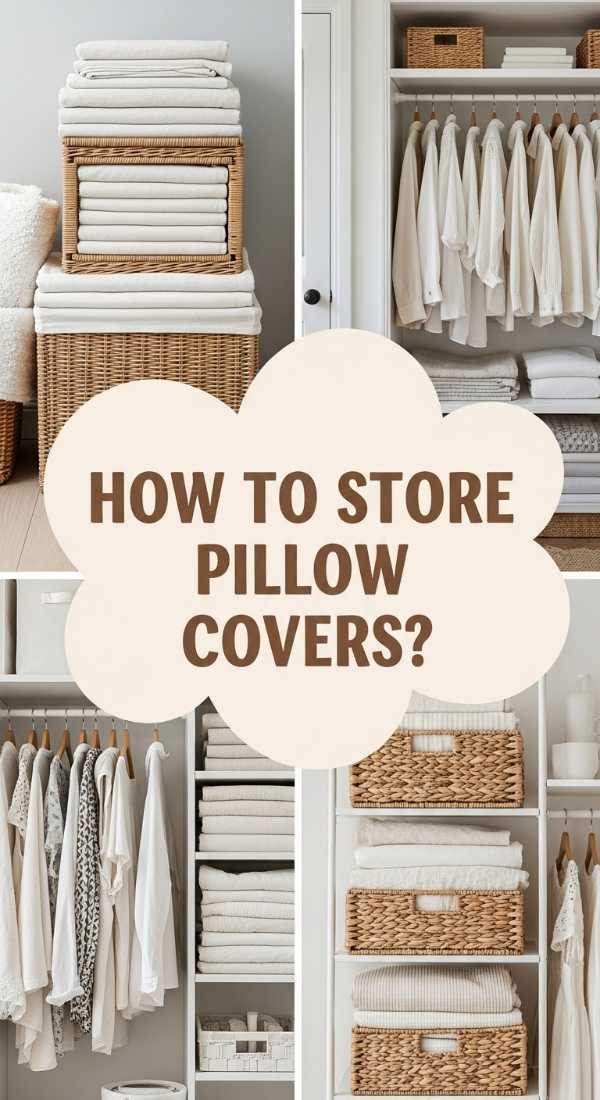
There is a specific, quiet satisfaction in an organized linen closet. We love the practice of seasonal pillow swapping because it keeps your home feeling fresh without cluttering your attic with bulky inserts. Opening a drawer to find neatly folded, color-coded covers feels like a fresh start. It keeps your ‘decor wardrobe’ pristine, smelling of cedar or lavender sachets, and ensures that you can transform your room’s mood in under five minutes.
Essential Elements:
- Clear, airtight storage bins or fabric bags.
- Acid-free tissue paper for delicate fabrics.
- Cedar blocks or lavender sachets.
- Labeling system.
How to make it
- Clean before you store. Always launder or dry-clean covers according to the care tag before storage. Oils from skin can yellow the fabric over time if left untreated.
- The ‘File Fold’ Method. Do not stack covers; instead, fold them into small rectangles of uniform size and stand them upright in a bin (like files in a cabinet). This allows you to see every cover at once without digging.
- Protect the embellishments. If a cover has heavy beading or tassels, wrap it in acid-free tissue paper before folding to prevent the hardware from snagging the fabric of the next pillow.
- Remove the air. For long-term storage of bulky items, use vacuum-seal bags to save 75% of the space, but only for synthetic fabrics. For natural fibers like silk or wool, use breathable cotton bags to prevent mildew and allow the fabric to ‘breathe.’
How to Discover Pillow Ideas for a Cozy Reading Nook
Why we love this
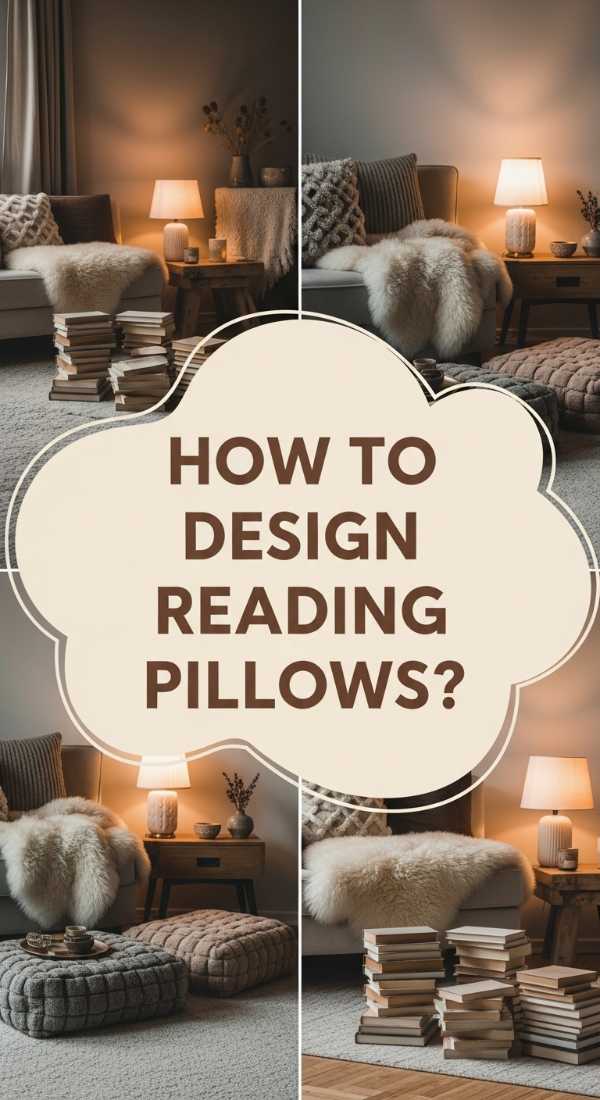
A reading nook is a sanctuary within a sanctuary. We love creating these little pockets of peace where the pillows aren’t just for show—they are for structural support during a four-hour reading marathon. The vibe is ‘cocoon-like,’ with fabrics that feel soft against the neck and a warmth that radiates from the corner. It smells like old paper and tea, and it feels like the world has stopped moving for a while.
Essential Elements:
- A ‘husband’ pillow or a large backrest with arms.
- Small, squishy down-filled pillows for neck support.
- A floor pouf or oversized floor pillow.
- Textured wool or fleece covers.
How to make it
- Prioritize ‘Squish-Factor.’ For a reading nook, avoid stiff foam inserts. Use 100% goose down or high-quality shredded memory foam that ‘cradles’ the body. Test the ‘rebound’—it should slowly regain its shape.
- Create a ‘Corner Wedge.’ Place a large, firm square pillow diagonally in the corner where the chair meets the wall. This provides a flat surface to lean against so you aren’t touching the cold wall.
- Layer for Ergonomics. Place a small, soft rectangular pillow at the base of your spine for lumbar support, and a very small ‘neck roll’ pillow at the top. This prevents the ‘reading slouch’ and allows for longer periods of comfort.
- Incorporate ‘Floor Logic.’ A reading nook isn’t complete without a giant floor pillow (at least 30 inches). This allows you to change positions—moving from the chair to the floor—keeping the sensory experience varied and cozy.
How to Arrange Decorative Pillows for a Professional Sofa Look
Why we love this
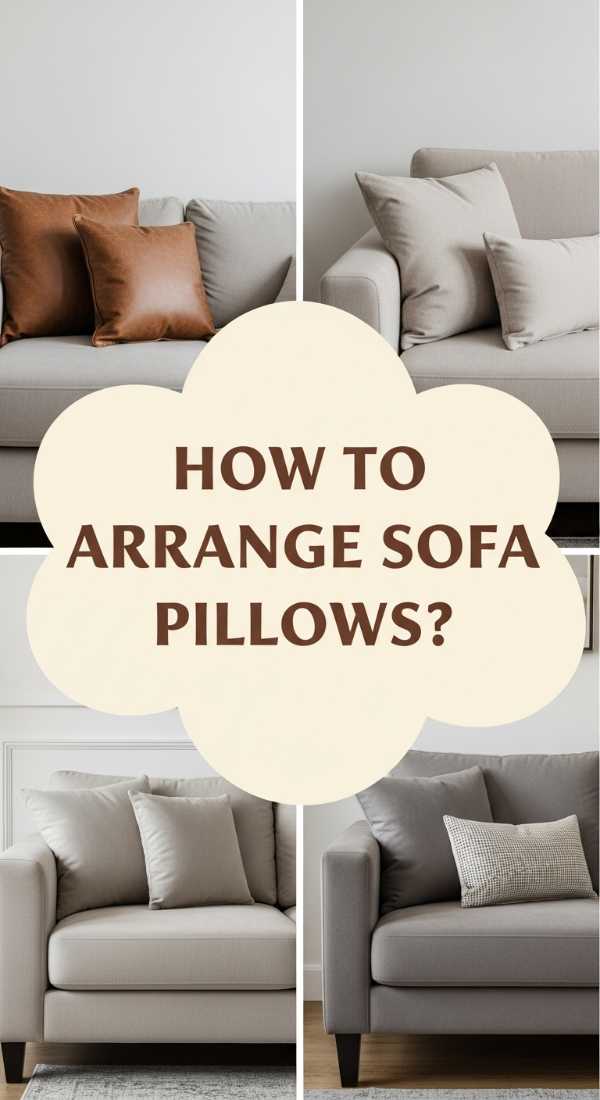
There is a reason interior designers follow specific formulas—it works! We love the ‘Professional Sofa Look’ because it brings a sense of order and architectural balance to a living room. It makes the space look ‘staged’ in the best way possible, as if a stylist just walked out of the room. The aesthetic is clean, balanced, and symmetrical, creating a visual ‘anchor’ that makes the rest of the room feel more organized and calm.
Essential Elements:
- Matched pairs of pillows.
- Graduated sizing (Large to Small).
- High-quality inserts with sharp corners.
- A neutral color base with one ‘pop’ color.
How to make it
- The 2-2-1 Formula. This is the gold standard. Place two 24-inch pillows in the corners, two 20-inch pillows in front of those (overlapping by half), and one single lumbar pillow in the center.
- Ensure ‘Corner-to-Corner’ fill. A professional look requires that the pillow cover is completely filled. If your cover is 20×20, use a 22×22 insert. Push the insert deeply into the corners of the cover using your hand like a wedge to ensure no ‘dog ears’ (empty corners).
- Maintain Symmetry. The left side of the sofa should be a mirror image of the right side. Use the exact same fabrics and sizes on both ends to create a cohesive, ‘high-end’ architectural line.
- The Vertical Alignment. Ensure all pillows are standing straight up, not leaning back at an angle. They should be perpendicular to the sofa seat for a crisp, formal appearance.
How to Choose Pillows for a Minimalist Sanctuary
[IMAGE_10]
Why we love this
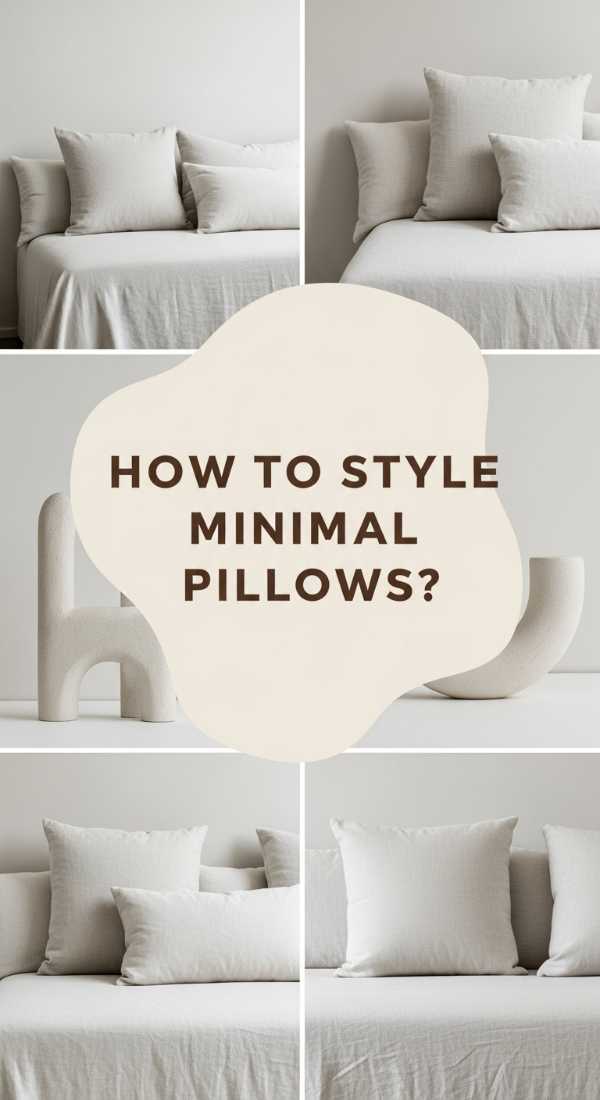
Minimalism isn’t about having nothing; it’s about having the right things. We love a minimalist pillow arrangement because it celebrates the purity of material—the grain of the linen, the softness of the wool, the subtle variation in a cream-colored weave. It feels serene, quiet, and incredibly sophisticated. It’s a visual ‘deep breath’ that removes the noise of the world and focuses on the quiet luxury of high-quality textiles and monochromatic beauty.
Essential Elements:
- Monochromatic color palette (whites, creams, greys).
- Natural, raw fibers (linen, silk, organic cotton).
- Hidden zippers and seamless edges.
- Minimal quantity (only what is necessary for comfort).
How to make it
- Stick to ‘Tone-on-Tone.’ Instead of different colors, choose three pillows in the exact same shade but in three different textures (e.g., a smooth cotton, a chunky knit, and a refined linen). This creates interest without adding visual ‘clutter.’
- Choose ‘Knife-Edge’ finishes. For a minimalist look, avoid tassels, fringe, or piping. A clean ‘knife-edge’ (a simple flat seam) keeps the silhouette sharp and unobtrusive.
- Prioritize quality over quantity. Instead of five cheap pillows, invest in two very high-end, heavy-weight Belgian linen pillows. The ‘drape’ and ‘hand’ of expensive fabric are the keys to making minimalism feel luxurious rather than sparse.
- Focus on Scale. In a minimalist room, use fewer but larger pillows. One or two 26-inch ‘Euro’ style pillows on a sofa look more intentional and ‘architectural’ than a scatter of small cushions.
Conclusion
Creating a home you love isn’t about following every trend or having a bottomless budget; it’s about the intentional layers you add to your life. Pillows might seem like a small detail, but they are the soft touchpoints that turn a house into a sanctuary. Whether you are DIYing a custom cover or sourcing the perfect whimsical find, remember that your home is a reflection of your journey. Take your time, feel the fabrics, and build a space that welcomes you home every single day.