

Why This Simple Food Board Trend is Breaking Your Social Feed
Have you ever spent twenty minutes scrolling through your feed, only to stop dead in your tracks at a photo of what looks like the world’s most organized, vibrant snack board? I’m talking about the Simple Food Board—the trend that’s replacing complicated meal prep with a rainbow of textures, colors, and healing ingredients. It’s not just about the aesthetic; it’s about a lifestyle shift toward intentional eating that feels like a warm hug for your nervous system and your digestion.
We’ve all been there, standing in front of the fridge at 6 PM, exhausted and uninspired. This trend changes the game by turning ‘random ingredients’ into a curated experience of nourishment. It’s about the satisfying crunch of a fresh radish, the creaminess of a perfectly ripe avocado, and the grounding warmth of roasted root vegetables. It’s food that looks like art but tastes like home, and honestly, my gut has never been happier.
How to cook fiber bowls?

Why we love this
Fiber bowls are the unsung heroes of a high-energy lifestyle, offering a symphony of textures that keep your palate engaged and your body fueled. Imagine the earthy, nutty crunch of toasted chickpeas paired with the crisp, snapping freshness of snap peas and the tender chew of pearled farro. Every bite is an explosion of natural sweetness and savory depth, finished with a zesty lemon-tahini drizzle that ties the whole garden together. It’s the kind of meal that leaves you feeling light yet profoundly satisfied, clear-headed, and ready to take on the world.
Ingredients
- 1 cup cooked pearled farro or quinoa
- 1 can chickpeas, rinsed and patted dry
- 2 cups chopped kale, stems removed
- 1/2 cup sugar snap peas
- 1/4 cup pumpkin seeds (pepitas)
- 2 tbsp olive oil
- 1/2 tsp cumin and smoked paprika
How to make it
- Preheat your oven to 400°F (200°C). Toss your dried chickpeas with olive oil, cumin, and smoked paprika on a rimmed baking sheet until evenly coated. Spread them out in a single layer to ensure they roast rather than steam.
- Roast the chickpeas for 20-25 minutes, shaking the pan halfway through, until they are golden brown and audibly crunchy when moved. Visual cue: the skins should look slightly blistered.
- While the chickpeas roast, place your kale in a large mixing bowl with a pinch of sea salt and a teaspoon of olive oil. Use your hands to physically massage the kale for 2-3 minutes. This breaks down the tough cellulose fibers, making it tender and vibrant green.
- Assemble the base by laying the massaged kale in a wide shallow bowl. Top with a generous scoop of warm farro.
- Add the snap peas and roasted chickpeas. Finish by sprinkling the pumpkin seeds over the top for an extra layer of crunch and a boost of minerals.
How to prep gut bowls?

Why we love this
The gut bowl is all about soothing the inner self through a careful selection of fermented and easily digestible ingredients. There is something deeply therapeutic about the tangy, sour snap of raw sauerkraut combined with the buttery richness of a sliced avocado. The aroma is clean and slightly acidic, signaling to your brain that a probiotic feast is coming. This bowl feels like a reset button for your internal clock, calming inflammation and providing a smooth, velvety mouthfeel that makes every bite feel like a luxurious spa treatment for your digestive tract.
Ingredients
- 1/2 cup purple sauerkraut or kimchi
- 1/2 medium avocado, sliced
- 1 cup steamed baby spinach
- 1/2 cup cooked wild rice
- 1/4 cup sprouts (alfalfa or broccoli)
- 1 tbsp hemp hearts
How to make it
- Begin by steaming your baby spinach. Use a steamer basket over boiling water for just 60-90 seconds until the leaves are wilted but still bright green. Immediately plunge them into cold water to stop the cooking process and preserve the nutrients.
- Cook your wild rice using a 1:3 ratio of rice to water. Bring to a boil, then simmer on low heat for 45 minutes until the grains ‘butterfly’ open, revealing the tender white interior.
- Slice the avocado by cutting it in half, removing the pit, and using a paring knife to create thin, even slices within the skin before scooping them out with a large spoon for a professional look.
- Layer the wild rice at the bottom of your board or bowl. Arrange the sauerkraut, steamed spinach, and avocado in distinct sections to prevent the flavors from muddying before you’re ready to eat.
- Garnish with the fresh sprouts and hemp hearts. The hemp hearts provide a subtle nutty flavor and essential fatty acids that help with the absorption of the avocado’s healthy fats.
How to make healing bowls?

Why we love this
Healing bowls are the ultimate comfort food, centered around anti-inflammatory powerhouses like turmeric and ginger. The fragrance is intoxicating—a warm, peppery cloud of gold that fills your kitchen and promises restoration. Each bite of roasted cauliflower, stained a brilliant yellow by the turmeric, offers a caramelized sweetness that contrasts beautifully with a sharp, biting ginger dressing. It’s a sensory experience that warms you from the inside out, making it the perfect remedy for a long day or a season of transition when your body needs extra grace.
Ingredients
- 1 small head of cauliflower, cut into florets
- 1 tsp turmeric powder
- 1/2 tsp ground ginger
- 1 cup roasted sweet potato cubes
- 1/2 cup cooked lentils
- Fresh cilantro for garnish
- Tahini-turmeric dressing
How to make it
- Whisk together 3 tbsp olive oil, 1 tsp turmeric, and 1/2 tsp ginger. Toss the cauliflower florets and sweet potato cubes in this mixture until they are completely coated in the golden oil.
- Arrange the vegetables on a parchment-lined sheet. Roast at 425°F (220°C) for 30 minutes. Look for charred, dark brown edges on the cauliflower; this caramelization is where all the deep flavor lives.
- Prepare your lentils by simmering them in vegetable broth with a bay leaf for 20 minutes until tender but not mushy. Drain any excess liquid thoroughly to keep the bowl from becoming soggy.
- Place a mound of lentils in the center of your board. Surround them with the roasted, vibrant vegetables.
- Drizzle with a thick tahini dressing and top with torn cilantro. The fresh herb adds a bright, citrusy note that cuts through the earthy richness of the turmeric and root vegetables.
How to cook clean bowls?

Why we love this
Clean bowls are a celebration of purity and the natural integrity of ingredients. There’s a refreshing simplicity in the crisp, watery crunch of Persian cucumbers paired with the delicate, flaky texture of a steamed white fish or tofu. The aroma is reminiscent of a sea breeze—salty, fresh, and light. It’s the kind of meal that makes you feel hydrated and vibrant, removing the heavy oils and salts of processed foods in favor of bright citrus notes and the honest flavor of garden-fresh produce. It’s minimalism you can taste.
Ingredients
- 1 block firm tofu or 1 white fish fillet
- 2 Persian cucumbers, sliced into rounds
- 1 cup steamed bok choy
- 1/4 cup sliced radishes
- Fresh lime wedges
- Fresh mint and basil
How to make it
- If using tofu, press it between two heavy plates for 15 minutes to remove excess moisture. This ensures the tofu can absorb the lime and herb flavors. If using fish, pat it completely dry with paper towels.
- Steam the protein (fish or tofu) and the bok choy together in a bamboo steamer for 6-8 minutes. The protein should be opaque and firm, while the bok choy should be ‘fork-tender’ at the base.
- Prepare the cucumber and radishes by slicing them as thinly as possible. A mandoline slicer set to 1mm is perfect for creating that ‘glass-like’ translucent effect seen on social media.
- Arrange the steamed protein and greens on your board. Intersperse the crisp radish and cucumber slices to create a play of temperatures—warm protein against chilled vegetables.
- Finish with a heavy squeeze of lime juice and a handful of torn mint and basil leaves. The herbs act as a natural seasoning, providing fragrance and depth without the need for heavy sauces.
How to make filling salads?
Why we love this
Forget the sad side salad; the filling salad is a robust, satisfying main event that refuses to leave you hungry. We love the architectural layering of dense grains like farro or barley against the peppery bite of arugula and the creamy indulgence of goat cheese or avocado. There’s a wonderful contrast between the toasted, woody scent of walnuts and the sharp, vinegary punch of a balsamic glaze. It’s a meal that feels intentional and hearty, proving that ‘salad’ can be a word associated with fullness and culinary delight.
Ingredients
- 2 cups wild arugula
- 1 cup cooked farro
- 1/4 cup toasted walnuts
- 2 tbsp dried cranberries or pomegranate seeds
- 2 oz crumbled goat cheese or feta
- Grilled chicken strips or halloumi (optional)
How to make it
- Toast the walnuts in a dry pan over medium heat for 3-5 minutes. Watch them closely; as soon as you smell a rich, nutty aroma, remove them from the heat immediately to prevent burning.
- Prepare the farro by boiling it in salted water for 25-30 minutes until it has a ‘bouncy’ texture. Drain and let it cool slightly so it doesn’t wilt the greens instantly.
- In a large bowl, toss the arugula with a very small amount of balsamic vinaigrette just to coat the leaves. Over-dressing will make the salad heavy and soggy.
- Spread the dressed arugula onto your board. Scatter the farro evenly over the greens, allowing some to sink to the bottom.
- Top with the toasted walnuts, dried fruit, and crumbled cheese. The combination of sweet, salty, and earthy elements ensures that every forkful provides a balanced profile of flavors.
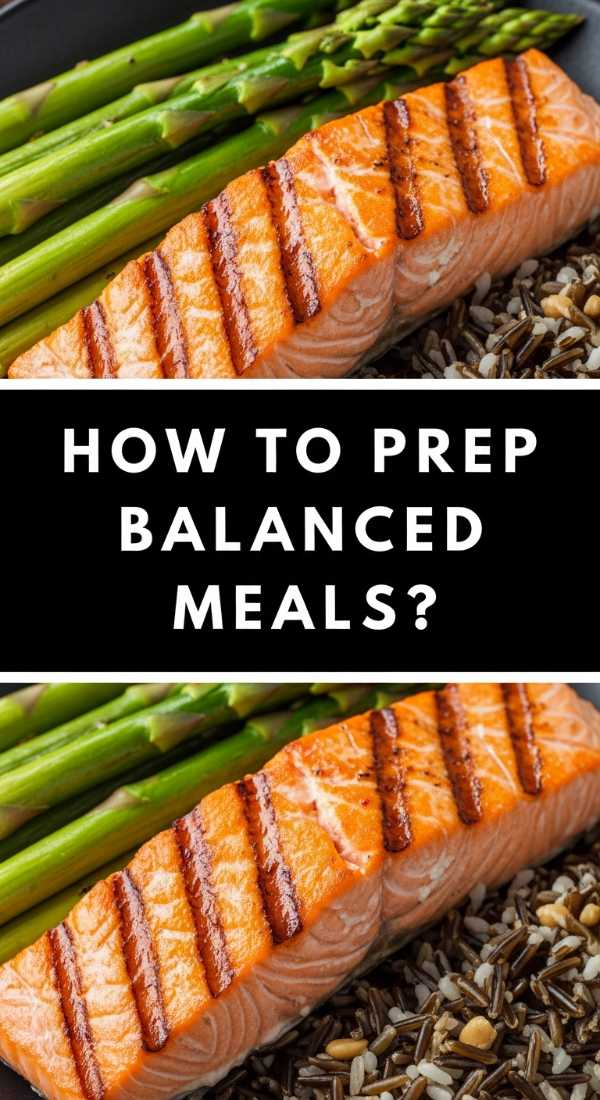
How to prep balanced meals?

Why we love this
The balanced meal board is a masterclass in nutritional harmony, visually representing the perfect split of healthy fats, complex carbs, and lean proteins. There is a deep satisfaction in seeing a plate that covers all the bases—the vibrant orange of a sweet potato, the rich green of sautéed kale, and the pink of a perfectly seared salmon or the tan of seasoned tempeh. The textures vary from velvety to fibrous to firm, ensuring that your brain receives all the sensory signals for satiety while your body gets exactly what it needs to thrive.
Ingredients
- 1 medium sweet potato, roasted
- 4 oz salmon fillet or 1/2 cup cooked black beans
- 1 cup sautéed kale or collard greens
- 1/4 cup hummus or mashed avocado
- 1 tbsp hemp seeds
How to make it
- Slice the sweet potato into rounds or wedges. Coat with olive oil and a pinch of salt. Roast at 400°F (200°C) for 25 minutes, flipping once, until the natural sugars have caramelized into a sticky, sweet crust.
- For the protein: Sear the salmon in a hot pan with a teaspoon of oil for 4 minutes on the skin side until crispy, then flip and cook for 2 more minutes. If using beans, warm them with a splash of lime and cumin.
- Sauté the greens in the same pan used for the protein to pick up the residual flavors. Add a splash of water or broth to help them steam and soften quickly (about 3 minutes).
- On your board, place the sweet potatoes in one corner, the protein in another, and the greens as the bridge between them.
- Add a dollop of hummus or avocado in the center as a ‘dip’ that works for both the potatoes and the protein. Sprinkle everything with hemp seeds for a finished, professional look.
How to cook digestive dinners?

Why we love this
Digestive dinners are designed to be the ultimate evening wind-down, focusing on cooked, ‘predigested’ textures that won’t keep your system working overtime while you sleep. We love the silky, smooth consistency of pureed squash or well-cooked zucchini combined with the grounding stability of white basmati rice. The aroma is subtle and calming—think steamed ginger and mild herbs. It’s a gentle way to end the day, providing warmth and nutrition in a format that feels light as a feather on the stomach, ensuring a restful night’s sleep.
Ingredients
- 1 cup cooked white basmati rice
- 1 cup steamed zucchini and carrots
- 1 poached egg or 1/2 cup soft silken tofu
- 1 tsp grated fresh ginger
- A drizzle of toasted sesame oil
How to make it
- Cook the basmati rice using the absorption method (1 part rice to 1.5 parts water). Once the water is gone, leave the lid on for 10 minutes to let the steam finish the softening process; this makes the starch easier to digest.
- Steam the zucchini and carrots until they are very soft—beyond ‘al dente.’ For digestive ease, you want the fibers to be significantly broken down by the heat.
- Poach an egg in simmering water with a drop of vinegar for 3 minutes. The whites should be set but the yolk should remain liquid, providing a natural, creamy sauce for the rice.
- Place the rice in a shallow bowl or on a board. Top with the softened vegetables and the ginger.
- Carefully place the poached egg on top. When you break the yolk, it will mingle with the sesame oil and ginger to create a simple, gut-friendly umami experience.
How to make veggie bowls?

Why we love this
Veggie bowls are a vibrant celebration of the earth’s bounty, proving that plants can be the undisputed stars of the show. We love the visual impact of a ‘rainbow bowl’ where purple cabbage, bright orange carrots, and deep green broccoli coexist in beautiful harmony. The scent is incredibly fresh and garden-like, elevated by the nutty, savory aroma of a roasted peanut or almond butter sauce. It’s a crunchy, juicy, and life-affirming meal that makes you feel connected to the seasons and energized by the sheer variety of phytonutrients on your plate.
Ingredients
- 1 cup broccoli florets, lightly steamed
- 1/2 cup shredded purple cabbage
- 1 large carrot, ribboned with a peeler
- 1/2 cup edamame beans (shelled)
- 1/4 cup sliced green onions
- Peanut satay dressing
How to make it
- Steam the broccoli for exactly 4 minutes. You want it to be ‘bright emerald’—as soon as the color intensifies, it’s done. Overcooking leads to a sulfurous smell and mushy texture.
- Use a Y-peeler to create long, thin ribbons of carrot. This increases the surface area for the dressing to cling to and provides a fun, pasta-like texture.
- Massage the shredded purple cabbage with a squeeze of lime juice for 1 minute. This softens the crunch just enough so it isn’t sharp, but still retains its structural integrity.
- Arrange the veggies in high-contrast clusters: purple next to orange, green next to purple. This ‘color blocking’ is the secret to a viral-worthy food board.
- Drizzle the peanut dressing in a zigzag pattern across the board and garnish with the green onions for a sharp, fresh finish.
How to prep healthy comfort?

Why we love this
Healthy comfort is all about reclaiming the ‘cozy’ feeling of traditional soul foods without the heavy, sluggish aftermath. We love the velvety, sweet warmth of roasted butternut squash paired with the peppery, savory bite of sautéed lentils and onions. The aroma of sage or thyme roasting with the vegetables fills the home with a sense of peace and nostalgia. It’s a meal that feels like a thick wool blanket on a chilly evening—rich, substantial, and deeply nourishing, providing a slow release of energy that keeps you feeling grounded and satisfied.
Ingredients
- 2 cups cubed butternut squash or pumpkin
- 1 cup cooked brown lentils
- 1 onion, caramelized in balsamic vinegar
- Handful of fresh sage leaves
- 1/4 cup toasted pecans
How to make it
- Toss the squash cubes with olive oil, salt, and fresh sage. Roast at 400°F (200°C) for 35 minutes until the edges are caramelized and the centers are soft and custard-like.
- Sauté the sliced onion over low-medium heat with a pinch of salt for 15 minutes. Add a splash of balsamic vinegar in the last 2 minutes to deglaze the pan and create a sweet, dark jam-like consistency.
- Warm the lentils in the same pan as the onions to infuse them with that savory sweetness.
- Spread the lentils across the board as a ‘bed’ for the squash. Place the roasted squash cubes on top, ensuring the crispy sage leaves are visible.
- Top with the toasted pecans. The pecans provide a buttery crunch that mimics the richness of traditional comfort foods like stuffing or casserole.
How to make probiotic bowls?
[IMAGE_10]
Why we love this
Probiotic bowls are alive with flavor and functional benefits, focusing on the tangy, zesty world of fermented foods. We love the contrast between the cool, creamy base of a Greek yogurt-based dollop and the sharp, spicy kick of fermented kimchi or ginger. It’s a meal that tingle on the tongue and wakes up the senses with its bright, acidic profiles. The aroma is complex and ‘funky’ in the best way possible, promising a diverse microbiome and a happy, balanced digestive system with every delicious, fermented forkful.
Ingredients
- 1/2 cup fermented kimchi or spicy sauerkraut
- 1/2 cup pickled beets or radishes
- 1 cup brown rice or quinoa
- 1/4 cup plain Greek yogurt or cashew cream
- Fresh cucumber slices
- Black sesame seeds
How to make it
- Start with a base of room-temperature brown rice. Avoid using piping hot rice, as extreme heat can potentially kill some of the beneficial bacteria in the raw fermented toppings.
- Place a generous mound of kimchi on one side of the rice. Kimchi is potent, so it serves as the primary seasoning for the entire board.
- Add the pickled beets. The brine from the pickles will naturally bleed into the rice, creating beautiful pink swirls and adding a vinegary depth.
- Place a dollop of Greek yogurt or cashew cream in the center. This acts as a ‘cooling agent’ to balance the heat of the kimchi.
- Arrange the fresh cucumber slices around the edge and sprinkle the entire board with black sesame seeds for a striking visual contrast and a hint of smoky flavor.
Conclusion
The Simple Food Board trend is more than just a passing social media fad; it’s a return to eating with our eyes, our hands, and our health in mind. By focusing on whole, vibrant ingredients and thoughtful preparation, we turn daily sustenance into a ritual of self-care. Whether you’re building a fiber-packed bowl for energy or a digestive dinner for rest, remember that the most important ingredient is the intention you put into it. So, grab a board, pick your favorite section from this guide, and start building your own edible masterpiece today!