
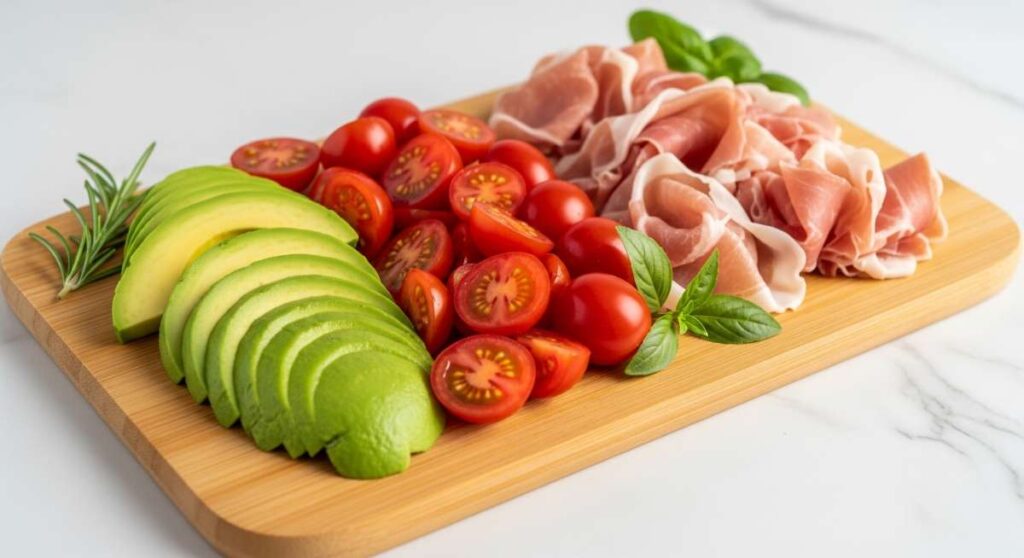
Why Everyone Is Obsessed With This 3-Ingredient Food Board
There is a specific kind of magic that happens when you stop trying to overcomplicate your life and start leaning into the beauty of simplicity. We’ve all been there—standing in a grocery aisle with a list of twenty ingredients, feeling the weight of a complex recipe pressing down on our afternoon. But lately, the internet has collectively exhaled, turning away from the chaos and toward the ‘3-Ingredient Board’ movement. It’s more than just a trend; it’s a lifestyle shift that celebrates the art of hosting without the headache.
The beauty of this viral food board isn’t just in the minimal effort; it’s in the sensory experience. It’s the sound of a crusty baguette snapping, the sight of vibrant seasonal colors, and the sheer joy of knowing you’ll be spending more time laughing with friends than scrubbing pots in the kitchen. Whether you are prepping for a sunny porch hang or a cozy indoor gathering, these elevated basics are the building blocks of a home that feels warm, intentional, and effortlessly chic.
How to design spring cakes

Why we love this
There is something inherently poetic about a spring cake that mirrors the awakening of a garden after a long winter. These cakes aren’t about heavy ganaches or stiff structures; they are about airy sponges, whisper-light whipped creams, and the delicate fragrance of elderflower or lemon zest. When you take a bite, you experience a soft, cloud-like texture that melts on the tongue, followed by the bright, floral notes of fresh berries or edible petals that make every mouthful feel like a celebration of new beginnings.
Ingredients
- Vanilla sponge cake layers
- Whipped mascarpone frosting
- Fresh edible pansies and chamomile flowers
- Zest of one organic lemon
How to make it
- Begin by leveling your chilled cake layers with a serrated knife to ensure a perfectly flat surface for stacking; this prevents the cake from leaning.
- Apply a thin ‘crumb coat’ of mascarpone frosting to the entire cake to lock in moisture and stray crumbs, then refrigerate for 20 minutes until firm.
- Spread a generous final layer of frosting using an offset spatula, creating intentional ‘swirls’ and textures for a rustic, organic look rather than a smooth finish.
- Carefully wash and dry your edible flowers, then press them gently into the frosting in a cascading ‘meadow’ pattern, focusing on the bottom-heavy arrangement.
- Finish with a light dusting of lemon zest over the top to release the citrus oils just before serving for an aromatic impact.
How to make spring soup

Why we love this
Spring soup is a liquid embrace, capturing the essence of the season in a bowl of vibrant, electric green. It focuses on the crisp sweetness of snap peas, the earthy depth of leeks, and the sharp clarity of mint. The texture should be silky and luxurious, coating the spoon with a lightness that leaves you feeling energized rather than weighed down. The aroma of simmering herbs fills the kitchen, signaling that the cold days are finally behind us and the bounty of the earth is back in bloom.
Ingredients
- Fresh shelled English peas
- Young leeks (white and light green parts)
- Vegetable stock
- Fresh mint leaves and crème fraîche
How to make it
- Sauté the sliced leeks in a heavy-bottomed pot over medium-low heat with a pinch of sea salt until they are translucent and buttery, about 8 to 10 minutes.
- Increase the heat to medium-high and pour in the vegetable stock, bringing it to a vigorous simmer before adding the fresh peas.
- Boil the peas for exactly 3 to 4 minutes; you want them tender but still bright green—overcooking will turn the soup a dull olive color.
- Immediately transfer the mixture to a high-speed blender, add a handful of fresh mint, and process on high until the soup is completely emulsified and frothy.
- Strain through a fine-mesh sieve for a professional, velvety texture, and serve with a dollop of crème fraîche and a sprig of mint.
How to cook dirty spaghetti

Why we love this
Dirty spaghetti is the ultimate ‘comfort food with an edge,’ offering a deep, savory umami profile that feels both sophisticated and rugged. The ‘dirty’ element comes from a rich, concentrated sauce of finely minced aromatics and proteins that cling to every strand of pasta like a salty, peppery second skin. It’s a dish that demands you eat it with gusto, filling the room with the scent of toasted garlic, browned meats, and a hint of spicy heat that lingers beautifully on the palate long after the last forkful is gone.
Ingredients
- Long spaghetti noodles
- Finely minced chicken livers or spicy sausage
- Aged parmesan cheese
- Black pepper and garlic cloves
How to make it
- Boil a large pot of water and salt it heavily until it tastes like the ocean; add the spaghetti and cook until it is two minutes shy of al dente.
- In a wide skillet, brown your minced meat in olive oil over medium-high heat until it is crispy and deeply caramelized—this ‘fond’ on the pan is where the flavor lives.
- Add a generous amount of minced garlic and cracked black pepper to the fat, stirring constantly for 60 seconds until the garlic is golden but not burnt.
- Use a slotted spoon to transfer the pasta directly from the water into the skillet, bringing some of that starchy pasta water with it to deglaze the pan.
- Toss vigorously with a handful of parmesan over low heat until the starchy water and cheese emulsify into a dark, glossy, ‘dirty’ sauce that coats the noodles perfectly.
How to toss summer salads

Why we love this
A true summer salad is a masterclass in contrasts: the crunch of cold cucumber, the yielding softness of ripe peaches, and the salty bite of feta or goat cheese. It is a dish that celebrates the sun, meant to be eaten outdoors while the breeze rustles the trees. Every forkful provides a refreshing burst of hydration and a complex balance of sweet, salty, and acidic notes. It’s the visual centerpiece of any table, glowing with the jewel tones of heirloom tomatoes and the deep emerald of fresh basil leaves.
Ingredients
- Heirloom tomatoes and stone fruit (peaches or plums)
- Fresh torn basil and mint
- High-quality balsamic glaze or vinaigrette
- Burrata or crumbled feta
How to make it
- Slice your tomatoes and fruit into various shapes—wedges, rounds, and halves—to create visual interest and different mouthfeel textures on the plate.
- Layer the heavier fruit and vegetables on the bottom of a wide, shallow bowl rather than a deep one to prevent the ingredients from getting crushed and soggy.
- Tear your fresh herbs by hand rather than chopping them with a knife; this prevents the edges from bruising and releases more essential oils into the salad.
- Wait to dress the salad until the very last second; drizzle the acid and oil around the perimeter of the bowl and toss gently using your clean hands to ensure even coating.
- Finish with a sprinkle of flaky sea salt and the cheese, placing it gently on top so it remains a distinct, creamy element in every bite.
How to make rotel dip

Why we love this
Rotel dip is the nostalgic heartbeat of every gathering, a creamy, spicy, and molten bowl of pure joy that brings everyone together. There is something incredibly satisfying about the way it stays warm and gooey, perfect for dipping salty corn chips or crunchy celery sticks. The aroma of melted cheese mixed with diced green chilies and savory spices is enough to make anyone’s mouth water. It’s the kind of dish that doesn’t take itself too seriously but always ends up being the first thing to disappear from the board.
Ingredients
- Process cheese loaf (like Velveeta)
- Canned diced tomatoes with green chilies
- Cooked ground chorizo or breakfast sausage
How to make it
- Cut the cheese loaf into small, uniform cubes—about one inch square—to ensure that the cheese melts evenly and doesn’t scorch in the center.
- In a slow cooker or a heavy saucepan over low heat, combine the cheese cubes with the undrained canned tomatoes and chilies.
- Stir the mixture frequently with a wooden spoon as the cheese begins to melt, keeping the temperature low to avoid breaking the emulsion and becoming oily.
- Fold in the pre-cooked, browned sausage once the cheese is completely smooth and liquid, ensuring the savory meat is evenly distributed.
- Keep the dip on a ‘warm’ setting for serving, and if it begins to thicken too much, stir in a tablespoon of milk to restore the creamy consistency.
How to bake spring cookies

Why we love this
Spring cookies are all about the delicate balance of citrus brightness and buttery richness. These aren’t the heavy, chocolate-laden cookies of winter, but rather light, crisp shortbreads or chewy lemon crinkles that sparkle with sanding sugar. They possess a fine crumb that snaps cleanly, releasing the scent of vanilla bean and lime zest. Eating one feels like a small, sweet pause in a busy day, perfect for pairing with a glass of iced tea or a light rosé on a sun-drenched patio.
Ingredients
- High-fat European butter
- Granulated sugar and powdered sugar
- Fresh citrus zest (lemon, lime, and orange)
- All-purpose flour and a pinch of salt
How to make it
- Cream the room-temperature butter and sugars together for at least 5 minutes using a stand mixer until the mixture is pale, fluffy, and doubles in volume.
- Rub your citrus zest into the sugar before mixing it with the butter; the friction releases the oils from the zest, intensifying the natural fruit flavor.
- Sift your dry ingredients twice to ensure there are no lumps, then fold them into the wet mixture by hand to avoid overworking the gluten, which keeps the cookies tender.
- Chill the dough for at least two hours—or ideally overnight—to allow the flour to fully hydrate and the fats to solidify, preventing excessive spreading in the oven.
- Bake at a slightly lower temperature (325°F) until the edges are just barely golden, then let them cool completely on the baking sheet to set the delicate structure.
How to grill summer meals

Why we love this
The smell of a grill heating up is the official scent of summer, promising charred edges, smoky depths, and juicy interiors. Grilling transforms simple ingredients like zucchini, corn, and marinated proteins into something elemental and complex. There is a tactile joy in the sizzle of the grate and the ritual of flipping food over an open flame. It’s a sensory experience that combines the heat of the season with the ancient, satisfying flavor of wood smoke and caramelized sugars.
Ingredients
- Marinated protein (chicken, steak, or tofu)
- Seasonal vegetables (asparagus, corn, or peppers)
- Neutral oil with a high smoke point (avocado or grapeseed)
- Coarse sea salt and cracked pepper
How to make it
- Preheat your grill for at least 15 minutes with the lid closed to ensure the grates reach a high enough temperature to sear the food instantly on contact.
- Clean the hot grates with a wire brush and lightly oil them using a folded paper towel dipped in oil to create a non-stick surface.
- Place your protein on the ‘hot zone’ (direct heat) and leave it undisturbed for 4-5 minutes to develop a proper crust before attempting to flip it.
- Move smaller or more delicate vegetables to the ‘cool zone’ (indirect heat) where they can roast through without burning on the outside.
- Always allow your grilled meats to rest on a warm plate for at least 10 minutes after cooking to allow the juices to redistribute back into the fibers.
How to use sourdough discard
Why we love this
Sourdough discard is the secret weapon of the sustainable kitchen, adding a complex, tangy depth to everything it touches. Instead of throwing away that precious fermented starter, you can transform it into thin, crispy crackers or pillowy flatbreads that are full of probiotic character. The texture is uniquely chewy yet light, with a fermented aroma that balances sweet and savory toppings perfectly. It feels incredibly rewarding to turn what would be waste into the star of your food board.
Ingredients
- Unfed sourdough discard
- Melted butter or olive oil
- Dried herbs (rosemary or thyme)
- Flaky sea salt
How to make it
- Preheat your oven to 325°F and line a large baking sheet with parchment paper or a silicone baking mat.
- Whisk the sourdough discard with the melted butter and herbs until the mixture is smooth and has the consistency of a thick pancake batter.
- Use an offset spatula to spread the mixture across the parchment paper as thinly and evenly as possible—aim for about 1/16th of an inch.
- Bake for 10 minutes, remove from the oven, and score the dough into squares or rectangles using a pizza cutter; this ensures clean breaks later.
- Return to the oven for another 20-30 minutes until the crackers are completely dry and golden brown, then let them cool in the turned-off oven for extra crispness.
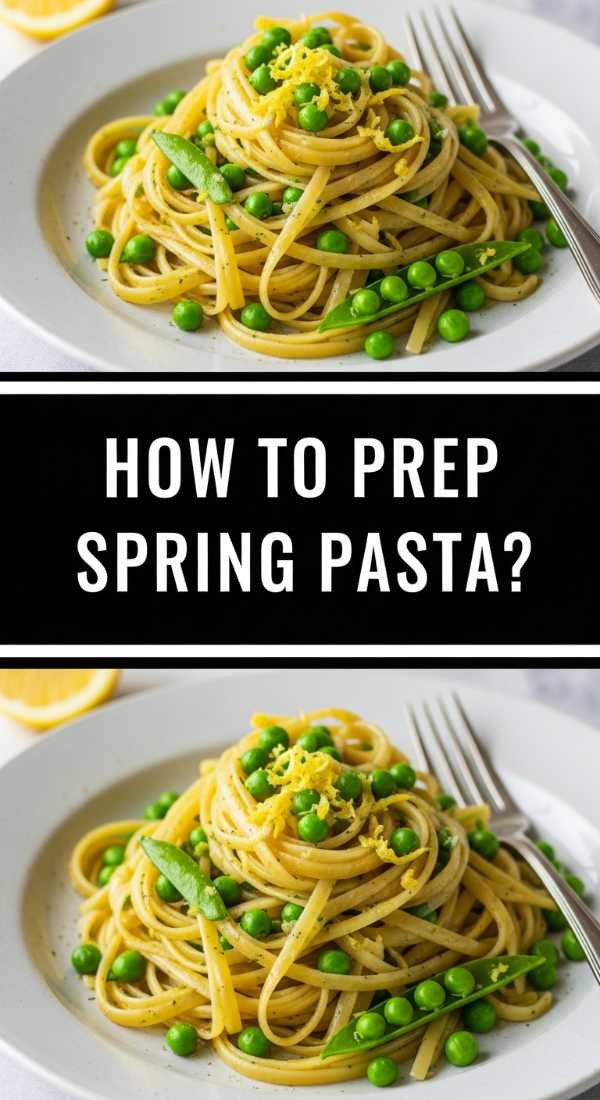
How to prep spring pasta

Why we love this
Spring pasta is like a garden in a bowl, featuring tender greens, bright acids, and a sauce that is barely there, yet perfectly coats every noodle. It’s about the snap of fresh asparagus and the earthy sweetness of sautéed ramps or scallions. The aroma is dominated by lemon peel and fresh parsley, creating a dish that feels incredibly light and healthful. It’s the perfect transition meal for those evenings when the air is still slightly cool but the days are growing longer and brighter.
Ingredients
- Short pasta shapes (fusilli or orecchiette)
- Fresh asparagus tips and frozen peas
- Lemon juice and high-quality olive oil
- Pecorino Romano cheese
How to make it
- Cook your pasta in salted water, but add the asparagus tips and peas to the same pot during the final 90 seconds of the pasta’s cooking time.
- Before draining, reserve at least one full cup of the cloudy pasta water; this liquid gold is essential for creating the sauce.
- In a separate large bowl, whisk together the olive oil, lemon juice, and a generous amount of finely grated Pecorino Romano until it forms a thick paste.
- Add the hot, drained pasta and vegetables to the bowl and splash in the reserved pasta water while tossing vigorously.
- The heat of the pasta will melt the cheese and oil into a creamy, translucent glaze that clings to the noodles without the need for heavy cream.
How to make summer desserts
[IMAGE_10]
Why we love this
Summer desserts should feel like a cool breeze on a humid night. We are moving away from the oven and toward the refrigerator, focusing on chilled custards, berry-laden trifles, and frozen treats that pop with natural fruit sugars. The texture is all about the contrast between silky creams and the juicy explosion of sun-ripened berries. The aroma is purely intoxicating—smelling of macerated strawberries, sweet cream, and perhaps a hint of basil or mint to keep things fresh and sophisticated.
Ingredients
- Fresh seasonal berries (strawberries, blueberries, raspberries)
- Heavy whipping cream and honey
- Shortcake biscuits or ladyfingers
- Fresh mint for garnish
How to make it
- Place your mixing bowl and whisk attachment in the freezer for 15 minutes before starting; cold tools result in a much more stable whipped cream.
- Macerate your berries by tossing them with a tablespoon of honey or sugar and letting them sit for 30 minutes until they release their bright red juices.
- Whip the cold cream on medium speed until soft peaks form, then add a touch of vanilla bean paste for those beautiful black specks and extra flavor.
- In glass jars or a large trifle dish, layer the fruit, then the crumbled biscuits, then a thick layer of the whipped cream.
- Repeat the layers until the container is full, then refrigerate for at least 4 hours to allow the biscuits to soak up the berry juices and soften into a cake-like texture.
The Art of the Simple Board
At the end of the day, the obsession with the 3-ingredient board and these seasonal additions isn’t just about the food. It’s about the permission to be present. When we simplify our menu, we amplify our connection to the people sitting across from us. So, take these tips, head to the market, and remember that the best meals are the ones that let you actually enjoy your own party.