
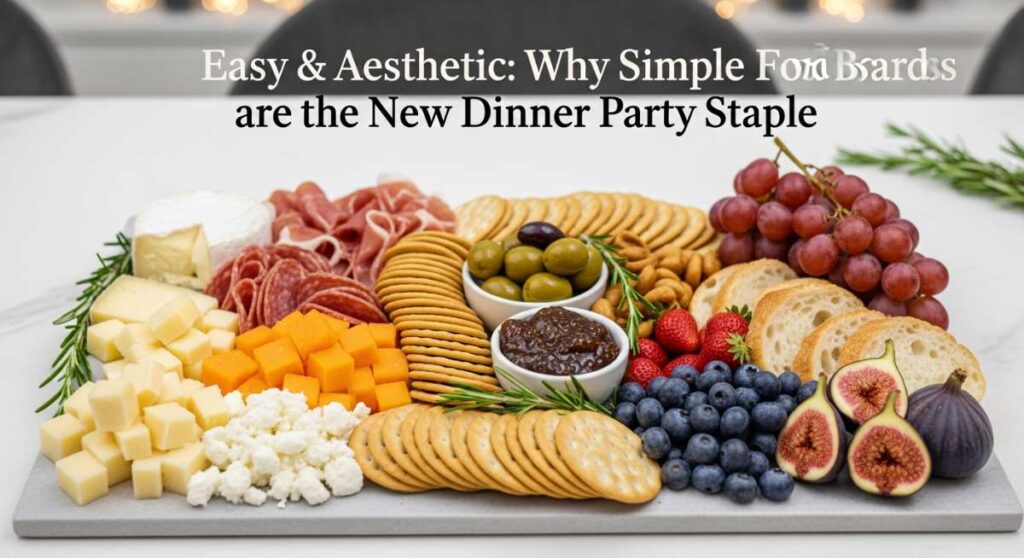
Easy & Aesthetic: Why Simple Food Boards are the New Dinner Party Staple
There’s something almost magical about the shift from a stiff, formal sit-down dinner to the relaxed, communal vibe of a food board. It’s about more than just the food; it’s about the laughter that flows easier when people are reaching across the table to grab a forkful of vibrant noodles or a crisp vegetable. I’ve found that the best nights are the ones where the host isn’t stuck in the kitchen, but is instead part of the conversation, sharing a beautifully curated platter that looks like a work of art but feels like home.
We are living in the era of ‘aesthetic hosting,’ where the visual appeal of a dish is just as important as its flavor profile. Food boards take the pressure off individual plating and instead invite your guests to explore a landscape of colors, textures, and aromas. Whether you’re hosting a book club or a Friday night get-together, a simple food board centered around a flavorful Thai pasta salad is the ultimate way to impress without the stress.
How to make the ultimate Thai pasta salad
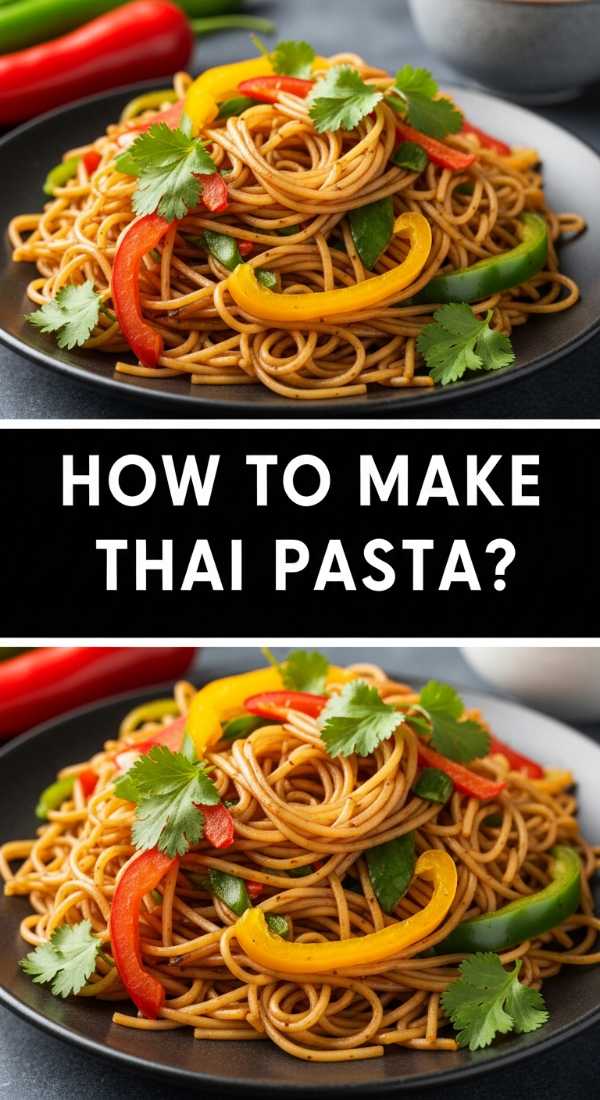
Why we love this
The texture of perfectly cooked pasta cradling a velvety, savory-sweet peanut sauce creates a symphony of sensations in every single bite. You get the refreshing crunch of sliced purple cabbage combined with the aromatic zing of fresh cilantro and the subtle, lingering warmth of ginger. It is a sensory journey that transforms humble pantry staples into an aesthetic centerpiece that smells like a tropical garden and tastes like a gourmet fusion masterpiece, making it impossible to stop at just one serving.
Ingredients
- 16 oz Fusilli or Rotini pasta
- 1 cup Creamy peanut butter
- 1/4 cup Soy sauce (low sodium)
- 2 tbsp Sriracha or chili garlic sauce
- 2 tbsp Honey or agave nectar
- 1 tbsp Freshly grated ginger
- 2 cloves Garlic, minced
- 1 cup Shredded red cabbage
- 1/2 cup Grated carrots
- 1/4 cup Chopped fresh cilantro
- 1/4 cup Crushed roasted peanuts
How to make it
- Fill a large stockpot with water and add a generous tablespoon of kosher salt; bring to a rolling boil over high heat. The water should taste like the sea to properly season the pasta from the inside out.
- Add the pasta and cook for approximately 8-10 minutes. Aim for ‘al dente’—firm to the bite—as the pasta will continue to absorb moisture from the dressing later. Test a piece 2 minutes before the package instructions suggest.
- While the pasta cooks, prepare the sauce base by whisking together the peanut butter, soy sauce, sriracha, honey, ginger, and garlic in a medium bowl. If the mixture is too thick, add 2-3 tablespoons of the hot pasta water to emulsify it into a glossy, pourable silk.
- Drain the pasta into a colander and immediately rinse with cold running water for 30 seconds. This stops the cooking process and removes excess starch, preventing the noodles from sticking together on your food board.
- In a large mixing bowl, toss the chilled pasta with the peanut dressing until every spiral is thoroughly coated. Fold in the shredded cabbage and carrots gently to maintain their structure.
- Transfer the mixture to your serving board, garnishing heavily with cilantro and crushed peanuts for that final gourmet touch of texture and color.
How to prepare a fresh pasta salad
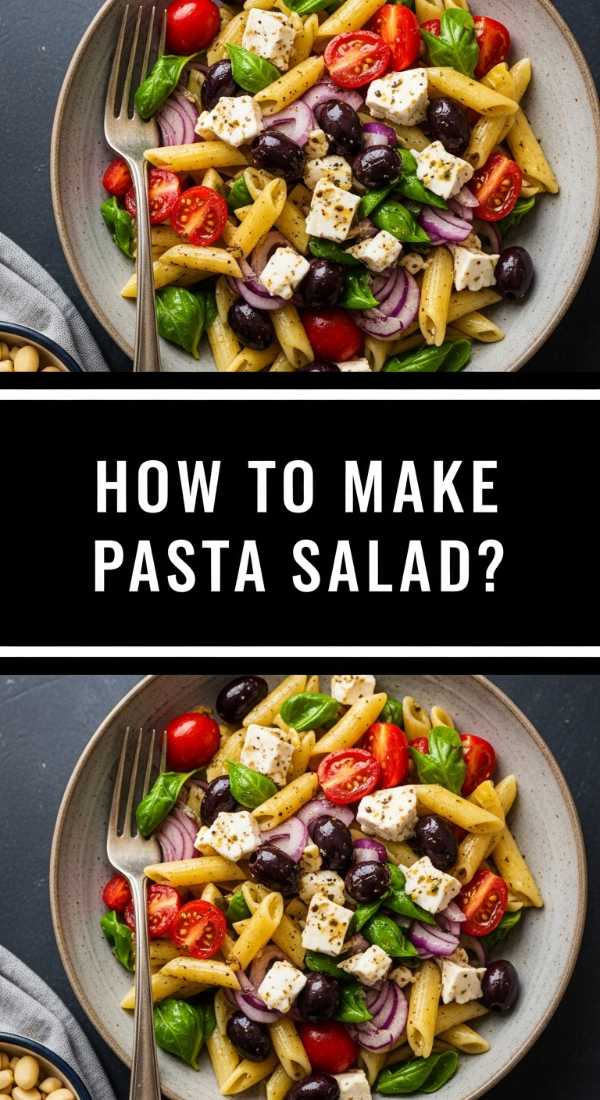
Why we love this
A fresh pasta salad is the ultimate palette cleanser, offering a bright and crisp profile that feels incredibly light even though it is satisfyingly filling. The aroma of freshly squeezed lime juice and torn mint leaves creates an uplifting atmosphere the moment the bowl hits the table. We love the way the translucent noodles look against the vibrant greens of the vegetables, offering a clean, modern aesthetic that feels both healthy and indulgent in its freshness.
Ingredients
- 1 lb Bowtie (Farfalle) pasta
- 1/2 cup Extra virgin olive oil
- 3 tbsp Fresh lime juice
- 1 tbsp Rice vinegar
- 1 cup Sliced cucumbers
- 1 cup Cherry tomatoes, halved
- 1/2 cup Feta cheese crumbles
- Fresh mint and basil leaves
How to make it
- Boil the pasta in salted water until tender but still holding its shape; overcooking bowtie pasta leads to the ‘wings’ falling off, so monitor closely.
- Drain the pasta and spread it out on a flat baking sheet for 5 minutes. This allows steam to escape, ensuring the pasta remains firm and doesn’t get mushy when the dressing is applied.
- In a small jar, combine the olive oil, lime juice, and rice vinegar. Shake vigorously for 30 seconds until the dressing is fully emulsified and looks slightly cloudy.
- Place the cooled pasta in a wooden serving bowl and pour the dressing over it. Use a silicone spatula to fold the dressing in, ensuring you don’t break the delicate pasta shapes.
- Add the cucumbers and tomatoes. The acidity in the dressing will lightly ‘pickle’ the vegetables over the next ten minutes, enhancing their natural sweetness.
- Just before serving on your board, sprinkle the feta cheese and hand-torn herbs on top. Avoid chopping the herbs with a knife to prevent bruising and preserve their bright green color.
How to cook a spicy Thai pasta
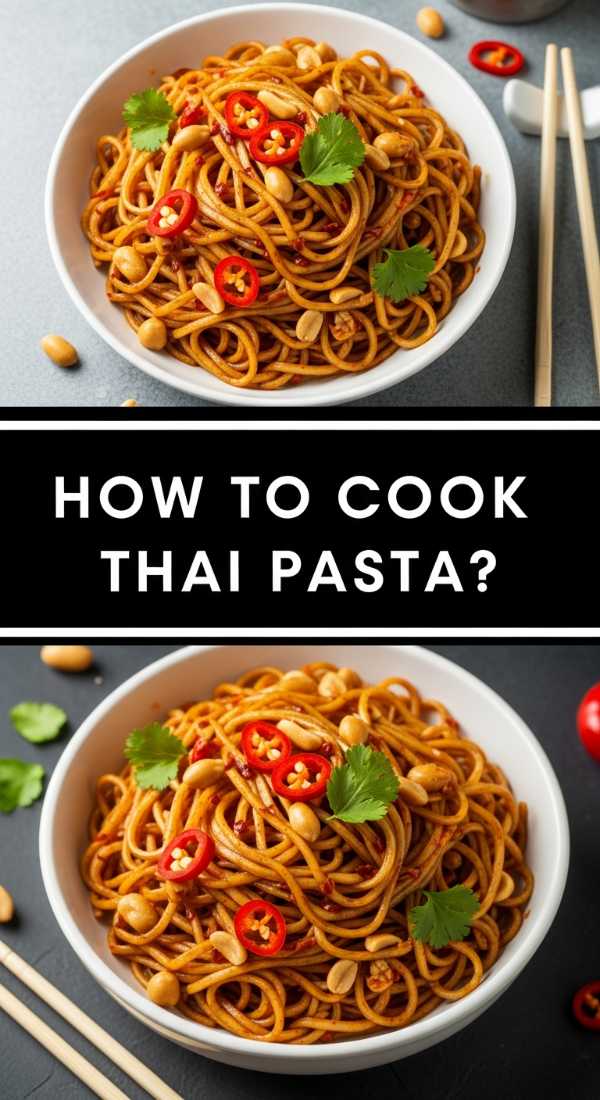
Why we love this
This dish is all about the ‘umami’ punch and the slow, building heat that dances on the tongue, balanced perfectly by the sweetness of palm sugar. The aroma is intoxicating—a mix of toasted sesame oil and spicy chili flakes that fills the kitchen and draws everyone toward the stove. It feels like a bold, fiery celebration of flavor, with a glossy finish on the noodles that reflects the light beautifully on a serving platter.
Ingredients
- 12 oz Linguine or Thin Spaghetti
- 3 tbsp Toasted sesame oil
- 2 tbsp Chili oil with flakes
- 1 tbsp Oyster sauce or hoisin
- 1 tbsp Brown sugar
- 1 tsp Red pepper flakes
- 3 Green onions, thinly sliced
- 1 tbsp Sesame seeds
How to make it
- Cook the linguine in boiling salted water for 1-2 minutes less than the package directions. It should be slightly undercooked as it will finish ‘frying’ in the sauce.
- Reserve 1/2 cup of the starchy pasta water before draining; this liquid gold is the secret to a professional-grade sauce consistency.
- In a large wok or heavy-bottomed skillet, heat the sesame oil and chili oil over medium-high heat until it begins to shimmer but not smoke.
- Add the red pepper flakes and white parts of the green onions to the hot oil, sautéing for 30 seconds until the oil turns a vibrant orange and smells fragrant.
- Lower the heat to medium and stir in the oyster sauce and brown sugar. Add the cooked pasta and the reserved pasta water.
- Toss the pasta constantly with tongs for 2 minutes. The water and oil will emulsify into a thick, spicy glaze that clings to every strand. Garnish with sesame seeds and the remaining green onion tops.
How to master simple pasta dishes
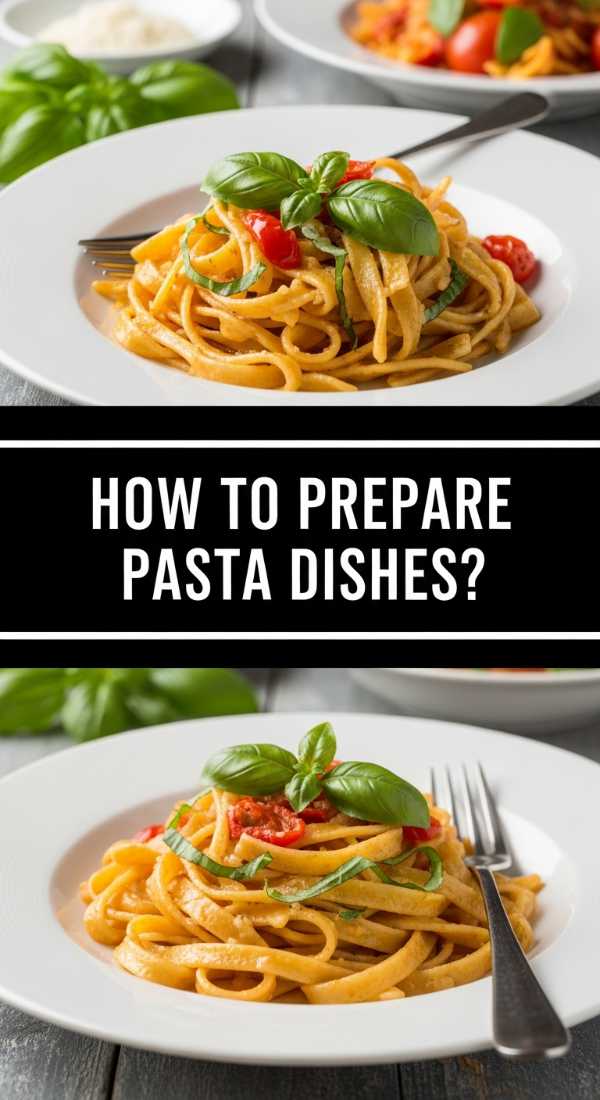
Why we love this
Mastery over simplicity is the mark of a true home chef, and there is a quiet elegance in a pasta dish that relies on just a few high-quality components. We love the minimalist aesthetic of golden noodles paired with cracked black pepper and a drizzle of premium oil. It feels sophisticated yet approachable, proving that you don’t need a pantry full of ingredients to create a dinner party staple that looks like it came from a high-end bistro.
Ingredients
- 1 lb High-quality Egg Pappardelle
- 4 tbsp Unsalted grass-fed butter
- 2 tbsp Coarsely cracked black pepper
- 1 cup Freshly grated Pecorino Romano
- Maldon sea salt flakes
How to make it
- Select a high-quality pasta, preferably one with a rough surface texture (bronze-cut), which helps the sauce adhere better than smooth, mass-produced varieties.
- Bring a large pot of water to a boil, using less water than usual. This creates a higher starch concentration in the water, which is essential for creating a creamy sauce without heavy cream.
- Melt the butter in a large skillet over medium-low heat. Add the cracked black pepper and let it ‘bloom’ in the fat for 2 minutes. This releases the essential oils and deepens the flavor.
- Add the cooked pasta directly from the water to the skillet using tongs. Do not rinse the pasta.
- Remove the skillet from the heat entirely. This is crucial: if the pan is too hot, the cheese will clump and become stringy rather than melting into a sauce.
- Slowly add the grated cheese while vigorously stirring and adding splashes of pasta water. The goal is a creamy, emulsified coating that looks like liquid velvet.
How to make spicy pasta salad
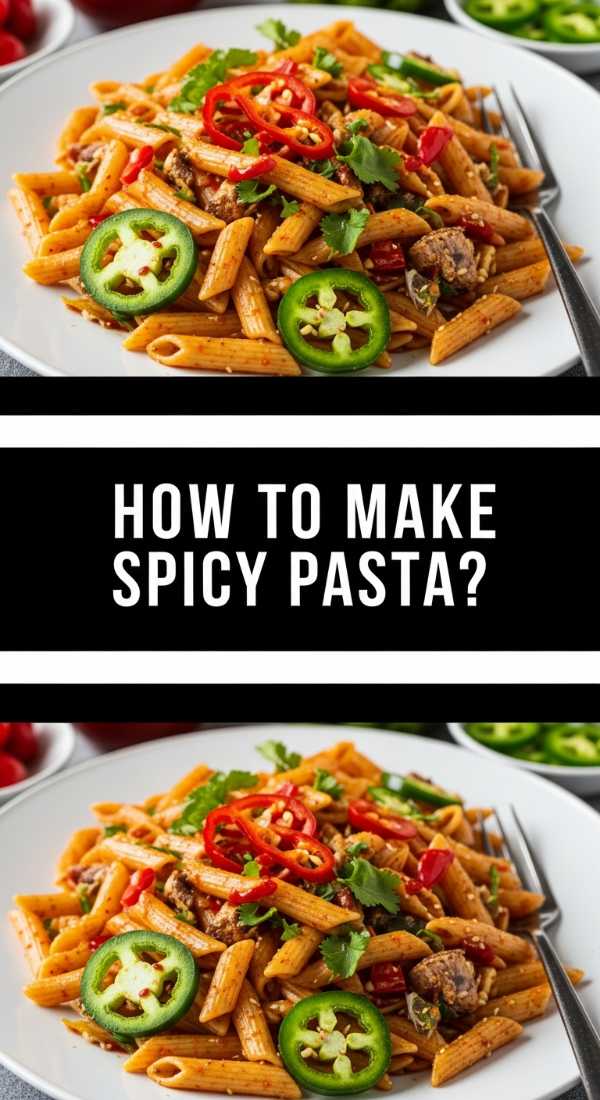
Why we love this
This is the rebel of the food board—a dish that brings a surprising kick to a traditionally cold and mild category. The contrast between the cold temperature of the pasta and the sharp heat of fresh jalapeños or sriracha creates a thrilling eating experience. It’s vibrant, edgy, and looks stunning when paired with cooling elements like avocado or lime wedges on a communal board, offering a visual and flavorful ‘pop’ that guests always gravitate toward.
Ingredients
- 1 lb Penne pasta
- 1/2 cup Mayo or Greek yogurt base
- 2 tbsp Sriracha sauce
- 1 tbsp Smoked paprika
- 1 fresh Jalapeño, finely diced (seeds removed)
- 1/2 cup Red onion, minced
- 1 tbsp Apple cider vinegar
How to make it
- Boil the penne until it is fully cooked but still ‘springy.’ Drain and rinse with cold water immediately to lock in that bounce.
- In a large bowl, whisk the mayo (or yogurt), sriracha, smoked paprika, and vinegar until the color is a uniform, sunset-orange hue.
- Add the finely diced jalapeño and red onion to the dressing. Let this sit for 5 minutes; the acid in the vinegar will mellow the bite of the raw onion.
- Combine the cooled pasta with the spicy dressing. Use a large spoon to ensure the sauce fills the hollow centers of the penne for maximum flavor delivery.
- Cover and refrigerate for at least 30 minutes. This ‘resting’ period allows the starch in the pasta to bond with the spices, intensifying the heat level.
- Before serving, give it a quick toss. If it looks dry, add a teaspoon of water or lime juice to refresh the glossy aesthetic before placing it on your board.
How to serve gourmet pasta dishes
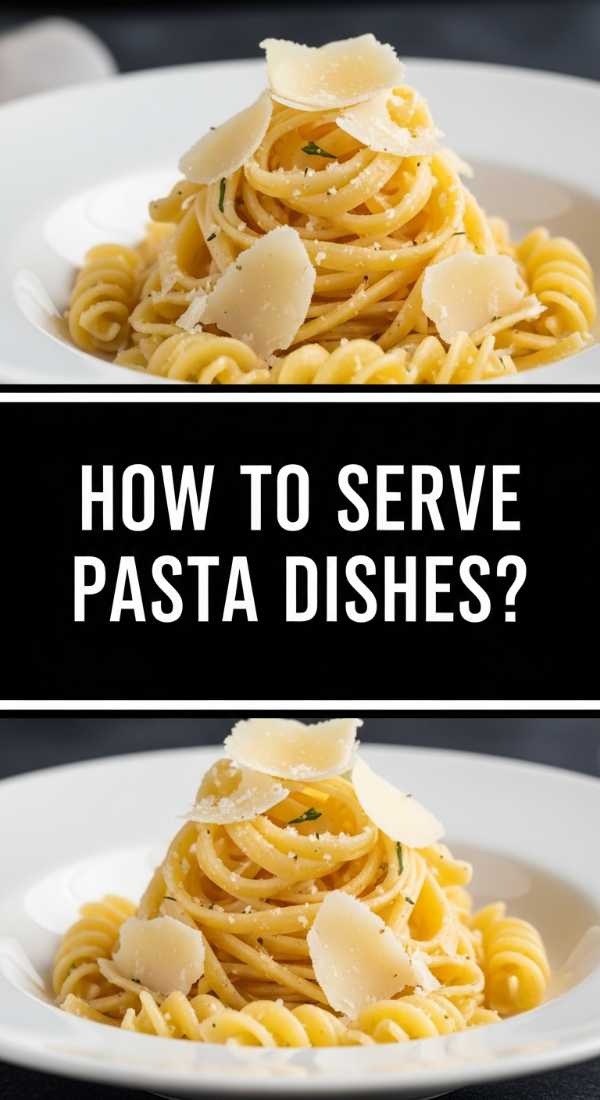
Why we love this
The art of the ‘serve’ is what turns a meal into a lifestyle moment. We love the gourmet approach because it treats the food board as a canvas, where pasta is nestled among clusters of grapes, blocks of aged cheese, and sprigs of rosemary. It transforms a simple dinner into a tactile, interactive experience that encourages guests to linger, graze, and appreciate the thoughtful placement of every garnish and color contrast.
Ingredients
- Prepared pasta of choice
- Fresh microgreens
- Edible flowers (optional)
- Parmesan reggiano block for shaving
- High-quality balsamic glaze
- Large wooden or marble board
How to make it
- Start by selecting a large, flat board. Place your main pasta dish in a shallow, wide-mouthed bowl in the center or slightly off-center to create an asymmetrical, modern look.
- Surround the bowl with ‘barrier’ foods that won’t roll away, such as clusters of nuts or thick slices of baguette, to create a structural foundation for the board.
- Use a vegetable peeler to create long, elegant ribbons of Parmesan cheese directly over the pasta. This looks far more ‘gourmet’ than pre-shredded cheese.
- Drizzle a balsamic glaze in a thin, controlled ‘zig-zag’ pattern across the board and the pasta to add visual depth and a touch of acidity.
- Tuck fresh microgreens and herbs into the empty spaces between the bowl and the other items. This ‘filler’ technique makes the board look lush and bountiful.
- Provide small bamboo tongs or vintage forks nearby to encourage guests to serve themselves, making the gourmet experience feel accessible and fun.
How to make a quick Thai salad
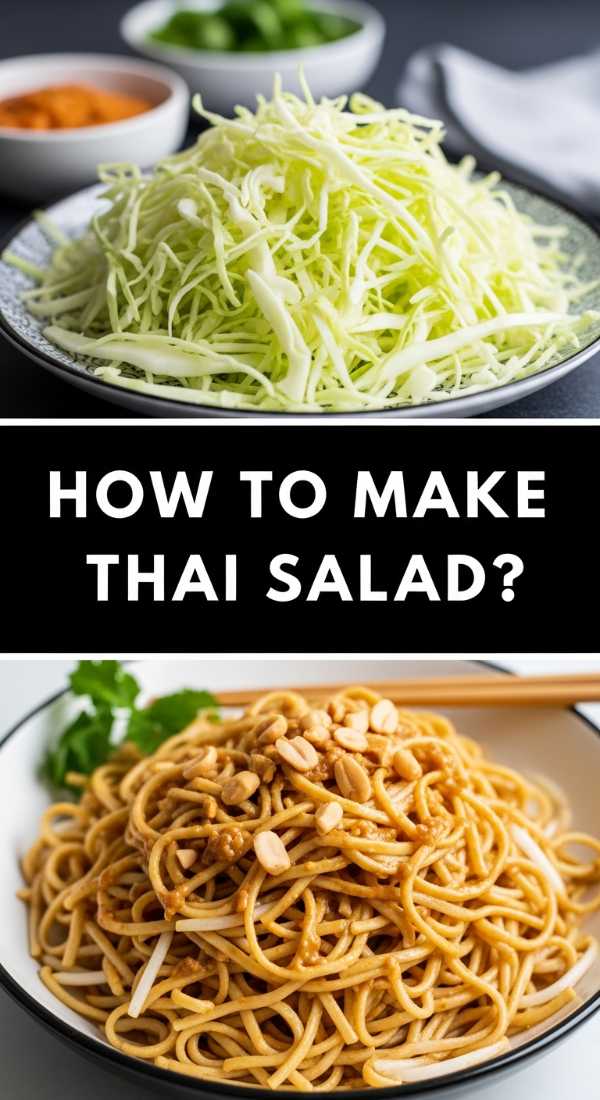
Why we love this
Speed doesn’t have to sacrifice style, and this quick Thai-inspired salad is proof. It’s a riot of colors—bright oranges, deep purples, and vivid greens—that makes any food board look instantly more professional. The crunch is incredibly satisfying, providing a textural counterpoint to softer pasta dishes, while the scent of lime and peanuts makes the whole spread feel fresh and energized.
Ingredients
- 1 bag Pre-shredded coleslaw mix (cabbage and carrots)
- 1/2 cup Edamame, shelled
- 1/4 cup Sliced almonds or peanuts
- 3 tbsp Rice vinegar
- 1 tbsp Honey
- 1 tsp Toasted sesame oil
How to make it
- Begin with a pre-shredded mix to save time, but ‘refresh’ it by soaking the shredded vegetables in ice-cold water for 5 minutes, then spinning them completely dry. This makes them extra crunchy.
- In a small bowl, whisk the rice vinegar, honey, and sesame oil. The honey acts as a natural emulsifier, binding the oil and vinegar into a smooth dressing.
- Place the dried cabbage mix in a large bowl and toss with the edamame. The green of the edamame provides a beautiful color contrast against the white and purple cabbage.
- Pour the dressing over the vegetables only 10 minutes before serving. If you dress it too early, the cabbage will lose its signature ‘snap.’
- Toss in the almonds or peanuts at the very last second. This ensures the nuts stay toasted and crisp rather than absorbing moisture from the dressing.
- Heap the salad directly onto the food board in a rustic pile, letting a few stray pieces fall naturally to enhance the ‘effortless’ aesthetic.
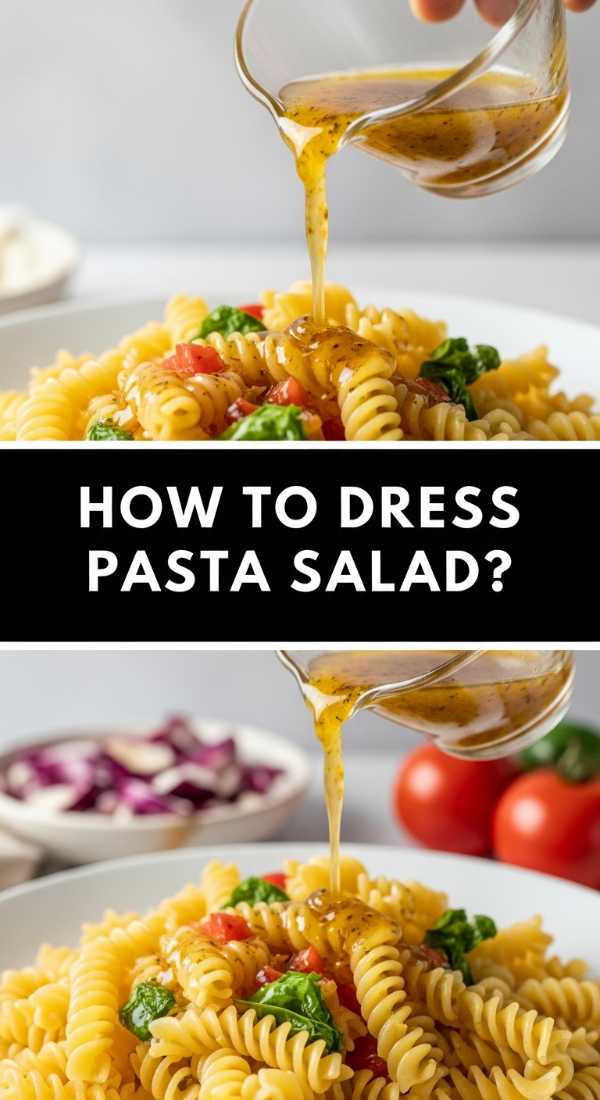
How to dress a pasta salad
Why we love this
The dressing is the ‘soul’ of the salad, and there is something deeply satisfying about watching a dull bowl of pasta transform into a glistening, flavorful masterpiece. A well-dressed salad has a subtle sheen that catches the light, making it look irresistible on camera and even better on the plate. We love the balance of acidity and fat that coats the tongue and heightens the natural flavors of the wheat and the vegetables.
Ingredients
- 1/2 cup Neutral oil (like avocado or grapeseed)
- 1/4 cup Acid (Lemon juice, lime juice, or white wine vinegar)
- 1 tsp Dijon mustard
- 1 tsp Honey
- Salt and cracked pepper to taste
How to make it
- Always follow the golden ratio for dressings: three parts oil to one part acid. This ensures the dressing is balanced and not overly sharp.
- Add the Dijon mustard to your acid base first. The mustard contains mucilage, which acts as a stabilizer to prevent the oil and vinegar from separating on your pasta.
- Slowly stream in the oil while whisking constantly. This creates a ‘permanent emulsion’—a thick, creamy texture that will cling to the pasta rather than pooling at the bottom of the bowl.
- Taste your dressing with a piece of the actual pasta you are using. Pasta is bland, so the dressing needs to be slightly ‘over-seasoned’ to compensate.
- Pour the dressing over the pasta while the noodles are still slightly warm. As the pasta cools, it contracts and ‘pulls’ the dressing into its pores for deeper flavor.
- Finish with a final sprinkle of coarse sea salt right before serving to provide tiny bursts of flavor and a beautiful crystalline look.
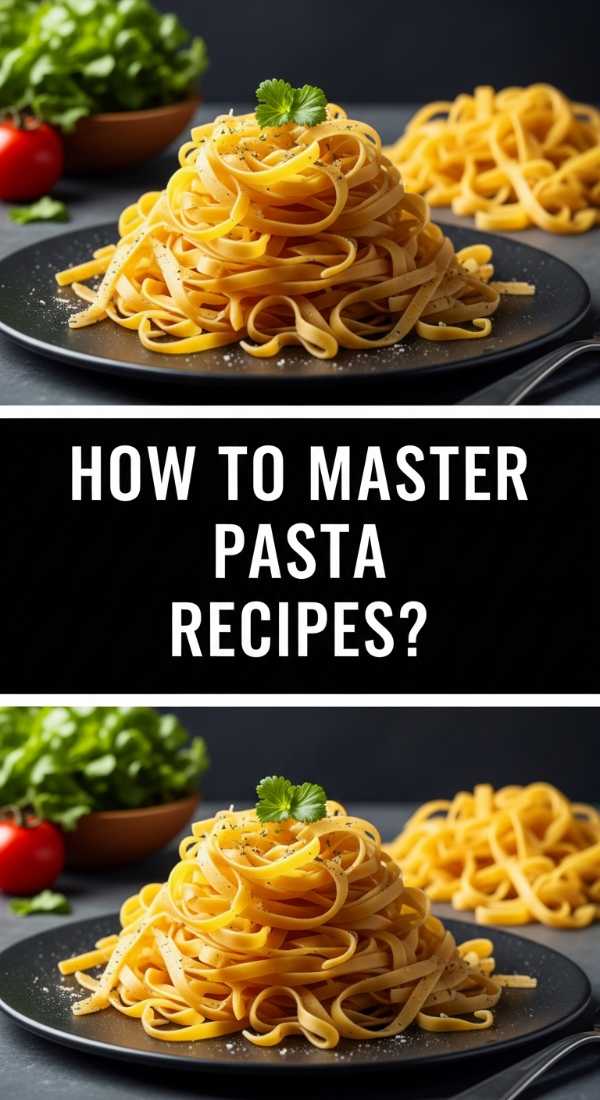
How to master pasta recipes
Why we love this
Mastering the fundamentals of pasta allows you to move away from recipes and start cooking by intuition. There is a primal joy in understanding the interaction between flour, water, heat, and salt. When you master these recipes, your food boards become an expression of your own culinary voice, filled with dishes that are perfectly seasoned, texturally sound, and visually harmonious. It’s the ultimate confidence booster for any home host.
Ingredients
- 1 lb Dried pasta (Semolina based)
- Kosher salt (plenty of it)
- Timer
- Large pot
- Tongs or a pasta fork
How to make it
- The first step to mastery is water management. Use at least 4 quarts of water per pound of pasta to ensure the noodles have room to move and don’t clump together.
- Salt the water until it is ‘aggressively’ seasoned. Most of this salt stays in the water, but the small amount that penetrates the pasta is what makes a ‘good’ dish ‘great.’
- Do not add oil to the pasta water. While it prevents sticking, it also creates a slick film on the pasta that prevents your beautiful sauces from sticking later.
- Stir the pasta immediately after adding it to the boiling water and every 2 minutes after. This is when the most starch is released and clumping is most likely.
- Always test for doneness by biting into a piece. The center should have a tiny ‘dot’ of white or a slight resistance—this is the ‘soul’ of the pasta.
- Drain but never rinse unless you are making a cold salad. For hot dishes, that surface starch is what creates the silkiness of your sauce.
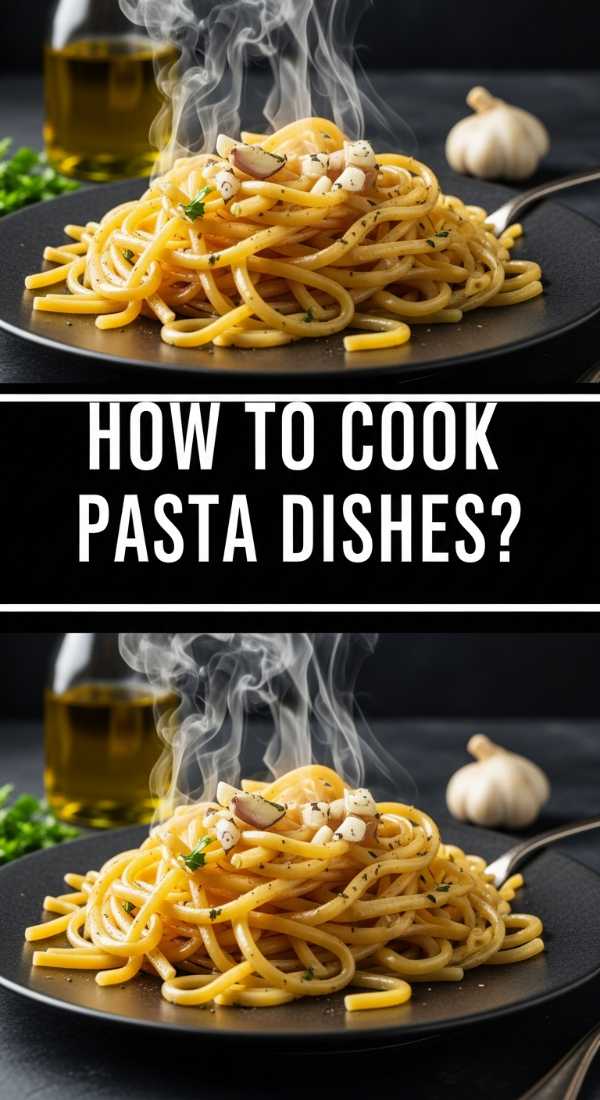
How to cook gourmet pasta dishes
Why we love this
Gourmet cooking is about the ‘extra mile’—the small details that elevate a meal into an event. We love the richness of toasted nuts, the brightness of micro-planed citrus zest, and the depth of flavor found in browned butter. These dishes look like high art on a food board, with layers of color and texture that signal to your guests that they are in for a truly special culinary experience. It’s about the passion you put into the prep reflecting in the final, beautiful presentation.
Ingredients
- 1 lb Artisan pasta (e.g., Campanelle or Casarecce)
- 1/2 cup Pine nuts or Walnuts
- Zest of 1 organic lemon
- 1/4 cup Fresh flat-leaf parsley
- 2 tbsp Capers, drained
- High-quality truffle oil (optional)
How to make it
- Start by toasting your nuts in a dry pan over medium heat for 3-5 minutes until golden and fragrant. This ‘wakes up’ the oils and provides a much deeper flavor than raw nuts.
- Cook your artisan pasta in salted water. Artisan pastas often have longer cook times and more starch, which makes for a superior sauce-binding experience.
- In a separate pan, heat olive oil and add the capers. Fry them for 2 minutes until they ‘bloom’ like little flowers and become crispy salty bites.
- Toss the pasta with the capers and oil, then add the fresh lemon zest. The heat from the pasta will release the citrus oils, creating an incredible aroma.
- Finely mince the parsley—almost into a dust—and fold it through. This provides a deep green color without large, chewy leaves.
- Plate the pasta on the board and finish with a single, controlled drizzle of truffle oil or the highest quality olive oil you own to provide a glossy, gourmet finish.
The Art of the Effortless Gathering
At the end of the day, the rise of the food board isn’t just a trend; it’s a return to a more communal way of eating. By focusing on simple, high-quality pasta dishes and presenting them with a little bit of flair, you create an environment where the food is the bridge to better connection. So, grab your largest wooden board, boil some water, and get ready to host the most aesthetic, stress-free dinner of the season.
Frequently Asked Questions
Can I make the Thai pasta salad in advance? Yes! In fact, it often tastes better the next day after the flavors have had time to meld. Just be sure to add the fresh herbs and nuts right before serving to keep them crisp.
What is the best way to keep the pasta from sticking on a board? Rinse your pasta under cold water immediately after cooking for cold salads. For warm dishes, toss them in a little bit of olive oil or their sauce before placing them on the board.
How do I choose the right board for my food display? Look for non-porous surfaces like treated wood or marble. Ensure the board is large enough to allow for ‘white space’ between items so it doesn’t look cluttered.