
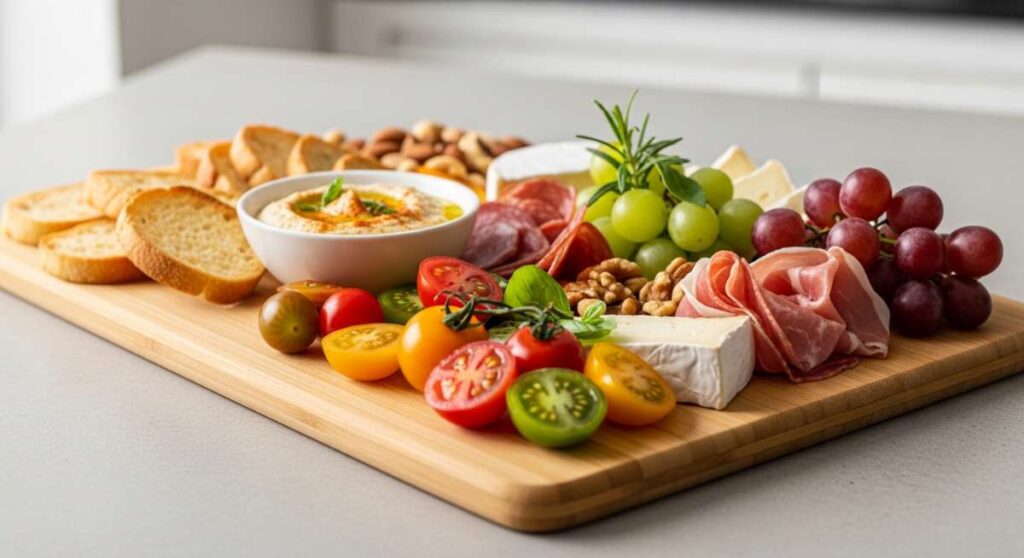
I remember the first time I hosted a dinner party where I actually got to sit down and enjoy the conversation instead of being hunched over a stove. It was the night I discovered the magic of the ‘Food Board’—not just crackers and cheese, but a full, vibrant meal spread across a wooden plank that looked like a work of art. There is something profoundly communal about sharing food this way; it strips away the formality of plated dinners and replaces it with laughter, reaching hands, and the joy of picking out your favorite bits.
This ‘Effless Food Board’ trend isn’t just about the aesthetics (though your Instagram feed will thank you); it’s about the feeling of abundance. By featuring salmon as the star, you’re offering something that feels incredibly luxurious but is surprisingly simple to execute. Today, I’m sharing the ultimate guide to mastering different salmon styles so you can build your own show-stopping board that will have your guests talking for months.
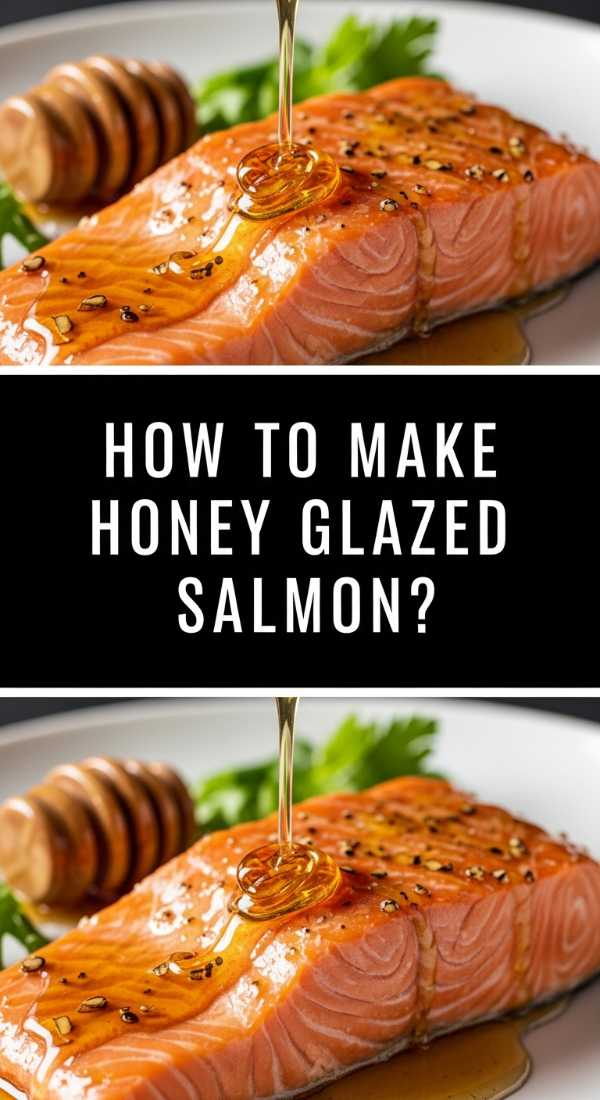
How to make honey glazed salmon?
Why we love this
There is a specific kind of magic that happens when the floral sweetness of honey meets the salty depth of soy sauce under a high flame. This honey glazed salmon features a sticky, lacquer-like coating that shimmers under the light, offering a satisfying resistance before giving way to the buttery, flakey interior. The aroma is intoxicating—a blend of caramelized sugars and toasted garlic that fills the kitchen and promises a perfect balance of savory and sweet. It’s the kind of dish that makes you close your eyes with every bite, savoring the way the glaze clings to the tender pink flakes.
Ingredients
- 2 large salmon fillets
- 1/4 cup raw honey
- 2 tablespoons soy sauce
- 1 tablespoon fresh lemon juice
- 2 cloves minced garlic
- 1/2 teaspoon cracked black pepper
- Fresh parsley for garnish
How to make it
- Begin by patting your salmon fillets completely dry with a paper towel; moisture is the enemy of a good glaze adhesion.
- In a small whisking bowl, combine the honey, soy sauce, lemon juice, and minced garlic, stirring vigorously until the honey is fully integrated into the liquid.
- Set a non-stick skillet over medium-high heat and add a teaspoon of neutral oil. Once the oil shimmers, place the salmon skin-side up to get a quick sear on the flesh for about 2 minutes.
- Flip the fillets carefully using a fish spatula. Immediately pour the honey mixture over the fish, allowing it to bubble and foam in the hot pan.
- Using a spoon, continuously baste the salmon with the thickening sauce for another 3-4 minutes. You are looking for the glaze to reduce into a thick syrup that coats the back of a spoon.
- Once the salmon reaches an internal temperature of 145°F and the glaze is dark and tacky, remove from heat and garnish with parsley.
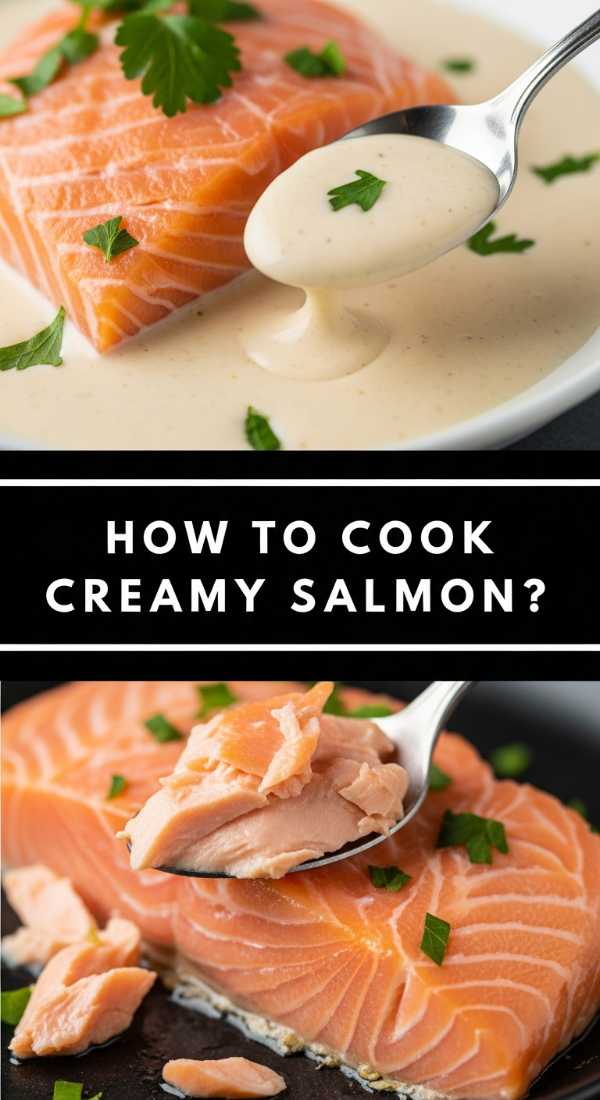
How to cook creamy salmon?
Why we love this
When you crave something that feels like a warm hug, creamy salmon is the answer. The texture here is all about velvet and silk, where a rich, parmesan-infused cream sauce bathes the fish, keeping it incredibly moist and tender. The scent of sautéed spinach and sun-dried tomatoes mingling with heavy cream creates an aroma that is reminiscent of a high-end Italian trattoria. It’s a decadent experience that turns a simple piece of protein into a luxurious masterpiece that melts on the tongue with every savory, herb-flecked mouthful.
Ingredients
- 1 lb salmon fillet, cut into portions
- 1 tablespoon olive oil
- 1 cup heavy cream
- 1/2 cup grated parmesan cheese
- 2 cups fresh baby spinach
- 1/4 cup chopped sun-dried tomatoes
- 1 teaspoon onion powder
How to make it
- Season your salmon portions generously with salt, pepper, and onion powder on all sides to build a base layer of flavor.
- Heat olive oil in a wide skillet over medium heat and sear the salmon for about 4 minutes per side until golden brown, then temporarily remove them to a side plate.
- In the same pan, lower the heat slightly and pour in the heavy cream, scraping up any browned bits (fond) from the bottom of the pan with a wooden spoon.
- Add the sun-dried tomatoes and baby spinach, stirring gently until the spinach begins to wilt and the cream starts to simmer.
- Stir in the parmesan cheese slowly, allowing it to melt into the cream until the sauce becomes thick and glossy.
- Place the salmon fillets back into the sauce, spooning the cream over them and simmering for another 2 minutes to ensure the fish is heated through and infused with the sauce.
How to make hot honey salmon?

Why we love this
Hot honey is the trend that refused to leave, and for good reason—it provides a sophisticated kick that awakens the palate. This version of salmon is vibrant and bold, offering a tingle of heat from red pepper flakes that is immediately cooled by the soothing sweetness of honey and a bright zing of lime. The texture is characterized by a slight char on the edges where the honey has caramelized, providing a smoky contrast to the succulent, spicy interior. It’s an exciting, modern dish that brings a fiery energy to your food board.
Ingredients
- 2 salmon fillets
- 3 tablespoons honey
- 1 teaspoon crushed red pepper flakes
- 1 tablespoon apple cider vinegar
- 1 lime, juiced
- 1/2 teaspoon smoked paprika
How to make it
- Preheat your oven to 400°F (200°C) and line a small baking sheet with parchment paper for easy cleanup.
- In a small microwave-safe bowl, combine honey and red pepper flakes, heating for 15 seconds to infuse the spice into the honey, then stir in the vinegar and lime juice.
- Rub the salmon fillets with smoked paprika and a pinch of salt to provide an earthy base for the spicy glaze.
- Brush half of the hot honey mixture onto the salmon, ensuring the tops and sides are well-covered.
- Bake in the center rack for 10-12 minutes. At the 8-minute mark, open the oven and brush the remaining honey mixture over the fish to create a thick, spicy crust.
- Switch the oven to broil for the final 60 seconds to blister the surface, watching closely to prevent burning.
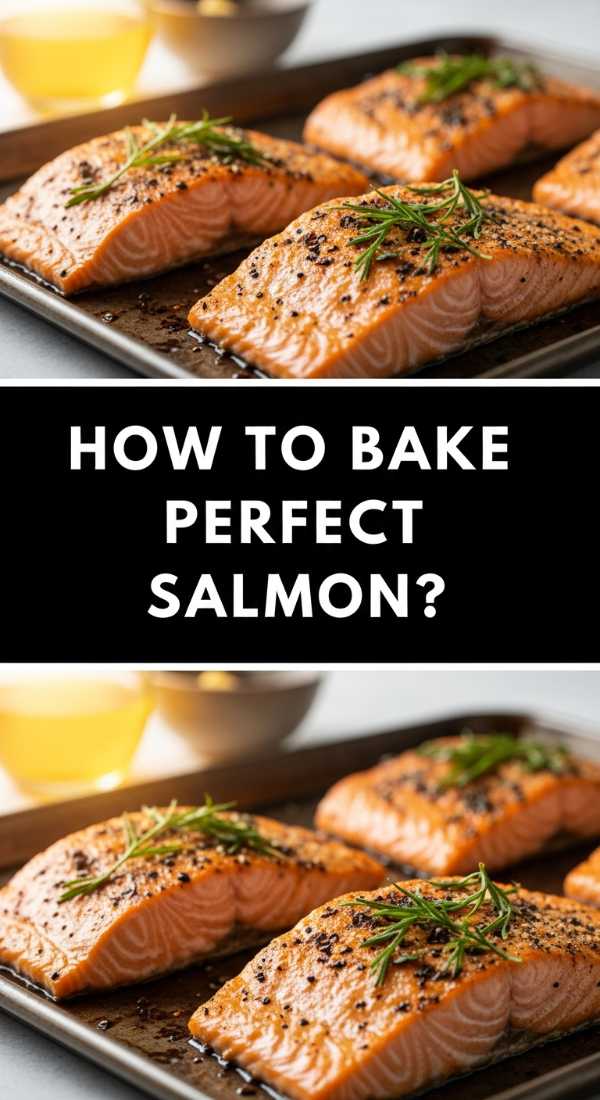
How to bake perfect salmon?
Why we love this
There is a quiet elegance in a perfectly baked piece of salmon; it is the foundation of all great seafood cooking. This method focuses on purity, highlighting the natural, clean flavors of the fish with just a hint of lemon and olive oil. The texture is exceptionally flaky and moist, lacking any of the toughness that comes from overcooking. When done right, the salmon should pull apart effortlessly with a fork, releasing a delicate, oceanic aroma that is fresh and inviting, making it the perfect versatile component for any board.
Ingredients
- 1 large side of salmon (2 lbs)
- 2 tablespoons extra virgin olive oil
- 1 lemon, thinly sliced
- 4 sprigs fresh thyme
- 1 teaspoon sea salt
How to make it
- Take the salmon out of the refrigerator 20 minutes before cooking to bring it to room temperature; this ensures even cooking throughout the thickest part of the fillet.
- Preheat your oven to 375°F (190°C) and place the salmon on a large piece of heavy-duty aluminum foil set on a baking tray.
- Drizzle the olive oil over the fish and massage it in, then season evenly with sea salt and cracked black pepper.
- Layer the lemon slices and thyme sprigs over the top of the salmon, then fold the edges of the foil up to create a loose ‘tent’ that traps steam.
- Bake for 15-18 minutes. The steam inside the foil keeps the fish incredibly succulent.
- Open the foil carefully to avoid the steam, and check the thickest part with a fork; it should be opaque and flake easily. If it’s still translucent in the center, give it another 2 minutes uncovered.
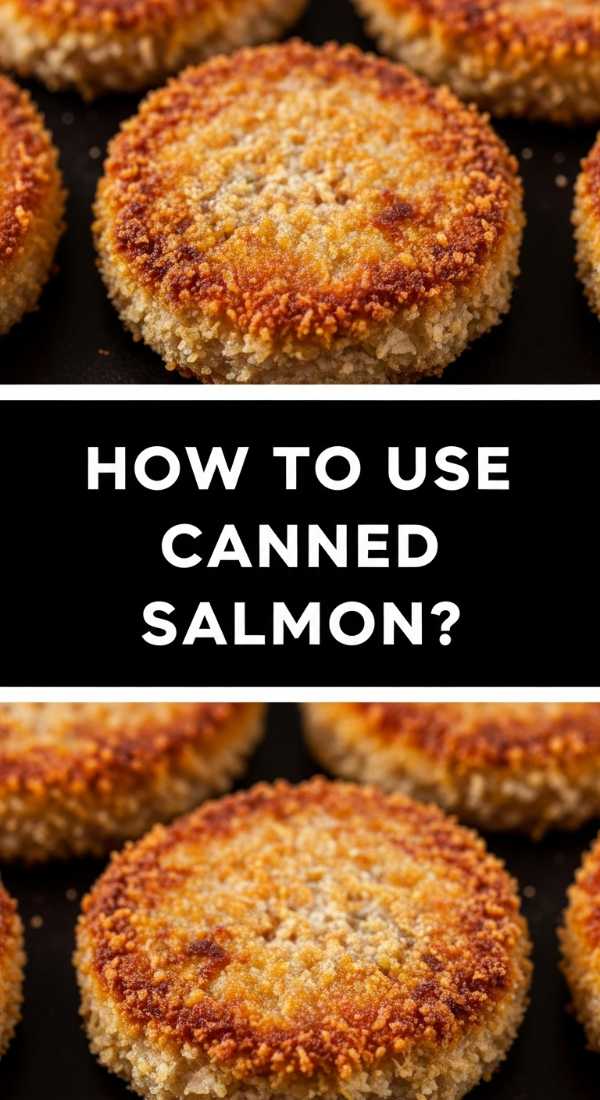
How to use canned salmon?
Why we love this
Canned salmon is the ultimate pantry hero, transformed here into golden, crispy croquettes that add a delightful crunch to your food board. These patties offer a nostalgic, comforting flavor profile, enriched with fresh dill and a hint of tangy mustard. The contrast between the crispy, panko-crusted exterior and the tender, savory center is addictive. They are easy to grab, making them a perfect finger food that proves gourmet results don’t always require fresh-off-the-boat ingredients—sometimes the best flavors are already in your cupboard.
Ingredients
- 1 can (14.75 oz) pink salmon, drained
- 1/2 cup panko breadcrumbs
- 1 large egg, beaten
- 2 tablespoons mayonnaise
- 1 tablespoon Dijon mustard
- 2 tablespoons fresh dill, chopped
How to make it
- Drain the canned salmon thoroughly and place it in a large mixing bowl. Use a fork to flake the meat, being careful to remove any large bones or skin if present.
- Add the panko, beaten egg, mayonnaise, mustard, and fresh dill to the bowl. Mix gently with a spatula—over-mixing will make the patties tough and dense.
- Shape the mixture into 6-8 small, even-sized patties, about 1 inch thick. Place them on a plate and refrigerate for 30 minutes; this step is crucial to help them hold their shape during frying.
- Heat a thin layer of oil in a skillet over medium heat. Once hot, add the patties in batches to avoid crowding the pan.
- Fry for 3-4 minutes per side. You are looking for a deep, golden-brown crust and an internal temperature that is piping hot.
- Drain the patties on a wire rack or paper towels to maintain their crispness before serving with a side of tartar sauce.
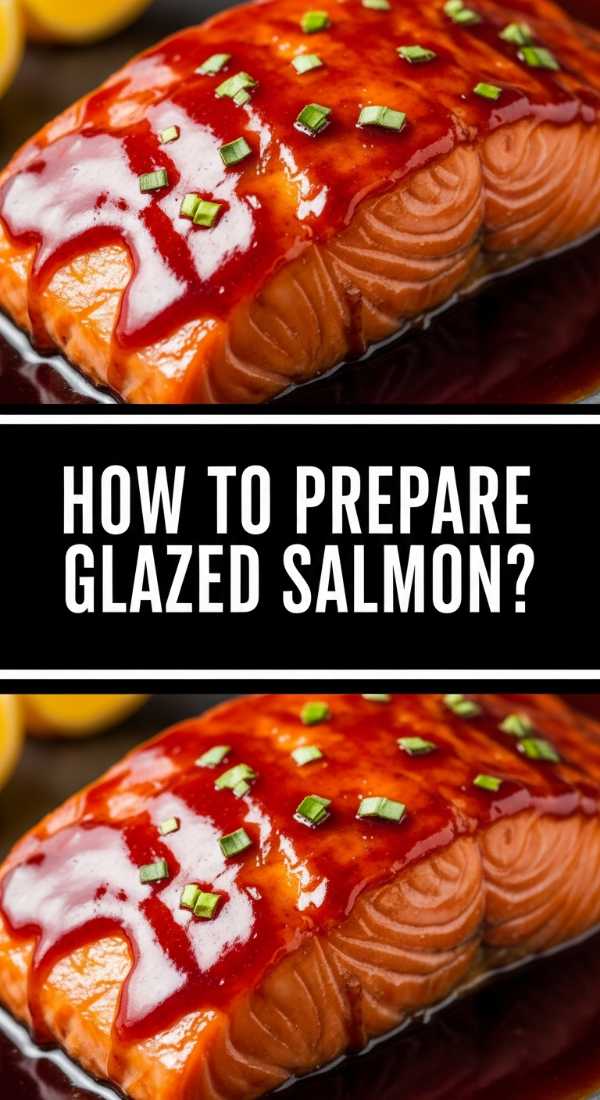
How to prep glazed salmon?
Why we love this
Preparation is the secret weapon of the stressed host, and pre-glazing your salmon allows the flavors to penetrate deep into the fibers of the fish. As the salmon marinates, the ginger and garlic infuse the meat, resulting in a profile that is far more complex than a last-minute seasoning. The texture becomes slightly firmer and more robust, holding up beautifully to high-heat cooking. It’s the smell of anticipation—that sharp, sweet, and zingy aroma that wafts from the fridge every time you open it, promising a dinner that is as effortless as it is delicious.
Ingredients
- 4 salmon portions
- 1/3 cup soy sauce
- 2 tablespoons honey
- 1 tablespoon grated fresh ginger
- 1 tablespoon toasted sesame oil
- 1 clove grated garlic
How to make it
- In a gallon-sized resealable bag or a shallow glass dish, whisk together the soy sauce, honey, ginger, sesame oil, and garlic until the honey is dissolved.
- Place the salmon portions into the marinade, ensuring every inch of the fish is submerged or coated.
- Seal the bag or cover the dish and refrigerate. For the best flavor, aim for at least 30 minutes, but no more than 2 hours, as the acidity in the marinade can begin to ‘cook’ the delicate fish.
- When ready to cook, remove the salmon from the marinade and let the excess liquid drip off; too much moisture will cause the fish to steam rather than sear.
- Heat a cast-iron skillet over medium heat with a splash of oil. Place the salmon in the pan and sear for 4 minutes.
- Flip and cook for another 3 minutes. The sugars in the marinade will caramelize quickly, so watch the heat to ensure it doesn’t turn from dark brown to burnt.
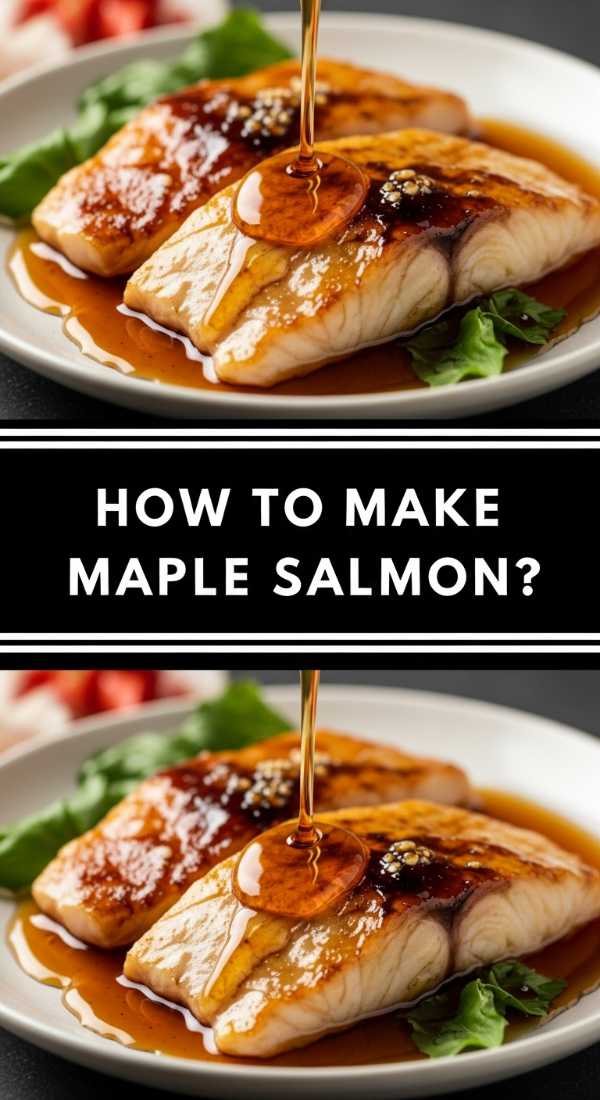
How to make maple salmon?
Why we love this
Maple salmon brings a rustic, autumnal charm to your table, featuring a woody sweetness that pairs perfectly with the fatty richness of the fish. The addition of Dijon mustard provides a sophisticated tang that cuts through the sugar, creating a balanced glaze that feels both cozy and refined. The aroma is like a crisp morning in Vermont—smoky, sweet, and earthy. It results in a gorgeous, glossy finish that looks stunning on a wooden board, especially when paired with roasted root vegetables or toasted nuts.
Ingredients
- 2 salmon fillets
- 3 tablespoons pure maple syrup
- 1 tablespoon Dijon mustard
- 1/2 teaspoon smoked paprika
- Salt and pepper to taste
How to make it
- Preheat your oven to 400°F (200°C). Pure maple syrup is essential here; imitation syrup will not caramelize the same way or provide the same depth of flavor.
- In a small bowl, whisk the maple syrup, Dijon mustard, and smoked paprika together until you have a smooth, orange-hued glaze.
- Season the salmon fillets with a light dusting of salt and pepper, then place them on a parchment-lined baking sheet.
- Liberaly brush the maple mixture over the top of the fillets, using about two-thirds of the sauce.
- Roast for 10-12 minutes. The mustard helps the maple syrup cling to the fish, forming a thick, bubbly coating.
- Remove from the oven and immediately brush with the remaining one-third of the glaze to give it a fresh, mirror-like shine before serving.
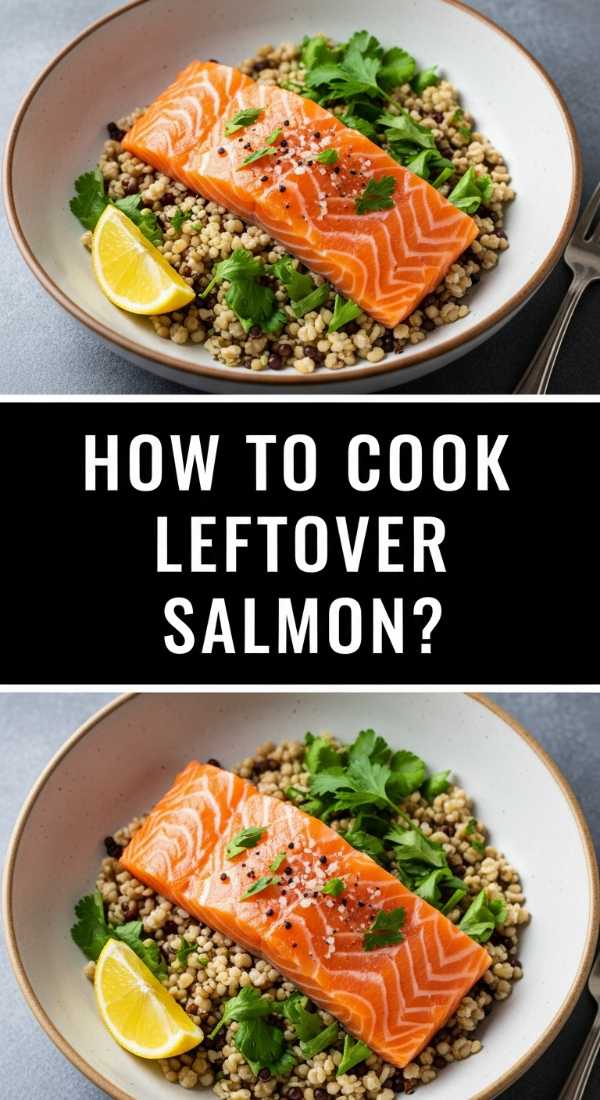
How to cook leftover salmon?
Why we love this
Leftover salmon shouldn’t be an afterthought; it’s an opportunity to create a decadent, creamy spread that is the highlight of any food board. By flaking the cold, cooked salmon and mixing it with bright herbs and citrus, you create a texture that is light, airy, and incredibly spreadable. The flavor is a concentrated burst of everything good about the original meal, but refreshed with the zing of lemon and the crunch of fresh chives. It’s a sustainable and delicious way to ensure nothing goes to waste while adding a different textural element to your spread.
Ingredients
- 1 cup flaked cooked salmon (cold)
- 4 oz softened cream cheese
- 1 tablespoon Greek yogurt or sour cream
- 1 tablespoon fresh chives, minced
- 1/2 lemon, juiced
- Zest of half a lemon
How to make it
- Ensure your leftover salmon is cold from the fridge, as this makes it easier to flake into clean, distinct pieces without it turning into a paste.
- In a medium mixing bowl, beat the softened cream cheese and Greek yogurt together until the mixture is smooth and lump-free.
- Gently fold in the cold salmon flakes, chives, lemon juice, and lemon zest using a rubber spatula. You want to keep some of those larger salmon chunks intact for texture.
- Taste the mixture and add a pinch of salt or a crack of black pepper if needed, depending on how seasoned the original salmon was.
- Transfer the spread to a small ramekin or decorative bowl.
- Chill in the refrigerator for at least 30 minutes to allow the flavors to meld and the spread to firm up slightly before placing it in the center of your food board.
How to sear brown sugar salmon?
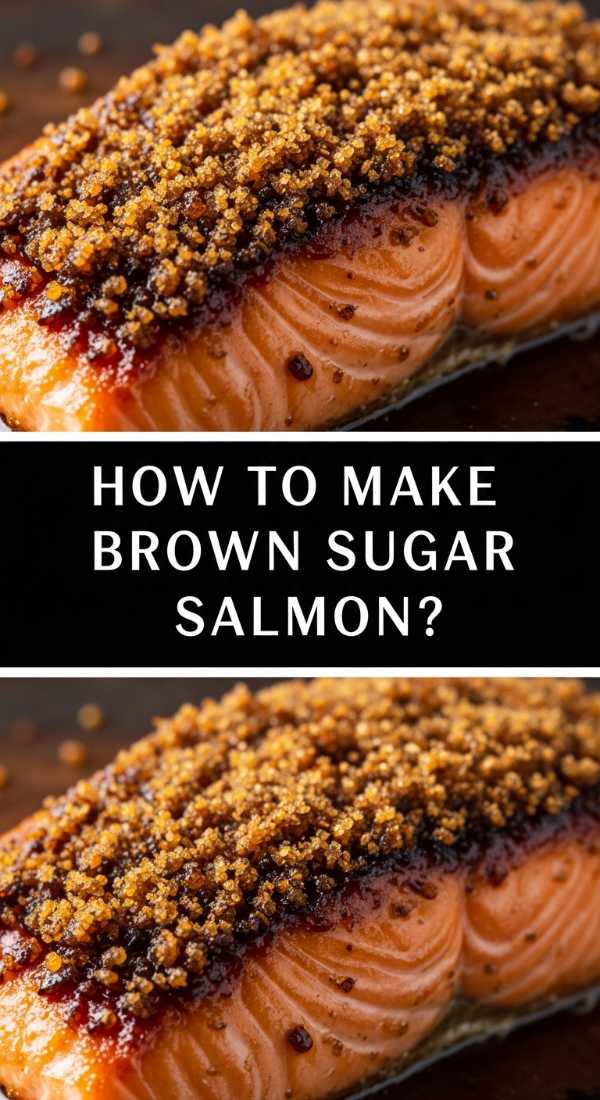
Why we love this
If you love a ‘crust’ on your fish, brown sugar searing is the ultimate technique. The brown sugar melts into the salmon’s natural oils, creating a dark, candy-like shell that shatters slightly when bitten into, followed by the tender, savory fish beneath. It’s a sensory delight of textures: the crunch of the caramelized sugar, the spice of chili powder, and the melt-in-your-mouth salmon. The smell is reminiscent of a backyard barbecue—smoky and sweet—making it a crowd favorite for those who love bold, charred flavors.
Ingredients
- 2 salmon fillets (skinless preferred for this method)
- 2 tablespoons dark brown sugar
- 1/2 teaspoon chili powder
- 1/2 teaspoon garlic powder
- 1/2 teaspoon salt
- 1 tablespoon butter
How to make it
- Mix the brown sugar, chili powder, garlic powder, and salt in a small dish, breaking up any large clumps of sugar with a fork.
- Press the flesh side of the salmon fillets firmly into the sugar mixture, ensuring a thick, even layer of the ‘rub’ adheres to the surface.
- Heat a heavy-bottomed skillet (cast iron is best for this) over medium heat and melt the butter until it starts to foam.
- Place the salmon sugar-side down into the hot butter. Do not move the fish for at least 3 minutes; you need this time for the sugar to caramelize and form a crust.
- Carefully peek under the edge; once the sugar is a deep mahogany brown, flip the fish over.
- Cook for another 2-3 minutes on the second side. Monitor the heat closely; if the sugar starts to smoke excessively, turn the heat down to low to finish cooking the interior without burning the crust.
How to finish honey salmon?
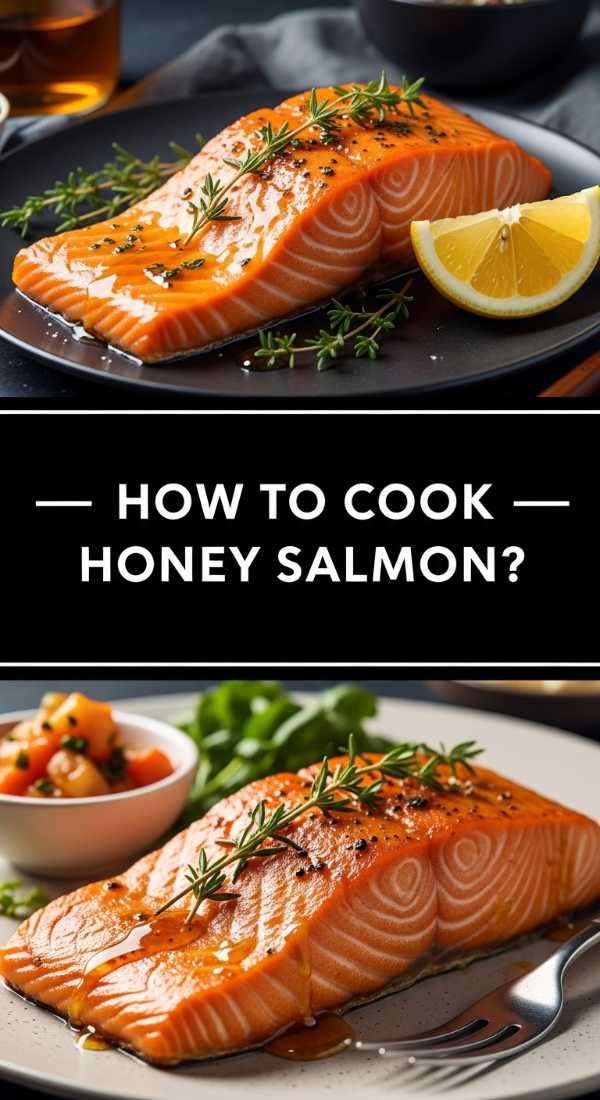
Why we love this
The ‘finish’ is what separates a good cook from a great one. Finishing honey salmon is all about that final, raw drizzle that provides a floral top note and a gloss that makes the dish look professional. The texture is enhanced by a final sprinkle of flaky sea salt and fresh zest, providing little ‘pops’ of flavor that contrast with the deep sweetness of the cooked glaze. It’s an aromatic finale—the scent of fresh lemon peel hitting the hot fish creates a bright, uplifting finish that cuts through the richness of the salmon perfectly.
Ingredients
- Cooked honey salmon fillets
- 1 tablespoon high-quality raw honey
- 1 teaspoon lemon zest
- 1/2 teaspoon flaky sea salt (like Maldon)
- Fresh sprigs of dill
How to make it
- Once your salmon is fully cooked and removed from the heat source, let it rest for exactly 2 minutes on the serving platter; this allows the juices to redistribute.
- Take your raw honey and, using a spoon, drizzle it in a thin, decorative zig-zag pattern over the warm fillets. The residual heat will soften the honey so it flows into every crevice.
- Immediately sprinkle the lemon zest over the honey; the stickiness will help the zest stay in place, and the heat will release the citrus oils.
- Add a generous pinch of flaky sea salt. These large crystals provide a crunch and a burst of salinity that balances the sugar.
- Garnish with small tufts of fresh dill to add a pop of green color and an herbal aroma.
- Serve immediately while the contrast between the hot fish and the cool, raw honey is at its peak.
The Art of the Salmon Board
Building a food board is about more than just the recipes; it’s about the arrangement. To make your board truly viral-worthy, start by placing your largest salmon pieces (like the baked side or the glazed fillets) in the center. Surround them with supporting players: small bowls of the salmon spread, wedges of charred lemon, stacks of crisp crackers, and perhaps some pickled red onions for acidity. The goal is to create a landscape of color and texture that invites people to dig in and discover their own favorite combinations. Remember, there are no rules—only delicious possibilities!
Frequently Asked Questions
- Can I use frozen salmon? Absolutely! Just ensure it is completely thawed in the refrigerator overnight and patted very dry before cooking to ensure the glazes stick.
- What temperature should salmon be cooked to? For the best texture, aim for 145°F (63°C). The fish should be opaque and flake easily with a fork.
- How long do leftovers last? Cooked salmon can be stored in an airtight container in the fridge for up to 3 days, making it perfect for the salmon spread recipe!