

Have you ever walked into a room and felt like you could finally, truly exhale? There’s a specific kind of magic that happens when we stop trying to fill every empty corner and instead start curating a space that actually holds space for us. We’ve all been through the phase of maximalist clutter, where every shelf was a battlefield of trinkets, but the world is shifting. We are craving something softer, quieter, and infinitely more intentional.
The ‘Cozy Minimalist’ movement isn’t about living in a cold, white box; it’s about finding that perfect, golden ratio between ‘breathable’ and ‘snug.’ It’s about the way the afternoon sun hits a linen pillow or the grounding scent of a single beeswax candle flickering on a bare oak table. It’s a love letter to our mental health and a sanctuary from the digital noise that follows us everywhere else.
How to Style a Small Living Room for a Cozy Aesthetic
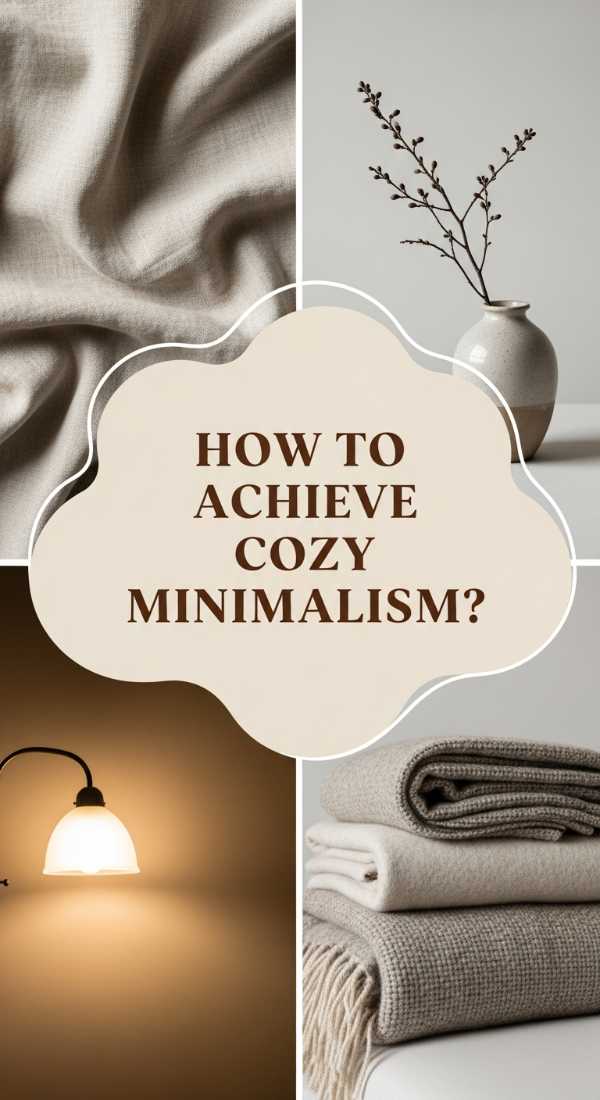
Why we love this
There is an incredible sense of intimacy that comes from a small living room when it is styled with intention. Instead of feeling cramped, it feels like a soft, velvet-lined jewelry box that protects you from the outside world. We love the way a smaller footprint encourages us to keep only the pieces that truly spark comfort, resulting in a room that smells faintly of cedarwood and feels like a warm embrace on a rainy Tuesday afternoon.
Essential Elements:
- Low-profile modular sofa
- Oversized chunky knit throw blanket
- Round wooden coffee table
- Sheer linen floor-to-ceiling curtains
- A plush, high-pile neutral rug
How to make it
- Start by establishing the ‘Anchor Point.’ Place your largest piece of furniture, usually the sofa, against the longest wall but pull it 2-3 inches away from the surface to create ‘breathing room’ and the illusion of depth.
- Layer your textiles using the 3-layer rule: base with a neutral rug, add mid-layer comfort with linen cushions, and finish with a high-texture throw. Visual cues for success include a mix of matte and fuzzy surfaces.
- Utilize vertical space to draw the eye upward. Hang your curtain rods 4-6 inches above the window frame to create height, ensuring the fabric ‘kisses’ the floor rather than pooling excessively.
- Incorporate ‘Negative Space’ strategically. Leave at least one corner or one wall surface completely bare; this allows the eye to rest and prevents the small room from feeling ‘busy’ or over-seasoned.
How to Master Cozy Minimalist Decor for a Peaceful Home

Why we love this
Mastering this balance is like finding the perfect temperature for your morning coffee—it’s just right. It removes the visual friction of excess objects, leaving behind a landscape of smooth surfaces and meaningful silhouettes. The result is a home that feels light and airy, yet grounded by the weight of high-quality materials like stone, wool, and wood, creating a sensory experience that calms the nervous system instantly.
Essential Elements:
- Ceramic vases with organic shapes
- A curated stack of linen-bound books
- Functional decor like a brass snuffer
- Woven seagrass baskets for storage
- A single, high-quality sculptural armchair
How to make it
- The ‘Edit Phase’: Remove everything from your surfaces. Wipe them clean with a soft microfiber cloth and lavender-infused water to reset the energy of the room.
- The ‘Hero Object’ Technique: Select one item that has sentimental value or a striking shape. Place it slightly off-center on your main surface (like a mantle or sideboard) to create a dynamic but restful focal point.
- Group in ‘Odd Numbers’: Arrange smaller items in clusters of three or five. Use varying heights—for example, a tall taper candle next to a medium-sized bowl and a low-lying book—to guide the eye in a gentle triangle.
- Check for ‘Visual Weight’: Step back to the doorway. If one side of the room feels ‘heavy’ due to too many dark colors or large items, balance it by adding a light-reflecting object like a small mirror or a piece of glass decor on the opposite side.
How to Design a Minimalist Room for Serene Mornings

Why we love this
Waking up in a minimalist room feels like waking up inside a soft, grey-blue cloud. There is no pile of laundry to guilt you, no cluttered nightstand to distract you; there is only the slow creep of dawn across clean lines and soft fabrics. It creates a vacuum of peace where you can actually hear your own thoughts before the day demands your attention, wrapped in the crisp scent of fresh cotton and the coolness of bare floors.
Essential Elements:
- Linen bedding in oatmeal or dove grey
- Floating bedside shelves
- Warm-toned reading lamp
- A single piece of abstract line art
- Blackout blinds behind sheer drapes
How to make it
- Clear the ‘Visual Path’ from your bed to the door. Ensure there are no obstacles on the floor, which allows for a seamless, mindful walk to start your day.
- Optimize your bedding layers. Use a high-thread-count cotton base sheet for breathability, topped with a linen duvet. Pro tip: Wash your linen with a splash of white vinegar to soften the fibers for that perfect ‘lived-in’ feel.
- Manage your ‘Nightstand Ecology.’ Keep only three items: a glass of water, a book, and a lamp. Tuck cords away using adhesive clips behind the furniture to eliminate ‘tech-clutter.’
- Install soft-glow bulbs (2700K) to mimic the natural progression of sunset and sunrise, ensuring your transition into the morning is gradual rather than jarring.
How to Organize a Minimalist Living Room for Clutterless Bliss
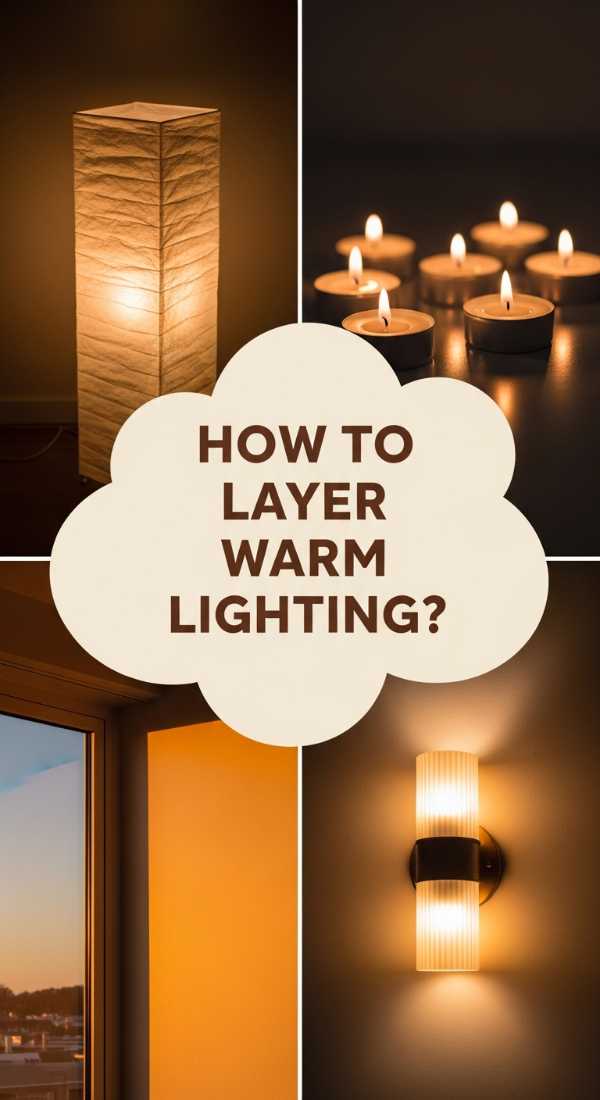
Why we love this
There is a hidden luxury in knowing exactly where everything is—and better yet, not having much to manage in the first place. A clutterless living room feels like a fresh start every single day. We love the tactile satisfaction of a clear coffee table and the way the room seems to expand when the surfaces are free to reflect light, creating an environment that feels both sophisticated and profoundly relaxing.
Essential Elements:
- Hidden storage ottomans
- Uniform storage boxes for media
- Tray for remote controls
- A ‘one-in, one-out’ rule for decor
- Minimalist shelving with ample ‘white space’
How to make it
- Conduct a ‘Surface Audit’: Clear every flat surface. Only return items that are either used daily or provide significant aesthetic value. Everything else should be stored in ‘closed’ storage.
- Implement the ‘Basket System.’ Use high-quality wicker or felt baskets inside cabinets to categorize smaller items like chargers or coasters. This prevents the ‘junk drawer’ effect.
- Style your shelves using the 50/50 rule: 50% of the shelf should be items, and 50% should be empty space. This ensures the shelving unit acts as a design feature rather than a storage locker.
- Maintain the ‘Daily Reset.’ Spend five minutes every evening returning items to their designated homes. Visual cues include pillows fluffed and tabletops cleared of any ‘daily debris.’
How to Use Lighting in a Small Living Room for Warmth
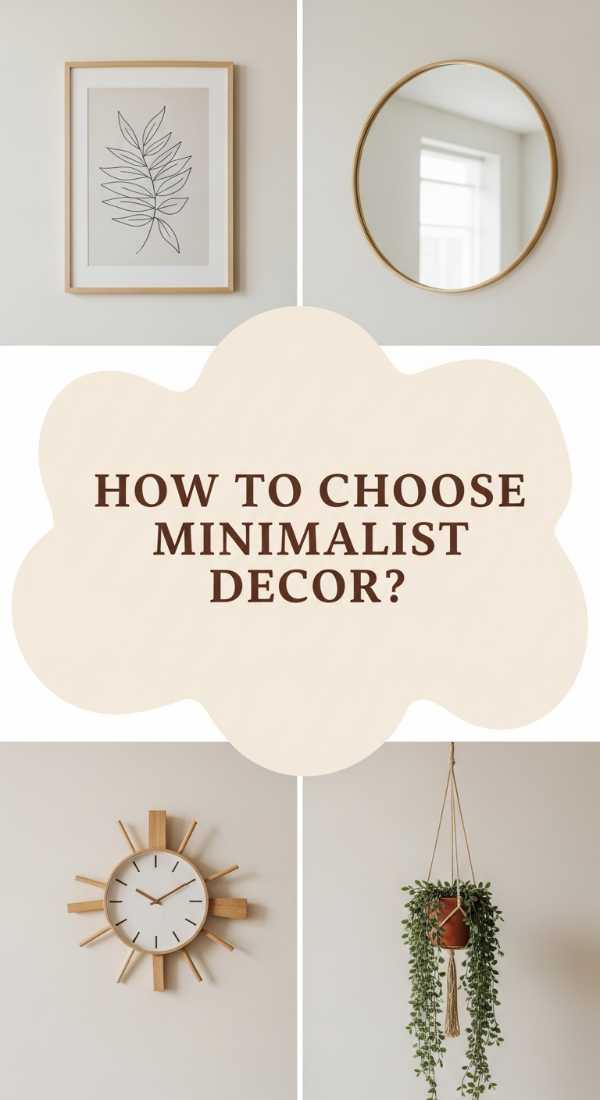
Why we love this
Lighting is the ‘secret sauce’ of the cozy minimalist lifestyle; it’s the difference between a cold gallery and a glowing hearth. When done right, lighting pools in corners and washes over textures, highlighting the grain of the wood and the weave of the fabric. It creates a ‘candlelight effect’ even with electricity, bathing the room in a honey-hued glow that makes everyone look better and feel instantly more at ease.
Essential Elements:
- Dimmable floor lamps
- Amber-tinted Edison bulbs
- Small table lamps with fabric shades
- Scented soy candles
- Wall-mounted picture lights
How to make it
- Eliminate the ‘Big Light.’ Avoid using the overhead ceiling fixture as your primary source. Instead, use ‘Layered Lighting’ by placing lamps at three different heights: floor level, table level, and eye level.
- Warm up the ‘Color Temperature.’ Ensure all bulbs are in the ‘Warm White’ range (2200K to 2700K). This creates a psychological sense of warmth and comfort, similar to a fireplace.
- Use ‘Bounce Lighting.’ Point floor lamps toward corners or walls rather than directly into the seating area. This softens the shadows and makes the room feel larger and more ethereal.
- Add ‘Living Light.’ Incorporate at least two candles of varying heights. The flicker of a real flame adds a primitive, soothing motion to the room that static lights cannot replicate.
How to Choose Minimalist Room Decor for Sophisticated Walls

Why we love this
Walls should whisper, not scream. We love sophisticated minimalist wall decor because it acts as a frame for the life happening within the room. Instead of a busy gallery wall that creates visual noise, a single, thoughtful piece of art or a beautifully crafted mirror provides a point of reflection and stillness. It’s about quality over quantity—choosing one piece that makes your heart skip a beat every time you pass it.
Essential Elements:
- Large-scale canvas with neutral textures
- Minimalist oak frames
- Oversized round mirror
- Tapestry in natural fibers
- Simple floating ledge for a single print
How to make it
- Determine the ‘Eye-Line Standard.’ Hang your primary piece of art so the center is exactly 57-60 inches from the floor. This is the professional gallery height that feels most natural to the human eye.
- Consider the ‘Frame-to-Art Ratio.’ For a truly minimalist look, use a thin, high-quality frame with a very wide mat board (3-5 inches). This focuses the attention on the art while creating a sense of ‘expensive’ airiness.
- Use a mirror as ‘Functional Art.’ Place a large mirror opposite a window to double the natural light and reflect the most beautiful view in the room. Ensure the frame matches your wood tones for a cohesive look.
- Avoid the ‘Clutter Trap.’ If you have a large wall, don’t feel the need to fill it edge-to-edge. A single medium-sized piece with plenty of ‘negative space’ around it looks far more intentional and sophisticated.
How to Mix Textures in a Cozy Minimalist Home for Comfort
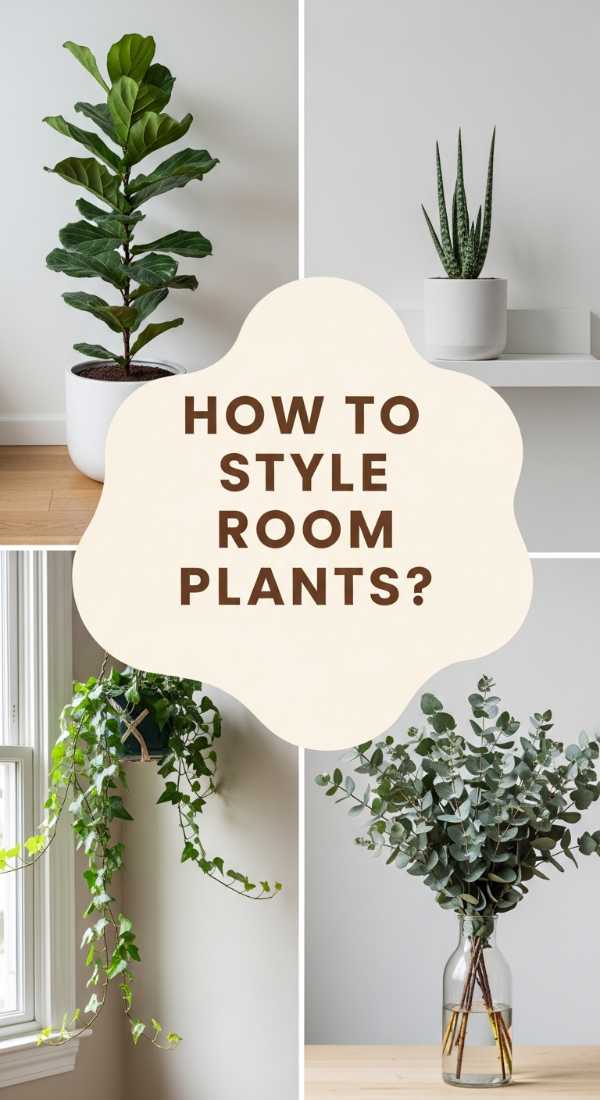
Why we love this
In a minimalist home, texture is the color. We love the way a nubby wool rug plays against a smooth marble table, or how a crisp linen sofa feels when paired with a velvet cushion. Mixing textures adds a ‘tactile soul’ to the room, preventing it from feeling flat or sterile. It’s a sensory feast that invites you to reach out and touch everything, making the space feel incredibly rich and layered without needing a single drop of bold paint.
Essential Elements:
- Raw silk pillow covers
- Jute or sisal area rugs
- Hand-thrown ceramic pottery
- Distressed wood accents
- Sheepskin (faux or real) throws
How to make it
- The ‘Rule of Opposites’: When choosing materials, always pair a ‘rough’ texture with a ‘smooth’ one. For example, if you have a sleek leather chair, drape it with a chunky, textured knit blanket.
- Layer your ‘Foundational Textures.’ Start with the largest surface area (the floor). Use a flat-weave jute rug as a base, then layer a smaller, softer wool rug on top at a slight angle for a ‘pro-stylist’ visual cue.
- Incorporate ‘Organic Imperfections.’ Choose decor that shows the hand of the maker—think ceramics with visible thumbprints or wood with a prominent grain. These ‘imperfections’ provide warmth and a sense of history.
- Test the ‘Hand-Feel.’ Before committing to a piece, ensure it feels good against the skin. A cozy minimalist home should be as comfortable to touch as it is beautiful to look at.
How to Add Plants to a Minimalist Living Room for Fresh Energy
Why we love this
Plants are the ‘living lungs’ of a minimalist home. They introduce a vibrant, natural green that softens the sharp edges of modern furniture and brings a sense of vitality into the space. We love the way a single, dramatic Olive tree or a cascading Pothos adds movement and organic shape, creating a connection to the outdoors that makes the interior feel fresh, oxygenated, and deeply peaceful.
Essential Elements:
- Fiddle leaf fig or Olive tree
- Terracotta or matte white pots
- Hanging macrame planters
- Snake plants for low light
- Small succulents for shelving
How to make it
- Select ‘Architectural Plants.’ Choose species with clean, distinct shapes like the Sansevieria (Snake Plant) or a Monstera. These act as sculptural elements rather than just ‘greenery.’
- The ‘Corner Life’ Technique: Place a large, floor-standing plant in a lonely corner to instantly ‘soften’ the 90-degree angle of the walls. Use a pot that is at least 2 inches wider than the nursery pot for proper drainage.
- Vary the ‘Elevation.’ Don’t place all your plants on the floor. Use plant stands, bookshelves, and hanging hooks to create a ‘canopy effect’ that draws the eye around the entire room.
- Care for the ‘Aesthetic Health.’ Keep leaves dust-free by wiping them with a damp cloth once a week. This ensures they stay vibrant green and can effectively photosynthesize, keeping the air in your minimalist sanctuary fresh.
How to Pick Colors for a Minimalist Home for Ultimate Calm
Why we love this
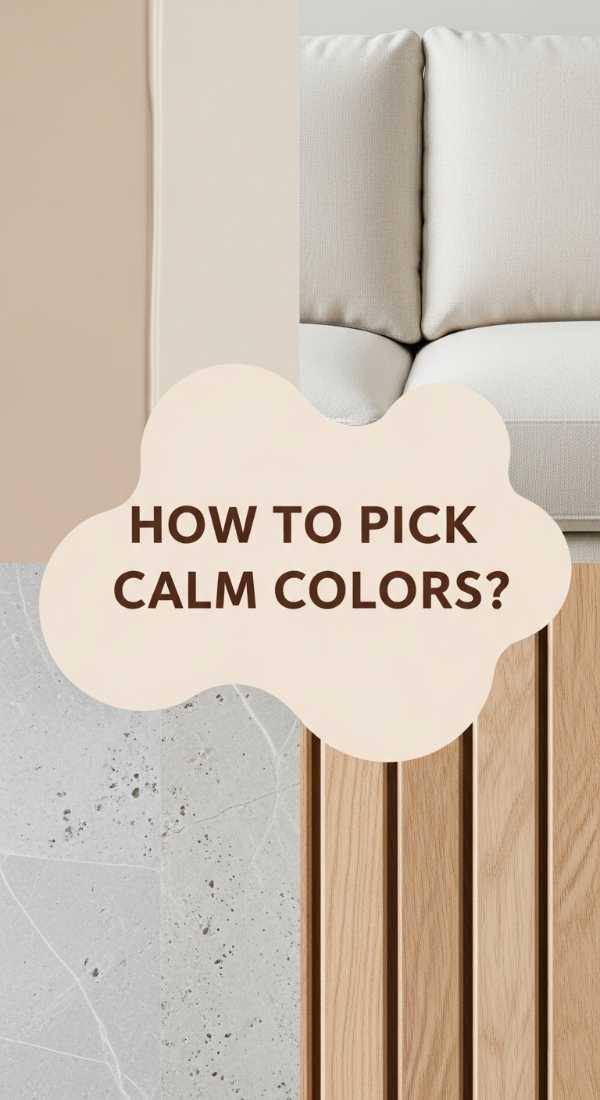
A perfectly chosen minimalist palette is like a visual deep breath. It moves away from the starkness of ‘hospital white’ and into the warm, comforting world of oatmeals, sands, and soft ‘greiges.’ These colors absorb the light beautifully, creating a seamless transition from one room to the next. We love the way a monochromatic palette eliminates ‘visual choice,’ allowing your brain to truly rest and focus on the people and moments within the home.
Essential Elements:
- Warm white paint (like ‘Swiss Coffee’)
- Sage green or dusty blue accents
- Natural wood tones (Oak, Birch)
- Charcoal or black for contrast
- Creamy textile bases
How to make it
- Identify your ‘Undertones.’ When picking a white paint, look at the base. Choose one with a ‘yellow’ or ‘pink’ undertone for warmth, and avoid anything with a ‘blue’ undertone which can feel clinical.
- Apply the 60-30-10 Rule: 60% of the room should be your primary neutral (walls/rugs), 30% a secondary tone (large furniture), and 10% an accent color (plants/pillows/art).
- Test in ‘Real Time.’ Paint large swatches on different walls and observe them at 8 AM, 12 PM, and 8 PM. The color will change drastically as the sun moves; ensure you love the ‘evening version’ as much as the ‘morning version.’
- Introduce ‘Depth through Contrast.’ Add a few small black or dark wood elements. This ‘anchors’ the lighter colors and prevents the room from looking ‘washed out’ or floating.
How to Arrange a Minimalist Entryway for a Welcoming Vibe
[IMAGE_10]
Why we love this
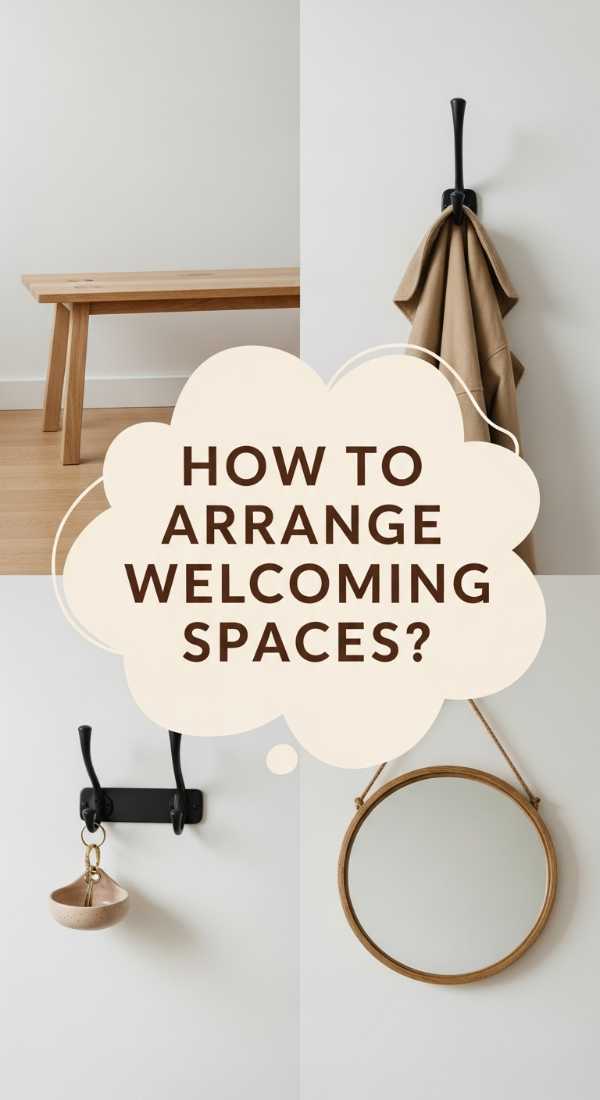
The entryway is the ‘handshake’ of your home. A minimalist entryway says, ‘You can leave the chaos of the world at the door.’ We love the clarity of a space that isn’t burdened by piles of shoes or mountains of mail. Instead, it offers a single wooden bench, a hook for your favorite coat, and perhaps a small bowl for your keys. It’s a transition zone that immediately lowers your heart rate and welcomes you back to your true self.
Essential Elements:
- Simple wooden bench
- Wall-mounted peg rail
- Large round mirror
- Small ceramic bowl for keys
- A single, high-quality floor runner
How to make it
- Define the ‘Landing Zone.’ Use a long, narrow runner rug to physically guide people into the home. Choose a durable material like wool or a synthetic blend that can handle high traffic.
- The ‘Clear Path’ Rule: Ensure the door can open fully without hitting any furniture. Keep the floor as clear as possible; if you must have shoes out, use a low-profile wooden rack that keeps them neatly aligned.
- Implement ‘Functional Beauty.’ Replace plastic hooks with high-quality brass or oak pegs. Hang only one or two ‘everyday’ items to maintain the minimalist aesthetic while still being practical.
- Add a ‘Scent Signature.’ Place a small reed diffuser with a ‘clean’ scent like linen or white tea on a wall-mounted shelf. The olfactory experience is the first thing guests notice—make it memorable and calming.
The Soul of the Cozy Minimalist Home
At the end of the day, cozy minimalism isn’t about the furniture—it’s about the feeling. It’s about creating a space that serves your soul, filters out the noise, and highlights the beauty in the everyday. By stripping away the excess, we make room for the things that truly matter: slow mornings, deep conversations, and the quiet joy of a home that feels like a sanctuary. Go ahead, start small, and watch how your life expands as your space simplifies.