
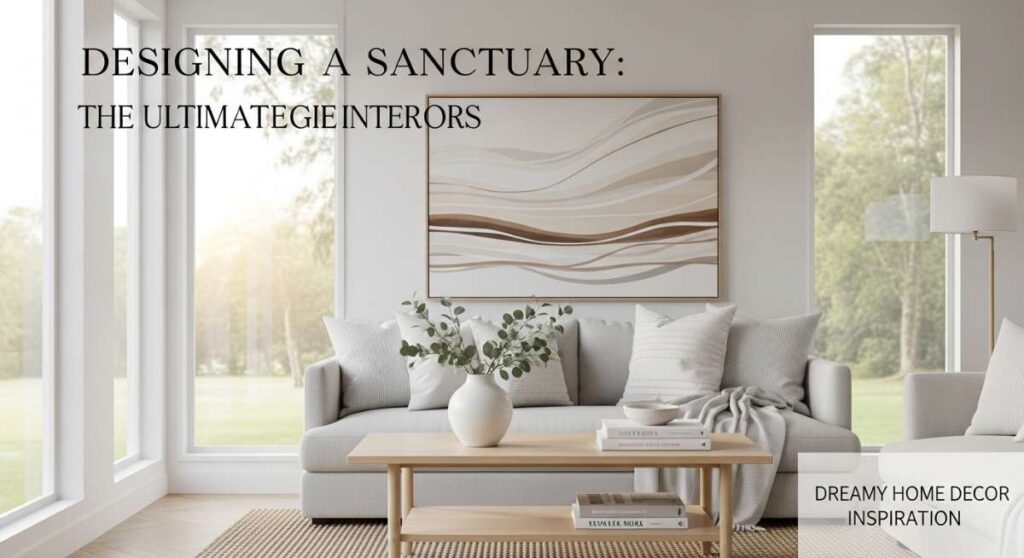
Have you ever walked into a room and felt an immediate sense of peace wash over you, as if the walls themselves were reaching out for a warm embrace? We often spend our lives rushing through the world, but our homes should be the one place where time slows down, where the air feels lighter, and every corner tells a story of who we are. Designing a sanctuary isn’t just about picking out the right furniture; it’s about curating an emotional landscape that nurtures your soul after a long day.
In this guide, I’m taking you on a journey through ten distinct styles that transform four walls into a dreamy haven. Whether you crave the salt-kissed air of a coastal retreat or the grounding weight of rustic history, there is a path here for you. We’ll explore how to layer textures, play with light like a master painter, and infuse your personality into every nook and cranny. Let’s stop settling for ‘functional’ and start dreaming of ‘magical.’
How to Blend Rustic Mexican Charm for a Warm Heartfelt Home
Why we love this
There is an undeniable soulfulness in rustic Mexican design that feels like a sun-drenched afternoon in a high-altitude courtyard. We love the way the earthy aroma of terracotta floor tiles mingles with the scent of dried chilies and citrus wood, creating a sensory experience that is grounded and deeply ancestral. The texture of hand-hewn wooden beams against rough-plastered walls offers a tactile richness that machine-made decor simply cannot replicate. It’s a style that celebrates imperfection—the chip in the glaze of a Talavera pitcher or the weathered patina of an old mesquite table—making the space feel lived-in, loved, and vibrantly alive.
Essential Elements:
- Terracotta Saltillo floor tiles
- Hand-painted Talavera ceramic accents
- Wrought iron light fixtures and hardware
- Heavy, dark-toned wood furniture (Mesquite or Pine)
- Vibrant textiles like Otomi embroidery or woven Serapes
- Exposed ceiling beams and arched doorways
How to make it
- Prepare the Canvas: Begin by prepping your walls with a warm, off-white or light sand plaster finish. The technique here is to avoid perfection; use a trowel to create subtle depth and movement in the surface, mimicking the traditional adobe homes of the Southwest.
- Ignite the Color Palette: Set your ‘heat levels’ by introducing a base of deep ochre and burnt sienna. Slowly fold in the ‘spices’—vibrant pops of cobalt blue, emerald green, and fuchsia through your ceramic tiles or textiles. The visual cue for doneness is when the room feels balanced between heavy earth tones and bright, energetic pigments.
- Layer the Textures: Introduce hand-carved furniture. Position these pieces as anchors in the room, ensuring the wood grain is visible and tactile. Soften the ‘bite’ of the hard wood with woven wool rugs that provide a cushion for the feet and a feast for the eyes.
- Final Garnish: Add wrought iron accents. The dark metal acts as a visual outline, defining the space and adding a historic weight that grounds the airiness of the plaster walls.
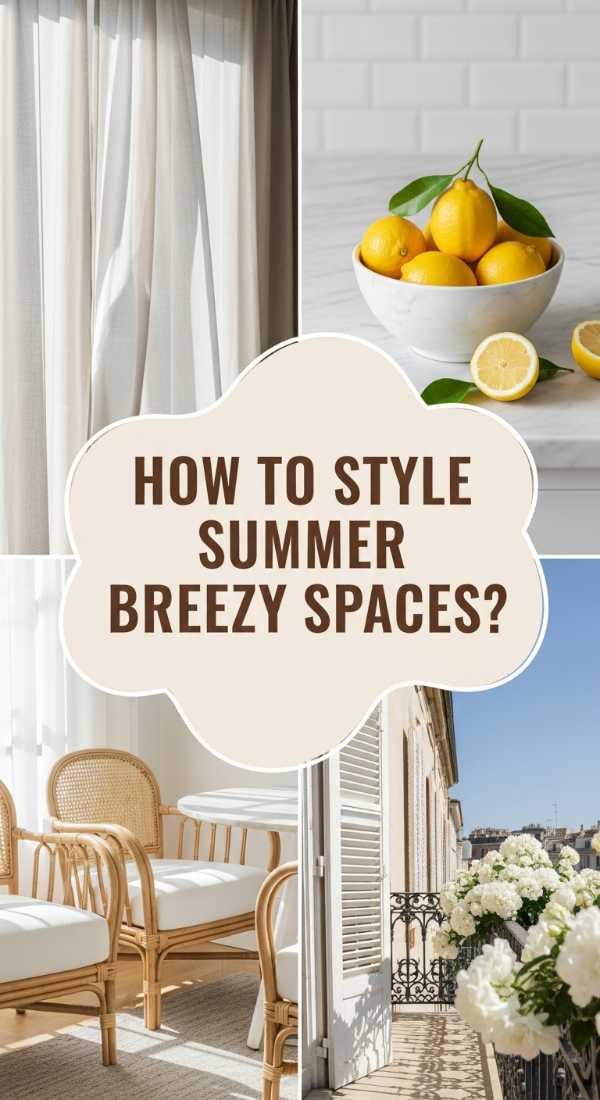
How to Style Summer Breezy Spaces for Endless Sunny Vibes
Why we love this
Styling for summer vibes is like capturing a cool breeze in a bottle and releasing it into your living room. We adore how this aesthetic prioritizes natural light, making even the smallest corners feel expansive and filled with a golden, honey-like glow. The use of lightweight linen and sheer cottons allows the air to circulate, carrying the faint, refreshing scent of sea salt and freshly cut grass throughout the house. It’s a style that encourages bare feet, open windows, and a relaxed mindset where the boundary between the lush outdoors and the cozy indoors beautifully dissolves into a singular, sunny experience.
Essential Elements:
- Sheer linen curtains that catch the wind
- Rattan and wicker furniture pieces
- A palette of whites, creams, and pale sky blues
- Natural jute or seagrass area rugs
- Potted palms and oversized fiddle leaf figs
- Light-toned woods like ash or bleached oak
How to make it
- Maximize the Light Source: Strip back heavy window treatments. Install sheer panels using a high-mount rod technique to draw the eye upward, creating the illusion of height and airiness. This is the ‘pre-heating’ phase of your room’s atmosphere.
- Balance the Natural Fibers: Introduce rattan and jute elements. The professional tip here is to mix the weave sizes; pair a chunky seagrass rug with a fine-weave wicker chair to prevent the room from looking flat. You want a variety of ‘crunches’ in your texture profile.
- Cool the Palette: Apply a ‘glaze’ of cool tones. Use pale blues and soft mints in your pillows and throws. The visual cue for doneness is when the room feels visually ‘cool’ despite the bright sunlight streaming in.
- The Green Infusion: Place large-leafed plants in corners to act as living sculptures. Their respiration literally freshens the air, completing the ‘summer garden’ sensory loop.
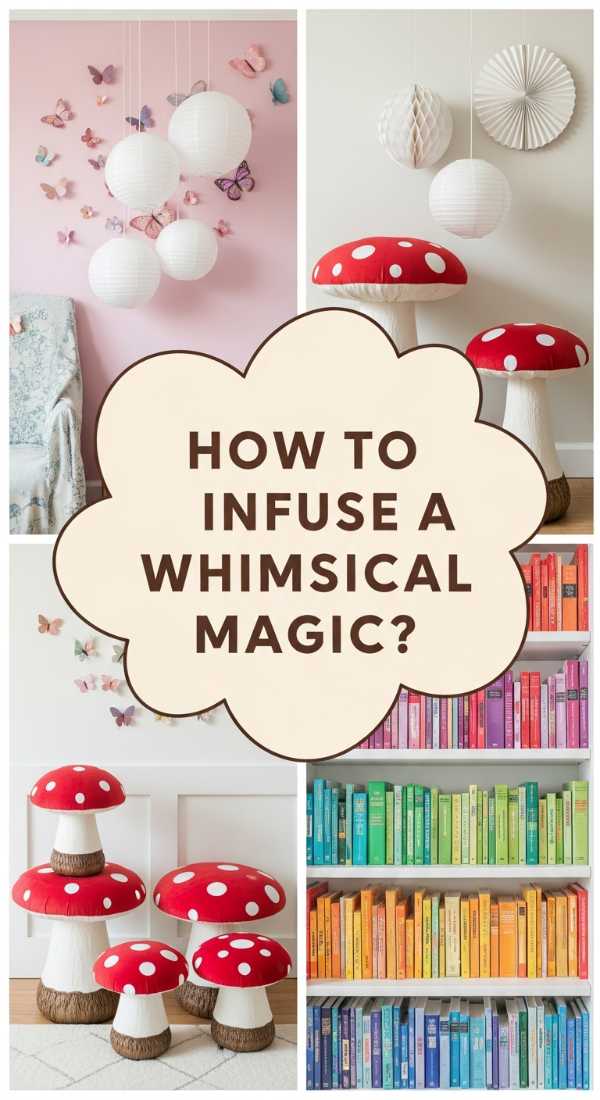
How to Infuse Whimsical Magic for a Playful Creative Sanctuary

Why we love this
Whimsical decor is the ultimate rebellion against the mundane, turning a home into a storybook brought to life. We love the way it encourages a sense of wonder, using unexpected proportions, hidden details, and a kaleidoscope of colors that spark instant joy. The texture is often soft and plush—think velvet mushrooms, feathered lampshades, and shimmering metallic threads—creating a space that feels like a cozy hug for your inner child. It smells like old books and vanilla candles, inviting you to sit down, pick up a paintbrush or a pen, and let your imagination run wild in a sanctuary that doesn’t take itself too seriously.
Essential Elements:
- Mismatched vintage furniture with colorful paint
- Fairy lights and neon signs for layered lighting
- Gallery walls featuring surrealist or folk art
- Unexpected objects (cloche-covered curios, velvet animals)
- Bold, patterned wallpaper (florals or celestial motifs)
- Plush, colorful floor cushions and ottomans
How to make it
- Stir the Imagination: Start with a bold base, such as a patterned wallpaper on a single accent wall. This acts as the ‘flavor profile’ for the entire room. Don’t be afraid of high-contrast combinations like teal and gold.
- Embrace the Eclectic Mix: Curate furniture that doesn’t match in era or style. The technique here is to use a ‘binding agent’—a single recurring color that appears on different pieces to hold the chaotic elements together.
- Layer the Glow: Instead of a single harsh overhead light, use ‘simmering’ light sources. Drape fairy lights behind sheer fabric and place small lamps in unexpected nooks. The visual cue is a soft, multi-dimensional shimmer that hides corners and highlights treasures.
- The Curiosity Finish: Place ‘conversation pieces’ on shelves. A brass beetle or a miniature vintage carousel adds that final ‘spark’ of whimsy that makes guests stop and stare.
How to Incorporate Sacred Catholic Art for a Serene Devotional Space
Why we love this
There is a profound, quiet power in incorporating sacred art into a modern home, creating a bridge between the physical and the spiritual. We love the way a well-placed icon or a serene Madonna statue acts as a visual anchor for meditation and gratitude, slowing the pulse of the room. The textures are often rich and timeless—aged gold leaf, smooth cold marble, and the soft flicker of beeswax candles—evoking the hallowed atmosphere of an ancient cathedral. This style smells of frankincense and honey, offering a sanctuary within a sanctuary where one can find stillness and a sense of belonging to something much larger than oneself.
Essential Elements:
- Byzantine-style gold leaf icons or oil paintings
- A dedicated altar table or prayer niche
- Votive candles in red or blue glass holders
- Crucifixes in wood or polished brass
- Lush velvet runners in liturgical colors (purple, red, cream)
- Dried palms or fresh white lilies
How to make it
- Establish the Focal Point: Choose a quiet corner or a central wall to serve as the ‘heart’ of the space. Install a singular, high-quality piece of art at eye level. This creates a gravitational pull for the room’s energy.
- Control the Lighting: Avoid fluorescent or harsh white light. Use warm-toned lamps or, ideally, natural candlelight to create a ‘glow’ that reflects off gold-leafed frames. The timing for this is best at dawn or dusk when the light is most ethereal.
- Add Tactile Reverence: Drape a heavy velvet cloth over a side table to create an altar-like feel. Place a bowl of rosaries or prayer beads here; the texture of the beads adds a physical dimension to the devotional practice.
- Aromatic Layering: Burn high-quality resin or incense. The visual cue for completion is when the room feels distinct from the rest of the house—a place where voices naturally drop to a whisper.
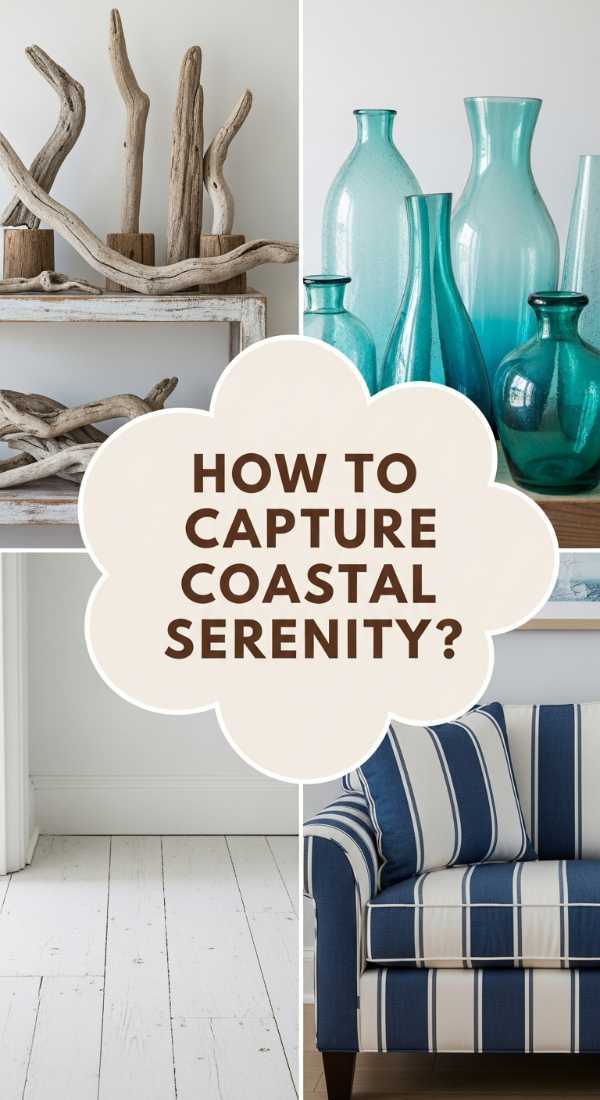
How to Capture Coastal Seaside Serenity for an Airy Relaxing Retreat

Why we love this
Coastal design isn’t just about seashells; it’s about the feeling of the horizon meeting the sea, a boundless sense of freedom and calm. We love the soft, desaturated palette that mimics the bleached tones of driftwood and the translucent blues of a tidal pool. The textures are incredibly tactile—rough sisal underfoot, smooth sea glass on a windowsill, and the crispness of ironed cotton sheets. It’s a style that smells of ozone and clean laundry, designed to lower your cortisol levels the moment you step inside. It transforms your bedroom or living area into a permanent vacation spot where the stress of the city feels a thousand miles away.
Essential Elements:
- Bleached wood furniture and flooring
- Slipcovered sofas in white or oatmeal linen
- Decor elements like coral (faux), shells, and driftwood
- Striped patterns (nautical but subtle)
- Large windows with minimal obstructions
- A color palette of sand, seafoam, and navy
How to make it
- Bleach the Base: Start with a foundation of whites and very light grays. The technique is to use matte finishes rather than glossy ones to absorb and diffuse the light, preventing glare and creating a ‘soft focus’ effect.
- Incorporate the ‘Driftwood’ Element: Introduce weathered wood through coffee tables or shelving. This provides the ‘earthy’ contrast to the ‘watery’ blues you’ll add later. Visual cue: the wood should look like it was smoothed by the ocean.
- Layer the Blues: Add ‘washes’ of color using watercolor-effect pillows or glass vases. Keep the ‘heat’ low—don’t over-saturate the blues; you want them to feel like they are fading into the background.
- Aerate the Space: Leave plenty of ‘white space’ on the walls and floors. A coastal retreat is ‘done’ when the room feels like it has room to breathe, with no cluttered surfaces to catch the eye.
How to Curate Vintage Found Treasures for a Timeless Historic Feel

Why we love this
There is a unique magic in living among objects that have survived the passage of time, each with its own history and whispers of the past. We love the depth that vintage treasures bring to a room—the crackled glaze of an antique vase or the worn velvet of an Edwardian armchair. This style is about the ‘slow living’ approach to decor, where you wait for the right piece to find you. The aroma is nostalgic, reminiscent of old libraries and cedar chests, creating a sanctuary that feels grounded and permanent. It’s a curated collection of a life well-traveled, where every item is a conversation starter and a bridge to another era.
Essential Elements:
- Antique oil paintings with ornate frames
- Distressed leather trunks or chairs
- Brass candlesticks and weathered silver trays
- Stacked vintage hardback books
- Oriental or Persian rugs with softened patterns
- Clawfoot furniture or spindle-leg tables
How to make it
- Scour for History: Visit estate sales and flea markets to find ‘anchor’ pieces. Look for items with ‘good bones’—solid wood construction and unique silhouettes. The technique here is patience; don’t buy a whole room at once.
- Patina Management: When cleaning your finds, don’t over-polish. The goal is to keep the ‘visual age’ of the piece. Use a light beeswax polish on wood to enhance the grain without making it look brand new.
- Mix the Eras: Layer a mid-century lamp on a Victorian desk. The binding technique is to match the ‘visual weight’ of the items so one doesn’t overwhelm the other.
- The Curator’s Eye: Group smaller objects in ‘still lifes’ on bookshelves or mantels. Use varying heights and textures. The visual cue for doneness is when the display looks like a museum exhibit rather than a pile of clutter.
How to Layer Boho Textures for the Ultimate Cozy Eclectic Lounge
Why we love this
Bohemian design is the interior equivalent of a long, soulful conversation over tea; it’s warm, layered, and completely unpretentious. We love how this style prioritizes comfort above all else, with piles of patterned pillows and woven wall hangings that soften the edges of the world. The textures are a symphony of tactile delight—chunky knits, smooth macramé, and shaggy Moroccan wool. It smells like patchouli and sandalwood, creating a ‘lounge’ atmosphere where you can lose yourself for hours in a book. It’s an eclectic celebration of global craft and personal freedom, where ‘too much’ is just enough to make it feel like home.
Essential Elements:
- Macramé wall art and plant hangers
- Low-profile seating (floor pillows, poufs)
- Layered rugs (a flat-weave over a larger jute)
- Moroccan lanterns for dappled light patterns
- Abundant indoor plants in terracotta pots
- Textiles with tassels, fringe, and embroidery
How to make it
- Layer the Foundation: Start by double-layering your rugs. Place a large, neutral rug down first, then offset a smaller, brightly patterned rug on top at a slight angle. This immediately breaks the ‘grid’ of the room and adds a cozy density.
- Maximize the Softness: Add ‘volume’ by piling at least 5-7 different pillows on the sofa or in a corner nook. Mix the textures—velvet, cotton, and wool. The technique is to keep the color family similar while varying the ‘heaviness’ of the fabrics.
- Vertical Texture: Hang macramé or woven tapestries on the walls to soften the acoustics and add warmth. This acts like ‘insulation’ for the room’s vibe.
- Ambient Lighting: Replace bright bulbs with warm, low-wattage ones. Use lanterns with cut-out patterns to throw ‘visual spices’ (shadows) onto the walls. The cue for doneness is when you feel an irresistible urge to lie down and relax.
How to Transform Mobile Home Interiors for a Modern Spacious Look
Why we love this
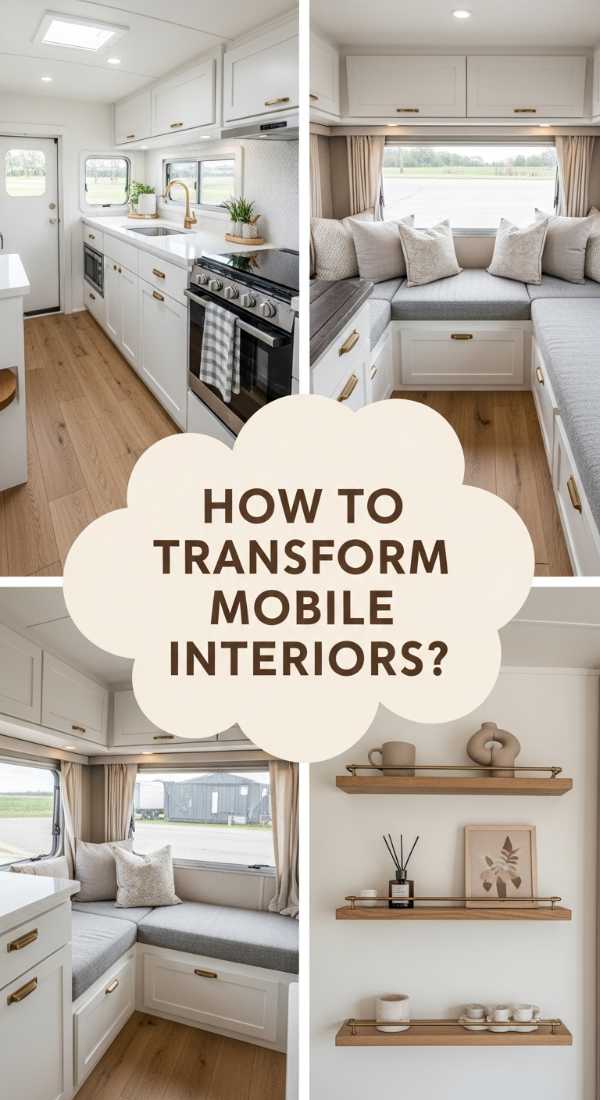
Transforming a mobile home is a masterclass in clever design and efficient beauty, proving that luxury isn’t about square footage. We love the challenge of maximizing every inch, using light colors and multifunctional furniture to create a space that feels surprisingly airy and modern. The texture here is sleek and clean—smooth quartz-effect countertops, matte cabinetry, and high-quality vinyl plank flooring that mimics reclaimed wood. It smells like lemon oil and fresh eucalyptus, embodying a minimalist philosophy that values quality over quantity. It’s a sanctuary for the modern nomad or the minimalist dweller who wants a high-design lifestyle without the massive footprint.
Essential Elements:
- Light-reflective paint colors (whites, pale greys)
- Built-in storage solutions and floating shelves
- Recessed lighting to save vertical space
- Large mirrors to bounce light and create depth
- Modern, slim-profile furniture
- Luxury vinyl plank (LVP) flooring throughout
How to make it
- De-clutter the Sightlines: Remove any non-structural dividers or bulky overhead cabinets that block the view from one end to the other. This ‘opens up the pot’ for better light circulation.
- Apply a Seamless Palette: Paint the walls, trim, and even some furniture in the same light shade. This technique removes visual ‘interruptions,’ making the walls feel like they are pushing outward.
- Upgrade the ‘Hardware’: Replace standard mobile home fixtures with high-end matte black or brushed gold versions. This is the ‘garnish’ that elevates the entire look from ‘basic’ to ‘bespoke.’
- Reflective Expansion: Place a large mirror opposite the main window. This doubles the visual space and the amount of natural light. The visual cue for doneness is when you forget you’re in a mobile unit and feel like you’re in a high-end studio apartment.
How to Revive Nineties Retro Style for a Bold Nostalgic Statement
Why we love this
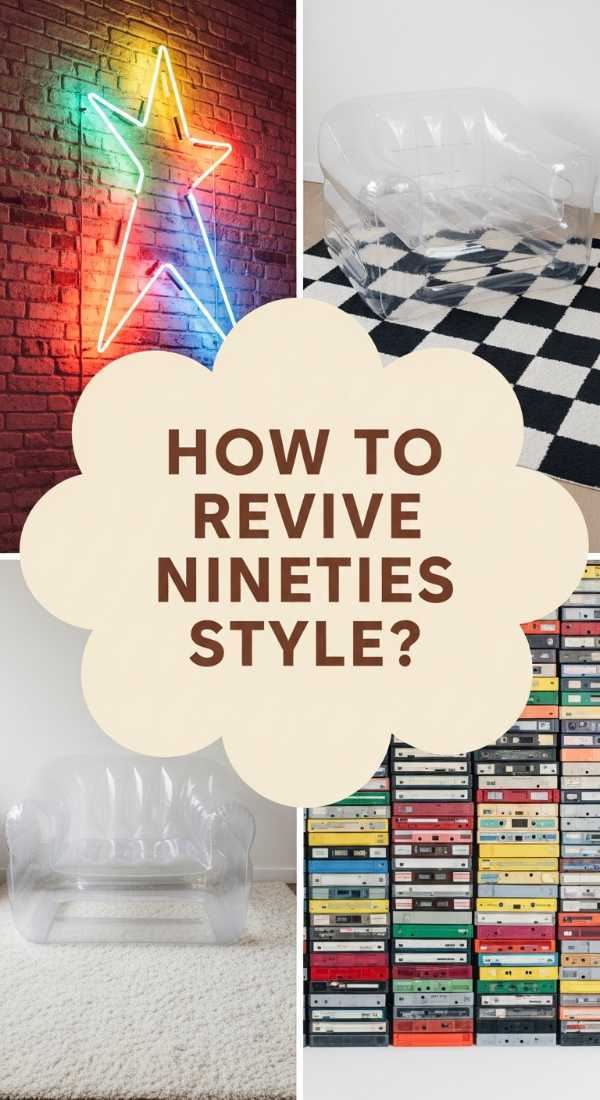
The nineties are back, and they’ve grown up into a sophisticated yet playful aesthetic that screams personality. We love the bold use of primary colors, geometric shapes, and the tactile nostalgia of materials like inflatable-style furniture and blonde wood. This style is a sensory explosion—the smoothness of chrome, the bounce of oversized seating, and the visual ‘crunch’ of checkered patterns. It smells like strawberry lip gloss and fresh magazines, taking us back to a time of optimism and pop culture energy. It’s a sanctuary for those who aren’t afraid to be loud and want their home to be a vibrant, nostalgic celebration of their youth.
Essential Elements:
- Checkered rugs or floor tiles
- Furniture with curved, tubular silhouettes
- Primary color pops (red, blue, yellow) against white
- Neon lighting and lava lamps (modern versions)
- Blonde wood (maple or birch) finishes
- Inflatable-inspired or ‘blob’ shaped decor
How to make it
- Establish the Base Tone: Use white or very light grey walls as your ‘canvas.’ This allows the bold colors to pop without the room feeling too dark or enclosed.
- Inject Primary ‘Heat’: Choose one or two ‘hero’ pieces in a bold primary color—like a cobalt blue chair or a red coffee table. The technique is to use these as ‘spice’ rather than the main ingredient.
- Introduce the ‘Grid’: Add a checkered element, like a rug or throw pillows. This geometric ‘texture’ is the hallmark of the era and provides a sense of organized chaos.
- The Neon Glow: Finish with a piece of neon wall art. The visual cue for doneness is a room that feels high-energy, nostalgic, and ready for a house party.
How to Display Quirky Curiosities for a Unique Personalized Living Space
[IMAGE_10]
Why we love this
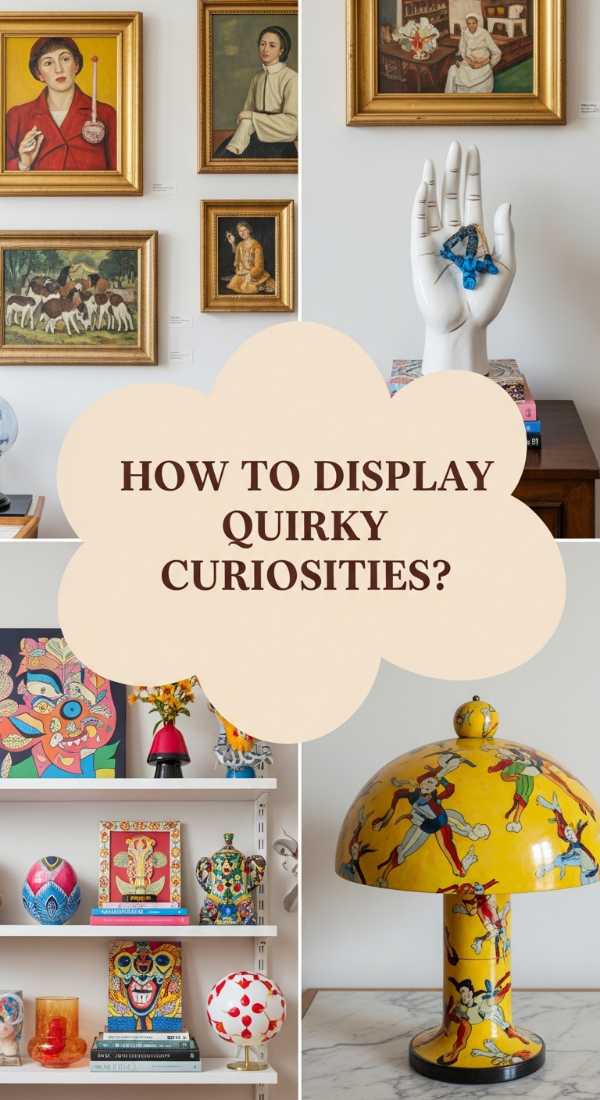
A home filled with quirky curiosities is like a physical map of your brain’s most interesting corners. We love the way this style defies trends, focusing instead on items that provoke a ‘What is that?’ from every visitor. The textures are endlessly varied—the cold prickle of a sea urchin shell, the velvet-lined interior of a specimen box, or the heavy brass of an old telescope. It smells like beeswax and old paper, creating an atmosphere of mystery and intellectual exploration. It’s a sanctuary that honors the collector in all of us, where every object is a talisman of a moment, a place, or a peculiar interest that makes you uniquely you.
Essential Elements:
- Glass cloches and shadow boxes
- Open shelving or ‘cabinets of curiosity’
- Natural history elements (fossils, stones, dried botanicals)
- Vintage scientific instruments
- Eclectic art prints and postcards
- Small-scale lighting to spotlight specific items
How to make it
- Categorize Your Finds: Sort your curiosities by theme or color. This prevents the display from looking like a mess and turns it into a ‘curated collection.’
- Create ‘Stages’: Use glass cloches or varying heights of wooden blocks to ‘stage’ individual items. This technique draws the eye to specific details. The visual cue is when each item has its own ‘breathing room’ within the group.
- Layer the Background: Place larger, flatter items like old maps or botanical prints behind smaller objects. This adds depth and a ‘narrative’ to the shelf.
- The Lighting Reveal: Use small LED ‘puck’ lights or battery-operated spotlights to illuminate the interiors of cabinets. The final cue for doneness is when the display glows like a tiny, private museum in the corner of your room.
Bringing Your Sanctuary to Life
Designing your dream home is a marathon, not a sprint. It’s about listening to the whispers of your own heart and choosing pieces that resonate with your soul. Whether you’ve chosen the airy lightness of the coast or the whimsical magic of a creative lounge, remember that the most important element in any room is *you*. Your memories, your comfort, and your peace are the true foundations of any sanctuary. Now, take a deep breath, pick one corner, and start creating the home you’ve always dreamed of.