
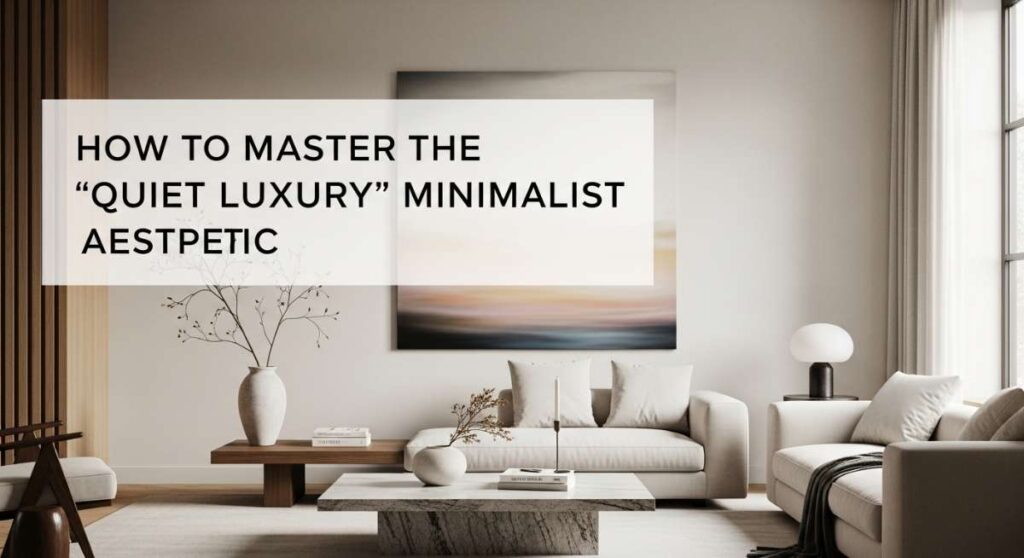
How to Master the ‘Quiet Luxury’ Minimalist Aesthetic
Have you ever walked into a room and felt your shoulders instantly drop an inch? That is the magic of quiet luxury. It’s not about having less for the sake of empty space; it’s about the intentional selection of pieces that breathe life and serenity into your home. In a world that constantly demands our attention, coming home to a space that feels like a soft exhale is the ultimate form of self-care. It’s the subtle rustle of linen curtains, the cool touch of a marble tray, and the warm glow of a perfectly placed lamp that transform a house into a sanctuary.
We often think minimalism is cold or stark, but ‘Quiet Luxury’ is the soul-stirring evolution of that trend. It’s warm, it’s tactile, and it’s deeply personal. It’s about investing in the quality of your surroundings so that every moment spent at home feels curated and calm. Whether you are living in a sprawling house or a compact urban apartment, mastering this aesthetic is about finding the balance between functionality and high-end comfort. Let’s dive into how you can bring this viral minimalist vibe into every corner of your living space.
How to Design a Cozy Minimalist Living Room for Ultimate Serenity

Why we love this
There is a profound sense of peace found in a room that balances crisp lines with cloud-like softness. Imagine sinking into a cream-colored boucle sofa while the scent of white tea and cedarwood wafts through the air, your feet resting on a thick, hand-woven wool rug that feels like a gentle hug. This aesthetic focuses on the tactile—the contrast between a smooth oak coffee table and the organic, slightly rough texture of a stone vase. It’s a sensory experience that silences the digital noise of the outside world, wrapping you in a cocoon of muted oatmeal tones and soft, ambient shadows.
Essential Elements:
- Low-profile modular sofa in neutral linen or boucle.
- Textured wool or jute area rug.
- Solid wood coffee table with soft, rounded edges.
- Sheer floor-to-ceiling drapery.
- Ceramic sculptural objects in earth tones.
How to make it
- Begin by clearing the floor plan to ensure a ‘breathable’ flow. Position your largest piece—the sofa—away from the walls to create a floating island of comfort, which visually expands the room’s borders.
- Layer your textures starting from the ground up. Place a high-pile rug underneath the front legs of the seating to ‘anchor’ the space. Use a ‘tonal’ approach, selecting three shades of the same color (like beige, sand, and cream) to create depth without visual clutter.
- Introduce organic shapes through furniture. Avoid sharp angles by choosing circular or oval tables, which encourage a natural movement of the eye and a ‘softer’ energy in the room.
- Finalize the ‘simmer’ of the room by adding one high-quality textile. Drape a heavyweight cashmere or chunky knit throw over the arm of a chair, ensuring it looks effortlessly tossed rather than perfectly folded for that ‘lived-in luxury’ feel.
How to Style a Small Living Room to Maximize Your Space
Why we love this
Small spaces have an inherent intimacy that, when styled correctly, feels like a jewel box of sophistication. We love the challenge of making a compact area feel expansive through the clever use of light and reflective surfaces. Picture a sun-drenched corner where a mirrored surface catches the afternoon light, bouncing it across a glass coffee table that seems to disappear into the room. The aroma of fresh eucalyptus in a clear vase adds a botanical freshness, while the visual lightness of ‘leggy’ furniture keeps the floor looking open and airy, proving that you don’t need a mansion to live luxuriously.
Essential Elements:
- Acrylic or glass coffee table to reduce visual weight.
- Large-scale wall mirror with a thin metallic frame.
- Wall-mounted shelving for vertical storage.
- Multi-functional nesting tables.
- Light-reflective wall paint in ‘off-white’ or ‘eggshell’ finishes.
How to make it
- Identify your primary light source and place a large mirror directly opposite it. This ‘prep’ phase is crucial as it doubles the perceived depth of the room and maximizes natural brightness.
- Select furniture with exposed legs. By seeing the floor extend under the sofa and chairs, the brain perceives more square footage. Avoid ‘skirted’ furniture which creates a heavy, grounded ‘block’ in a small space.
- Implement the ‘Vertical Rule.’ Install floating shelves high on the walls to draw the eye upward, making the ceilings feel loftier. Style these with just 2-3 high-impact items rather than crowding them with small knick-knacks.
- Maintain a strict color palette. Using the same color for the walls, trim, and large furniture pieces creates a ‘seamless’ look that prevents the eye from stopping at harsh color transitions, effectively enlarging the room’s boundaries.
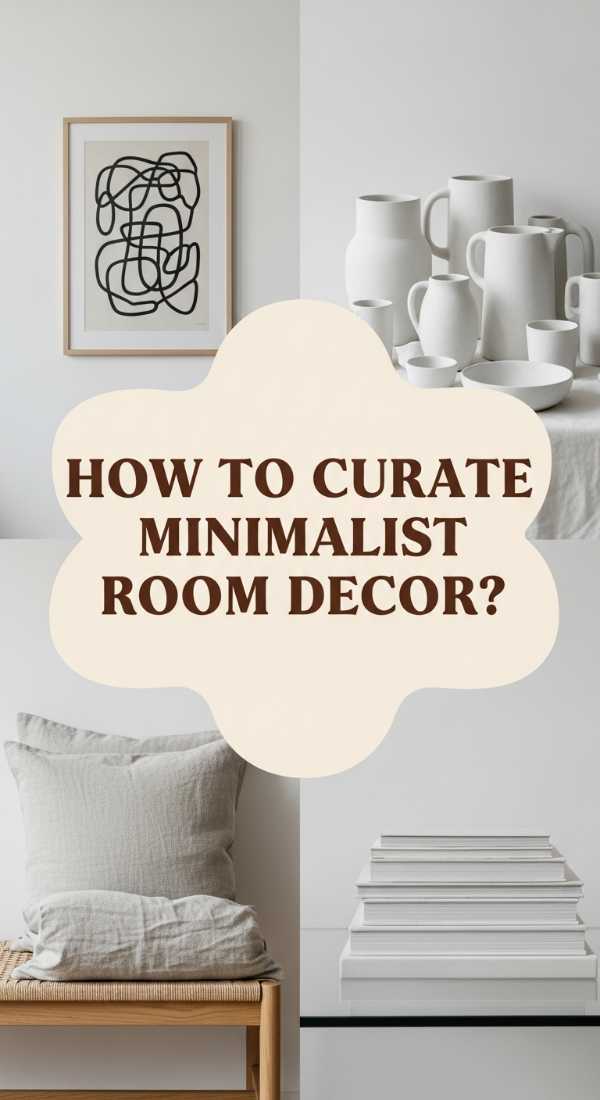
How to Curate Minimalist Room Decor for a Breathable Home

Why we love this
Curating is an art form that transforms ‘stuff’ into a collection of stories. We love this approach because it honors the philosophy that every object should either be beautiful or useful. Imagine a single, perfectly imperfect handmade ceramic bowl sitting on a stack of linen-bound books; there is a rhythmic simplicity to it that feels intentional and calm. The air feels lighter when surfaces aren’t crowded, allowing you to appreciate the grain of the wood and the delicate weave of a fabric. It’s a curated quietness that makes every item feel like a masterpiece.
Essential Elements:
- Handmade ceramics with organic silhouettes.
- Coffee table books with neutral spines.
- Single-stem dried botanicals (like pampas grass or olive branches).
- Marble or stone trays for grouping small items.
- Minimalist line art in thin wooden frames.
How to make it
- Perform a ‘deep edit’ of all surfaces. Remove everything and only bring back items that evoke a sense of calm. If a piece feels ‘noisy’ or cluttered, set it aside to donate or store.
- Use the ‘Rule of Three’ when styling. Group items in odd numbers, varying their heights and textures. For example, place a tall vase next to a medium-sized candle and a flat tray to create a balanced ‘visual triangle.’
- Incorporate ‘Negative Space.’ Leave at least 30-40% of every surface empty. This allows the eye to rest and prevents the decor from feeling like a ‘barrage’ of information.
- Focus on material integrity. Replace plastic or synthetic decor with natural materials like stone, wood, or clay. The ‘visual cue’ for success is when the objects look like they could have been found in nature or a gallery.
How to Achieve the Apartment Cozy Aesthetic for Your Inner Sanctuary
Why we love this
The apartment cozy aesthetic is all about reclaiming your space and turning a standard rental into a personalized retreat. It’s the feeling of soft, velvet floor cushions scattered on a rug, the flicker of a crackling wood-wick candle, and the way a warm-toned lamp illuminates a reading nook. There’s a delicious ‘hibernation’ quality to this style—it feels like being wrapped in a silk robe. We love how it prioritizes the dweller’s comfort over showiness, using layers of textiles to dampen sound and create a plush, private world away from the city streets.
Essential Elements:
- Layered rugs (a flat-weave jute topped with a soft faux-hide).
- Dimmable floor lamps with warm-toned bulbs (2700K).
- Velvet or linen floor pillows for extra seating.
- Textured wall hangings or woven tapestries.
- Wood-wick candles for auditory and olfactory ambiance.
How to make it
- Address the ‘lighting temperature’ first. Replace all overhead ‘cool’ bulbs with warm, soft-white versions. Use at least three different light sources at different heights (floor lamp, table lamp, and candles) to create a ‘glow’ rather than a ‘glare.’
- Layer your textiles like you would an outfit. Place a larger, neutral rug as a base, then ‘sear’ the look by layering a smaller, more textured rug on top at an angle. This adds instant designer-level depth.
- Personalize your ‘nook.’ Dedicate one corner of the room to pure relaxation. Add a comfortable chair, a small side table for a cup of tea, and a basket filled with soft blankets. This ‘stations’ the room for specific moods.
- Soften the edges of the apartment. Use long, flowing curtains that pool slightly on the floor (the ‘puddle’ effect) to hide standard apartment blinds and add a sense of high-end softness to the architecture.
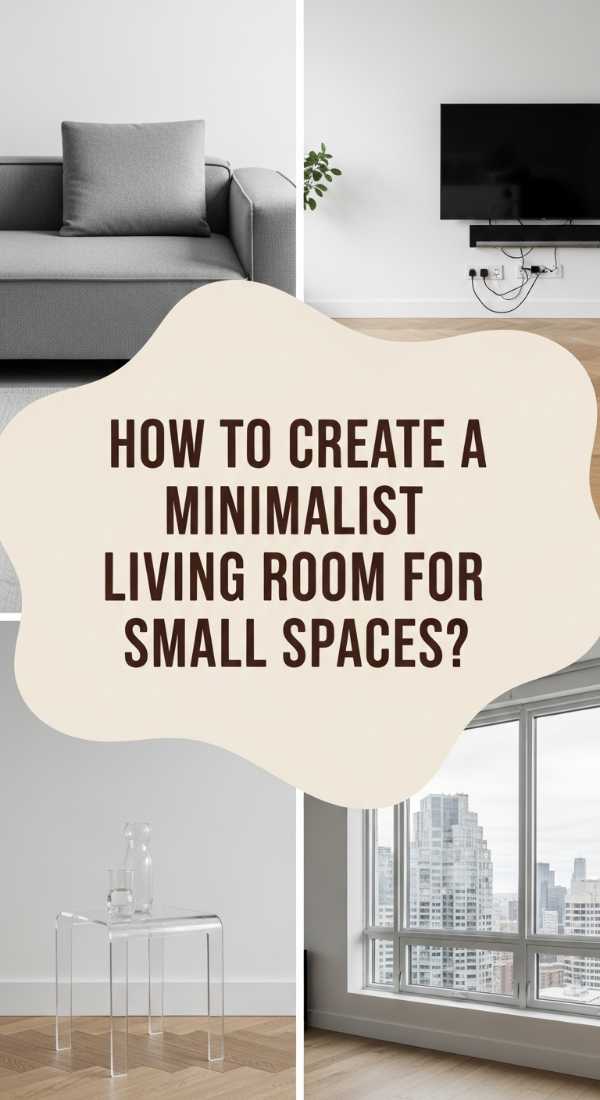
How to Create a Minimalist Living Room for Compact Urban Living

Why we love this
Urban living demands efficiency, but that doesn’t mean sacrificing the ‘Quiet Luxury’ soul. We love this look because it uses a monochromatic palette to bridge the gap between small-scale living and high-end design. Imagine a sleek, wall-mounted console that keeps the floor clear, paired with a singular, oversized piece of art that anchors the room without cluttering it. The feeling is one of ‘uncluttered urbanity’—where everything has its place, the lines are clean, and the air feels crisp. It’s the perfect antidote to the chaotic energy of a bustling city.
Essential Elements:
- Wall-mounted media consoles (floating units).
- A consistent monochromatic color scheme (e.g., all shades of grey and charcoal).
- Large-scale statement art instead of a gallery wall.
- Hidden storage solutions (like ottomans with lids).
- Sleek, metallic accents in matte black or brushed brass.
How to make it
- Maximize floor real estate by choosing ‘floating’ furniture. Secure a media unit or desk directly to the wall studs; seeing the floor continue underneath the furniture is a ‘visual trick’ that makes the room feel twice as large.
- Commit to a ‘One In, One Out’ policy for decor. In compact living, every inch counts. Before adding a new piece, ‘prep’ the space by removing an existing item to maintain the breathable minimalist density.
- Use a ‘Statement Anchor.’ Instead of many small decorations, choose one large, high-quality piece of art for the main wall. This creates a singular ‘focal point’ that draws attention away from the room’s small dimensions.
- Optimize ‘Dead Space.’ Use the areas above doorways or inside closets with high-quality, matching storage bins. Keeping the visible areas ‘lean’ while utilizing hidden spaces is the secret to a sophisticated urban mindset.
How to Master Cozy Minimalist Style for a Warm Welcome
Why we love this
First impressions are everything, and the ‘warm welcome’ aesthetic is like a soft, melodic note played at the start of a song. We love how this style uses natural materials to ground the entryway, greeting you with the earthy scent of a sandalwood diffuser and the sight of a perfectly organized wooden bench. It’s a transition zone that tells your brain, ‘You are home now; you can let go.’ The combination of a woven basket for shoes and a single sprig of greenery in a tall jar creates an instant sense of order and organic beauty.
Essential Elements:
- Narrow wooden console table or bench.
- Woven seagrass or wicker baskets for organization.
- Wall hooks in a minimalist, sculptural design.
- A small bowl or tray for keys (marble or brass).
- A signature home fragrance (diffuser or room spray).
How to make it
- Define the ‘Entry Zone.’ Even if you don’t have a foyer, ‘create’ one by placing a narrow bench or a small rug by the door. This ‘sears’ a boundary between the outside world and your sanctuary.
- Implement ‘Functional Decor.’ Choose storage that looks like art. Instead of plastic bins, use hand-woven baskets to hide shoes and umbrellas. This keeps the entrance ‘clutter-free’ while adding rich, natural texture.
- Engage the ‘Sensory Layer.’ Place a high-quality scent diffuser on your console. Choose notes of linen, amber, or sage. The ‘visual cue’ here is the subtle movement of the diffuser’s mist, signaling a fresh, clean environment.
- Add a ‘Touch of Life.’ Place a small potted plant or a single branch in a vase on the entry surface. This ‘organic bridge’ connects the outdoors to your interior, making the welcome feel more natural and less sterile.
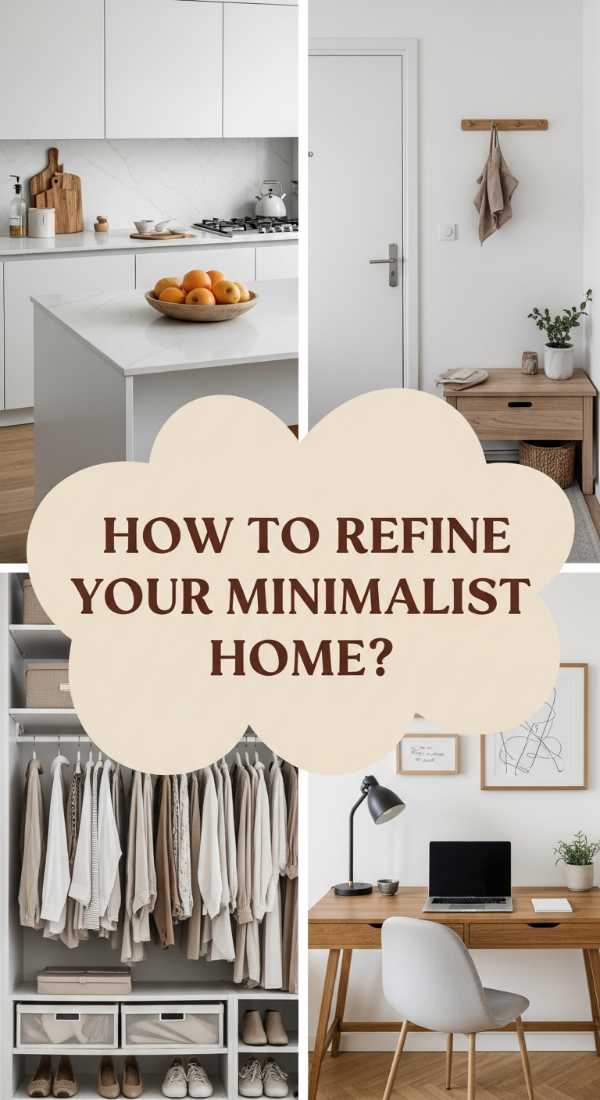
How to Refine Your Minimalist Home for an Organized Mindset
Why we love this
There is a direct correlation between a clear home and a clear mind. We love this refined approach because it turns organization into a design element. Imagine opening a cabinet to find perfectly aligned, uniform glass jars, or a desk surface that holds nothing but a lamp and a notebook. It feels light, intentional, and incredibly empowering. The lack of visual ‘static’ allows your creativity to flourish, turning your home into a high-performance space where you can truly think, breathe, and exist without the weight of excess.
Essential Elements:
- Uniform storage containers (glass, ceramic, or matching wood).
- Label-free surfaces for a ‘clean’ visual look.
- Built-in or high-quality closed cabinetry.
- Minimalist desk accessories (stone pen holder, leather blotter).
- Cord management solutions to hide all technology.
How to make it
- Audit your ‘visual noise.’ Walk through your home and identify ‘clutter magnets’—places where papers or objects tend to pile up. ‘Prep’ these areas by installing a beautiful tray or a closed drawer to contain the chaos.
- Standardize your storage. Transfer pantry items or bathroom supplies into uniform glass jars. Removing the ‘commercial branding’ from your everyday items instantly elevates the space to a ‘quiet luxury’ level.
- Tackle the ‘Tech Cord’ clutter. Use cable sleeves or ‘hidden’ boxes to tuck away charging wires. In a minimalist home, the ‘doneness’ of a room is often judged by the invisibility of its technology.
- Practice ‘Surface Zero.’ At the end of every day, clear your main surfaces (dining table, desk, counters). This 5-minute ‘reset’ ensures you wake up to a fresh, organized environment every morning.
How to Select Decor Minimalist Pieces for a Sophisticated Look
Why we love this
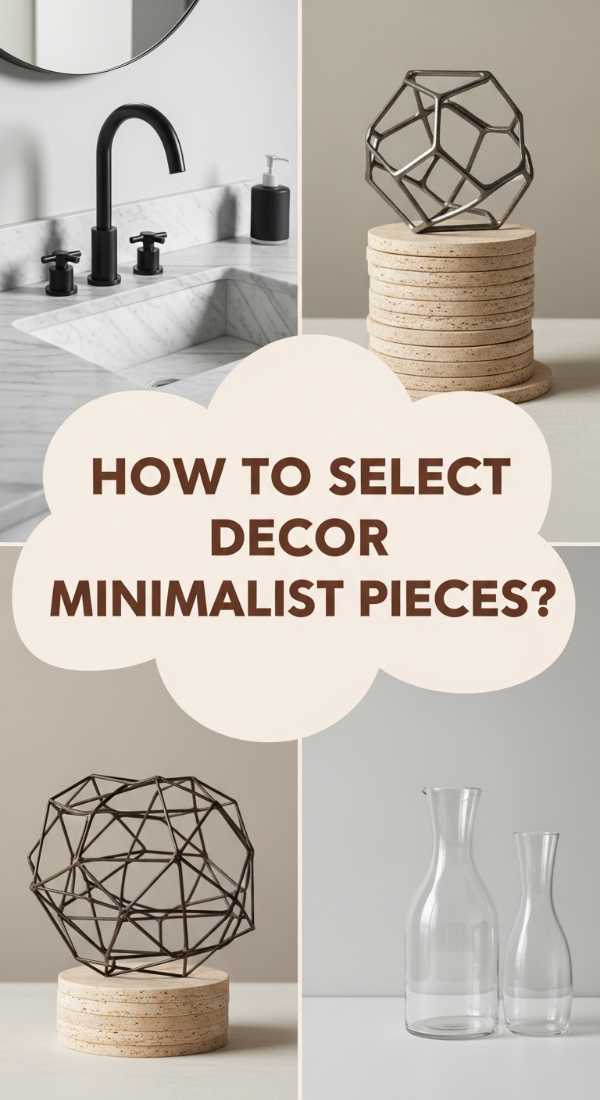
Sophistication in minimalism comes from the ‘weight’ of the materials chosen. We love the gravity of a solid marble plinth or the cool, architectural feel of a brushed steel lamp. This isn’t about filling space; it’s about selecting a few ‘hero’ pieces that command respect through their craftsmanship. Imagine the feel of a heavy, hand-cast bronze bowl on a matte black table—the contrast is exquisite. It’s a sophisticated look that feels timeless, like an art gallery where every piece is chosen for its ability to stand alone in its quiet, powerful beauty.
Essential Elements:
- Mixed metals in matte or brushed finishes.
- Natural stone elements (marble, travertine, or slate).
- Solid, high-quality wood furniture with visible grain.
- Architectural lighting fixtures with clean silhouettes.
- Textured wall art (plaster or canvas relief).
How to make it
- Prioritize ‘Material Honesty.’ When selecting decor, choose items made of what they look like—real stone, real wood, real metal. This ‘prep’ step ensures your home feels authentic and ‘expensive’ rather than superficial.
- Incorporate ‘Sculptural Lighting.’ Choose a floor or table lamp that looks like a piece of art even when it’s turned off. Look for bold shapes, such as a large dome or a slender, arced neck, to act as a functional sculpture.
- Balance ‘Hard’ and ‘Soft.’ If you have a marble table (hard/cool), pair it with a soft, organic ceramic vase or a linen runner. This ‘layering technique’ prevents the sophisticated look from feeling too cold or unapproachable.
- Limit your palette to ‘Earthly Neutrals.’ Stick to colors found in nature—taupe, charcoal, olive, and cream. These colors naturally ‘simmer’ together, creating a sophisticated harmony that never goes out of style.
How to Light Your Living Room Decor for a Relaxing Evening
Why we love this
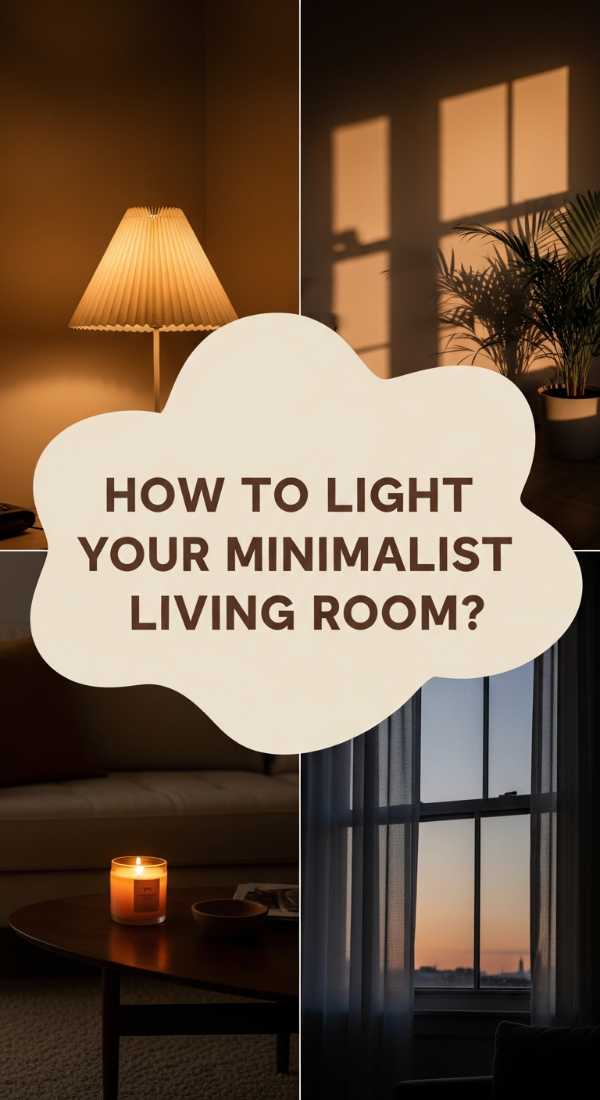
Lighting is the ‘secret sauce’ of the Quiet Luxury aesthetic; it’s what turns a room from a functional space into a cinematic experience. We love the way ‘pools’ of light create intimacy, drawing you into small pockets of warmth. Picture the soft, golden glow of a shaded lamp reflecting off a textured wall, while the rest of the room falls into a gentle, velvet-like dimness. It smells of beeswax and evening air, and it feels like the world has slowed down just for you. It’s the ultimate way to set the ‘temperature’ of your home for relaxation.
Essential Elements:
- Multiple lamps with warm-toned (2700K) LED bulbs.
- Dimmer switches for all primary lighting.
- Battery-operated ‘puck’ lights for shelving and accents.
- Candlesticks in varying heights (taper or pillar).
- Wall sconces for a ‘hotel-luxe’ feel.
How to make it
- Apply the ‘Layering Method.’ Never rely on a single ‘big light’ (overhead). Instead, ‘prep’ the room with three layers: Ambient (general glow), Task (reading light), and Accent (highlighting art or plants).
- Control the ‘Intensity.’ If you can’t install dimmers, use lower-wattage bulbs in your lamps. The goal is to avoid ‘hot spots’ of light; you want the illumination to feel ‘spread’ and diffused, like a sunset.
- Highlight the ‘Textures.’ Place a small light source (like a puck light) behind a plant or next to a textured wall. The light will ‘graze’ the surface, creating shadows that emphasize the depth and luxury of the materials.
- Incorporate ‘Flicker.’ Use real or high-quality LED candles on your coffee table. The rhythmic movement of the ‘flame’ adds a biological ‘visual cue’ for rest, signaling to your brain that it’s time to wind down.
How to Use Plants as Room Decor for a Natural Minimalist Vibe
[IMAGE_10]
Why we love this
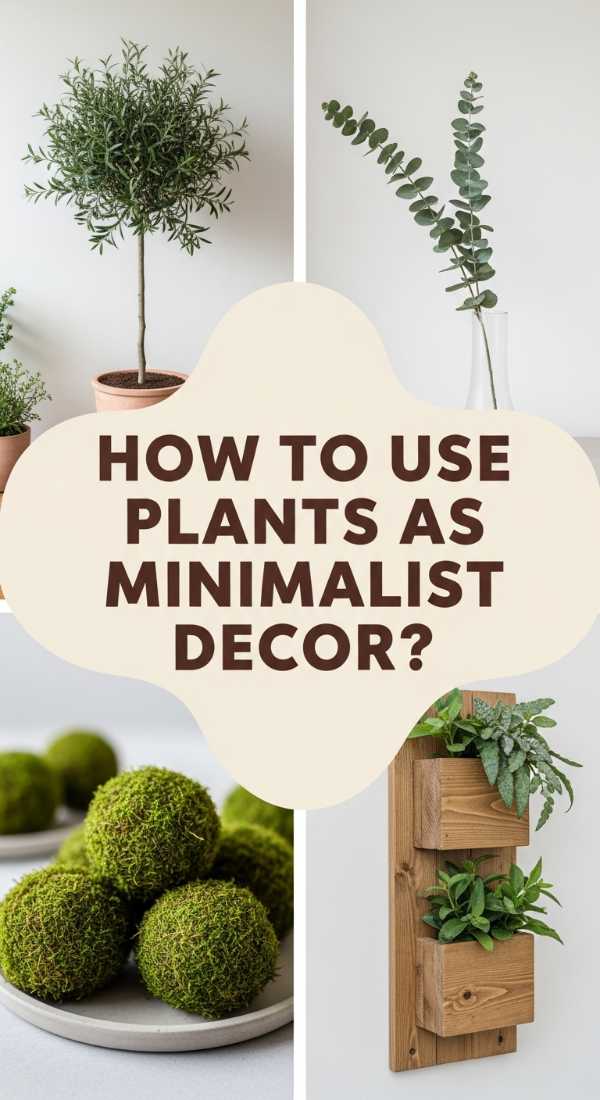
Plants are the ‘living’ soul of a minimalist home, providing a burst of color that feels grounded rather than chaotic. We love how a single, tall Fiddle Leaf Fig or a delicate Olive Tree can transform a stark corner into a lush, breathing sanctuary. The scent is subtle—just the faint, clean aroma of damp earth and fresh leaves—but the visual impact is profound. The way the light filters through the green leaves creates moving patterns on the floor, adding a dynamic, ‘natural luxury’ that no man-made object can truly replicate.
Essential Elements:
- Architectural plants with clean leaf shapes (Monstera, Dracaena, Olive).
- Minimalist ceramic or terracotta pots in neutral tones.
- Plant stands of varying heights to create ‘layers.’
- River stones or moss to cover the soil for a ‘finished’ look.
- Moisture meters or high-quality watering cans as ‘visible’ tools.
How to make it
- Select ‘Architectural’ Species. Choose plants that have a strong ‘silhouette’—think of them as living sculptures. An Olive Tree with its thin, silvery leaves fits the ‘Quiet Luxury’ vibe perfectly, whereas a wild, bushy fern might look too cluttered.
- Standardize your ‘Potting.’ Use the same style or color of pot for all your plants to maintain a ‘minimalist continuity.’ Matte white, sand, or charcoal ceramic pots are the best ‘visual cues’ for a high-end look.
- Group by ‘Height.’ Don’t just line plants up on a windowsill. ‘Prep’ a corner by grouping three plants: one tall (floor level), one medium (on a stand), and one trailing (on a shelf). This creates a ‘green cascade’ that looks intentional.
- The ‘Soil Finish.’ For a professional ‘doneness,’ cover the visible soil in your pots with smooth black river stones or a layer of dried moss. This small detail hides the ‘messy’ dirt and elevates the plant to a piece of high-end decor.
Conclusion: Embracing the Quiet Life
Mastering the ‘Quiet Luxury’ minimalist aesthetic isn’t about achieving perfection; it’s about curating a life that feels as good as it looks. By focusing on high-quality materials, intentional lighting, and a few key ‘hero’ pieces, you can transform any space into a serene sanctuary that supports your well-being. Remember, the most important element in any room is the person living in it—so design for your own comfort, breathe deep, and enjoy the beautiful stillness you’ve created.