

10 Minimalist Home Ideas That Are Breaking the Internet Right Now
Have you ever walked into a room and felt your shoulders instantly drop an inch? There is a specific kind of magic that happens when a home stops being a warehouse for ‘stuff’ and starts being a sanctuary for your soul. In our fast-paced, high-notification world, the viral minimalist home board isn’t just a trend; it’s a survival tactic. We are all collectively craving that visual breath of fresh air that comes from clean lines and intentional spaces.
I remember the moment I decided to clear the clutter. I was sitting on my sofa, surrounded by pillows I didn’t like and books I’d never read, feeling a strange sense of claustrophobia. The transition to minimalism wasn’t about deprivation; it was about making room for the things that actually bring me joy—like the way the morning light hits a single, perfect ceramic vase. Today, I’m sharing the ten viral minimalist concepts that are transforming homes into peaceful havens across the globe.
How to Master a Cozy Minimalist Living Room for Total Serenity
Why we love this
This approach is all about the tactile experience of peace. Imagine sinking into a cloud-like cream sofa while the scent of sandalwood and dried lavender wafts through the air from a stone diffuser. The room feels expansive yet incredibly intimate, characterized by the soft touch of organic cotton throws and the gentle grain of light oak furniture. It’s a sensory masterpiece where every element invites you to slow down, breathe deeply, and appreciate the quiet beauty of a space that doesn’t demand anything from you but your presence.
Essential Elements:
- Low-profile modular sofa in oatmeal or bone linen
- Natural white oak coffee table with rounded edges
- Stone-based ultrasonic essential oil diffuser
- Hand-loomed wool rug in a monochromatic cream palette
- Large-scale abstract art with plenty of white space
How to make it
- Begin by stripping the room to its bare essentials, removing any furniture that obstructs the natural flow of traffic. This creates the ‘skeleton’ of your serenity.
- Establish your ‘base temperature’ by selecting a neutral wall color with warm undertones. Avoid stark, cold whites; instead, look for ‘Swiss Coffee’ or ‘Alabaster’ to ensure the room feels lived-in rather than clinical.
- Layer your textiles like you would a gourmet dish. Start with the heavy wool rug (the foundation), then add the linen sofa (the body), and finish with a chunky knit throw (the garnish). This adds visual weight without adding clutter.
- Adjust your lighting ‘heat.’ Replace any cool-toned bulbs with 2700K warm LEDs. Use floor lamps with fabric shades to diffuse the light, creating soft shadows rather than harsh glare.
- Finalize the ‘sear’ by adding one single organic element, like a tall branch of eucalyptus in a ceramic floor vase. The room is ‘done’ when you can spin 360 degrees and your eye never gets ‘stuck’ on a busy corner.
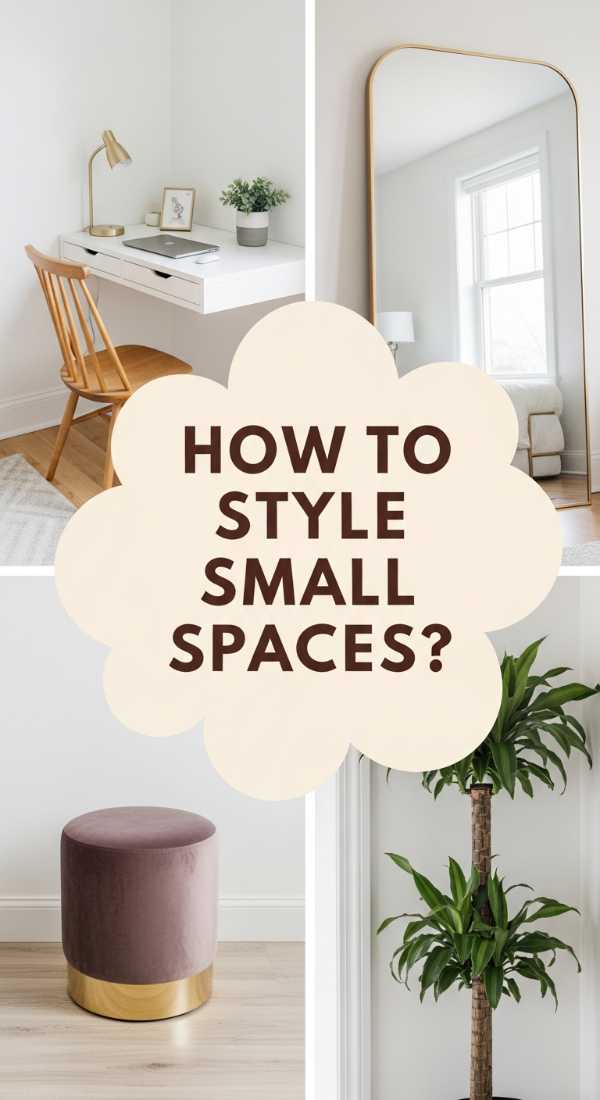
How to Decorate a Small Apartment Living Room for an Aesthetic Glow

Why we love this
Small spaces have a unique way of glowing when handled with a minimalist touch. We love this because it utilizes the interplay of light and reflection to create an ethereal atmosphere that feels twice its actual size. The aroma of fresh linen and the sight of sunbeams bouncing off a perfectly placed mirror create a sense of ‘expensive’ calm. It’s about the feeling of luxury that comes from having exactly what you need, curated so beautifully that the walls seem to push outward into a dreamlike, airy horizon.
Essential Elements:
- Floor-to-ceiling sheer linen curtains
- Over-sized circular wall mirror with a thin brass frame
- Glass or acrylic ‘ghost’ coffee table to maintain sightlines
- Floating wooden shelves for vertical storage
- Dimmable wall sconces for ambient evening warmth
How to make it
- Prime the canvas by clearing all window sills. Natural light is your most important ‘ingredient’ in a small space, and any obstruction reduces the glow potential.
- Install your curtains high and wide—at least 6 inches above the window frame. This ‘stretches’ the visual height of the room, drawing the eye upward.
- Position your mirror opposite your primary light source. This ‘doubles’ the light volume in the room and provides a visual exit point for the eye, preventing that ‘boxed-in’ feeling.
- Select furniture with ‘legs.’ By seeing the floor extend under the sofa and chairs, the brain perceives more square footage. Avoid ‘skirted’ furniture which acts as a visual wall.
- Infuse the glow by layering three levels of light: task, ambient, and accent. Aim for ‘simmering’ levels of brightness—never boil the room with overhead ‘big lights.’
How to Curate Minimalist Room Decor for a Peaceful Haven

Why we love this
There is a profound sense of relief in a room where every object has a story and a soul. This curation style moves away from mass-produced ‘filler’ and toward meaningful, artisanal pieces that ground the spirit. We love the contrast of a rough-hewn stone bowl against a polished marble surface, or the scent of beeswax candles burning low on a rainy afternoon. It’s about the harmony of the senses—the cool touch of clay, the visual rest of a blank wall, and the quiet confidence of a home that knows its own worth.
Essential Elements:
- Hand-thrown ceramic vases in earthy, matte finishes
- A single, high-quality coffee table book with a neutral spine
- Natural stone coasters or trays
- Dried botanical stems like pampas grass or palm leaves
- Woven seagrass baskets for hidden storage
How to make it
- Perform a ‘pantry purge’ of your decor. Remove every item from your shelves and surfaces. Only keep pieces that serve a function or possess true aesthetic value.
- Apply the ‘Rule of Three’ but with a minimalist twist. Group items in odd numbers, varying the heights, but ensure they share a common color story (e.g., all beige and charcoal).
- Introduce ‘negative space’ as a deliberate design element. Leave at least 40% of your shelf space empty. This allows the objects you *did* choose to breathe and stand out as ‘hero’ ingredients.
- Balance textures to prevent the room from feeling flat. Pair a smooth ceramic pot with a textured linen book cover to create a ‘tasty’ visual contrast.
- Evaluate the ‘finish’ by walking through the room. If your eye jumps too quickly between items, remove one. The goal is a slow, steady visual pace.
How to Build a Minimalist Home for Stress Free Living

Why we love this
This is the ultimate ‘functional minimalism’ where the architecture and layout do the heavy lifting for your mental health. We love the feeling of ‘flow’—the way the air moves through open hallways and the absence of ‘clutter traps’ like catch-all drawers or overflowing coat racks. It’s the smell of a clean, lemon-scented entryway and the visual satisfaction of hidden storage that swallows the chaos of daily life. It’s a home that functions like a well-oiled machine, allowing you to focus on living rather than tidying.
Essential Elements:
- Built-in cabinetry that blends into the wall color
- An ‘entryway command center’ hidden inside a closet
- Low-clutter surfaces with integrated charging stations
- Uniform flooring throughout the entire home for visual continuity
- A dedicated ‘no-tech’ zone for evening decompression
How to make it
- Design your ‘workflow’ by identifying where clutter accumulates (the kitchen island, the entry table). Build specific, hidden ‘landing zones’ for these items.
- Standardize your storage containers. Using the same style of bin or basket throughout the house creates a ‘visual lullaby’ that lowers the heart rate.
- Invest in ‘invisible’ furniture. Choose pieces that match the wall color (e.g., white cabinets against white walls) to minimize visual noise and maximize the sense of space.
- Focus on the ‘prep work’ of daily life. Set a timer for 10 minutes every evening to return every item to its ‘home.’ In a minimalist house, every item must have a specific GPS coordinate.
- Monitor the ‘aroma profile.’ Use a subtle, high-quality room spray in ‘clean’ scents like cotton or sea salt to reinforce the feeling of a freshly maintained space.
How to Achieve a Cozy Minimalist Look for Pure Comfort
Why we love this
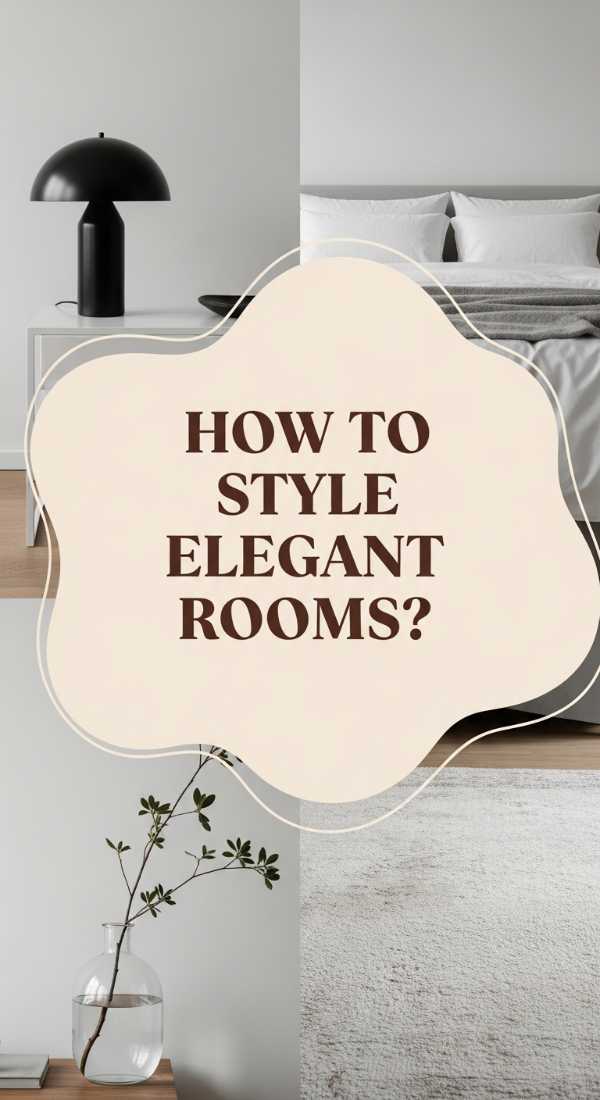
This is where ‘hygge’ meets minimalism. It’s the art of creating a sanctuary that feels warm and inviting without the visual noise of excess. We love the richness of a thick, faux-fur blanket draped over a sleek chair and the flickering warmth of a fireplace (or even a candle) reflecting off a clean, white wall. It’s the feeling of being wrapped in a cashmere sweater while standing in a wide-open gallery. It is pure, unadulterated comfort that focuses on quality over quantity, making every soft surface feel like a conscious luxury.
Essential Elements:
- High-pile rugs or sheepskin throws
- Oversized floor pillows in neutral linen
- Soft-glow amber light bulbs
- Natural wood accents (walnut or cedar) for organic warmth
- A curated collection of soft, neutral-toned pillows
How to make it
- Start with a ‘comfort audit.’ Sit in every chair and lie on every bed. If it isn’t physically comfortable, it doesn’t belong in a ‘cozy’ minimalist home.
- Introduce ‘warmth’ through the color palette. Incorporate taupe, mushroom, and soft greige to take the ‘chill’ off the minimalist aesthetic.
- Layer your lighting ‘simmer.’ Use candles at varying heights to create a flickering, dynamic warmth that mimics a real hearth.
- Select fabrics that feel ‘expensive’ to the touch. Mix silk, wool, and linen. The variety in texture replaces the need for variety in color or pattern.
- Keep the ‘seasoning’ light. Add one high-quality, oversized knit throw to the end of the bed or sofa. It should look casually tossed, providing an ‘effortless’ finish.
How to Style a Minimalist Room for Effortless Elegance
Why we love this
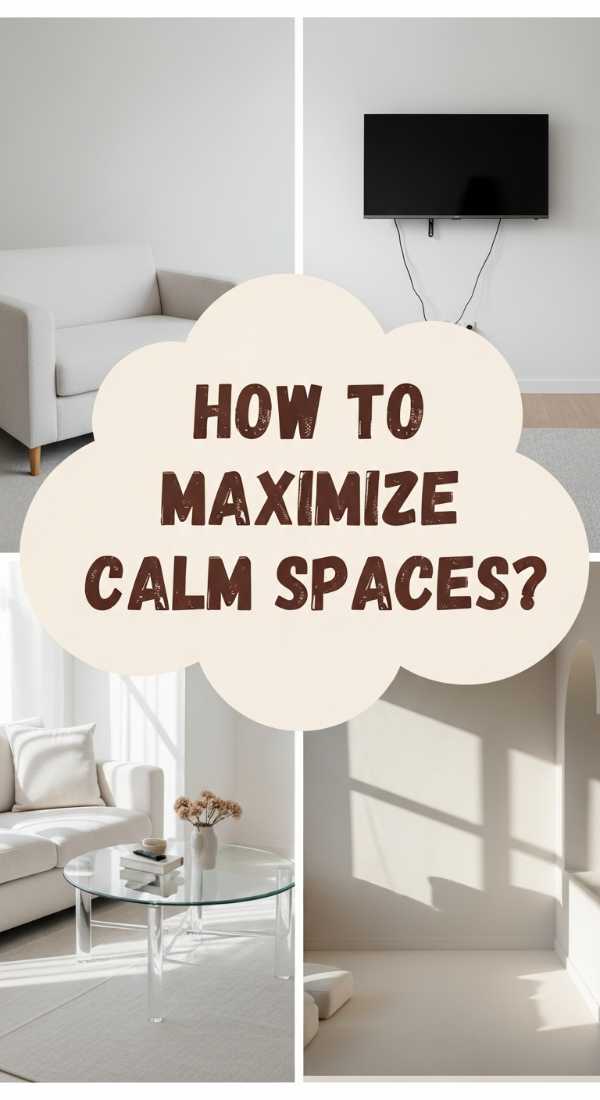
Elegance in minimalism comes from the ‘less but better’ philosophy. We love the high-fashion feel of a room that relies on silhouette and form rather than glitter and gold. Think of the sculptural curve of a mid-century chair against a stark, white wall or the dramatic height of a single fiddle-leaf fig tree. It’s a sophisticated, quiet luxury that feels both modern and timeless. The air feels crisp, the lines are sharp, and the overall effect is one of curated, intentional grace that never tries too hard.
Essential Elements:
- Statement sculptural furniture (like a Wishbone or Womb chair)
- Black matte accents to provide high-contrast grounding
- Large-scale, single-subject photography in thin black frames
- Polished concrete or matte hardwood floors
- Minimalist window treatments like motorized roller shades
How to make it
- Choose one ‘hero’ piece of furniture with a distinct architectural shape. This piece will act as the ‘main course’ of the room.
- Incorporate ‘negative space’ as if it were a luxury material. The space around the furniture is just as important as the furniture itself.
- Use ‘acidic’ accents—sharp, high-contrast items like a black lamp or a dark charcoal cushion—to prevent the room from looking ‘soupy’ or washed out.
- Keep surfaces ‘clean’ at all times. If you have a coffee table, it should hold at most one tray and one book. Anything more breaks the ‘elegant’ spell.
- Check the ‘timing’ of your design. An elegant room should feel like it was designed 50 years ago and will still be relevant 50 years from now. Avoid trendy colors in favor of a monochromatic or tonal palette.
How to Design a Minimalist Living Room for Small Spaces to Maximize Calm

Why we love this
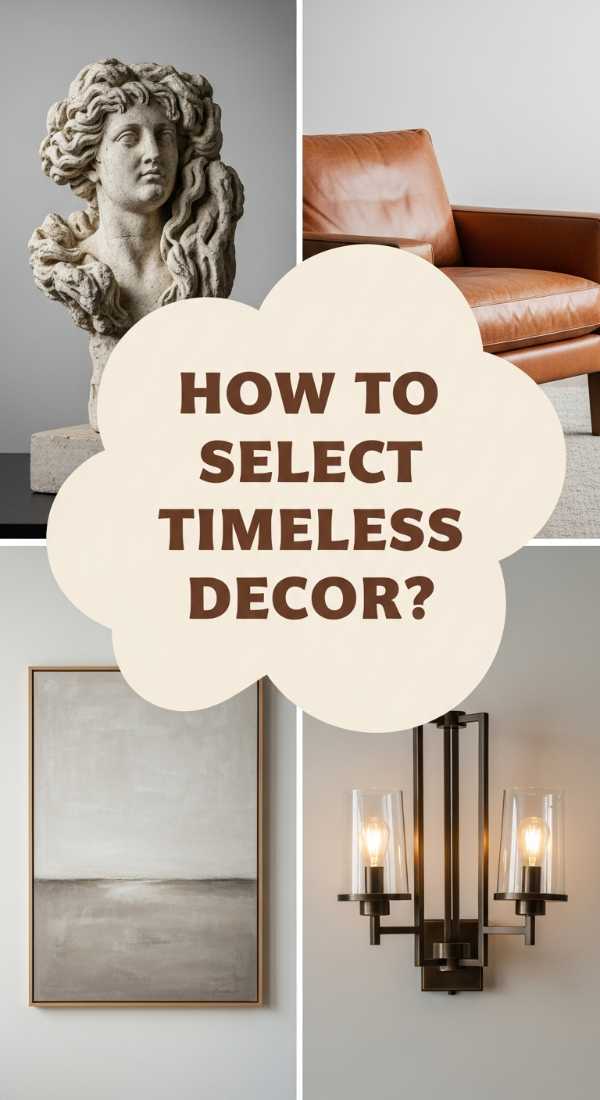
When you live small, every inch must earn its keep. We love this design style because it treats a tiny living room like a precious jewel box. By using a monochromatic color scheme and multifunctional furniture, the ‘walls’ seem to disappear, leaving only a sense of weightless calm. The smell of fresh eucalyptus and the sight of a perfectly organized ‘everything drawer’ inside a sleek sideboard create a feeling of total control over your environment. It’s the ultimate antidote to the ‘small space stress’ that often plagues urban living.
Essential Elements:
- Wall-mounted media consoles to keep floor space clear
- A neutral-colored rug that covers almost the entire floor area
- Mirror-fronted cabinets to hide storage while reflecting light
- Fold-down desks or nesting tables
- Soft, vertical lighting like ‘tall’ floor lamps
How to make it
- ‘Deglaze’ the floor. Every piece of furniture that can be wall-mounted should be. Seeing more of the floor makes the room feel drastically larger.
- Match your furniture color to your wall color. A white sofa against a white wall ‘melts’ away, reducing the visual ‘clutter’ of shapes in a tight space.
- Use ‘transparent’ textures. Glass, acrylic, and open-weave rattan allow the eye to travel *through* objects, which creates a ‘light’ and ‘calm’ atmosphere.
- Organize your ‘prep’ areas. In a small space, a single ‘out of place’ item looks like a mountain. Use ‘micro-zones’ (trays, baskets) to keep everything contained.
- Test the ‘visual doneness.’ Sit in the middle of the room. If you feel like things are ‘closing in,’ remove the largest non-essential item. Minimalism in small spaces is about the edit.
How to Balance Minimalist Cozy Vibes for the Perfect Sanctuary
Why we love this
This is the ‘golden ratio’ of interior design. It’s the perfect blend of the clean, cool lines of minimalism and the warm, fuzzy feelings of a cozy home. We love the juxtaposition of a sleek, modern fireplace with a pile of soft, cream-colored logs and the way a minimalist space can still feel ‘full’ of life and personality. It’s the scent of freshly brewed coffee and the sight of a single, well-loved book on a side table. It’s a sanctuary that doesn’t feel like a museum, but rather a high-vibe space for high-quality living.
Essential Elements:
- A mix of ‘hard’ (stone, metal) and ‘soft’ (wool, velvet) textures
- Warm wood tones mixed with cool greys or whites
- Indirect lighting (LED strips behind headboards or under cabinets)
- Handmade ceramics with intentional imperfections (Wabi-sabi)
- A single, high-quality houseplant like an Olive Tree
How to make it
- Start with the ‘minimalist base’—clean walls, simple furniture, and zero clutter. This is your ‘foundation stock.’
- Add ‘fat’ to the design through texture. Think of a chunky wool rug or a velvet cushion. These items provide the ‘flavor’ and ‘coziness’ that prevents the room from being bland.
- Create ‘pockets of warmth.’ Use small table lamps with warm bulbs in corners to create a ‘glow’ that draws people into the space.
- Incorporate ‘life’ elements. A single plant or a bowl of fresh fruit provides a pop of color and an organic shape that balances the ‘stiffness’ of minimalist lines.
- Season to taste. If the room feels too cold, add a wooden tray. If it feels too busy, remove a pillow. The ‘perfect sanctuary’ is found in the balance of ‘just enough.’
How to Select Room Decor Minimalist Style for Timeless Appeal
Why we love this
There is a quiet confidence in choosing decor that will never go out of style. We love the way ‘timeless’ minimalist decor feels expensive without being flashy. It’s about the heavy weight of a solid brass candle holder, the cool temperature of a marble tray, and the timeless silhouette of a glass carafe. This style is an investment in your long-term peace; you won’t feel the need to ‘redecorate’ every season because your home is built on a foundation of classic, high-quality beauty that transcends the fickle nature of trends.
Essential Elements:
- Natural materials: Marble, brass, linen, and solid wood
- Geometric shapes with clean, unadorned edges
- A monochromatic color palette (black, white, and wood)
- High-quality textiles with high thread counts or heavy weaves
- Integrated storage that hides modern technology (TVs, cords)
How to make it
- Select your ‘heirloom’ ingredients. When buying decor, ask yourself: ‘Will I still like this in 10 years?’ If the answer is no, don’t buy it.
- Focus on the ‘finish.’ Choose matte over glossy for a more sophisticated, timeless look that doesn’t show fingerprints or dust as easily.
- Use ‘primary’ materials. Stick to things that come from the earth. Stone, wood, and metal have a ‘weight’ and a ‘presence’ that plastic and MDF can never replicate.
- Master the ‘plating.’ Arrange your decor in a way that highlights the material. Place a brass bowl where the sun will hit it, or a marble tray where its cool texture can be felt.
- Observe the ‘visual simmer.’ A timeless room should feel ‘quiet.’ If a piece of decor is ‘screaming’ for attention, it’s probably a trend and not a classic.
How to Create a Cozy Minimalist Living Room for Mindful Relaxation
[IMAGE_10]
Why we love this
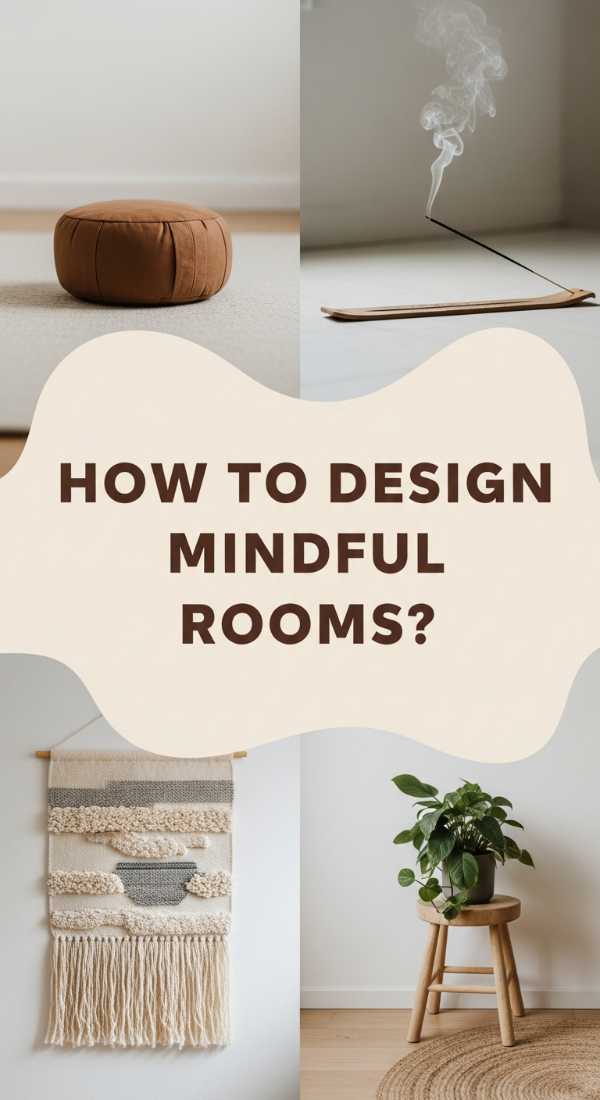
This is design as a form of meditation. We love how this style creates a ‘sensory vacuum’ that allows your mind to finally settle. The lack of visual ‘noise’—no piles of mail, no tangled cords, no bright patterns—acts as a balm for the over-stimulated brain. Imagine the smell of palo santo, the feel of a soft linen floor cushion, and the total silence of a room that has been acoustically dampened by heavy rugs and soft curtains. It is a space dedicated to the ‘here and now,’ making it the ultimate destination for mindful relaxation.
Essential Elements:
- Floor seating options like zabutons or large cushions
- Sound-dampening elements (heavy curtains, textured wall hangings)
- A dedicated ‘altar’ or focal point (a single candle or a piece of art)
- Subtle, natural scents (hinoki wood, cedar, or sage)
- Minimalist tech (hidden speakers or a digital-free zone)
How to make it
- ‘Clear the deck’ entirely. Remove everything from the room and only bring back what facilitates relaxation. This is your ‘mise en place’ for mindfulness.
- Soften the ‘acoustics.’ Minimalism can sometimes feel ‘echoey.’ Use soft textiles to absorb sound, creating a ‘hushed’ atmosphere that encourages quiet thought.
- Set the ‘visual temperature’ to low. Use dimmers on all lights and rely on ‘low-level’ lighting (lamps rather than overheads) to signal to the brain that it’s time to rest.
- Establish a ‘focal point.’ Instead of a TV, orient your furniture toward a window, a fireplace, or a single beautiful painting. This encourages ‘focused’ rather than ‘scattered’ attention.
- The final ‘garnish’ is scent. Use a high-quality incense or candle to ‘anchor’ the room. Every time you smell that specific scent, your body will know it’s time to relax.
Conclusion
Creating a minimalist home isn’t about emptying your life; it’s about filling it with the things that truly matter. Whether you’re working with a tiny apartment or a spacious living room, these viral minimalist ideas provide a roadmap to a more peaceful, intentional way of living. Remember, your home is the ‘container’ for your life—make sure it’s a beautiful one. Start small, edit ruthlessly, and enjoy the incredible serenity that comes when you finally make room for what moves your soul.