
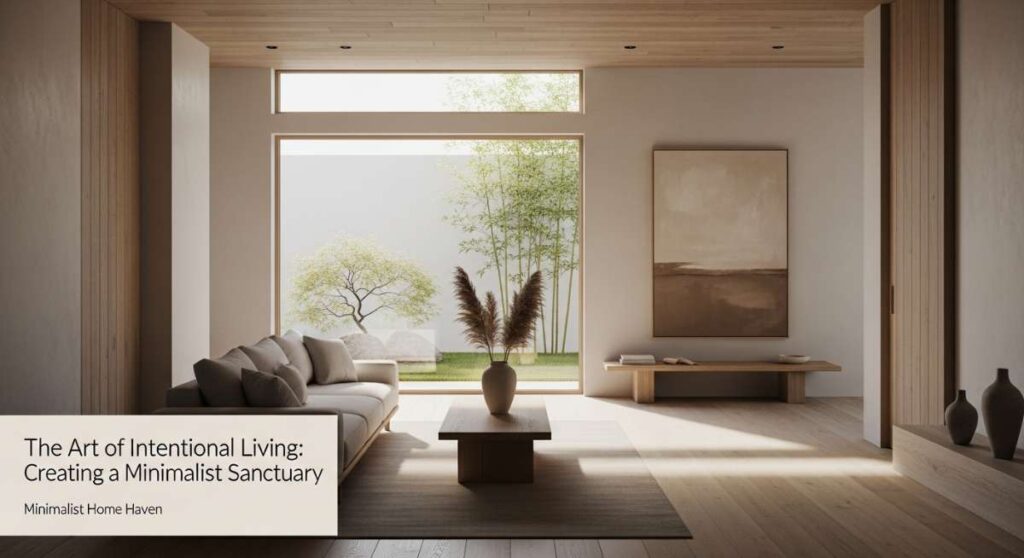
The Art of Intentional Living: Creating a Minimalist Sanctuary
Have you ever walked into a room and felt your shoulders instantly drop an inch? For years, I lived in a home that felt more like a warehouse for my past than a launchpad for my future. The clutter wasn’t just on the shelves; it was in my mind, a constant static of ‘to-dos’ and ‘should-haves’ that made it impossible to truly rest. I realized that my environment was a mirror of my internal state, and it was time for a drastic change.
Creating a minimalist sanctuary isn’t about deprivation or living in a cold, white box. It is about the radical act of choosing what deserves your attention. When we strip away the excess, we make room for the light to hit the floor just right, for the scent of fresh eucalyptus to linger, and for our own thoughts to finally be heard. This journey toward intentional living changed everything for me, and I want to show you how to curate that same sense of profound peace in your own home.
It’s about finding the beauty in the ‘enough.’ By focusing on quality over quantity and texture over trends, we can build a haven that nurtures our souls every time we walk through the door. Let’s dive into the essential layers of creating your own minimalist home haven.
How to Curate a Cozy Minimalist Living Room for Total Serenity
Why we love this
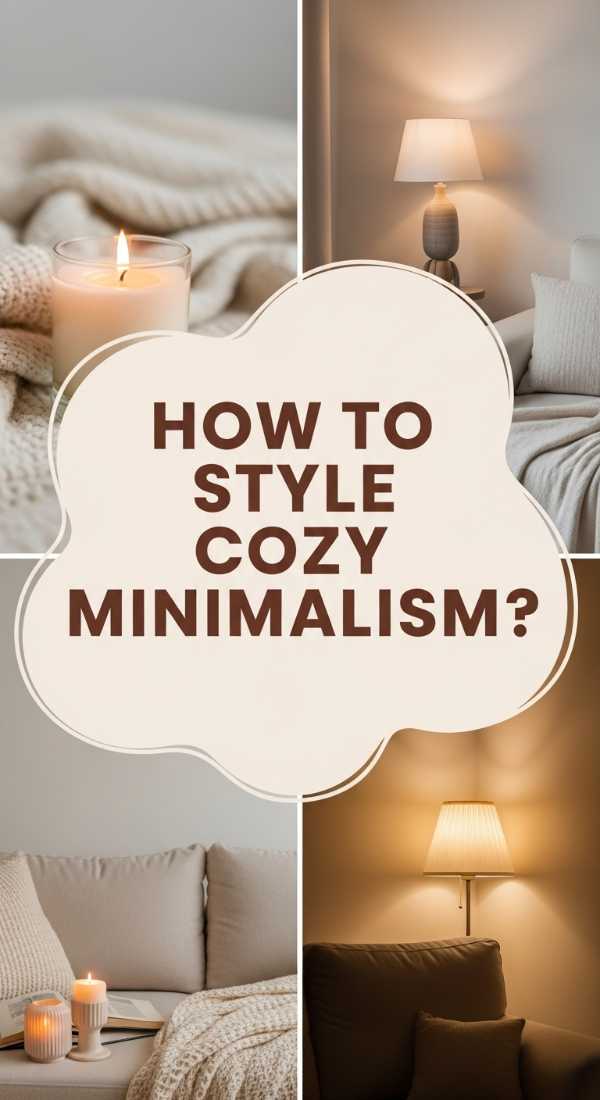
There is a specific kind of magic in a room that breathes. Imagine sinking into a cloud-soft linen sofa while the amber glow of a single ceramic lamp washes over walls the color of toasted oatmeal. You can smell the faint, grounding aroma of sandalwood incense as your toes sink into a thick, cream wool rug. This space doesn’t demand anything from you; it simply offers a quiet, tactile embrace that feels like a long, slow exhale after a chaotic day.
Essential Elements:
- Neutral-toned linen sofa
- Solid oak coffee table
- Hand-poured soy candle (sandalwood or cedar)
- Large-scale ceramic floor vase with dried pampas
- Off-white wool area rug
How to make it
- Preparation Phase: Start by ‘prepping’ your space by clearing every single item from the room. This allows you to see the ‘bones’ of the architecture without distraction.
- Base Layering: Place your largest piece—the sofa—parallel to the longest wall. Ensure there is a ‘cool’ temperature of light by using 2700K warm LED bulbs to mimic the soft glow of sunset.
- Texture Mixing: Slowly fold in your textiles. Lay the wool rug first, then position the oak table. The ‘heat’ here is visual; balance the hard wood with the soft fabric to prevent the room from feeling sterile.
- Scent Infusion: Just as a dish needs seasoning, a room needs aroma. Light your candle 20 minutes before use to allow the fragrance oils to reach their peak ‘bloom’ throughout the space.
- The Final Garnish: Add the floor vase in a corner where the light hits. Observe the shadows for 5 minutes; if they feel too sharp, soften the angle of the light.
How to Design a Small Living Room for an Apartment Cozy Aesthetic

Why we love this
Small spaces have a natural intimacy that grand rooms often lack; they feel like a curated jewel box. When designed with intention, a compact apartment living room becomes a cocoon of soft textures and clever perspectives. Picture the afternoon sun dancing off a strategically placed mirror, illuminating the velvet pile of a petite armchair. It’s a sensory delight where every object is within reach, creating a feeling of safety and curated warmth that feels profoundly personal.
Essential Elements:
- Wall-mounted floating shelves
- Over-sized wall mirror with a thin brass frame
- Low-profile modular seating
- Translucent linen curtains
- Nesting side tables
How to make it
- Space Prep: Measure your floor plan to the inch. In small space ‘cooking,’ precision is key to avoid a ‘crowded’ result.
- Vertical Rise: Mount your floating shelves at eye level. This draws the eye upward, much like a soufflé rising, creating an illusion of height and airiness.
- Light Reflection: Position your large mirror directly opposite the main window. This ‘doubles’ your light ingredients, making the room feel twice as bright without adding extra fixtures.
- Simmering the Layout: Place the modular seating in the center rather than against the walls. This creates ‘flow’ around the furniture, preventing the ‘clogged’ feeling of a small room.
- Soft Finishing: Hang translucent curtains high above the window frame. Let them pool slightly on the floor (about 1 inch) to add a luxurious, draped texture that softens the room’s boundaries.
How to Master Minimalist Room Decor for a Polished Home
Why we love this
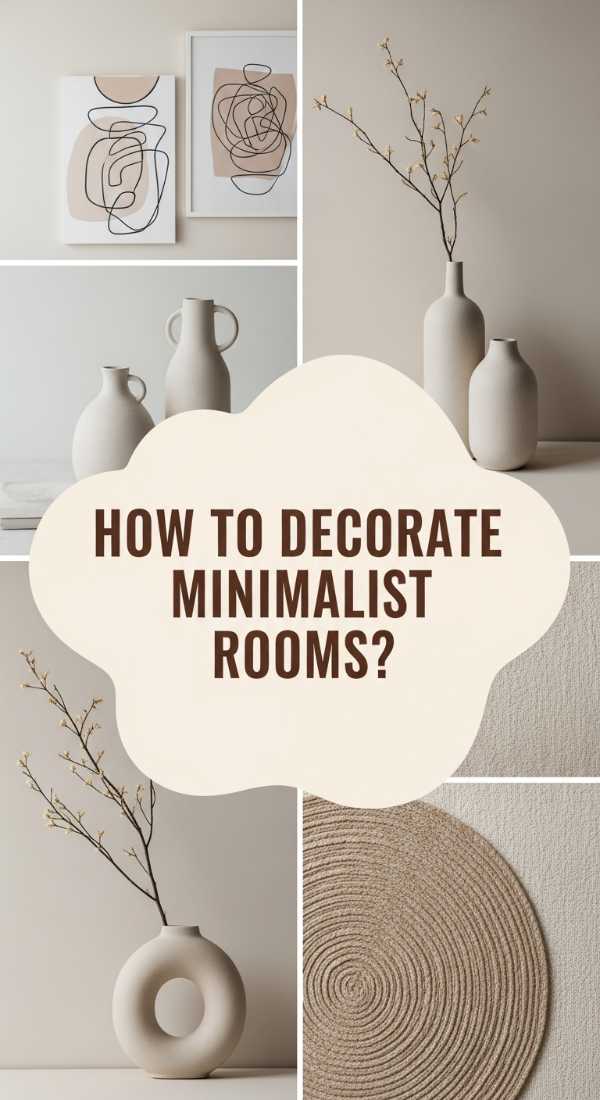
A polished minimalist room feels like a museum gallery that you’re actually allowed to nap in. It’s the crispness of a perfectly smooth marble surface against the matte finish of a clay pot. The aesthetic is elevated and sophisticated, yet entirely unpretentious. Walking into this environment feels like clearing a tab in your brain; the visual silence allows the beauty of a single, well-chosen piece of art or the curve of a designer chair to truly sing.
Essential Elements:
- Statement abstract line art
- Matte black metal accents
- Travertine or marble trays
- High-thread-count cotton throws
- Single-stem greenery in glass
How to make it
- The Curation Sift: Sift through your decor and remove anything that doesn’t serve a dual purpose of beauty and function. If it’s ‘clumpy’ (cluttered), set it aside.
- Establishing Focal Points: Hang your statement art at exactly 57 inches from the floor (gallery standard). This creates a professional ‘sear’ for the eye to land on.
- The Material Mix: Place a cold marble tray on a warm wooden surface. This contrast in ‘thermal’ textures creates the ‘high-end’ mouthfeel of interior design.
- Refining the Palette: Keep your colors within three shades. Think of this as your ‘base sauce’—white, beige, and a touch of charcoal. Consistent color creates a polished, cohesive finish.
- Organic Garnish: Place a single eucalyptus branch in a clear glass vase. The simplicity of the green against the neutral palette provides a fresh ‘zest’ to the room’s energy.
How to Transform Your Minimalist Home into a Sanctuary of Peace

Why we love this
A true sanctuary is more than a look; it’s a vibration. It’s the way the air feels still and cool, the way the light filters through bamboo shades to create stripes of gold on the floor. In this space, your heartbeat seems to slow down naturally. You are surrounded by things that hold meaning—a ceramic bowl from a trip, a book that changed your life—all laid out with enough space to breathe. It’s a physical manifestation of a deep, restorative inhale.
Essential Elements:
- Natural bamboo or wood blinds
- Essential oil diffuser (lavender and frankincense)
- A dedicated ‘tech-free’ corner
- Floor cushions in hemp or jute
- Soft, dimmable ambient lighting
How to make it
- Decompressing the Environment: Remove all electronics from the primary ‘sanctuary’ zone. This removes the ‘noise’ from your prep area.
- Aromatic Base: Set your diffuser to a ‘slow simmer.’ Use 5 drops of lavender for peace and 2 drops of frankincense for grounding. Start this 30 minutes before you plan to occupy the room.
- Layering the Light: Turn off all overhead ‘harsh’ lights. Layer small lamps at different heights—on the floor, on a stool, and on a shelf—to create a warm, multi-dimensional glow.
- Setting the Texture: Lay down floor cushions. Ensure they are made of natural fibers like hemp, which provide a grounding, earthy ‘mouthfeel’ to the tactile experience of the room.
- The Quiet Cure: Sit in the center of the room for 10 minutes in total silence. If any object ‘yells’ at you (creates stress), remove it immediately until the ‘flavor’ of the room is perfectly calm.
How to Arrange Living Room Decor for a Minimalist Aesthetic
Why we love this
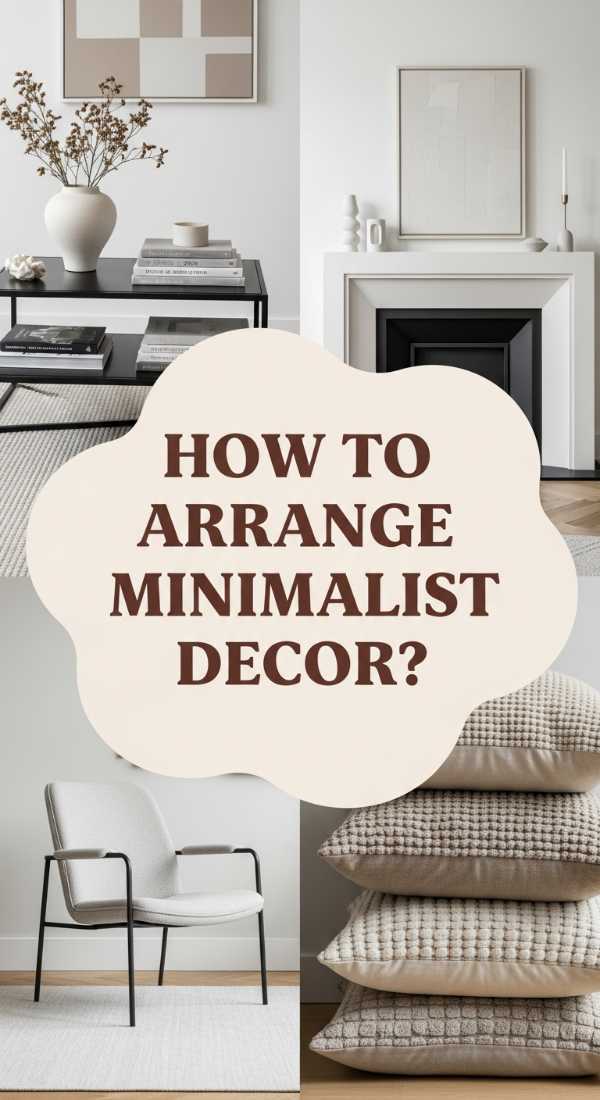
The arrangement is the choreography of a home. We love a well-arranged minimalist room because it guides our movement with grace. There is a clear path to walk, a clear place to sit, and a clear view of the window. It feels balanced and symmetrical without being rigid. It’s the difference between a cluttered drawer and a perfectly organized spice rack; everything has a home, and that order creates a profound sense of psychological safety and ease.
Essential Elements:
- Low-profile coffee table
- Pairs of identical cushions
- A large, structured rug
- Negative space (empty wall sections)
- Symmetrical side chairs
How to make it
- Mapping the Flow: Use painter’s tape on the floor to ‘template’ your furniture. Leave at least 3 feet of ‘aisle space’ for walking to ensure the ‘flow’ is never restricted.
- The Rule of Thirds: Arrange your main seating to occupy two-thirds of the room, leaving the final third as ‘negative space.’ This empty space is the ‘acid’ that cuts through the ‘richness’ of the furniture.
- Balancing Weight: If you have a heavy sofa on one side, ‘counter-balance’ it with two lighter armchairs on the other. This prevents the room from ’tilting’ visually.
- Symmetrical Plating: Place identical cushions on either end of the sofa. This symmetry acts as a visual ‘stabilizer,’ making the brain feel instantly more relaxed.
- Coffee Table Styling: Use the ‘triangle method.’ Place one tall item (vase), one flat item (book), and one textured item (beads) in a cluster. The rest of the table should remain empty.
How to Achieve a Minimalist Cozy Vibe for Winter Evenings
Why we love this
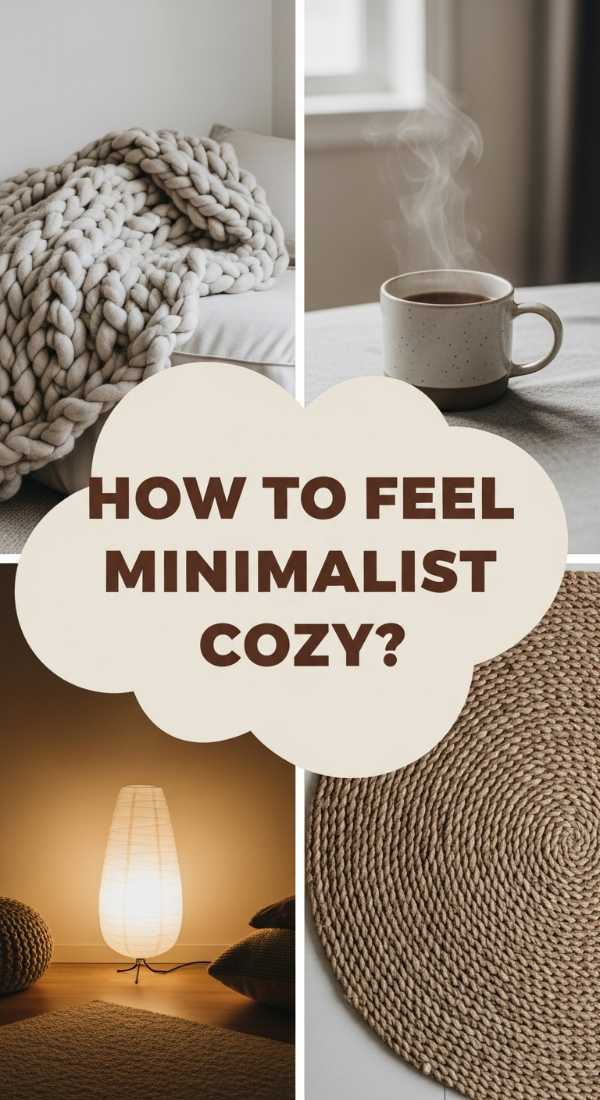
Winter is the season of ‘gathering in,’ and a minimalist home makes this feel incredibly intentional. Imagine the contrast of the biting cold outside against the radiant warmth of a chunky knit throw and a crackling fire. The colors are deeper—charcoals, chocolate browns, and forest greens—creating a moody, soulful atmosphere. It’s the sensory joy of a hot mug of cocoa felt through soft wool sleeves, with the lights dimmed low and the world outside forgotten.
Essential Elements:
- Chunky knit wool blankets
- Brass candle holders with beeswax tapers
- Velvet pillow covers in deep earth tones
- A stack of birch logs
- Warm-toned area rug
How to make it
- Insulating the Base: Swap out thin summer linens for ‘heavy-duty’ textiles. Think of this as adding a roux to your room to thicken the atmosphere.
- The Beeswax Bloom: Use real beeswax candles. They have a higher ‘melting point’ and a natural honey scent that adds a golden, warm ‘glaze’ to the evening air.
- Deep Toning: Introduce one deep accent color, like burnt orange or moss green. These ‘spices’ provide the visual heat needed during the cold months.
- Layering the Heat: Drape blankets over the back of chairs and the edge of the sofa. The ‘visual weight’ of the knit adds a layer of psychological warmth before you even touch them.
- Ambient Low-Heat: Keep all lighting below eye level. This creates a ‘hearth’ effect, drawing everyone toward the center of the warmth and intimacy.
How to Refresh Your Minimalist Room for Better Morning Energy
Why we love this
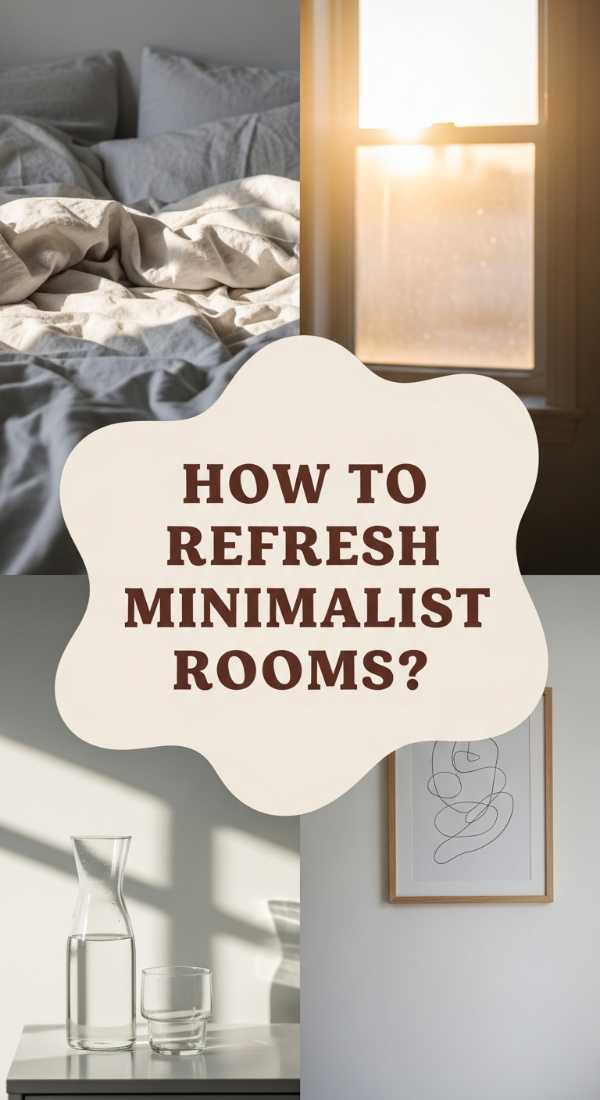
A morning refresh is like a splash of cold water on the face. It’s the feeling of crisp, white sheets being pulled tight, the smell of fresh lemon zest, and the sight of bright, unobstructed sunlight. This is about ‘brightening the palate’ of your home. When your space is clear and vibrant in the morning, your mind follows suit, allowing you to approach the day with a clean slate and a focused, energized spirit.
Essential Elements:
- White cotton slipcovers or bedding
- Citrus-based room spray (lemon/grapefruit)
- Fresh white flowers (lilies or tulips)
- Clear glass decor
- Open windows for airflow
How to make it
- The Airing Out: First thing in the morning, ‘degaze’ the room by opening all windows for 10 minutes. This replaces ‘stale’ air with fresh oxygen, the most important ingredient for morning energy.
- Smoothing the Surfaces: ‘Prep’ your day by clearing all surfaces of yesterday’s clutter. Wipe down tables with a citrus-scented cleaner to stimulate the senses.
- Light Maximization: Pull all curtains completely back, even past the window frame. This ensures 100% ‘heat’ from the sun enters the room.
- Hydrating the Decor: Replace any wilted greenery with fresh white flowers in clear water. The transparency of the glass adds a ‘crisp’ texture to the visual field.
- The White Layer: Use white textiles where possible. They reflect the most light, acting as a ‘leavening agent’ to make the room feel light and airy.
How to Elevate Decor for a Minimalist High End Appearance
Why we love this
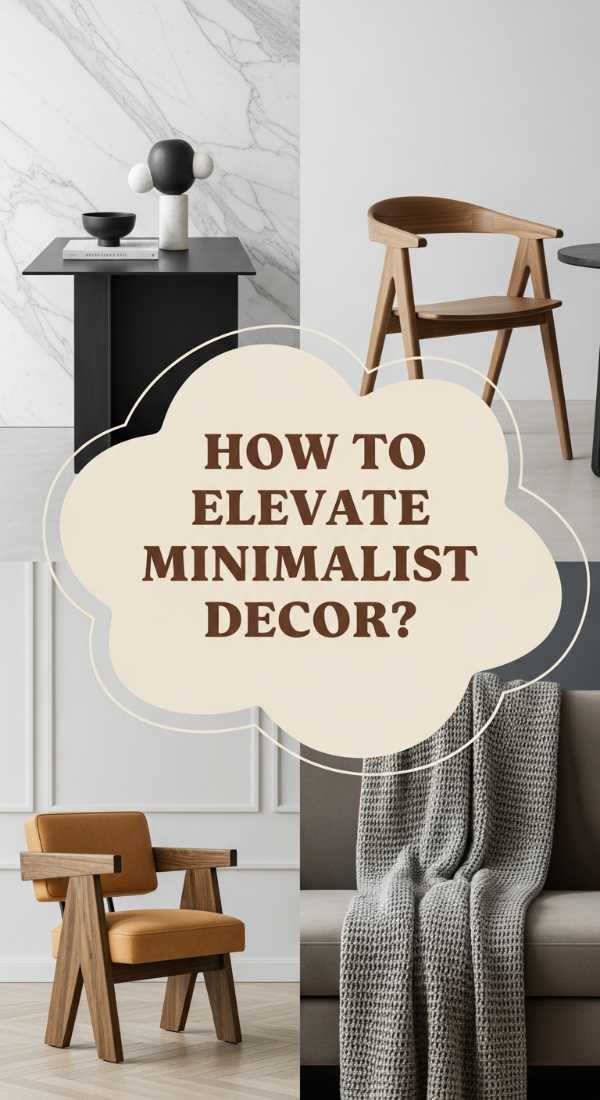
High-end minimalism is all about the ‘luxury of less.’ It’s the heavy, substantial feel of a solid stone sculpture or the intricate grain of a piece of reclaimed walnut. We love this because it feels timeless and curated; it’s not about labels, but about the integrity of materials. It’s like a perfectly cooked steak—it doesn’t need a heavy sauce because the quality of the ingredient itself is the star of the show.
Essential Elements:
- Solid stone or travertine objects
- Architectural lighting fixtures
- Original artwork (one large piece)
- High-quality natural fibers (silk/cashmere)
- Invisible storage (sleek cabinetry)
How to make it
- Ingredient Sourcing: Invest in one ‘hero’ ingredient—a piece of furniture made of solid, high-quality material like marble or oak. Avoid ‘fillers’ (particle board).
- The ‘Museum’ Spacing: Give every object at least 12 inches of ‘breathing room.’ This elevates a simple bowl to a piece of art by highlighting its silhouette.
- Refining the Hardware: ‘Season’ the room by replacing standard plastic light switches or knobs with heavy brass or matte black metal versions. The ‘tactile’ feedback of quality is a hallmark of high-end design.
- Low-Heat Lighting: Use integrated LED strips under shelves or behind sofas. This ‘backlighting’ creates a sophisticated, expensive glow without visible ‘clunky’ fixtures.
- Curation Overload: Remove 20% of what is currently on display. In high-end design, the ‘reduction’ is what creates the flavor of luxury.
How to Organize a Minimalist Living Room for Small Spaces and Function
Why we love this
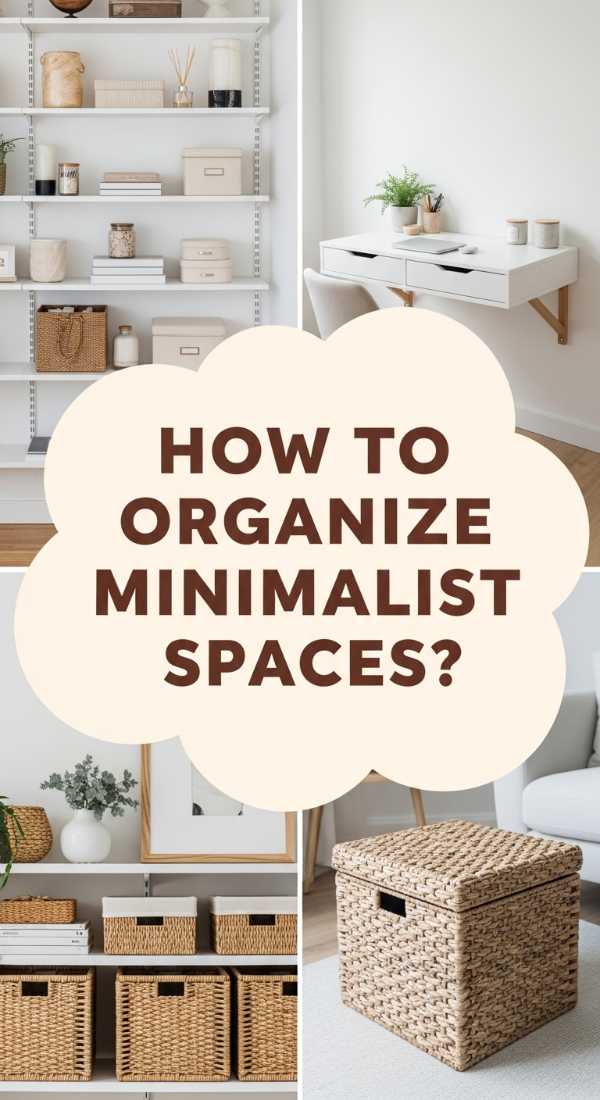
Organization in a small space is the ultimate form of self-care. It’s the satisfaction of every remote, book, and blanket having a hidden home, leaving only the beautiful things on display. We love the ‘snap’ of a well-organized room—the way a storage ottoman hides the clutter of daily life, leaving the surface clear for a cup of tea. It creates a ‘mise en place’ for your life, where everything you need is ready and nothing you don’t need is in your way.
Essential Elements:
- Storage ottomans or benches
- Hidden cord management boxes
- Uniform storage baskets (seagrass or felt)
- Multi-functional furniture
- Decorative boxes for small items
How to make it
- The Sorting Phase: Group your items by ‘usage frequency.’ Things you use every day stay at ‘eye level,’ while ‘pantry items’ (seasonal decor) go into deep storage.
- The ‘Hidden’ Sear: Use cord management boxes to hide all wires. Exposed wires are like ‘burnt edges’ on a dish; they ruin the presentation and distract from the main flavor.
- Uniformity in Containers: Use identical baskets for all open shelving. This ‘homogenizes’ the visual texture, making a busy shelf look like a single, clean ‘block.’
- Multi-Tasking Elements: Choose a coffee table with a ‘lift-top’ or drawers. This ‘doubles the yield’ of your square footage by providing hidden prep space.
- The 5-Minute Reset: Establish a ‘closing shift’ routine. Every night, spend 5 minutes returning every item to its ‘home’ so you wake up to a fresh ‘prep station.’
How to Layer Textures in a Cozy Minimalist Living Room for Depth

Why we love this
Without texture, minimalism can feel flat and flavorless. Layering is what adds the ‘soul.’ We love the way a smooth leather chair plays against a chunky knit throw, or the way a rough jute rug sits beneath a silk-soft velvet cushion. These layers create ‘depth’—a visual and tactile richness that makes the room feel expensive and lived-in. It’s a sensory feast that invites you to touch, feel, and linger in the comfort of your surroundings.
Essential Elements:
- Jute or sisal base rug
- Velvet and linen throw pillows
- Leather accent pieces
- Woven wall hangings
- Smooth ceramic or glass accessories
How to make it
- The Foundation Layer: Start with a ‘coarse’ base, like a jute rug. This provides the ‘earthy’ undertone for the room’s texture profile.
- Adding the Fat: Layer a softer, smaller wool rug directly on top of the jute. This ‘fatty’ layer adds the comfort and richness that makes the floor feel luxurious.
- The Emulsion: Mix your pillow fabrics. Use two linen (matte) and one velvet (sheen). The contrast in light reflection creates a ‘visual emulsion’ that is incredibly pleasing to the eye.
- Hard vs. Soft: Place a smooth, cold glass vase on a rough, warm wooden tray. This ‘thermal’ contrast is the key to creating professional-level depth.
- Final Glaze: Drape a high-texture throw (like boucle or faux fur) over the arm of a smooth leather chair. The ‘clash’ of the textures provides the final, complex ‘notes’ to the room’s design.
Cultivating Your Own Peace
Creating a minimalist sanctuary isn’t a weekend project; it’s a lifelong practice of intentionality. As you begin to strip away the excess and focus on the textures, scents, and light that truly nourish you, you’ll find that your home becomes more than just a place to sleep. it becomes a place where you can truly become yourself. Start small, choose with love, and remember that every empty space is simply an invitation for peace to enter.