
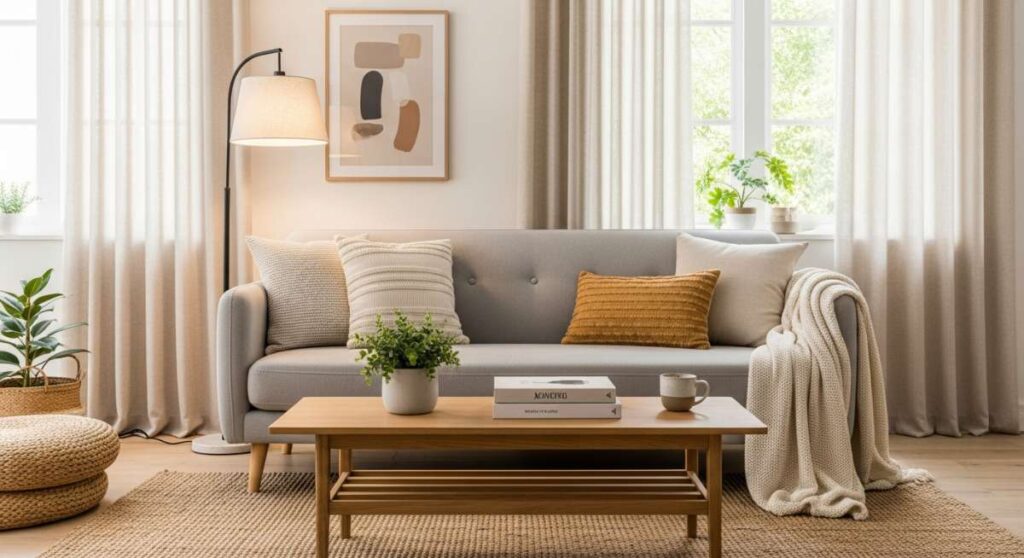
10 Essentials for a Minimalist Living Room That Actually Feels Like Home
Have you ever walked into your living room and felt your shoulders immediately tense up? Between the stack of unread mail on the coffee table and the sea of ‘stuff’ we think we need, our homes often become a source of sensory overload rather than a sanctuary. I spent years thinking ‘more’ meant ‘cozier,’ but I couldn’t have been more wrong. The true essence of home isn’t found in the quantity of decor, but in the quality of the peace it provides.
The truth is, true warmth doesn’t come from clutter; it comes from intentionality. It’s the way the afternoon sun hits a single ceramic vase or the soft give of a high-quality linen throw when you finally sit down after a long day. Creating a minimalist living room that actually feels like home is about editing out the noise so you can finally hear your own thoughts. Let’s walk through how to build a space that breathes, heals, and welcomes you back every single evening.
How to Curate a Small Living Room for Maximum Serenity
Why we love this
There is something incredibly grounding about a small room that isn’t fighting for attention. When you curate with serenity in mind, you create a visual exhale where soft textures and a muted palette invite you to slow down. Imagine the scent of fresh white tea wafting through the air as your eyes glide across smooth, clean surfaces and soft, oatmeal-colored fabrics. It feels like a gentle hug for your central nervous system, providing a quiet retreat from the chaotic digital world outside your front door.
Essential Elements:
- Low-profile linen sofa
- Acrylic or glass coffee table to minimize visual weight
- Sheer floor-to-ceiling linen curtains
- Single oversized monochromatic art piece
- A jute rug for organic texture
How to make it
- Assess the floor plan by clearing the room entirely; this ‘blank canvas’ phase allows you to see the true flow of natural light.
- Select a focal point, usually the largest wall or a window, and position your low-profile seating to face it, ensuring there are at least 18 inches of walking space around all furniture.
- Install your window treatments as high as possible—nearly touching the ceiling—to draw the eye upward and create the illusion of height.
- Layer your textiles starting with the rug; ensure the front legs of all furniture sit on the rug to ‘ground’ the seating area.
- Edit your surfaces until only three items remain on the coffee table; the visual cue for ‘doneness’ is when the room feels spacious enough for a deep breath but doesn’t feel empty or cold.
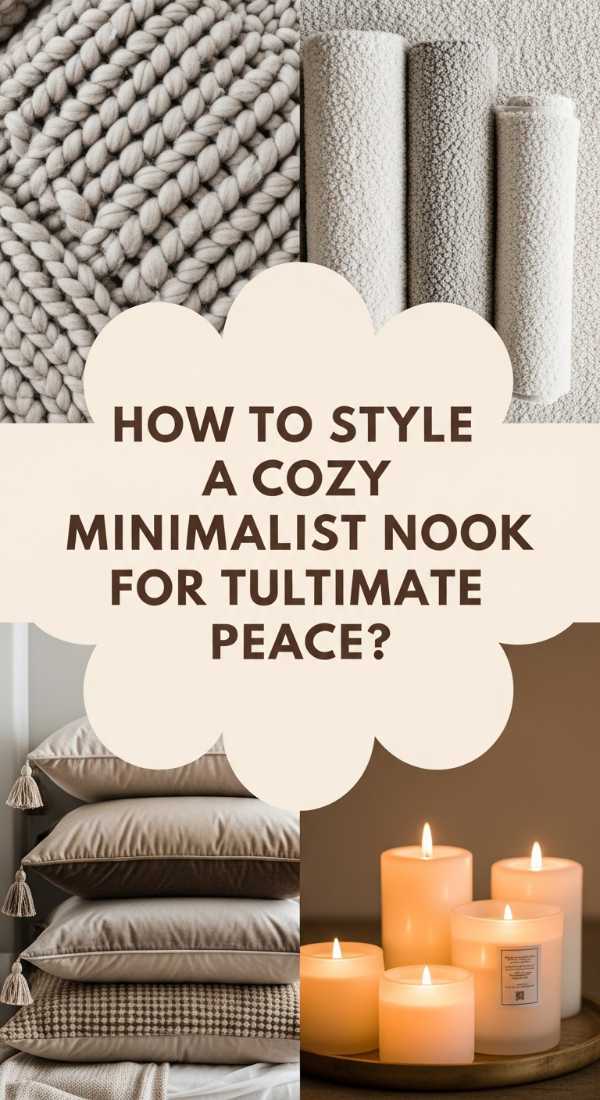
How to Style a Cozy Minimalist Nook for Ultimate Peace
Why we love this
A dedicated nook is the ultimate luxury in a minimalist home, offering a tiny island of tranquility just for you. We love the tactile contrast between a smooth wooden side table and the plush, chunky knit of a wool throw draped over a structured chair. It’s the perfect spot to feel the warmth of a ceramic mug between your palms while watching the shadows dance on the wall. This space isn’t just about furniture; it’s about the emotional resonance of having a place where the only requirement is to simply exist.
Essential Elements:
- Sculptural lounge chair
- Small solid wood pedestal table
- Dimmable floor lamp with warm-toned bulb
- High-quality wool or cashmere throw
- A single potted snake plant for air purity
How to make it
- Identify a corner with ‘dead space’ that receives indirect sunlight, which provides a soft, non-glaring glow perfect for reading.
- Place your lounge chair at a 45-degree angle toward the room’s center to create an inviting, ‘open-arm’ feel.
- Set the pedestal table within arm’s reach (about 20 inches high) to ensure you don’t have to strain to set down a drink or book.
- Position the floor lamp behind the chair so the light pools over your shoulder; use a 2700K color temperature bulb for that ‘golden hour’ warmth.
- Drape the throw over the armrest with intentional ‘messiness’—the visual cue is a soft fold that looks lived-in rather than stiffly staged.
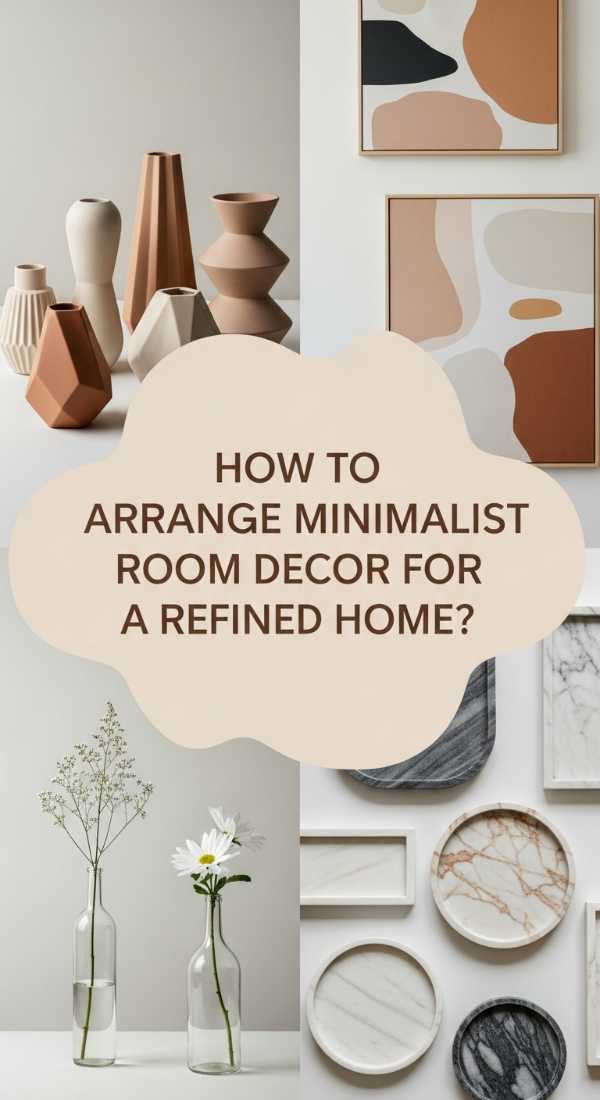
How to Arrange Minimalist Room Decor for a Refined Home
Why we love this
Arranging decor is an art form that balances the physical with the ethereal. We love this approach because it transforms mundane objects into curated treasures, giving your home a gallery-like feel without the pretension. The scent of beeswax candles and the sight of a perfectly placed stoneware bowl create a sense of order that translates directly into mental clarity. It’s about the harmony between the objects you love and the empty space around them, allowing each piece to truly shine and be appreciated.
Essential Elements:
- Hand-crafted ceramic vases
- Linen-bound coffee table books
- Natural stone coasters
- Minimalist wall clock
- Taper candles in matte holders
How to make it
- Clear all flat surfaces and wipe them down with a natural cedar or lavender spray to reset the energy of the room.
- Apply the ‘Rule of Three’ by grouping items of varying heights; for example, a tall vase, a medium book, and a small candle.
- Incorporate negative space by leaving at least 50% of your shelf or tabletop surface completely empty to prevent visual clutter.
- Align your decor along a central axis to create symmetry, which the brain perceives as ‘ordered’ and ‘calming.’
- Step back to the room’s entrance; if your eye moves smoothly across the room without ‘snagging’ on a single cluttered spot, the arrangement is complete.
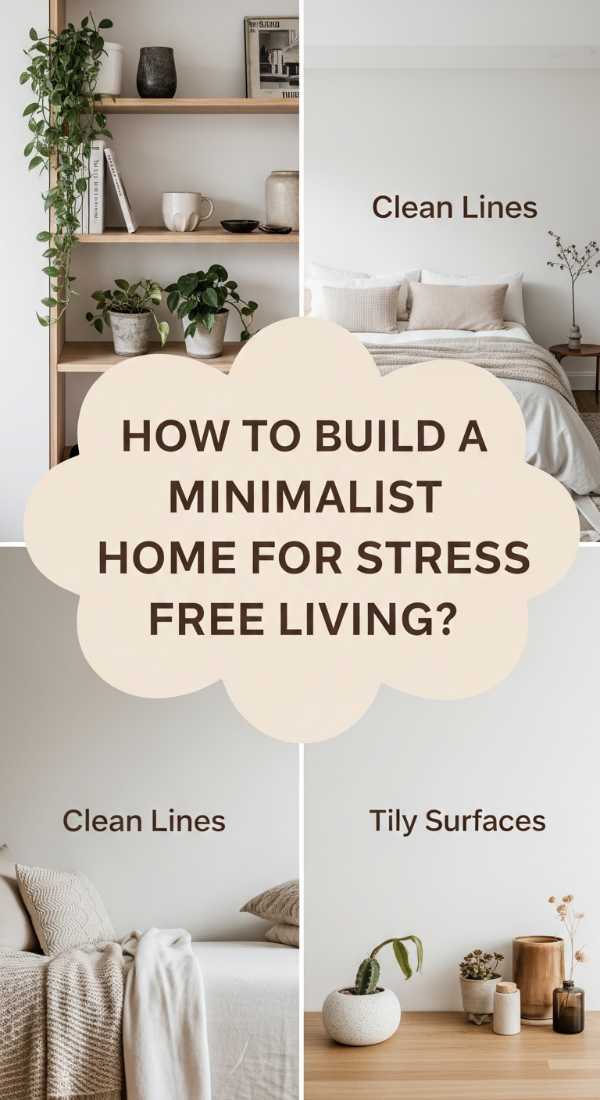
How to Build a Minimalist Home for Stress Free Living
Why we love this
Building a home for stress-free living is about creating a system that supports your well-being automatically. We love the way hidden storage and clean lines remove the visual ‘to-do list’ that usually plagues our living spaces. There’s a profound sense of relief when every item has a home, and the surfaces remain clear, reflecting the light and providing a sense of infinite possibility. It’s like living inside a calm, quiet morning that lasts all day long, where the physical environment actively reduces cortisol levels.
Essential Elements:
- Closed cabinetry or media consoles
- Furniture with built-in storage
- Neutral, high-quality wall paint (like warm white or soft greige)
- Natural wood elements (oak or walnut)
- Hidden cable management systems
How to make it
- Conduct a ‘purge’ of all items that haven’t been used in six months; be ruthless to ensure only the essentials remain.
- Install a floating media console to keep the floor visible, which creates an airy, light feel throughout the living area.
- Route all electronics cables through wall-mounted channels or behind furniture legs so no wires are visible to the naked eye.
- Choose a paint finish in ‘Satin’ or ‘Eggshell’ to softly diffuse light across the room, avoiding harsh reflections that cause eye strain.
- Establish a ‘one-in, one-out’ rule for all future decor purchases to maintain the ‘stress-free’ balance you’ve achieved.
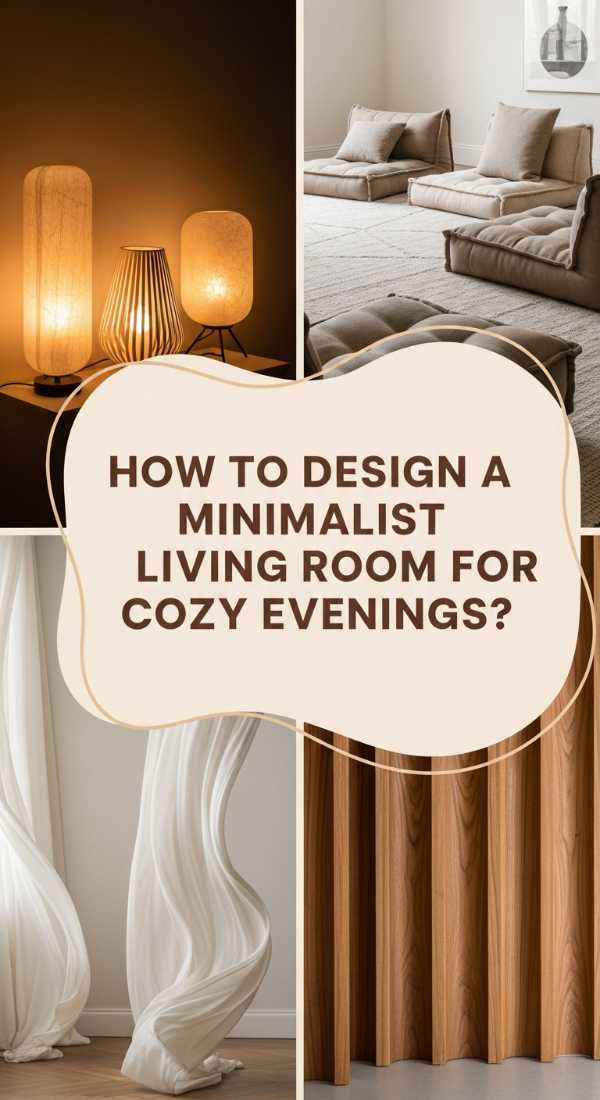
How to Design a Minimalist Living Room for Cozy Evenings
Why we love this
Minimalism doesn’t have to be cold; when designed for evenings, it becomes a warm, glowing cocoon. We love the way candlelight flickers against a bare, white wall, creating organic patterns that are more beautiful than any wallpaper. The feeling of soft, oversized pillows and the subtle aroma of sandalwood create an atmosphere of intimate luxury. It’s the ultimate way to decompress, where the lack of distractions allows you to focus entirely on the warmth of the fire or the company of a loved one.
Essential Elements:
- Floor cushions in velvet or heavy cotton
- Tabletop fire pit or large pillar candles
- Textured wall hanging for sound dampening
- Low-wattage accent lighting
- Deep-seated modular sofa
How to make it
- Layer your lighting by turning off all overhead ‘big lights’ and using only lamps or candles placed at or below eye level.
- Swap out lightweight summer cushions for heavier textures like velvet or wool to increase the ‘tactile warmth’ of the seating.
- Place a large, textured rug over your existing floor to provide extra insulation and a soft surface for floor lounging.
- Arrange seating in a circular or ‘U’ shape to encourage conversation and a feeling of closeness.
- The final visual cue is the ‘glow test’—the room should feel softly illuminated with no harsh shadows, resembling the light of a fading sunset.
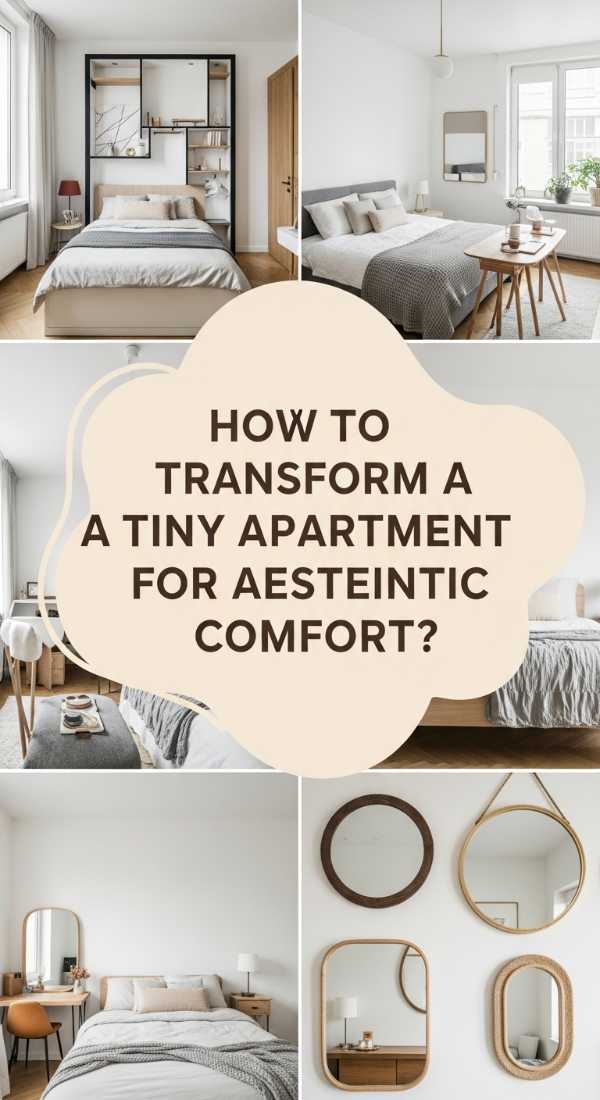
How to Transform a Tiny Apartment for Aesthetic Comfort

Why we love this
Transforming a tiny space into a minimalist haven is incredibly rewarding because it proves that style isn’t dependent on square footage. We love how the use of mirrors and light-colored woods can make a studio feel like a sprawling loft. The scent of fresh eucalyptus hanging in the air and the sight of a single, well-placed mirror reflecting the city lights creates a sense of urban magic. It’s about being smart with your choices so that every square inch feels intentional, luxurious, and, most importantly, comfortable.
Essential Elements:
- Large lean-to mirror
- Wall-mounted drop-leaf table
- Furniture with thin metal legs (to see more floor)
- Lucite chairs
- Single high-quality floor plant (like a Fiddle Leaf Fig)
How to make it
- Place a large mirror opposite your main window to bounce natural light into the darkest corners of the apartment.
- Select furniture with exposed legs rather than ‘skirted’ pieces; seeing the floor underneath furniture tricks the brain into thinking the room is larger.
- Utilize vertical space by installing thin, floating shelves high on the walls for books and small decor, keeping the floor clear.
- Stick to a monochromatic color palette (all whites, all greys, or all tans) to eliminate visual boundaries between walls and furniture.
- Check the ‘breathability’ of the room; you should be able to walk from one end to the other without turning your body sideways at any point.
How to Master Minimalist Cozy Vibes for Seasonal Warmth

Why we love this
Mastering seasonal minimalism is all about subtle shifts that reflect the world outside without cluttering the world inside. We love the transition from cool linens in the summer to heavy, earthy ceramics and thick knits in the winter. It’s the smell of dried orange slices and the sight of a single evergreen branch in a glass vase that brings the season home. This approach allows you to celebrate the holidays and the changing weather while maintaining the core principles of simplicity and mental peace.
Essential Elements:
- Interchangeable pillow covers in seasonal tones
- Dried botanical arrangements
- Heavyweight wool rugs
- Scented soy candles (pine, cinnamon, or amber)
- Woven storage baskets for extra blankets
How to make it
- Start by removing all current ‘active’ decor (pillows, throws, small objects) to see the room’s foundational minimalist structure.
- Introduce one seasonal color (like deep rust for autumn or forest green for winter) through two small accent pieces only.
- Swap your light summer rug for a high-pile or wool rug to add physical warmth and better acoustics during colder months.
- Incorporate natural elements from the outdoors, such as pinecones or dried branches, placed simply in a clear glass vessel.
- The visual cue for a successful seasonal refresh is a space that feels ‘tempered’—reflecting the time of year without feeling themed or cluttered.
How to Refresh Room Decor Minimalist Style for Mental Clarity
Why we love this
Sometimes the mind gets ‘stuck,’ and a minimalist refresh is the perfect way to clear the cobwebs. We love the ritual of moving furniture and decluttering surfaces to invite new energy into the home. The crisp scent of lemon-water cleaning spray and the sight of a freshly polished wooden floor provide an immediate boost to your mood. It’s a tangible way to take control of your environment, ensuring that your home remains a place of inspiration rather than a museum of past habits.
Essential Elements:
- Fresh white linens
- Organic cotton storage bins
- Minimalist desk organizer (if working from home)
- A new piece of minimalist art
- Fresh eucalyptus or lavender sprigs
How to make it
- Begin a ‘deep clean’ phase, dusting even the hidden areas like baseboards and the tops of door frames to remove stagnant energy.
- Rotate your existing furniture layout—even moving a chair to a different corner can change your perspective on the entire space.
- Replace any item that is broken or ‘just okay’ with one single high-quality item that you truly love.
- Incorporate ‘negative space’ into your walls by removing one or two pieces of art, allowing the remaining pieces more ‘room to breathe.’
- The final step is to sit in silence for five minutes; if you feel a sense of lightness and clarity, your refresh is complete.
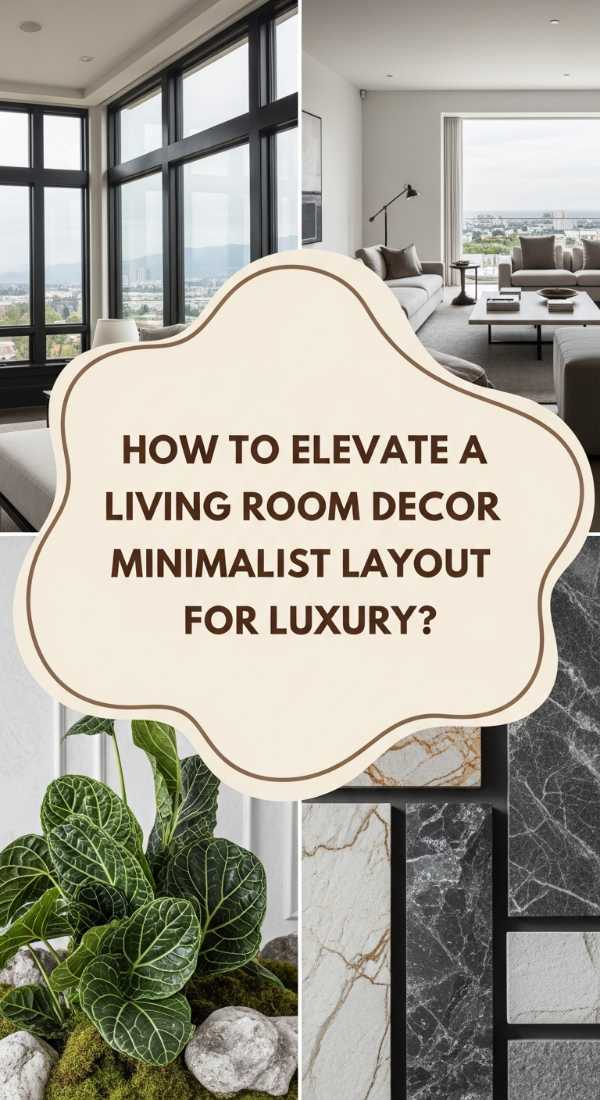
How to Elevate a Living Room Decor Minimalist Layout for Luxury
Why we love this
Luxury minimalism is where high-end materials meet restrained design, and the result is breathtaking. We love the cool touch of a marble coffee table paired with the warmth of a designer mohair throw. The subtle scent of expensive leather and the sight of perfectly balanced proportions scream sophistication without saying a word. It’s about investing in the ‘bones’ of the room, choosing pieces that are built to last a lifetime and only get more beautiful with age and use.
Essential Elements:
- Travertine or marble coffee table
- Velvet or high-end leather seating
- Brushed brass or matte black accents
- Silk or bamboo silk rug
- Large-scale original artwork
How to make it
- Select one ‘hero’ piece made of a premium material (like a solid stone table) and make it the literal center of the room.
- Incorporate mixed metals in small doses—a brass lamp base or a black steel frame—to add depth and a ‘curated’ feel.
- Use ‘oversized’ elements rather than many small ones; one giant painting has a much more luxurious impact than a gallery wall of ten small prints.
- Choose a rug that is slightly larger than you think you need, allowing it to extend well beyond the furniture edges for a ‘grand’ feel.
- The visual cue for luxury is ‘finish’—ensure all edges are clean, all fabrics are steamed, and every material feels substantial to the touch.
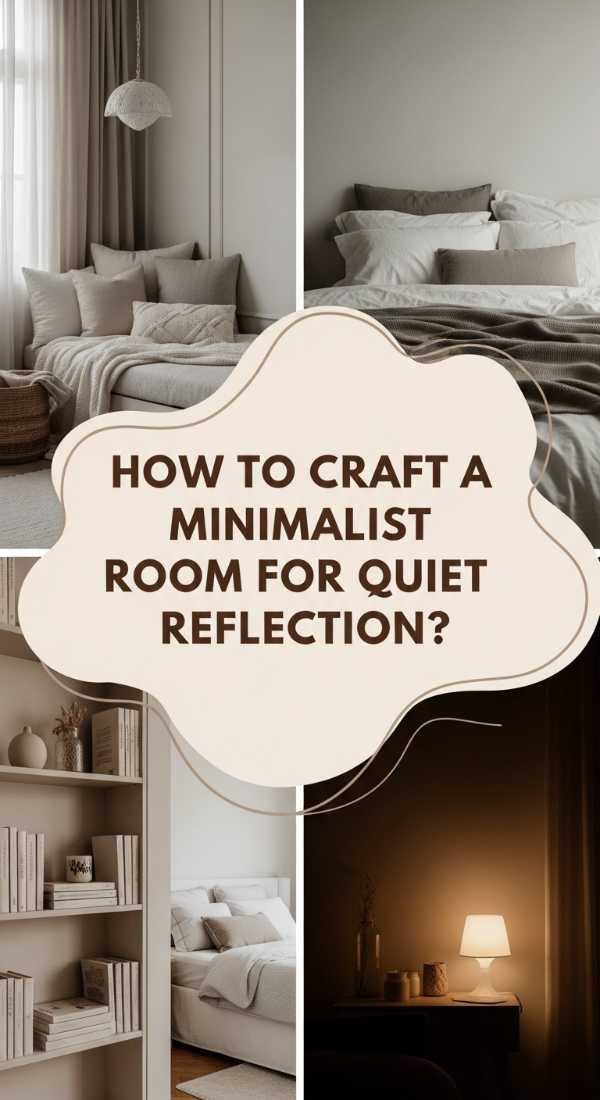
How to Craft a Minimalist Room for Quiet Reflection
[IMAGE_10]
Why we love this
This is minimalism in its purest form: a space designed for the soul. We love the monastic beauty of a room with minimal furniture, where the focus is on the light and the silence. The faint scent of sandalwood incense and the soft texture of a floor meditation cushion invite you to go inward. It’s a room that doesn’t ask anything of you, providing a rare sanctuary for journaling, meditation, or simply watching the clouds pass by the window in total peace.
Essential Elements:
- Floor cushions or a low-profile daybed
- Small incense burner or essential oil diffuser
- Low-height bookshelf with only favorite titles
- Sheer privacy screens
- Soft, dimmable ambient lighting
How to make it
- Designate a ‘tech-free’ zone where no phones, televisions, or computers are allowed, ensuring total mental disconnection.
- Keep all furniture low to the ground (below knee height) to create a sense of being grounded and connected to the earth.
- Install sheer blinds that allow light to filter in but obscure the busy details of the outside world, creating a ‘soft-focus’ environment.
- Place a single bowl of water or a small stone on a low table to act as a ‘focus object’ for meditation or reflection.
- The visual cue for this room is ‘stillness’—when you enter, your heart rate should naturally slow, and the air should feel calm and undisturbed.
Creating Your Minimalist Sanctuary
Minimalism isn’t about what you take away; it’s about what you have left. By focusing on these ten essentials, you aren’t just decorating a room; you’re crafting a lifestyle that prioritizes your peace of mind and well-being. Whether you’re in a tiny apartment or a spacious home, these principles of light, texture, and intentionality will help you create a living room that finally feels like the home you’ve always dreamed of. Happy styling!