
Moonlight & Macramé: Navigating Your Bohemian Soul
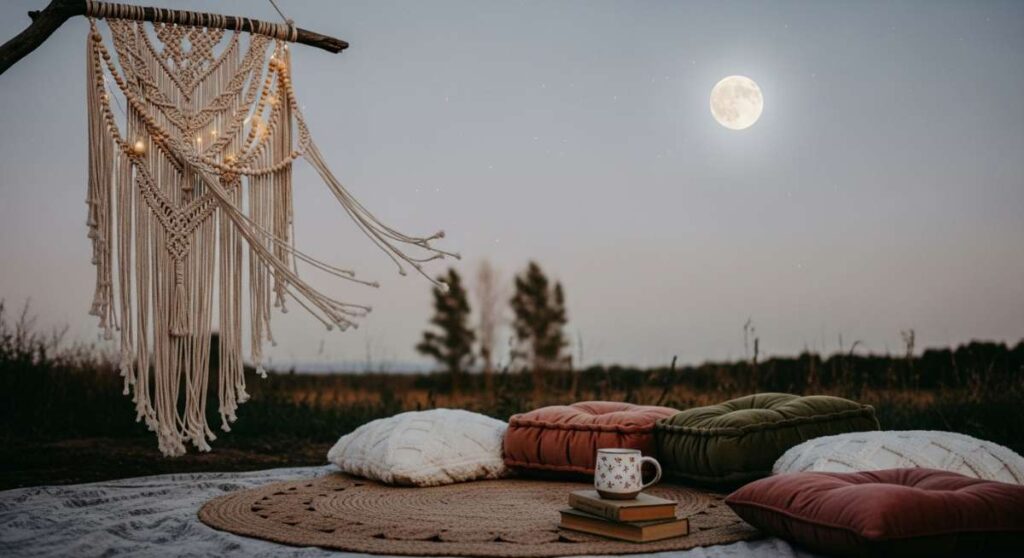
Have you ever stepped into a room and felt like the walls were giving you a warm, dusty-pink hug? That’s the magic of the bohemian soul. It’s more than just a decor trend; it’s a lifestyle rooted in the belief that your home should be a living, breathing reflection of your travels, your dreams, and your wild, untethered spirit. It’s about the clinking of ceramic mugs at dawn and the soft flicker of amber candles as the moon climbs high, casting shadows across intricately knotted macramé hangings.
Living a bohemian life means embracing imperfection and celebrating the stories behind every object. It’s about finding beauty in a frayed vintage textile or the way sunlight filters through a jungle of indoor plants. When we curate our spaces with intention, we aren’t just decorating; we are creating a sanctuary that anchors us. Let’s dive into how you can weave this soulful, earthy aesthetic into every corner of your life, creating a home that feels as free and vibrant as you are.
How to Style a Bohemian Mirror for Maximum Natural Light
Why we love this
There is something truly ethereal about the way a well-placed mirror catches the golden hour glow, bouncing honey-colored light into the dimmest corners of a room. We love this because it breathes life into the space, making the air feel lighter and the walls feel wider. The sight of a rattan-framed mirror reflecting a trailing pothos plant creates a living painting that shifts throughout the day, offering a sense of movement and organic energy that a static piece of art simply cannot provide.
Essential Elements:
- Large round or arched rattan mirror
- Proximity to a south-facing window
- Surrounding greenery (vines or potted ferns)
- Soft linen window shears
How to make it
- Identify the primary light source in your room, ideally a large window that receives direct sunlight for several hours.
- Position your mirror on the wall directly opposite or adjacent to the window at eye level, ensuring it catches the sun’s path.
- Adjust the angle slightly if needed to avoid harsh glare; you want the reflection to diffuse light, not blind the inhabitants.
- Frame the mirror with hanging plants like String of Pearls or Pothos to soften the hard edges of the glass and integrate it into the room’s ecosystem.
- Keep the glass pristine using a vinegar and water solution to ensure the reflected light remains crisp and vibrant.
How to Layer a Bohemian Rug for Instant Living Room Coziness
Why we love this
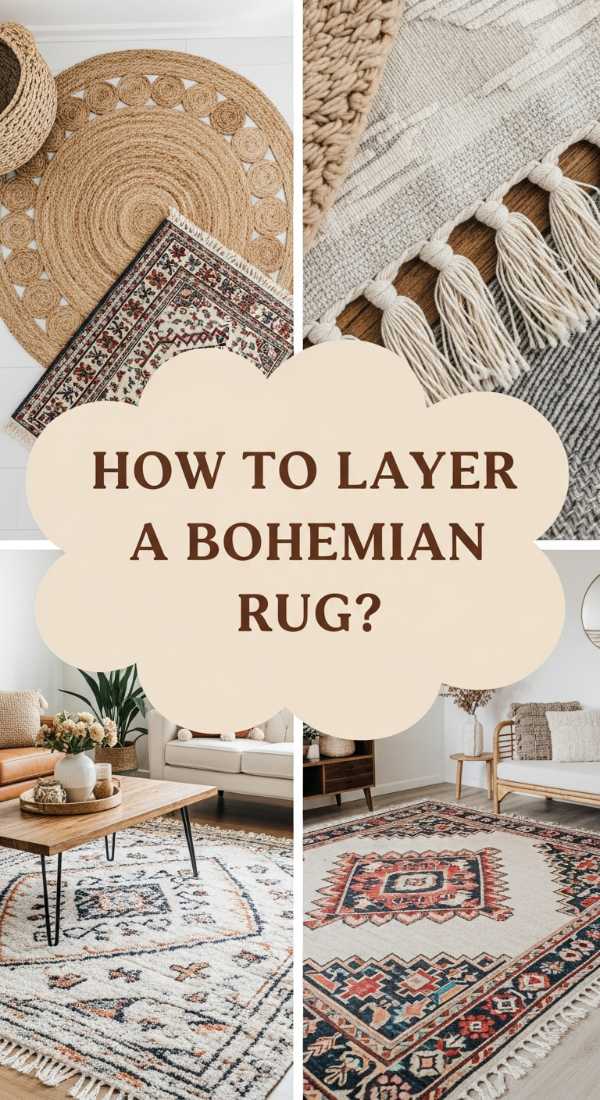
Layering rugs is the ultimate secret to achieving that rich, tactile depth that defines a bohemian home. We love the grounding sensation of stepping onto a plush Moroccan wool rug stacked over a sturdy, earthy jute base. It creates a sensory playground for your feet, muffling sound and adding a literal layer of warmth that makes you want to kick off your shoes and stay a while. The contrast between the scratchy, natural fibers of sisal and the buttery softness of a shag rug is a tactile delight.
Essential Elements:
- Large oversized jute or sisal rug
- Smaller vintage Persian or Moroccan plush rug
- Rug pads for stability
- Low-profile furniture to showcase the textures
How to make it
- Start by laying down your base rug—a large, neutral jute or seagrass rug that covers most of the floor area, leaving about 6-12 inches of floor visible around the edges.
- Center your furniture (sofa and coffee table) on this base to define the seating zone.
- Place your secondary, more colorful or textured rug at an angle or centered directly on top of the base rug, usually under the coffee table area.
- Ensure the top rug is at least 2/3 the size of the bottom one to maintain visual balance; too small and it looks like a postage stamp.
- Use double-sided rug tape on the corners of the top rug to prevent tripping hazards and keep the layers perfectly aligned.
How to Curate a Bohemian Kitchen for an Organic Earthy Feel

Why we love this
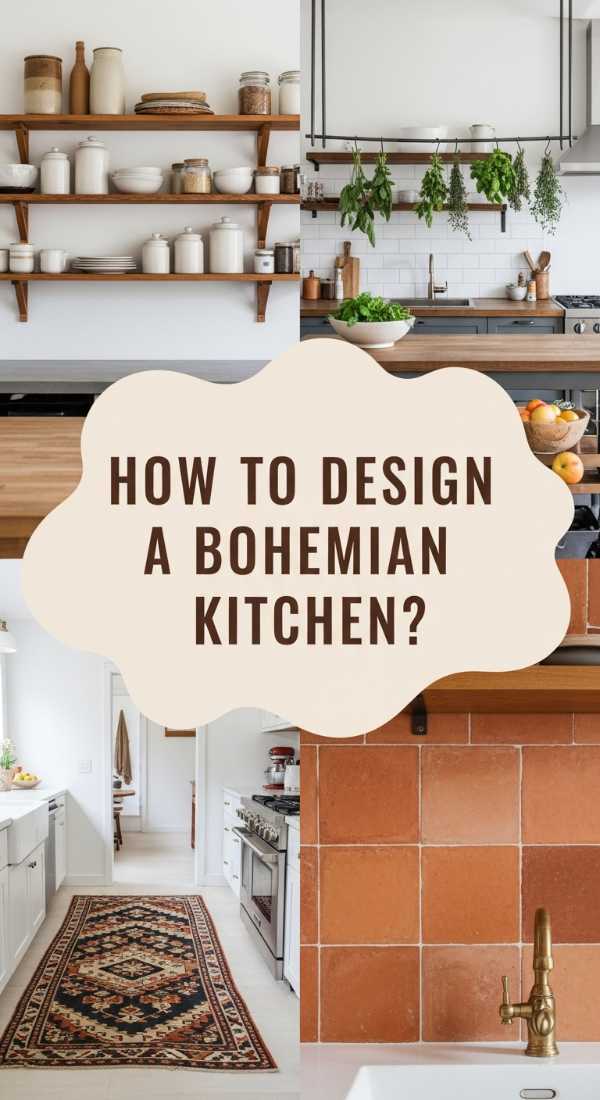
A bohemian kitchen feels less like a sterile laboratory and more like an apothecary of flavors and memories. We love the aroma of dried sage hanging from the ceiling mixed with the earthy scent of damp terracotta pots on the windowsill. It’s a space where mismatched ceramics tell stories of thrift store hunts and local pottery markets, and where the sight of wooden spoons resting in a hand-thrown jar feels like a small act of rebellion against the plastic, mass-produced world outside.
Essential Elements:
- Open wooden shelving
- Mismatched ceramic mugs and plates
- Hanging herb bundles (rosemary, sage, thyme)
- Terracotta or clay storage canisters
How to make it
- Remove heavy cabinet doors to create open shelving, exposing your most beautiful ceramics and glass jars.
- Group items by texture rather than color; place a rough-hewn clay bowl next to a smooth, glazed ceramic pitcher for visual interest.
- Install a simple wrought-iron rail or a wooden branch to hang bundles of drying herbs and vintage copper pots.
- Swap out modern plastic soap dispensers for amber glass bottles with metal pumps to maintain the vintage, organic aesthetic.
- Place a small, washable vintage runner in front of the sink to add warmth and a pop of pattern to the hard flooring.
How to Dress a Bohemian Bed for the Ultimate Sanctuary Vibe
Why we love this
The bohemian bed is a cloud of comfort, a nest designed for dreaming and deep restoration. We love the visual weight of a heavy kantha quilt draped over crumpled linen sheets—it looks intentionally lived-in and inviting. There’s a specific joy in sinking into a mountain of pillows with varying textures, from smooth cotton to intricate embroidery, feeling the coolness of the fabric against your skin as you drift off into a peaceful sleep surrounded by soft, muted tones.
Essential Elements:
- Linen or hemp duvet cover in an earthy tone (terracotta, mustard, or sage)
- A vintage kantha or ikat quilt
- Fringed or tasseled throw pillows
- A textured bed runner or faux fur throw
How to make it
- Start with high-quality linen sheets; don’t worry about wrinkles, as the slightly messy look is key to the boho vibe.
- Layer your main duvet or comforter, folding the top third down to expose the sheets underneath.
- Drape a colorful kantha quilt across the bottom half of the bed, letting it hang slightly longer on one side for an effortless feel.
- Stack two large sleeping pillows against the headboard, followed by two decorative shams and finally 3-4 smaller accent pillows of different shapes.
- Finish by tossing a chunky knit throw or a tasseled blanket across the corner to add that final touch of tactile warmth.
How to Arrange Bohemian Wall Decor for an Artful Home Gallery
Why we love this
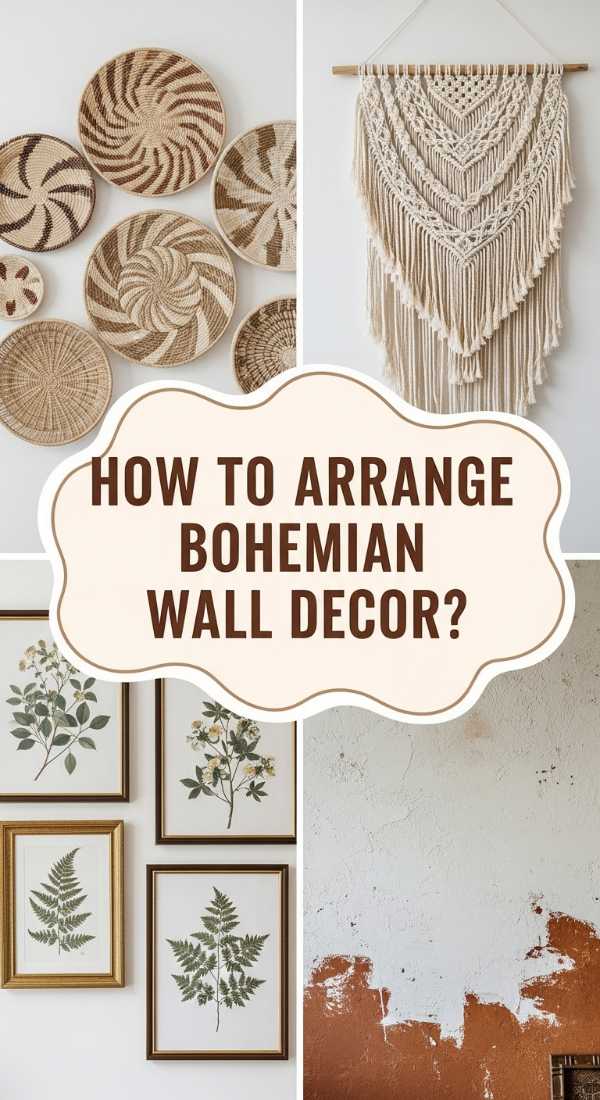
A boho gallery wall is a biography written in objects. We love it because it defies the rigid rules of traditional art placement, allowing for a soulful mix of oil paintings, woven baskets, and botanical prints. Looking at a curated wall feels like a journey; you see the texture of the macramé knotting, the delicate veins in a pressed flower, and the weathered wood of a vintage frame, all coexisting in a harmonious, eclectic dance that tells the world exactly who you are.
Essential Elements:
- Assorted vintage frames
- Woven seagrass baskets
- Macramé wall hanging
- Botanical sketches or vintage maps
How to make it
- Gather all your pieces on the floor first to experiment with the layout without putting unnecessary holes in the wall.
- Start with your largest piece (like a large macramé hanging) as the anchor point, slightly off-center for a more organic feel.
- Work outwards, mixing different mediums; place a 3D object like a basket next to a flat framed print to create depth.
- Maintain a consistent gap of roughly 2-3 inches between items, but don’t worry about perfect alignment—the “collected” look is the goal.
- Secure your pieces using a mix of nails for frames and small adhesive hooks for lighter woven items to ensure everything stays in place.
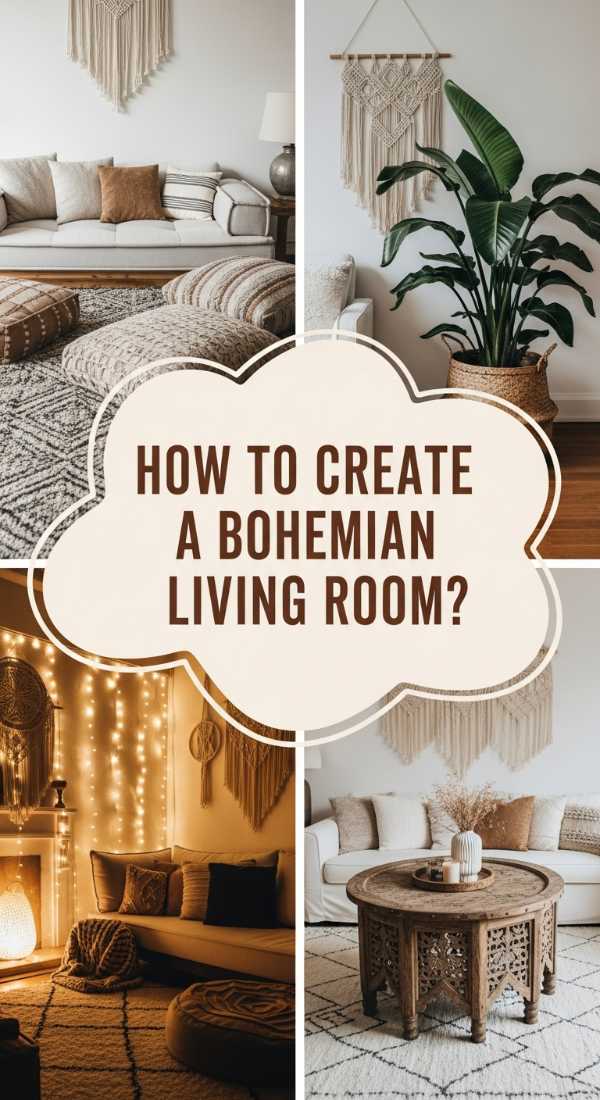
How to Design a Bohemian Living Room for Endless Relaxation
Why we love this
A true bohemian living room is an invitation to slow down. We love the way low-slung furniture and plush floor cushions encourage a closer connection to the earth and to the people around us. The air feels still and calm, punctuated by the soft rustle of palm leaves and the gentle flicker of candlelight. It’s a space where you can lose track of time, curled up with a book or engaged in deep conversation, feeling completely supported by soft fabrics and natural materials.
Essential Elements:
- Low-profile sofa or daybed
- Oversized floor cushions and poufs
- Ambient lighting (string lights, floor lamps with woven shades)
- Lush indoor plants of varying heights
How to make it
- Swap out high-backed chairs for lower seating options to create an informal, grounded atmosphere.
- Cluster several floor cushions around a low coffee table to create a secondary seating area perfect for tea or board games.
- Install dimmable warm lighting and use lampshades made of rattan or linen to diffuse the light softly across the room.
- Incorporate greenery at three different levels: a tall fiddle leaf fig on the floor, a spider plant on a side table, and trailing ivy on a high shelf.
- Keep a basket filled with extra blankets within reach to ensure the space always feels ready for a cozy afternoon nap.
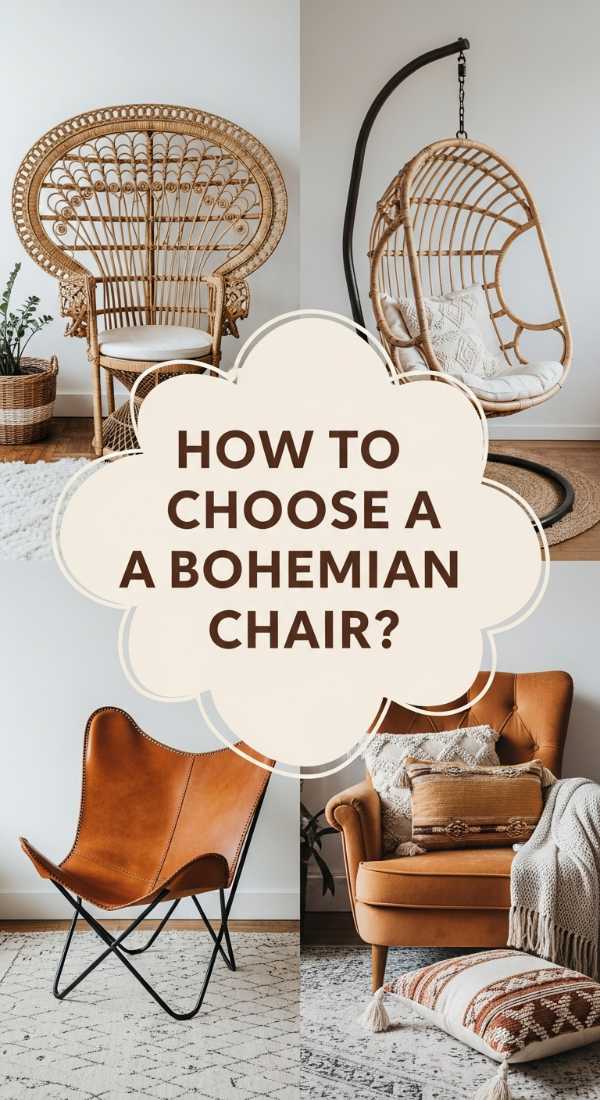
How to Select a Bohemian Chair for a Perfectly Cozy Reading Nook

Why we love this
The perfect bohemian chair is more than just a seat; it’s a portal to another world. We love the sculptural beauty of a peacock chair or the enveloping embrace of a papasan. These pieces bring a sense of history and craftsmanship into the home, with their intricate weaves and natural materials. Sitting in a chair that smells faintly of dried willow or rattan, wrapped in a soft wool throw, makes the simple act of reading feel like a sacred ritual of self-care.
Essential Elements:
- Rattan peacock chair or a deep papasan
- Sheepskin or faux fur rug for the seat
- Small wooden side table
- Task lighting with a warm bulb
How to make it
- Choose a corner with good natural light but enough privacy to feel tucked away from the main flow of the house.
- Select a chair with a curved back or deep seat to provide maximum physical support during long reading sessions.
- Drape a sheepskin rug or a thick velvet cushion over the seat to add a layer of softness to the hard rattan fibers.
- Place a small side table within arm’s reach for your tea and books, ensuring it’s at a comfortable height relative to the chair.
- Add a small footstool or ottoman to allow you to fully recline and relax your legs.
How to Mix Bohemian Pillows for a Chic Textured Sofa

Why we love this
Mixing pillows is like composing a symphony of texture. We love the visual richness that comes from pairing a rough, mudcloth print with a delicate, tasseled velvet cushion. It transforms a standard sofa into a work of art that invites you to touch and explore. The variety of shapes—from long lumbar pillows to round velvet bolsters—adds a playful geometry to the room, making the seating area look plush, intentional, and deeply comfortable.
Essential Elements:
- Mudcloth or indigo dyed covers
- Velvet pillows in jewel tones
- Macramé or fringed accent pillows
- Varied sizes (20×20, 18×18, and lumbar)
How to make it
- Start with two large, neutral-toned pillows at the back corners of the sofa to serve as your “base” layer.
- Layer in two slightly smaller pillows with bold patterns (like kilim or geometric prints) in front of the base layer.
- Add a single lumbar pillow in the center to bridge the gap and add a different silhouette to the arrangement.
- Ensure you have a mix of at least three textures: one smooth (velvet), one rough (linen or jute), and one decorative (tassels or embroidery).
- Karate-chop the top of each pillow to create a lived-in, designer look that isn’t too stiff.
How to Restore Bohemian Furniture for an Authentic Vintage Look
Why we love this
Restoring furniture is an act of love and preservation. We love the process of stripping away years of old, chipped paint to reveal the beautiful, honest grain of the wood beneath. There’s a profound satisfaction in taking a discarded thrift store find and breathing new life into it with a bit of sanding and a coat of natural wax. It gives the piece a soul and a history, making it a unique treasure that can’t be found in any big-box store catalog.
Essential Elements:
- Found vintage wooden furniture
- Fine-grit sandpaper (120 and 220 grit)
- Natural beeswax or wood oil
- Antique-style brass hardware
How to make it
- Thoroughly clean the piece with a mild soap to remove decades of dust and grime before you begin any work.
- Sand the surface gently in the direction of the wood grain, starting with a coarser grit and finishing with a fine grit for a smooth-to-the-touch finish.
- If the wood is too damaged, consider a “distressed” paint technique using chalk paint and light sanding on the edges for a weathered look.
- Apply a high-quality wood oil or beeswax with a soft cloth to nourish the wood and bring out its natural warmth and glow.
- Replace generic modern knobs with vintage-inspired brass or ceramic hardware to elevate the overall aesthetic.
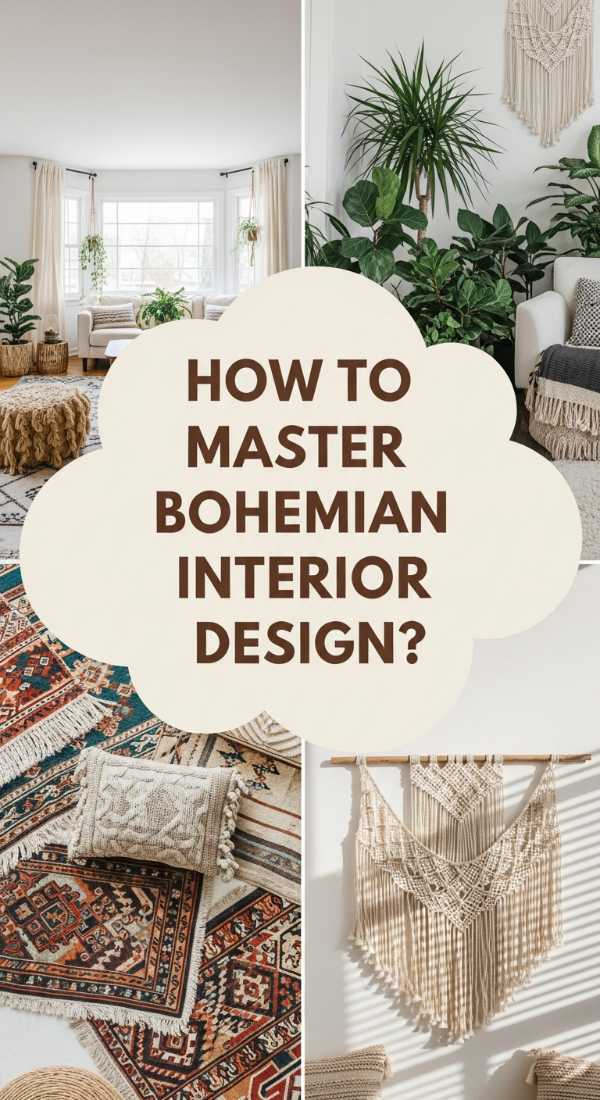
How to Master Bohemian Interior Design for a Soulful Space
[IMAGE_10]
Why we love this
Mastering this design style is about trusting your intuition over a checklist. We love that it allows for a home to grow and evolve alongside its inhabitants. A soulful space isn’t finished in a weekend; it’s curated over years. We love the feeling of peace that comes from being surrounded by things that truly resonate with our spirits—the shells from a favorite beach, the books that changed our minds, and the colors that make our hearts sing. It’s the ultimate expression of personal freedom.
Essential Elements:
- A cohesive but flexible color palette
- Natural materials (wood, stone, cotton)
- Personal artifacts and travel mementos
- Layered lighting and textures
How to make it
- Define a loose color story based on nature—think desert sands, forest greens, or sunset oranges—to keep the eclecticism from feeling chaotic.
- Focus on the “rule of three” when styling surfaces: mix something tall, something textural, and something personal for a balanced look.
- Always include something living (a plant) and something old (a vintage find) in every single room of the house.
- Avoid matching sets of furniture; instead, look for pieces that share a similar scale or material but have different origins.
- Edit your space regularly; if an object no longer brings you joy or reflects your journey, pass it on to make room for new inspirations.
Finding Your Inner Bohemian
In the end, navigating your bohemian soul isn’t about following a set of rigid rules; it’s about listening to the quiet whispers of your own heart. It’s about creating a space that acts as a sanctuary for your dreams and a playground for your creativity. Whether it’s the way the moonlight hits your macramé or the comfort of a well-worn rug, these details matter because they make you feel at home in the world. So, go ahead—mix the patterns, buy the plants, and let your home be as wild and wonderful as you are.
Bohemian Lifestyle FAQ
Q: Can I have a bohemian home if I prefer a minimalist look?
A: Absolutely! This is often called ‘Boho-Minimalism.’ Focus on natural textures like wood, jute, and linen in a monochromatic palette like cream, beige, and white. You get the soul and warmth without the clutter.
Q: How do I stop my eclectic decor from looking like a mess?
A: The key is a consistent color palette. If you have a variety of patterns and textures, keeping them within a specific range of tones (like earth tones or pastels) creates a visual thread that ties everything together.
Q: What are the best plants for a beginner bohemian gardener?
A: Start with Pothos, Snake Plants, or ZZ Plants. They are incredibly hardy, tolerate lower light, and provide that lush, jungle-like aesthetic with very little maintenance.
Q: Is it okay to mix different eras of vintage furniture?
A: Yes! That is the heart of the style. A mid-century modern chair can look stunning next to a 1970s rattan side table as long as they share a similar scale and vibe.