
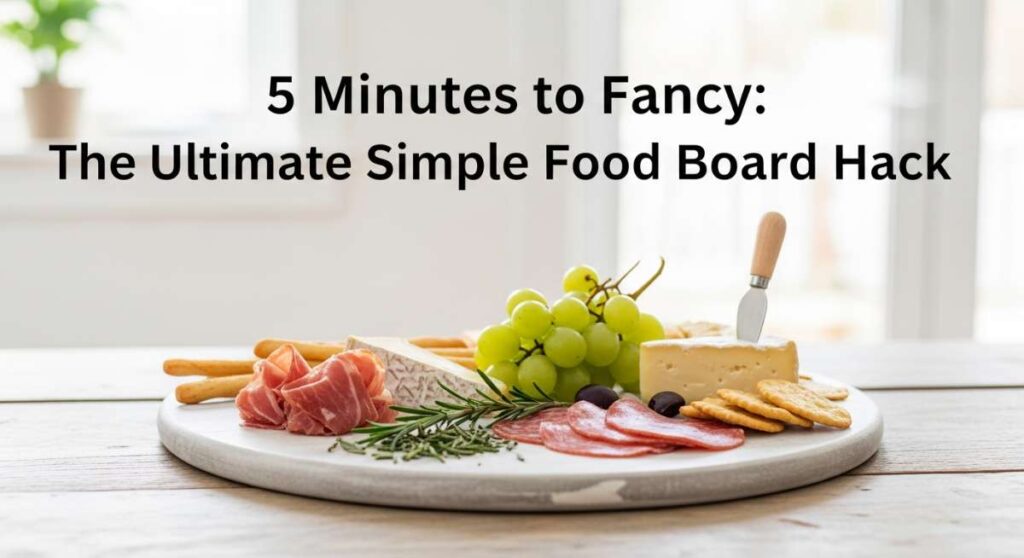
We’ve all been there: the doorbell is about to ring, your kitchen is a disaster zone, and you’re frantically trying to assemble something that looks like it belongs on a Pinterest board. I used to think hosting meant hours of prep and a sink full of dishes, but then I discovered the magic of the ‘Food Board’ hack. It’s about taking humble, earthy ingredients and presenting them with so much intention and color that your guests can’t help but reach for their phones before they reach for a fork.
There is something deeply communal and grounding about a large board piled high with roasted textures and vibrant colors. It smells like a cozy Sunday afternoon—the scent of caramelized onions, woody rosemary, and the sweet, concentrated aroma of roasting root vegetables filling every corner of your home. This approach isn’t just about feeding people; it’s about creating an experience that feels fancy but remains incredibly simple to execute, letting you actually enjoy the glass of wine you poured for yourself.
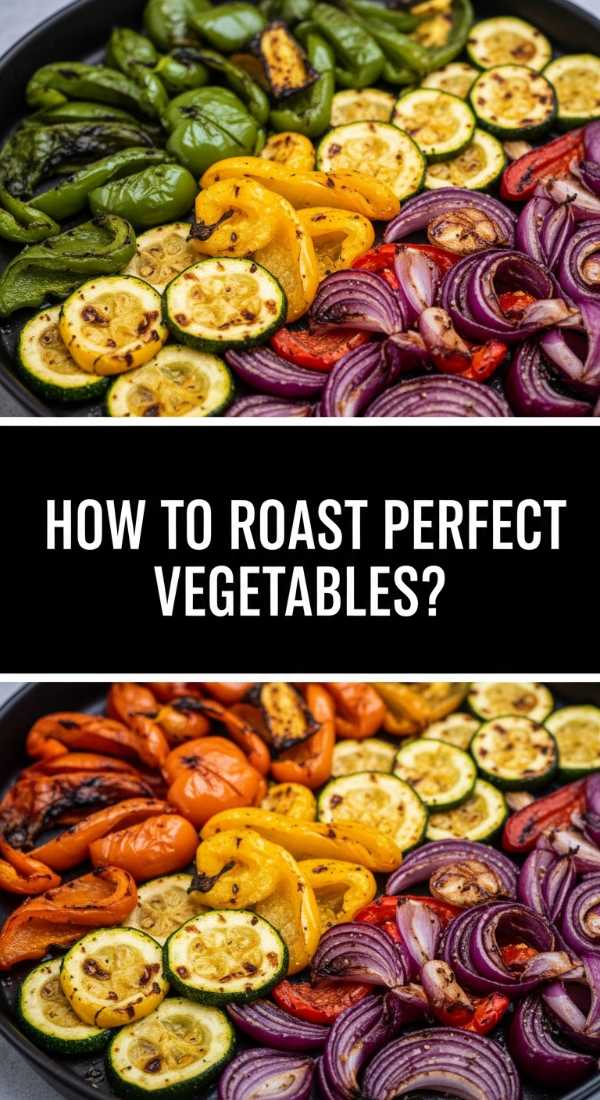
How to roast perfect vegetables
Why we love this
The alchemy of a hot oven transforms simple garden staples into nuggets of pure gold. When you roast vegetables perfectly, you get that irresistible contrast between a crisp, caramelized exterior and a buttery, melt-in-your-mouth center. The aroma is intoxicating—a mix of toasted earthiness and concentrated sweetness that makes even the most stubborn vegetable skeptics come back for seconds. It feels like a warm hug on a plate, providing a satisfying crunch that yields to a silky texture with every single bite.
Ingredients
- 2 lbs Assorted root vegetables (potatoes, parsnips, radishes)
- 3 tbsp Extra virgin olive oil
- 1 tsp Flaky sea salt
- 1/2 tsp Cracked black pepper
- 2 sprigs Fresh rosemary
How to make it
- Preheat your oven to 425°F (220°C). High heat is the secret to getting that golden crust without overcooking the inside.
- Cut your vegetables into uniform sizes, roughly 1-inch chunks. This ensures that every piece finishes cooking at the exact same time.
- In a large bowl, toss the vegetables with olive oil, salt, and pepper until every surface is shimmering and well-coated.
- Spread the vegetables onto a heavy-duty baking sheet. Crucial tip: do not crowd them! If they are touching, they will steam instead of roast. Use two pans if necessary.
- Roast for 25-35 minutes. At the halfway mark, use a wide spatula to flip them aggressively. You are looking for deep golden-brown edges and a fork that slides in with zero resistance.
How to make roasted soup

Why we love this
Roasted soup is a complete game-changer because it builds layers of flavor that you simply cannot get from a stovetop simmer. By roasting the base ingredients first, you capture the charred sweetness of the onions and the smoky depth of the garlic, creating a velvet-like consistency that feels incredibly luxurious. The smell is heavy with caramelized sugars and roasted aromatics, promising a bowl of liquid gold that warms you from the inside out. It’s sophisticated, rich, and looks like it took hours of French culinary technique when it really just took a sheet pan.
Ingredients
- 1 Large butternut squash, halved
- 1 Head of garlic, top sliced off
- 1 Large yellow onion, quartered
- 4 cups Vegetable or chicken broth
- 1/2 cup Heavy cream or coconut milk
- 1 tsp Nutmeg
How to make it
- Place the squash cut-side down, the onion quarters, and the garlic head (wrapped in foil with a drizzle of oil) on a baking sheet.
- Roast at 400°F (200°C) for about 45 minutes. You’ll know it’s ready when the squash skin is blistered and the flesh is incredibly soft to the touch.
- Allow the vegetables to cool slightly. Scoop the squash flesh out of the skin and squeeze the roasted garlic cloves out of their husks.
- Transfer all the roasted components into a high-speed blender or a large pot if using an immersion blender.
- Add the broth and nutmeg. Blend on high until the mixture is perfectly smooth and glossy. If it’s too thick, add more broth until you reach your desired silkiness.
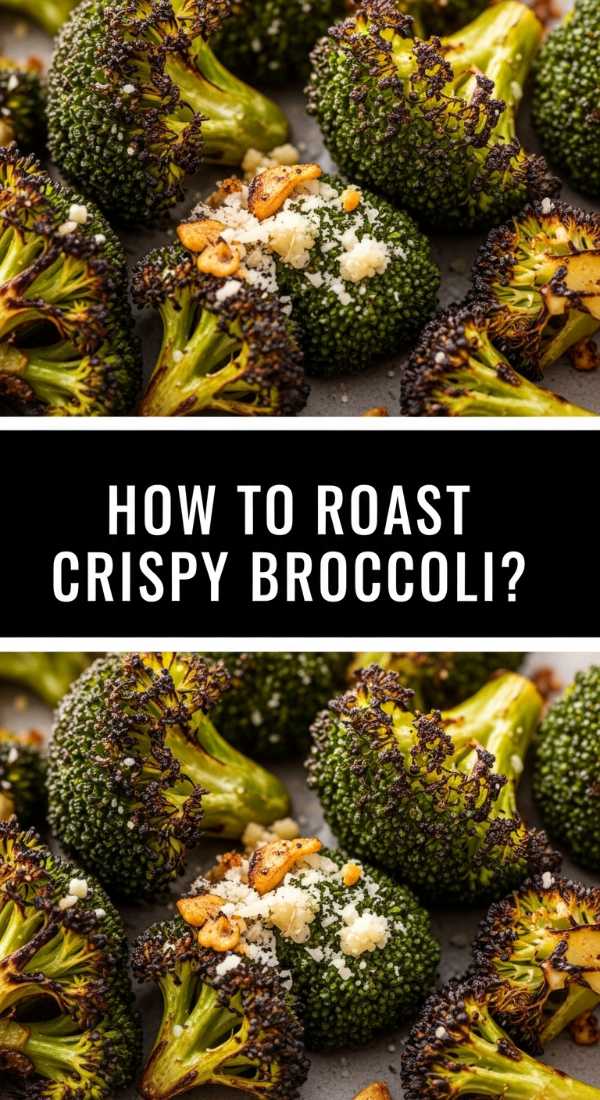
How to roast crispy broccoli
Why we love this
If you think you hate broccoli, it’s because you haven’t had it roasted to a crisp. The tiny florets turn into delicate, lacy crunches that taste almost like popcorn, while the stems stay tender and sweet. The fragrance is toasted and savory, with a nutty undertone that is absolutely addictive. Watching the edges turn from vibrant green to a dark, crispy brown is a visual cue for the explosion of flavor to come—it’s the perfect salty snack masquerading as a healthy side dish.
Ingredients
- 2 Large heads of broccoli
- 2 tbsp Avocado oil (high smoke point)
- 1 tsp Garlic powder
- 1/2 tsp Salt
- 1/4 cup Grated Parmesan cheese
How to make it
- Cut the broccoli into small, bite-sized florets. Make sure they are completely dry; any moisture will prevent them from getting crispy.
- Toss the florets in a bowl with the oil, garlic powder, and salt. Use your hands to ensure the oil gets into all the nooks and crannies of the florets.
- Arrange on a baking sheet in a single layer with plenty of space between pieces.
- Roast at 425°F (220°C) for 20-25 minutes. You want to see the tips of the florets turning dark brown and nearly black.
- Immediately after removing from the oven, sprinkle with Parmesan cheese so it melts into the hot, crispy crevices.
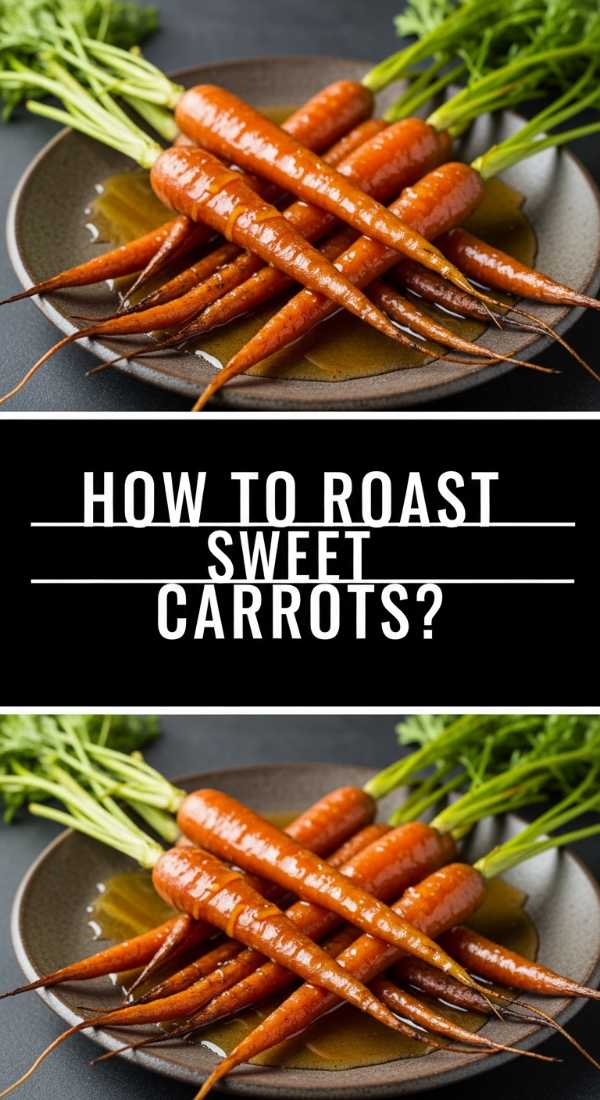
How to roast sweet carrots
Why we love this
Roasting carrots coaxes out their natural sugars in a way that makes them taste like nature’s candy. They develop a glossy, vibrant sheen and a concentrated sweetness that is perfectly balanced by a slight earthy char. The texture becomes tender and supple, almost like a cooked fruit, while the aroma is bright and inviting. They add a stunning pop of orange to any food board, looking like elegant, tapered jewels that are as beautiful as they are delicious.
Ingredients
- 1 bunch Whole carrots (preferably with tops)
- 1 tbsp Olive oil
- 1/2 tsp Cumin
- Pinch of salt
How to make it
- Scrub the carrots clean but leave the skin on for better texture and nutrients. Trim the green tops to about an inch for a professional look.
- If the carrots are very thick, slice them in half lengthwise so they cook at the same rate as the thinner ones.
- Roll the carrots in olive oil and cumin directly on the baking sheet to save a dish.
- Roast at 400°F (200°C) for 20-30 minutes. Test with a knife; it should slide through the thickest part of the carrot like butter.
- The carrots should look slightly wrinkled and have caramelized spots along the sides.
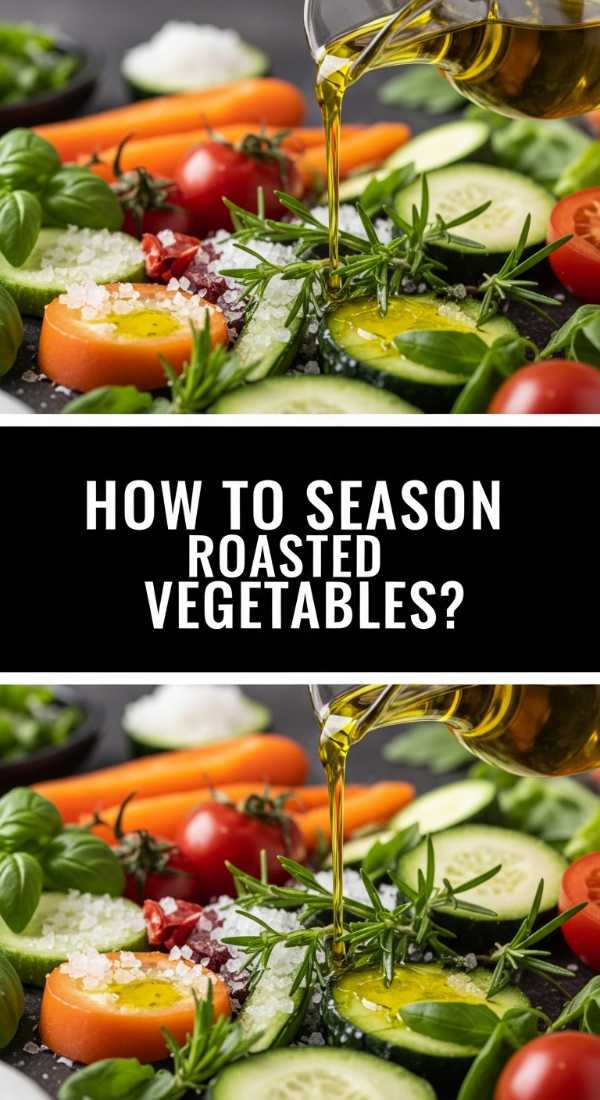
How to season roasted vegetables
Why we love this
Seasoning is where the personality of your dish truly shines, turning a simple tray of veggies into a culinary masterpiece. The way dried herbs release their oils in the heat, or how a splash of acid at the end brightens the deep roasted notes, is pure magic. It creates a complex profile where salty, sweet, and savory elements dance together. When you get the seasoning right, the scent is multidimensional—herbal, spicy, and bright all at once—making the dish feel intentional and chef-prepared.
Ingredients
- Dried thyme and oregano
- Smoked paprika
- Red pepper flakes
- Fresh lemon zest
- Balsamic glaze
How to make it
- Apply dry seasonings (herbs, paprika, flakes) *before* roasting. The heat helps the spices bloom and penetrate the vegetables.
- Use more salt than you think you need. Vegetables are naturally bland and require salt to draw out their moisture and enhance their sugars.
- Don’t add fresh herbs (like parsley or cilantro) until after the vegetables come out of the oven, or they will burn and turn bitter.
- Once the veggies are done, add a ‘finish’ layer. A squeeze of fresh lemon juice or a zest of the rind adds a hit of acidity that cuts through the oil.
- A drizzle of honey or balsamic glaze at the final stage adds a professional-grade gloss and a punch of flavor.
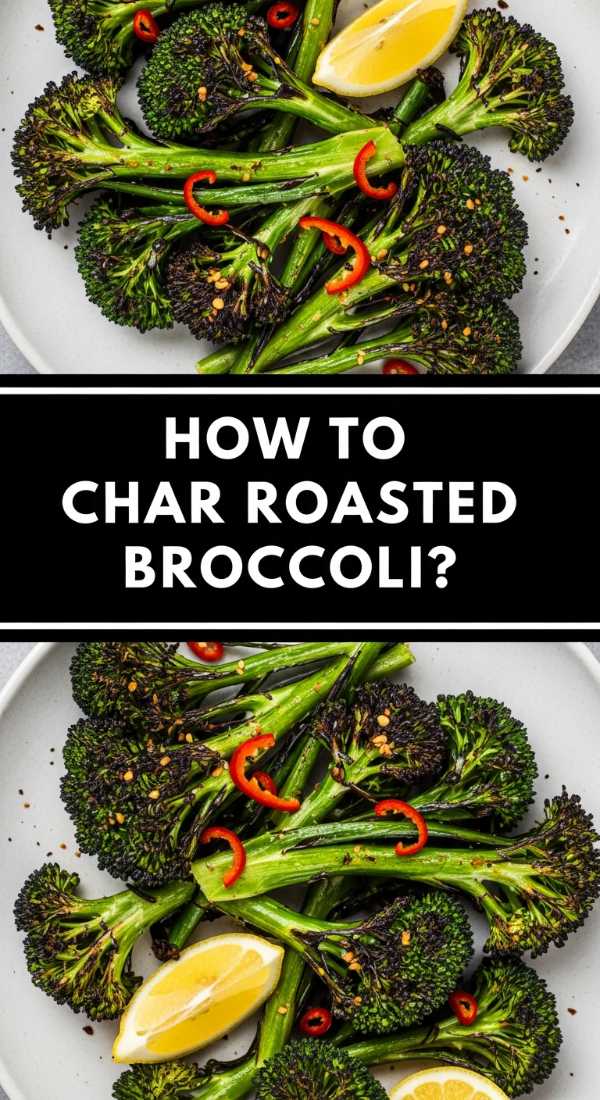
How to char roasted broccoli
Why we love this
Charring is the sophisticated older sibling of roasting; it’s all about embracing those dark, smoky edges that provide a bitter-sweet complexity. This method creates a dramatic visual contrast on your board, with deep blackened tips against bright green stems. The flavor is bold and slightly toasted, reminiscent of a wood-fired oven. It’s that ‘burnt end’ sensation that people fight over—the concentrated essence of the vegetable locked in a crispy, smoky shell that shatters beautifully when you bite into it.
Ingredients
- Broccoli florets
- Extra virgin olive oil
- Lemon wedges
- Flaky sea salt
How to make it
- Set your oven to its highest setting (usually 450°F or 500°F) or use the ‘convection’ setting if you have it.
- Place the baking sheet in the oven while it preheats. Putting cold vegetables on a hot pan jumpstarts the charring process.
- Toss your broccoli with a generous amount of oil. The oil is the conductor for the heat that causes the char.
- Throw the broccoli onto the preheated pan (it should sizzle!) and roast for only 12-15 minutes.
- Look for the edges to actually turn black, not just brown. As soon as they are charred, pull them out and hit them with fresh lemon juice to balance the smoky bitterness.
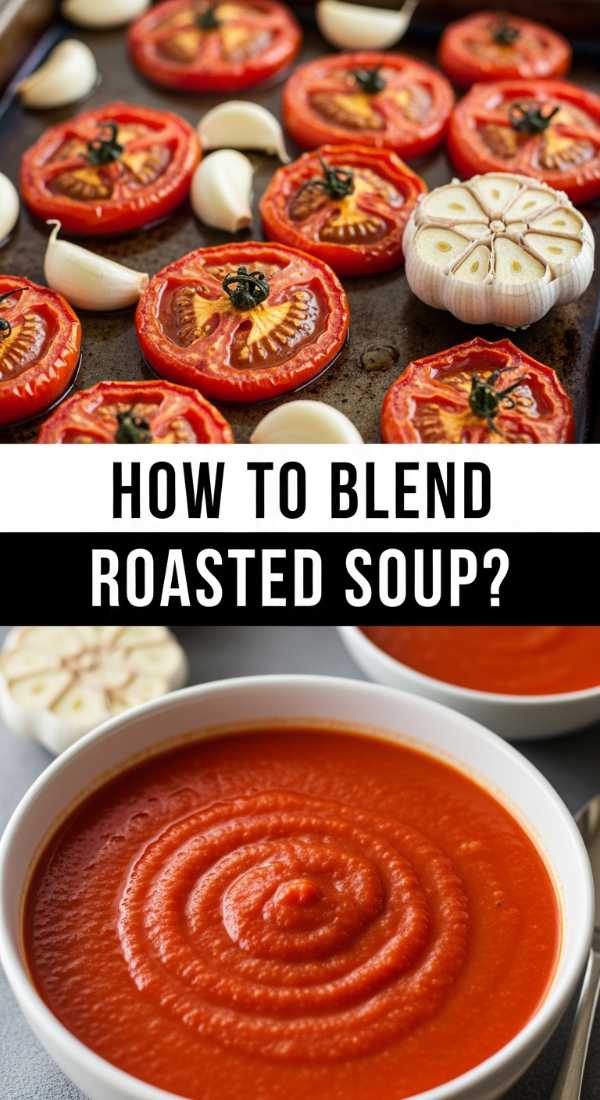
How to blend roasted soup
Why we love this
The act of blending roasted vegetables into soup is incredibly satisfying—it’s the moment several disparate ingredients transform into a singular, velvety emulsion. The texture is the star here; it should be thick enough to coat a spoon but smooth enough to feel like silk on the tongue. As you blend, the colors brighten and the aroma of the concentrated roasted flavors is released in a giant cloud of steam. It’s the ultimate comfort food, looking like a professional bisque with a fraction of the effort.
Ingredients
- Roasted vegetables (carrots, squash, or tomatoes)
- Warm vegetable stock
- Optional: 1 tbsp Butter or ghee
- Salt and pepper to taste
How to make it
- Wait until the roasted vegetables have cooled for about 5 minutes. Extreme heat can cause blender lids to pop off due to steam pressure.
- Fill the blender jar no more than halfway. This allows the air to circulate and prevents ‘soup explosions.’
- Start on the lowest speed setting and slowly ramp up to the highest. This ensures all the fibers are completely broken down.
- Add a tablespoon of cold butter or ghee during the final 10 seconds of blending. This creates a professional ’emulsion’ that gives the soup a glossy sheen and a rich mouthfeel.
- Check the consistency. If it’s grainy, blend for another 30 seconds. If it’s too thick, stream in warm stock while the blender is running.
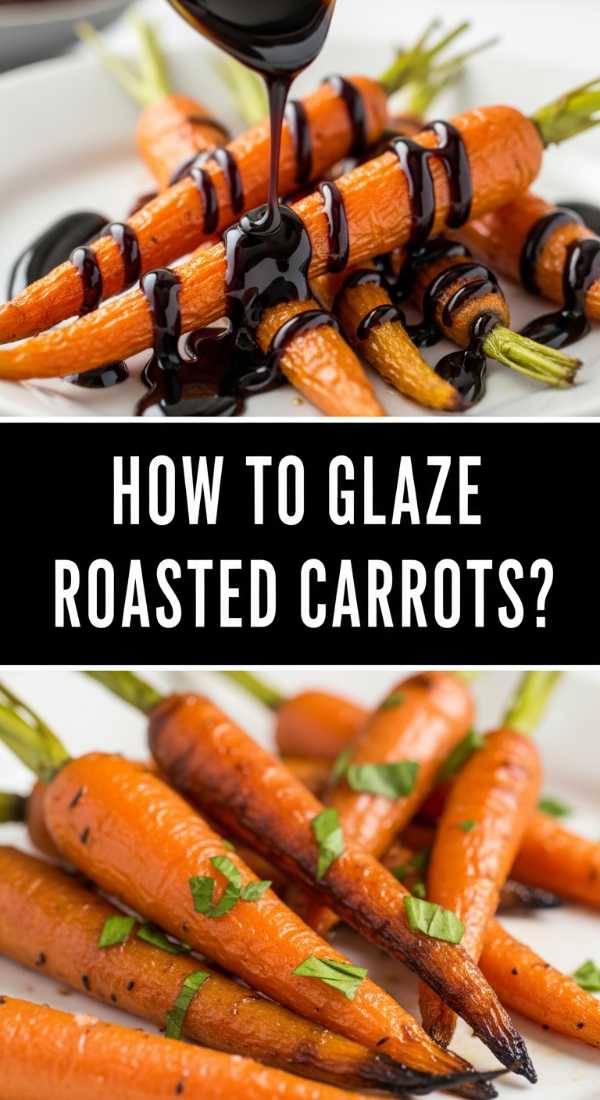
How to glaze roasted carrots
Why we love this
Glazing is the secret to making vegetables look like they belong in a high-end restaurant. A good glaze creates a mirror-like finish that catches the light and makes the carrots look succulent and juicy. The taste is a sophisticated balance of sweet and tangy, with the glaze clinging to every curve of the carrot. It smells like a holiday kitchen—sweet, warm, and inviting. It’s the finishing touch that turns a simple side into the centerpiece of your food board, making it feel truly special and ‘fancy.’
Ingredients
- Roasted carrots
- 2 tbsp Honey or Maple syrup
- 1 tbsp Apple cider vinegar
- 1/2 tsp Salt
How to make it
- Whisk the honey (or syrup) and vinegar together in a small bowl until smooth.
- About 5 minutes before your carrots are done roasting, pull the tray out of the oven.
- Drizzle the glaze over the hot carrots and use tongs to toss them, ensuring they are completely coated in the sticky liquid.
- Return the tray to the oven for the final 5 minutes. This allows the sugars to bubble and reduce into a thick, tacky coating.
- Watch closely! Glazes have high sugar content and can go from ‘perfect’ to ‘burnt’ in a matter of seconds. Pull them when they look shiny and the glaze has thickened.
How to prep roasted vegetables
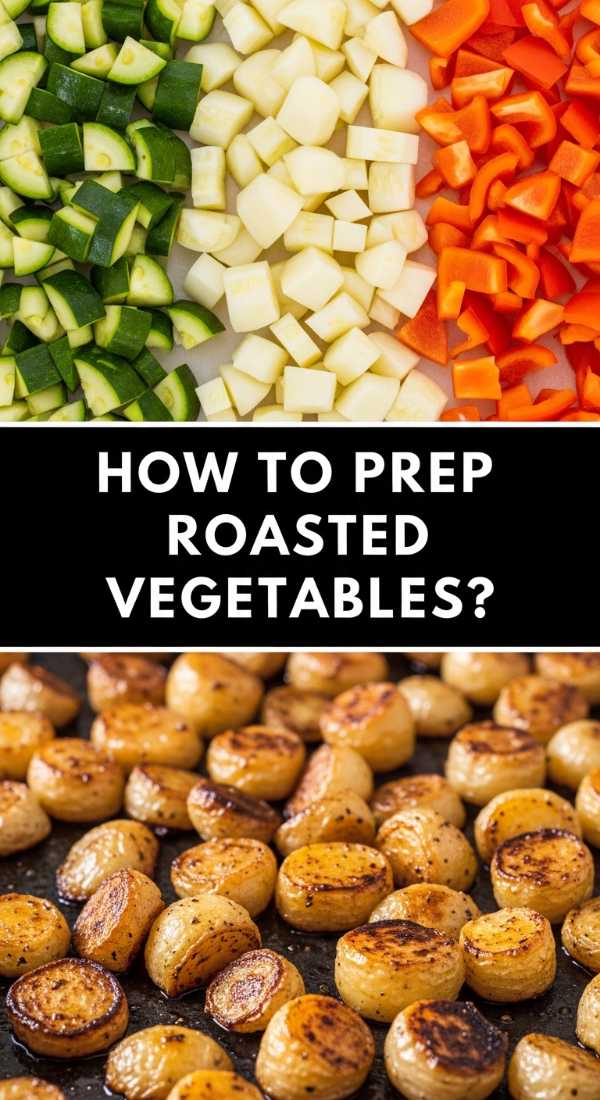
Why we love this
There is a meditative quality to the prep work—the rhythmic sound of the knife on the cutting board and the rainbow of colors unfolding before you. Proper prep is the foundation of a successful food board; it’s what ensures every bite is as good as the last. When you prep with care, you’re setting yourself up for a stress-free cooking process where everything happens in harmony. The sight of neat piles of fresh produce is a promise of the vibrant, healthy meal to come, making the kitchen feel like a place of creativity and calm.
Ingredients
- Fresh seasonal vegetables
- A sharp chef’s knife
- Clean kitchen towels or paper towels
How to make it
- Wash all vegetables thoroughly to remove dirt and grit. This is especially important for root vegetables and leeks.
- The most important step: Dry them completely. Use a kitchen towel to pat them down. Moisture is the enemy of a good roast; wet vegetables will steam and turn mushy.
- Slice off the ends and peel only what is necessary (like tough squash skin or hairy parsnips). Keeping the skin on most veggies adds texture and nutrition.
- Cut everything into ‘equally timed’ pieces. High-density veggies (potatoes) should be cut smaller, while low-density veggies (peppers) should be kept in larger chunks.
- Store prepped veggies in separate bowls if you plan to roast them at different times, or toss them all together if they have similar cooking durations.
How to cook roasted vegetables
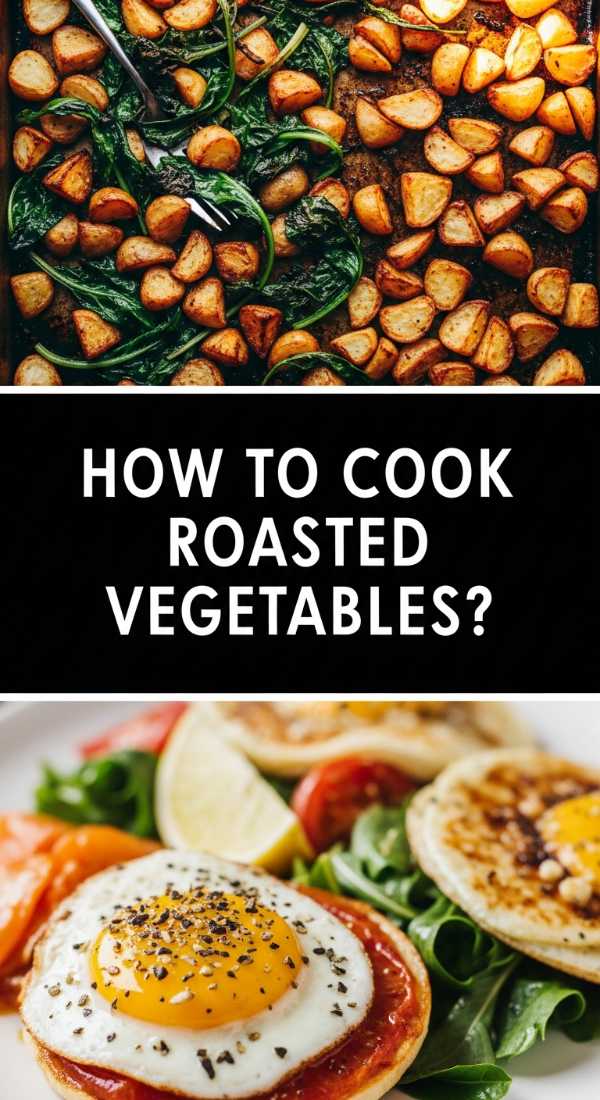
Why we love this
Cooking the vegetables is the heart of the process, where the heat does the heavy lifting and you get to witness the transformation. There’s a specific sound—a gentle, consistent sizzle—that tells you everything is going right. The kitchen fills with a deep, savory aroma as the sugars in the vegetables begin to brown. It’s a low-maintenance way to cook that yields high-impact results, allowing the natural integrity of the ingredients to shine through while adding a sophisticated charred complexity that feels both rustic and refined.
Ingredients
- Prepped and seasoned vegetables
- Heavy-rimmed baking sheets
- High-heat cooking oil
How to make it
- Position your oven racks in the upper and lower thirds of the oven for even heat distribution if using multiple pans.
- Ensure your oven is fully preheated. Do not put the vegetables in while the oven is still warming up, or they will absorb too much oil and become greasy.
- Give the vegetables space. They should be in a single layer with a few millimeters of breathing room between them.
- About halfway through the cooking time, rotate the pans (move the top pan to the bottom rack and vice-versa) to compensate for any hot spots in your oven.
- Use your senses: listen for the sizzle, smell for the caramelization, and look for the deep golden color. Don’t rely solely on the timer; every oven is different!
The Final Flourish: Assembling Your Board
Now that you’ve mastered the art of the roast, it’s time to bring it all together. Take a large wooden board and start by placing your bowl of roasted soup in the center. Surround it with piles of your crispy charred broccoli and glazed carrots. Add some clusters of the perfect roasted root veggies. The key is to make it look abundant—let things overlap and tuck in some fresh sprigs of herbs or lemon wedges for a final pop of life. Your guests won’t just be eating; they’ll be feasting with their eyes first.
Frequently Asked Questions
- Can I roast all these vegetables on one pan? While it’s tempting, it’s better to group them by density. Root vegetables take longer than brassicas like broccoli. Use separate pans or add the faster-cooking veggies to the pan later.
- How do I prevent my vegetables from sticking to the pan? Make sure you use enough oil to coat them thoroughly, and don’t try to flip them too early. They will naturally ‘release’ from the pan once a crust has formed on the bottom.
- Can I reheat roasted vegetables? Yes! The best way is in a 400°F oven for about 5-10 minutes. Avoid the microwave, as it will make them soggy.
- What is the best oil for roasting? Use oils with a high smoke point like avocado oil or light olive oil. Extra virgin olive oil is great for flavor but can smoke at very high temperatures.