
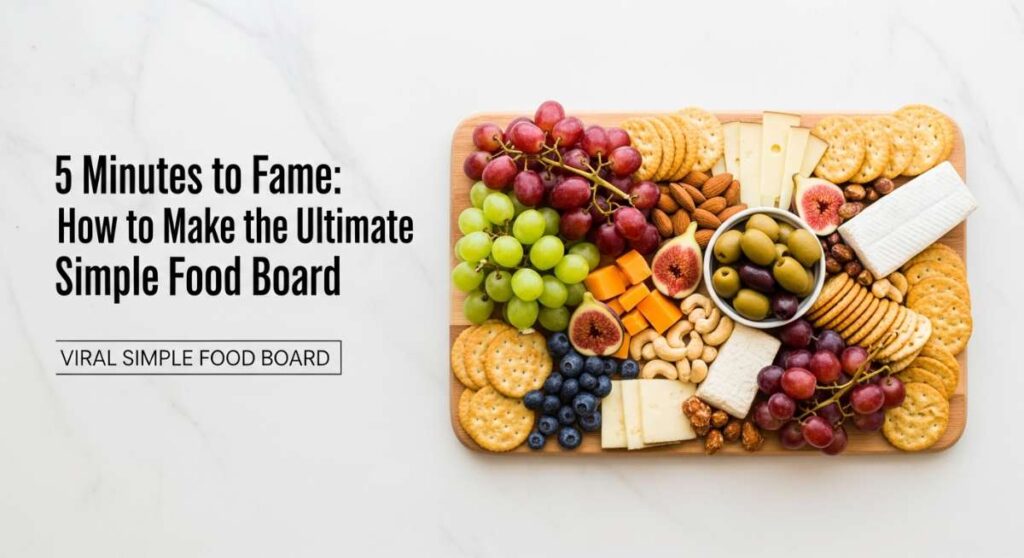
5 Minutes to Fame: How to Make the Ultimate Simple Food Board
We’ve all been there: the doorbell rings in ten minutes, your living room is a semi-controlled disaster zone, and you realized you forgot to plan a cohesive meal. In the age of social media, the pressure to perform ‘hostess with the mostest’ magic is real, but I’ve discovered a secret that changed my life. The ‘Ultimate Simple Food Board’ isn’t just about throwing crackers on a plate; it’s about creating a grazing experience that feels curated, intentional, and wildly indulgent without the stress of a five-course sit-down dinner.
The beauty of a food board lies in the emotional connection it fosters. There is something deeply primal and comforting about gathering around a large wooden plank filled with steaming, aromatic components. It breaks down the formal barriers of dining, encouraging guests to reach, share, and customize their bites. This isn’t just food; it’s a conversation starter, a centerpiece, and a direct ticket to ‘viral’ status among your friends and family. Let’s dive into the core components that will make your board the talk of the season.
How to make creamy pasta?

Why we love this
There is nothing quite like the silky, velvet-like embrace of a perfectly executed cream sauce clinging to al dente noodles. As you lift a forkful, the steam carries the scent of aged parmesan and freshly cracked black pepper, promising a rich, indulgent mouthfeel that coats the palate. It is the ultimate comfort food, offering a luxurious texture that feels both sophisticated and like a warm hug from the inside out, making it the star of any grazing board.
Ingredients
- 1 lb Fettuccine or Penne pasta
- 2 cups heavy cream
- 1/2 cup unsalted butter
- 1.5 cups freshly grated Parmesan cheese
- 3 cloves garlic, minced
- Salt and black pepper to taste
- Fresh parsley for garnish
How to make it
- Fill a large pot with water, add a generous palmful of salt (it should taste like the sea), and bring to a rolling boil over high heat. Add the pasta and cook for 1-2 minutes less than the package directions to ensure it remains ‘al dente’ or firm to the bite.
- While the pasta cooks, place a large skillet over medium-low heat. Melt the butter slowly until it begins to foam, then add the minced garlic. Sauté the garlic for about 60 seconds, or until it becomes fragrant and translucent, being careful not to let it brown or turn bitter.
- Pour the heavy cream into the skillet with the garlic butter. Increase the heat slightly to medium and bring the mixture to a gentle simmer. Let it bubble softly for about 3-5 minutes, whisking occasionally, until the liquid reduces slightly and thickens to a consistency that coats the back of a spoon.
- Turn the heat to the lowest setting and gradually whisk in the grated Parmesan cheese in small handfuls. Continue whisking constantly until the cheese is completely melted and the sauce is perfectly smooth. Season with a pinch of salt and a generous amount of black pepper.
- Reserve one cup of the starchy pasta water, then drain the pasta. Toss the hot noodles directly into the cream sauce. If the sauce is too thick, add the reserved pasta water one tablespoon at a time until the desired silkiness is achieved. Garnish with parsley and serve immediately on the board.
How to cook juicy chicken?

Why we love this
The hallmark of a great host is serving chicken that is remarkably succulent, boasting a golden-brown, caramelized exterior that yields to a tender, moisture-rich center. When you slice into it, the juices should run clear, and the aroma of seared poultry and herbs should immediately fill the room. It provides a versatile, protein-packed anchor for your board that pairs beautifully with everything from sharp cheeses to sweet fruit preserves.
Ingredients
- 2 large boneless, skinless chicken breasts
- 2 tablespoons olive oil
- 1 teaspoon smoked paprika
- 1 teaspoon garlic powder
- Salt and cracked black pepper
- 2 tablespoons butter
- Fresh thyme sprigs
How to make it
- Start by patting the chicken breasts completely dry with paper towels; moisture on the surface is the enemy of a good sear. Place the chicken between two sheets of plastic wrap and gently pound them with a meat mallet to an even thickness of about 1 inch to ensure even cooking.
- Season both sides of the chicken generously with salt, pepper, paprika, and garlic powder. Press the spices into the meat so they adhere well.
- Heat the olive oil in a heavy-bottomed stainless steel or cast-iron skillet over medium-high heat. Wait until the oil is shimmering and just starting to wisps of smoke appear. Carefully lay the chicken in the pan, laying it away from you to avoid oil splatters.
- Sear the chicken without moving it for 5-6 minutes. You are looking for a deep, golden-brown crust. Once the chicken releases easily from the pan, flip it over.
- Add the butter and thyme sprigs to the pan. As the butter melts and foams, tilt the pan and use a large spoon to continuously baste the chicken with the hot, flavored butter for another 4-5 minutes. Use an instant-read thermometer to check for an internal temperature of 165°F (74°C). Remove from the pan and let it rest for at least 5 minutes before slicing to lock in the juices.
How to roast crispy potatoes?

Why we love this
These potatoes are the definition of textural contrast: a glass-like, shatteringly crisp outer shell that gives way to a center as light and fluffy as a cloud. The scent of roasted rosemary and garlic infused into the golden skins creates an irresistible earthy aroma. They are the ultimate salty, savory snack that guests will keep reaching for, providing a satisfying crunch that balances the softer elements of your food board.
Ingredients
- 2 lbs Yukon Gold potatoes, peeled and cubed
- 1/2 cup extra virgin olive oil
- 1 teaspoon baking soda
- 3 cloves garlic, smashed
- 2 sprigs fresh rosemary, chopped
- Kosher salt and flaky sea salt
How to make it
- Preheat your oven to 450°F (230°C). Bring a large pot of water to a boil and add a tablespoon of salt and the baking soda. The baking soda breaks down the potato’s starch on the surface, creating more surface area for ultimate crunch.
- Boil the potato cubes for about 10 minutes, or until the outsides are softened but the centers are still slightly firm. Drain the potatoes and let them sit in the colander for 2 minutes to allow excess steam to escape.
- Transfer the potatoes back into the pot, add a splash of oil, and shake the pot vigorously. This creates a starchy paste on the outside of the potatoes which will fry into a thick crust in the oven.
- Spread the potatoes onto a large rimmed baking sheet. Drizzle with the remaining olive oil and toss to coat thoroughly. Spread them out so they are not touching; overcrowding the pan will cause them to steam rather than roast.
- Roast for 20 minutes, then turn the potatoes with a spatula. Add the smashed garlic and chopped rosemary to the pan. Continue roasting for another 20-30 minutes, turning occasionally, until the potatoes are deep brown and incredibly noisy when shaken. Sprinkle with flaky sea salt immediately.
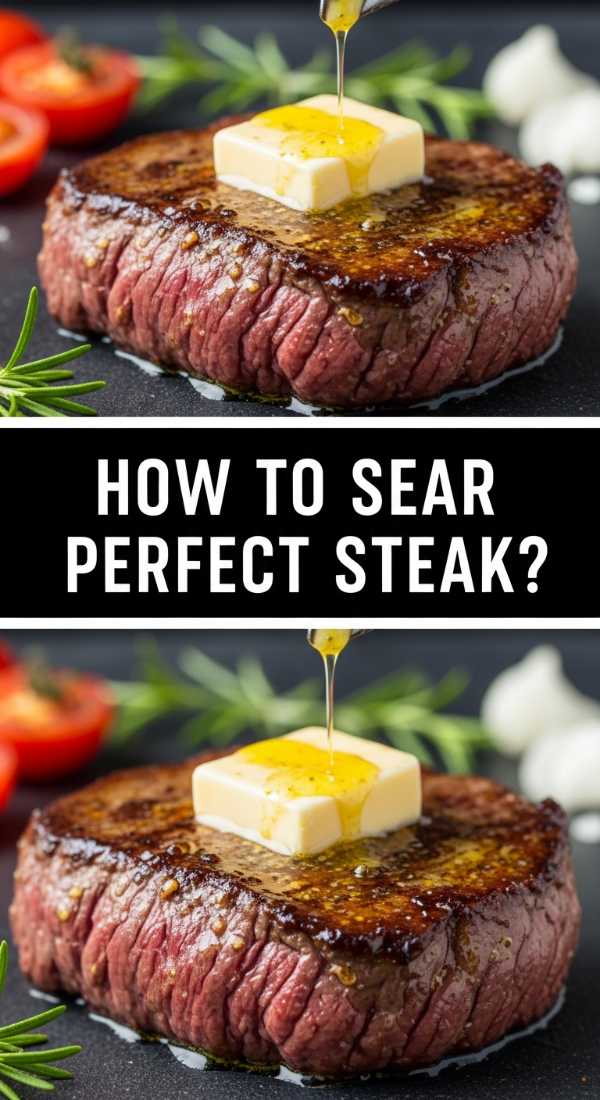
How to sear perfect steak?
Why we love this
A perfectly seared steak is a masterclass in the Maillard reaction, featuring a savory, salty crust and a cool, ruby-red center that melts like butter. The intoxicating scent of rendered beef fat and scorched herbs signals a premium dining experience. It adds an element of decadence and masculine energy to the board, offering a rich umami punch that satisfies even the most demanding palates.
Ingredients
- 1.5 lb Ribeye or New York Strip steak (at least 1.5 inches thick)
- 2 tablespoons neutral oil (like grapeseed or canola)
- 3 tablespoons unsalted butter
- 4 cloves garlic, crushed
- Fresh rosemary and thyme
- Coarse Kosher salt
How to make it
- Remove the steak from the refrigerator at least 45 minutes before cooking to bring it to room temperature. This ensures the center cooks evenly without the outside burning. Pat the meat extremely dry and season very aggressively with Kosher salt on all sides, including the edges.
- Heat a heavy cast-iron skillet over high heat until it is screaming hot—you should see heavy wisps of smoke. Add the neutral oil and swirl to coat.
- Place the steak in the pan. Press down slightly with a spatula to ensure full contact. Sear for 3 minutes without moving it to develop a dark, crusty sear. Flip the steak.
- Immediately add the butter, crushed garlic, and herb sprigs to the pan. As the butter melts and turns nut-brown, tilt the pan and spoon the hot fat over the steak repeatedly. This ‘butter-basting’ method cooks the top and infuses the meat with aromatics.
- Continue basting and flipping every minute until the internal temperature reaches 130°F (54°C) for medium-rare. Remove the steak from the pan and place it on a cutting board. Rest for at least 10 minutes to allow the fibers to relax and the juices to redistribute before slicing thinly against the grain.
How to bake cheesy lasagna?

Why we love this
There is a profound joy in the architectural layers of a lasagna: the bubbling, browned cheese on top, the tender sheets of pasta, and the rich, slow-cooked sauce peeking through. Each bite is a medley of creamy ricotta and zesty tomato, offering a complex flavor profile that feels timeless. It’s the visual anchor of a board, providing a sturdy, warm, and inviting centerpiece that everyone recognizes and loves.
Ingredients
- 1 box no-boil lasagna noodles
- 1 lb ground beef or Italian sausage
- 24 oz marinara sauce
- 15 oz ricotta cheese
- 1 egg, lightly beaten
- 3 cups shredded mozzarella cheese
- 1/2 cup grated Parmesan
- 1 tablespoon Italian seasoning
How to make it
- Preheat your oven to 375°F (190°C). In a large skillet over medium-high heat, brown the ground meat until no pink remains. Drain the excess fat and stir in the marinara sauce and Italian seasoning. Let it simmer for 5 minutes.
- In a medium bowl, combine the ricotta cheese, the beaten egg, half of the Parmesan, and a pinch of salt. The egg acts as a binder, ensuring the cheese layer stays fluffy and set rather than runny.
- In a 9×13 inch baking dish, spread a thin layer of the meat sauce on the bottom. This prevents the bottom noodles from sticking. Place a layer of noodles over the sauce.
- Spread a third of the ricotta mixture over the noodles, followed by a layer of mozzarella and then more meat sauce. Repeat the layers—noodles, ricotta, mozzarella, sauce—until you reach the top of the dish.
- Finish with a final layer of noodles, the remaining sauce, and a generous topping of mozzarella and Parmesan. Cover the dish tightly with aluminum foil (spray the foil with oil so the cheese doesn’t stick). Bake for 25 minutes, then remove the foil and bake for another 15 minutes until the cheese is golden and bubbling. Let it rest for 15 minutes before cutting into small, board-friendly squares.
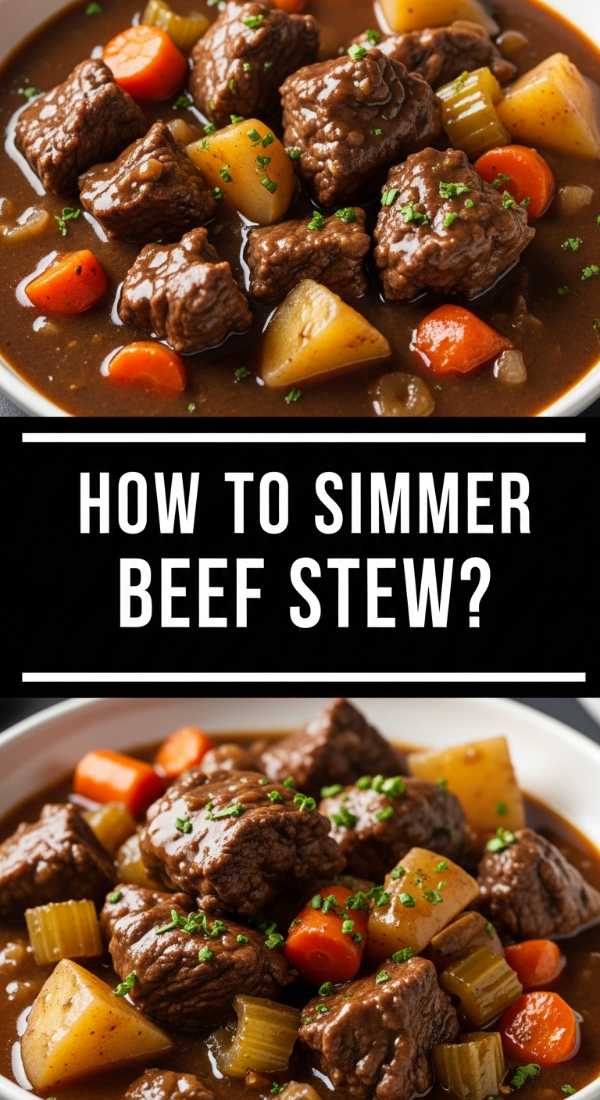
How to simmer beef stew?
Why we love this
The aroma of a simmering beef stew is the scent of home; it’s a deep, wine-infused fragrance that promises warmth and depth. The beef becomes so tender it practically dissolves on the tongue, surrounded by a thick, glossy gravy that carries the essence of thyme, bay leaves, and caramelized vegetables. Served in small ramekins on your board, it provides a hearty, spoonable contrast to the drier, finger-food elements.
Ingredients
- 2 lbs beef chuck, cut into 1-inch cubes
- 1/4 cup all-purpose flour
- 2 cups beef bone broth
- 1 cup dry red wine (like Cabernet)
- 3 carrots, sliced
- 2 stalks celery, sliced
- 1 onion, diced
- 2 tablespoons tomato paste
- 2 sprigs fresh thyme
How to make it
- Season the beef cubes with salt and pepper, then toss them in the flour until lightly coated. In a large Dutch oven, heat oil over medium-high heat. Sear the beef in batches, ensuring each piece has a deep brown crust. Remove the beef and set aside.
- Lower the heat to medium. Add the onions, carrots, and celery to the pot. Sauté for 5-7 minutes until the vegetables soften and the onions turn translucent. Stir in the tomato paste and cook for 2 minutes to take off the raw edge.
- Deglaze the pan by pouring in the red wine. Use a wooden spoon to scrape up all the ‘fond’ (the brown bits) from the bottom of the pot—this is where the flavor lives.
- Add the beef back into the pot along with the beef broth, thyme, and a bay leaf. The liquid should just cover the meat. Bring to a boil, then immediately reduce the heat to the lowest setting.
- Cover the pot with a tight-fitting lid and simmer very gently for 2 to 2.5 hours. Check occasionally to ensure it isn’t boiling hard; a slow ‘smile’ of a bubble is what you want. The stew is done when the beef is fork-tender and the sauce has thickened into a rich gravy.
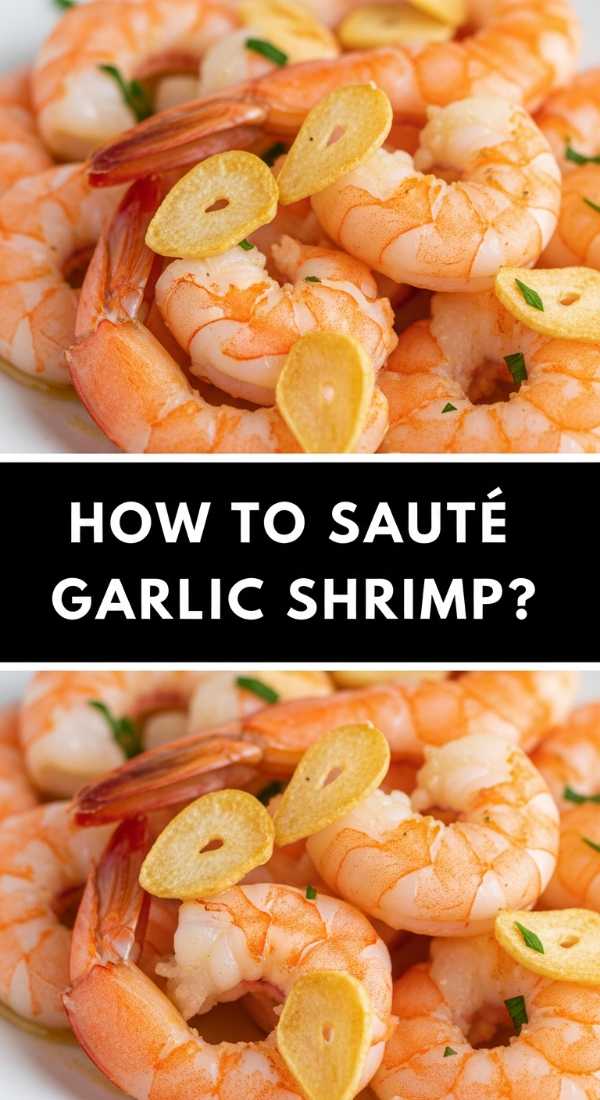
How to sauté garlic shrimp?
Why we love this
Garlic shrimp are the ultimate ‘quick-win’ for a food board, offering a bright, zesty, and snap-tender protein that feels incredibly fresh. The combination of sizzling butter, pungent garlic, and a squeeze of lemon creates a sauce that you’ll want to mop up with every bit of bread on the board. They provide a lighter, seafood-focused counterpoint that keeps the grazing experience vibrant and exciting.
Ingredients
- 1 lb large shrimp, peeled and deveined
- 4 tablespoons unsalted butter
- 4 cloves garlic, thinly sliced
- 1/2 teaspoon red pepper flakes
- 1/4 cup dry white wine
- Juice of half a lemon
- Fresh parsley, chopped
How to make it
- Ensure the shrimp are completely thawed and patted dry. Dry shrimp sear; wet shrimp steam. Season them lightly with salt and red pepper flakes.
- In a large skillet, melt the butter over medium heat. Once the butter is bubbling, add the sliced garlic. Cook for 1-2 minutes, stirring constantly, until the garlic is golden and fragrant but not burnt.
- Increase the heat to medium-high and add the shrimp in a single layer. Do not crowd the pan. Cook for 2 minutes without moving them until the bottoms turn pink and slightly charred.
- Flip the shrimp and immediately pour in the white wine. Let the wine bubble and reduce by half, which should take about 1-2 minutes. The shrimp should be opaque and curled into a ‘C’ shape (a ‘O’ shape means they are overcooked).
- Remove from heat, squeeze the fresh lemon juice over the top, and toss with chopped parsley. The residual heat will finish the cooking while keeping them juicy.
How to make veggie stirfry?

Why we love this
A great veggie stirfry is a visual explosion on the board, offering a rainbow of colors and a variety of textures from crunchy bell peppers to tender broccoli florets. The high-heat sear locks in the natural sweetness of the vegetables while a savory, ginger-soy glaze adds a layer of umami depth. It’s the perfect way to add lightness and nutrition to a board that might otherwise be heavy on meats and cheeses.
Ingredients
- 2 cups broccoli florets
- 1 red bell pepper, sliced
- 1 carrot, julienned
- 1 cup snap peas
- 2 tablespoons soy sauce
- 1 tablespoon toasted sesame oil
- 1 tablespoon fresh ginger, grated
- 1 tablespoon honey
How to make it
- In a small bowl, whisk together the soy sauce, sesame oil, grated ginger, and honey to create your stir-fry sauce. Set this aside near the stove.
- Heat a wok or a large heavy skillet over very high heat until a drop of water flicked onto the surface evaporates instantly. Add a tablespoon of high-smoke-point oil (like peanut or vegetable oil).
- Add the broccoli and carrots first, as they take the longest to cook. Stir-fry for 2 minutes, constantly moving the vegetables with a spatula. You want them to develop charred spots while remaining ‘crisp-tender’.
- Add the bell peppers and snap peas. Continue to stir-fry for another 2-3 minutes. The vegetables should look bright and vibrant, never dull or mushy.
- Pour the sauce over the vegetables. The high heat will cause the sauce to bubble and thicken into a glaze almost immediately. Toss everything together for 30 seconds to ensure even coating, then remove from heat and serve.
How to bake chicken thighs?

Why we love this
Chicken thighs are the unsung heroes of the kitchen, offering a level of richness and flavor that breasts simply can’t match. When baked at high heat, the skin becomes incredibly thin and crispy, resembling savory parchment, while the dark meat underneath stays buttery and falling-off-the-bone tender. Infused with herbs like rosemary and sage, they provide a rustic, hearty element that feels elegantly farmhouse-chic on a wooden board.
Ingredients
- 4-6 bone-in, skin-on chicken thighs
- 2 tablespoons olive oil
- 1 teaspoon dried oregano
- 1 teaspoon onion powder
- 1/2 teaspoon smoked paprika
- Salt and pepper
- Lemon wedges for serving
How to make it
- Preheat your oven to 425°F (220°C). Line a baking sheet with parchment paper or a wire rack set over a tray for maximum air circulation around the chicken.
- Pat the chicken thighs extremely dry with paper towels. Rub the olive oil all over the skin and the underside of the thighs.
- In a small bowl, mix the oregano, onion powder, paprika, salt, and pepper. Sprinkle the seasoning mix generously over the chicken, making sure to get some under the skin if possible for maximum flavor.
- Place the thighs on the baking sheet, skin-side up. Bake for 25-30 minutes. Do not open the oven door frequently, as you want the high heat to remain constant to crisp the skin.
- Use a meat thermometer to ensure the internal temperature is at least 175°F (80°C). Unlike breasts, thighs benefit from a slightly higher temperature as it helps break down the connective tissue. Let the chicken rest for 5 minutes before placing it on the board with fresh lemon wedges.
How to cook savory meatballs?

Why we love this
Meatballs are the ultimate ‘nibble’ food, offering a bite-sized explosion of savory, herb-flecked joy. They are tender and juicy, with a slightly browned exterior that holds a world of umami within. Whether dipped in a zesty marinara or a creamy gravy, they provide a playful, interactive element to the board that appeals to both kids and adults, making them an essential component for any successful gathering.
Ingredients
- 1 lb ground beef (80/20 blend for juiciness)
- 1/2 cup panko breadcrumbs
- 1/4 cup whole milk
- 1 egg, beaten
- 1/2 cup grated Parmesan
- 2 tablespoons fresh parsley, minced
- 2 cloves garlic, grated
How to make it
- In a small bowl, combine the panko breadcrumbs and the milk. Let this sit for 5 minutes to create a ‘panade’. This secret step ensures your meatballs stay incredibly moist and never turn ‘rubbery’ or tough.
- In a large bowl, combine the ground beef, the panade, the beaten egg, Parmesan, parsley, and garlic. Use your hands to gently mix the ingredients together. Do not overwork the meat; mix just until combined to keep the texture light and airy.
- Roll the mixture into small, golf-ball-sized rounds (about 1.5 inches in diameter). Aim for uniformity so they all cook at the same rate.
- Heat a large skillet over medium heat with a tablespoon of oil. Add the meatballs, being careful not to crowd the pan. Brown them on all sides for about 8-10 minutes, shaking the pan frequently to keep them round.
- Once browned, you can finish them by adding a cup of marinara sauce to the pan and simmering for another 5 minutes, or simply transfer them to a 375°F oven for 5 minutes to ensure they are cooked through. Serve with toothpicks for easy grazing.
The Final Touch: Assembling Your Viral Board
Now that you have your components, the ‘5 Minutes to Fame’ comes down to the assembly. Start by placing your larger items—the lasagna squares, the steak, and the pasta bowl—in the center and corners to create ‘anchors’. Fill in the gaps with the crispy potatoes, meatballs, and chicken. Use the veggie stir-fry and shrimp to add pops of color and brightness. Don’t be afraid of ‘productive clutter’; tuck in some sprigs of fresh herbs, lemon wedges, and perhaps some crusty bread to fill every square inch of the board. The goal is abundance. When you bring this to the table, the collective gasp from your guests will be all the reward you need. Enjoy the fame—you’ve earned it!