
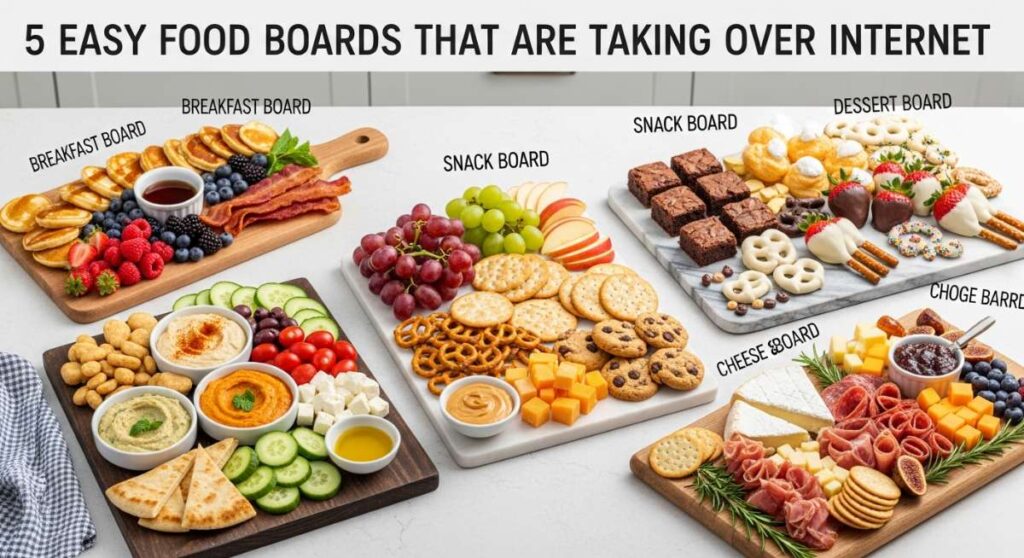
5 Easy Food Boards That Are Taking Over the Internet
There is something undeniably magical about the way a shared board brings people together. It’s more than just a meal; it’s an invitation to linger, to reach across the table, and to celebrate the art of grazing. Whether you are hosting a cozy Friday movie night or a bright Sunday brunch, the ‘Viral Simple Food Board’ trend has transformed our dining tables into edible canvases that are as beautiful to look at as they are delicious to eat.
I remember the first time I set out a deconstructed dinner board for my family—the room immediately filled with laughter and the sound of clinking glasses. It stripped away the formality of plated meals and replaced it with a tactile, sensory experience. Today, I’m sharing the secrets to mastering the most popular boards currently breaking the internet, from steaming ramen spreads to sizzling steak platters that will make your guests feel truly pampered.
The key to a successful board isn’t just the arrangement, but the technique behind the main attraction. You want textures that pop, aromas that fill the house, and flavors that leave a lasting impression. Let’s dive into these ten iconic dishes that serve as the perfect heart for your next viral food board.
How to cook perfect ramen?

Why we love this
A ramen board is a symphony of soul-warming comfort that appeals to every sense. Imagine the deep, earthy aroma of a simmering dashi-based broth mingling with the sharp, fresh scent of chopped scallions and the toasted notes of sesame oil. The noodles should have a satisfyingly bouncy chew, providing a textural contrast to the velvet-soft, jammy yolk of a marinated egg. It is a dish that feels like a warm hug on a rainy day, offering layers of umami that linger beautifully on the palate and make every slurp a moment of pure bliss.
Ingredients
- Fresh or high-quality dried ramen noodles
- Shoyu or Miso broth base
- Soft-boiled eggs (marinated in soy and mirin)
- Sliced chashu pork or firm tofu
- Nori sheets, bamboo shoots, and corn
- Fresh scallions and chili oil
How to make it
- Begin by preparing your soy-marinated eggs at least 4 hours in advance; boil eggs for exactly 6 minutes and 30 seconds, then shock in ice water before peeling and soaking in a mix of soy sauce, mirin, and sugar.
- For the broth, bring your base to a gentle simmer over medium heat—do not let it reach a rolling boil, as this can cloud the clarity and mute the delicate aromatics of the ginger and garlic.
- In a separate large pot, boil water for the noodles; cook them for 30 seconds less than the package instructions to ensure they maintain a ‘firm to the bite’ texture once they hit the hot soup.
- While the noodles cook, prepare your protein; if using chashu, sear the slices in a hot pan until the fat renders and the edges turn a deep, caramelized golden brown.
- Assemble the board by placing the hot broth in a central pot, surrounding it with bowls of the noodles, sliced eggs, nori, and fresh garnishes so guests can customize their own bowls.
How to make fresh sushi?

Why we love this
The sushi board is the ultimate expression of elegance and freshness, bringing the vibrant colors of the ocean directly to your table. There is something incredibly satisfying about the contrast between the cool, silky texture of sashimi-grade fish and the slight tang of seasoned, vinegared rice that holds its shape perfectly. Each bite is a delicate balance of sweet, salty, and acidic notes, especially when paired with the sharp, sinus-clearing kick of wasabi and the earthy, toasted crunch of high-quality nori sheets.
Ingredients
- Sushi-grade salmon or tuna
- Short-grain Japanese sushi rice
- Rice vinegar, sugar, and salt (for seasoning)
- Nori (seaweed) sheets
- Cucumber, avocado, and pickled ginger
- Wasabi and low-sodium soy sauce
How to make it
- Rinse the sushi rice under cold water at least five times until the water runs completely clear; this removes excess starch and prevents the rice from becoming unpleasantly gummy.
- Cook the rice with a 1:1.1 ratio of water to rice, then immediately transfer it to a large wooden bowl (hangiri) and fold in a mixture of heated rice vinegar, sugar, and salt using a slicing motion to avoid crushing the grains.
- Use a handheld fan to cool the rice quickly while folding, which gives the rice its characteristic glossy sheen and prevents it from overcooking in its own steam.
- Slice your fish across the grain into uniform strips or rectangles using a very sharp, single-bevel knife; ensure your hands are slightly dampened with vinegared water to prevent the rice from sticking to your skin during rolling.
- Lay a sheet of nori on a bamboo mat, spread a thin layer of rice leaving an inch at the top, place your fillings in the center, and roll tightly while applying even pressure to create a seamless cylinder.
How to sear juicy steak?
Why we love this
There is nothing quite as primal or inviting as a board centered around a perfectly seared steak, its exterior boasting a dark, salty crust while the interior remains a tender, blushing pink. The aroma of garlic-infused butter basting over the meat creates a fragrance that is instantly mouth-watering, evoking memories of high-end steakhouses. Every slice releases rich juices that mingle with the herbs, making it the perfect focal point for a rustic board filled with roasted potatoes and charred vegetables.
Ingredients
- Thick-cut Ribeye or New York Strip (at least 1.5 inches thick)
- Kosher salt and freshly cracked black pepper
- Unsalted butter
- Fresh rosemary and thyme sprigs
- Whole garlic cloves, smashed
- Neutral high-smoke-point oil (like avocado or grapeseed oil)
How to make it
- Remove the steak from the refrigerator at least 45 minutes before cooking to allow it to reach room temperature; this ensures the muscle fibers don’t tighten and allows for even heat penetration.
- Pat the surface of the meat completely dry with paper towels; moisture is the enemy of a good crust, as it creates steam rather than a Maillard reaction.
- Heat a heavy cast-iron skillet over high heat until it is smoking slightly, then add the oil followed immediately by the seasoned steak.
- Sear for 3-4 minutes on the first side without moving it to develop a deep brown crust, then flip and add the butter, garlic, and herbs to the pan.
- Tilt the pan slightly and use a large spoon to continuously pour the foaming, herb-scented butter over the steak for the final 2 minutes of cooking until an internal thermometer reads 130°F (54°C) for medium-rare; let it rest for 10 minutes before slicing.
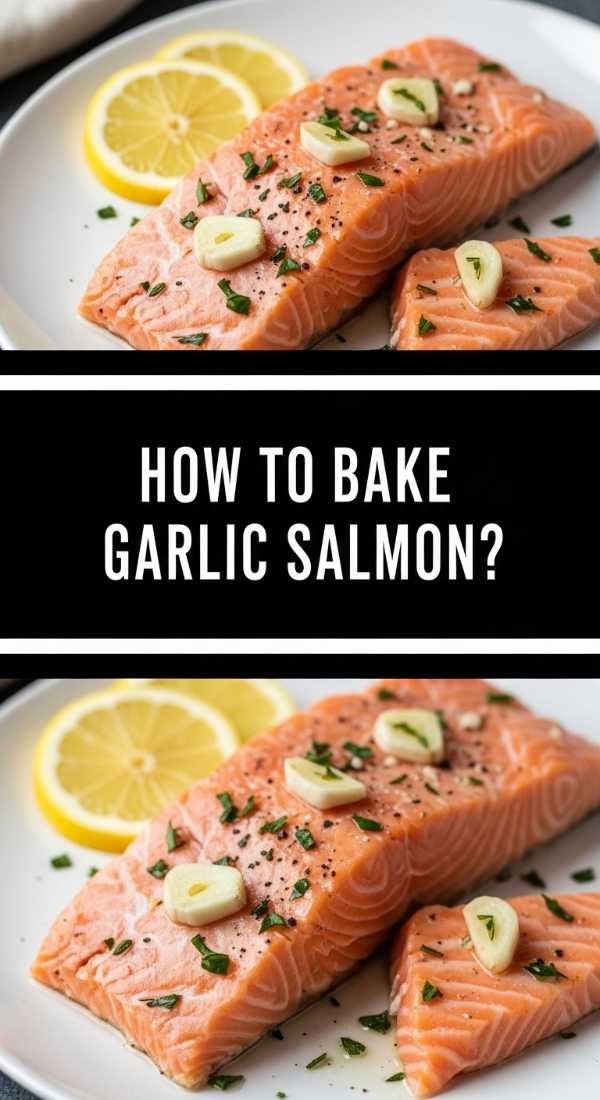
How to bake garlic salmon?

Why we love this
A garlic salmon board offers a lighter, yet equally indulgent experience, featuring flakes of fish that melt like butter on the tongue. The combination of pungent, roasted garlic and the bright, citrusy lift of lemon creates a profile that is both savory and refreshing. The skin, when done right, provides a salty, cracker-like crunch that contrasts beautifully with the tender, omega-3 rich meat, making it an incredibly satisfying centerpiece for a Mediterranean-inspired spread.
Ingredients
- Side of salmon or individual fillets
- Extra virgin olive oil
- Minced garlic (at least 4-5 cloves)
- Fresh lemon slices and juice
- Fresh parsley and dill
- Salt, pepper, and a pinch of paprika
How to make it
- Preheat your oven to 400°F (200°C) and line a baking sheet with parchment paper or foil to catch the juices and make for easy cleanup.
- Whisk together the olive oil, minced garlic, lemon juice, salt, pepper, and paprika in a small bowl until the garlic is evenly distributed throughout the oil.
- Place the salmon on the sheet—skin side down—and brush the garlic mixture generously over the top, ensuring it gets into every crevice of the fish.
- Top with thin lemon slices and bake for 12-15 minutes; look for the meat to change from translucent to opaque and for the thickest part to flake easily with a fork.
- For a professional finish, turn on the broiler for the last 2 minutes to slightly caramelize the garlic bits on top, then garnish with a shower of fresh green herbs before serving.
How to fry crispy chicken?

Why we love this
The sound of biting into perfectly fried chicken is a universal language of joy, and a crispy chicken board is a guaranteed crowd-pleaser. We love the contrast between the craggy, golden-brown exterior and the steaming, succulent meat hidden underneath. The subtle heat from the spices and the richness of the breading create a complex flavor profile that pairs beautifully with cool dipping sauces, making it an interactive and deeply nostalgic eating experience.
Ingredients
- Chicken thighs or wings
- Buttermilk and hot sauce (for marinade)
- All-purpose flour and cornstarch
- Garlic powder, onion powder, smoked paprika, and cayenne
- Peanut oil or vegetable oil for frying
- Sea salt
How to make it
- Marinate the chicken pieces in a mixture of buttermilk and hot sauce for at least 4 hours, or ideally overnight; the acidity in the buttermilk breaks down proteins, resulting in incredibly tender meat.
- Create your dredge by mixing flour and cornstarch (the cornstarch is the secret to extra crunch) with all the dry spices in a large shallow bowl.
- Remove chicken from the liquid and press it firmly into the flour mixture, ensuring every nook and cranny is coated; let the breaded chicken rest on a wire rack for 10 minutes to help the coating adhere.
- Heat your oil to a steady 350°F (175°C) in a deep pot; fry the chicken in small batches to prevent the oil temperature from dropping, which would lead to greasy, soggy skin.
- Fry until the internal temperature reaches 165°F (74°C) and the crust is a deep mahogany gold, then immediately transfer to a clean wire rack and sprinkle with sea salt while still hot.
How to whip creamy pasta?

Why we love this
A pasta board featuring a glossy, creamy sauce is the height of culinary decadence, turning simple grains into a luxurious feast. The texture should be silken and coating, clinging to every ridge of the noodle without being heavy or cloying. The aroma of aged Parmesan cheese melting into a base of garlic and cream is intoxicating, creating a dish that feels sophisticated yet profoundly comforting—perfect for a board with crusty bread and fresh arugula.
Ingredients
- Long pasta like Fettuccine or Pappardelle
- Heavy cream or high-quality whole milk
- Freshly grated Parmigiano-Reggiano
- Unsalted butter and minced garlic
- Reserved pasta water
- Fresh black pepper and nutmeg
How to make it
- Boil your pasta in heavily salted water until it is 2 minutes shy of al dente; the pasta will finish cooking in the sauce, allowing it to absorb the cream.
- While the pasta boils, melt butter in a wide skillet over medium-low heat and gently sauté minced garlic until fragrant but not browned, as burnt garlic will turn the cream bitter.
- Pour in the heavy cream and bring to a very gentle simmer; allow it to reduce slightly for 3-4 minutes until it begins to thicken and coat the back of a spoon.
- Add the undercooked pasta directly to the cream along with a half-cup of starchy pasta water; the starch is the ‘liquid gold’ that emulsifies the fat and liquid into a seamless sauce.
- Turn off the heat and vigorously stir in the grated cheese and a pinch of nutmeg; the residual heat will melt the cheese without breaking the sauce, resulting in a perfectly smooth, velvet finish.
How to grill tasty skewers?

Why we love this
Skewers bring a playful, handheld element to any food board, offering charred, smoky bites that are bursting with personality. There’s something special about the caramelized edges where the flame has kissed the meat and vegetables, creating a deep sweetness that only high-heat grilling can provide. Whether glazed with a sweet teriyaki or rubbed with Mediterranean spices, skewers are the perfect balance of convenience and gourmet flavor.
Ingredients
- Chicken breast, beef cubes, or shrimp
- Bell peppers, red onions, and zucchini
- Olive oil or sesame oil
- Marinade (Soy sauce, honey, ginger, and garlic)
- Wooden or metal skewers
How to make it
- If using wooden skewers, soak them in water for at least 30 minutes prior to assembly to prevent them from igniting on the grill.
- Cut your protein and vegetables into uniform 1-inch cubes; uniformity is crucial so that everything reaches the ideal doneness at the exact same time.
- Marinate the protein for at least 1 hour; for shrimp, keep it to 30 minutes to avoid the acid ‘cooking’ the delicate seafood prematurely.
- Thread the ingredients onto the skewers, alternating between meat and vegetables to allow the juices from the protein to season the veggies as they cook.
- Grill over medium-high heat for 3-4 minutes per side, brushing with extra marinade during the final minute of cooking to create a sticky, flavorful glaze with beautiful grill marks.
How to saute veggie stirfry?

Why we love this
A veggie stirfry board is a celebration of color and vitality, proving that plants can absolutely be the star of the show. We love the ‘snap’ of perfectly timed vegetables—broccoli that is bright green and crisp, peppers that are tender but still hold their shape, and mushrooms that are earthy and browned. The ‘wok hei’ or breath of the wok adds a subtle smokiness that elevates the simple ingredients into something complex and incredibly addictive.
Ingredients
- Broccoli florets, snap peas, and julienned carrots
- Bok choy and bell peppers
- Fresh ginger and garlic, minced
- Soy sauce, toasted sesame oil, and oyster sauce (or vegan sub)
- Cornstarch slurry (cornstarch mixed with water)
How to make it
- Prep all vegetables before you even turn on the stove; stir-frying happens so quickly (high heat, fast movement) that you won’t have time to chop once you start.
- Heat a wok or large heavy skillet until it is searingly hot—a drop of water should dance and evaporate instantly on the surface.
- Add a high-smoke-point oil and toss in the hard vegetables first (like carrots and broccoli) as they require more time to soften; toss constantly to ensure even heat distribution.
- Add the aromatics (ginger and garlic) halfway through to prevent them from burning, followed by the softer leafy greens like bok choy.
- Pour in your sauce mixture and the cornstarch slurry; stir rapidly for 30 seconds as the sauce thickens into a glossy coating that clings to every vegetable.
How to pan fry gyoza?
Why we love this
Gyoza boards are the ultimate interactive snack, offering a delightful ‘crunch-then-soft’ texture that is incredibly rewarding. The golden-brown, lacy bottom of a pan-fried dumpling provides a savory crispness that gives way to a juicy, ginger-scented interior. Dipping these little pockets of joy into a tangy soy-vinegar sauce creates a flavor explosion that makes them disappear from the board in seconds.
Ingredients
- Gyoza wrappers or pre-made frozen dumplings
- Ground pork or finely minced vegetables
- Napa cabbage, scallions, and ginger
- Sesame oil and vegetable oil
- Soy sauce and rice vinegar for dipping
How to make it
- Place a non-stick skillet over medium-high heat with a tablespoon of neutral oil and arrange the gyoza in a circular pattern, flat side down.
- Fry the dumplings undisturbed for 2-3 minutes until the bottoms are a beautiful, uniform golden brown; do not rush this step as the crust is the best part.
- Carefully pour in about 1/4 cup of water—it will sizzle and steam aggressively—and immediately cover the pan with a tight-fitting lid.
- Let them steam for about 4-5 minutes (longer if from frozen) until the wrappers become translucent and the water has almost completely evaporated.
- Remove the lid and allow the gyoza to fry for one more minute to re-crisp the bottoms before sliding them off onto the board.
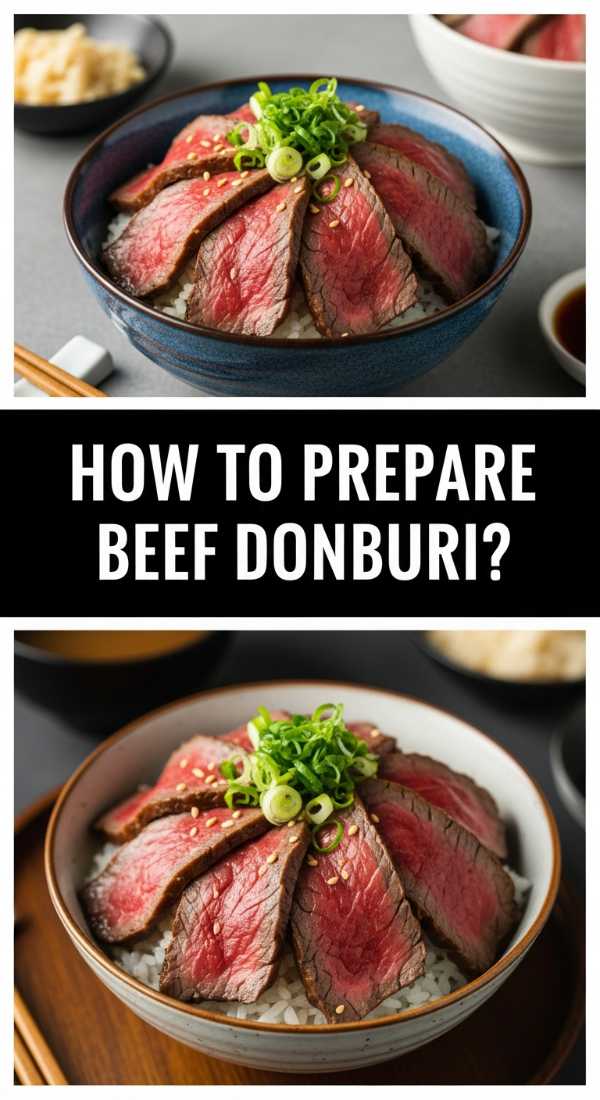
How to prepare beef donburi?
[IMAGE_10]
Why we love this
Beef Donburi is the epitome of the ‘rice bowl’ board, featuring thinly sliced beef simmered in a sweet and savory dashi broth that soaks into fluffy white rice. We love the way the onions become translucent and jammy, absorbing all the rich flavors of the meat. It’s a hearty, nourishing dish that feels deeply traditional yet perfectly suited for a modern, deconstructed board where guests can pile their own bowls high with toppings.
Ingredients
- Thinly sliced ribeye or sirloin (shabu-shabu style)
- Yellow onion, thinly sliced
- Dashi stock (or beef broth)
- Soy sauce, mirin, and sugar
- Pickled red ginger (beni shoga) and a raw egg yolk (optional)
How to make it
- In a wide shallow pan, combine the dashi, soy sauce, mirin, and sugar; bring to a simmer over medium heat until the sugar is fully dissolved.
- Add the sliced onions to the liquid and cook for 5-7 minutes until they are soft and have taken on a light brown hue from the broth.
- Add the thinly sliced beef to the pan, spreading it out so it cooks evenly; because the meat is so thin, it will only need about 2-3 minutes to reach perfect tenderness.
- Skim off any foam that rises to the top to ensure the broth remains clean and flavorful.
- Serve the beef and onion mixture in a large bowl on your board, surrounded by bowls of steamed short-grain rice, pickled ginger, and sliced scallions for assembly.
The Art of the Board
Creating these boards is more than just following a recipe; it’s about the joy of presentation and the love of sharing a meal. By mastering these ten techniques, you’re not just making dinner—you’re creating an event that your friends and family will talk about for weeks. So, grab your largest wooden platter, choose your favorite centerpiece from this list, and start building your own viral food board today!