
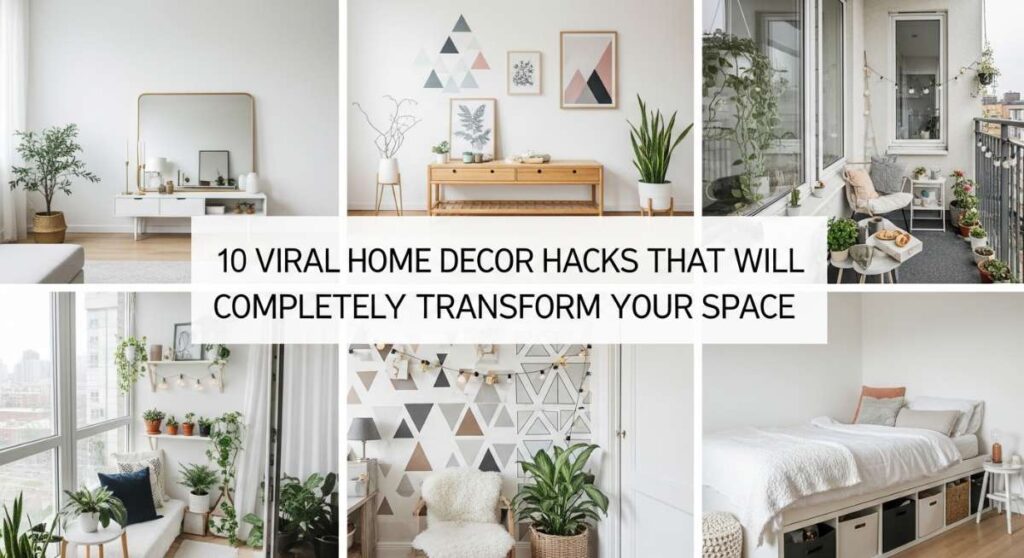
Have you ever walked into a room and felt an instant sense of calm, or perhaps a sudden burst of inspiration? Our homes are more than just four walls and a roof; they are the backdrop of our lives, the containers for our memories, and the physical manifestation of our inner worlds. When our space feels cluttered or uninspired, it’s often a reflection of how we feel inside—but the reverse is also true. By intentionally curating our environment, we can shift our mood and transform our daily experience from mundane to magical.
Lately, I’ve been obsessed with how small, viral design hacks can make a massive impact without requiring a full renovation. We are living in a golden age of interior inspiration, where luxury looks are accessible to everyone with a little bit of creativity and a weekend to spare. Whether you’re craving the crisp lines of a Scandinavian loft or the lush, overgrown vibes of a botanical sanctuary, there is a way to bring that dream to life. Let’s dive into the ten viral home decor transformations that are taking over the design world right now.
How to Create Minimalist Spaces for a Peaceful Mind
Why we love this
Minimalism isn’t just about empty space; it’s about the intentionality of what remains, creating a visual breath of fresh air that instantly lowers your cortisol levels. Imagine walking onto a cool, smooth hardwood floor where the sunlight dances across a single, perfectly placed ceramic vase, the air smelling faintly of white tea and linen. It is the art of subtraction that allows the soul to expand, focusing on high-quality textures like organic cotton and sanded wood that feel grounding to the touch. This aesthetic turns your home into a silent retreat, where every object has a purpose and every corner offers a moment of profound clarity.
Essential Elements:
- Neutral color palette (whites, creams, and soft beiges)
- Hidden storage solutions to eliminate visual clutter
- Organic materials like light wood and stone
- A single statement piece of functional art
- Plentiful natural light filtered through sheer curtains
How to make it
- Begin the “Great Purge” by removing every item from the room that does not serve a functional or deeply sentimental purpose; the goal is to reach a state of “visual silence” where the eye isn’t darting from object to object.
- Apply a “foundation coat” of paint in a warm-toned white to avoid a clinical feel; look for a matte finish that absorbs light softly rather than reflecting it harshly.
- Level your lighting by removing overhead “big lights” and replacing them with floor lamps using 2700K warm-toned bulbs to simulate a sunset glow, which signals your brain to relax.
- Select one large-scale piece of furniture, like a low-profile linen sofa, to act as the anchor of the room, ensuring it has at least six inches of breathing room from the nearest wall.
- Assess the “doneness” of the space by sitting in the center for ten minutes; if your eyes feel rested and your mind feels quiet, the minimalist balance has been achieved.
How to Master Luxury Home Decor for an Expensive Feel

Why we love this
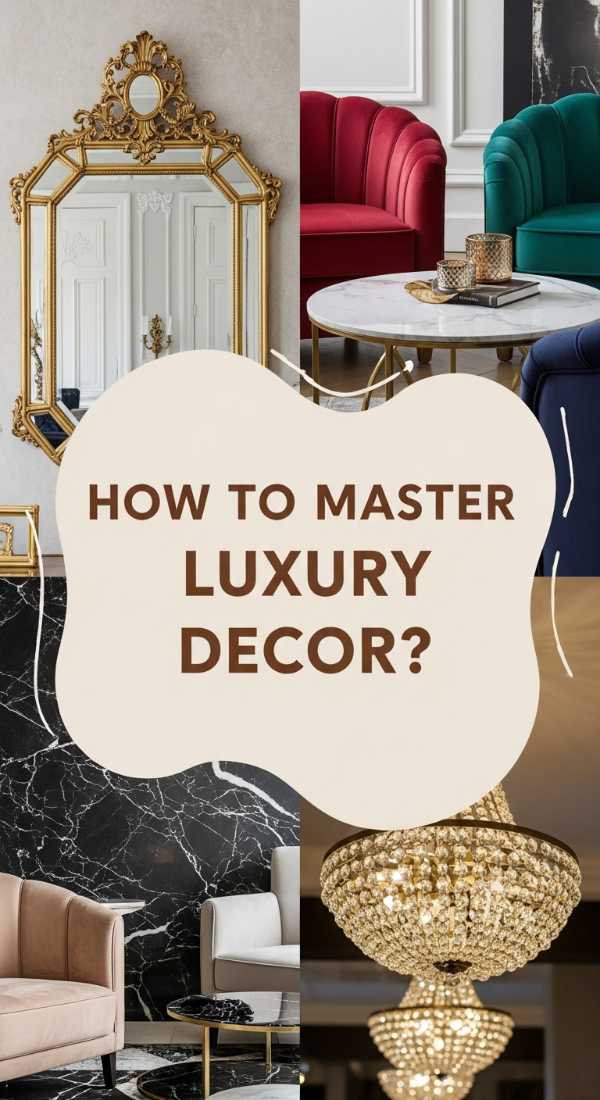
There is something deeply satisfying about a room that feels like a five-star hotel suite, dripping in “quiet luxury” and sophisticated elegance. The sensory experience is all about weight and sheen: the heavy drape of velvet curtains, the cool touch of a marble tabletop, and the shimmering reflection of polished brass under a dim chandelier. It’s a vibe that whispers rather than screams, relying on a sophisticated layering of textures that makes you want to sink into a plush armchair with a glass of champagne. This style celebrates the finer things, making your everyday life feel like a curated event of comfort and class.
Essential Elements:
- Rich textiles like velvet, silk, and faux fur
- Metallic accents in champagne gold or brushed nickel
- Large-scale mirrors to expand the visual field
- Monochromatic color schemes with varying textures
- Symmetrical furniture arrangements for formal balance
How to make it
- Introduce a high-contrast “hero texture” such as a marble-topped coffee table or a velvet ottoman to serve as the high-end focal point that dictates the quality of the surrounding items.
- Install floor-to-ceiling drapery panels, ensuring they are “double-poured” for thickness; the fabric should kiss the floor or puddle slightly to create an expensive, custom-tailored look.
- Layer your metals by mixing a primary finish (like brushed brass) with a secondary one (like black iron) to prevent the room from looking like a pre-packaged set from a big-box store.
- Adjust the “visual temperature” by adding high-gloss finishes on small surfaces like trays or picture frames, which catch the light and create a sense of pristine cleanliness and value.
- The final visual cue for luxury doneness is symmetry: align your pillows and art perfectly to create a sense of order that mimics professional interior design standards.
How to Design a Bohemian Sanctuary for Ultimate Relaxation
Why we love this
The Bohemian sanctuary is a celebration of the soul, a riot of patterns and textures that feels like a warm embrace from a world traveler. It smells of sandalwood incense and aged paper, with layers of woven rugs that feel soft and slightly uneven underfoot, telling a story of craftsmanship and history. This style rejects the rigid rules of modern design in favor of “more is more,” encouraging a cozy nest of floor pillows, macramé wall hangings, and sun-drenched rattan furniture. It is the ultimate space for daydreaming, where the boundaries between the indoors and the wild world outside begin to blur in the most beautiful way.
Essential Elements:
- Rattan and wicker furniture
- Macramé or woven textile wall art
- Layered Persian or jute rugs
- Earth-toned color palette (terracotta, mustard, forest green)
- Potted hanging plants and floor-level cushions
How to make it
- Layer your flooring by placing a large, neutral jute rug as the base and layering a smaller, patterned vintage rug on top at an angle to create a relaxed, lived-in feel.
- Build a “texture wall” using a mix of woven baskets and textile hangings; vary the heights and depths to create shadows that add mystery and warmth to the room.
- Incorporate “low-level living” by replacing traditional side tables with stacked vintage suitcases or Moroccan poufs to encourage a more grounded, casual seating arrangement.
- Infuse the space with “life energy” by clustering groups of three plants with varying leaf shapes (like a jagged Monstera and a soft Fern) to mimic the organized chaos of nature.
- The space is “done” when there are no sharp, cold edges visible; everything should feel soft to the touch and visually inviting for a long afternoon of lounging.
How to Style Moody Interiors for a Sophisticated Vibe
Why we love this
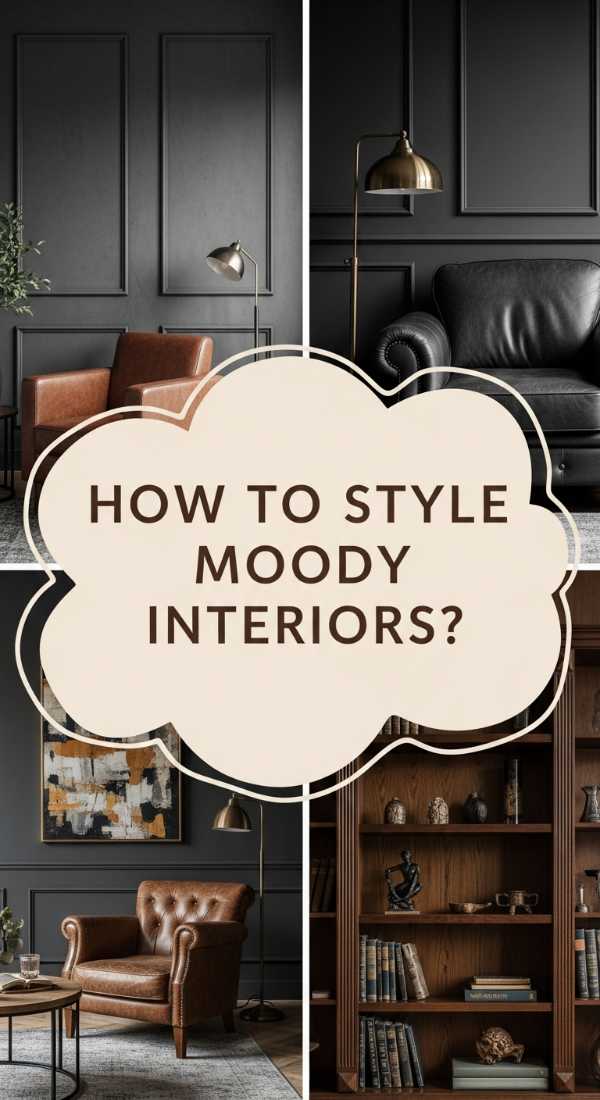
Moody interiors are for the bold, the thinkers, and the night owls who find beauty in the shadows and the deep, saturated tones of a midnight sky. Imagine a room wrapped in charcoal or forest green, where a crackling fire casts dancing orange light against dark wood bookshelves and leather-bound novels. The texture is key here—the grain of the wood, the weave of a dark wool throw, and the subtle glint of old bronze create a cocoon-like atmosphere that feels incredibly safe and sophisticated. It’s a sophisticated retreat that prioritizes intimacy and depth over bright, airy openness, making every evening feel like an event.
Essential Elements:
- Deep, dark paint colors (navy, charcoal, emerald)
- Warm wood tones like walnut or mahogany
- Leather accents and heavy wool textiles
- Dimmable ambient lighting and candlelight
- Framed vintage-style oil paintings or sketches
How to make it
- Commit to the “color drench” by painting the walls, trim, and even the ceiling in the same dark, matte shade to erase the boundaries of the room and create an infinite, cozy feel.
- Control your “light pools” by avoiding central fixtures and using multiple small lamps with dark shades that direct light downwards, creating intimate pockets of illumination.
- Introduce high-texture “light breaks” like a caramel leather chair or a brass lamp to prevent the dark colors from feeling flat or oppressive; these items act as the “highlights” in a painting.
- Layer in “organic decay” elements such as dried flowers or antique books to add a sense of history and intellectual depth to the sophisticated atmosphere.
- The room reaches its peak when the transition between light and shadow feels seamless, and the atmosphere encourages quiet conversation and deep reflection.
How to Achieve Scandinavian Style for a Cozier Home

Why we love this
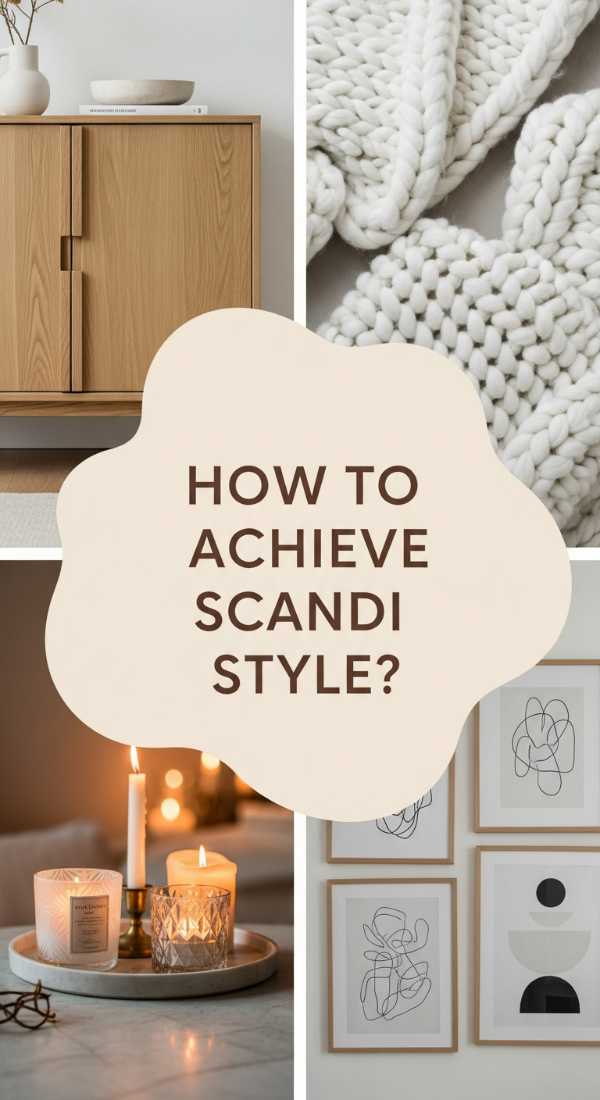
Scandinavian design, or “Hygge,” is the ultimate masterclass in finding joy in simplicity and warmth during the coldest months. It’s the feeling of a thick, chunky knit blanket draped over your shoulders while you sip coffee from a handmade ceramic mug, looking out at a frost-covered window. The aesthetic is bright and functional, yet never cold, thanks to the heavy use of light-colored woods, flickering candles, and soft sheepskin throws that invite you to stay a little longer. It’s a style that celebrates the ritual of the everyday, turning a simple breakfast or a quiet evening into a moment of intentional peace and cozy comfort.
Essential Elements:
- Light wood furniture (ash, pine, or birch)
- White walls balanced with warm textiles
- Functional, minimalist furniture with clean lines
- Multiple light sources (candles, lamps, fairy lights)
- Natural elements like pinecones or simple greenery
How to make it
- Establish a “white-plus” foundation by painting walls a crisp, cool white but immediately counteracting the chill with high-pile rugs and varied textile weights.
- Incorporate “wood warmth” by ensuring every room has at least two significant elements of raw, light-colored wood to bring an organic, grounding energy to the space.
- Master the “hygge lighting” technique by grouping candles of various heights on a tray and placing them at eye level to create a flickering, warm focal point that mimics a campfire.
- Declutter your surfaces to keep only “useful beauty”—items that are both aesthetically pleasing and serve a daily function, like a beautiful wooden salt cellar or a designer tea kettle.
- You know the Scandi transformation is complete when the room feels both incredibly tidy and remarkably snug, achieving that perfect balance of order and warmth.
How to Incorporate Indoor Plants for an Organic Atmosphere
Why we love this
Bringing the outdoors in is the quickest way to breathe literal life into a stagnant space, creating an organic atmosphere that feels fresh, vibrant, and ever-changing. There is a primal satisfaction in the scent of damp earth and the sight of new green tendrils unfurling towards the sunlight on a Saturday morning. Plants add a sculptural element that no piece of furniture can replicate, with their varied textures—from the waxy leaves of a Rubber Tree to the delicate lace of a Maidenhair Fern. A plant-filled room feels energized and healthy, acting as a natural air purifier and a constant reminder of the beauty of growth and resilience.
Essential Elements:
- A variety of plants in different sizes (tall palms to small succulents)
- Natural pots made of terracotta, ceramic, or seagrass
- Plant stands to create varying heights
- Proper light-filtering window treatments
- Watering cans and misters as decorative objects
How to make it
- Identify your “light zones” by monitoring how the sun moves through the room; place high-light plants like Fiddle Leaf Figs near windows and low-light plants like Snake Plants in corners.
- Create “vertical interest” by installing floating shelves or ceiling hooks for trailing plants like Pothos, allowing the vines to drape down and soften the hard lines of your walls.
- Group your plants in “communities” of odd numbers (3, 5, or 7) to create a lush, jungle-like density that looks more intentional than scattered individual pots.
- Use “pot layering” by selecting a unified color palette for your planters (like all whites and earths) but varying the shapes and textures to keep the look cohesive yet organic.
- The room is “done” when every sightline includes a touch of green, creating a continuous flow of organic energy that makes the space feel vibrant and alive.
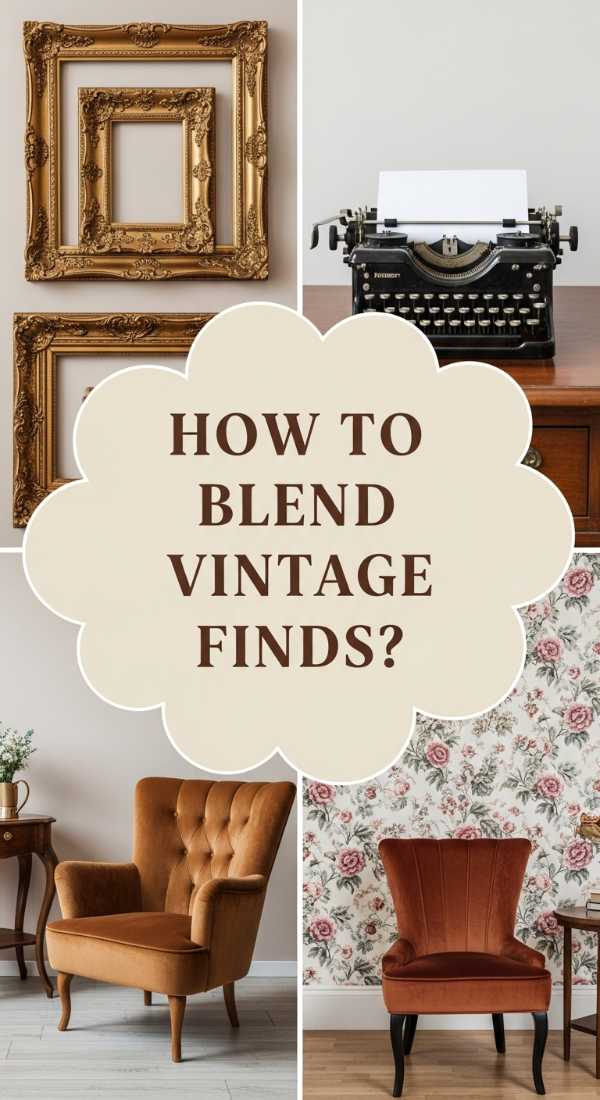
How to Blend Vintage Finds for a Unique Aesthetic
Why we love this
Vintage decor is about the thrill of the hunt and the soul-stirring beauty of an object that has survived the passage of time to find a home with you. There is a tactile richness to a weathered brass candlestick or the crackle of a mid-century oil painting that modern mass-produced items simply cannot mimic. Incorporating vintage finds allows you to tell a story that is uniquely yours, blending the charm of the past with the convenience of the present. It’s a sensory journey of discovery, where the smell of old wood and the weight of solid iron remind us that the best things in life often get better with age.
Essential Elements:
- Antique furniture pieces with character and patina
- Vintage art, maps, or framed botanical prints
- Mixed metals and aged hardware
- Ornate mirrors and glass decanters
- Textiles with traditional patterns like plaid or toile
How to make it
- Follow the “80/20 Rule” by keeping 80% of your furniture modern and clean-lined, while dedicating 20% to standout antique pieces to prevent the room from looking like a museum.
- Update the “bones” of a vintage find by replacing old drawer pulls with modern brass hardware or reupholstering a classic chair in a contemporary, bold fabric.
- Curate a “history wall” by mixing vintage frames found at thrift stores with modern photography, ensuring the frames overlap slightly for a layered, storied appearance.
- Use “patina placement” by putting your most weathered items in high-light areas where the texture of the age—the scratches, the fading, the wear—can be appreciated as art.
- The aesthetic is complete when the room feels collected over time rather than bought in a day, reflecting a personality that values both history and modern living.
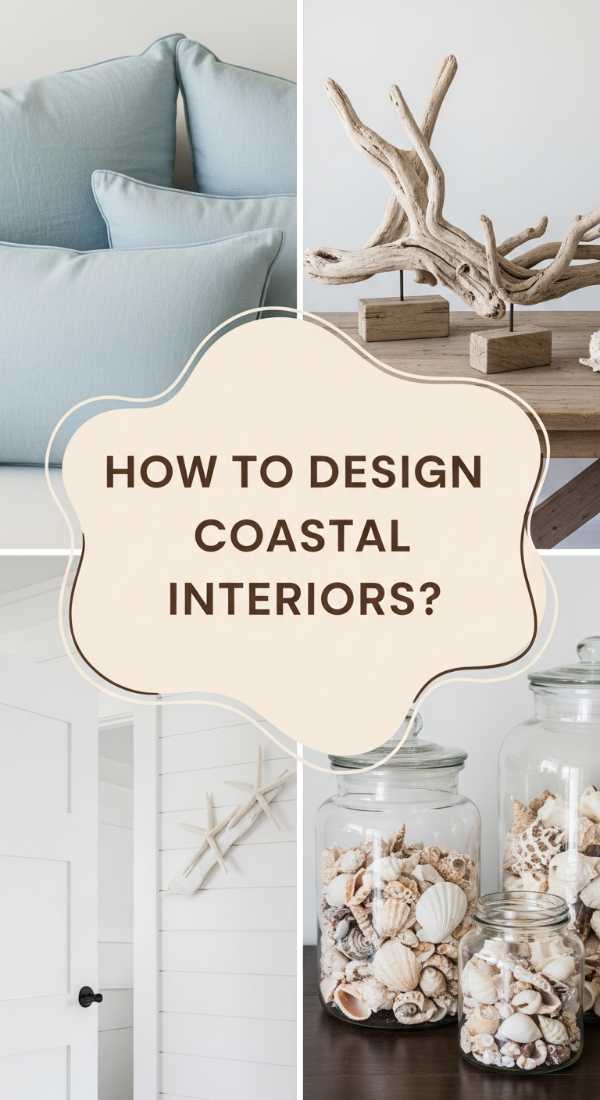
How to Design Coastal Interiors for a Refreshing Breeze

Why we love this
The coastal interior is a love letter to the sea, designed to make you feel as though you’re perpetually on a luxury beach vacation where the worries of the world are washed away by the tide. It’s defined by a palette of watery blues, sandy beiges, and crisp whites that mimic the horizon where the ocean meets the sky. The sensory experience is light and airy: the feel of cool linen against the skin, the sound of a breeze catching sheer curtains, and the natural beauty of driftwood and sea glass. It’s a refreshing, revitalizing style that prioritizes openness and light, making even the smallest room feel like a vast, tranquil shore.
Essential Elements:
- Light, breathable fabrics like linen and cotton
- Woven textures like jute, seagrass, and sisal
- A palette of whites, soft blues, and sandy tans
- Natural accents like driftwood, shells, or coral (sustainably sourced)
- Open-concept layouts that maximize airflow and light
How to make it
- Start with a “bleached base” by using white or very light grey paint on the walls to act as a canvas for the nautical tones and to reflect the maximum amount of sunlight.
- Layer in “beach textures” by choosing a large sisal rug for the floor and adding wicker baskets for storage, providing that earthy, sandy feel underfoot and to the eye.
- Introduce “water colors” through accent pillows and glass vases in shades of seafoam, navy, and turquoise, keeping the saturation low to maintain a sophisticated, breezy look.
- Optimize for “air movement” by using light-filtering sheer panels on windows and ensuring furniture is spaced widely enough to allow light and air to flow freely through the room.
- The room is “done” when it feels light enough to float; the combination of pale colors and natural textures should create an instant sense of cooling and relaxation.
How to Master Industrial Design for a Modern Loft Look
Why we love this
Industrial design is an unapologetic celebration of the raw and the rugged, finding profound beauty in the structural elements that most styles try to hide. It’s the cool touch of an exposed brick wall, the architectural strength of black steel beams, and the smooth, cold surface of a polished concrete floor. This look is urban, edgy, and modern, smelling of rain on pavement and expensive espresso, creating a space that feels both grounded and incredibly hip. It’s the perfect blend of form and function, where the history of industry meets the sleekness of modern technology to create a home that feels like a piece of living art.
Essential Elements:
- Exposed brick, concrete, or wood beams
- Black metal accents and piping
- Open-concept spaces with high ceilings
- Distressed leather and reclaimed wood furniture
- Large, factory-style windows or Edison bulb lighting
How to make it
- Embrace “structural honesty” by stripping back drywall to reveal original brick or by installing faux-brick panels and distressing them with a light “German smear” mortar technique.
- Incorporate “hard-edge lighting” using matte black metal pendants and Edison bulbs, hanging them at varied heights with exposed cords to emphasize the mechanical aesthetic.
- Balance the “coldness” of metal and stone by introducing oversized, distressed leather sofas or reclaimed wood dining tables that add warmth and a sense of history.
- Create “functional zones” in an open space by using large area rugs and open shelving units made of iron piping to define the kitchen, living, and dining areas without closing them off.
- The industrial look is achieved when the space feels balanced between raw construction and modern comfort, looking like a high-end conversion from a historic warehouse.
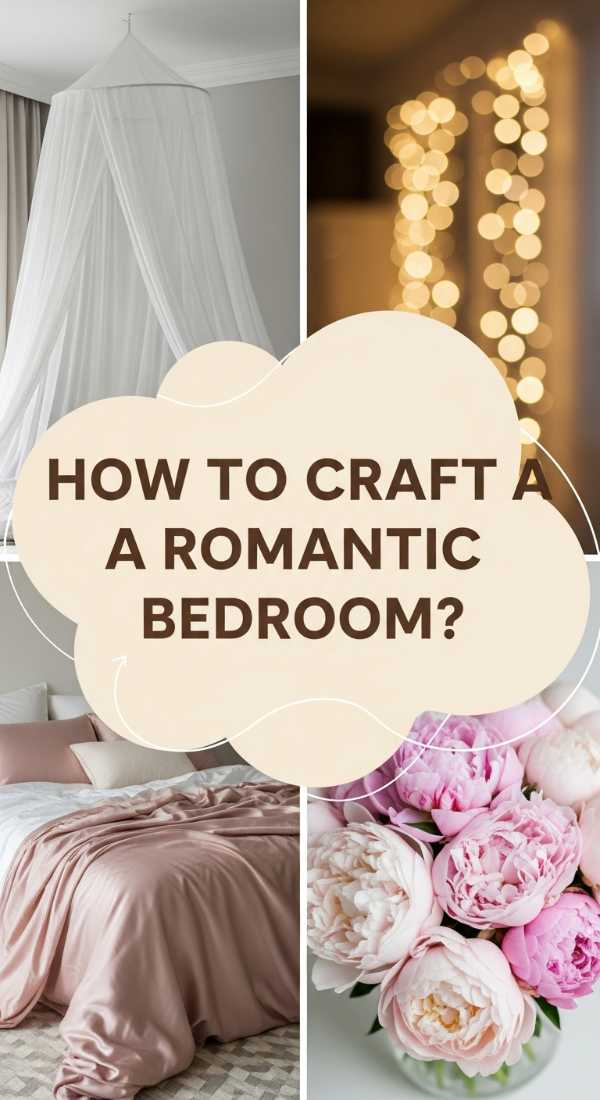
How to Craft a Romantic Bedroom for a Dreamy Escape
[IMAGE_10]
Why we love this
The romantic bedroom is a soft, shimmering sanctuary designed for the sweetest of dreams and the most restful of nights. It is a world of sensory delights: the scent of damask roses, the ethereal glow of a crystal chandelier, and the indulgent feel of high-thread-count silk sheets against the skin. This style is about creating a soft place to land, using a palette of blush pinks, champagnes, and creams to weave a spell of timeless beauty and intimacy. It feels like stepping into a fairytale, where the light is always golden and every texture is chosen for its ability to soothe the spirit and pamper the body.
Essential Elements:
- A canopy or upholstered headboard
- Soft, layered bedding in silk, satin, and lace
- Ambient lighting including wall sconces and dimmers
- Ornate mirrors and floral arrangements
- Soft, feminine color palette with metallic touches
How to make it
- Create a “cloud bed” by layering a feather-top mattress with a silk duvet cover and a minimum of six pillows of varying sizes and textures to create a lush, inviting mountain of softness.
- Install “ethereal drapery” around the bed frame or windows using lightweight tulle or chiffon that catches the light and moves softly with the slightest breeze.
- Set the “glow level” by installing dimmable wall sconces on either side of the bed, allowing you to dial the light down to a warm, candle-like flicker for evening relaxation.
- Incorporate “scent layering” with a high-end reed diffuser in a floral or vanilla base, paired with a soft velvet bench at the foot of the bed for a final touch of boudoir elegance.
- The romantic escape is “ready” when the room feels completely separated from the outside world, serving as a private, beautiful cocoon for rest and romance.
Conclusion
Transforming your home isn’t about following every trend—it’s about finding the specific aesthetic that resonates with your soul and making it a reality. Whether you crave the stark beauty of minimalism or the lush layers of a romantic bedroom, these viral hacks provide the blueprint for a space that truly feels like you. Remember, the best homes are never truly finished; they evolve as we do, growing more beautiful with every memory made within their walls. So, grab a paintbrush, visit a thrift store, or simply move a few plants around today. Your sanctuary is waiting.