
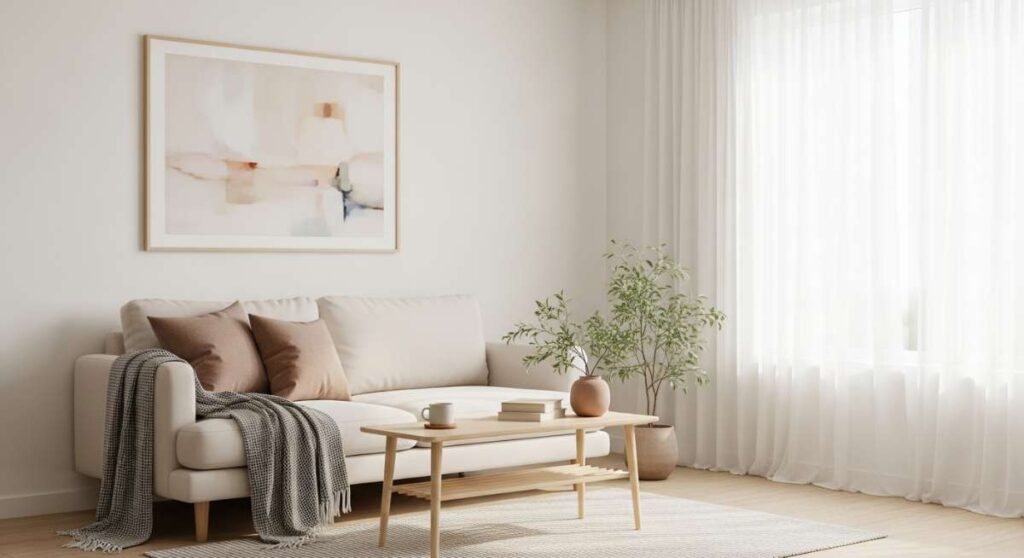
Have you ever walked into your home after a long, chaotic day and felt your shoulders instantly drop an inch? That is the magic of a cozy minimalist home. It’s not about living in a cold, empty box; it’s about curating a space that breathes with you, filled only with the things that serve your peace and tell your story. For years, I thought I needed more to feel ‘homey,’ but I’ve realized that true comfort comes from the quiet corners and the intentional textures we choose to surround ourselves with.
Creating this aesthetic is a journey of unlearning the ‘more is better’ mentality. It’s about the soft glow of a candle against a bare white wall, the weight of a chunky knit throw over a simple linen sofa, and the clarity that comes when your physical environment reflects your inner calm. Let’s dive into how we can transform your living space into a serene, soulful sanctuary that feels like a warm hug every time you step through the door.
How to Curate a Cozy Minimalist Living Room for Ultimate Serenity
Why we love this
There is an undeniable soulfulness in a room that doesn’t scream for attention. We love this approach because it focuses on the sensory experience of rest—the way a soft, oversized rug feels under bare feet or the subtle aroma of sandalwood lingering in the air. It’s about creating a visual ‘exhale’ where the lack of clutter allows your mind to finally wander and rest without distraction, turning your living room into a curated oasis of pure, unadulterated peace.
Essential Elements:
- Neutral color palette (creams, beiges, and soft greys).
- High-quality natural textiles like linen and wool.
- A singular, comfortable focal point (like a deep-seated sofa).
- Subtle, warm-toned ambient lighting.
- Organic shapes in furniture and decor.
How to make it
- Begin by stripping the room to its bare essentials, removing all small decor items until the space feels ‘naked.’ This allows you to see the architectural ‘bones’ of the room.
- Select a primary neutral shade for the walls; a matte finish works best to absorb light and create a soft, velvety look. Apply two coats for even depth.
- Layer your seating by choosing a sofa with clean lines but deep cushions. Ensure the fabric is tactile—look for a heavy-weave linen that feels substantial to the touch.
- Introduce a large-area rug that extends under all furniture legs to anchor the space. Choose a low-pile wool for a balance of softness and durability.
- Adjust the ‘visual heat’ by replacing harsh overhead bulbs with warm-spectrum LEDs (2700K). Place lamps at varying heights—one floor lamp, one table lamp—to create depth through shadows and highlights.
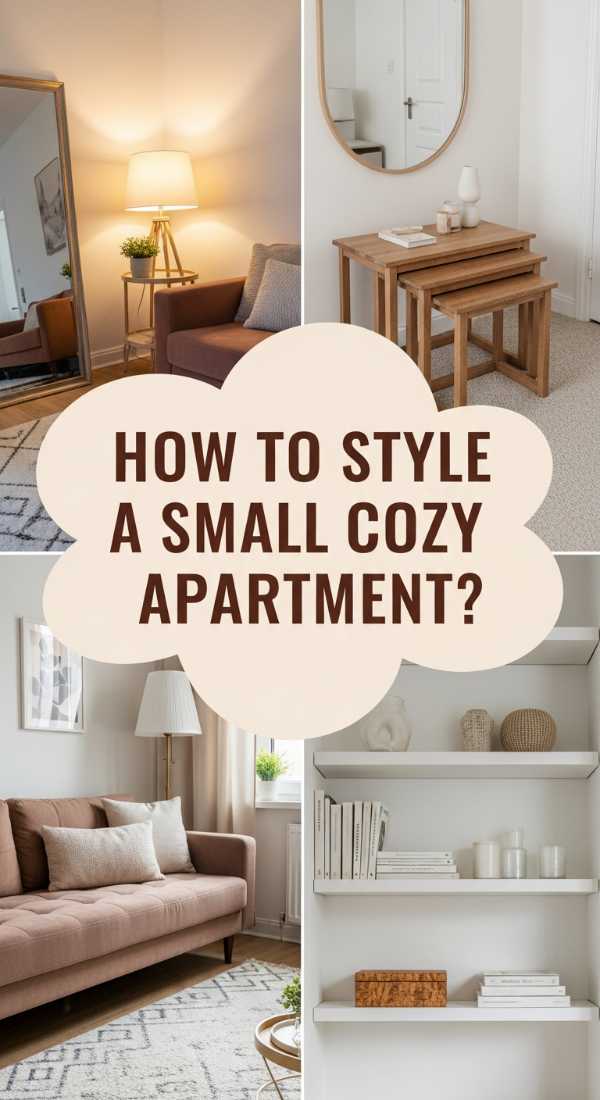
How to Style a Small Living Room Apartment for a Dreamy Cozy Aesthetic
Why we love this
Small spaces have a natural intimacy that larger rooms often struggle to achieve, making them the perfect canvas for a dreamy, cozy aesthetic. When you keep the footprint minimal but the textures rich, the room begins to feel like a protective cocoon. The scent of fresh cotton linens and the sight of sunlight dancing through sheer drapes turn a tiny apartment into a high-end retreat where every square inch serves a purpose and provides comfort.
Essential Elements:
- Multi-functional minimalist furniture.
- Sheer, floor-to-ceiling window treatments.
- Mirrors to bounce natural light.
- Vertical shelving for ‘breathing’ room.
- A limited color story of three tonal shades.
How to make it
- Measure your floor plan precisely to ensure furniture doesn’t ‘choke’ the walkways; aim for a 36-inch clearance in high-traffic paths.
- Install sheer linen curtains at the highest point of the wall, allowing them to pool slightly on the floor for an ethereal, romantic texture.
- Select a ‘hero’ piece of furniture, like a round coffee table in light oak, which softens the sharp corners of a small room.
- Strategically place a floor-length mirror opposite your main light source to double the visual volume of the space and enhance the ‘airy’ feel.
- Keep surfaces 70% empty. Group three items of varying heights (a candle, a book, a small bud vase) in one corner to create a ‘moment’ without cluttering the entire surface.
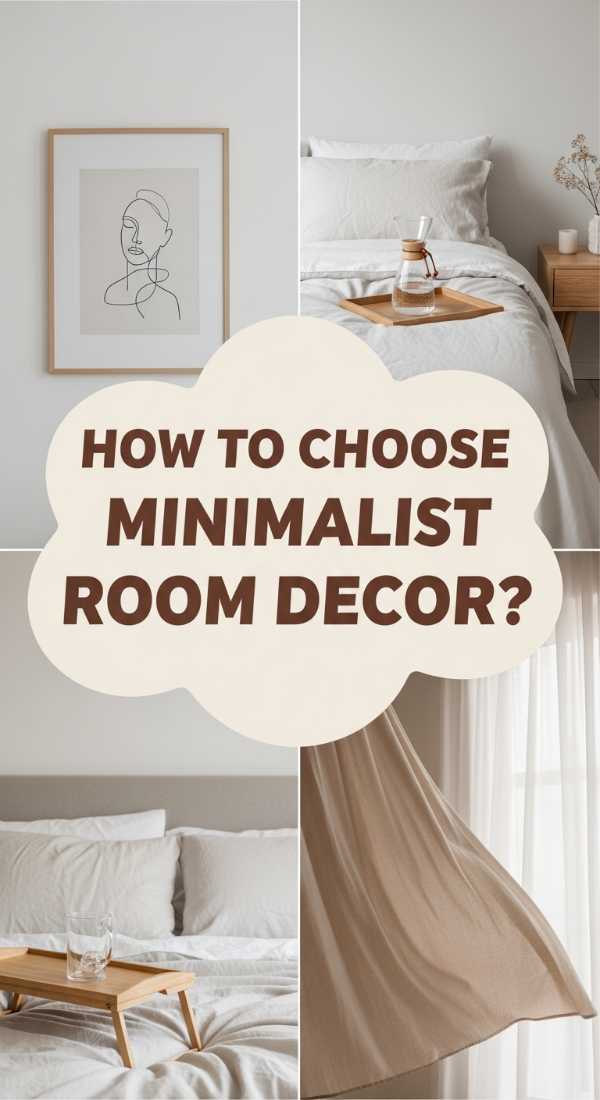
How to Choose Minimalist Room Decor for a Peaceful Sanctuary
Why we love this
Choosing decor with intention is like selecting ingredients for a fine meal; every piece must contribute to the overall harmony. We love this because it shifts the focus from ‘buying’ to ‘curating.’ A single ceramic bowl or a hand-thrown vase carries more weight and beauty than a dozen mass-produced trinkets. The tactile quality of handmade items adds a layer of warmth and human connection that makes a sanctuary feel lived-in and deeply personal.
Essential Elements:
- Handcrafted ceramics and pottery.
- Textured wall art (like plaster or textile pieces).
- Functional decor (beautiful bowls or trays).
- Natural wood accents.
- A signature room scent (essential oil diffuser or high-quality candle).
How to make it
- Audit your current decor and remove anything that doesn’t evoke a sense of calm or serve a daily function.
- Source ‘tactile’ art. Look for pieces with physical depth, such as a framed textile or a plaster relief, which adds visual interest without needing bright colors.
- Choose decor items in natural materials like travertine, marble, or raw wood. Ensure they have a matte or honed finish rather than a high-gloss shine.
- Arrange items in ‘odd numbers’—groups of one, three, or five. This creates a natural visual rhythm that feels balanced to the human eye.
- Integrate a scent profile. Use a stone diffuser with oils like cedarwood or lavender, placing it in a central location where the mist can travel freely through the air.
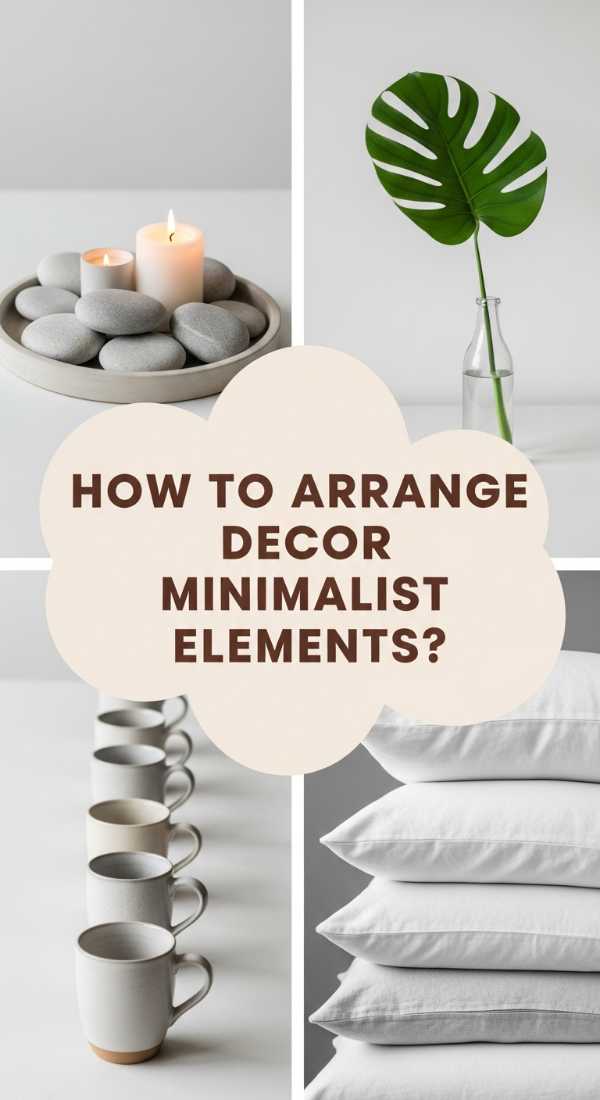
How to Arrange Decor Minimalist Elements for a Fresh Natural Look
Why we love this
There is something incredibly refreshing about a home that feels like an extension of the natural world. We love the way natural elements—like a single olive branch in a tall vase—bring life and movement into a minimalist setting. It introduces a sense of vitality and the crisp, clean aroma of the outdoors, making the indoor air feel lighter and the overall atmosphere feel more grounded and organic.
Essential Elements:
- Potted greenery (like a Fiddle Leaf Fig or Olive Tree).
- Dried botanicals (pampas grass or eucalyptus).
- Woven baskets for hidden storage.
- Stones or river rocks as decorative accents.
- Natural light optimization.
How to make it
- Identify ‘dead corners’ and fill them with a tall, leafy plant. Choose a pot in a neutral clay or terracotta to keep the look earthy and grounded.
- Style your coffee table with a single, oversized branch of greenery. This provides height and a ‘fresh’ focal point that draws the eye upward.
- Use woven seagrass or jute baskets to hide unsightly items like remote controls or chargers, maintaining a clean visual field.
- Layer textures by placing a soft wool throw over a rugged wooden bench, creating a contrast between the ‘hard’ and ‘soft’ elements of nature.
- Clean your windows thoroughly to ensure maximum light penetration, which highlights the natural textures of your decor and keeps the greens looking vibrant.
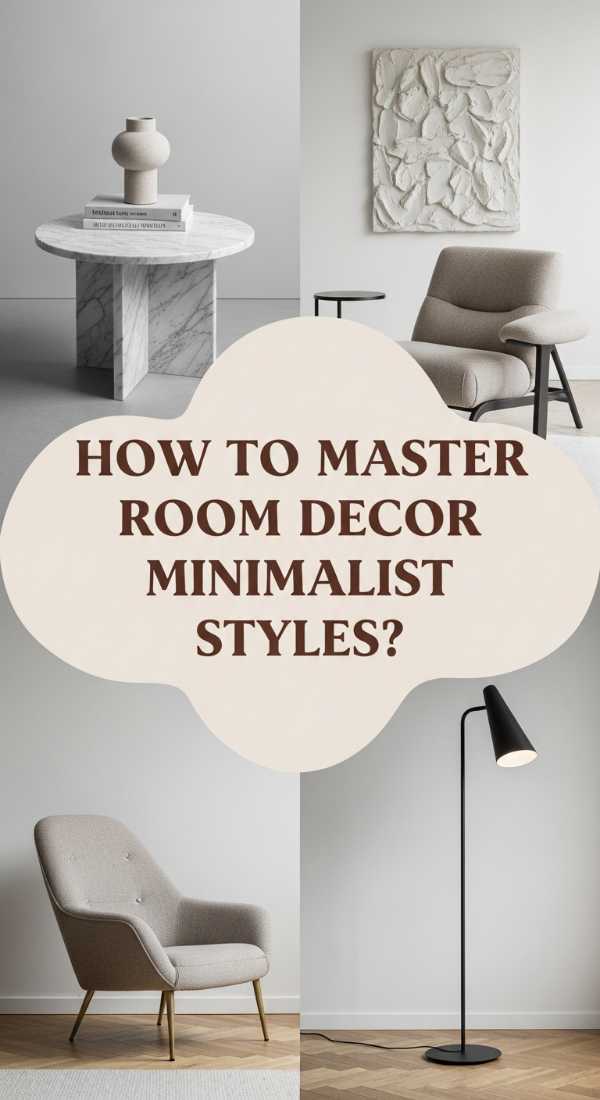
How to Master Room Decor Minimalist Styles for a Sophisticated Vibe

Why we love this
Sophisticated minimalism is the art of restraint. We love this style because it feels expensive and curated without being ostentatious. It relies on clean lines, high-quality materials, and a sense of symmetry that calms the nervous system. The feeling of walking into a room where every line is straight and every texture is premium—from the velvet of a cushion to the cool touch of a marble table—is the ultimate luxury for the modern soul.
Essential Elements:
- Monochromatic color schemes with varying textures.
- Statement lighting fixtures with architectural shapes.
- High-end materials (marble, brass, velvet).
- Symmetrical furniture layouts.
- Minimal, large-scale artwork.
How to make it
- Define a strict color palette, such as ‘shades of smoke’ or ‘oatmeal and bone,’ and stick to it for 90% of the room’s elements.
- Invest in one ‘statement’ light fixture, such as a mid-century modern chandelier with a brushed brass finish, to act as the room’s crown jewel.
- Arrange furniture symmetrically. Place two identical armchairs facing a sofa to create a formal yet inviting conversation ‘box.’
- Select one large-scale piece of art rather than a gallery wall. A single oversized canvas provides a sophisticated anchor for the entire room.
- Ensure all surfaces are polished and dust-free. The ‘visual cue’ for sophistication is the absence of clutter combined with the presence of pristine, high-quality finishes.
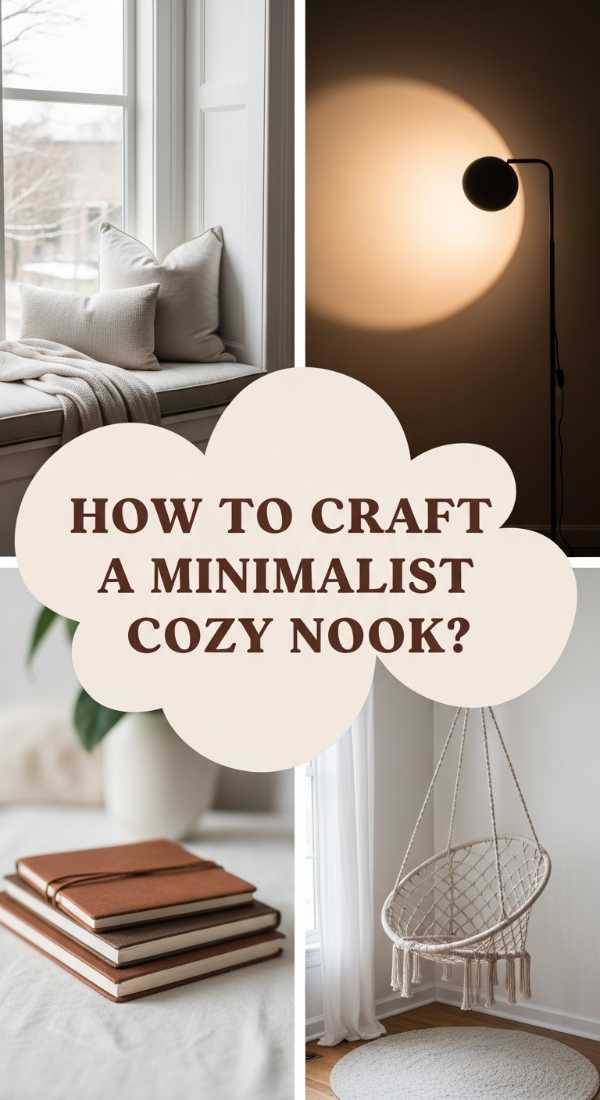
How to Achieve Cozy Minimalist Living for Maximum Comfort
Why we love this
This is where minimalism meets ‘hygge.’ We love this because it proves that you don’t need a lot of stuff to feel incredibly cozy. It’s about the quality of the comfort—the way a thick, high-pile rug feels when you’re sitting on the floor playing a board game, or the warmth of a soft throw while watching the rain. It’s a sensory-first approach that prioritizes how a room feels over how it looks on a screen.
Essential Elements:
- Floor cushions and soft ottomans.
- Chunky knit blankets and weighted throws.
- Soft, dimmable floor lamps.
- Stacks of oversized pillows.
- Warm wood tones to add ‘visual warmth.’
How to make it
- Layer your textiles. Place a soft sheepskin (or faux) rug over your main area rug to create a ‘island of softness’ in the center of the room.
- Swap out stiff back cushions on your sofa for oversized, feather-filled pillows that you can actually sink into.
- Integrate ‘pockets of light.’ Avoid the big light; instead, use low-wattage amber bulbs in small accent lamps tucked into corners.
- Choose furniture with rounded edges. Soft, circular shapes are psychologically more comforting and less ‘sharp’ than square edges.
- Incorporate a wooden element, like a cedar chest or oak side table, to bring in the warm, golden hues that make a space feel physically warmer.
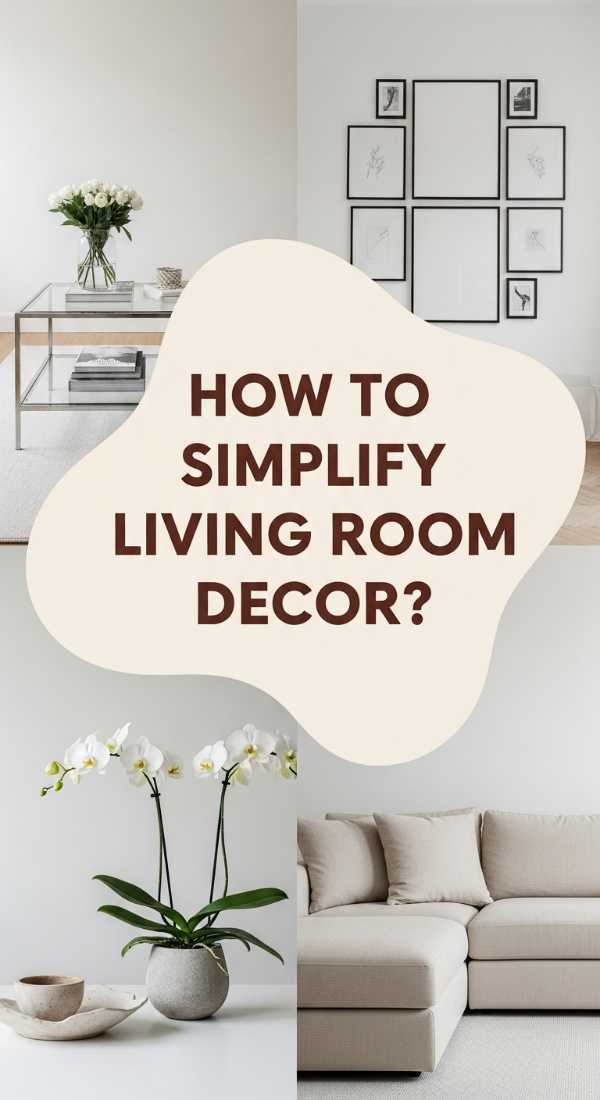
How to Craft a Minimalist Cozy Reading Nook for Personal Relaxation
Why we love this
A reading nook is the heartbeat of a minimalist home; it is a dedicated space for silence and imagination. We love this because it requires so little—just a chair, a light, and a dream. The aroma of an old book combined with the soft rustle of a page being turned in a quiet corner creates a meditative state that is essential for mental well-being in our fast-paced world.
Essential Elements:
- A comfortable, high-back armchair.
- A focused task light (adjustable lamp).
- A small, minimalist side table.
- A basket for extra blankets.
- A view (near a window or a piece of art).
How to make it
- Find a quiet corner away from the TV or high-traffic zones. A space near a window is ideal for natural daytime reading.
- Position a task lamp so the light falls over your shoulder directly onto the page, preventing eye strain and creating a localized ‘pool’ of light.
- Choose a side table just large enough for a cup of tea and a single book; any larger and it will inevitably attract clutter.
- Place a small, plush rug specifically under the reading chair to demarcate this area as a ‘zone of relaxation.’
- Keep a single, high-quality wool throw draped over the back of the chair, ready to be pulled over your lap at a moment’s notice.
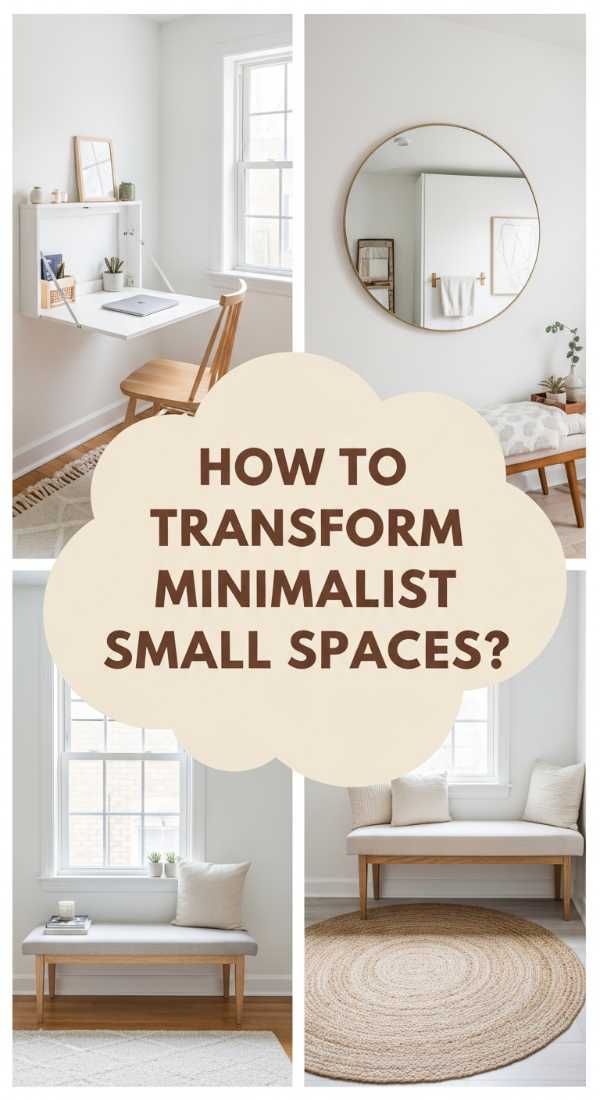
How to Simplify Living Room Decor Minimalist Pieces for Timeless Elegance
Why we love this
Timelessness is the ultimate goal of minimalist living. We love this approach because it transcends trends, creating a home that will look just as beautiful in ten years as it does today. It’s about the ‘slow living’ movement—investing in the classics like a marble mantel, a linen sofa, and solid wood floors. The simplicity of these elements creates an elegant backdrop that lets your personality be the star of the show.
Essential Elements:
- Investment pieces in classic silhouettes.
- A neutral-on-neutral color palette.
- High-quality materials like marble and solid oak.
- Zero plastic or ‘trendy’ temporary decor.
- Architectural details like crown molding or built-ins.
How to make it
- Evaluate every piece of furniture against the ’10-year rule’: Will this still be in style and functional in a decade? If not, replace it with a classic alternative.
- Focus on ‘material honesty.’ If something looks like wood, it should be wood. If it looks like stone, it should be stone. This authenticity creates lasting elegance.
- Paint walls and trim in the same shade of off-white to create a seamless, expansive look that highlights the architecture of the room.
- Declutter your shelves until only books and a few high-quality vases remain. Leave ‘negative space’ between objects to let them breathe.
- Upgrade your hardware. Replace generic cabinet pulls or doorknobs with solid brass or forged iron for a tactile, high-end feel every time you touch them.
How to Transform Minimalist Living Room Small Spaces for Daily Zen
Why we love this
Daily Zen is all about the flow of energy. In a small space, this is achieved through clarity and organization. We love the feeling of ‘visual quiet’ that comes when everything has a home and surfaces are clear. It transforms a cramped apartment into a sanctuary of order, where the aroma of a morning coffee can be enjoyed in a space that feels open, light, and perfectly balanced.
Essential Elements:
- Hidden storage solutions (benches with lids, ottomans).
- Wall-mounted furniture to save floor space.
- Clear surfaces and ‘negative space.’
- Soft, rhythmic decor (like a row of similar candles).
- Light-reflective surfaces.
How to make it
- Utilize ‘hidden’ storage. Every piece of furniture in a small space should serve two purposes—a coffee table with a shelf underneath is essential for clearing the top surface quickly.
- Mount your TV on the wall and hide the wires inside the wall or behind a slim cover to eliminate ‘visual noise.’
- Keep the floor as clear as possible. Choose furniture with legs (tapered legs are great) so you can see the floor underneath, which tricks the eye into seeing more space.
- Establish a ‘one-in, one-out’ rule for decor. For every new item brought into the room, one must be donated or moved to storage.
- Use light-colored flooring—either light wood or a large cream rug—to reflect light upwards and make the small space feel significantly larger.
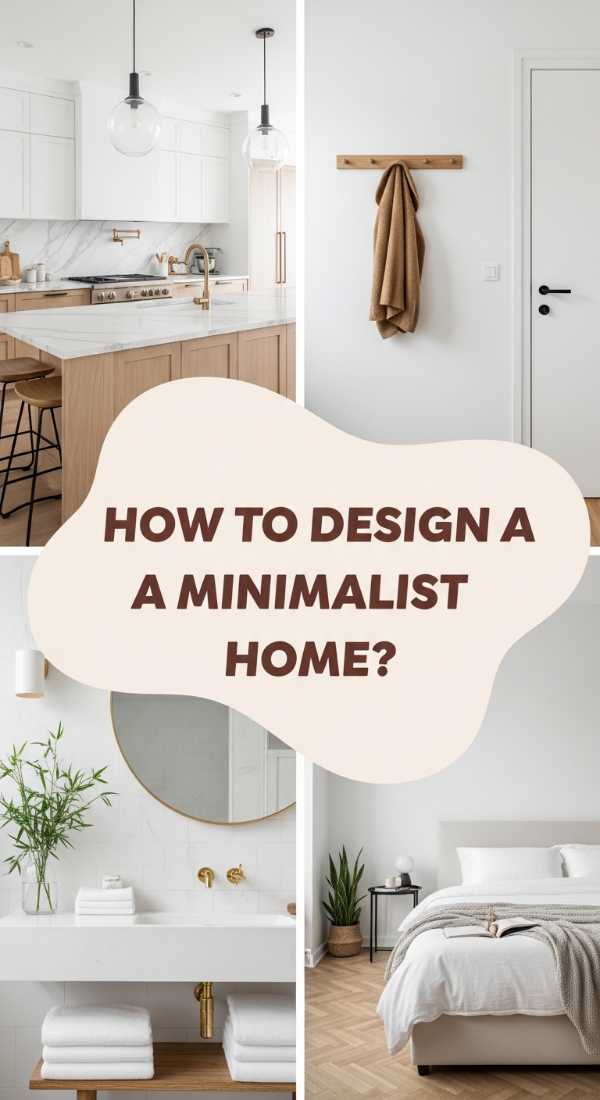
How to Design a Minimalist Home for a Mindful Lifestyle
[IMAGE_10]
Why we love this
A mindful home is one that supports your daily rituals and encourages presence. We love this design philosophy because it’s not just about aesthetics—it’s about how you live. It’s the feeling of waking up in a bedroom that isn’t cluttered with laundry, or cooking in a kitchen where every tool is within reach. It creates a rhythm of ease and grace that allows you to focus on what truly matters: your people and your passions.
Essential Elements:
- Intentional zones for specific activities (rest, work, play).
- A clutter-free entryway to ‘shed’ the outside world.
- Natural light in every room.
- Meaningful, curated collections.
- An emphasis on quality over quantity in all things.
How to make it
- Create a ‘transition zone’ at your front door. A simple bench and a few hooks for bags and coats allow you to physically and mentally leave the world behind as you enter.
- Designate ‘phone-free’ zones, especially in the living room and bedroom, to encourage mindful conversation and deep rest.
- Audit your utility items. Even your broom and dustpan should be aesthetically pleasing (think wood and horsehair) so that even chores feel like a mindful ritual.
- Ensure every room has a touch of the ‘outdoors’—a plant, a stone, or a bowl of fruit—to keep you connected to the natural passage of time.
- Commit to a 5-minute ‘reset’ every evening, where you return every item to its designated place, ensuring you wake up to a fresh, serene environment every morning.
Creating Your Minimalist Haven
Stepping into a cozy minimalist lifestyle is about more than just interior design; it’s about choosing a life of clarity and comfort. By simplifying your surroundings, you create the space necessary for your soul to breathe and your creativity to flourish. Remember, your home is a reflection of your internal state—keep it light, keep it warm, and keep it uniquely yours.
Frequently Asked Questions
How can I make minimalism feel cozy and not cold?
The key is texture and lighting. Avoid ‘flat’ surfaces and bright white lights. Use warm woods, soft textiles like wool and linen, and layered lighting (lamps instead of overheads) to create a golden, inviting glow.
Is minimalism expensive to achieve?
Not at all! Minimalism is actually about buying less. The goal is to declutter what you have and only invest in a few high-quality, timeless pieces over time rather than constant ‘trendy’ purchases.
Can I have a minimalist home with kids or pets?
Absolutely. Focus on ‘hidden storage’ and durable, natural fabrics like leather or heavy-weave linen that are easy to clean. Minimalism actually makes cleaning up after kids much faster because there are fewer items to manage.