
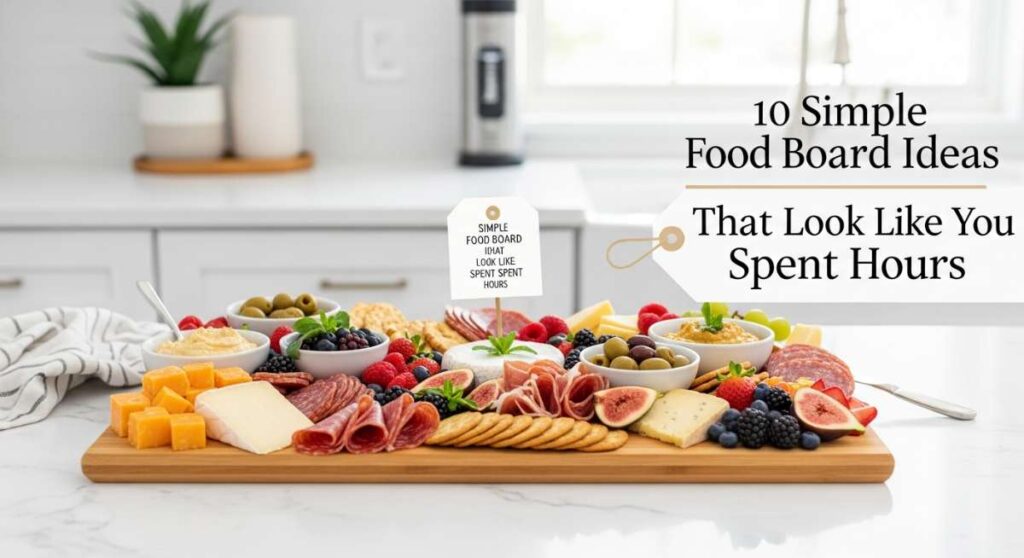
10 Simple Food Board Ideas That Look Like You Spent Hours
We’ve all been there: the doorbell is about to ring, your friends are expecting a ‘vibey’ dinner, and you’ve spent the last hour staring at a box of pasta and a head of cabbage. The pressure to create something Pinterest-worthy can be overwhelming, but I have a secret that changed my hosting game forever. It’s not about slaving over a stove for six hours; it’s about the art of the board. By taking simple, vibrant ingredients and arranging them with a little bit of intention, you can create a viral-worthy spread that feels like a luxury catering event.
Food boards are the ultimate hack for the modern host because they celebrate variety and communal eating. Today, we are diving deep into the world of Thai-inspired pasta and salad boards. These are colorful, aromatic, and packed with that addictive sweet-salty-spicy balance that everyone craves. Whether you are hosting a summer garden party or a cozy indoor movie night, these ten ideas will elevate your table and make you the MVP of the group chat without breaking a sweat.
Trust me, once you see how these textures and colors pop against a wooden serving tray, you’ll never go back to serving food in traditional bowls. Let’s get into the details of how to master the Viral Simple Food Board.
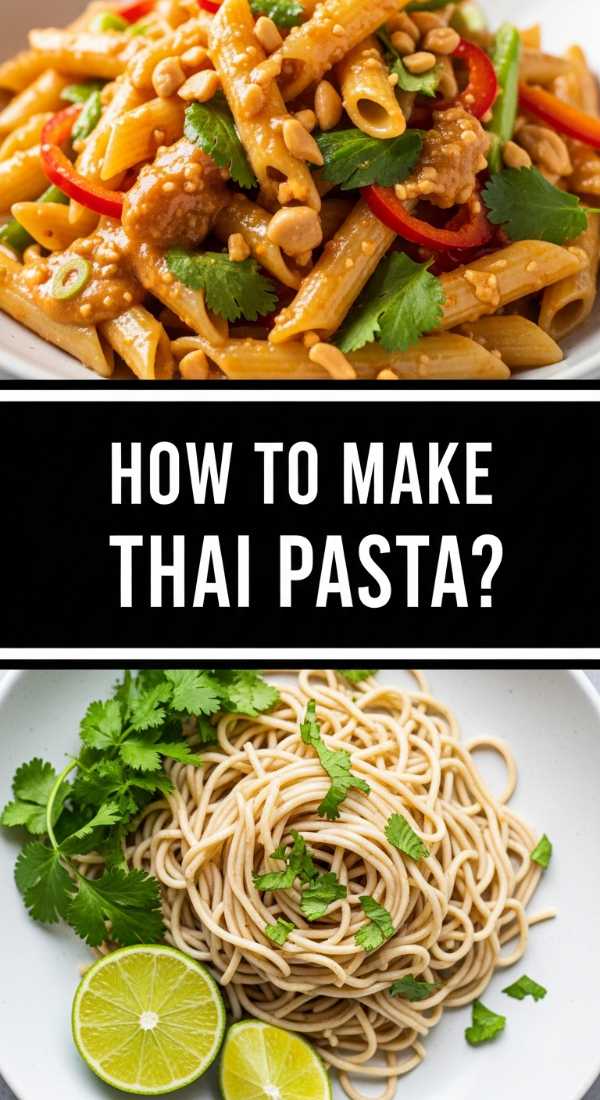
How to make Thai pasta?
Why we love this
There is something magical about the fusion of silky noodles and the punchy aromatics of Southeast Asian cuisine. This dish is a crowd-pleaser because it bridges the gap between comfort food and exotic flair, filling the room with the scent of toasted sesame and fresh ginger. The texture is a delightful journey—soft, slurppable noodles coated in a rich sauce that clings to every strand, ensuring every bite is a flavor explosion. It’s the kind of meal that feels sophisticated yet remains deeply satisfying and approachable for any palate.
Ingredients
- 8 oz Linguine or Rice Noodles
- 2 tbsp Red Curry Paste
- 1 can Coconut Milk (full fat)
- 1 tbsp Fish Sauce
- 1 tbsp Brown Sugar
- Fresh Cilantro and Lime wedges for garnish
How to make it
- Fill a large stockpot with water and bring it to a vigorous, rolling boil. Add a generous pinch of salt; although this is a Thai-inspired dish, salting the pasta water is crucial for building a flavor foundation.
- Cook your noodles until they are just shy of al dente—usually about 1-2 minutes less than the package directions—as they will continue to soften in the sauce.
- While the pasta cooks, place a large skillet over medium heat and add a splash of oil. Whisk in the red curry paste, toasting it for 2 minutes until it becomes fragrant and the oils begin to separate and shimmer.
- Slowly pour in the coconut milk, whisking constantly to create a smooth, velvety emulsion. Bring the mixture to a gentle simmer, never a hard boil, to prevent the coconut milk from curdling.
- Stir in the fish sauce and brown sugar, tasting as you go to ensure a perfect balance of salty and sweet.
- Drain the pasta (reserving a splash of water) and toss it directly into the sauce. Stir over low heat for 60 seconds until the sauce thickens and glazes the noodles perfectly.
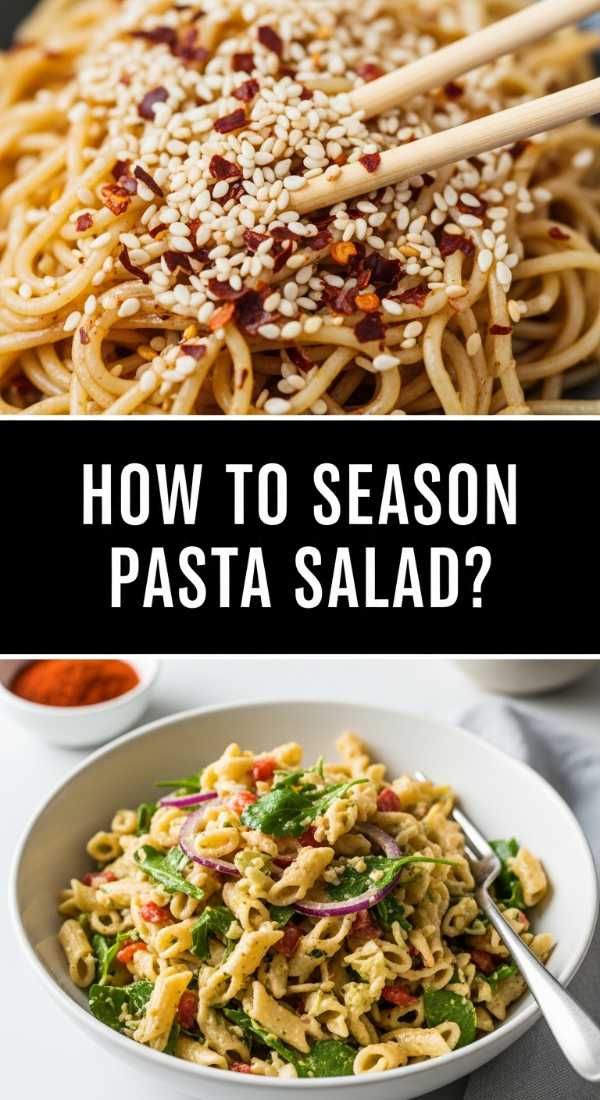
How to season pasta salad?
Why we love this
A well-seasoned pasta salad is the unsung hero of any food board, offering a bright, acidic counterpoint to richer dishes. We love this because it relies on layers of seasoning rather than just a single heavy dressing, resulting in a complex flavor profile that stays fresh for hours. The aroma is dominated by fresh herbs—think mint and cilantro—which provide a cooling sensation that makes the whole board feel lighter and more refined. It’s the perfect way to show off your culinary intuition by balancing heat, acid, and salt in one stunning presentation.
Ingredients
- 1 lb Rotini or Fusilli pasta
- 1/4 cup Rice Vinegar
- 2 tbsp Soy Sauce
- 1 tsp Toasted Sesame Oil
- 1/2 tsp Chili Flakes
- Sea salt and Cracked Black Pepper
How to make it
- Boil your pasta in heavily salted water until it is fully tender but still holds its shape. Overcooking will lead to a mushy salad, so test a piece every minute toward the end.
- Drain the pasta and immediately rinse it under cold running water. This removes excess starch and stops the cooking process, ensuring the noodles don’t stick together on the board.
- In a large mixing bowl, whisk together the rice vinegar, soy sauce, and toasted sesame oil. The oil should be whisked in slowly to create a light emulsion.
- While the pasta is still slightly damp, toss it into the dressing. The moisture helps the seasoning penetrate the surface of the noodle rather than just sliding off.
- Add the chili flakes, salt, and pepper. Let the salad sit at room temperature for at least 20 minutes; this ‘resting’ phase allows the pasta to absorb the liquids and results in a much deeper flavor.
- Just before serving on your board, give it one final toss and add a splash more rice vinegar if it needs a hit of brightness.
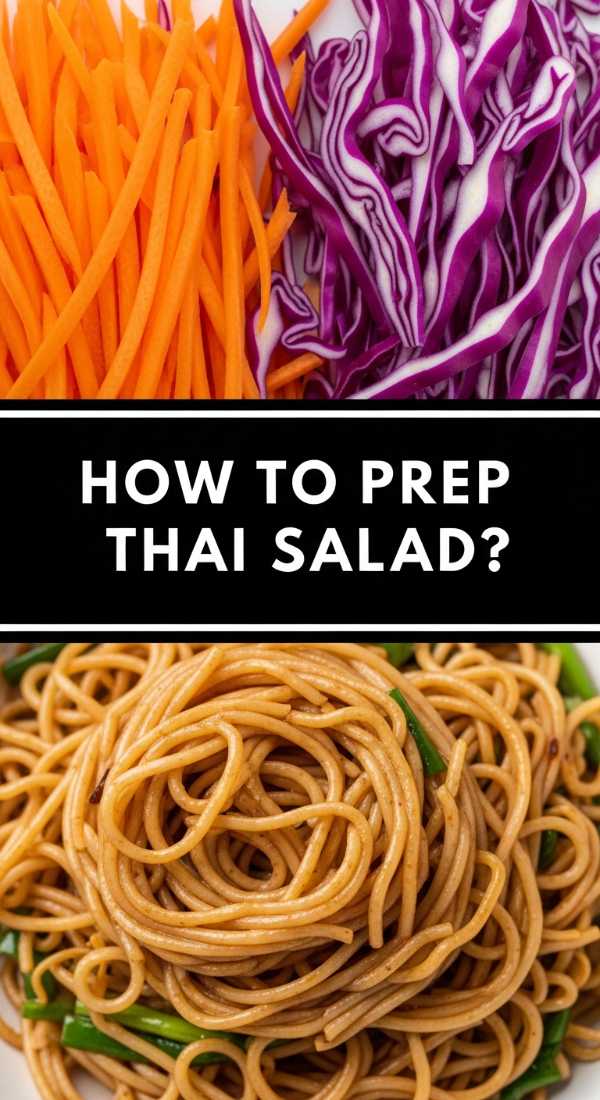
How to prep Thai salad?
Why we love this
Preparation is the key to a viral food board, and a Thai salad brings that essential ‘crunch’ factor that keeps guests coming back. We love this because the prep work involves vibrant, raw vegetables that look like a rainbow spread across your board. The crisp texture of shredded cabbage paired with the snap of bell peppers creates a sensory delight that contrasts beautifully with soft noodles. The aroma is sharp and invigorating, featuring the zesty scent of lime juice and the earthy notes of chopped peanuts, making the entire spread feel energetic and healthy.
Ingredients
- 1/2 head Shredded Napa Cabbage
- 2 Carrots, julienned
- 1 Red Bell Pepper, thinly sliced
- 1/2 cup Edamame (shelled)
- 1/4 cup Chopped Peanuts
- Handful of Mint leaves
How to make it
- Begin by washing all vegetables in ice-cold water. This isn’t just for cleanliness; the cold water shocks the cell walls of the cabbage and peppers, making them extra crisp and sturdy.
- Use a mandoline or a very sharp chef’s knife to shred the cabbage into fine ribbons. Consistency is key here for that professional, high-end look.
- Julienne your carrots into matchsticks of equal length. If you want a viral look, use a peeler to create long, elegant ribbons instead.
- Slice the bell peppers into paper-thin strips. The thinner the slice, the more easily they will mingle with the other ingredients on the board.
- Store the prepped vegetables in separate airtight containers with a damp paper towel until you are ready to assemble the board. This prevents them from wilting or drying out under party lights.
- When ready to assemble, toss the vegetables together gently by hand to maintain their structural integrity, then scatter the peanuts and mint on top for a finishing touch.
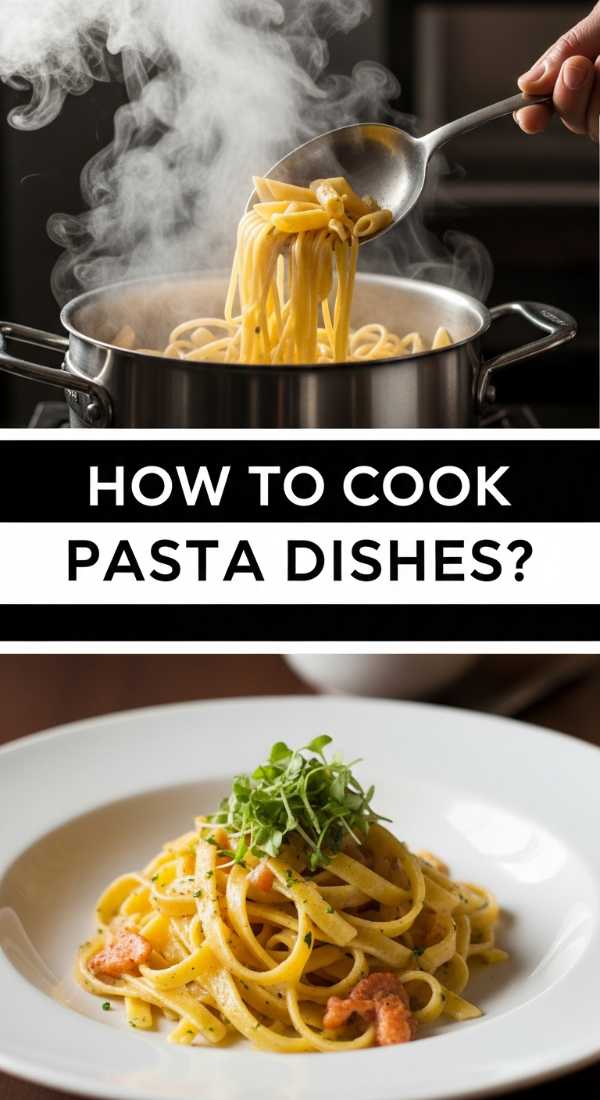
How to cook pasta dishes?
Why we love this
Mastering the cooking of the pasta itself is what separates a hobbyist from a pro, and it’s the foundation of any successful food board. We love the process of watching simple flour and water transform into the perfect vessel for complex Thai sauces. When cooked correctly, the pasta has a beautiful sheen and a firm ‘bite’ that stands up to heavy dressings without becoming a sodden mess. The steam rising from a fresh batch of noodles carries the promise of a comforting meal, making your kitchen feel like the heart of the home during prep.
Ingredients
- High-quality Dried Pasta (Italian or Rice-based)
- Gallon of Water
- 3 tbsp Sea Salt
- 1 tbsp Olive Oil (optional, for post-boil)
How to make it
- Use a pot much larger than you think you need. Pasta needs room to dance in the water; if the pot is too crowded, the starch will build up and make the noodles gummy.
- Bring the water to a full, aggressive boil before adding the salt. Adding salt to cold water takes longer to boil and can pit your stainless steel pots.
- Drop the pasta in all at once and stir immediately. This initial stir is the most important step to prevent the noodles from clumping together at the bottom.
- Set a timer for 2 minutes less than the lowest time on the box. Professional chefs always finish pasta in the sauce, so you want it underdone at this stage.
- Taste a piece. It should be firm in the center but not crunchy. If using rice noodles, they should be flexible but slightly resilient.
- Drain the pasta, but never rinse it if you are serving it hot. The starch on the surface is the ‘glue’ that helps your Thai sauces stick to the noodle.
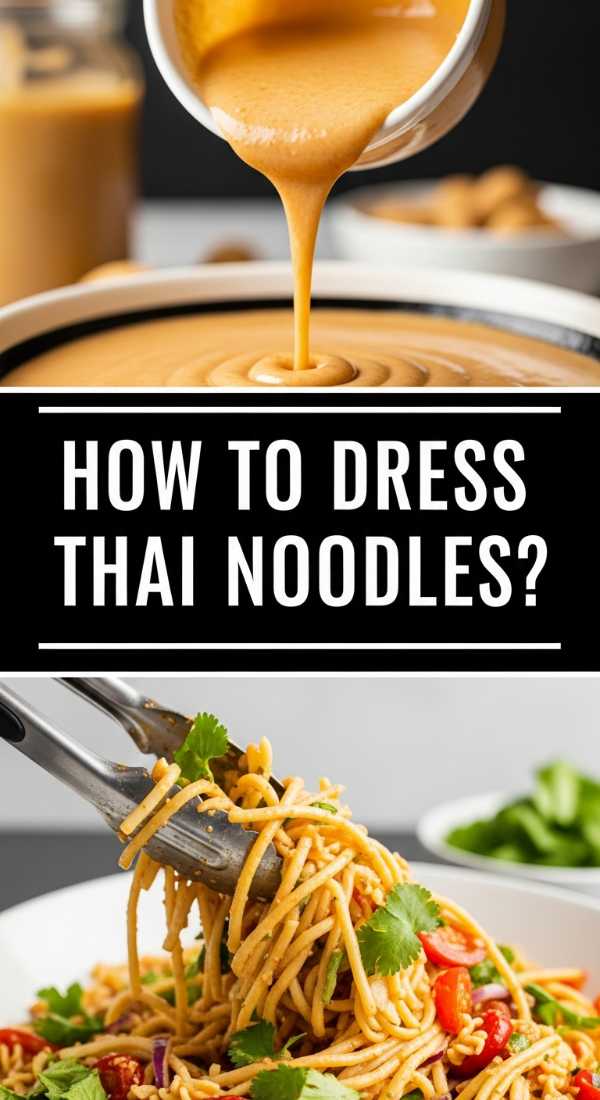
How to dress Thai noodles?
Why we love this
Dressing the noodles is where the personality of your food board really shines through. This is the stage where you infuse the dish with soul, using a balance of fats and acids to create a glossy, irresistible finish. We love the way a good dressing transforms dull, white noodles into a shimmering, golden centerpiece that looks expensive and curated. The smell of lime zest hitting warm oil is enough to make anyone’s mouth water, and the way the sauce coats each strand ensures that the flavor is consistent from the first bite to the last.
Ingredients
- 1/3 cup Neutral Oil (like Grapeseed)
- 2 tbsp Sriracha or Chili Paste
- 3 tbsp Lime Juice
- 1 tbsp Honey
- 2 cloves Garlic, grated
How to make it
- In a small saucepan, warm the neutral oil over very low heat. Add the grated garlic and let it infuse for about 3 minutes; do not let it brown, as burnt garlic becomes bitter.
- Whisk in the Sriracha and honey until the honey is completely dissolved into the warm oil.
- Remove from heat and allow the mixture to cool slightly before whisking in the lime juice. Adding citrus to boiling oil can mute the bright, fresh flavor of the fruit.
- Place your cooked noodles in a large stainless steel bowl. Pour the dressing over the noodles while they are still warm so they act like a sponge.
- Use tongs to lift and rotate the noodles, ensuring every single strand is coated in the glossy red dressing.
- If the noodles look a bit dry, add a teaspoon of warm water to loosen the sauce and restore that viral, ‘wet’ noodle look that looks so good in photos.
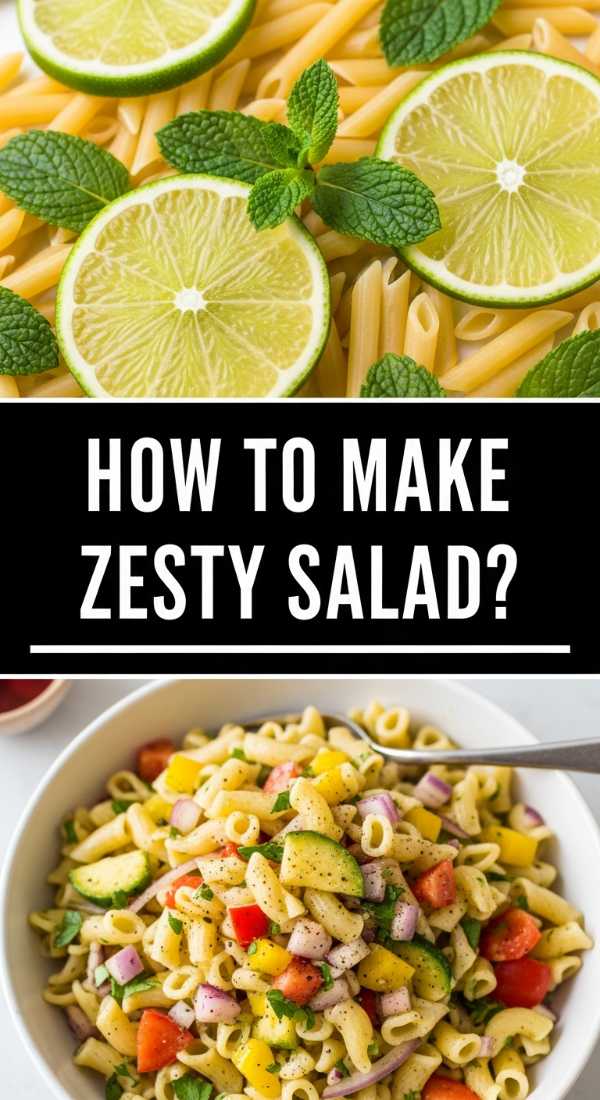
How to make zesty salad?
Why we love this
A zesty salad is the ‘exclamation point’ of your food board, providing a sharp, wake-up call to the taste buds. We love this variation because it uses high-impact ingredients like ginger and citrus zest to create a profile that is incredibly refreshing. The aroma is bright and zingy, cutting through the richness of any peanut sauces or coconut-based noodles on the board. It feels like a palate cleanser and a main course all at once, with a texture that is light, airy, and crisp, making it the perfect healthy addition to a party spread.
Ingredients
- 1 English Cucumber, mandoline-sliced
- 1 tbsp Fresh Ginger, grated
- Zest of 2 Limes
- 1 tsp Agave Nectar
- 1/2 tsp Salt
- Fresh Thai Basil
How to make it
- Slice the cucumber into thin rounds. Place them in a colander and sprinkle with a half-teaspoon of salt; let them sit for 10 minutes to draw out excess moisture.
- Squeeze the cucumbers gently to remove the liquid. This ensures your ‘zesty’ dressing doesn’t get watered down and stays punchy.
- In a separate bowl, combine the grated ginger, lime zest, and agave. The agave provides a subtle sweetness that tames the sharp bite of the raw ginger.
- Toss the cucumbers in the ginger-lime mixture. The zest is the most important part here; it contains the essential oils that provide the ‘zesty’ aroma without the sourness of the juice.
- Chiffonade the Thai basil by stacking the leaves, rolling them into a cigar shape, and slicing them into thin ribbons.
- Fold the basil in at the very last second to prevent the leaves from bruising or turning black, ensuring a vibrant green look on your board.
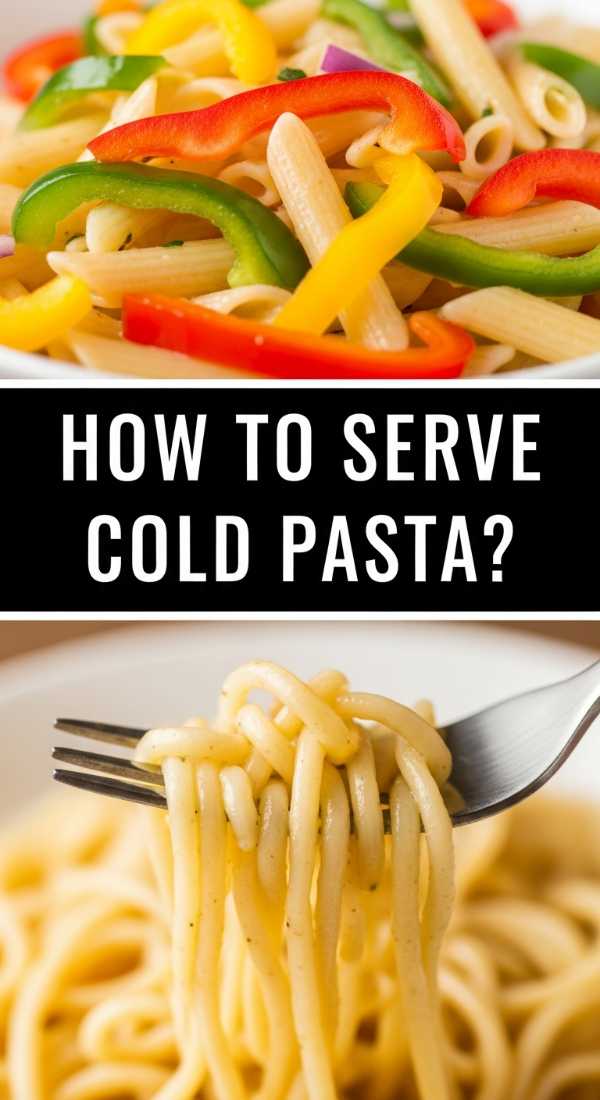
How to serve cold pasta?
Why we love this
Serving pasta cold is a game-changer for outdoor hosting or long events where food might sit out for a while. We love this method because it allows the flavors to marinate and intensify over time, often tasting even better an hour into the party. The texture becomes slightly firmer and more ‘chewy’ in a satisfying way, and it feels incredibly cooling on a hot day. It’s the ultimate stress-free serving style because you can prepare everything in advance, leaving you free to actually talk to your guests instead of hovering over a stove.
Ingredients
- Cooked and Chilled Pasta
- 1/4 cup Sesame Dressing
- Fresh Scallions, chopped
- Chilled Mango slices (for a Thai twist)
- Ice cubes (for the prep stage)
How to make it
- After cooking your pasta to al dente, drain it and immediately submerge it in a bowl filled with ice and cold water. This ‘shocks’ the pasta, locking in the texture and preventing it from becoming a gummy mass.
- Once fully chilled (about 3 minutes), drain thoroughly. Use a salad spinner if you have one to ensure every drop of water is removed; water is the enemy of a good cold pasta.
- Toss the dry, cold noodles with a light coating of sesame oil or dressing immediately. This creates a moisture barrier that prevents the noodles from sticking together while they sit on the board.
- If the board is being served outdoors, place the pasta in a chilled metal bowl nestled into the wooden board to keep it at a safe and refreshing temperature.
- Top with the chilled mango and scallions. The cold fruit provides a shocking but delicious contrast to the savory noodles.
- Keep a small spray bottle of diluted lime juice nearby to ‘spritz’ the pasta if it starts to look dry after an hour of serving.
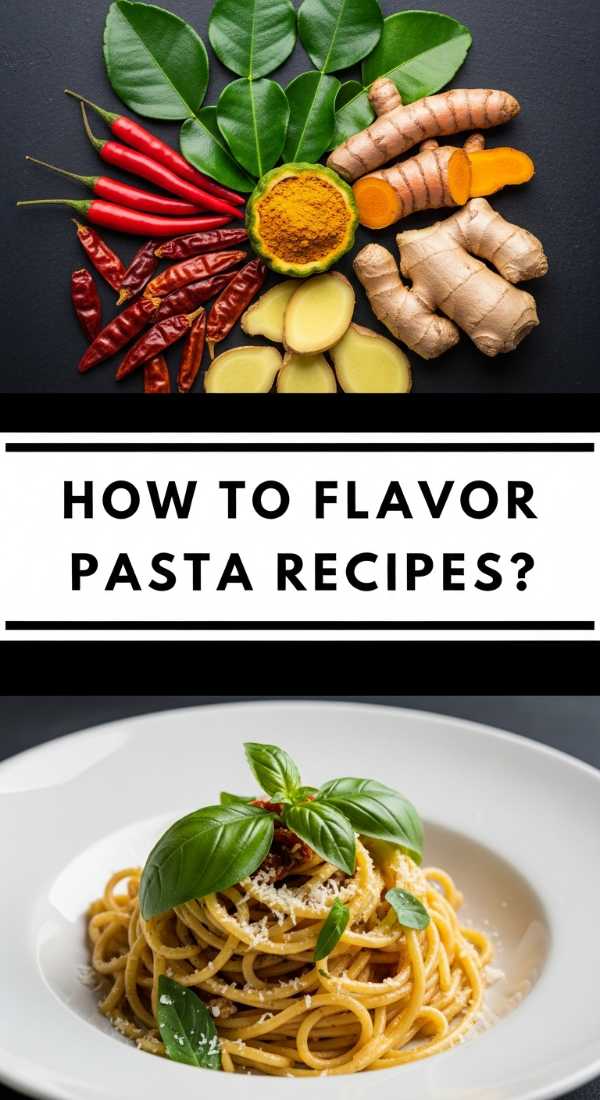
How to flavor pasta recipes?
Why we love this
Flavoring pasta is an exercise in building layers, and when done right, it creates a dish that feels multi-dimensional. We love the ‘umami’ depth that comes from combining traditional Italian pasta shapes with fermented Thai ingredients like fish sauce or shrimp paste. The aroma is complex—savory, slightly funky, and sweet all at once. It’s a bold way to eat that challenges the traditional ‘red sauce’ expectations of pasta, offering a sophisticated flavor profile that lingers on the tongue and sparks conversation among your guests.
Ingredients
- 8 oz Spaghetti
- 2 tbsp Fish Sauce
- 1 tbsp Soy Sauce
- 1 tbsp Toasted Sesame Seeds
- 1 tsp Garlic Powder
- Pinch of Cayenne Pepper
How to make it
- Start by ‘blooming’ your dry spices. In a dry pan over low heat, toast the garlic powder and cayenne for 30 seconds until they smell warm; this awakens the oils in the dried spices.
- Deglaze the pan with the fish sauce and soy sauce. The liquid will bubble and reduce slightly, concentrating the umami flavors into a thick syrup.
- Add your cooked spaghetti to the pan along with 2 tablespoons of starchy pasta water. The water acts as a bridge, helping the thin sauce coat the round noodles.
- Toss vigorously over medium heat. You want to hear a ‘slapping’ sound in the pan; this indicates the sauce is emulsifying with the pasta starch.
- Sprinkle the toasted sesame seeds over the top while the pasta is still in the pan so they adhere to the sauce.
- Transfer to your board in small, elegant ‘nests’ created by twirling the spaghetti with a carving fork, which makes the flavored pasta look curated and professional.
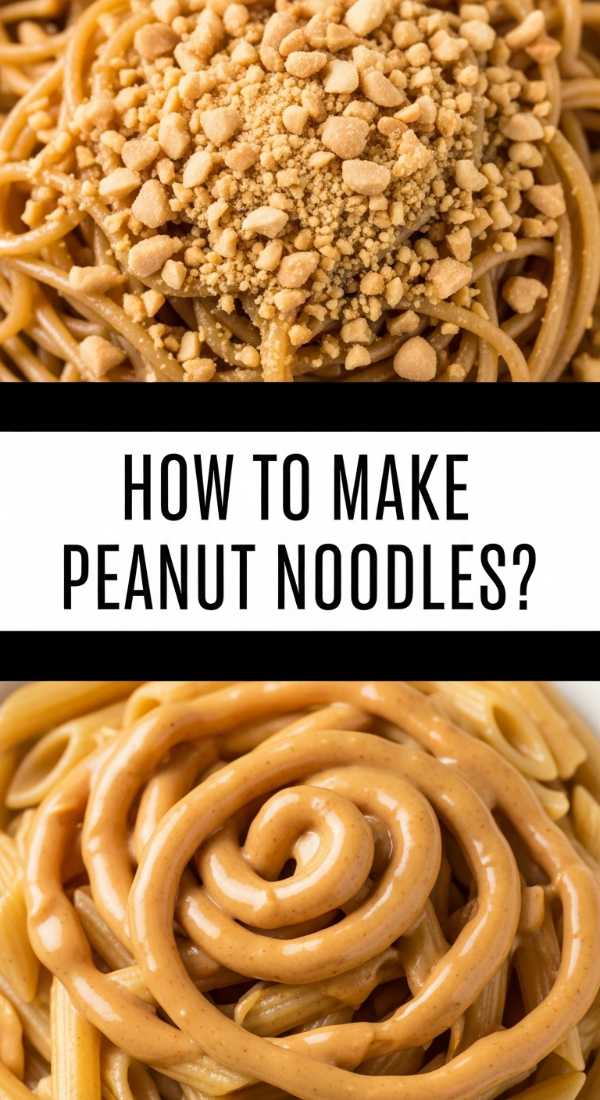
How to make peanut noodles?
Why we love this
Peanut noodles are the ultimate comfort food on a board—creamy, rich, and deeply satisfying. We love them because they provide a heavy, savory anchor to the lighter salads and zesty components of the spread. The aroma of roasted peanuts and warm ginger is incredibly inviting, creating a ‘cozy’ vibe even in a party setting. The texture is thick and luxurious, coating the noodles in a blanket of tan-colored sauce that looks beautiful when garnished with bright green herbs and red chili slices. It’s always the first dish to disappear from the board.
Ingredients
- 1/2 cup Creamy Peanut Butter
- 1/4 cup Hot Water
- 2 tbsp Soy Sauce
- 1 tbsp Lime Juice
- 1 tsp Sriracha
- 1 tsp Grated Ginger
How to make it
- In a medium glass bowl, combine the peanut butter and the hot water. The water must be hot to break down the fats in the peanut butter and create a smooth liquid.
- Whisk vigorously until the mixture is completely smooth and has the consistency of heavy cream. If it’s too thick, add more hot water one teaspoon at a time.
- Add the soy sauce, lime juice, ginger, and Sriracha. The lime juice is crucial here as the acid cuts through the heavy fat of the peanuts, preventing the dish from feeling too ‘cloying’.
- Taste the sauce. It should be a perfect balance of nutty, salty, and sharp. Adjust with a pinch of sugar if the lime is too dominant.
- Toss with room-temperature noodles. Peanut sauce can ‘seize’ if it hits ice-cold noodles, so ensure they are at least at room temp for the best coating.
- Garnish with crushed roasted peanuts for a crunch that echoes the flavors within the sauce, creating a professional-level finish.
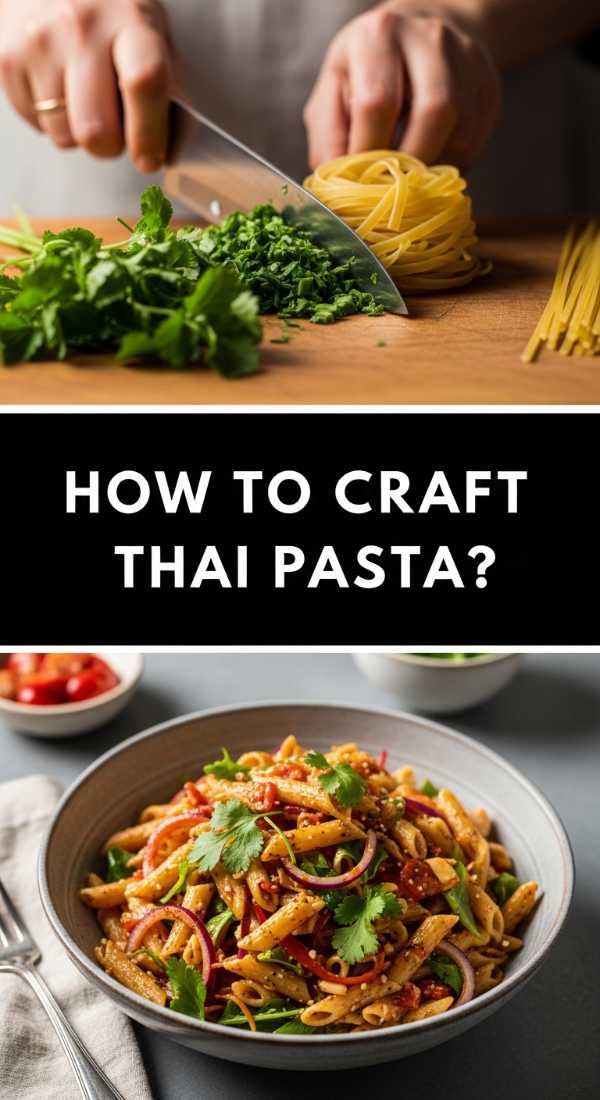
How to craft Thai pasta?
Why we love this
Crafting is the final step where the dish becomes art. This isn’t just about cooking; it’s about the visual architecture of the board. We love this process because it allows for total creative freedom—placing sprigs of cilantro, dusting chili flakes like confetti, and arranging lime wedges in geometric patterns. The finished product is a masterpiece of color and form that guests will want to photograph before they even take a bite. It turns a simple meal into an event, making the effort feel like a gift to those you are feeding.
Ingredients
- All prepared Pasta and Salad components
- Fresh Thai Chilies
- Microgreens or Sprouts
- Extra Lime Wedges
- Black Sesame Seeds
How to make it
- Choose a large, flat wooden board. Start by placing your ‘wet’ or ‘heavy’ items, like the peanut noodles, in the center to act as an anchor.
- Surround the center with your ‘dry’ items, like the shredded Thai salad and the cold pasta nests. This prevents sauces from running into each other and creating a muddy look.
- Fill any gaps with ‘garnishes’ that double as ingredients. Place clusters of lime wedges and piles of fresh herbs in the empty spaces.
- Dust the entire board with a light sprinkle of black sesame seeds from a height. This creates an even, professional distribution that looks intentional.
- Add a few whole Thai chilies for a pop of bright red color, even if they aren’t meant to be eaten whole; they signal the flavor profile of the board immediately.
- Ensure there are multiple sets of tongs and small bowls scattered around the board so guests can easily serve themselves without disturbing the ‘crafting’ you’ve worked so hard on.
Conclusion
Creating a viral food board is less about being a Michelin-star chef and more about embracing the beauty of fresh ingredients and thoughtful arrangement. By using these ten ideas, you’ve turned a simple Thai pasta night into a multi-sensory experience that your friends will be talking about for weeks. Remember, the best boards are the ones that feel abundant and lived-in, so don’t worry about perfection—worry about flavor and fun! Now, grab your favorite tray and start building your own masterpiece.