
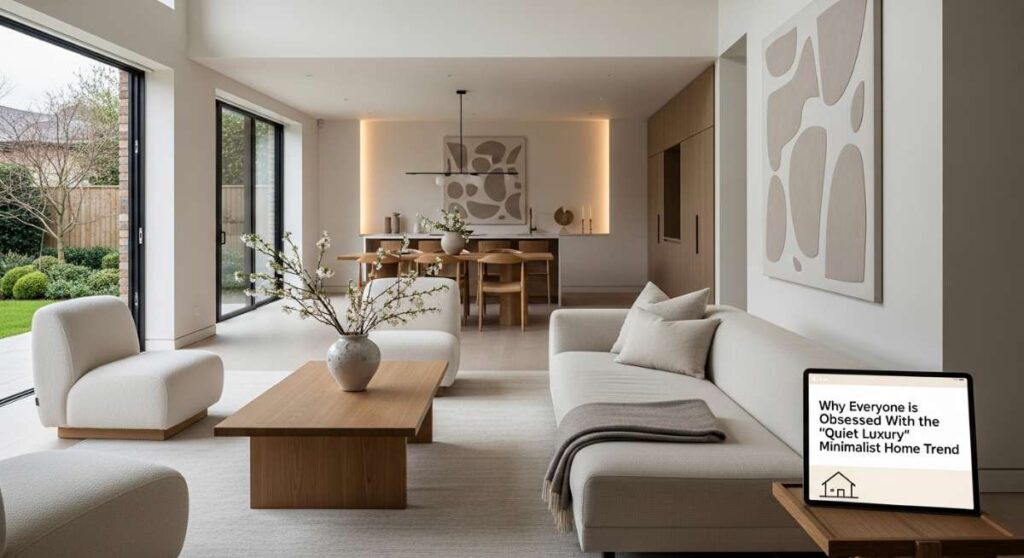
Have you ever walked into a room and felt an immediate, physical ‘exhale’? That is the magic of the ‘Quiet Luxury’ minimalist home trend. It’s not about having less just for the sake of it; it’s about curating a space that feels expensive because of its peace, not its price tag. In a world that is constantly screaming for our attention through digital pings and neon advertisements, our homes have become the ultimate sanctuary—a place where the silence is intentional and every object has a purpose.
For me, this journey started when I realized my ‘maximalist’ bookshelf wasn’t bringing me joy—it was bringing me a headache. I started stripping back the layers, replacing the clutter with intentional textures like raw linen, smooth stone, and warm woods. The result wasn’t a cold, empty box, but a home that felt like a warm hug. It’s a lifestyle shift that prioritizes quality over quantity, and honestly, once you experience the serenity of a well-balanced minimalist room, there’s no going back.
In this guide, I’m breaking down exactly how you can transform every corner of your home into a quiet luxury masterpiece. We aren’t just talking about white walls; we are talking about the soul of a space. From the way the light hits a textured vase to the specific scent of a welcoming entryway, let’s dive into the art of minimalist living.
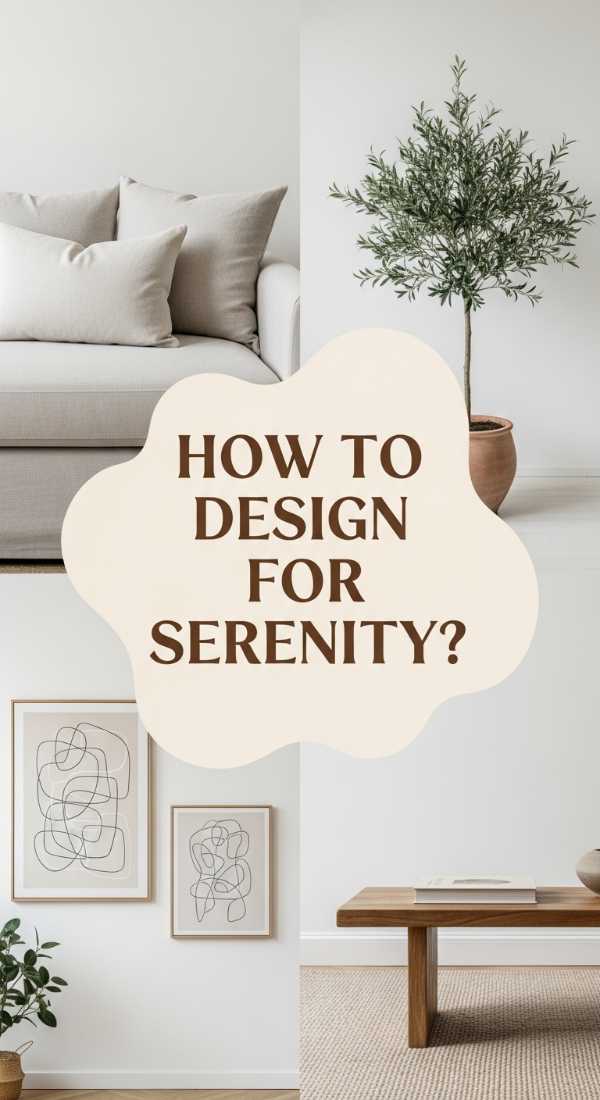
How to Design a Minimalist Living Room for Ultimate Serenity
Why we love this
There is a profound sense of grounding when you step onto a thick, hand-tufted wool rug and see a room bathed in soft, diffused light. We love this approach because it treats the living room as a sensory landscape—think of the aroma of a sandalwood candle mixing with the cool touch of a marble coffee table. It’s about creating a ‘visual silence’ where your eyes can rest without being snagged by clutter, allowing the mind to finally drift into a state of pure, unadulterated relaxation. The feeling is one of effortless sophistication, where every breeze through a linen curtain feels like a curated moment of peace.
Essential Elements:
- Low-profile modular sofa in oatmeal or dove grey.
- Large-scale wool or jute area rug for acoustic softening.
- Single ‘hero’ piece of art with ample negative space.
- Ceramic vessels in organic, asymmetrical shapes.
- Transparent glass or acrylic side tables to maintain floor visibility.
How to make it
- Clear the Palate: Begin by removing every single item from the room except the sofa. This allows you to see the true ‘bones’ of the space and identify where the light hits most naturally throughout the day.
- Establish the Base Layer: Position your rug so that at least the front legs of all seating furniture rest on it. This ‘anchors’ the room. Use a high-quality non-slip pad underneath to add that extra layer of ‘hotel-style’ plushness.
- Incorporate ‘Visual Breathing Room’: When placing furniture, ensure there is at least 30 inches of walking space between pieces. If the room feels ‘tight,’ remove one chair rather than trying to squeeze it in; minimalism thrives on the ‘less is more’ heat level of spatial energy.
- Layer for Depth: Add exactly two textures to the sofa—one smooth (like silk or high-end cotton) and one rough (like a chunky knit throw). This contrast creates the luxury feel without needing bright colors.
- The Final Garnish: Place a single, oversized green branch in a heavy ceramic vase on the coffee table. The ‘doneness’ cue here is when the room feels balanced from all four corners; if one side feels ‘heavy,’ shift your vase to the opposite side to redistribute the visual weight.
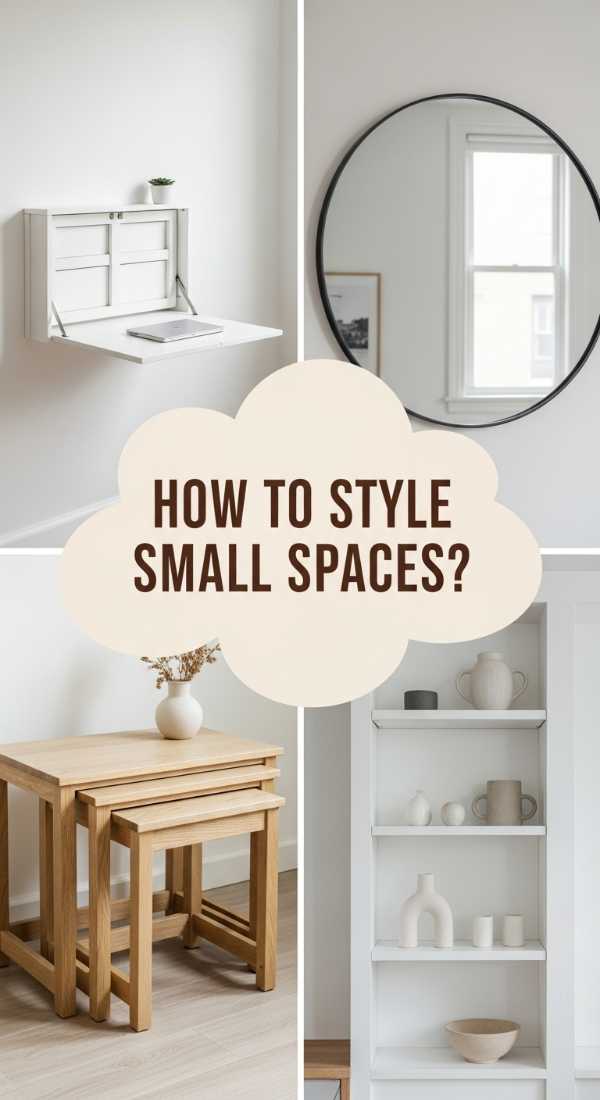
How to Style a Small Minimalist Living Space for Maximum Comfort
Why we love this
Small spaces often feel like they are closing in, but with a minimalist approach, they become cozy, jewel-box sanctuaries. We love this because it forces a focus on ‘touch-points’—the softness of a velvet pillow or the warmth of a brass floor lamp. When you strip away the excess, a small room suddenly feels expansive and airy, filled with the gentle scent of fresh eucalyptus and the comforting hum of a space designed exactly for your needs. It’s about the luxury of intimacy, where everything you need is within arm’s reach but never feels crowded.
Essential Elements:
- Wall-mounted shelving to keep the floor clear.
- Multi-functional furniture like an ottoman with hidden storage.
- Light-reflecting surfaces like a large, thin-framed mirror.
- Sheer floor-to-ceiling drapery to draw the eye upward.
- A neutral color palette with varying shades of the same tone (monochromatic).
How to make it
- Maximize Vertical Heat: Install shelving units that go all the way to the ceiling. This draws the eye upward, creating the illusion of height. Pro tip: leave at least 20% of every shelf empty to maintain that ‘quiet’ look.
- Set the Light Temperature: Use ‘warm white’ bulbs (around 2700K) in small lamps tucked into corners. This softens the edges of the room, making the walls feel like they are receding rather than closing in.
- Scale the Furniture: Choose ‘legged’ furniture (sofas and chairs where you can see the floor underneath). This visual cue of ‘uninterrupted floor’ trick the brain into thinking the room is twice its actual size.
- Strategic Mirror Placement: Hang a large mirror directly opposite your main light source (window or lamp). This doubles the ‘brightness’ of the room without adding physical bulk.
- Texture Check: Since you have fewer items, each one must be high-quality. Rub your hand over every fabric; if it doesn’t feel luxuriously soft, swap it out. The ‘doneness’ cue is a space that feels like a breathable cocoon.
How to Create a Cozy Minimalist Nook for Peaceful Reading

Why we love this
There is nothing quite like the ritual of retreating to a corner that exists solely for your imagination. This nook is a celebration of tactile comfort: the weight of a heavy linen page, the smooth glaze of a handmade tea mug, and the gentle support of a perfectly angled lounge chair. We love this because it’s a dedicated ‘no-tech’ zone that smells faintly of old books and lavender. It’s a micro-sanctuary within your home that proves luxury isn’t about the size of the room, but the quality of the stillness you find within it.
Essential Elements:
- An oversized, comfortable armchair in a natural fabric.
- A small, sturdy wooden stool to serve as a book-rest.
- A dedicated task light with a warm, adjustable arm.
- A high-quality cashmere or wool lap blanket.
- A singular piece of greenery, like a small potted fern.
How to make it
- Carve Out the Zone: Select a corner that is away from the main ‘traffic flow’ of the house. Even a 4×4 foot space is enough if it is intentionally partitioned.
- Angle for Comfort: Position your chair at a 45-degree angle to the corner. This ‘hugs’ the sitter and creates a psychological sense of safety and enclosure.
- The Lighting Prep: Place your lamp behind the chair so the light falls over your shoulder. Use a dimmable bulb so you can adjust the ‘heat’ of the light based on the time of day—lower levels for evening winding down.
- Limit the Clutter: Only keep the book you are currently reading in the nook. Stacked books create visual noise. Use a single coaster on your stool to signal that this is a place for a slow-sipped beverage.
- Sensory Infusion: Add a small sachet of dried lavender tucked into the chair cushion. The visual cue that you are ‘done’ is when the nook looks like a still-life painting—balanced, inviting, and completely quiet.
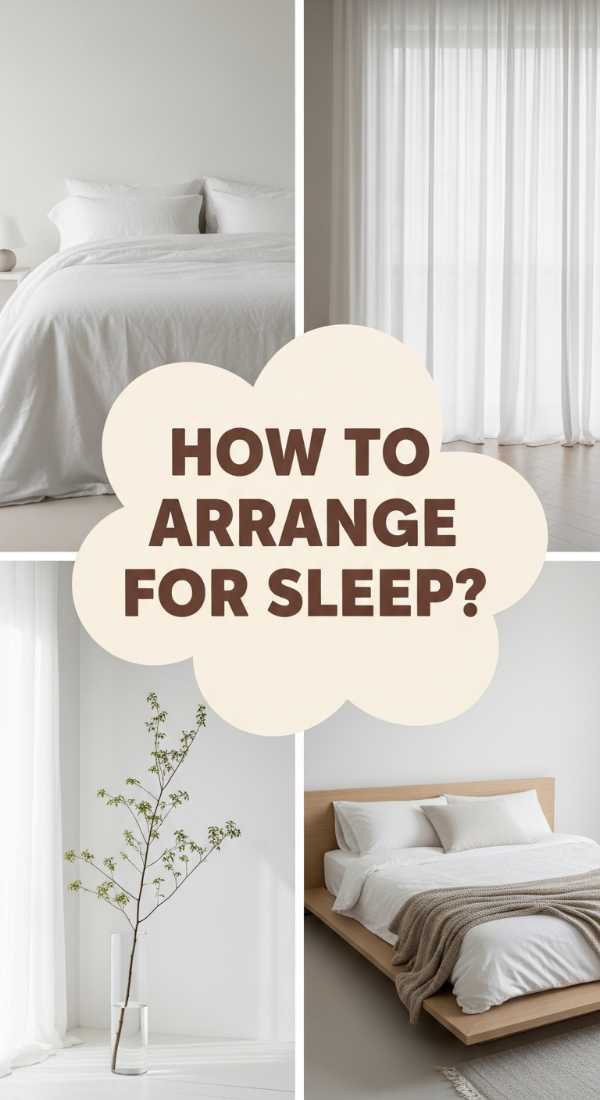
How to Arrange a Minimalist Home Sanctuary for Restorative Sleep
Why we love this
Entering this bedroom feels like stepping into a high-end spa at the edge of the world. The air is cool and crisp, the bedding is a sea of white-on-white textures, and there is an absolute absence of blue-light-emitting devices. We love this because it treats sleep as a sacred ritual. The sensory details—the smoothness of 600-thread-count cotton against your skin and the subtle grounding aroma of cedarwood—work together to lower your cortisol levels. It is the ultimate expression of quiet luxury: a space that works tirelessly to ensure you wake up feeling like a million dollars.
Essential Elements:
- An upholstered bed frame in a neutral, textured linen.
- Blackout curtains that blend seamlessly with the wall color.
- Closed bedside storage to hide charging cables and books.
- All-natural fiber bedding (cotton, linen, or bamboo).
- A single, high-quality diffuser for essential oils.
How to make it
- De-clutter the Eye-Line: Clear your nightstands of everything. The only items allowed are a lamp, a glass of water, and perhaps a single ceramic tray for jewelry. If it doesn’t help you sleep, it shouldn’t be visible.
- The Bedding ‘Bake’: Layer your bed like a professional. Start with a fitted sheet, then a flat sheet (tucked tightly), followed by a medium-weight duvet and a textured quilt at the foot. The ‘visual cue’ here is a bed that looks plump and pillowy, inviting you to jump in.
- Manage the ‘Atmospheric Heat’: Set your thermostat to a cool 65-68 degrees. In minimalist design, temperature is just as important as visuals for creating a ‘restorative’ feel.
- Scent Engineering: Use a diffuser with 3 drops of frankincense and 2 drops of lavender. Start this 30 minutes before you intend to sleep so the ‘aroma layer’ is fully set when you enter the room.
- Light Control: Ensure your curtains overlap the window frame by at least 4 inches on each side to prevent light leaks. The ‘doneness’ cue is a room that, when the door is closed, feels completely detached from the outside world.
How to Master Minimalist Entryway Decor for a Welcoming Vibe
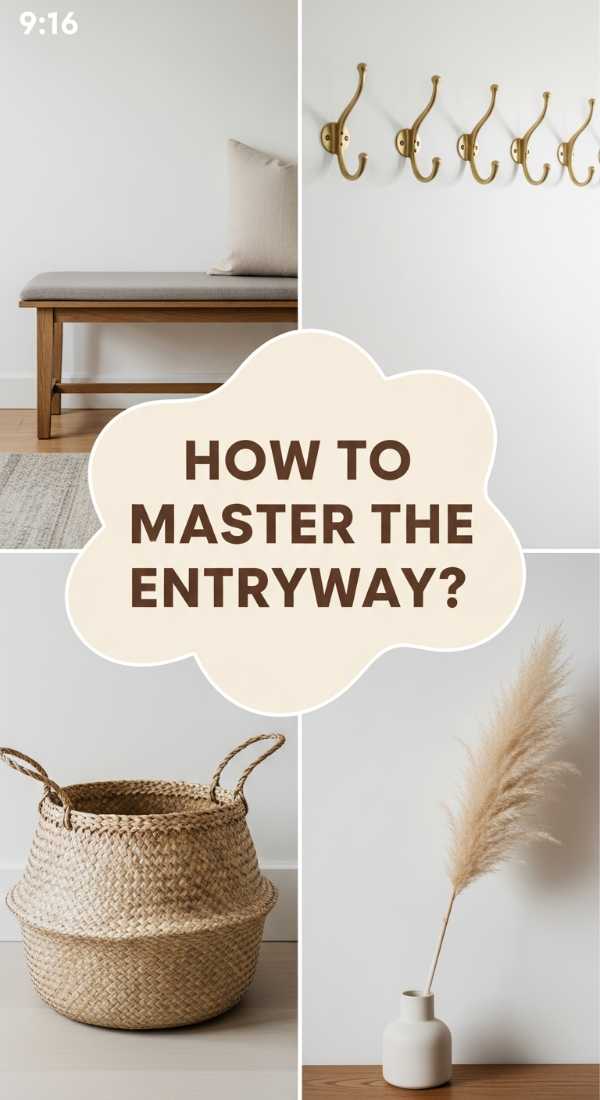
Why we love this
The entryway is the ‘handshake’ of your home. A minimalist entry says, ‘You can leave the chaos of the world outside.’ We love this because it prioritizes function without sacrificing an ounce of style. Imagine walking through the door and being greeted by the clean scent of lemon and the sight of a perfectly organized, uncluttered space. It’s the feeling of immediate relief—there are no piles of shoes to trip over, just a beautiful wooden bench and a single, elegant hook for your coat. It’s luxury as a form of hospitality, both for your guests and yourself.
Essential Elements:
- A slim console table or a floating wooden shelf.
- A large round mirror to broaden the hallway.
- Hidden shoe storage (like a sleek tilt-out cabinet).
- A signature ‘home scent’ (diffuser or candle).
- A small bowl for keys made of natural stone or wood.
How to make it
- Define the ‘Drop Zone’: Identify the exact spot where you naturally drop your keys. Place your stone bowl there. This prevents ‘clutter creep’ across the rest of the console.
- The Visual Anchor: Center a large mirror above your console. The ‘technique’ here is to ensure the mirror reflects something beautiful (like a piece of art or a window) rather than a closet door.
- Apply Functional Heat: Add a single, low-wattage lamp to the console. Leave it on during the evening; this creates a ‘warm’ welcome that signals the transition from public to private life.
- Edit the Essentials: Limit hooks to one per person living in the house. Any extra coats must go into a closet. The visual cue for a perfect minimalist entry is ‘zero floor clutter.’
- Scent Layering: Use a reed diffuser for a constant, light base note of citrus or linen. The ‘doneness’ cue is when the entryway feels like a transition chamber—quiet, clean, and beautifully scented.
How to Incorporate Nature in Minimalist Home Decor for Fresh Energy
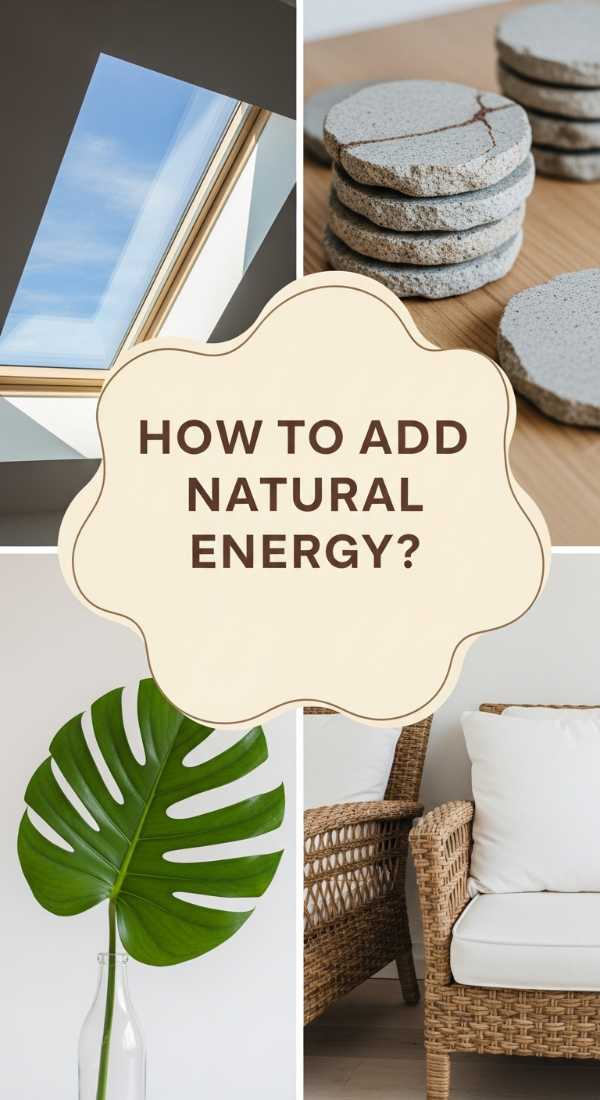
Why we love this
Minimalism can sometimes feel ‘sterile,’ but adding organic elements brings the soul back into the room. We love this because it’s a living, breathing form of decor. The vibrant green of a Monstera leaf against a limestone-colored wall, the rough texture of a piece of driftwood, and the subtle, earthy smell of damp soil create a ‘biophilic’ connection that reduces stress. It’s about bringing the outside in, reminding us of the cycles of nature even when we are deep in the city. It’s luxury that grows and changes, adding a dynamic energy to the stillness.
Essential Elements:
- Large, structural indoor plants (Fiddle Leaf Fig, Olive Tree).
- Natural wood accents with visible grain and knots.
- Stone or terracotta planters in matte finishes.
- Natural light maximized through minimal window treatments.
- Organic shapes in furniture (curved edges vs. sharp angles).
How to make it
- Select the ‘Specimen’: Choose one large plant to be the focal point of the room rather than five small ones. This maintains the minimalist ‘hero’ philosophy.
- Prep the Vessel: Use a planter that matches your wall color. This ‘erases’ the pot and makes the plant look like it’s growing directly out of the architecture of the room.
- Manage the ‘Light Heat’: Observe where the sun falls for 4 hours. Place your plant in the ‘sweet spot’ of indirect brightness. If the leaves look ‘pale,’ it needs more ‘heat’ (light); if they look ‘burnt,’ pull it back.
- Integrate Wood Grains: Add a small wooden stool or a stack of cedar coasters. The ‘visual cue’ here is the contrast between the organic wood and the clean lines of your furniture.
- Watering Ritual: Keep your plants dust-free by wiping leaves with a damp cloth weekly. The ‘doneness’ cue is a room that feels ‘alive’ but not overgrown—a perfect balance of oxygen and order.
How to Achieve a Minimalist Kitchen Aesthetic for Stress-Free Cooking

Why we love this
A minimalist kitchen is a dream for the home cook. It’s a space where the surfaces are cool and clear, the only sound is the gentle simmer of a pot, and every tool you need is exactly where it should be. We love this because it removes the ‘friction’ of cooking. The aroma of fresh herbs on the counter isn’t competing with the smell of old grease, and the visual clarity of the stone countertops makes the act of food preparation feel like a meditative art form. It is the height of functional luxury—a kitchen that serves you, rather than you serving the clutter.
Essential Elements:
- Clear countertops with ‘hidden’ appliance garages.
- Uniform storage containers for pantry items.
- High-quality, aesthetic cookware that can stay on the stove.
- Integrated lighting under cabinets for a ‘floating’ effect.
- A neutral backsplash with minimal grout lines.
- Sleek, handle-less cabinetry.
How to make it
- The ‘Surface Sear’: Remove everything from your countertops. Only ‘re-plate’ three items: a beautiful cutting board, a high-quality salt cellar, and perhaps an oil carafe. Everything else goes into a drawer.
- Decant for Clarity: Move spices and dry goods into glass jars with uniform labels. This removes the ‘visual heat’ of loud, colorful branding from grocery stores.
- Technique of Grouping: If you must have items out, group them on a marble tray. This creates one ‘visual unit’ instead of five separate pieces of clutter.
- Adjust the Task Light: Use cool-toned LEDs (3000K-4000K) under cabinets for prep work. This gives you the ‘visual cue’ of a professional, clean environment where you can see every detail of your ingredients.
- The Final Polish: Wipe down your stone surfaces with a scented cleaner (rosemary or mint). The ‘doneness’ cue is a kitchen that looks ready for a professional photoshoot—gleaming, empty, and full of potential.
How to Set Up a Minimalist Home Office for Deep Focus
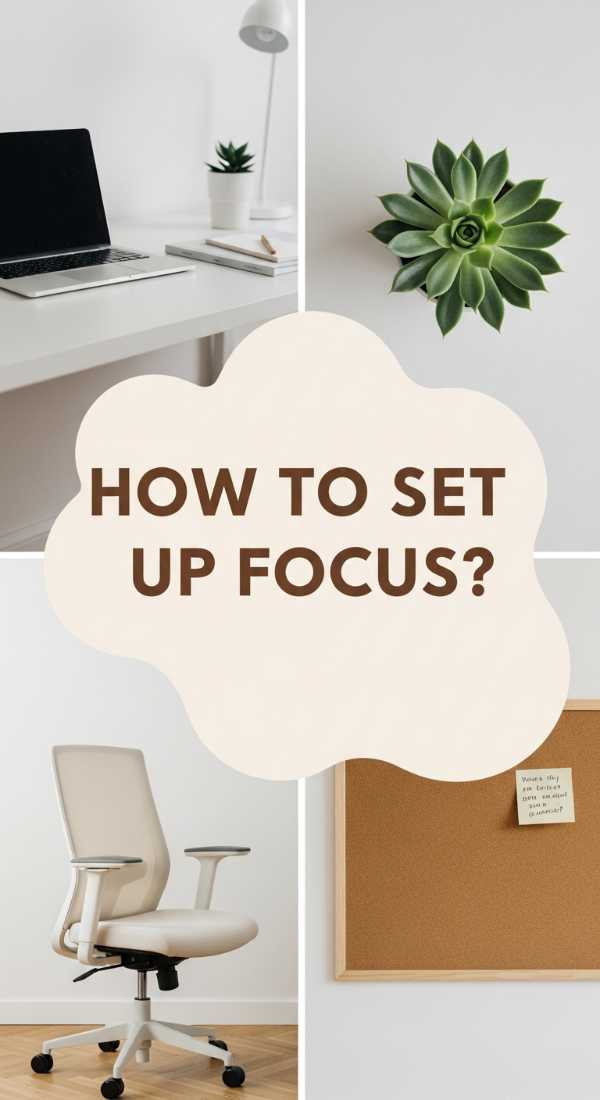
Why we love this
In a minimalist office, your ideas are the loudest thing in the room. We love this setup because it eliminates the ‘visual noise’ that leads to procrastination. Imagine sitting at a clean oak desk, the air cool and still, with nothing in your peripheral vision except a soft-focus view of a window or a single piece of art. The scent of peppermint or citrus keeps your mind sharp, while the ergonomic simplicity of the space supports your body for hours of deep work. It’s luxury as a productivity tool—a space that respects your time and your mental energy.
Essential Elements:
- A streamlined desk with built-in cable management.
- An ergonomic chair in a neutral fabric or leather.
- Subdued wall colors (soft greys, sages, or off-whites).
- A single high-quality desk lamp with a warm glow.
- Hidden filing or storage for paperwork.
How to make it
- Tame the ‘Wire Heat’: Use cable sleeves or clips to hide every single cord under the desk. Visible wires are the number one killer of the minimalist office vibe.
- The ‘Focus’ Layout: Position your desk facing a window if possible, but at least 2 feet away. This allows your eyes to ‘rest’ on the distance periodically, which is a professional tip for eye health during long sessions.
- Set the Scent Level: Use a candle or diffuser with peppermint—it’s scientifically proven to aid focus. Don’t over-saturate; the ‘heat level’ of the scent should be a subtle background note, not a distraction.
- Limit the ‘In-Tray’: Use one single tray for active papers. At the end of every day, empty it. The ‘visual cue’ for the end of the workday is a completely clear desk surface.
- Acoustic Softening: Add a small rug or a few acoustic felt panels to the wall to prevent an ‘echo’ during calls. The ‘doneness’ cue is a room that feels like a quiet, high-tech library.
How to Use Minimalist Lighting for a Warm Home Atmosphere
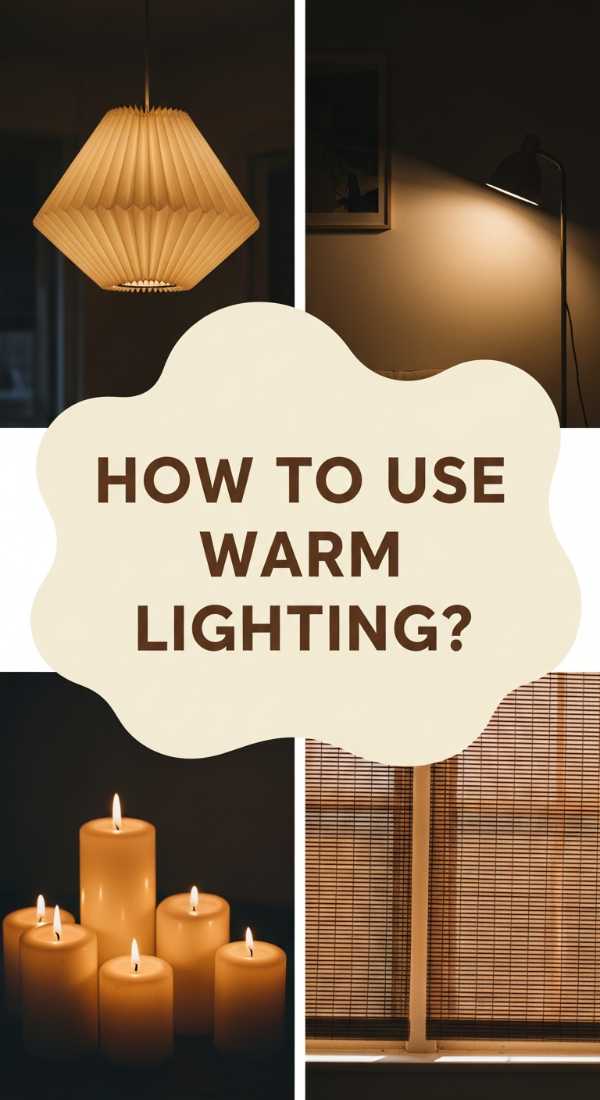
Why we love this
Lighting is the ‘secret sauce’ of the quiet luxury trend. It’s what transforms a room from ‘stark’ to ‘stunning.’ We love this because it relies on layers of light rather than one harsh overhead source. Imagine a room where the light seems to glow from within the corners, casting soft shadows that highlight the texture of a plaster wall or the weave of a linen sofa. It’s a warm, amber-hued experience that makes everyone look better and feel more relaxed. It’s the luxury of ‘mood’—an atmosphere that feels expensive because it is so carefully tuned to the human experience.
Essential Elements:
- Dimmable switches for all main lights.
- A mix of floor lamps, table lamps, and sconces.
- Warm-toned bulbs (2700K is the gold standard).
- Frosted glass or fabric shades to diffuse light.
- Accent lighting for art or architectural features.
How to make it
- Eliminate the ‘Overhead Heat’: Turn off the ‘big light.’ Minimalist luxury is built on ‘low’ lighting. If you don’t have dimmers, replace your switches—it’s a 15-minute pro-tip that changes everything.
- The Rule of Three: Every room should have at least three light sources at different heights: one at eye level (table lamp), one at floor level (up-light), and one slightly above eye level (sconce).
- Diffusion Technique: Use ‘frosted’ bulbs or shades. You should never see the actual filament of the bulb. The ‘visual cue’ is a soft, even glow that doesn’t create harsh ‘hot spots’ on the walls.
- Shadow Play: Position a small lamp behind a plant. This creates organic shadows on the wall, adding ‘texture’ without needing any physical objects.
- Timing the Glow: Use smart plugs to have your ‘mood lighting’ turn on automatically at sunset. The ‘doneness’ cue is a home that feels like it’s glowing from the inside out as the sun goes down.
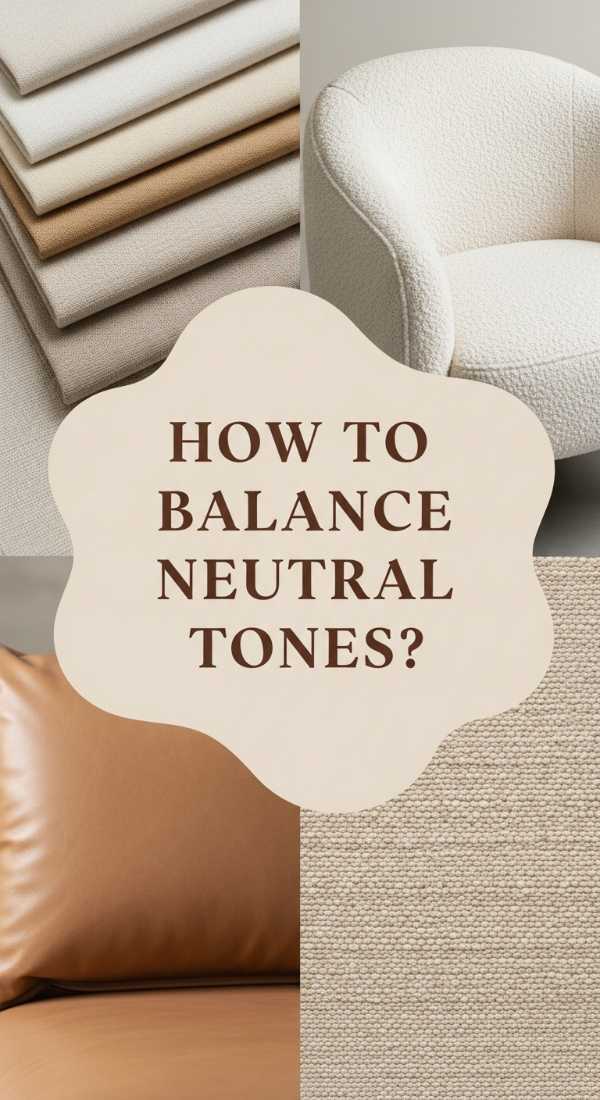
How to Balance Neutral Tones in Minimalist Room Decor for Sophisticated Style
Why we love this
Mastering a neutral palette is like composing a symphony in a single key—it requires incredible nuance. We love this because it’s a masterclass in subtlety. When you walk into a room where the cream walls perfectly complement the sand-colored rug and the mushroom-toned velvet chair, you feel a sense of absolute harmony. The sensory experience is all about ‘low-contrast’ beauty—there are no jars to the system, just a smooth, continuous flow of elegance. It’s quiet luxury at its most refined, where the ‘color’ comes from the play of light and shadow on different materials.
Essential Elements:
- A ‘hero’ neutral (like warm white or greige) for the walls.
- Three varying shades of that hero color for accents.
- Contrasting textures (matte vs. shiny, rough vs. smooth).
- Black or dark wood ‘punctuation’ points (like a thin picture frame).
- Natural materials like linen, wool, stone, and wood.
How to make it
- The ‘Base Coat’ Technique: Choose your wall color. Pro tip: Always go two shades lighter than you think you want; paint ‘heats up’ on the wall and looks darker in large quantities.
- Layer the Tones: If your walls are ‘Warm White,’ choose ‘Sand’ for the rug and ‘Oatmeal’ for the sofa. This 10-15% difference in shade is the ‘visual cue’ that creates depth without using actual color.
- Add the ‘Visual Punctuation’: Use a single thin black line—perhaps a lamp base or a picture frame. This ‘grounds’ the neutrals and prevents the room from looking ‘washed out.’
- Texture Mixing: Pair a matte plaster wall with a glossy ceramic lamp. The ‘heat’ here comes from the way light reflects differently off each surface, creating interest for the eye.
- The ‘Squint Test’: Stand in the doorway and squint your eyes. If the whole room blends into one blob, you need more texture. If one thing stands out too much, it’s too dark. The ‘doneness’ cue is a balanced, multi-dimensional beige heaven.
The Final Word on Quiet Luxury
Quiet luxury isn’t about how much you spend; it’s about how much you care. It’s a commitment to a life that feels as good as it looks. By focusing on high-quality textures, intentional lighting, and a curated selection of objects that truly matter, you aren’t just decorating—you are building a sanctuary. Minimalism, at its heart, is the ultimate form of self-care. It’s the daily gift of a clear mind and a calm spirit. So, take a deep breath, start small, and enjoy the process of stripping away the noise to find the luxury in the quiet.