
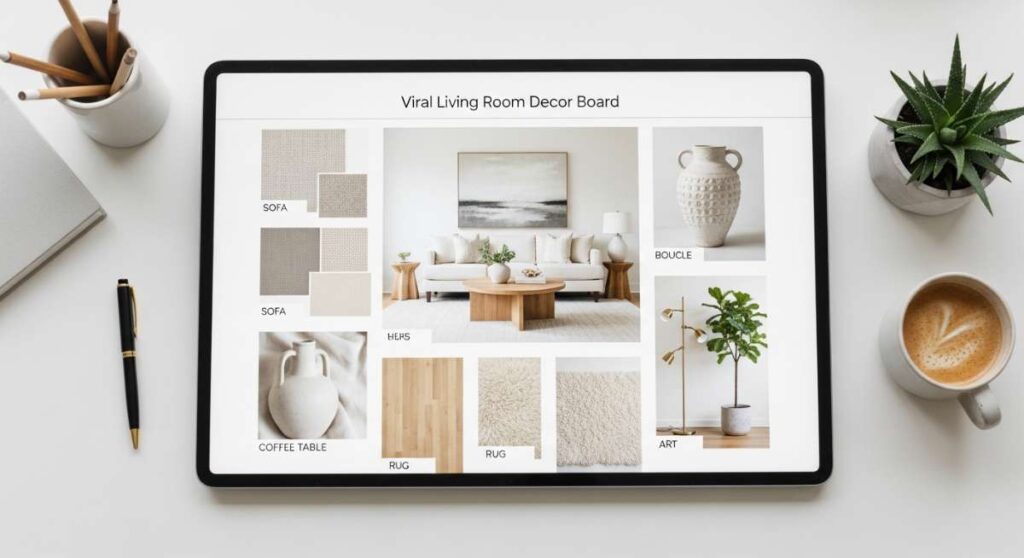
Transform Your Space: The Living Room Decor Board That’s Taking Over the Internet
We’ve all been there: scrolling through endless feeds of perfectly curated homes, feeling a mix of envy and inspiration, wondering if our own living rooms could ever feel that ‘put together.’ There is something deeply emotional about the space where we decompress after a long day; it’s the heartbeat of the home where memories are woven into the very fabric of the sofa cushions. When I first started assembling the decor board that eventually went viral, I wasn’t just looking for furniture; I was searching for a feeling—a sense of belonging that greets you the moment you cross the threshold.
The secret isn’t in a massive budget or a professional degree in interior design; it’s in the intentional layering of color, texture, and light to reflect your unique soul. This living room decor board has resonated with millions because it moves away from sterile showrooms and embraces the messy, beautiful reality of a lived-in sanctuary. Whether you’re a minimalist seeking a quiet corner or a maximalist craving a riot of creative energy, these strategies will help you reclaim your space and turn it into the ultimate retreat.
How to Choose Room Decor Colors for Maximum Happiness
Why we love this
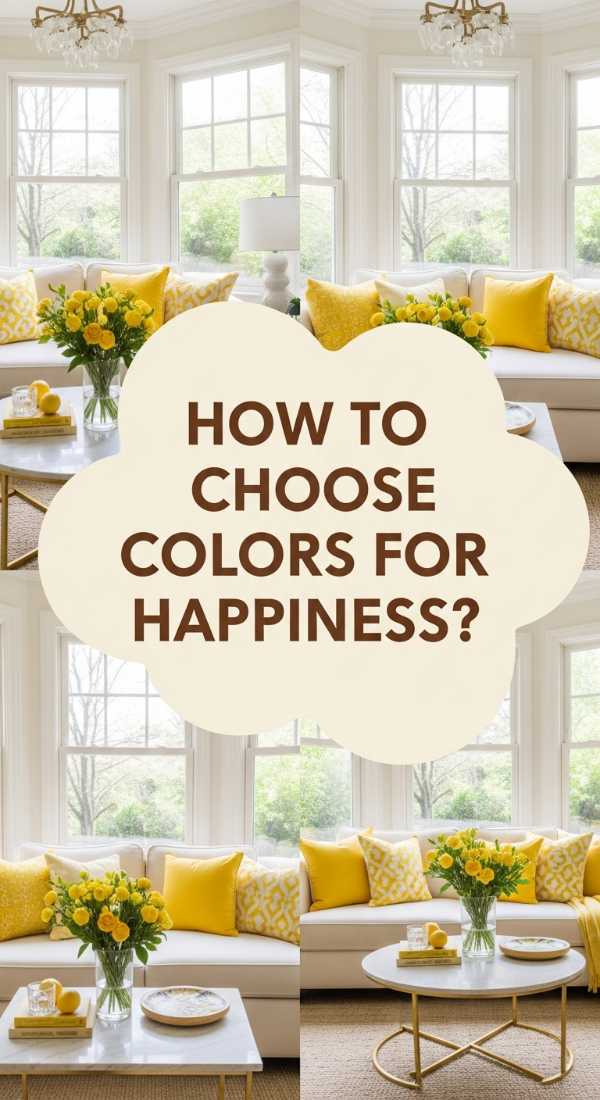
There is an undeniable magic in walking into a room that feels like a warm hug from the sun. By choosing high-vibration colors like buttery yellows, soft peaches, and vibrant corals, you aren’t just painting walls; you are literally altering your brain chemistry to favor joy. Imagine the scent of fresh citrus zest lingering in the air while the morning light catches a golden throw blanket, casting a honeyed glow across your favorite reading chair. This approach is all about tactile delight—the smooth finish of a lacquered side table meeting the fluffy softness of a sheepskin rug—creating a sensory playground that keeps your spirits high even on the gloomiest days.
Essential Elements:
- Buttercup yellow accent pillows
- Warm peach or terracotta wall art
- Natural light-reflecting mirrors
- Fresh greenery in white ceramic pots
- A plush, cream-colored area rug
How to make it
- Identify the ‘Joy Anchor’: Start by finding one object that makes you smile instantly—perhaps a colorful vase or a piece of art—and use it as the foundational color for your palette.
- Map the Natural Light: Observe your room at 10 AM, 2 PM, and 4 PM. If the room is naturally dark, lean into ‘warm’ brights like marigold to simulate sunshine; if it’s naturally bright, use ‘cool’ brights like sky blue to keep it from feeling overheated.
- The 60-30-10 Distribution: Apply your dominant happiness color (the lightest tint) to 60% of the room, a secondary energizing shade to 30%, and a bold ‘dopamine’ accent to the final 10%.
- Texture Integration: Introduce ‘happy’ textures—think bouncy bouclé or smooth velvet—that invite touch. The physical sensation of comfort is vital for maintaining the ‘happiness’ aesthetic.
How to Create a Living Room Decor Color Palette for Serene Evenings
Why we love this
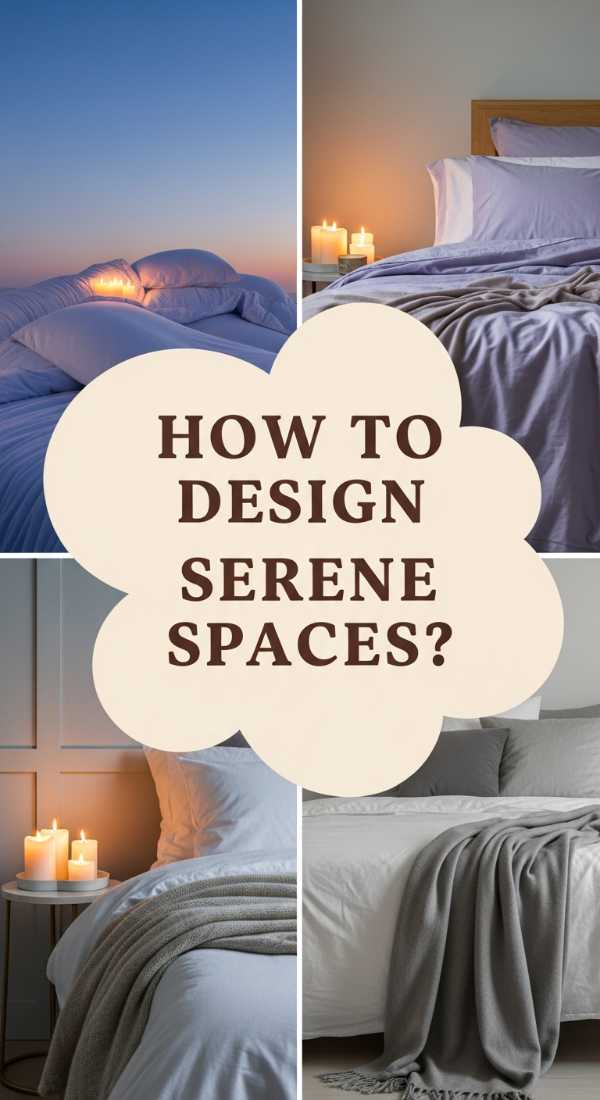
As the sun dips below the horizon, your living room should transition into a cocoon of tranquility that smells of lavender and old books. This palette relies on the ethereal beauty of twilight—misty sages, dusty blues, and charcoal grays that seem to absorb the day’s stress and offer a quiet space for reflection. The texture of heavy linen curtains dragging slightly on a dark wood floor creates a rhythmic, grounding visual, while the soft flicker of a candle against a matte-finished wall adds a layer of depth that feels both ancient and comforting. It is the visual equivalent of a deep, cleansing breath.
Essential Elements:
- Muted sage green textiles
- Matte black or charcoal metal accents
- Heavy-weave linen drapes
- Dimmable warm-toned lighting
- Dried eucalyptus or lavender bundles
How to make it
- Select a ‘Cool Neutral’ Base: Choose a soft gray or off-white with blue undertones for your walls to create an immediate sense of recession and calm.
- Layer Monochromatic Tones: Pick one color, like Forest Green, and use it in varying intensities—from a deep emerald velvet sofa to a pale mint ceramic lamp base.
- Audit Your Lighting: Replace all ‘cool white’ bulbs with ‘warm white’ (2700K) LEDs. Install a dimmer switch to ensure you can lower the light levels as the evening progresses, signaling to your brain that it’s time to rest.
- Incorporate Natural Wood: Add raw, unfinished wood elements like a coffee table or shelving. The organic grain provides a visual ‘grounding’ effect that prevents the cool colors from feeling sterile.
How to Master Decor Colorful Styling for a Bold Personal Statement
Why we love this
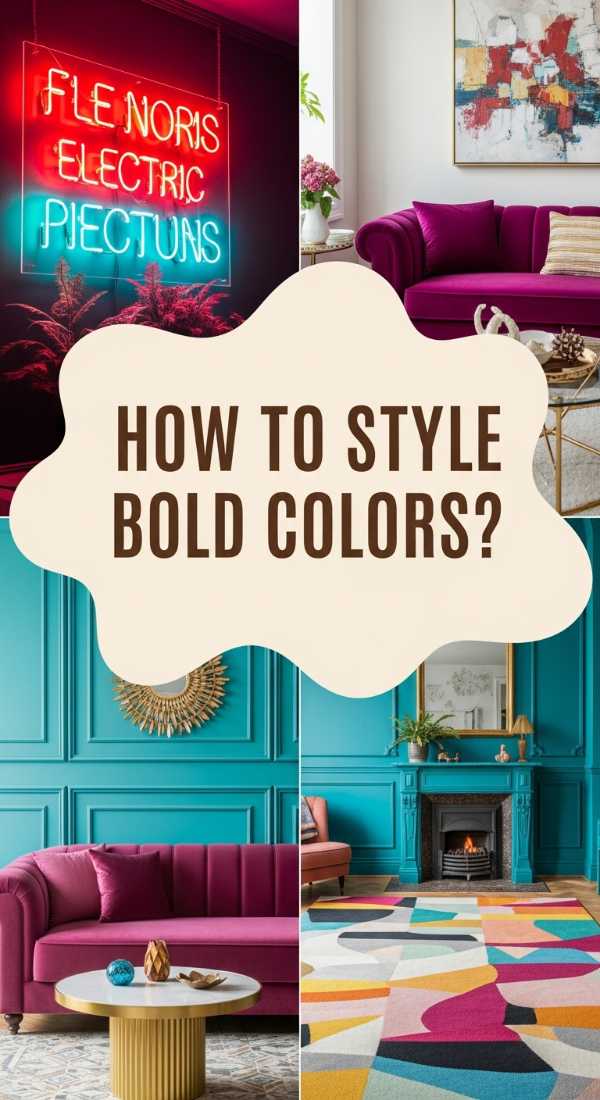
Mastering a bold aesthetic is like composing a symphony where every instrument is played at full volume, yet they all harmonize perfectly. We love this because it rejects the ‘beige’ trend in favor of a fearless expression of personality, using jewel tones like sapphire, amethyst, and ruby to create a space that feels regal and deeply curated. The air feels charged with inspiration, smelling of exotic sandalwood incense, while the clashing yet complementary patterns of an oriental rug and geometric cushions tell a story of a life well-traveled. It is a visual feast that celebrates the ‘more is more’ philosophy with sophisticated execution.
Essential Elements:
- Saturated jewel-tone velvet sofa
- Large-scale abstract gallery wall
- Gold or brass metallic hardware
- Pattern-clashing throw pillows
- Eclectic vintage finds
How to make it
- Define a ‘Power Color’: Choose one high-saturation color that will act as the protagonist of the room. This color should be the most expensive or largest item, such as a sofa or a large area rug.
- Apply the ‘Triangle Rule’: Distribute your secondary bold colors in a triangle around the room. If you have a red chair in one corner, place a red vase on the opposite shelf and a red book on the coffee table to lead the eye.
- Balance with ‘Black Accents’: Every bold room needs black to anchor the vibrant colors. Use black picture frames, lamp bases, or furniture legs to give the eye a place to rest.
- Curate, Don’t Clutter: When styling shelves, group objects by color but vary their heights. This ensures the ‘boldness’ looks intentional and professional rather than chaotic.
How to Mix Living Room Decor Colors for a Sophisticated Look
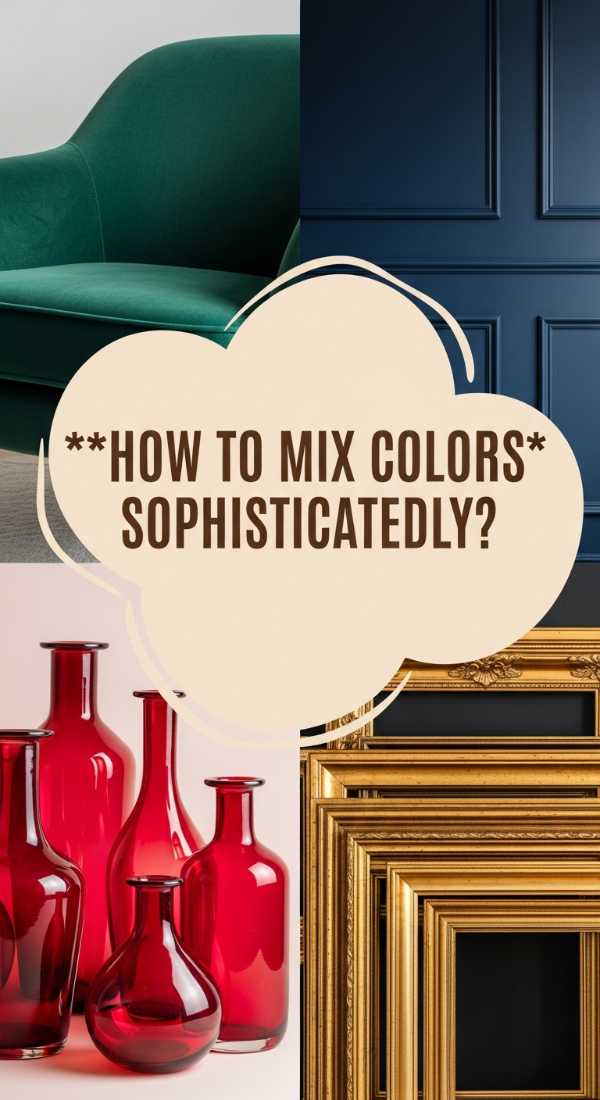
Why we love this
Sophistication lies in the subtle dance between contrasting elements—the way a cool slate blue plays against the warmth of a cognac leather chair. This look is all about the ‘quiet luxury’ of perfectly balanced tones that feel expensive without trying too hard. The sensory experience is defined by the smoothness of polished marble surfaces and the heavy, luxurious weight of a wool-blend rug underfoot. It’s a space that feels curated over time, where the scent of expensive candles and the sight of architectural silhouettes create an atmosphere of refined elegance and intellectual calm.
Essential Elements:
- Cognac leather seating
- Slate blue or navy accents
- Marble-topped tables
- Architectural floor lamps
- Cashmere or high-quality wool throws
How to make it
- The 80/20 Neutral-to-Color Ratio: Keep 80% of the room in sophisticated neutrals (oatmeal, greige, charcoal) and reserve 20% for your ‘sophisticated’ colors like navy or forest green.
- Mix Your Metals: Combine brushed brass with matte black. The contrast between the warm gold and the cool black adds an immediate ‘designer’ feel to the hardware and light fixtures.
- Focus on Silhouette: Choose furniture with clean, sharp lines. A mid-century modern silhouette in a neutral fabric looks more sophisticated than a bulky piece in a bright color.
- Layer Textiles by Weight: Place a thin, silk-tasseled pillow against a heavy, chunky knit throw. The contrast in textile weight is a hallmark of professional styling.
How to Style a Living Room Decor Colorful Aesthetic for Creative Energy
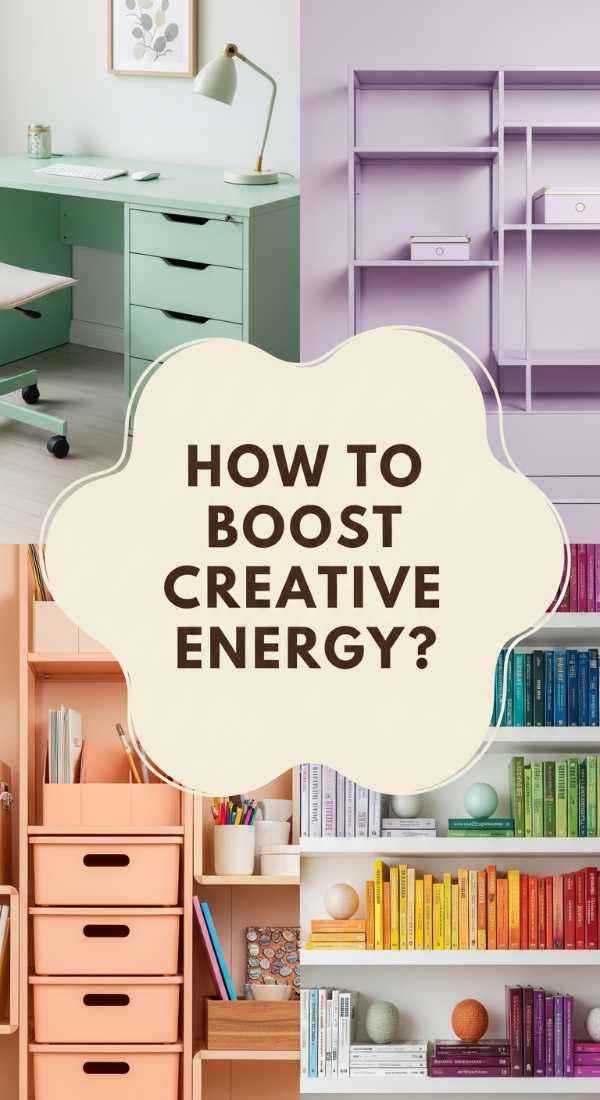
Why we love this
For the dreamers and the makers, a room filled with creative energy is a necessity, not a luxury. We adore the way teals, oranges, and purples can spark a fire in the imagination, turning a simple living room into a workshop of ideas. The texture here is varied and tactile—beaded cushions, woven wall hangings, and stacks of glossy art books that invite you to flip through their pages. The atmosphere is vibrant and electric, smelling of fresh coffee and citrus, providing a sanctuary that doesn’t just house you, but actively encourages you to create, play, and think outside the box.
Essential Elements:
- Teal or turquoise accent wall
- Orange or mustard yellow textiles
- Woven macramé wall art
- Open shelving for art supplies
- Multi-colored glass vases
How to make it
- Color-Block Your Zones: Use different colors to define different activities. Use an orange rug under a desk area for focus and a teal corner with a soft chair for reading and ideation.
- Create an ‘Inspiration Wall’: Use a large corkboard or a grid wire frame to display clippings, fabric swatches, and photos. This ‘living’ decor adds color and keeps your creative mind engaged.
- Incorporate ‘Translucent’ Color: Use colored glass vases or acrylic side tables. These pieces allow light to pass through them, creating colorful shadows that change throughout the day.
- Introduce Quirky Shapes: Look for furniture that defies the norm—a wavy mirror or a curved ‘bean’ sofa. Creative energy thrives on non-linear forms.
How to Find Your Perfect Room Decor Color Story for Inner Peace
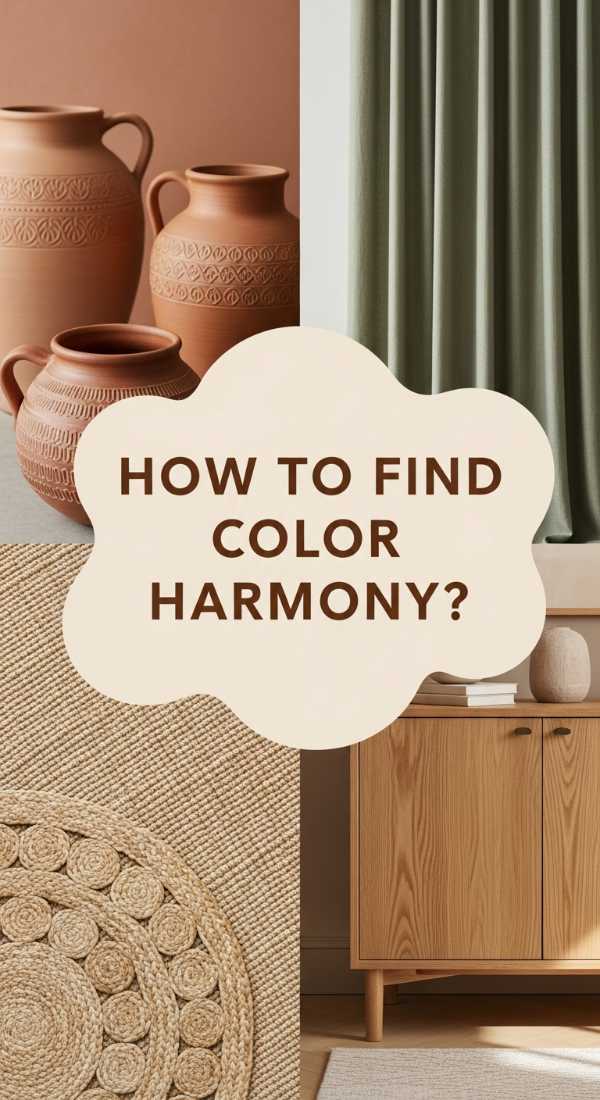
Why we love this
Finding your color story for inner peace is like coming home to yourself. It leans heavily on the ‘earth and sky’ philosophy, utilizing grounding terracottas, sandy beiges, and soft cloud whites that mimic the natural world. This palette feels like a walk on a deserted beach at dawn, where the air is crisp and the only sound is the rhythmic pulse of the tide. We love the use of raw, organic textures—unbleached cotton, weathered stone, and light oak—that provide a tactile connection to the earth, creating a sanctuary where the mind can finally go quiet and the soul can heal.
Essential Elements:
- Terracotta or clay pottery
- Sandy beige linen upholstery
- Light oak wood furniture
- Stone or concrete decor accents
- Sheer white cotton curtains
How to make it
- The ‘Nature Walk’ Audit: Take a photo of a natural landscape that makes you feel peaceful. Use an eyedropper tool on the photo to pull 5 core colors; these will form your peace-centered color story.
- Prioritize Matte Over Gloss: Reflections can be visually distracting. Choose matte paint finishes and unpolished stones to keep the visual field soft and non-stimulating.
- Incorporate ‘Negative Space’: Do not fill every corner. Inner peace in decor relies on ‘breathable’ areas where the walls are left bare, allowing the chosen colors to stand out without competition.
- Add Live Plants: Use ‘peaceful’ plants like Peace Lilies or Snake Plants. Their green hues are scientifically proven to lower cortisol levels, reinforcing your color story’s mission.
How to Enhance Room Decor Colorful Textures for a Layered Feel
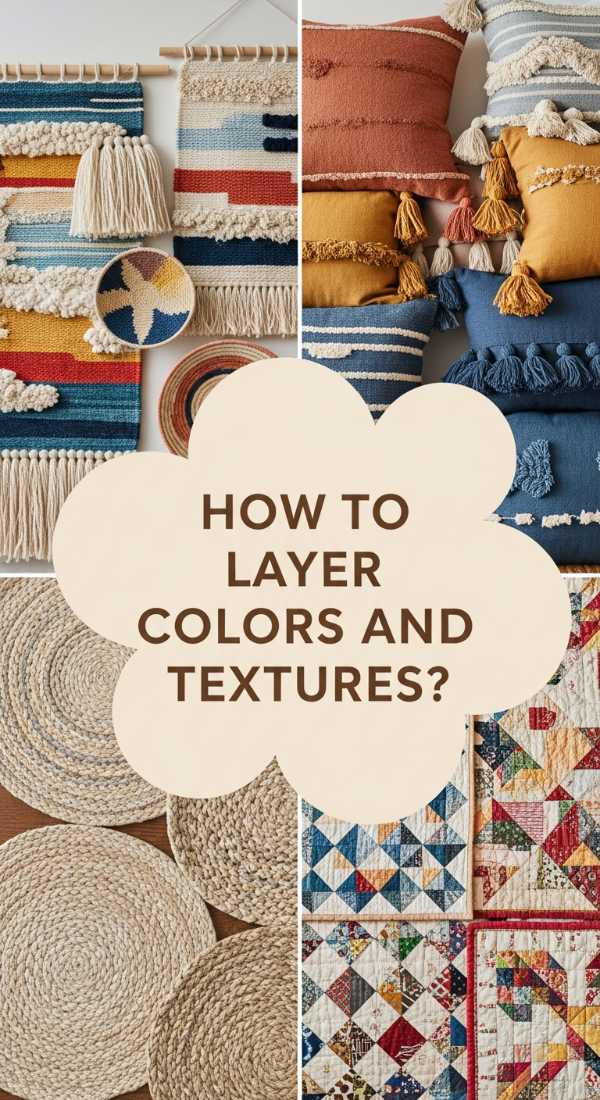
Why we love this
A room without texture is like a meal without seasoning—it might be functional, but it lacks soul. We love the ‘layered feel’ because it transforms a flat color palette into a three-dimensional experience. Picture a deep navy wall acting as the backdrop for a velvet emerald sofa, which is then draped with a chunky cream wool throw and topped with silk and leather cushions. The sensory richness is unparalleled; the way the light catches the pile of the velvet versus the matte finish of the wool creates a visual rhythm that feels incredibly high-end and cozy all at once.
Essential Elements:
- Chunky knit wool throws
- Velvet and silk mix cushions
- Rattan or wicker baskets
- Faux fur rugs
- Woven seagrass wallpaper
How to make it
- Start from the Ground Up: Layer a smaller, patterned rug over a larger, neutral jute or sisal rug. This creates an immediate foundation of texture that anchors the entire room.
- The ‘Rule of Three’ Textures: In every vignette (like a coffee table or a shelf), include at least three different textures: something hard/smooth (glass/metal), something organic (wood/plant), and something soft (fabric/book).
- Contrast Your Finishes: If your sofa is smooth leather, pair it with the most textured, ‘bumpy’ pillows you can find. If your walls are smooth, add a woven wall hanging to break up the flat surface.
- Use Wall Treatments: Don’t forget the ‘fifth wall’ (the ceiling) or the main walls. Grasscloth wallpaper provides a subtle, colorful texture that paint simply cannot replicate.
How to Select Decor Color Schemes for a Timeless Home
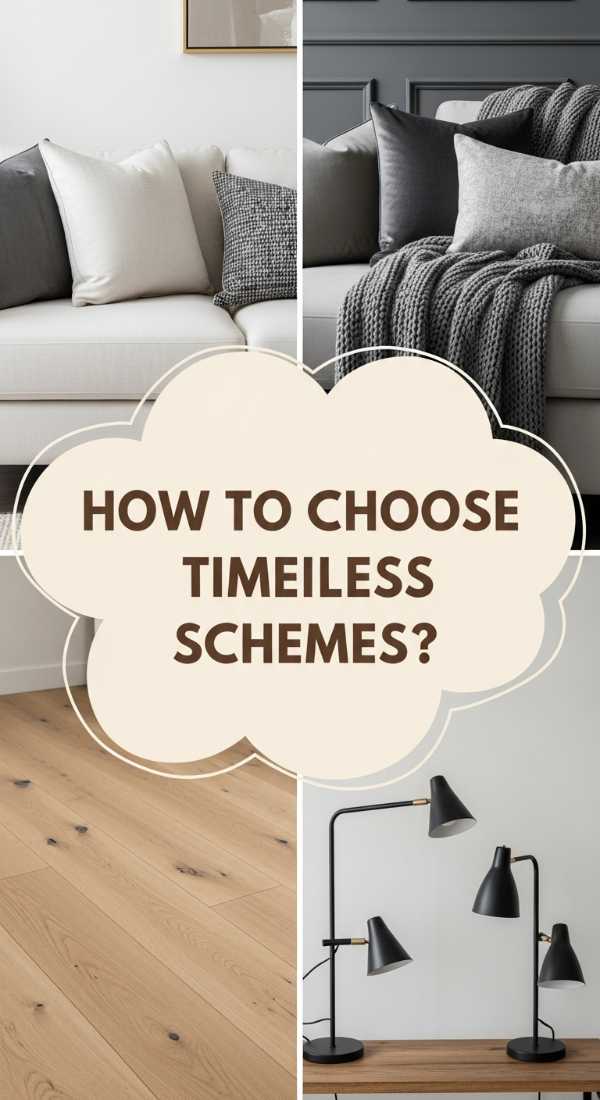
Why we love this
There is a profound confidence in a timeless home—it doesn’t chase trends because it knows its own worth. This approach uses ‘heritage’ colors like navy blue, cream, burgundy, and forest green, which have remained elegant for centuries. We love the way these colors feel anchored in history, smelling of beeswax polish and fresh lilies. The textures are classic and durable—think rich mahogany, polished brass, and crisp cotton. It’s a style that ages gracefully, becoming more beautiful as the leather patinas and the wood deepens in tone, offering a permanent sense of stability in an ever-changing world.
Essential Elements:
- Navy blue and cream color base
- Dark wood (walnut or mahogany)
- Polished brass accents
- Classic striped or damask patterns
- Traditional oil paintings in gilt frames
How to make it
- Choose ‘Historical’ Neutrals: Look for whites with a hint of cream or gray, rather than stark ‘optic’ whites. These have a softer, more enduring quality.
- Invest in ‘Hero’ Antiques: A single high-quality antique, like a chest of drawers or a sturdy coffee table, provides a sense of history that anchors the color scheme.
- Use ‘Classic’ Patterns: Incorporate stripes, plaids, or subtle florals in your secondary colors. These patterns have stood the test of time and add a layer of traditional sophistication.
- Focus on Symmetry: Timelessness is often associated with balance. Arrange your furniture and decor in symmetrical pairs (two lamps, two end tables) to create a sense of order and permanence.
How to Design a Living Room Decor Cozy Retreat for Rainy Days
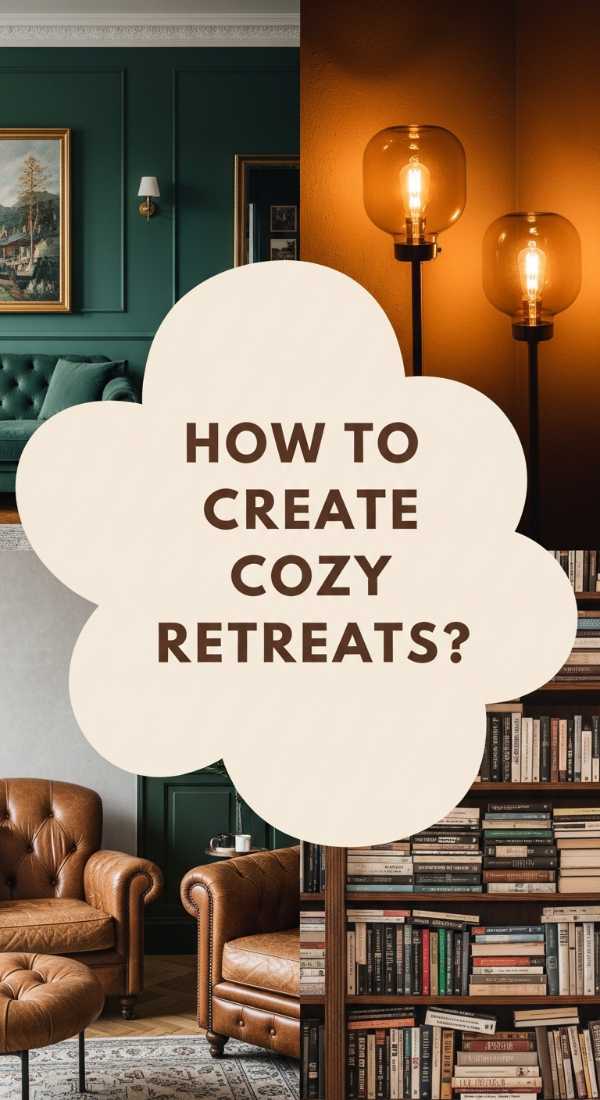
Why we love this
When the rain is lashing against the windowpane, there is nowhere better to be than a living room designed for ultimate ‘hygge.’ This look is defined by deep, warm colors—charcoals, chocolate browns, and spicy ambers—that make the walls feel like they are drawing closer to protect you. The sensory experience is peak comfort: the crackle of a fireplace, the scent of cinnamon and cedar, and the feeling of sinking into a sea of oversized pillows. It’s about creating a ‘nest’ where the outside world ceases to exist and the only thing that matters is the warmth of the tea in your hand and the softness of the blanket around your shoulders.
Essential Elements:
- Deep amber or smoky gray walls
- Oversized, deep-seated sectional
- Floor-to-ceiling bookshelves
- Multiple floor lamps with soft shades
- Stack of hand-woven blankets
How to make it
- ‘Lower’ the Visual Ceiling: Use dark paint on the walls and even the ceiling to create a ‘tent’ effect. This makes large rooms feel more intimate and enclosed.
- The ‘Pillow-to-Seat’ Ratio: For a cozy retreat, aim for at least two pillows per seating spot. Mix sizes and fillings (down and foam) to create a ‘cloud’ effect.
- Create a ‘Beverage Station’: Dedicate a side table or a bar cart to tea, coffee, or cocoa. Having everything within reach reinforces the ‘retreat’ aspect of the room.
- Layer Your Lighting: Avoid the ‘big light’ at all costs. Use a combination of table lamps, floor lamps, and tea lights at varying heights to create a soft, golden glow that mimics firelight.
How to Balance Living Room Decor Color Schemes for Harmonious Living
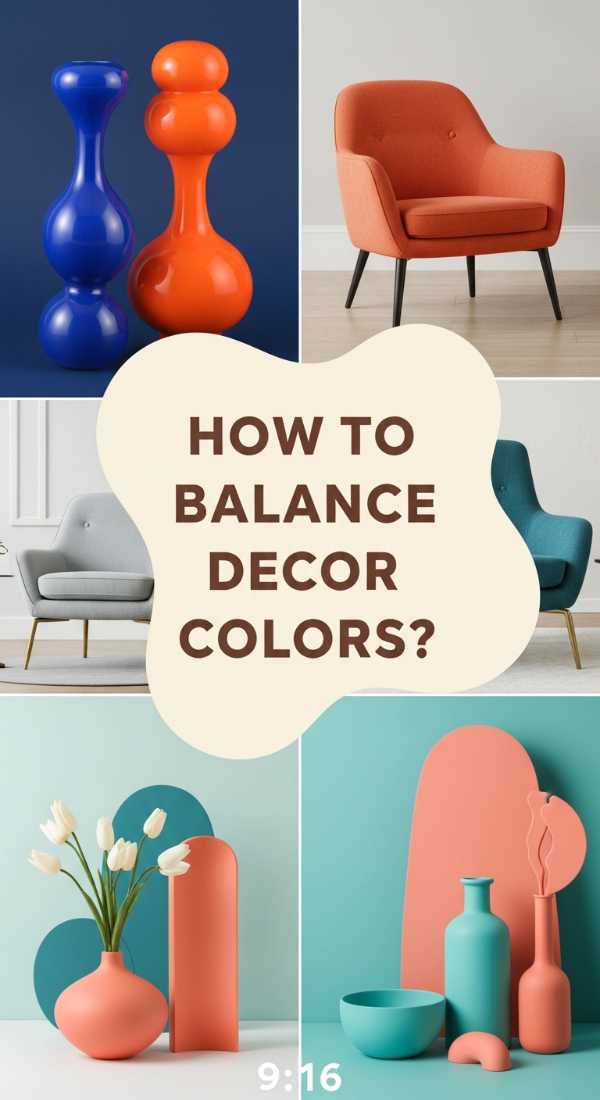
Why we love this
Harmonious living is the ultimate goal of interior design—it’s that feeling when you walk into a room and everything just ‘clicks.’ This is achieved by balancing warm and cool tones so that the room feels neither too clinical nor too heavy. We love the equilibrium of a cool blue wall balanced by warm wood furniture and brass lamps, or a warm terracotta rug balanced by cool gray upholstery. The air feels balanced and fresh, smelling of clean linen and citrus, creating a space where every family member feels at home and every guest feels instantly welcome. It is the gold standard of livable luxury.
Essential Elements:
- Balanced mix of warm/cool tones
- Varied wood finishes
- Neutral ‘bridge’ colors (taupe/beige)
- Symmetrical furniture layout
- Living greenery to soften edges
How to make it
- Identify the ‘Temperature’ of Your Main Piece: If your sofa is a cool gray, you must balance it with warm accents like wood legs, brass pillows, or a tan rug.
- Use ‘Bridge’ Neutrals: Use colors like greige (gray-beige) or taupe that contain both warm and cool undertones. These act as a ‘handshake’ between the different temperatures in the room.
- The 50/50 Metal Split: Use one warm metal (gold/brass) and one cool metal (silver/chrome/black). This prevents the room from leaning too far in one direction.
- Repeat Colors to Create Rhythm: A color should appear at least three times in a room at different heights (floor, eye level, ceiling). This repetition creates a visual harmony that the brain perceives as ‘orderly’ and peaceful.
The Final Touch: Your Living Room, Your Rules
Transforming your space isn’t about following a set of rigid rules; it’s about discovering the colors and textures that make your heart beat a little faster. Whether you choose the path of serene evenings or bold personal statements, remember that your home is a living, breathing extension of yourself. Don’t be afraid to experiment, to move a chair, or to paint a wall a color that your neighbors might find daring. The viral decor boards are just the beginning—the real magic happens when you step into the frame and start living in the masterpiece you’ve created.