
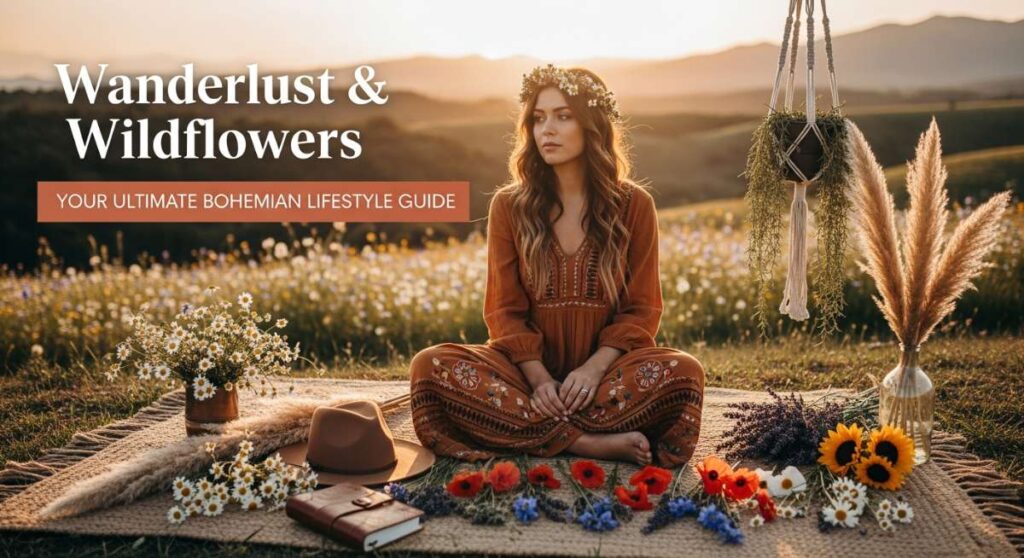
Have you ever walked into a room and felt like the space itself was giving you a warm, soulful hug? There is something incredibly magical about the bohemian lifestyle; it’s not just an aesthetic, but a celebration of freedom, travel, and the untamed beauty of the natural world. It’s about creating a sanctuary that tells your unique story, filled with treasures that spark joy and textures that invite you to kick off your shoes and stay a while.
In our fast-paced, digital-heavy world, the ‘Wanderlust & Wildflowers’ vibe is the ultimate antidote. It’s about slowing down, breathing in the scent of sandalwood, and surrounding yourself with hand-crafted pieces that have a history. Whether you’re a lifelong nomad or a homebody with a restless spirit, these styling secrets will help you transform your living space into a viral-worthy bohemian retreat that feels as good as it looks.
How to Style a Bohemian Bed for Pure Relaxation
Why we love this
There is nothing quite like sinking into a bed that feels like a soft, sun-warmed cloud at the end of a long day. A bohemian bed is the centerpiece of relaxation, characterized by its effortless ‘undone’ look, overflowing with the tactile richness of stone-washed linen and the intricate weight of hand-knitted throws. You can almost feel the gentle friction of the natural fibers against your skin and smell the faint, calming scent of lavender misted onto the pillows, creating a sensory haven that encourages deep, restorative sleep and morning lingering.
Essential Elements:
- Stone-washed linen duvet cover in an earthy tone (terracotta or sage).
- An assortment of oversized velvet and macrame throw pillows.
- A heavy-weight chunky knit or Moroccan pom-pom blanket.
- A low-profile wooden or rattan bed frame.
- Fairy lights or warm-toned bedside lanterns.
How to make it
- Begin by laying your base sheet tightly, but don’t worry about clinical perfection; the boho look thrives on slight wrinkles. Use a high-quality linen or organic cotton for breathability.
- Place the duvet cover over the bed and fold the top third back to expose the sheets. This creates a layered, voluminous appearance. Shake the duvet vigorously to trap air and ensure it looks plush.
- Layer your pillows starting from the headboard. Use two large sleeping pillows as the foundation, followed by two large square Euro shams in a contrasting texture like velvet. Finish with 2-3 smaller decorative lumbar pillows featuring fringe or embroidery.
- Drape your heavy knit throw horizontally across the bottom third of the bed. Instead of folding it neatly, ‘toss’ it slightly and then adjust the edges to give it a lived-in, effortless drape.
- Incorporate a ‘scent story’ by placing a small bowl of dried eucalyptus or cedar nearby to ground the airy textures of the fabric with an earthy aroma.
How to Design a Bohemian Kitchen for Inspired Cooking
Why we love this
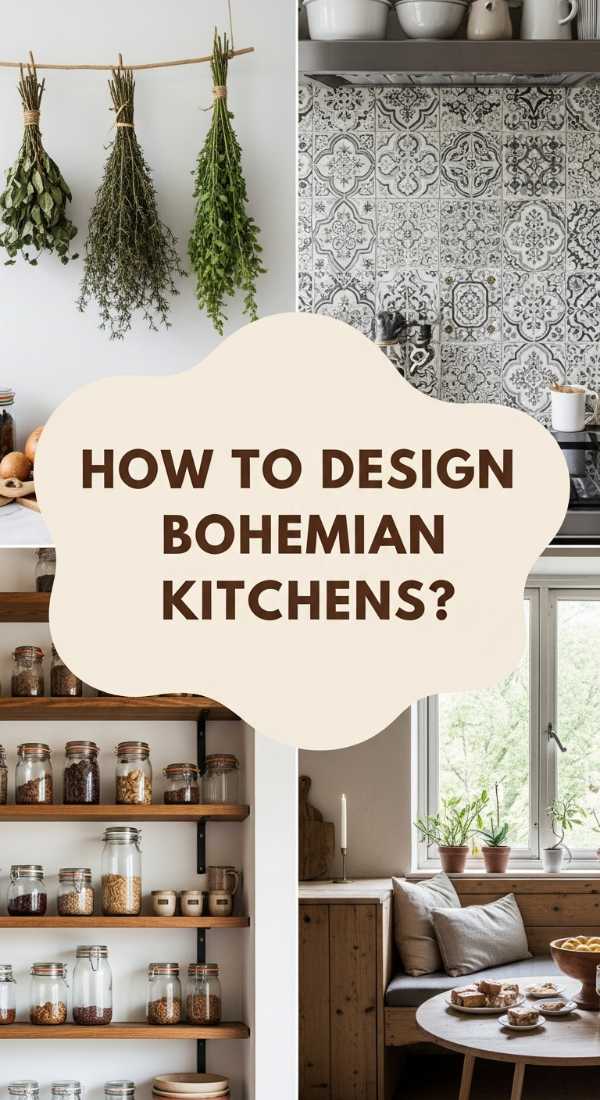
The bohemian kitchen is the heart of the home, where the aroma of fresh basil and simmering spices mingles with the visual delight of open shelving and mismatched ceramics. It’s a space that rejects the sterile, hidden-away nature of modern kitchens in favor of a vibrant, ‘lived-in’ display of culinary tools and organic textures. We love the way sunlight catches on vintage glassware and the rustic feel of a wooden cutting board that has seen a thousand family meals, making every moment of food prep feel like a soulful, creative act.
Essential Elements:
- Open wooden shelving with wrought iron brackets.
- Mismatched vintage ceramic plates and hand-thrown mugs.
- Hanging copper pots and pans.
- A collection of clear glass jars for bulk spices and grains.
- Indoor herbs like rosemary, thyme, and mint in terracotta pots.
How to make it
- Identify a primary wall for open shelving. Remove existing cabinet doors or install reclaimed wood planks. Ensure the brackets are anchored into studs to support the weight of ceramics.
- Group your items by frequency of use but mix the aesthetics. Place heavy stoneware at the bottom and lighter glassware on top. Intersperse your functional items with small decorative pieces like a vintage brass bell or a small succulent.
- Decant your dry goods (flour, lentils, coffee) into clear glass jars of varying heights. This creates a visual rhythm and allows the natural colors of the food to serve as decor. Label them with a calligraphy pen for an artisanal touch.
- Create a ‘living’ station near a window. Group three terracotta pots of different sizes and plant aromatic herbs. Use a high-quality organic potting mix and ensure the drainage is sufficient to prevent root rot.
- Install ‘S’ hooks on a wall-mounted rail to hang your most-used copper or cast-iron pans. This saves space and adds a professional yet rustic ‘chef’s kitchen’ vibe to the room.
How to Curate a Bohemian Living Room for Ultimate Coziness
Why we love this
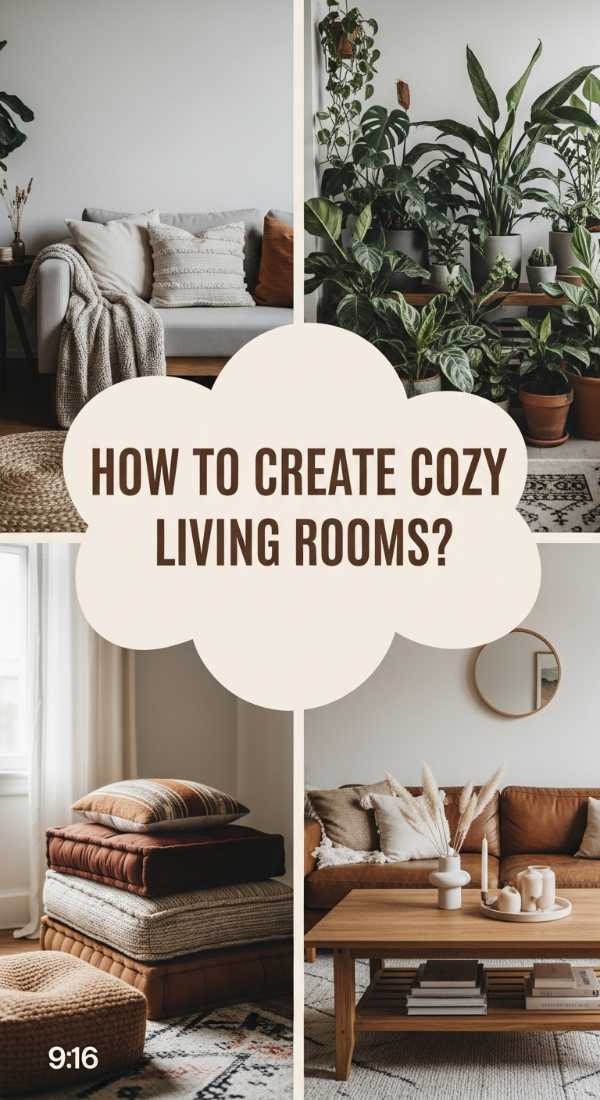
A true bohemian living room feels like a collection of memories, a place where every item has a soul and every corner invites conversation. We love the intentional ‘low-to-the-earth’ seating that encourages a relaxed posture, the warmth of amber lighting reflecting off antique brass, and the way the room feels both spacious and cozy at the same time. It’s a multisensory experience where you can feel the softness of a sheepskin rug underfoot while the flickering flame of a beeswax candle casts dancing shadows against walls adorned with global textiles.
Essential Elements:
- A deep, velvet sofa in a jewel tone (emerald or sapphire).
- Leather or woven jute floor poufs.
- A low-set wooden coffee table with a raw edge.
- Multiple sources of warm lighting (floor lamps, candles, string lights).
- Abundant indoor plants like Fiddle Leaf Figs or Monstera.
How to make it
- Position your largest piece of furniture, the sofa, against the longest wall but pull it out about 6 inches to allow the room to ‘breathe.’ This prevents the space from feeling cramped.
- Create a ‘conversation circle’ by placing floor poufs and low stools around the coffee table. This breaks the traditional layout and makes the room feel more inclusive and relaxed.
- Layer your lighting. Start with a warm-toned floor lamp in one corner, add a cluster of pillar candles on the coffee table, and string delicate warm LEDs along a bookshelf. Avoid overhead ‘big lights’ to maintain the cozy mood.
- Anchor the room with a large, textured rug. If the room is large, use the ‘all legs on’ rule, where all furniture feet sit on the rug to unify the space.
- Incorporate ‘living’ decor by placing large potted plants in the corners and trailing vines like Pothos on high shelves. Wipe the leaves with a damp cloth once a week to keep them glossy and vibrant.
How to Arrange Bohemian Wall Decor for Artistic Expression
Why we love this
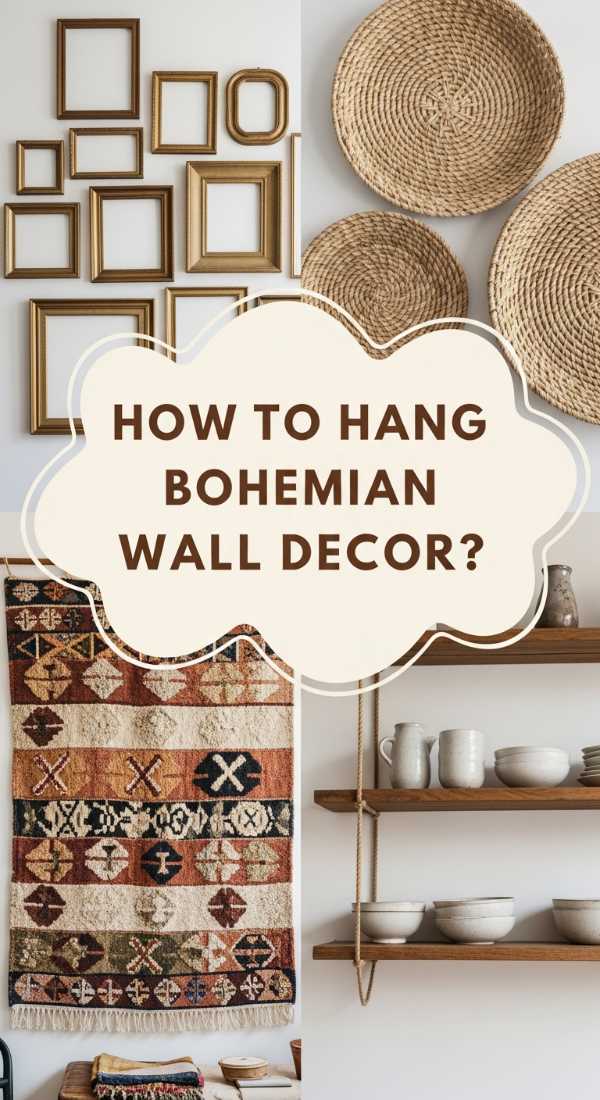
The walls of a bohemian home are like a personal gallery of the soul, showcasing a rhythmic dance between textile art and vintage finds. We are obsessed with the way a large-scale macrame hanging adds a soft, architectural geometry to a room, or how a collection of woven baskets can turn a blank flat surface into a textured masterpiece. It’s about the tactile contrast—the roughness of sisal against the smoothness of a framed botanical print—creating a visual story that is constantly evolving and deeply personal.
Essential Elements:
- Hand-woven macrame wall hanging.
- A set of seagrass or wicker wall baskets in varying sizes.
- Framed vintage maps or pressed botanical specimens.
- Antique brass mirrors or sunburst designs.
- Wooden floating shelves for small trinkets and crystals.
How to make it
- Lay all your wall items out on the floor first to plan the composition. Start with the largest item as your anchor point, usually slightly off-center to create a dynamic, non-symmetrical look.
- Measure the distance between the hanging points of your items. Use painter’s tape to mark the spots on the wall before drilling or hammering to ensure the spacing feels balanced but not ‘perfect.’
- Mount the largest macrame or textile piece first. Ensure it is at eye level (roughly 57-60 inches from the floor to the center of the piece) to ground the arrangement.
- Cluster the woven baskets around the anchor piece. Overlap the edges slightly for a 3D effect, using small finishing nails that are hidden within the weave of the baskets.
- Fill the gaps with smaller items like a vintage brass key or a framed sketch. Maintain a consistent color palette (like warm golds, creams, and browns) to ensure the diverse items feel cohesive.
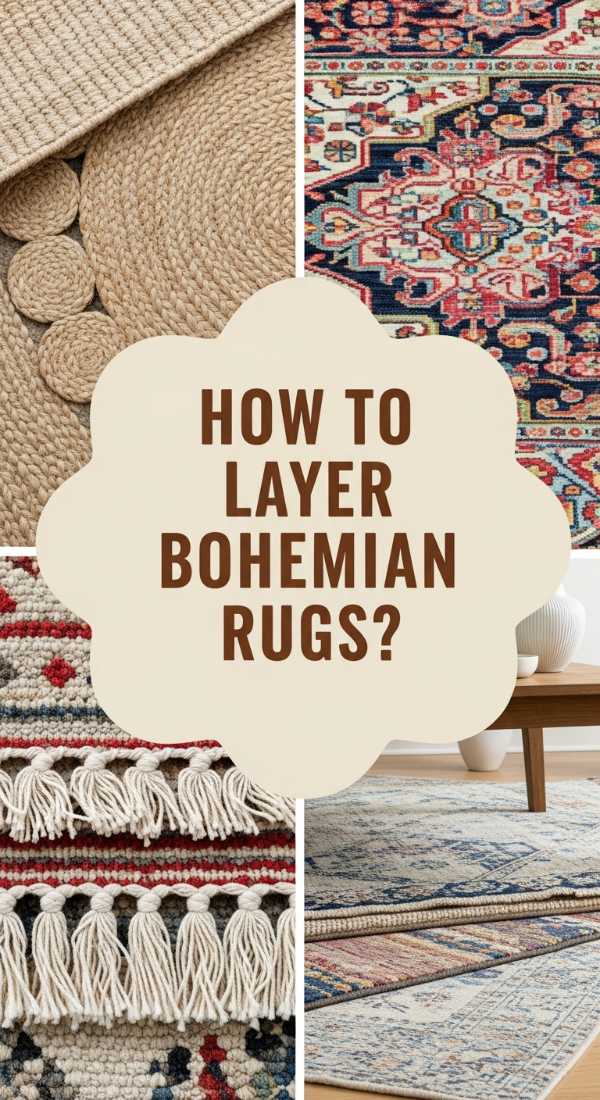
How to Layer a Bohemian Rug for Maximum Texture
Why we love this
Layering rugs is the ultimate secret weapon for achieving that high-end, editorial bohemian look that feels both grounded and incredibly plush. There is a specific joy in the contrast between a rough, scratchy jute base and the silky-soft pile of a patterned Persian or Moroccan rug layered on top. It adds an immediate sense of warmth to any room, muffling footsteps and creating a physical softness that makes you want to sit right on the floor with a cup of tea and a good book.
Essential Elements:
- A large, neutral-colored jute or sisal area rug.
- A smaller, colorful vintage Persian or Kilim rug.
- A faux-sheepskin or cowhide rug for the top layer.
- Non-slip rug pads for each layer.
- Fabric tape to secure edges.
How to make it
- Place your large jute rug as the base. It should be large enough that at least the front legs of all major furniture pieces sit on it. Center it perfectly within the seating area.
- Lay the second, smaller rug (the Kilim or Persian) at an angle over the jute rug. Placing it diagonally creates a more casual, ‘collected’ feel than layering it perfectly parallel.
- For the final touch of luxury, place the sheepskin or cowhide in the spot where your feet most naturally land—usually right in front of the sofa or favorite armchair.
- Use thin, high-grip rug pads between each layer. This is crucial for safety and to prevent the rugs from ‘walking’ or bunching up over time, which can ruin the aesthetic.
- Check the ‘trip hazard’ level. If the edges are too thick, use double-sided fabric tape to secure the corners of the top rug to the bottom rug, ensuring a seamless and safe transition.
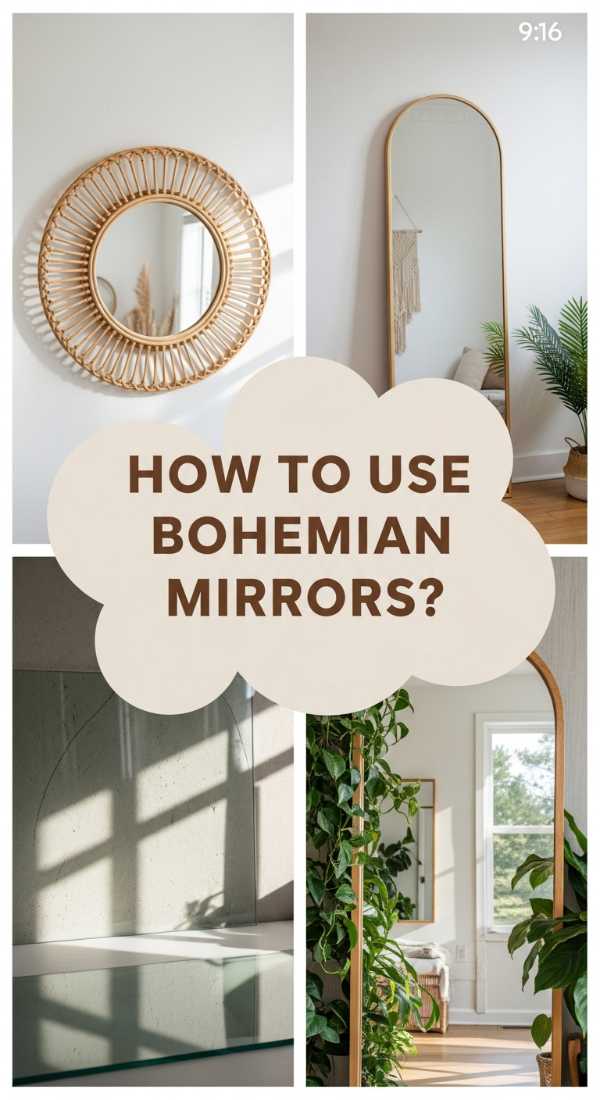
How to Position a Bohemian Mirror for Natural Light
Why we love this
Mirrors in a bohemian home are so much more than functional tools; they are ‘light-catchers’ that expand the spirit of the room. We love the way a vintage-style brass mirror can transform a dim corner into a glowing pocket of golden light, or how a large arched mirror can make a small apartment feel like a sprawling, airy loft. The reflection of green plants in a mirror adds a ‘secret garden’ vibe, doubling the lushness of your indoor jungle and creating a sense of infinite, peaceful space.
Essential Elements:
- A large floor-length mirror with a carved wood or brass frame.
- Circular rattan or ‘sunburst’ wall mirrors.
- Windex and a microfiber cloth for a streak-free shine.
- Heavy-duty wall anchors or a non-slip floor base.
- Potted plants to place near the reflection.
How to make it
- Identify the primary light source in your room (usually a large window). Position your mirror on the wall opposite or adjacent to the window to bounce the natural light into the darkest parts of the room.
- If using a floor mirror, lean it at a slight upward angle against the wall. This trick elongates the room and captures more of the ceiling’s light, making the space feel taller.
- Place a large, leafy plant (like a Bird of Paradise) right next to the mirror. The reflection will create the illusion of a much denser, more vibrant indoor forest.
- For wall mirrors, group three circular rattan mirrors of different sizes. Place them at varying heights to mimic the organic flow of bubbles or clouds, which feels more ‘boho’ than a single static mirror.
- Ensure the mirror is cleaned with a mixture of vinegar and water to avoid chemical residues, keeping the reflection crisp so it truly enhances the light quality of the room.
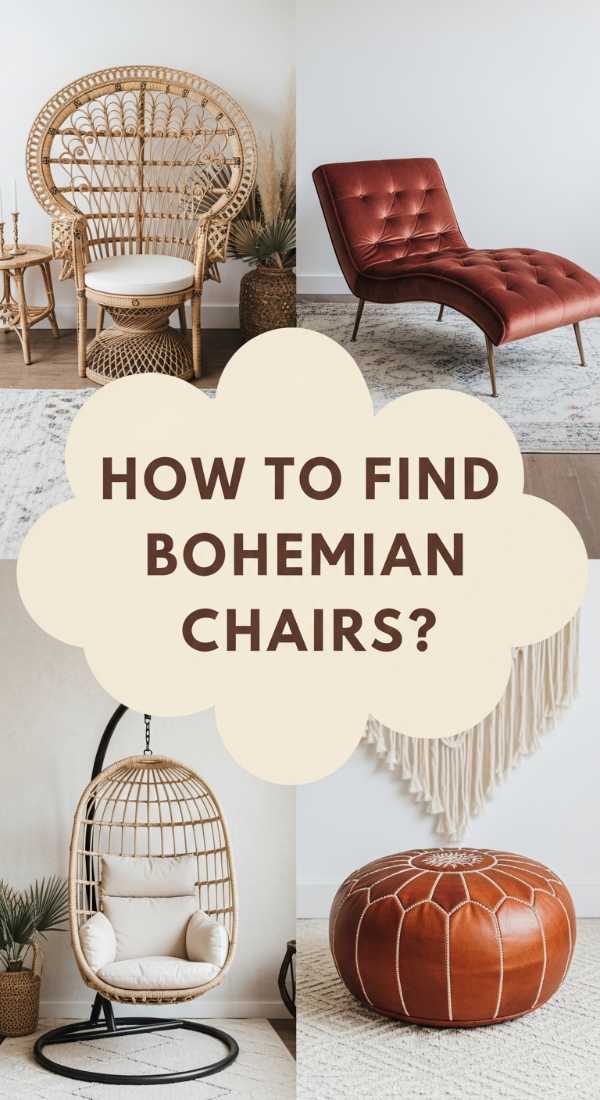
How to Choose a Bohemian Chair for the Perfect Reading Nook
Why we love this
The perfect bohemian chair is an invitation to pause, a dedicated sanctuary for the mind and body. We are drawn to the nostalgic charm of a hanging rattan egg chair or the deep, enveloping comfort of a vintage velvet wingback. It’s about creating a ‘nest’—a place where you can feel the support of natural materials and the softness of a well-placed cushion, while the gentle creak of wood or the sight of a nearby bookshelf promises an afternoon of quiet escape and inspiration.
Essential Elements:
- A statement chair (Rattan egg chair, Papasan, or velvet armchair).
- A high-quality faux-fur or wool throw.
- A small side table for tea or coffee.
- A focused reading lamp with a warm Edison bulb.
- A lumbar support pillow with a textured cover.
How to make it
- Find a quiet corner, ideally near a window for natural reading light. Ensure there is enough clearance for the chair to be the ‘star’ without blocking walkways.
- If opting for a hanging chair, use a stud finder to locate a ceiling joist. Install a heavy-duty eye bolt and use a high-tension spring to allow for a gentle, rhythmic bounce that aids relaxation.
- Layer the seat. Start with a thick base cushion, then add a faux-fur rug for texture, and finally a small decorative pillow for lower-back support.
- Position a small side table within arm’s reach. Choose one made of a contrasting material, like a hammered metal stool if your chair is wood, to add visual interest.
- Add a ‘task’ light. A floor lamp with an adjustable neck allows you to direct the warm glow exactly onto your book pages, preventing eye strain while maintaining the room’s soft ambiance.
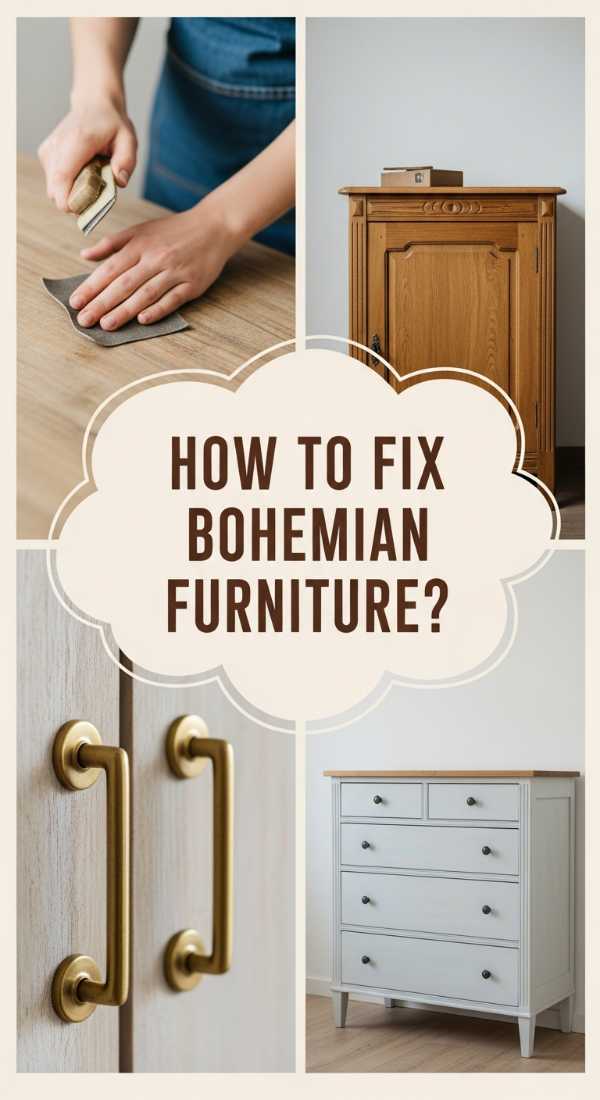
How to Restore Bohemian Furniture for Sustainable Style
Why we love this
There is a profound beauty in giving a forgotten piece of furniture a second life; it’s the ultimate expression of sustainable bohemian living. We love the process of stripping away old, cracked varnish to reveal the raw, honest grain of the wood beneath. The smell of fresh beeswax polish and the sight of a hand-painted floral detail turning a drab dresser into a one-of-a-kind treasure is incredibly rewarding, connecting you to the craftsmanship of the past while protecting the future of our planet.
Essential Elements:
- A vintage wooden furniture piece (thrifting find).
- Fine-grit sandpaper (120 and 220 grit).
- Natural wood wax or hemp oil.
- Chalk paint in an earthy tone (optional).
- New antique-style brass hardware or ceramic knobs.
How to make it
- Clean the piece thoroughly with a mild soap and water solution to remove decades of dust and oils. Let it dry completely for 24 hours.
- Sand the surface gently following the direction of the wood grain. Start with 120-grit to remove the old finish and finish with 220-grit for a buttery-smooth texture.
- Wipe away all sanding dust with a tack cloth. This step is vital to ensure your finish is smooth and professional-looking.
- Apply a thin layer of natural hemp oil or wood wax using a lint-free cloth. Rub it in circular motions, then buff it out to a soft sheen. This nourishes the wood and brings out its natural glow without the ‘plastic’ look of modern polyurethanes.
- Replace old, generic handles with unique ceramic knobs or vintage brass pulls. This small change acts like ‘jewelry’ for your furniture, instantly elevating its character.
How to Plan a Bohemian Interior for Mindful Living
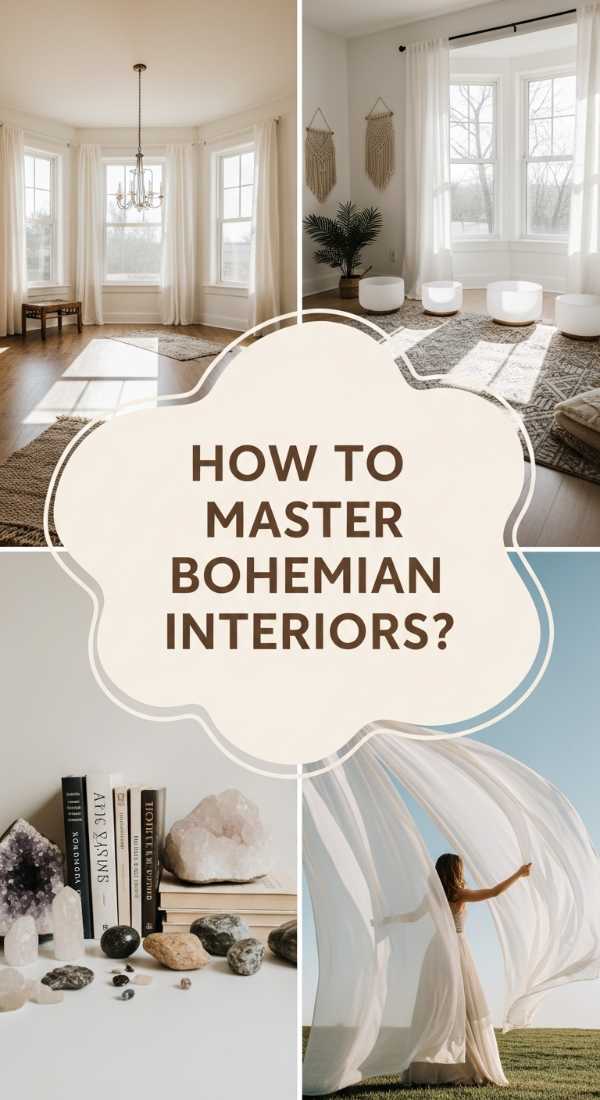
Why we love this
Planning a bohemian interior is an exercise in mindfulness, shifting the focus from ‘buying stuff’ to ‘curating a life.’ We love the intentionality of choosing pieces that have meaning—a rug from a trip to Marrakech, a bowl made by a local potter, or a crystal found on a hike. It’s about creating a flow in your home that supports your mental well-being, where the air feels clear, the colors are soothing, and every corner of your home serves as a reminder to stay present and grateful.
Essential Elements:
- A ‘mood board’ with fabric swatches and color palettes.
- Intentional ‘clutter-free’ zones for meditation.
- Natural air purifiers (Snake plants or Peace Lilies).
- Crystals like Amethyst or Clear Quartz for energy.
- A consistent base color (like cream or soft beige).
How to make it
- Define your ‘anchor’ color palette. Boho can be colorful, but for a mindful vibe, stick to 3 base neutral tones (sand, oatmeal, terracotta) and 2 accent ‘earth’ tones (forest green or deep clay).
- Map out the ‘flow’ of the room. Ensure there are clear walking paths and that the space feels ‘open.’ Remove one piece of furniture that feels redundant to create more ‘white space’ for the mind to rest.
- Designate a specific ‘zen zone.’ This could be a simple floor cushion in a sunny spot with a small tray for your crystals and a journal. Keep this area strictly for quiet reflection.
- Incorporate elements that improve air quality. Large-leaf plants are not just decor; they actively filter toxins. Place them in high-traffic areas where you spend the most time breathing.
- Conduct a ‘joy audit’ of your decor. Hold each item and ask if it truly resonates with your spirit. If not, donate it. A mindful boho home only contains what you find beautiful or useful.
How to Decorate a Bohemian Wall for Natural Vibes
[IMAGE_10]
Why we love this
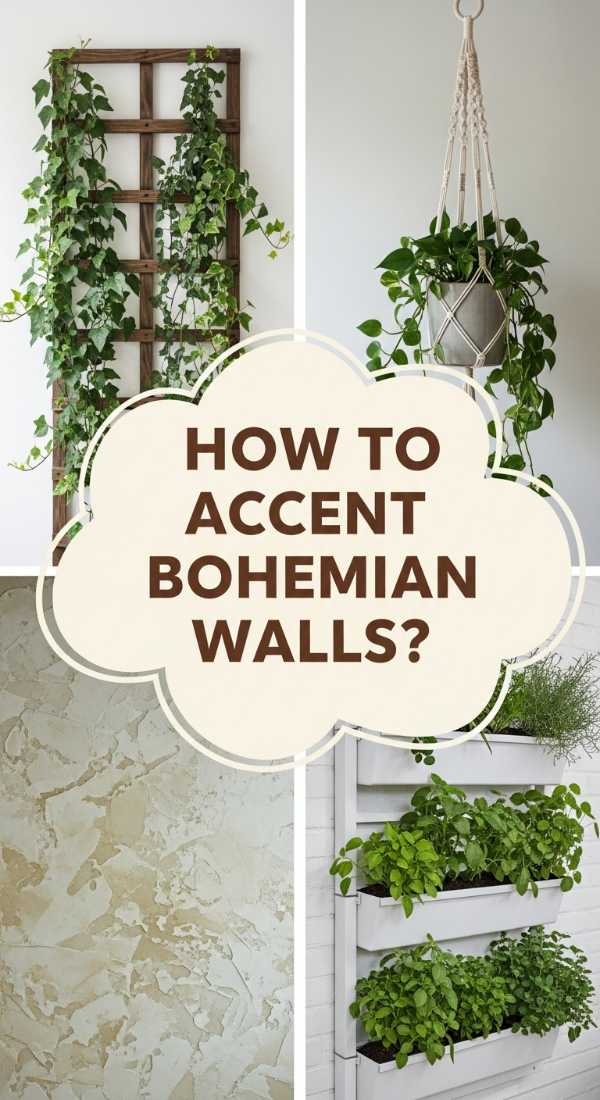
Bringing the outdoors in is a cornerstone of the bohemian lifestyle, and decorating your walls with natural elements creates a living, breathing art piece. We love the organic irregularity of a driftwood branch used as a curtain rod, or the way a ‘living wall’ of climbing ivy can soften the hard lines of a room. It creates a seamless transition between your home and the wild world outside, filling your space with the vibrant energy of growth and the soothing textures of the earth.
Essential Elements:
- A large piece of cleaned driftwood or a sturdy fallen branch.
- Wall-mounted planters or ‘living wall’ pockets.
- Pressed flower frames or botanical sketches.
- Dried flower bouquets (Eucalyptus, Lavender, Protea).
- Natural twine or hemp rope for hanging.
How to make it
- Select a statement natural piece, like a long, bleached driftwood branch. Clean it with a soft brush and secure it to the wall using hidden heavy-duty brackets to give it a ‘floating’ appearance.
- Hang bundles of dried flowers from the branch using different lengths of twine. This adds a vertical element and fills the room with a subtle, natural fragrance as they sway in the breeze.
- Install wall pockets for vining plants like Heartleaf Philodendron. As the plant grows, use small clear ‘command hooks’ to direct the vines across the wall, creating a natural ‘wallpaper’ effect.
- Group framed botanical prints around the living plants. Use frames made of natural light wood or bamboo to keep the ‘earthy’ theme consistent.
- Incorporate a ‘sensory’ element by hanging a set of small bamboo wind chimes near an open window. The gentle sound will complement the natural visual vibe, making the room feel like a tranquil forest glade.
Embracing the Bohemian Spirit
Creating a bohemian home is a journey, not a destination. It’s about the slow accumulation of things you love and the brave expression of your own inner wildness. As you implement these styling tips, remember that the most important element of any ‘boho’ space is *you*. Let your home be a reflection of your travels, your dreams, and your peaceful spirit. Happy styling!