
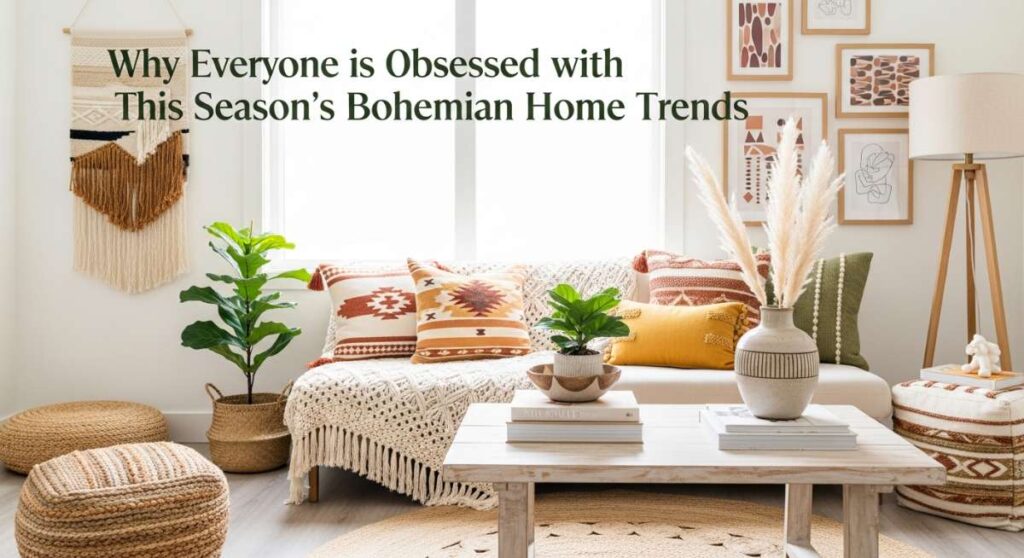
There is a specific kind of magic that happens when you walk into a room that feels truly lived-in, where the sunlight catches a hanging crystal and the air smells faintly of dried lavender and old books. We’ve all spent the last few years looking for a sanctuary, a place that doesn’t just house our bodies but nourishes our souls, and that is exactly why the bohemian trend has captured our hearts once again. It’s a rebellion against the cold, sterile minimalism of the past decade, trading sharp edges for soft curves and mass-produced plastic for the soul-stirring grit of natural materials.
I remember the first time I ditched my matching furniture set for a collection of mismatched rattan chairs and vintage textiles; suddenly, my home felt like a hug. This season’s obsession with boho-chic isn’t just about aesthetics; it’s about a lifestyle that prioritizes comfort, creativity, and a deep connection to the earth. Whether you’re a maximalist at heart or just looking to add a touch of warmth to your space, these trends are designed to turn your home into a radiant reflection of your own unique journey.
How to Style a Cozy Bed for Ultimate Relaxation
Why we love this
There is nothing quite like the sensory experience of sinking into a bed that feels like a warm, tactile cloud after a long, draining day. This look celebrates the beautiful imperfection of natural fibers, from the slightly crinkled texture of stone-washed linen to the heavy, comforting weight of a chunky knit throw. It creates a visual and physical sanctuary where the scent of clean cotton mingles with the softness of oversized pillows, inviting you to linger longer in the morning and drift off into a deep, restorative slumber surrounded by layers of love.
Essential Elements:
- Stone-washed linen duvet cover in an earthy terracotta or sage.
- Two oversized Euro shams for structural support.
- A variety of textured throw pillows (tassels, embroidery, or macramé).
- A chunky knit or faux-fur weighted throw blanket.
- Breathable bamboo or high-thread-count cotton sheets.
How to make it
- Begin by laying your base sheet perfectly flat, ensuring the corners are tucked tightly using the hospital corner technique for a crisp foundation that won’t bunch during the night.
- Drape the duvet cover over the bed, but instead of pulling it all the way to the headboard, fold the top third down to reveal the underside and the sheets, creating a multi-dimensional look.
- Place your sleeping pillows flat against the headboard, then lean your large Euro shams against them; this provides a sturdy backdrop for the rest of your decorative elements.
- Layer your accent pillows by size, starting with the largest in the back and finishing with a small lumbar pillow in the center to create a visual “triangle” of focus.
- Finish by artfully tossing your chunky throw across the bottom corner of the bed; don’t fold it perfectly—allow it to drape naturally to emphasize the relaxed, effortless bohemian vibe.
How to Design a Warm Kitchen for Heartfelt Cooking
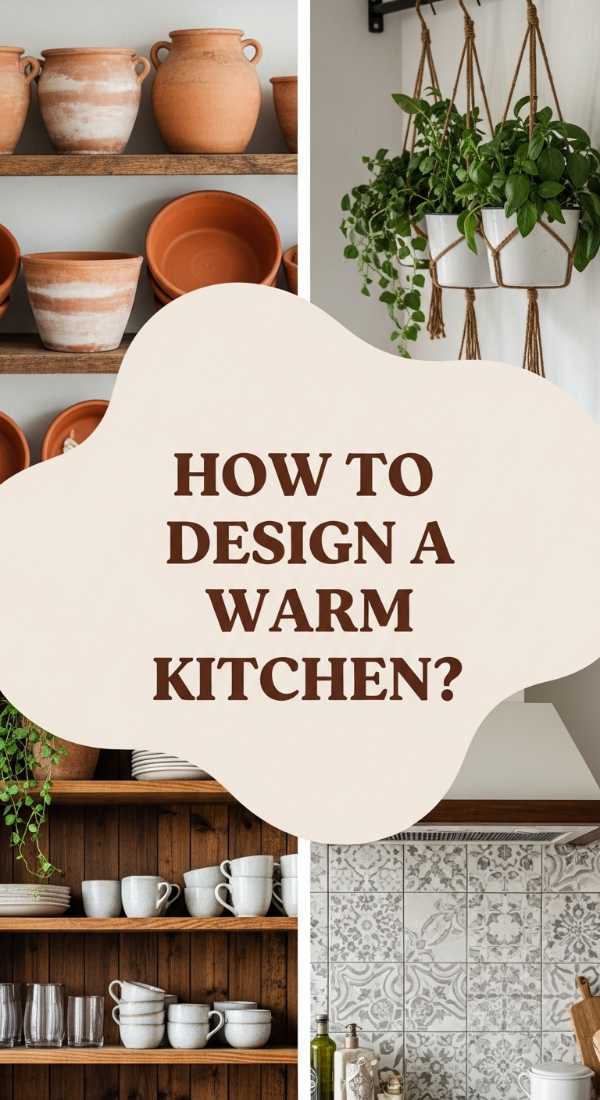
Why we love this
A bohemian kitchen is the true heartbeat of the home, a space where the aroma of simmering herbs and fresh espresso fills the air. It moves away from hidden storage and embraces the beauty of the everyday, turning functional items like copper pots and ceramic mugs into works of art. The warmth comes from the combination of raw wood, flickering candlelight on the counter, and the vibrant greenery of indoor herbs, making every meal preparation feel like a slow, intentional ritual rather than a rushed chore.
Essential Elements:
- Open shelving made from reclaimed or live-edge wood.
- A collection of mismatched ceramic mugs and hand-thrown bowls.
- Copper or brass hardware and hanging pot racks.
- Fresh herbs in terracotta pots (basil, rosemary, mint).
- A vintage Persian-style runner rug for the floor.
How to make it
- Remove the doors from a select few upper cabinets to create instant open shelving, then sand and stain the interior wood to match your home’s natural palette.
- Install a brass or matte black rail system along the backsplash to hang frequently used utensils and copper pans, ensuring they are within arm’s reach for efficient cooking.
- Group your ceramics by color family rather than size on your shelves to maintain a sense of curated chaos that feels intentional and artistic.
- Place a large wooden dough bowl in the center of the island or counter and fill it with seasonal organic produce like lemons or artichokes to add a pop of living color.
- Position a high-quality runner rug in front of the sink area, securing it with a non-slip pad to provide ergonomic support and a burst of warmth against cold tile floors.
- A low-profile velvet sofa in a jewel tone like mustard or emerald.
- Several large floor poufs or leather Moroccan ottomans.
- Ample indoor greenery, including a tall Fiddle Leaf Fig or Monstera.
- A large-scale macramé wall hanging or woven tapestry.
- Dimmable warm-toned lamps and plenty of pillar candles.
- Arrange your main seating pieces facing each other rather than the television to prioritize eye contact and social flow within the space.
- Incorporate “levels” of lighting by placing a tall floor lamp in one corner, a mid-height table lamp on a side table, and tea lights at coffee table level to eliminate harsh shadows.
- Group your indoor plants in clusters of three, varying the heights and leaf textures to mimic the natural growth patterns of a forest floor.
- Layer a smaller, patterned rug over a large neutral jute rug to define the seating area and add a sense of luxury and depth to the floor place.
- Add a “soul piece,” such as a vintage trunk or a hand-carved coffee table, as the center anchor to give the room a sense of history and character.
- An assortment of mirrors in various shapes (round, arched, rectangular).
- A mix of frame materials like rattan, weathered wood, and tarnished brass.
- Command strips or heavy-duty picture hooks for secure mounting.
- A spirit level to ensure balance within the arrangement.
- Small wall-mounted air plants or dried flower sprigs to tuck between frames.
- Trace the outline of each mirror onto brown craft paper and cut them out to create templates that you can tape to the wall without making permanent holes.
- Start by placing your largest “anchor” mirror slightly off-center at eye level to create a focal point that draws the eye into the room.
- Surround the anchor piece with smaller mirrors, maintaining a consistent gap of 2-3 inches between frames to keep the arrangement looking organized rather than cluttered.
- Incorporate different textures by placing a soft rattan-framed mirror next to a sharp, metallic-framed one to create visual tension and interest.
- Once the paper templates look balanced, replace them one by one with the actual mirrors, ensuring each is anchored properly to handle the weight of the glass.
- A comfortable armchair or a built-in window seat.
- A small side table for your tea, coffee, or incense burner.
- A soft, high-pile rug (faux sheepskin is a boho classic).
- A dedicated task light with a warm-toned Edison bulb.
- A small shelf or basket to hold your current “to-be-read” stack.
- Select a corner near a natural light source, such as a window or glass door, to maximize vitamin D and provide the best light for reading during the day.
- Position your chair at a 45-degree angle to the corner to create a sense of “enclosure” that feels private and cozy.
- Layer a thick rug underneath the chair that extends at least a foot outward, providing a soft landing for your feet and visually grounding the nook.
- Add a small table at arm height and style it with a ceramic coaster and a small candle to engage your sense of smell while you read.
- Finish the space with a “comfort kit” consisting of a draped linen throw and a firm lumbar pillow to ensure you can maintain a healthy posture for long reading sessions.
- A diverse color palette featuring warm earth tones and occasional vibrant accents.
- Natural materials like wicker, rattan, wood, and stone.
- Global textiles including kilims, suzanis, and mudcloth.
- A “jungle” of indoor plants of various species and sizes.
- Artistic clutter—curated collections of stones, books, and vintage finds.
- Identify a base color for your large furniture pieces—usually a warm neutral like oatmeal or camel—to provide a stable foundation for wilder accents.
- Introduce pattern through textiles; mix a large-scale geometric rug with small-scale floral or abstract pillows to create a balanced visual rhythm.
- Apply the “rule of thirds” when styling surfaces: use one tall item (a vase), one flat item (a book), and one organic item (a crystal) to create a pleasing vignette.
- Use wall space vertically by hanging plants from the ceiling and installing floating shelves to keep the floor area clear and the energy flowing.
- Regularly rotate your decorative objects to keep the energy of the home fresh; bohemian design is an evolving process, not a static destination.
- A large, oversized jute or sisal rug to serve as the base layer.
- A smaller, colorful vintage Persian or Moroccan rug for the top layer.
- Rug pads to prevent slipping and add extra cushioning.
- Furniture sliders to easily position heavy pieces over the layers.
- A vacuum with a brush-roll setting for maintaining different pile heights.
- Spread your large natural-fiber rug so that it covers the majority of the room’s floor space, ensuring all legs of your main furniture pieces sit comfortably on top of it.
- Place your second, more decorative rug on top at a slight angle or perfectly centered, depending on whether you want a playful or formal vibe.
- Check for “tripping hazards” by ensuring the edges of the top rug are flat; use double-sided rug tape if the corners tend to curl.
- Balance the colors of the top rug with the colors of your throw pillows to create a cohesive “color story” that moves from the floor up to the seating.
- Maintain the texture by occasionally shaking out the top rug outside to revive the pile and keep the fibers looking vibrant and fresh.
- A collection of flat-bottomed woven African baskets.
- Framed botanical prints or hand-drawn sketches.
- Macramé wall hangings with long, flowing fringe.
- Small wooden floating shelves for displaying trinkets.
- Warm white fairy lights or brass sconces for accentuation.
- Hanging dried eucalyptus or wildflower bundles.
- Start by hanging your largest item—usually a macramé piece or a large framed print—about two-thirds of the way up the wall to establish a vertical anchor.
- Arrange woven baskets around the anchor in a curved or “S” shape to create a sense of movement and flow that leads the eye across the wall.
- Integrate “living” elements by hanging small glass terrariums or dried flower bundles to add an organic, changing component to the display.
- Use a level and measuring tape to ensure your floating shelves are perfectly horizontal, then style them with objects of varying heights to avoid a flat look.
- Step back frequently to assess the balance of the wall; if one side feels “heavy,” add a small, light-colored object to the opposite side to restore equilibrium.
- One high-quality focal piece (e.g., a carved wood cabinet or a peacock chair).
- Natural upholstery fabrics like velvet, linen, or high-grade leather.
- Intricate details like bone inlay, hand-turned legs, or tufted backing.
- A neutral or deep jewel-toned color that complements your existing decor.
- Sturdy construction materials like solid mango wood or oak.
- Measure your space twice to ensure your statement piece is proportional; a piece that is too large will swallow the room, while one too small will lose its impact.
- Choose a piece that features at least one handcrafted element, such as hand-carved doors or hand-painted details, to ensure it has that authentic boho soul.
- Position the statement piece against a neutral wall or under a large piece of art to give it the “breathing room” it needs to be noticed.
- Style the top of the furniture with a mix of modern and vintage items—like a sleek lamp next to an antique clock—to bridge the gap between eras.
- Treat the wood or fabric with the appropriate oils or cleaners once a month to maintain the vibrancy of the material and ensure its longevity.
- A canopy or sheer curtains draped around the bed frame.
- A Himalayan salt lamp or amber-toned bedside lighting.
- An ultrasonic essential oil diffuser (lavender or cedarwood scents).
- A high-quality mattress topper for cloud-like comfort.
- Blackout curtains in a heavy, textured fabric like velvet.
- Install a simple curtain rod or ceiling hooks to drape sheer white fabric around the head of the bed, creating a “nest” that provides psychological comfort and privacy.
- Swap out bright white light bulbs for warm-toned ones (2700K or lower) to signal your brain that it is time to produce melatonin and prepare for sleep.
- Place a diffuser on your nightstand and begin running it 30 minutes before you plan to sleep to saturate the air with calming, sleep-inducing aromas.
- Clear all clutter from your bedside tables, leaving only the essentials: a book, a glass of water, and a small plant, to minimize visual stress before bed.
- Layer your bedding with a weighted blanket as the final touch; the gentle pressure mimics a hug and has been shown to reduce anxiety and improve sleep quality.
ol>
How to Curate a Radiant Living Room for Meaningful Connection
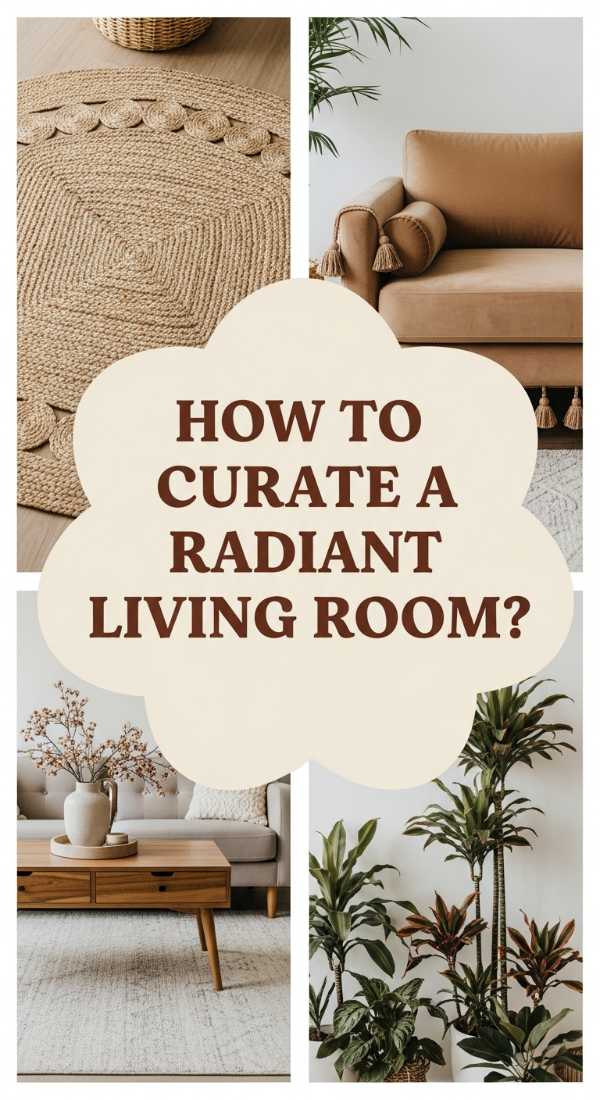
Why we love this
A radiant living room is all about creating a “conversation circle” that feels intimate and inclusive, bathed in the soft, golden glow of layered lighting. We love this look because it prioritizes the human experience, using low-profile furniture and plush floor cushions to encourage guests to sit closer and stay longer. The air feels lighter here, filled with the presence of oxygen-rich plants and the soft tactile feedback of woven wall hangings that dampen echoes and create a quiet, cocoon-like atmosphere for deep conversation.
Essential Elements:
How to make it
How to Arrange a Mirror Wall for Instant Brightness
Why we love this
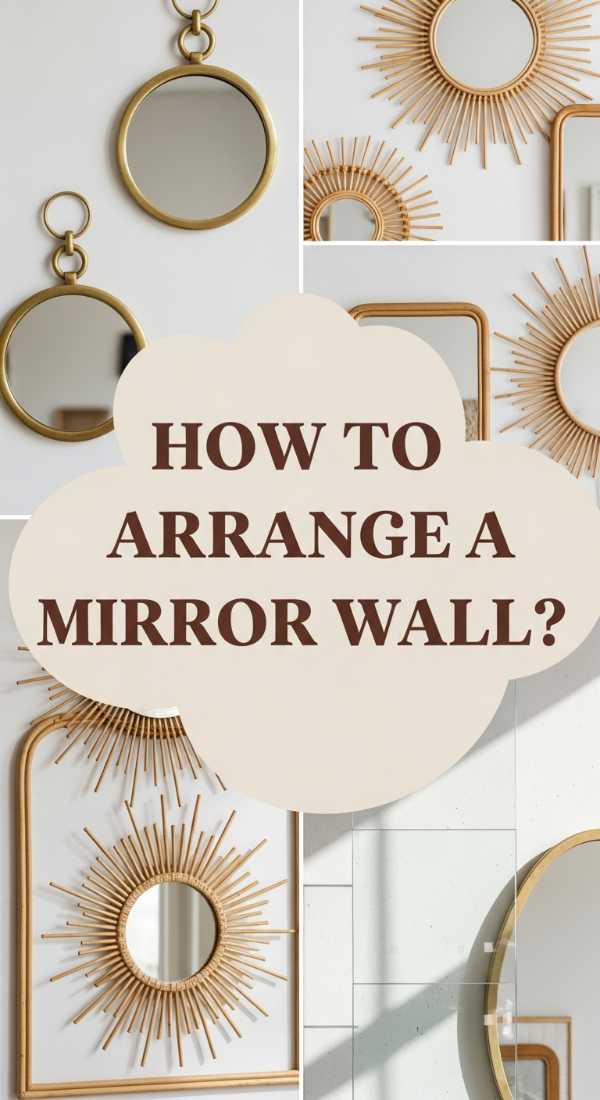
Mirror walls are a bohemian secret weapon for transforming a cramped or dim space into a sun-drenched sanctuary. There is something incredibly ethereal about the way vintage glass catches the morning light and bounces it into the dark corners of a room, creating an illusion of infinite space. The variety of frames—from ornate gold filigree to simple rattan weaves—adds a layer of sophisticated eclecticism that makes the wall feel like a curated gallery of light and reflection.
Essential Elements:
How to make it
ol>
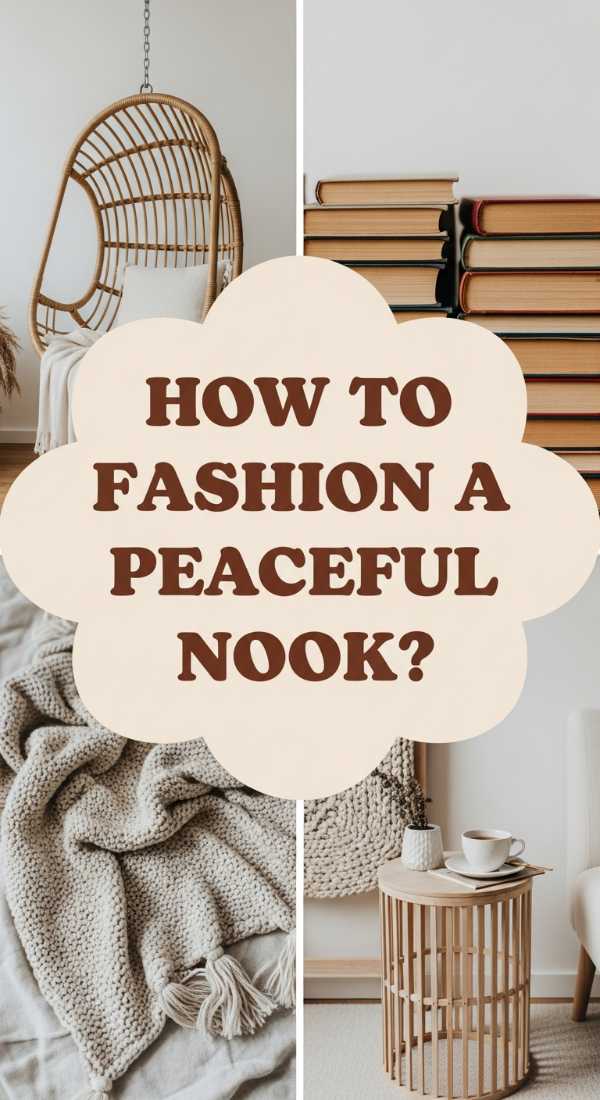
How to Fashion a Peaceful Reading Nook for Daily Mindfulness
Why we love this
In a world that is constantly demanding our attention, a reading nook is a sacred boundary between the chaos of life and the peace of the mind. We love this trend because it utilizes those forgotten corners of the home, turning them into a plush, tactile retreat filled with the scent of old paper and the warmth of a nearby window. It’s a sensory-driven space where the softness of a sheepskin rug underfoot and the support of a well-placed pillow allow you to fully disconnect and lose yourself in another world.
Essential Elements:
How to make it
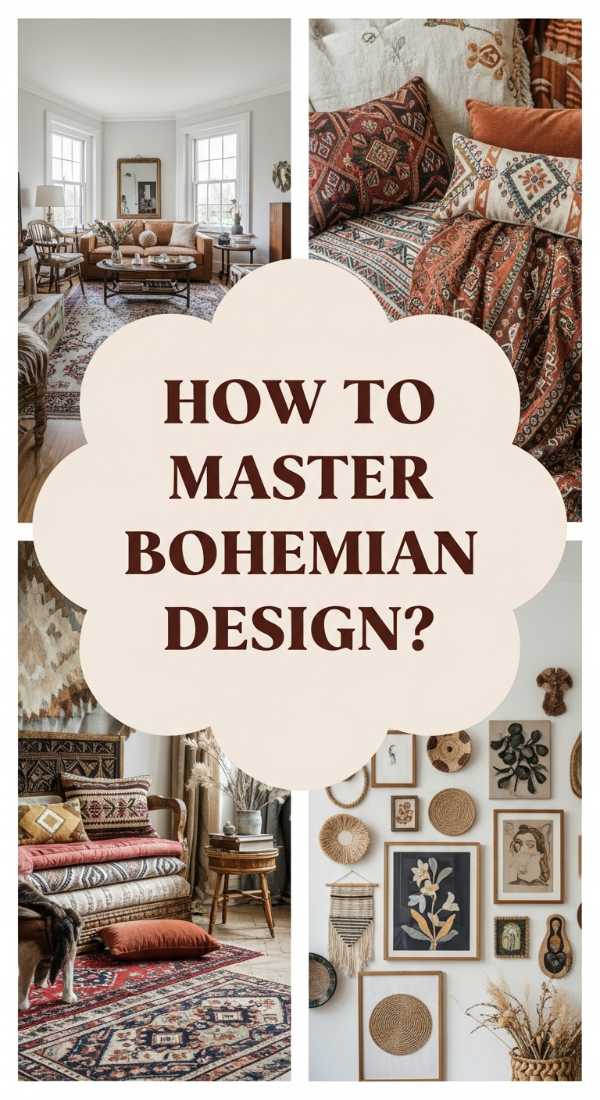
How to Master Bohemian Interior Design for a Unique Home
Why we love this
The mastery of bohemian design lies in its lack of rigid rules; it is the ultimate expression of personal freedom and global appreciation. This style allows you to blend your grandmother’s vintage trunk with a modern velvet sofa and a rug found at a Moroccan bazaar, creating a home that tells the story of your travels and your tastes. It’s a celebrate of the “more is more” philosophy where every object has a soul, every color has a meaning, and the overall vibe is one of effortless, artistic sophistication that never feels like a showroom.
Essential Elements:
How to make it
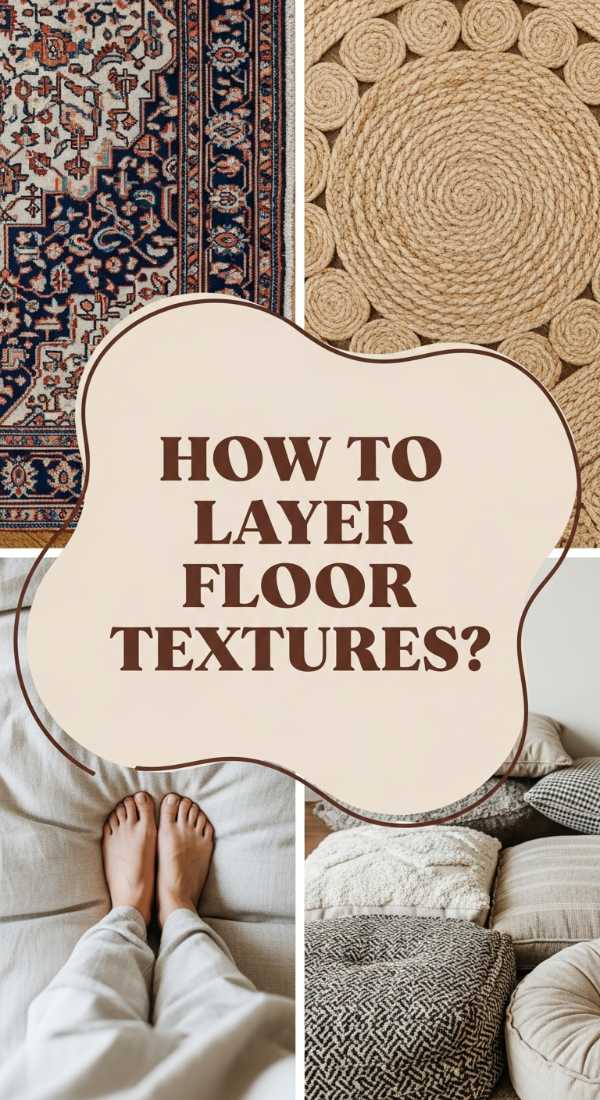
How to Layer Floor Textures for Maximum Comfort
Why we love this
There is a profound sense of luxury in a floor that feels soft, warm, and varied under your bare feet. Layering rugs is a hallmark of bohemian style that adds instant depth and sound insulation to a room, making even the largest spaces feel intimate and grounded. The contrast between the scratchy, organic feel of a jute base and the plush, velvety touch of a patterned wool overlay creates a sensory landscape that invites you to kick off your shoes and truly inhabit your space from the ground up.
Essential Elements:
How to make it
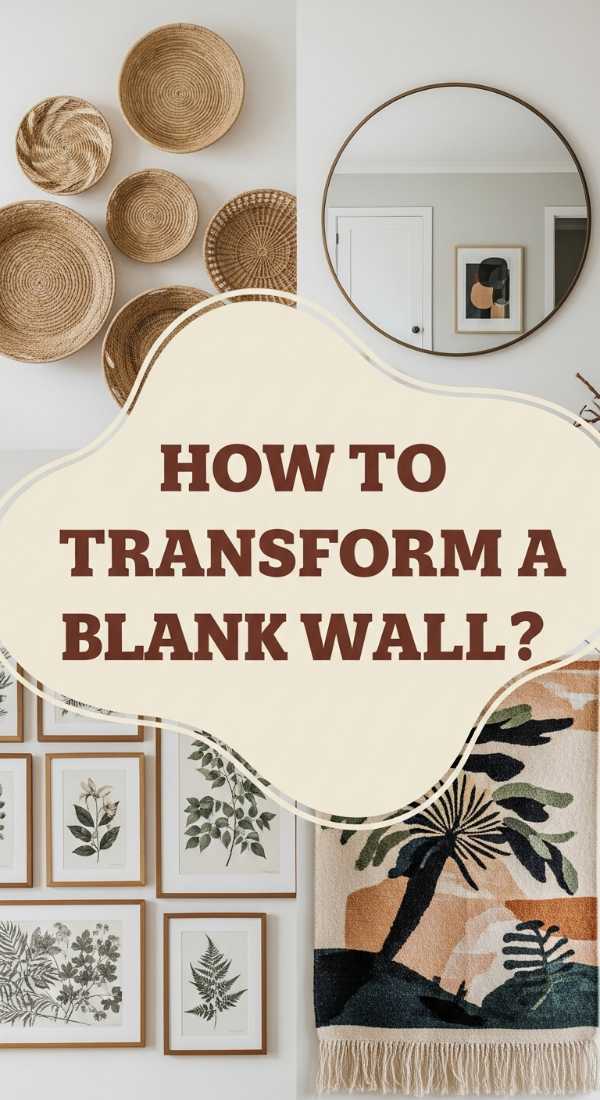
How to Transform a Blank Wall for Creative Inspiration
Why we love this
A blank wall is a missed opportunity for storytelling, and in the bohemian home, it becomes a canvas for creative expression. We love the way a simple white space can be transformed into a textured masterpiece using woven baskets, macramé, and personal art. This approach doesn’t just decorate; it inspires, providing a visual feast that sparks the imagination every time you walk by. The combination of 3D objects and 2D prints creates a dynamic energy that makes the room feel alive and deeply personal.
Essential Elements:
How to make it
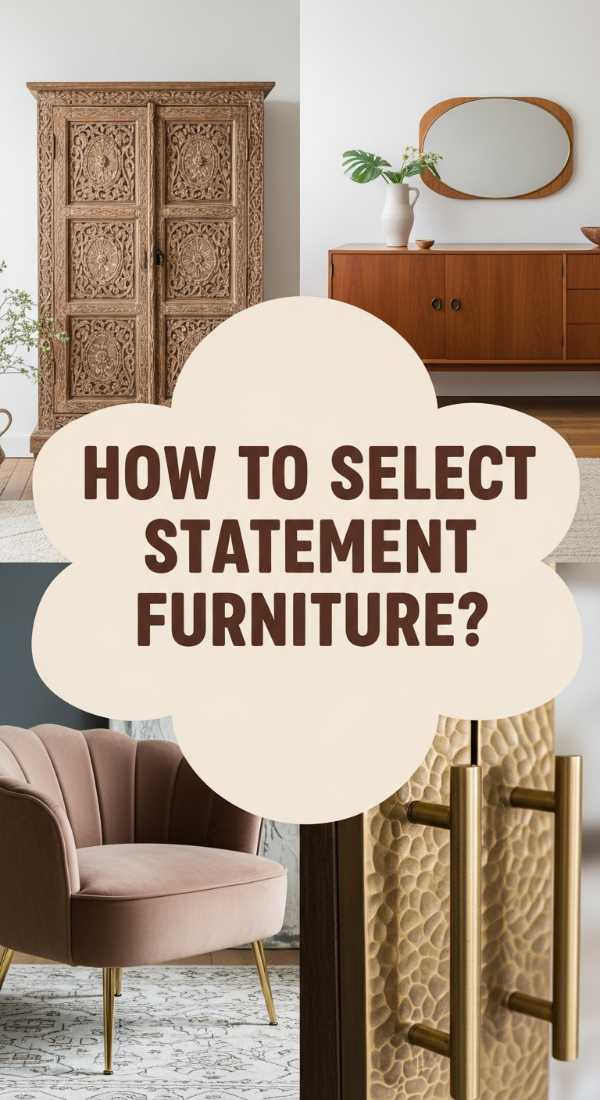
How to Select Statement Furniture for Lasting Style
Why we love this
In a world of fast furniture, a bohemian statement piece feels like a rebellion—a commitment to quality, craftsmanship, and soul. We love these pieces because they act as the “main character” of a room, whether it’s a hand-carved sideboard from India or a plush velvet sofa that begs you to take a nap. These items don’t just fill space; they command it, providing a sturdy, stylish foundation that only gets better with age and use, acquiring a beautiful patina that tells the story of your home’s history.
Essential Elements:
How to make it
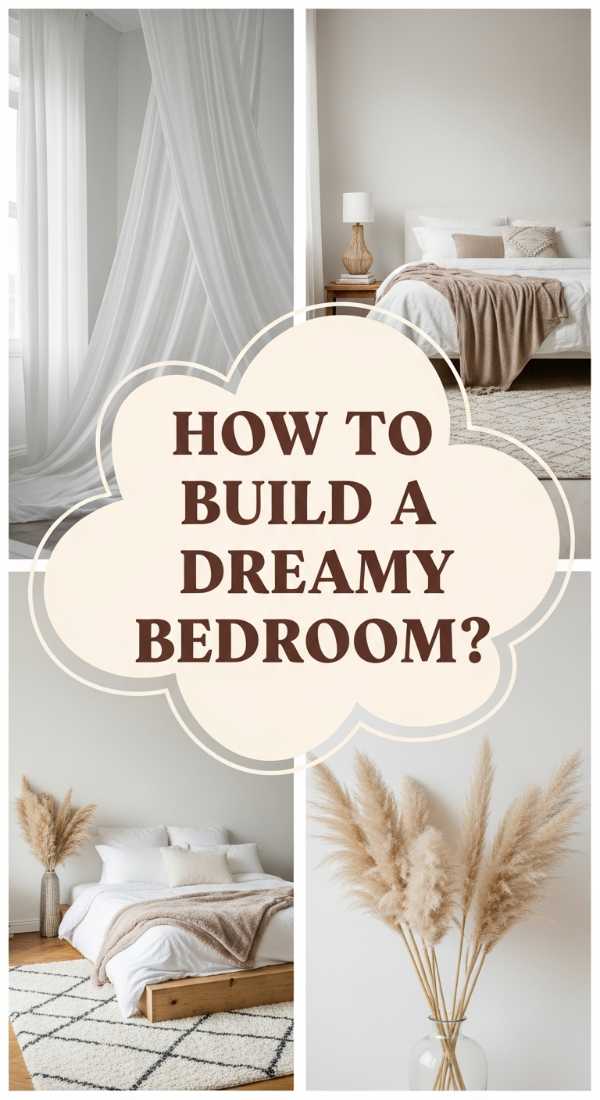
How to Build a Dreamy Bedroom for Restorative Sleep
[IMAGE_10]
Why we love this
The bohemian bedroom is the ultimate dreamscape, a place where the boundaries between the physical world and the world of sleep blur into a haze of soft light and heavy textures. We love this trend because it focuses on the “sensory wrap”—the idea that every sense should be soothed before bed. From the soft glow of salt lamps that mimic a sunset to the calming scent of essential oils diffused into the air, this space is engineered for the deep, restorative rest that our modern lives so desperately need.
Essential Elements:
How to make it
Conclusion
Embracing the bohemian lifestyle isn’t about following a set of strict design rules; it’s about listening to your intuition and surrounding yourself with things that bring you joy. By layering textures, inviting nature indoors, and prioritizing comfort over perfection, you create a home that is a true sanctuary for your spirit. Remember, the most beautiful bohemian homes are the ones that are constantly changing, reflecting the growth and the beautiful, messy reality of the people who live within them. So, light that candle, drape that throw, and let your home become the radiant haven you deserve.