
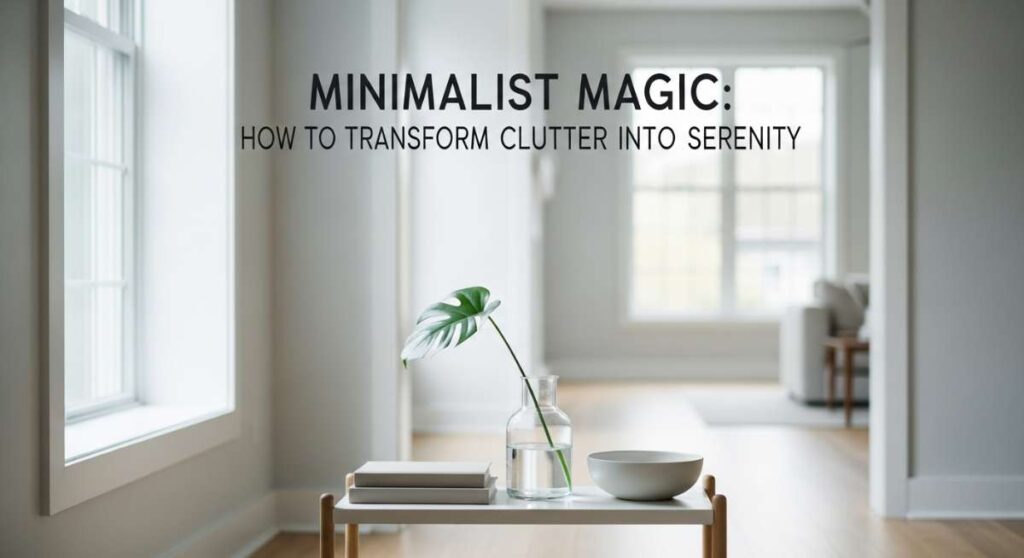
Minimalist Magic: How to Transform Clutter into Serenity
Have you ever walked into a room and felt an immediate weight lift off your shoulders? That sense of clarity isn’t just about clean floors; it’s about the soul of a space that has been intentionally curated. For years, I lived in a home filled with ‘stuff’—souvenirs I didn’t like, furniture that didn’t fit, and piles of papers that seemed to multiply overnight. I realized that my cluttered home was reflecting a cluttered mind, and that’s when I decided to embrace the magic of minimalism.
Minimalism isn’t about living in a cold, empty box. It’s about making room for what truly matters: connection, rest, and peace. In this guide, we are going to explore how to infuse warmth and luxury into your home while stripping away the noise. We are transforming your living space into a sanctuary where every object has a purpose and every corner invites you to breathe deeper.
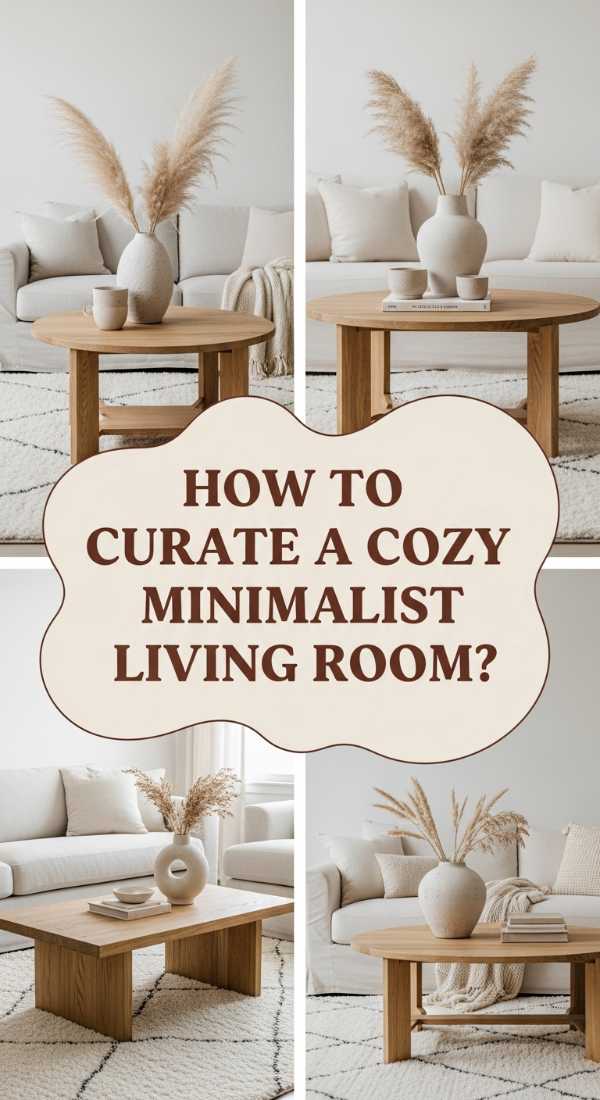
How to Curate a Cozy Minimalist Living Room for Total Serenity
Why we love this
There is something deeply grounding about a room that balances the ‘less is more’ philosophy with the tactile warmth of a high-end spa. Imagine sinking into a cloud-like linen sofa while the scent of sandalwood wafts through the air, your feet resting on a thick, cream-colored wool rug. We love this approach because it replaces visual chaos with a palette of soft oatmeal, crisp whites, and natural wood grain, creating an environment that feels both expansive and protective at the same time.
Essential Elements:
- Low-profile modular sofa in neutral linen
- Natural wood coffee table with organic edges
- Large-scale textured wool rug
- Sheer floor-to-ceiling linen curtains
- A single, oversized ceramic vase with dried branches
How to make it
- Begin by clearing the room entirely of small decor items to assess the ‘bones’ of the space. This is your blank canvas.
- Position your largest piece—the sofa—facing the main focal point, ensuring there is at least 30 inches of walking space around it to maintain a sense of airiness.
- Layer the lighting by avoiding harsh overhead fixtures. Place a dimmable floor lamp with a warm-toned bulb (2700K) in a corner to create soft shadows that define the room’s depth.
- Incorporate texture rather than color. Mix a chunky knit throw with smooth silk pillows in the same monochromatic shade to create visual interest without the clutter.
- Finalize the look by choosing one ‘hero’ object, like a piece of abstract art, and giving it plenty of negative space on the wall to allow the eye to rest.
How to Style Small Living Room Ideas Apartment Cozy Aesthetic for Luxury Vibes

Why we love this
Small apartments often feel like they are closing in on us, but with the right minimalist touch, they can feel like an intimate boutique hotel suite. The luxury vibes come from the intentional use of reflective surfaces and high-quality textiles that catch the morning light. We love how this style proves that you don’t need a mansion to experience grandeur; you just need a curated selection of pieces that speak to elegance and comfort, turning a tiny footprint into a powerful statement of style.
Essential Elements:
- Mirrored or glass-topped nesting tables
- Velvet accent chair in a soft champagne hue
- Polished brass floor lamp
- Integrated floating shelving
- Plush faux-fur throw blanket
How to make it
- Select furniture with exposed legs. Seeing the floor continue under your sofa and chairs tricks the eye into thinking the room is much larger than it is.
- Install floating shelves at eye level to keep the floor clear. Arrange only 3-5 high-quality items on the shelves, using the ‘rule of thirds’ to create a balanced, professional look.
- Hang a large, thin-framed mirror opposite your primary window. This doubles the natural light and creates a ‘window to nowhere’ that adds immediate luxury and depth.
- Use vertical space by hanging curtains several inches above the actual window frame. This draws the eye upward, giving the illusion of soaring ceilings.
- Limit your color palette to three tones: one base (like white), one secondary (like soft grey), and one metallic accent to keep the aesthetic cohesive and expensive-looking.
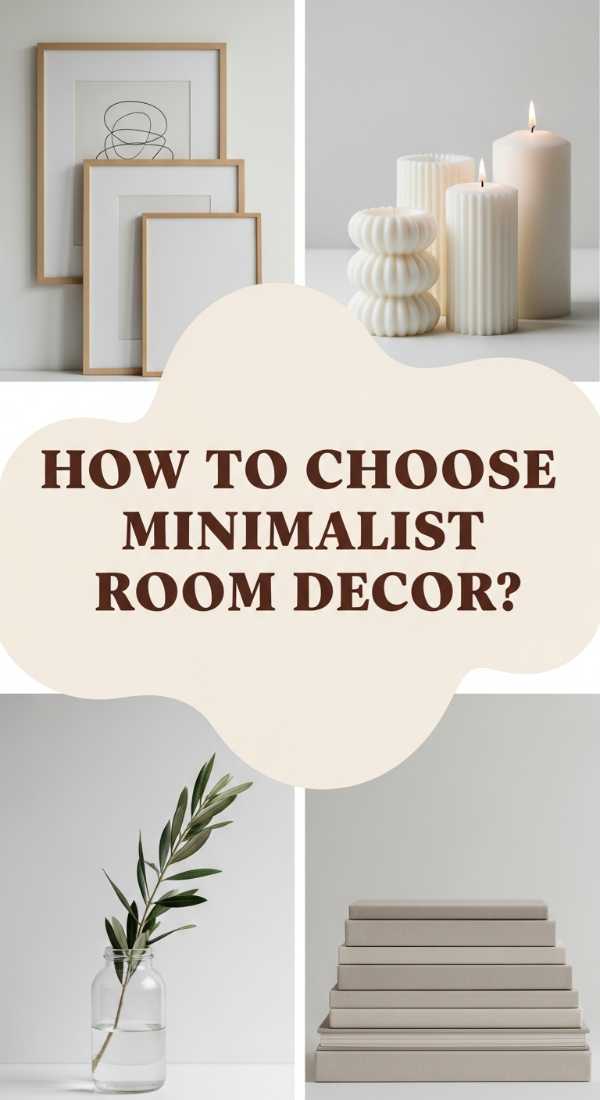
How to Choose Minimalist Room Decor for a Refined Look
Why we love this
A refined minimalist look is all about the ‘quiet luxury’ of home decor. It’s the satisfying weight of a stone tray, the smooth finish of a matte ceramic bowl, and the way a single stem of eucalyptus looks against a white wall. We love this because it removes the pressure to follow every fleeting trend. Instead, you are surrounding yourself with timeless objects that feel like art pieces, turning daily life into a gallery-like experience that feels curated rather than cluttered.
Essential Elements:
- Matte ceramic vases in various heights
- Trays made of marble or travertine
- Black and white photography with wide matting
- Hand-dipped taper candles
- Books with neutral-colored spines or linen covers
How to make it
- Audit your current decor and remove anything that is plastic, brightly colored, or lacks a specific memory or function.
- Group items in odd numbers (3 or 5). For example, place a marble tray on a table, then add one tall vase and one small candle to create a sophisticated vignette.
- Choose decor with varying textures. Pair a rough, unglazed ceramic pot with a smooth, polished stone tray to provide a tactile experience that replaces the need for bright colors.
- Ensure each piece has ‘room to breathe.’ Leave at least 4-6 inches of empty space between different decor groupings to prevent the eye from feeling overwhelmed.
- Stick to a ‘natural’ material rule. If it’s made of stone, wood, glass, or clay, it will likely fit the refined minimalist aesthetic perfectly.
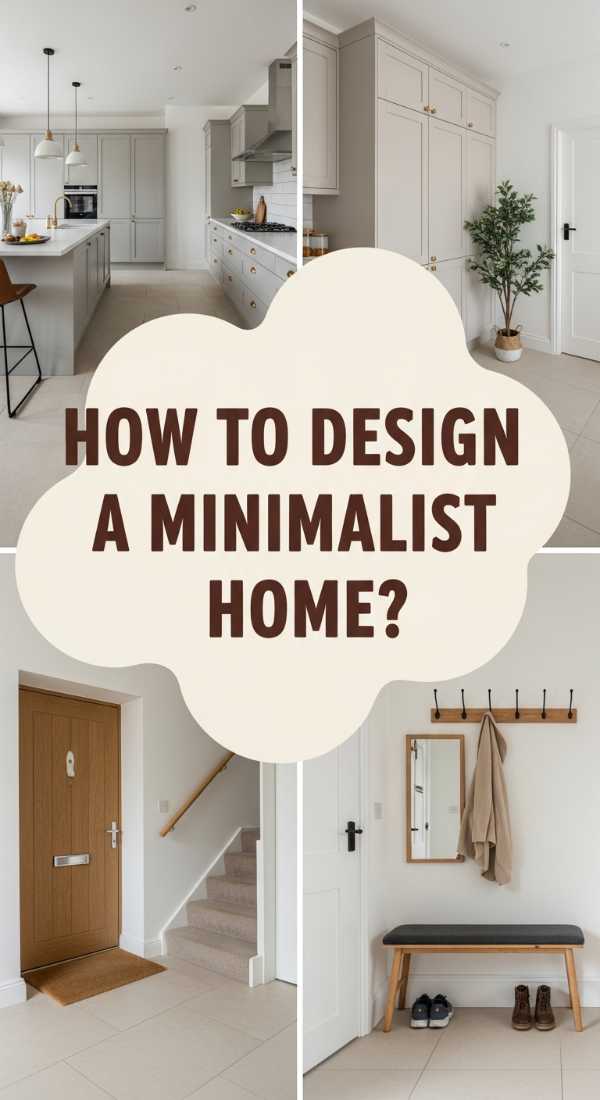
How to Design a Minimalist Home for Effortless Flow
Why we love this
Designing for flow is about more than just furniture; it’s about the energetic ‘vibe’ of your home. It’s the feeling of gliding from the kitchen to the living area without bumping into a stray ottoman or feeling blocked by a heavy cabinet. We love this because it creates a seamless transition between the different phases of your day, allowing your home to support your movement rather than hindering it. It feels like a deep breath for your entire lifestyle.
Essential Elements:
- Open-concept floor plan (or the illusion of one)
- Consistent flooring throughout all rooms
- Minimalist room dividers like slat wood or glass
- Concealed storage solutions
- Unobstructed pathways to windows and doors
How to make it
- Map out your primary walking paths. Ensure there is a clear, straight-ish line from one room to the next without furniture corners protruding into the path.
- Use consistent color stories across rooms. If your living room is beige and oak, carry those tones into the hallway and kitchen to create a unified visual ‘flow.’
- Invest in ‘hidden’ furniture, such as benches with storage or beds with drawers. If items aren’t visible, the energy of the room stays light and unobstructed.
- Check your sightlines. Sit in your favorite chair and look across the house; remove any tall furniture that blocks the view of a window or a beautiful piece of art in the next room.
- Apply the ‘one in, one out’ rule strictly for three months to ensure that the flow you’ve created isn’t slowly compromised by new acquisitions.
How to Master a Cozy Minimalist Style for Warm Winter Nights

Why we love this
Winter minimalism is the ultimate ‘hygge’ experience. It’s about stripping away the summer brightness and leaning into shadows, flickering firelight, and the heaviest, softest fabrics you can find. We love this because it transforms a minimalist space from ‘cool and airy’ to ‘warm and nesting.’ It’s the sensory delight of a warm mug between your hands and the crackle of a wood-wick candle against a backdrop of clean, simple lines.
Essential Elements:
- Faux-mohair or chunky wool throws
- Amber-tinted glass candle holders
- Soft, dimmable LED ‘fairy’ lights in jars
- A pile of floor cushions in earthy tones
- Cedar or pine-scented essential oils
How to make it
- Swap out thin summer linens for heavier weights like velvet or wool. Keep the colors neutral but deepen the shades slightly—think charcoal instead of light grey.
- Introduce ‘warmth’ through light temperature. Switch your bulbs to a 2200K ‘extra warm’ setting to mimic the glow of a sunset inside your living room.
- Create a ‘texture station’ by artfully draping blankets over the arm of your sofa. Use a ‘pinch and drop’ technique so they look effortless rather than staged.
- Add organic warmth with wood accents. A simple wooden tray for your tea or a stack of firewood (even if you don’t have a fireplace) adds an earthy, winter soul to the room.
- Incorporate scent as a design element. Use a minimalist stone diffuser to fill the room with warm scents like cinnamon or sandalwood to complete the sensory ‘hug.’
How to Arrange Room Decor Minimalist Style for Clutter-Free Living
Why we love this
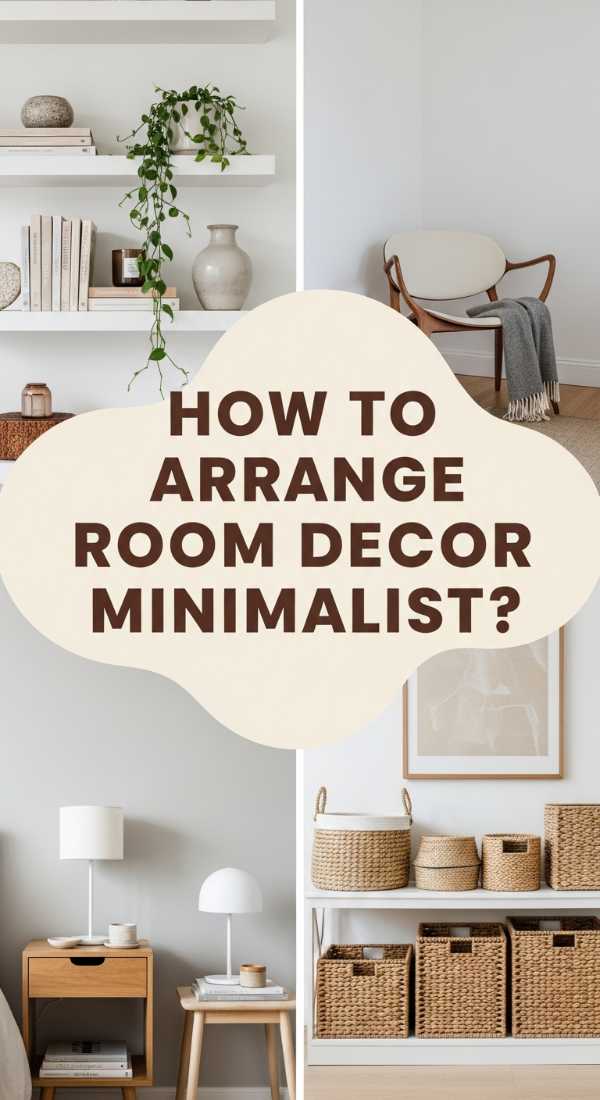
This is the ‘secret sauce’ of professional stylists. It’s the art of arranging things so they look intentional rather than just ‘placed.’ We love this because it gives you permission to keep your favorite items while teaching you how to display them in a way that feels organized and serene. It’s about the geometry of the home—finding the perfect balance between height, width, and depth to create a visual harmony that calms the nervous system.
Essential Elements:
- A collection of trays (wood, metal, stone)
- Books of varying sizes but similar colors
- Vases with distinct geometric silhouettes
- Small bowls for ‘corralling’ loose items
- Grid-style wall frames
How to make it
- Use the ‘Triangle Method’ for shelving. Place a tall item on the left, a medium item in the center, and a short item on the right to create a pleasing visual slope.
- Corral small items on trays. A remote, a candle, and a coaster look like ‘clutter’ when scattered, but like a ‘collection’ when placed on a single marble tray.
- Maintain the 60-30-10 rule for textures: 60% smooth surfaces (walls, tables), 30% soft textures (rugs, pillows), and 10% hard accents (metal, glass).
- Leave ‘negative space’ on every surface. Aim for at least 40% of any tabletop or shelf to be completely empty to let the remaining decor shine.
- Level your artwork. Ensure the center of your frames is exactly 57-60 inches from the floor, which is the standard gallery height, creating an immediate sense of professional order.
How to Optimize a Minimalist Living Room Small Spaces for Maximum Comfort
Why we love this
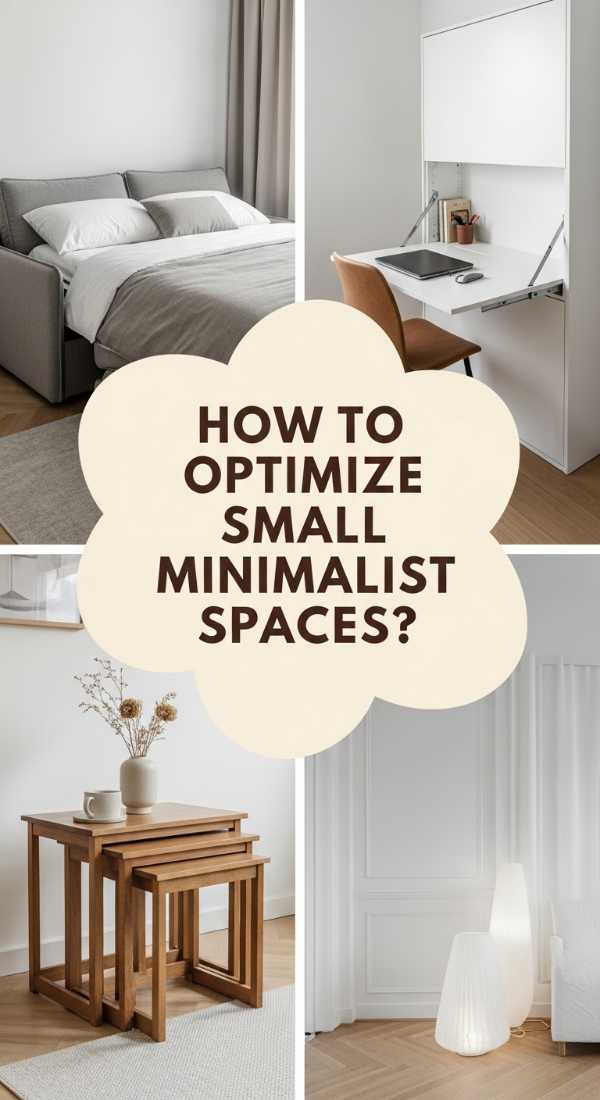
Maximizing comfort in a small space is like solving a beautiful puzzle. We love this approach because it forces us to choose the most comfortable, high-quality pieces possible. There’s no room for a ‘just okay’ chair. Every square inch is dedicated to your well-being, resulting in a room that feels like a custom-tailored suit—perfectly fitted to your needs and incredibly cozy to live in.
Essential Elements:
- Wall-mounted lamps to save floor space
- An oversized rug that tucks under all furniture
- Light-colored walls (warm white or soft greige)
- Multi-purpose ottoman with a hidden tray
- Sheer window treatments
How to make it
- Go big on the rug. A common mistake is buying a small rug for a small room, which makes it feel choppy. A large rug that reaches near the walls unifies the space and makes it feel expansive.
- Choose ‘leggy’ furniture. Sofas and chairs that sit high on thin legs allow light to pass underneath, making the room feel less crowded.
- Use ‘tonal’ decorating. Choose furniture in colors very close to your wall color. This ‘blurs’ the edges of the room, creating a seamless, cozy cocoon effect.
- Install wall-mounted sconces on either side of the sofa. This removes the need for bulky side tables and creates a high-end, architectural feel.
- Keep the floor as clear as possible. The more floor you can see, the more comfortable and spacious the room will feel.
How to Select Living Room Decor Minimalist Accents for Timeless Elegance
Why we love this
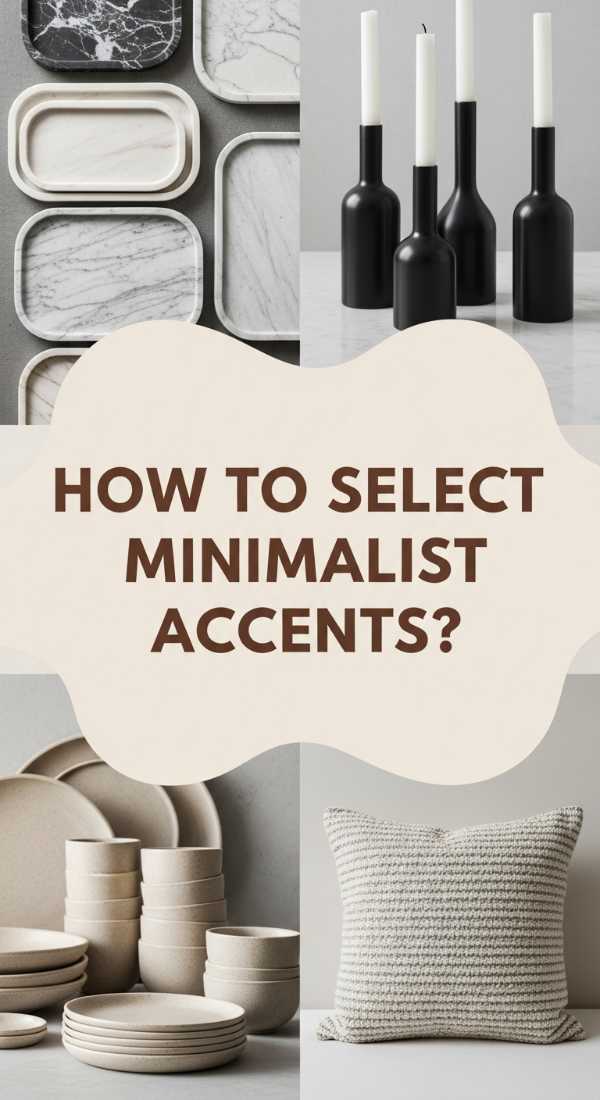
Timeless elegance is the antidote to the ‘fast furniture’ culture. It’s about investing in one incredible brass bowl or a hand-turned wooden sculpture that you will still love in twenty years. We love this because it builds a home with a history. These accents don’t scream for attention; they whisper quality and sophistication, creating a living room that feels established, calm, and effortlessly chic regardless of the decade.
Essential Elements:
- Solid brass or copper bowls
- Hand-carved wooden objects
- Linen-bound coffee table books
- Architectural plants like a Fiddle Leaf Fig or Olive Tree
- Hand-thrown stoneware
How to make it
- Focus on ‘honest materials.’ Avoid anything that is ‘faux’ (like plastic wood grain). Choose real stone, real metal, and real wood.
- Look for ‘sculptural’ shapes. A lamp shouldn’t just provide light; its base should look like a piece of sculpture even when the light is off.
- Incorporate one ‘living’ accent. A large, well-placed plant adds movement and a pop of natural color that keeps a minimalist room from feeling ‘dead.’
- Prioritize craftsmanship. One handmade ceramic plate displayed on a stand is more powerful than a dozen mass-produced knick-knacks.
- Contrast your finishes. If you have a lot of soft wood, add a sharp, polished metal accent to provide the ‘edge’ needed for a timeless, elegant look.
How to Create a Minimalist Cozy Sanctuary for Mental Clarity
Why we love this
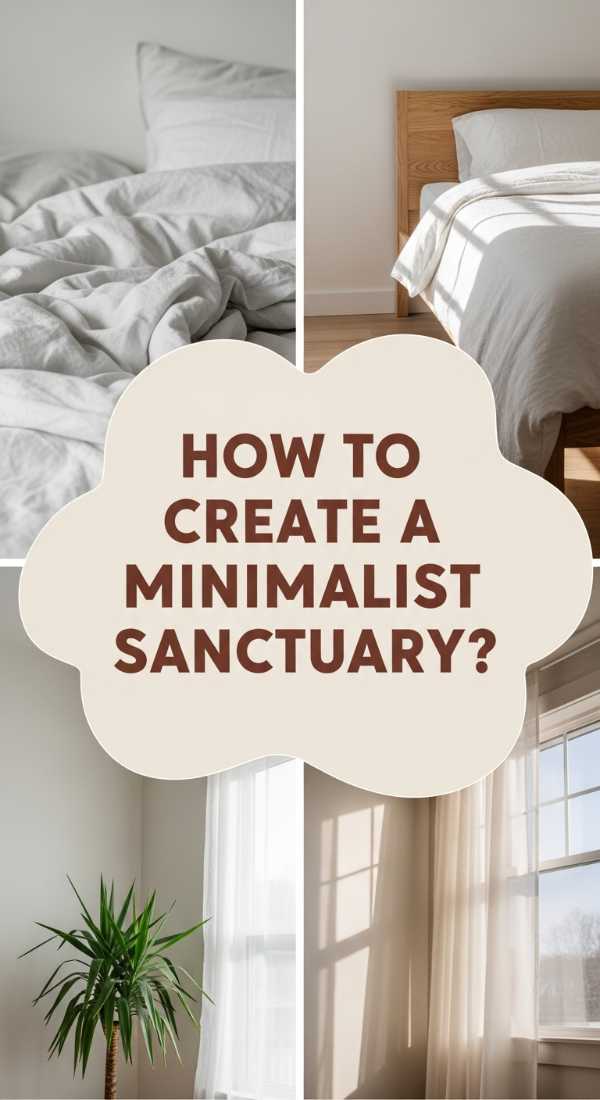
In our hyper-connected world, a sanctuary for mental clarity is a necessity, not a luxury. This design style is about removing every possible ‘to-do’ list from your sight. No charging cables, no mail, no bright plastic toys. We love this because it treats your home as a temple for your mind, using soft textures and empty spaces to encourage meditation, deep thought, and the kind of rest that actually recharges your soul.
Essential Elements:
- Closed cabinetry to hide technology
- Neutral, calming color palette (sage, sand, stone)
- A dedicated ‘no-phone’ zone with a comfortable chair
- Natural light-filtering shades
- Sound-dampening textiles
How to make it
- Designate a ‘clutter-drop’ zone near the entrance (like a basket) so that the main sanctuary stays pristine.
- Choose a ‘calm color’ as your primary accent. Soft sage green or a dusty blue have been shown to lower heart rates and promote mental stillness.
- Incorporate ‘soft acoustics.’ Use thick curtains and rugs to dampen the echoes of the house, creating a ‘hushed’ atmosphere that mimics a library or a spa.
- Hide all wires. Use cord organizers or furniture with built-in cable management to remove the visual ‘noise’ of electronics.
- Arrange furniture to face away from the television or workspace, focusing the seating toward a window, a fireplace, or a piece of art instead.
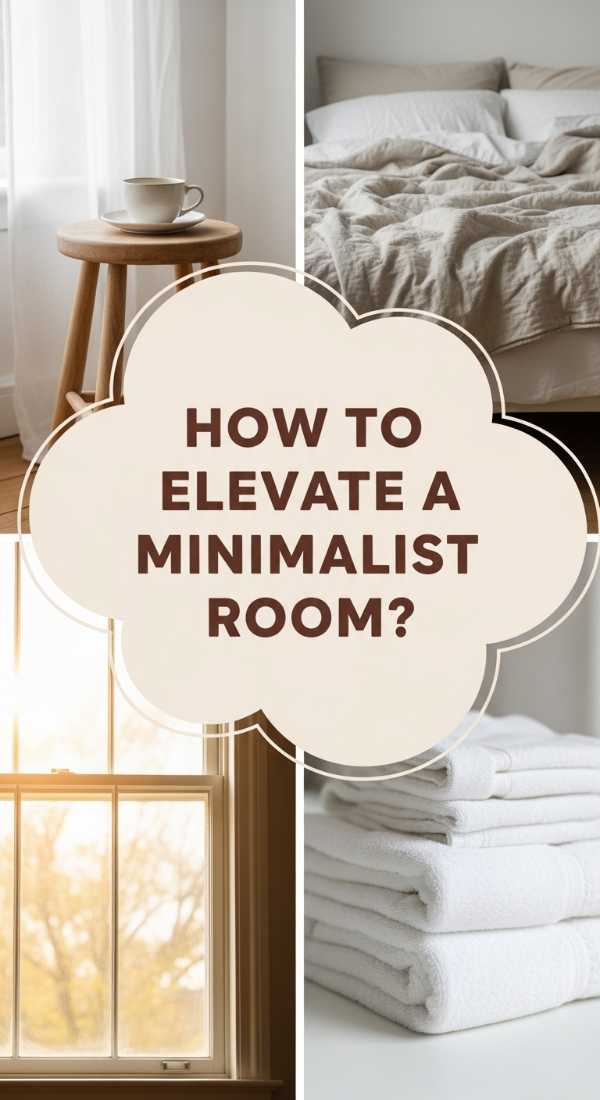
How to Elevate a Minimalist Room for Peaceful Mornings
Why we love this
The way you wake up sets the tone for your entire day. A minimalist room designed for mornings is a love letter to your future self. We love this because it celebrates the ritual of the start—the way the light hits a white linen sheet, the steam rising from a ceramic mug, and the absence of morning chaos. It’s about creating a space that feels fresh, hopeful, and entirely serene as you prepare to face the world.
Essential Elements:
- Light-filtering linen window treatments
- A dedicated coffee or tea nook with minimal accessories
- High-quality white cotton bedding
- A single, fresh flower in a bud vase
- Soft, indirect morning sunlight
How to make it
- Position your bed or favorite chair to maximize the view of the morning sun. Use sheer curtains that allow a soft, ethereal glow to fill the room.
- Set up a ‘morning station’ the night before. A clean tray with a single mug and your favorite tea ensures that your first movements are graceful and simple.
- Keep bedside tables nearly empty. One book, one lamp, and one glass of water are all you need for a peaceful start; move the phone and alarm clock away from the bed.
- Use ‘scent layering.’ A light, citrus-based room spray or a eucalyptus candle can help gently wake up your senses in a minimalist, refreshing way.
- Incorporate a ‘soft landing’ for your feet. Place a small, plush sheepskin or faux-fur rug right where you step out of bed to provide an immediate sensory comfort.
The Path to a Serene Home
Transforming your home into a minimalist sanctuary is not a weekend project; it is a journey of deciding what you value most. By focusing on quality over quantity, texture over color, and space over stuff, you create a home that doesn’t just look beautiful on Instagram, but feels beautiful to live in. Remember, every item you remove is a step toward a more peaceful mind. Your home should be the place where the world stops spinning, and with these minimalist techniques, you can finally make that a reality.