
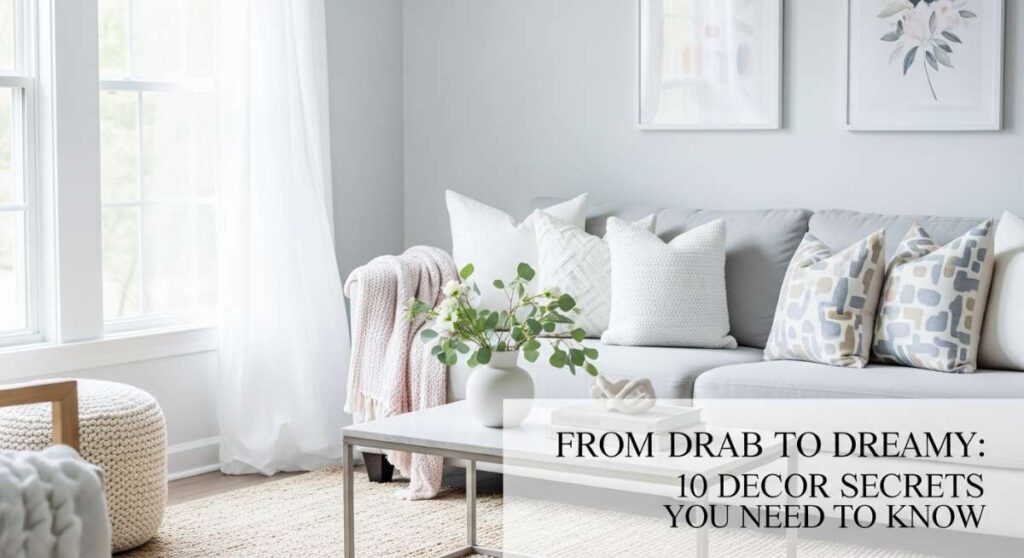
From Drab to Dreamy: 10 Decor Secrets You Need to Know
Have you ever walked through your front door after a long day and felt… absolutely nothing? Not a spark of joy, not a sigh of relief, just a neutral, beige ‘I’m here.’ We’ve all been there, staring at four walls that feel more like a waiting room than a sanctuary. But I truly believe that our homes should be a love letter to our souls, a place where the air feels lighter and the corners hum with our unique stories.
Today, we are diving deep into the art of transformation. We aren’t just talking about buying a new throw pillow; we are talking about curating an atmosphere that feels like a warm hug or a nostalgic summer dream. Whether you crave the sun-drenched stone of a Mexican hacienda or the playful magic of a whimsy-filled nursery, these secrets will help you transition your space from drab to dreamy. Let’s unlock the magic of intentional living together.
How to Style a Rustic Mexican Living Room for Coziest Gatherings
Why we love this
There is an undeniable soulfulness in the rustic Mexican aesthetic that turns a simple living room into a communal heart. Imagine the tactile warmth of sun-baked terracotta underfoot, paired with the smoky, sweet aroma of copal incense drifting through the air. The space feels alive with the history of hand-carved wood and the vibrant, thick weave of Oaxacan textiles that invite you to sink in and stay for hours. It is a sensory celebration where the ‘imperfections’ of natural materials create a grounded, effortless elegance that makes every guest feel instantly at home.
Essential Elements:
- Hand-painted Talavera tiles for accent surfaces
- Heavy, dark-stained reclaimed wood coffee tables
- Woven wool saltillo rugs in earth tones
- Equipal leather chairs for authentic texture
- Wrought iron light fixtures with amber bulbs
- Potted terracotta planters with oversized cacti
How to make it
- Grounding the Foundation: Begin by selecting a large-scale wool rug with geometric patterns. Lay it centrally to anchor the seating area, ensuring at least the front legs of all sofas are resting on the fabric to create a cohesive ‘conversation island.’
- The Furniture ‘Simmer’: Introduce heavy wood elements. Position a chunky, rustic wooden chest or table as the focal point. Look for pieces with visible grain and ‘distress’ marks; these are visual cues that the room has ‘matured’ and is ready for use.
- Layering the Heat: Add warmth through leather. Place two Equipal chairs opposite the sofa. The visual cue here is the contrast between the matte leather and the soft wool rug. If the room feels too ‘cool’ or modern, add more leather to increase the visual temperature.
- The Finishing Garnish: Scatter handmade Talavera vases or bowls across shelves. Ensure you have ‘balanced’ the colors by repeating the indigo or ochre found in the tiles across at least three points in the room to keep the eye moving.
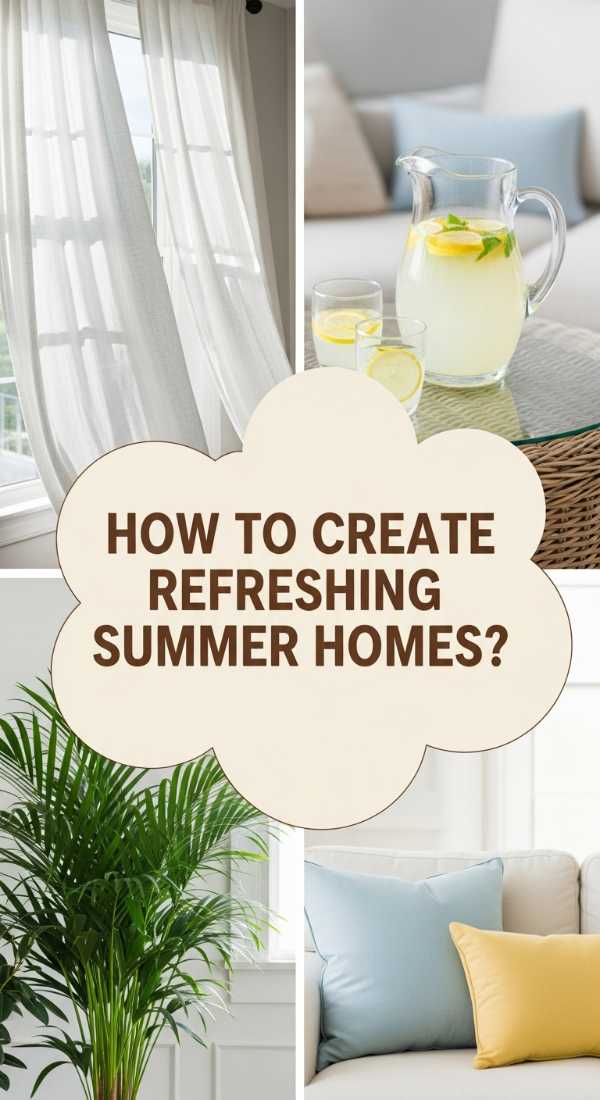
How to Create a Refreshing Summer Home for Endless Vacay Vibes
Why we love this
A summer-inspired home is like a deep, cooling breath of fresh air during a heatwave. We love this look for its ability to mimic the weightless feeling of a coastal escape, using sheer linens that dance in the breeze and a palette of crisp whites and sea-glass blues. It smells of salt-air candles and freshly sliced citrus, creating a crisp environment where time seems to slow down. The texture is all about lightness—rattan that doesn’t weigh the eyes down and smooth, cool marble surfaces that offer a reprieve from the summer sun.
Essential Elements:
- Sheer white linen curtains
- Rattan and seagrass furniture accents
- A palette of whites, creams, and pale aquas
- Driftwood decor and smooth river stones
- Fresh citrus branches in glass pitchers
- Lightweight cotton waffle-knit throws
How to make it
- Light Preparation: Start by removing heavy drapes and replacing them with floor-to-length sheer linen. The goal is to allow maximum natural light to ‘saturate’ the room without harsh glare, creating a soft-focus glow.
- Texture Aeration: Swap out heavy velvet or wool pillows for cotton and rattan. Introduce a large seagrass rug. You’ll know you’ve achieved the right ‘doneness’ when the room feels visually lighter and the floor feels texturally interesting under bare feet.
- Color Infusion: Use the ’60-30-10′ rule. 60% crisp white walls/furniture, 30% light wood or rattan, and 10% watery blues. This ratio ensures the ‘vacay vibe’ isn’t overwhelmed by too much color.
- Scent Finishing: Place a bowl of lemons or a eucalyptus bundle in the entryway. This ‘prep’ step ensures the olfactory experience matches the visual coolness of the house.
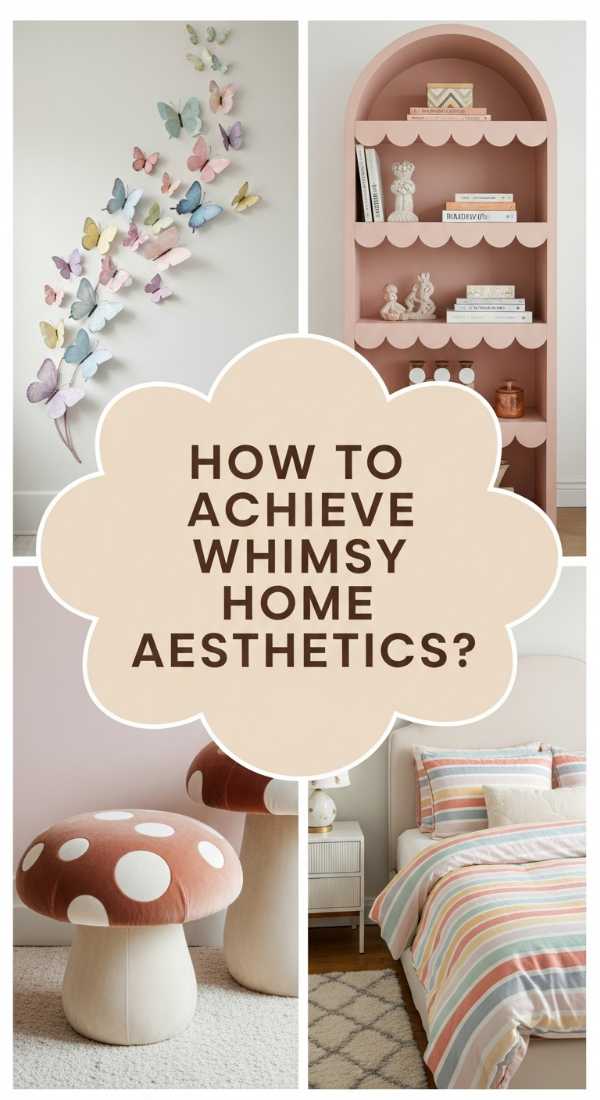
How to Achieve a Whimsy Home Aesthetic for Pure Childhood Joy

Why we love this
The whimsy aesthetic is a rebellious act of joy in an adult world, favoring scalloped edges, pastel pops, and surrealist touches that make you smile. It’s the feeling of a storybook come to life, where the furniture has personality and every corner holds a tiny, delightful surprise. We love how it blends soft, marshmallow-like textures with quirky shapes—think mushroom-shaped lamps and checkered rugs that feel soft as a cloud. It creates a space that prioritizes playfulness over perfection, making your home a sanctuary for the inner child who still believes in magic.
Essential Elements:
- Scalloped furniture edges and trims
- Pastel checkerboard patterns
- Mushroom or floral-shaped lighting
- Gallery walls with surreal or folk art
- Curvy, ‘blob’ shaped mirrors
- Velvet floor poufs in candy colors
How to make it
- Shape Sculpting: Replace one ‘sharp’ piece of furniture, like a square coffee table, with something rounded or scalloped. The visual cue for success is a ‘softening’ of the room’s perimeter, making the layout feel more fluid and less rigid.
- Pattern Mixing Technique: Layer a checkered rug over a solid pastel carpet. Ensure the scale of the checks is medium-sized to avoid visual ‘burn.’ If the patterns clash too harshly, ‘de-glaze’ the look with a solid white throw blanket.
- The ‘Surprise’ Phase: Add three ‘odd’ items that serve no purpose other than joy—perhaps a giant ceramic strawberry or a lamp shaped like a bird. Place them at eye level so they are the first things noticed upon entering.
- Color Saturation: Use a palette of lilac, mint, and butter yellow. The technique here is ‘layering’—start with the lightest shade on the walls and ‘fold in’ the darker pastels through textiles until the room feels like a cohesive confection.
How to Design a Sacred Catholic Home for Daily Spiritual Peace

Why we love this
Creating a sacred Catholic home is about building a bridge between the domestic and the divine, turning everyday spaces into altars of peace. We love the quiet dignity of this aesthetic: the flicker of beeswax candles casting long shadows over polished wood, the scent of frankincense, and the tactile comfort of a smooth rosary resting on a bedside table. It’s a design style that values tradition and silence, using beautiful iconography and liturgical colors to remind us of a deeper purpose. It feels timeless, grounded, and incredibly restorative to the weary spirit.
Essential Elements:
- A dedicated prayer corner or home altar
- Sacred art and crucifixes in gold or wood frames
- Beeswax candles and incense burners
- Small fonts for holy water at the entryway
- Bookshelves filled with spiritual classics
- Vibrant linens that change with the liturgical season
How to make it
- Sanctifying the Space: Identify a quiet corner with good natural light. Place a small wooden table or ‘altar’ here. The ‘visual cue’ for this spot should be one of immediate focus and stillness.
- Iconography Placement: Hang a high-quality crucifix or a replica of a classic religious painting at eye level. Use ‘the golden ratio’ to ensure it is the center of the wall, drawing the eye upward and creating a sense of verticality in the room.
- Scent and Light Prep: Incorporate natural beeswax candles. The technique here is to avoid artificial scents; the ‘doneness’ is reached when the room smells faintly of honey and warm wax, signaling a shift from ‘busy’ time to ‘sacred’ time.
- Seasonal Rotation: Change the cloths on your prayer table to match the church calendar—purple for Lent, gold for Easter. This keeps the decor ‘fresh’ and aligned with a larger rhythm of life.
How to Curate a Vintage Home Interior for Timeless Elegant Living
Why we love this
Vintage living is about the thrill of the hunt and the soul of the find, creating a home that feels like it has been lovingly assembled over decades. We love the richness of dark mahogany, the ‘crazing’ on old oil paintings, and the weight of solid brass hardware that feels substantial in your hand. It’s a style that smells like old books and cedarwood, offering a sophisticated depth that modern furniture simply can’t replicate. There is a profound sense of continuity and elegance in living among pieces that have already stood the test of time.
Essential Elements:
- Gilded ornate mirrors with aged patina
- Mid-century modern or Victorian sideboards
- Oil paintings in heavy, vintage frames
- Velvet upholstery in jewel tones (emerald, burgundy)
- Brass candlesticks and decorative trays
- Oriental or Persian rugs with purposeful wear
How to make it
- Sourcing the Base: Hunt for one ‘hero’ antique piece, like a 1920s sideboard. Check for ‘visual cues’ of authenticity—dovetail joints and solid wood construction. This piece will dictate the ‘flavor’ of the rest of the room.
- Patina Layering: Introduce metals that show age. Don’t polish the brass to a high shine; let the ‘tarnish’ act as a seasoning that adds depth. The goal is a soft, muted glow rather than a harsh reflection.
- Art Curation: Create a gallery wall using only thrifted frames. The technique here is ‘cohesive chaos’—mix different sizes but keep the spacing tight (about 2 inches apart) to make the collection feel like one solid unit.
- Textile Aging: Use rugs that have a ‘faded’ look. If a rug is too bright, ‘mellow’ it by placing it in a sun-drenched spot for a few weeks to naturally soften the dyes until they match the vintage vibe.
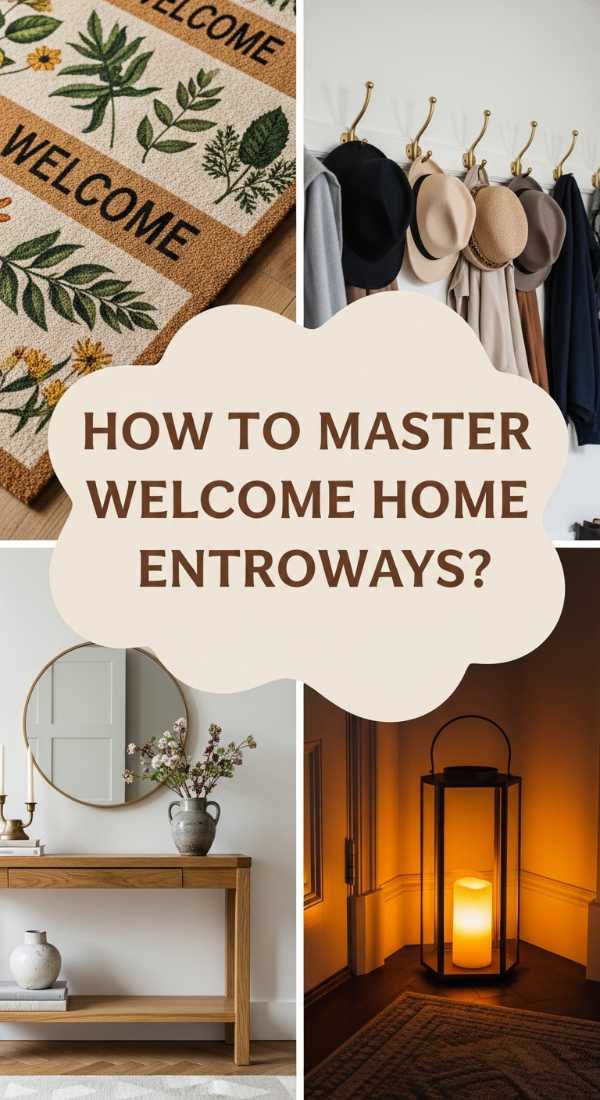
How to Master Welcome Home Entryway Decor for the Warmest Greeting

Why we love this
The entryway is the ‘handshake’ of the home, and mastering it means creating a transition that immediately sheds the stress of the outside world. We love a greeting space that balances function with high-sensory beauty—the click of a key in a beautiful marble bowl, the soft glow of a low-wattage lamp, and the inviting scent of vanilla or sandalwood. It’s about creating a ‘decompression zone’ that uses soft textures and organized surfaces to tell you and your guests: ‘You are safe, you are home, and you can breathe now.’
Essential Elements:
- A slim console table with a textured finish
- A large mirror to bounce light and offer a last-look
- A signature ‘home’ scent (diffuser or candle)
- A dedicated, beautiful bowl for keys and mail
- Soft seating, like a small bench or stool
- Warm, low-level lighting (avoid overheads)
How to make it
- Reflective Expansion: Mount a large mirror directly opposite or adjacent to the door. This ‘prep’ step doubles the perceived light and space, ensuring the first visual cue is one of openness.
- Leveling the Light: Avoid the ‘harshness’ of ceiling lights. Place a small lamp with a warm-toned bulb on the console. The ‘visual cue’ is a soft pool of light that directs the eye toward the center of the home.
- The Decompression Layer: Add a rug with a high-pile texture or a soft bench. This ‘softens’ the acoustics of the entry. You’ll know it’s ‘done’ when the echo of the front door closing is replaced by a muffled, cozy silence.
- Functional Garnish: Place a stone or ceramic bowl for keys. Ensure it’s large enough to hold the ‘clutter’ of daily life while still looking like a curated piece of art.
How to Build a Quirky Home Space for Total Self Expression

Why we love this
A quirky home is a fearless celebration of personality, where ‘rules’ are discarded in favor of whatever makes your heart leap. We love the high-energy mix of clashing patterns, neon accents, and unexpected collections—like a wall of vintage clocks or a rainbow-sorted bookshelf. It’s a space that feels vibrant and electric, smelling of fresh coffee and creative energy. The texture is a wild mix of smooth acrylic, shaggy faux-fur, and bold plastics, creating a visual feast that proves your home is the one place you should never have to be ‘normal.’
Essential Elements:
- Bold, contrasting wallpaper or paint colors
- Eclectic collections displayed in groups
- Neon signs or colored light bulbs
- Mix-and-match furniture styles and eras
- Graphic, geometric patterns in textiles
- DIY or ‘hacked’ furniture pieces
How to make it
- Color Clashing Technique: Choose two colors that are ‘opposite’ on the color wheel, like teal and orange. Use them in equal proportions. The ‘visual cue’ for quirky success is a vibrating energy that feels intentional rather than accidental.
- Grouping the ‘Oddities’: Take a collection (e.g., ceramic cats) and display them all in one tight cluster. This ‘concentrates’ the quirkiness, turning ‘clutter’ into a ‘statement installation.’
- Lighting with Flare: Introduce one non-traditional light source, like a pink neon sign or a color-changing LED strip behind a bookshelf. This adds a ‘technicolor’ finish to the room’s atmosphere.
- Textural Juxtaposition: Place a sleek, modern acrylic chair next to a fuzzy, hand-knitted throw. The contrast in ‘feel’ is the visual cue that the room is finished and ready for self-expression.
How to Bring Rustic Mexican Charm for Authentic Hacienda Living

Why we love this
Hacienda living is all about the romance of the old world meeting the ruggedness of the landscape. We love the architectural drama of exposed dark wood beams against thick, plaster-white walls and the cooling sensation of heavy stone floors. It feels like a retreat from the world, filled with the scent of dried herbs and the sound of a bubbling courtyard fountain. This aesthetic offers an grounded, ‘slow-living’ charm where every piece of furniture feels like it has a story of craftsmanship and endurance behind it.
Essential Elements:
- Exposed ceiling beams (real or faux-wood)
- Plaster-effect walls in off-white or sand
- Wrought iron window grates and hardware
- Hand-carved religious or folk-art niches
- Large-scale indoor trees (like a Fiddle Leaf or Olive)
- Hammered copper accents in the kitchen or bath
How to make it
- Wall Texturizing: Apply a ‘limewash’ or textured plaster paint to the walls. The technique is to use broad, ‘X’ shaped strokes to create a non-uniform finish. The visual cue for ‘doneness’ is a soft, velvety wall that catches the light unevenly.
- Architectural ‘Browning’: If you don’t have beams, add dark wood crown molding or ‘faux’ beams. This ‘sears’ the top of the room, drawing the eye up and providing the necessary structural weight for the hacienda look.
- Metal Finishing: Swap out modern silver or chrome hardware for hammered copper or oil-rubbed bronze. This small ‘prep’ step adds an immediate sense of age and authenticity to the space.
- Natural Integration: Place a large, potted olive tree in a sun-drenched corner. The greenery against the white plaster is the final ‘garnish’ that brings the outdoor hacienda vibe inside.
How to Infuse Whimsy Home Elements for Magical Daily Living
Why we love this
Infusing whimsy into a ‘normal’ home is like adding sprinkles to a Sunday morning—it’s an easy way to elevate the everyday into something magical. We love the subtle use of fairy lights hidden in jars, doorknobs shaped like brass insects, and mirrors that look like portals to another world. It’s a sensory delight that uses soft, ethereal lighting and delicate, fluttering textures like tulle or silk. This approach doesn’t require a full remodel; it’s about the ‘tiny magics’ that make the mundane act of living feel like an enchanted journey.
Essential Elements:
- Fairy lights or ‘starry’ string lights
- Nature-inspired hardware (leaf-shaped pulls)
- Iridescent or holographic decor pieces
- Hidden ‘tiny’ details (like a mouse-hole wall decal)
- Floating shelves for ‘magical’ objects
- Pastel-colored glassware that catches the light
How to make it
- Lighting Infusion: Drape thin copper wire fairy lights around a mirror or inside a glass cabinet. The ‘visual cue’ is a soft, twinkling glow that eliminates dark shadows and adds a ‘magical’ shimmer.
- Detailing the ‘Small Stuff’: Replace standard drawer pulls with whimsical ones—think brass stars or porcelain flowers. This ‘technique’ focuses on the touch-points of the home, making every interaction feel special.
- The ‘Portal’ Effect: Hang an iridescent film over a window or use a prism in a sunny spot. This ‘scatters’ rainbows across the room, which is the ultimate visual cue for a whimsical atmosphere.
- Soft Layering: Use sheer, iridescent fabrics as table runners. When the light hits them, they should shift colors, creating a ‘living’ decor element that changes throughout the day.
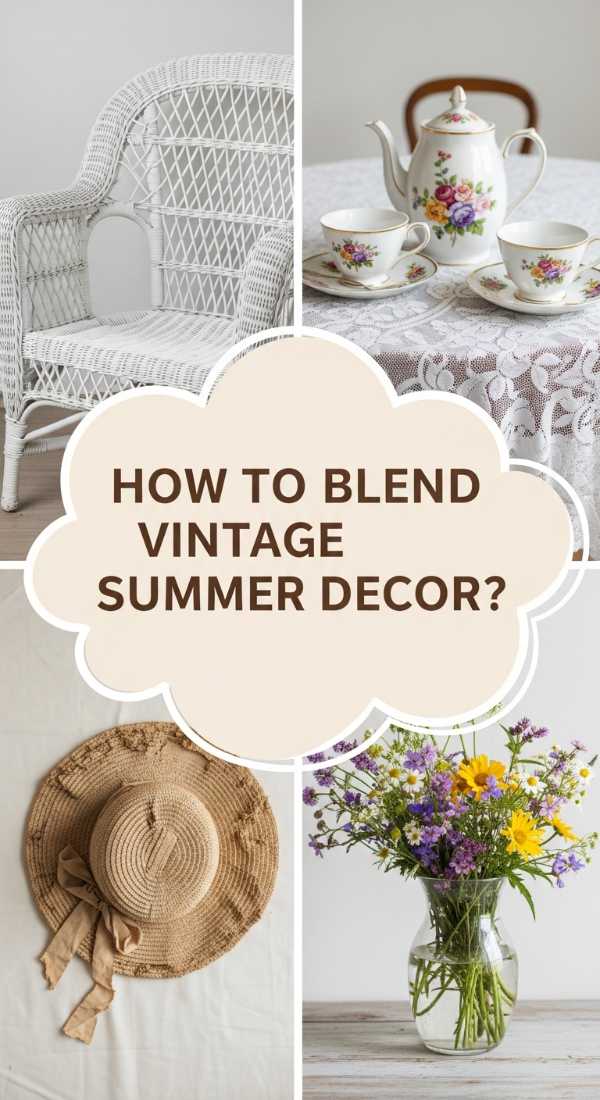
How to Blend Vintage Summer Decor for Nostalgic Sun Drenched Afternoons
[IMAGE_10]
Why we love this
There is a specific, bittersweet beauty in ‘Vintage Summer’—it’s the aesthetic of a 1960s beach house or a grandmother’s sunroom. We love the combination of faded floral prints, weathered white wicker, and the nostalgic clink of ice in vintage amber glassware. It smells of sunblock and salt, and feels like the comfort of a worn-in linen shirt. This style captures the essence of long, golden-hour afternoons, using a ‘sun-drenched’ palette that feels warm, slightly aged, and deeply personal, as if every item has lived through a thousand perfect July days.
Essential Elements:
- Weathered wicker or rattan furniture
- Faded floral chintz or ticking stripe fabrics
- Vintage picnic baskets used as storage
- Amber-toned glassware and pitchers
- Old-fashioned ‘porch’ fans with metal blades
- Framed vintage postcards or beach photography
How to make it
- The ‘Sun-Bleached’ Palette: Choose textiles that look slightly faded—think dusty roses, muted sages, and buttery yellows. Avoid ‘neon’ or ‘bright’ shades; the visual cue here is a color that looks like it has sat in the sun for years.
- Wicker Conditioning: Source vintage wicker and give it a ‘distressed’ white wash. The technique is to use a dry brush to hit only the raised parts of the weave, leaving the deeper crevices dark for a ‘vintage’ depth.
- Glassware Curation: Set a table with mismatched amber and green vintage glassware. The visual cue for ‘doneness’ is when the sunlight passes through the glass and casts warm, honey-colored shadows onto the table.
- Accessorizing the ‘Memory’: Place a stack of vintage beach novels or a collection of seashells in a wooden bowl. This final step adds the narrative ‘seasoning’ that makes the room feel like a nostalgic summer memory.
Wrapping Up Your Dreamy Transformation
Transforming your home from drab to dreamy isn’t about following a set of strict rules; it’s about finding the ‘flavor’ that resonates with your soul and simmering it until it’s just right. Whether you’re layering the warmth of a Mexican hacienda or the playful joy of a whimsical nursery, the secret lies in the details—the textures, the scents, and the intentional choices that turn a house into a sanctuary. Remember, decor is a journey, not a destination. Take your time, trust your instincts, and don’t be afraid to add a little extra magic along the way. Happy decorating!