

Why Every Influencer is Obsessed With This Plant Wall Trend
Have you ever walked into a room and felt your shoulders immediately drop an inch? That is the magic of the ‘living wall’—a trend that has moved from high-end hotel lobbies straight into our social media feeds and, more importantly, our homes. It is no longer just about owning a few succulents on a windowsill; it is about creating a vertical ecosystem that breathes life, literally, into every corner of your living space.
As someone who spent years trying to keep a single fiddle-leaf fig alive, I was initially intimidated by the sheer scale of these plant walls. But after diving deep into the world of vertical gardening, I have realized it is the ultimate form of self-care. There is something deeply grounding about the scent of damp earth and the visual rhythm of emerald leaves cascading down your walls, transforming a static apartment into a breathing sanctuary.
How to Design a Lush Living Room for Ultimate Serenity

Why we love this
A lush living room wall acts as a natural air purifier and a visual anchor that brings the outdoors in, creating a cocoon of tranquility. The sensory experience is unparalleled; you can almost hear the soft rustle of leaves in the breeze, and the earthy, fresh aroma of damp moss fills the room with a grounding scent. The deep, velvety greens of tropical ferns contrast beautifully against the rough textures of cork or wood backings, making the space feel vibrant yet peaceful, like an afternoon spent in a quiet rainforest clearing.
Essential Elements:
- Large-leafed Philodendrons
- Birds Nest Ferns
- Cork board or felt pocket irrigation system
- Recessed LED grow lights
- Moisture-resistant wall backing
How to make it
- Measure your wall space and install a waterproof membrane, such as a heavy-duty plastic liner or PVC board, to protect your drywall from moisture damage.
- Secure a vertical mounting system; I recommend a felt pocket planter or a wooden lattice with integrated irrigation tubes for even watering distribution.
- Prepare your substrate by mixing organic potting soil with perlite and orchid bark to ensure high drainage and aeration for the roots.
- Begin planting from the bottom up, placing larger, heavier plants like Philodendrons at the base to create a sturdy visual foundation.
- Tuck smaller ferns and mosses into the upper pockets, ensuring every root ball is firmly seated and covered with a layer of coconut coir to retain moisture.
- Install a smart timer on your irrigation system to provide a slow drip for 10 minutes every morning, checking the soil moisture daily for the first two weeks until the wall stabilizes.
How to Create a Minimalist Sanctuary for Inner Peace

Why we love this
Minimalism isn’t about absence; it’s about the presence of peace, and a minimalist plant wall provides a clean, rhythmic aesthetic that quiets the mind. The sleek, waxy texture of Pothos leaves against a crisp white wall creates a striking visual contrast that feels intentional and curated. Every glance reveals the delicate, silver-toned variegation of the leaves, while the lack of clutter allows you to focus on the subtle, clean scent of fresh oxygen, turning your home into a high-end spa retreat.
Essential Elements:
- Silver Satin Pothos
- Geometric ceramic wall planters
- White or neutral-toned mounting hardware
- Clean-lined metal shelving
- Filtered water spray bottle
How to make it
- Select a series of identical geometric wall planters to create a repetitive, rhythmic pattern across your focal wall.
- Space the planters exactly 12 inches apart using a laser level to ensure a perfectly symmetrical grid layout that promotes a sense of order.
- Repot your Pothos into internal nursery liners with drainage holes before placing them into the decorative ceramic wall pots to avoid standing water.
- Use a high-quality, lightweight potting mix specifically formulated for indoor foliage to prevent the wall anchors from being over-stressed by weight.
- Train the vines to grow horizontally along thin, clear command hooks, creating a structured trail of green rather than a wild, overgrown mess.
- Prune the ends of the vines once a month to encourage bushier growth near the base, maintaining that sleek, dense minimalist look.
How to Style a Boho Jungle for Daily Inspiration

Why we love this
The Boho Jungle is all about wild, untamed energy and the joyful explosion of diverse textures that spark creative fire. We love how the rough, fibrous feel of macrame hangers blends with the prehistoric, perforated shapes of Monstera leaves to create a tactile wonderland. The air feels thicker and more alive here, filled with the spicy, green scent of various tropical species, making you feel as though you are hidden away in a secret exotic garden where inspiration flows as freely as the trailing vines.
Essential Elements:
- Monstera Deliciosa
- Hand-woven macrame plant hangers
- Terracotta pots in various sizes
- Driftwood accents and fairy lights
- Trailing String of Pearls
How to make it
- Start by installing heavy-duty ceiling hooks at varying heights to create a multi-dimensional canopy effect that mimics a natural forest ceiling.
- Place your largest plants, like the Monstera, in heavy terracotta pots on the floor or on low wooden stools to ground the arrangement.
- Hang macrame planters at staggered intervals, ensuring that light-loving species like the String of Pearls are positioned closest to the windows.
- Incorporate natural elements like driftwood or bamboo poles between the pots to act as trellises for climbing species, securing them with soft garden twine.
- Layer in warm-toned fairy lights or Edison bulbs among the leaves to create soft shadows and a magical glow during the evening hours.
- Mist the entire wall twice a week with room-temperature water to maintain the high humidity levels these tropical beauties crave.
How to Build a Vibrant Workspace for Creative Energy

Why we love this
A vibrant workspace plant wall is the ultimate antidote to digital fatigue, providing a refreshing visual break that recharges your creative battery. The sharp, architectural lines of Snake Plants provide a sense of structure and strength, while the bright neon greens of a Lemon Lime Philodendron inject a burst of energy into the room. The crisp, clean air produced by these high-oxygen plants keeps your mind sharp, and the cool touch of the leaves offers a grounding physical sensation during a long day of typing.
Essential Elements:
- Sansevieria (Snake Plants)
- Neon Philodendron
- Floating wooden shelves
- USB-powered grow light strips
- Small desk-sized humidifiers
How to make it
- Mount floating wooden shelves directly above your desk, ensuring they are anchored into wall studs to support the weight of multiple pots.
- Line the shelves with a variety of Snake Plants, which are known for their air-purifying qualities and ability to thrive in fluctuating office light.
- Place trailing Neon Philodendrons on the highest shelf, allowing the bright yellow-green leaves to drape down around your monitor as a natural frame.
- Apply adhesive LED grow light strips to the underside of the shelves to provide supplemental light for the lower plants without taking up desk space.
- Use decorative gravel or leca on top of the soil to prevent fungus gnats and to add a clean, professional finish to the pots.
- Set a weekly schedule to rotate the pots 90 degrees every Sunday, ensuring that all sides of the plants receive equal light for uniform growth.
How to Arrange a Cozy Bedroom for Restful Sleep
Why we love this
There is nothing quite like waking up in a bedroom that feels like a soft, green embrace, where the air is fresh and the aesthetic is purely organic. We love the way the delicate, lace-like fronds of a Maidenhair Fern soften the hard edges of a headboard, creating a romantic and dreamy atmosphere. The subtle, sweet fragrance of Peace Lilies promotes a sense of deep relaxation, while the visual of lush greenery provides a soothing focal point that helps lower your heart rate before you drift off.
Essential Elements:
- Peace Lilies (Spathiphyllum)
- Maidenhair Ferns
- Soft velvet-wrapped wall planters
- Automatic misting system (silent)
- Warm, dimmable backlighting
How to make it
- Choose a wall opposite or behind your bed and install a vertical garden system with built-in water reservoirs to minimize the need for manual watering.
- Select plants known for their nighttime oxygen production, such as Peace Lilies and Aloe Vera, to enhance sleep quality.
- Incorporate Maidenhair Ferns into the mix for their soft, feathery texture, placing them in areas that receive indirect, dappled sunlight.
- Install a low-voltage, dimmable LED backlight behind the plant frame to create a soft halo effect that serves as a gentle nightlight.
- Use a high-porosity potting mix with added vermiculite to keep the ferns hydrated without the soil becoming waterlogged and sour.
- Wipe the leaves with a damp microfiber cloth once every two weeks to remove dust, ensuring the plants can breathe and oxygenate your room effectively.
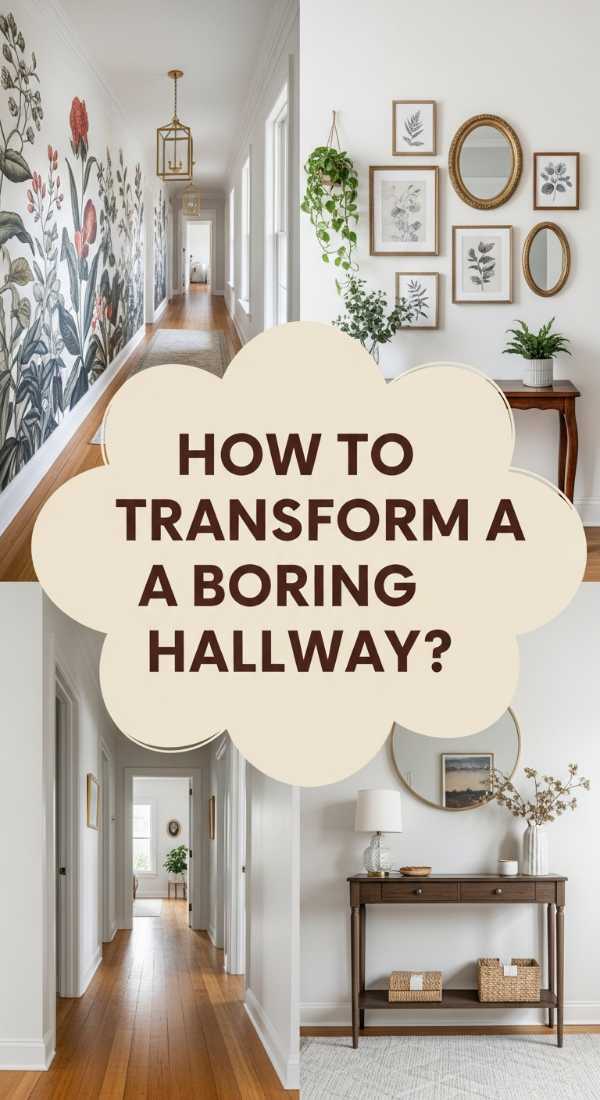
How to Transform a Boring Hallway for a Grand Entrance

Why we love this
A hallway plant wall turns a transit zone into a destination, creating a stunning visual corridor that wows guests the moment they step inside. The texture of preserved moss combined with creeping ivy creates a multi-layered tapestry that feels ancient and sophisticated, like an old European estate. The cool, damp scent of the ivy and the vibrant, everlasting green of the moss provide a sensory transition from the outside world into the sanctuary of your home.
Essential Elements:
- Preserved Reindeer Moss
- English Ivy
- Narrow vertical wall frames
- Spotlight track lighting
- Hidden irrigation tubing
How to make it
- Install narrow, vertical picture-frame-style planters along the length of the hallway to maintain walking space while adding maximum visual impact.
- Fill the center of the frames with preserved moss panels, which require no light or water, providing a permanent green base.
- Interspace the moss with small pockets for live English Ivy, which will grow and trail outside the frame over time.
- Run a thin, hidden 1/4-inch irrigation line behind the frames, connecting it to a small pump in a hidden reservoir at the base of the wall.
- Position track lighting on the ceiling to hit the wall at a 45-degree angle, highlighting the textures and shadows of the foliage.
- Trim the ivy regularly to maintain a clear path, weaving the new growth back into the moss panels to create a seamless living tapestry.
How to Craft a Secret Reading Nook for Quiet Moments

Why we love this
A reading nook surrounded by plants feels like a private escape from the noise of the modern world, offering a tactile and olfactory retreat. We love the feeling of being semi-enclosed by the broad, waxy leaves of a Rubber Tree, which provide a sense of privacy and safety. The faint, earthy smell of wood chips and foliage creates a forest-floor ambiance that makes every book feel like an adventure, while the soft greenery reduces glare on your pages, protecting your eyes and your peace.
Essential Elements:
- Burgundy Rubber Tree (Ficus Elastica)
- Climbing Hoya plants
- Floor-to-ceiling trellis
- Oversized velvet armchair
- Warm brass reading lamp
How to make it
- Define the nook area by placing a tall Rubber Tree in a large, heavy corner pot to act as a natural “wall” and privacy screen.
- Install a floor-to-ceiling wooden or wire trellis on the wall behind your seating area to encourage climbing Hoyas to fill the vertical space.
- Choose Hoya varieties like ‘Carnosa’ which have thick, waxy leaves and produce fragrant flowers that will perfume your reading area.
- Secure the Hoya vines to the trellis using soft velcro plant ties, spacing them out to allow the plant to breathe and grow densely.
- Place a high-quality, warm-toned reading lamp next to your chair, ensuring the light is directed at your book and not directly onto the plants.
- Keep the soil slightly on the drier side for both species, watering only when the top two inches of soil feel parched to the touch.
How to Decorate a Dining Space for Sophisticated Entertaining

Why we love this
A dining room plant wall is the ultimate conversation starter, lending an air of organic luxury to every meal and gathering. We love the utility of a “living herb wall” where the scent of fresh basil and rosemary mingles with the aroma of your cooking, heightening the culinary experience. The lush, vibrant backdrop makes every dinner party feel like an event in an upscale greenhouse, providing a stunning visual contrast to polished wood tables and sparkling glassware.
Essential Elements:
- Edible Herbs (Basil, Mint, Thyme)
- Golden Pothos for filler
- Modular wall-mounted crates
- High-output grow bulbs
- Self-watering liners
How to make it
- Mount modular wooden crates in an offset pattern on your dining wall, ensuring they are sturdy enough to hold the weight of moist soil.
- Insert self-watering pots into each crate to ensure your herbs receive consistent moisture, which is crucial for edible plants in an indoor setting.
- Group herbs by their water needs: place rosemary and thyme at the top (drier) and mint and basil at the bottom (wetter).
- Incorporate Golden Pothos in the corner crates to add a decorative, trailing element that fills the gaps between the herb pots.
- Install attractive, pendant-style grow lights above the wall to ensure the herbs have enough energy to produce the essential oils that give them flavor.
- Harvest your herbs frequently by snipping just above a leaf node; this encourages the plants to grow bushier and prevents them from flowering too early.
How to Curate a Bathroom Retreat for Spa Vibes

Why we love this
The bathroom is the perfect environment for a plant wall, as the steam from your shower creates a natural greenhouse that humidity-loving plants adore. We love the sight of vibrant tropical orchids nestled among deep green ferns, reflecting in the steam-fogged mirror like a hidden lagoon. The scent of eucalyptus combined with the damp, fresh air makes every shower feel like a rejuvenating spa treatment, washing away the stress of the day with the power of nature.
Essential Elements:
- Staghorn Ferns
- Moth Orchids (Phalaenopsis)
- Eucalyptus branches
- Cedar wood mounting boards
- Stainless steel hardware
How to make it
- Mount Staghorn Ferns directly onto rot-resistant cedar boards using fishing line and a bed of sphagnum moss to hold the root ball.
- Secure the boards to the bathroom wall using stainless steel screws to prevent rust in the high-humidity environment.
- Tuck Moth Orchids into the gaps between the ferns, keeping them in their clear plastic orchid pots for easy removal and watering.
- Hang fresh eucalyptus bundles from the shower head or near the plant wall to release invigorating essential oils when the steam hits them.
- Ensure the bathroom has adequate ventilation to prevent mold, while still allowing enough humidity to linger for the plants’ health.
- Once a week, take the mounted ferns into the shower and give them a thorough soak to mimic a heavy tropical rainfall.
How to Master Entryway Style for a Welcoming Home
[IMAGE_10]
Why we love this
An entryway plant wall sets the tone for your entire home, offering a warm, living welcome that says “relax, you’re home.” We love the architectural drama of a tall Kentia Palm framed by a wall of creeping fig, creating a sense of grandeur even in small foyers. The cooling effect of the greenery greets you as you walk through the door, and the soft, organic textures provide a beautiful counterpoint to the hard surfaces of entry tables and coat racks.
Essential Elements:
- Kentia Palm
- Creeping Fig (Ficus Pumila)
- Built-in floor planter with drainage
- Wall-mounted mirror with plant border
- Polished river stones
How to make it
- Install a built-in floor planter at the base of your entryway wall, ensuring it has a proper drainage layer of gravel and a liner to protect your floors.
- Plant a tall Kentia Palm as the centerpiece to provide height and a sense of classic elegance.
- Fix a large mirror to the wall behind the palm; this doubles the visual amount of greenery and bounces natural light into the space.
- Plant Creeping Fig at the base and use transparent wall clips to guide it up and around the frame of the mirror.
- Cover the top of the soil with polished river stones to create a clean, high-end look and to help retain moisture in the soil.
- Use a liquid kelp fertilizer once a month during the spring and summer to keep the foliage deep green and resilient against entryway drafts.
Conclusion
Building a plant wall is more than just a home decor project; it is a commitment to living in harmony with nature. Whether you start with a simple minimalist grid or go full boho-jungle, the result is always the same: a home that feels more alive, more peaceful, and infinitely more inspiring. So, grab some potting soil, find a blank wall, and start your own green revolution today!