
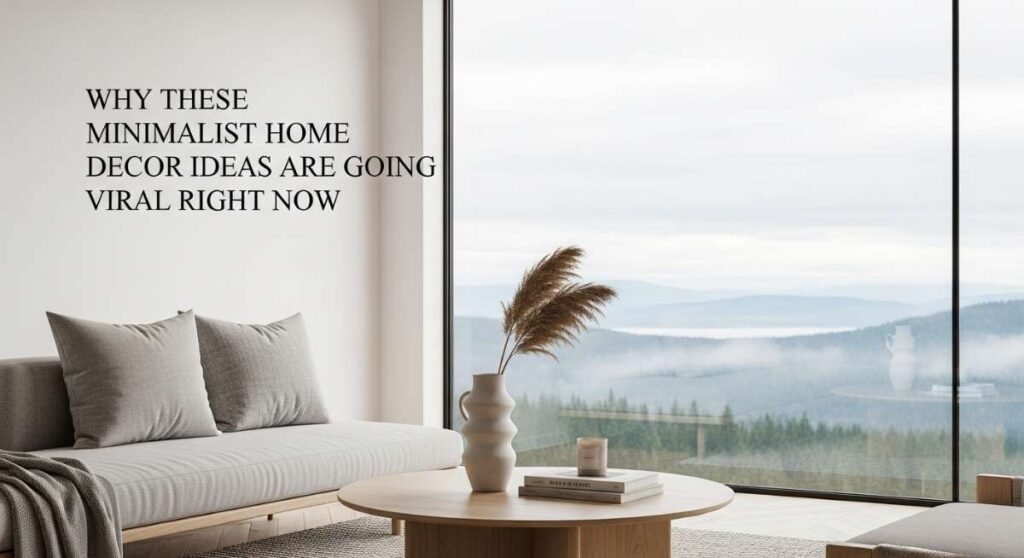
Why These Minimalist Home Decor Ideas are Going Viral Right Now
Have you ever walked into a room and felt an immediate sense of relief, like the walls were finally giving you permission to breathe? In a world that feels increasingly loud and cluttered, our homes have become our ultimate sanctuaries. We are collectively moving away from the ‘more is more’ philosophy and embracing a curated, intentional aesthetic that prioritizes peace over piles of stuff. This shift is exactly why minimalist home decor is taking over every social feed right now; it’s not just about how it looks, but how it makes us feel.
I remember sitting in my own living room last year, surrounded by ‘trendy’ knick-knacks that just felt like visual noise. The moment I started stripping back the layers and focusing on textures, light, and open space, my entire mood shifted. Today, I’m sharing the viral lifestyle secrets that turn a standard house into a high-end, serene retreat. From the tactile joy of linen to the lush life of an indoor jungle, let’s explore how to bring that viral board energy into your daily life.
How to Create a Neutral Living Room Aesthetic for Pure Serenity

Why we love this
There is something deeply restorative about a room that whispers instead of shouts. A neutral living room relies on a palette of oatmeal, bone, and soft sand to create a cocoon of calm. We love the way the morning light catches the weave of a chunky wool throw, the faint scent of a sandalwood candle lingering in the air, and the sheer softness of a cream-colored bouclé chair against your skin. It’s a sensory experience that feels like a warm hug after a long day, providing a clean slate for your mind to rest and recharge without any visual distractions.
Essential Elements:
- Cream or off-white oversized sofa
- Textured wool or jute area rug
- Linen throw pillows in varying shades of beige
- Natural wood coffee table
- Ceramic vases with dried pampas grass
How to make it
- Start by clearing the room entirely of any bright, clashing colors. Paint the walls a warm, ‘greige’ or soft white—look for undertones that match your natural light (cool for south-facing, warm for north-facing).
- Layer your largest piece first: the rug. Ensure it is large enough that all furniture legs sit comfortably on it to anchor the space.
- Introduce your sofa, opting for low-profile designs that don’t block sightlines. Soften the edges with at least three different textures of pillows—think silk, linen, and chunky knit—to prevent the neutral palette from looking flat.
- Add organic shapes through wooden elements. A round coffee table breaks up the linear nature of the walls and provides a tactile, earthy touch.
- Finish with lighting. Avoid overhead ‘big lights’ and instead use floor lamps with warm-toned bulbs (2700K) and linen shades to diffuse a soft, golden glow across the room.
How to Master Luxury Living Room Inspiration for a High End Feel
Why we love this
Luxury isn’t about the price tag; it’s about the feeling of indulgence and deliberate craftsmanship. We are obsessed with the interplay of polished marble and rich velvets that make a room feel like a five-star hotel suite. Imagine the cool touch of a stone surface paired with the deep, sink-in comfort of a high-density foam sofa. The air feels more sophisticated when anchored by a statement chandelier that casts intricate shadows, creating a mood that is both grand and intimate. It’s about creating a space where every single item feels like it was chosen with exquisite care.
Essential Elements:
- Velvet upholstery in jewel or muted tones
- Marble or faux-marble accents
- Metallic finishes (brass or brushed gold)
- Symmetry in furniture placement
- High-pile rugs or silk-blend carpets
How to make it
- Establish a focal point, usually a fireplace or a large-scale piece of art. Center your seating arrangement around this to create a formal, ‘curated’ layout.
- Swap out standard hardware. Replace cabinet pulls and curtain rods with brushed gold or brass finishes to add an immediate ‘designer’ touch.
- Incorporate ‘weighty’ materials. A marble-topped side table or a heavy crystal vase adds a sense of permanence and quality that lightweight plastic or cheap veneer cannot replicate.
- Use the power of symmetry. Place matching lamps on either side of a console table or two identical armchairs facing each other to create a balanced, high-end visual rhythm.
- Elevate the floor. Choose a rug with a slight sheen or a very high thread count. When vacuumed with crisp lines, it creates that pristine, luxury hotel atmosphere that defines viral high-end spaces.
How to Optimize a Small Living Room Layout for Maximum Flow
Why we love this
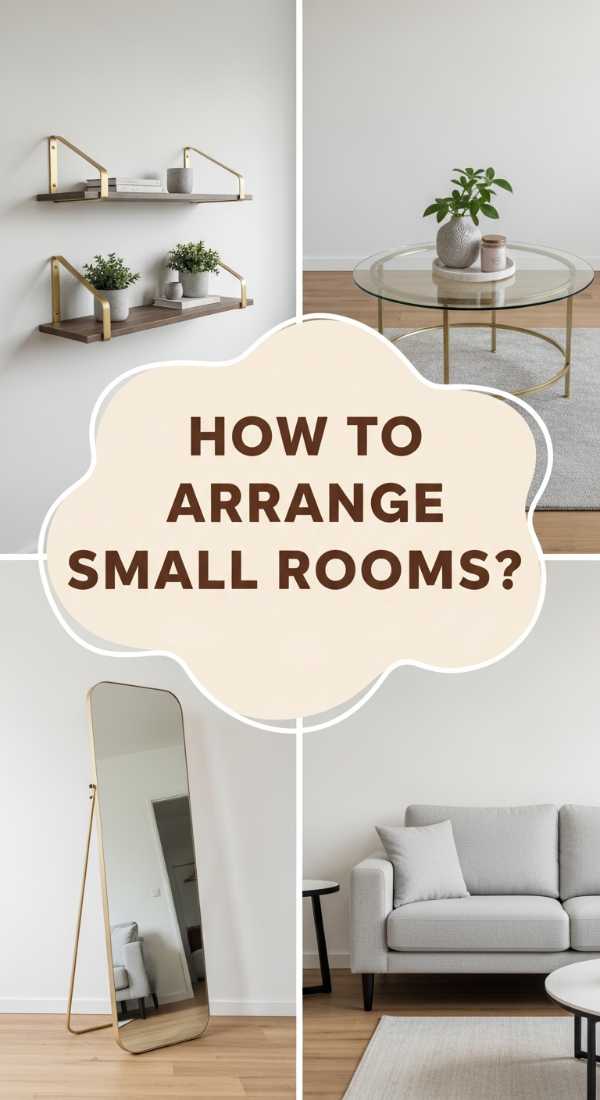
Mastering a small space feels like solving a beautiful puzzle. We love this approach because it proves that you don’t need a mansion to have a home that feels airy and expansive. There is a specific joy in finding a place for everything, where the furniture seems to float and the floor space feels open and inviting. The crispness of a well-organized small room, where light bounces off strategically placed mirrors and narrow legs on furniture allow the eye to travel further, creates a sense of ‘flow’ that is both functional and aesthetically pleasing.
Essential Elements:
- Leggy furniture (mid-century style)
- Large wall mirrors
- Multi-functional ottomans
- Light-filtering sheer curtains
- Wall-mounted shelving
How to make it
- Avoid pushing all furniture against the walls; ‘float’ the sofa even just six inches away to create the illusion of more space behind it.
- Select furniture with visible legs. When you can see the floor underneath your sofa and chairs, the room feels significantly larger because the visual ‘footprint’ is reduced.
- Install a floor-to-ceiling mirror on the wall opposite your main window. This doubles the natural light and creates a ‘window’ into a reflected space, tricking the brain into seeing more square footage.
- Choose ‘double-duty’ items. Use a storage ottoman as a coffee table so you can tuck away blankets, keeping the visual field clear of clutter.
- Use vertical space. Install floating shelves high up to draw the eye upward, and keep window treatments light and airy to let the outdoors blend into the room.
How to Curate Boho Living Room Decor for a Relaxed Vibe
Why we love this
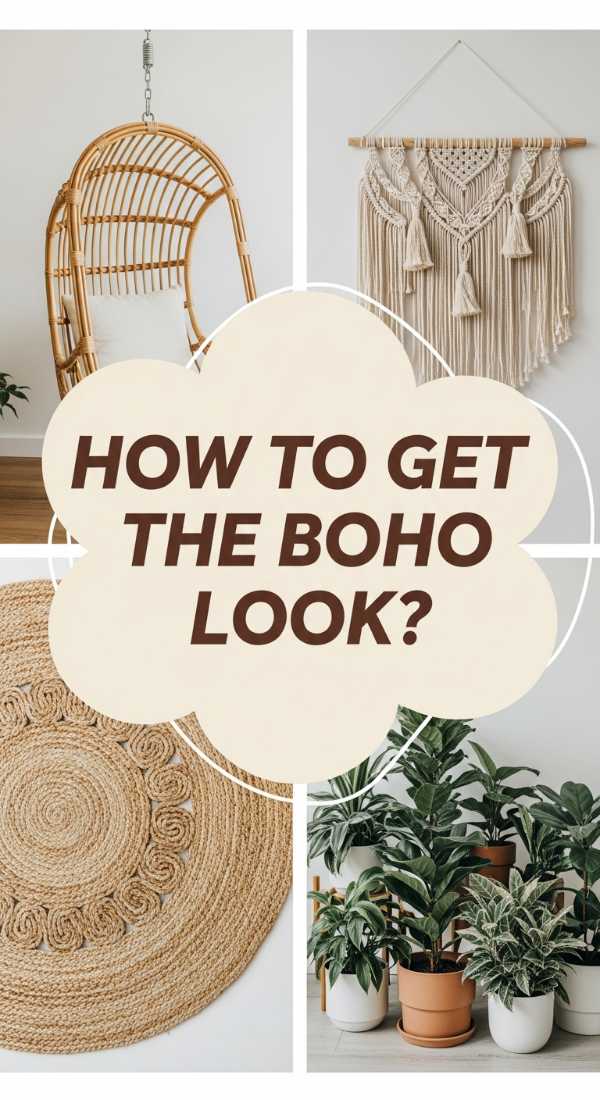
The boho aesthetic is the ultimate expression of a ‘lived-in’ soul. We love it because it’s the antithesis of sterile; it’s a collection of stories, textures, and warmth. Imagine the scratchy-but-soft feel of a sisal rug underfoot, the scent of fresh eucalyptus hanging from a wall, and the colorful chaos of mismatched textiles that somehow work perfectly together. It’s a vibe that invites you to kick off your shoes, sit on the floor with a cup of herbal tea, and just exist. It’s cozy, grounded, and unapologetically personal.
Essential Elements:
- Rattan or wicker furniture
- Macramé wall hangings
- Layered rugs (cowhide over jute)
- Moroccan floor poufs
- An abundance of hanging plants
How to make it
- Start with a base of natural materials. A large jute rug provides the perfect earthy foundation for the ‘layered’ look that defines boho style.
- Introduce various heights. Use a low-slung sofa and add floor cushions and poufs to create a relaxed, ‘lounge’ atmosphere that discourages formality.
- Mix patterns with wild abandon but keep one unifying color. For example, if you have various tribal prints, ensure they all share a touch of terracotta or indigo to keep the look cohesive.
- Hang macramé or textile art. Soft wall coverings dampen sound and add a tactile ‘softness’ to the room that paint alone cannot provide.
- Incorporate life. Use wicker plant stands to display various ferns and trailing ivy, creating a lush, organic border around the seating area.
How to Build a Cozy Living Room Setup for Perfect Movie Nights
Why we love this
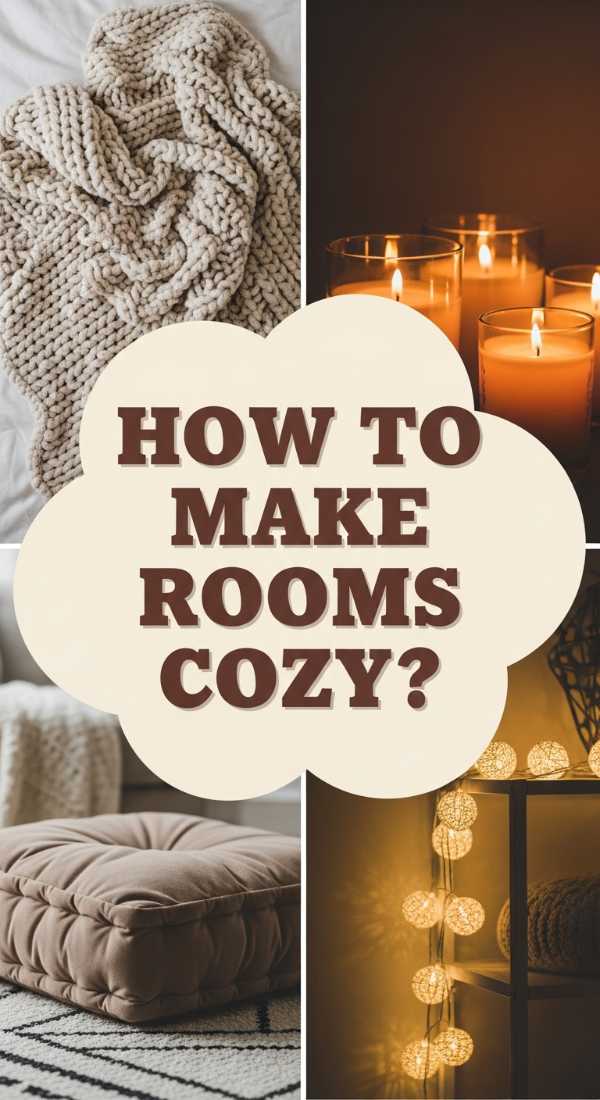
Movie nights are the pinnacle of home comfort, and we love this setup because it’s designed for total immersion. It’s about the scent of buttered popcorn mixing with the warmth of a crackling fireplace (or a digital equivalent). It’s the feeling of a heavy, weighted blanket draped over your legs and the soft glow of amber LED strips behind the TV that prevents eye strain. This aesthetic focuses on ‘hygge’—the Danish concept of coziness—where the lighting is low, the textures are plush, and the outside world completely disappears for a few hours.
Essential Elements:
- Deep, oversized sectional sofa
- Blackout curtains
- Dimmable smart lighting
- Weighted or faux-fur throws
- A large, soft coffee table or ‘pit’ sofa conversion
How to make it
- Position your seating at the optimal distance from the screen (usually 1.5 to 2.5 times the diagonal width of the TV). Ensure every seat has a clear line of sight.
- Install blackout curtains with a thermal lining. This not only blocks out streetlights but also dampens outside noise, creating a ‘theater’ acoustic.
- Set the lighting mood. Use smart bulbs that can be dimmed to 10% or changed to a warm amber hue. Place a light bar behind the TV to provide ‘bias lighting,’ which reduces contrast and makes the screen colors pop.
- Layer for maximum comfort. Provide more blankets than people, and use oversized floor pillows for anyone who prefers to lounge closer to the screen.
- Organize a dedicated ‘snack station.’ Use a side table or a rolling cart to hold drinks and bowls, so you don’t have to keep getting up and breaking the immersion of the film.
How to Achieve Modern Living Room Design for a Minimalist Home
Why we love this
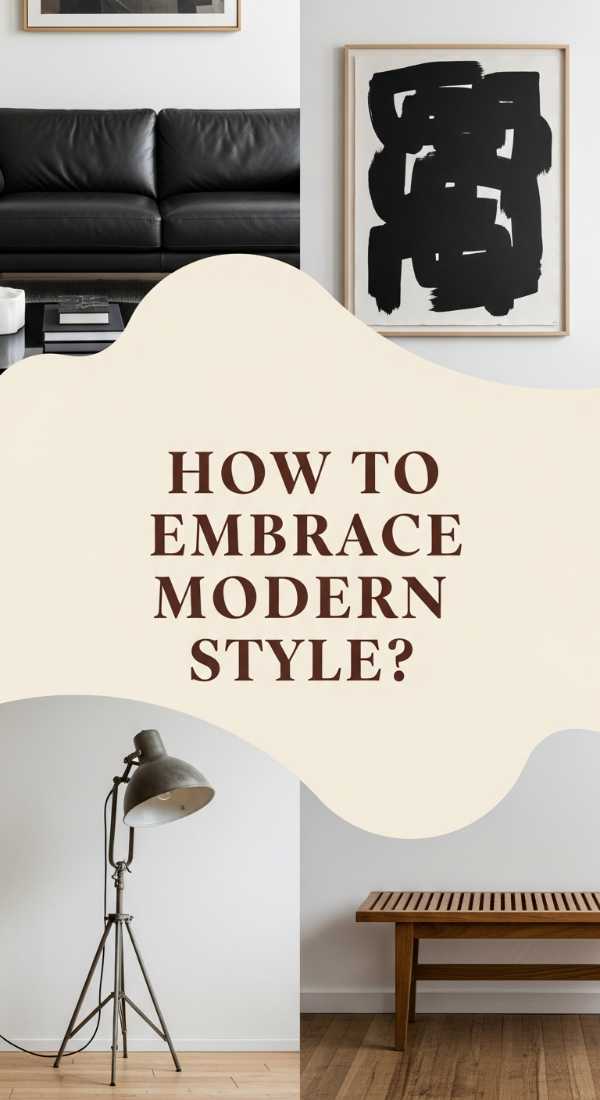
Modern minimalism is the art of ‘less, but better.’ We love the crisp, architectural lines that make a room feel organized and intentional. There is a profound sense of clarity when walking into a room with a monochromatic palette—think charcoal, slate, and stark white. The smooth, cold surface of a glass table paired with the matte finish of a modern lamp creates a visual rhythm that is incredibly satisfying. It’s a design style that celebrates the beauty of empty space, allowing the few pieces you do own to truly shine as works of art.
Essential Elements:
- Low-profile, linear furniture
- Monochromatic color scheme
- Hidden storage solutions
- Industrial materials (steel, glass, concrete)
- Large-scale abstract art
How to make it
- Adopt a ‘one in, one out’ rule. To achieve this look, you must declutter ruthlessly. Every object on display must serve a functional purpose or be a high-quality piece of art.
- Stick to a strict color palette. Choose two primary colors (like black and white) and one accent texture (like light oak or brushed steel) to maintain a streamlined look.
- Choose furniture with ‘hidden’ functionality. Look for coffee tables with drawers or media consoles with ‘push-to-open’ doors that don’t require handles, maintaining a seamless surface.
- Focus on ‘negative space.’ Leave at least one wall almost entirely empty or with just one large-scale piece of art to give the room a ‘gallery’ feel.
- Use light as an architectural element. Instead of decorative lamps, use recessed lighting or track lighting to highlight the lines of the room rather than the light fixture itself.
How to Elevate TV Wall Decor Ideas for a Stylish Media Center
Why we love this
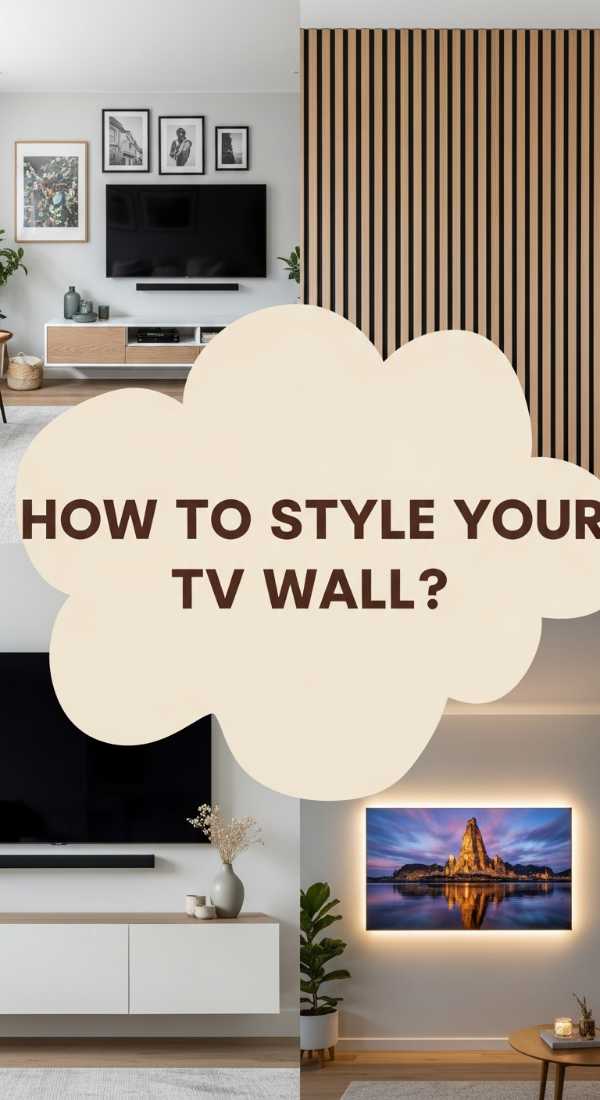
The TV is often the ‘black hole’ of a living room, but we love these viral ideas because they turn a piece of tech into a design feature. Imagine a TV that looks like a framed piece of art when off, surrounded by built-in slats of warm wood or a gallery of black-and-white photography. It’s about merging technology with decor so seamlessly that the ‘media center’ becomes the most stylish part of the house. The hidden cables and clean surfaces create a sense of order that is incredibly soothing to look at, even when you’re not watching a show.
Essential Elements:
- The ‘Frame’ style TV or a sleek mount
- Wood slat wall panels
- Floating media console
- Symmetrical decorative shelving
- Cable management sleeves
How to make it
- Mount the TV at eye level. A common mistake is hanging it too high; ensure the center of the screen is roughly 42 inches from the floor for comfortable viewing.
- Install a floating console underneath. This keeps the floor clear, which makes the room feel larger and more modern. Use this console to hide all cable boxes and gaming systems.
- Add a texture behind the screen. Use peel-and-stick wood slats or a dark, moody paint color on just that wall segment. A dark background helps the TV ‘disappear’ when it’s turned off.
- Balance the tech with art. Surround the TV with a ‘grid’ gallery wall of framed prints. Ensure the frames match the TV bezel to create a cohesive look.
- Hide the cords! Use in-wall cable routing kits or decorative cord covers painted the same color as the wall to eliminate the ‘spaghetti’ look of hanging wires.
How to Integrate Living Room Decor Ideas for an Indoor Jungle
Why we love this
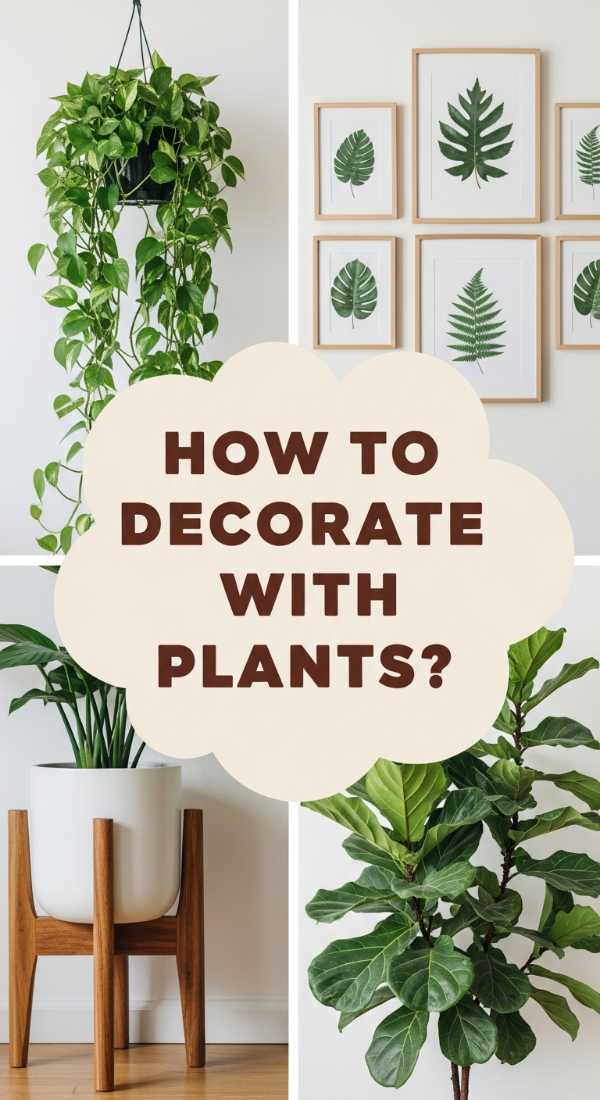
There is a literal breath of fresh air that comes with an indoor jungle. We love the vibrant, pulsing energy of deep green leaves against white walls, the earthy smell of damp soil after watering, and the way plants add life and movement to a static room. It feels like bringing a piece of the wild inside, creating a micro-climate of serenity and health. The varying textures—from the waxy leaves of a rubber plant to the delicate lace of a fern—add a layer of natural complexity that no manufactured decor can match.
Essential Elements:
- Statement floor plants (Monstera, Fiddle Leaf Fig)
- Trailing plants for shelving (Pothos, Heartleaf Philodendron)
- Terracotta or ceramic pots in varying sizes
- Humidifiers (disguised as decor)
- Natural light or full-spectrum grow lights
How to make it
- Identify your ‘light zones.’ Place high-light plants like Birds of Paradise near south-facing windows, and low-light plants like Snake Plants in the darker corners.
- Group plants in odd numbers (three or five). Cluster varying heights together—one tall floor plant, one mid-sized pot on a stool, and one small trailing plant—to create a ‘mini-forest’ look.
- Use ‘vertical real estate.’ Install hooks in the ceiling for hanging planters or use tall bookshelves to allow trailing vines to cascade down toward the floor.
- Maintain a consistent pot aesthetic. Even if the plants are different, using all white, all terracotta, or all stone pots will keep the ‘jungle’ from looking like a ‘mess.’
- Incorporate plant-care tech. Use stylish glass watering globes and hidden moisture meters to ensure your jungle stays lush and green rather than brown and crispy.
How to Layer Neutral Living Room Aesthetic for a Sophisticated Space
Why we love this
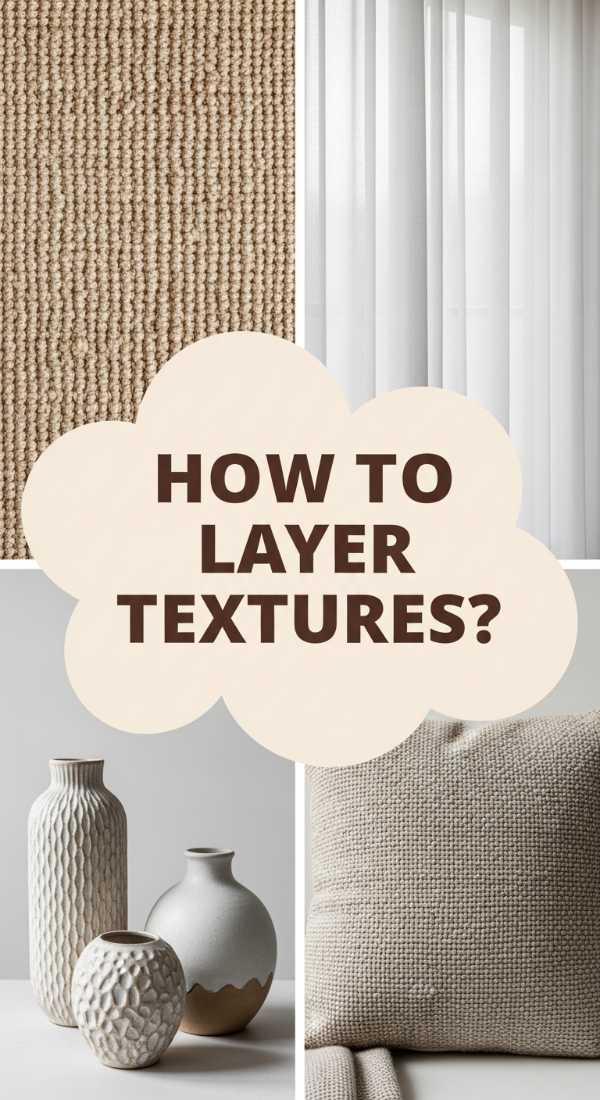
Layering is the secret sauce that takes a room from ‘plain’ to ‘published.’ We love this technique because it adds depth and history to a space without needing vibrant colors. It’s the tactile contrast between a smooth leather armchair and a rough-hewn stone bowl, or the way a vintage rug peeks out from under a modern, plush carpet. This approach creates a ‘sophisticated’ look because it requires a keen eye for detail and a focus on the subtle variations of light and shadow within the same color family. It feels expensive, thoughtful, and timeless.
Essential Elements:
- Varying materials (leather, stone, wool, silk)
- Tonal color variations (from cream to taupe)
- Vintage and modern furniture mix
- Layered window treatments (sheers plus heavy drapes)
- Architectural details like crown molding or wainscoting
How to make it
- Select your ‘anchor’ neutral color. If you choose beige, pick three shades: one lighter, one darker, and one mid-tone to use throughout the room.
- Layer your textiles. Put a smaller, patterned rug over a larger, plain sisal rug. Place a silk pillow in front of a linen one. This contrast in ‘hand-feel’ is what creates sophistication.
- Mix eras. Place a modern, sleek lamp next to a vintage wooden stool. The juxtaposition makes the room look curated over time rather than bought from a single showroom catalog.
- Introduce ‘hard’ and ‘soft’ layers. Ensure every soft surface (like a sofa) is balanced by a hard surface (like a metal side table or a stone tray) to keep the eye moving.
- Double up on curtains. Use a double rod to hang sheer panels for daytime privacy and heavy velvet drapes in the same color for evening drama and insulation.
How to Style Small Living Room Layout for High Ceiling Vibes
[IMAGE_10]
Why we love this
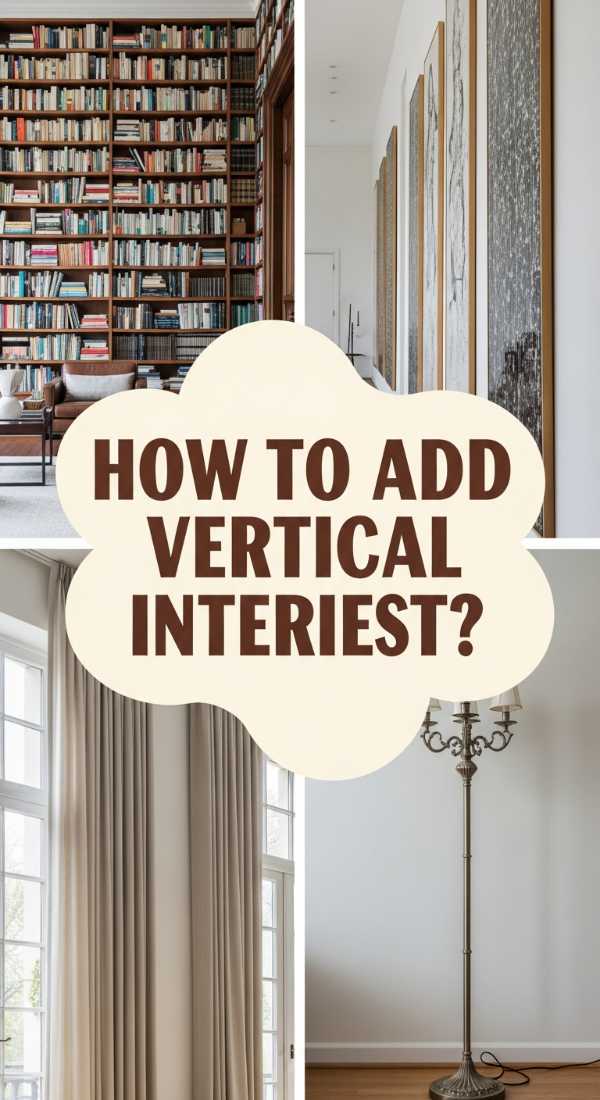
Even a room with standard 8-foot ceilings can feel like a grand loft with the right styling. We love this ‘high ceiling’ vibe because it creates a sense of majesty and breathability in even the smallest apartments. There’s a psychological lift that happens when your eyes are drawn upward—it makes you stand taller and feel less confined. Using vertical lines, long-hanging fabrics, and tall art pieces creates an upward momentum that makes the air in the room feel lighter and the overall aesthetic much more viral-worthy.
Essential Elements:
- Extra-long curtains hung at the ceiling line
- Vertical slat wall panels or tall bookcases
- Slim, floor-to-ceiling mirrors
- Oversized vertical wall art
- Low-slung furniture to increase ‘wall height’
How to make it
- Hang your curtain rods at the very top of the wall, just below the ceiling, rather than right above the window frame. Let the fabric ‘puddle’ slightly on the floor to elongate the walls.
- Choose ‘low-profile’ seating. By lowering the height of your sofa and coffee table, you increase the amount of empty wall space above them, which creates the illusion of higher ceilings.
- Use vertical accents. A tall, thin bookshelf or a vertical gallery wall of small prints will lead the eye from the floor to the ceiling, emphasizing height.
- Paint the ceiling a crisp, bright white with a slight sheen to reflect light downward, while keeping the walls a matte finish to create a sense of ‘receding’ space.
- Install a statement pendant light that hangs relatively low over a coffee table. This ‘anchors’ the bottom of the room while highlighting the vast space between the light fixture and the ceiling above.
Conclusion: Your Sanctuary Awaits
Creating a home that goes viral isn’t about chasing every fleeting trend; it’s about finding the balance between aesthetic beauty and personal comfort. Whether you are leaning into the lush leaves of an indoor jungle or the crisp lines of modern minimalism, the goal is always the same: to create a space that feels like ‘you.’ Start with one corner, focus on the textures and light, and watch as your home transforms into a serene retreat that not only looks incredible on camera but feels even better to live in every single day.