
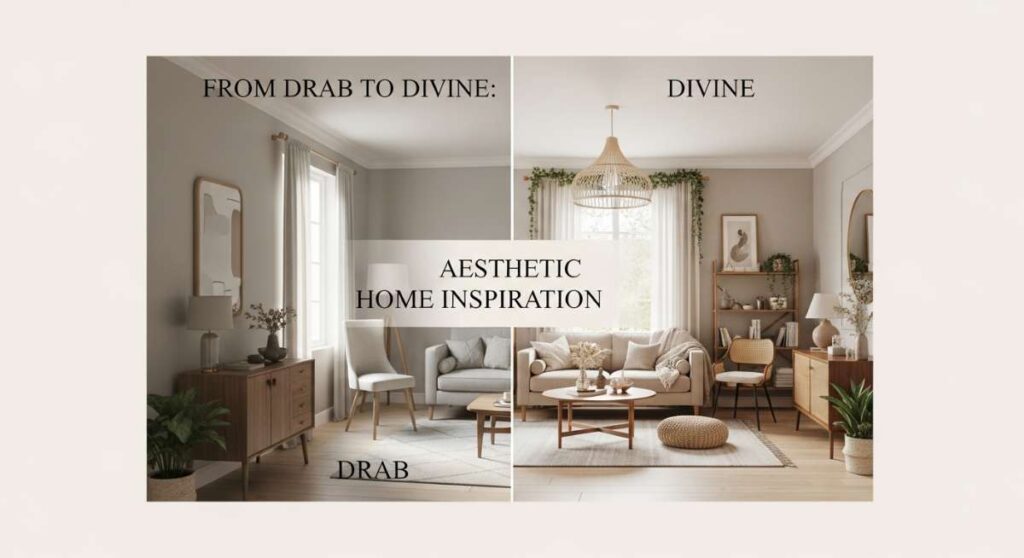
From Drab to Divine: Aesthetic Home Inspiration for Every Room
There is a profound, almost magical shift that happens when we finally decide to turn our houses into homes that actually reflect our souls. For years, I lived in a space that felt like a waiting room—beige walls, mismatched furniture, and a lingering sense that life would start ‘eventually’ once I had the perfect setup. But I realized that our homes are the canvases of our daily lives, and waiting for perfection means missing out on the joy of the present.
Stepping into a room that feels like ‘you’ is an emotional exhale. It’s the difference between just existing in a space and truly thriving within its walls. Whether it’s the warm embrace of rustic textures or the playful spark of whimsical accents, your environment dictates your mood, your creativity, and your peace. Let’s dive into how we can transform those drab corners into divine sanctuaries that celebrate every facet of your personality.
How to Style Rustic Mexican Charm for a Warm Heartfelt Home

Why we love this
There is an undeniable soulfulness in rustic Mexican design that feels like a warm hug from a long-lost relative. We love the way the earthy terracotta tiles feel underfoot, grounding the home in a sense of history and artisan craft. The aroma of aged cedar and sun-baked clay fills the air, creating a sensory experience that is both rugged and refined. It’s about the beauty of imperfection—the hand-painted talavera with its slight wobbles and the heavy wooden beams that tell a story of time and tradition, making every meal shared in this space feel like a sacred celebration of life.
Essential Elements:
- Terracotta floor tiles (Saltillo style)
- Exposed dark wood ceiling beams
- Hand-painted Talavera pottery
- Wrought iron light fixtures
- Woven textiles in burnt orange and deep indigo
- Carved mezquite wood furniture
How to make it
- Prepare your ‘base layer’ by ensuring your flooring is deep cleaned and sealed; for authentic Saltillo tiles, use a low-sheen penetrating sealer to bring out the natural iron-rich reds.
- Install heavy architectural elements like faux or real wood beams; ensure the wood is stained with a warm walnut tone to create that ‘simmered’ aged look.
- ‘Sear’ the room with lighting by choosing high-contrast wrought iron chandeliers that cast sharp, dramatic shadows against white plaster walls.
- Layer in the ‘spices’—your textiles—by draping hand-woven rebozos over chairs, ensuring the fringe is neatly combed for a professional finish.
- Visual cue for ‘doneness’: The room should feel heavy but ventilated, where the weight of the dark wood is perfectly balanced by the airy brightness of white lime-washed walls.
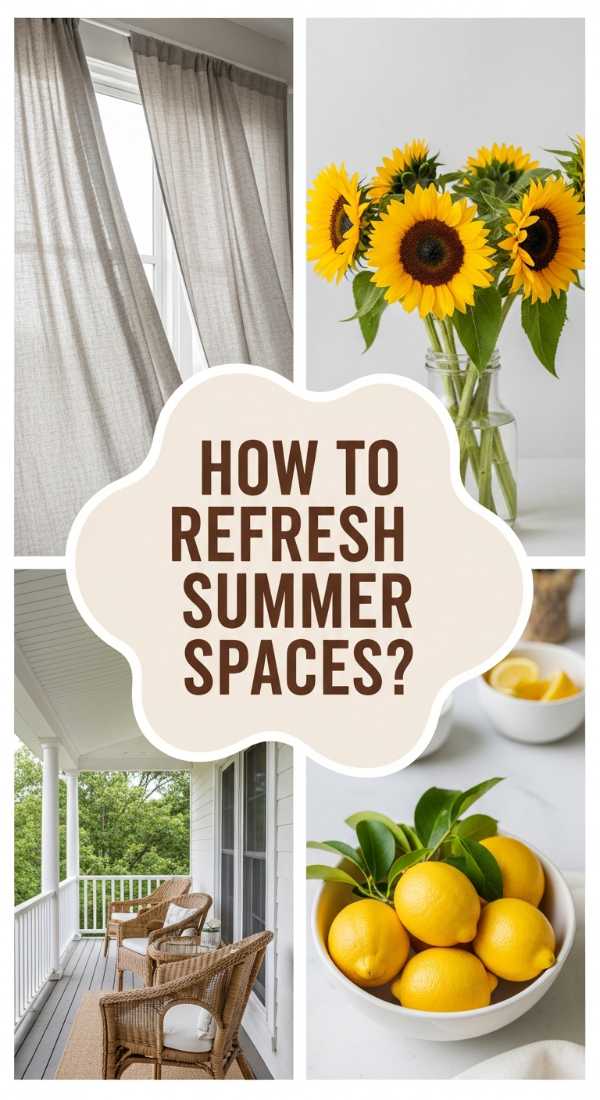
How to Refresh Summer Spaces for Endless Sunlit Bliss
Why we love this
Summer styling is all about capturing that fleeting, golden feeling of a Sunday afternoon that never ends. We adore how a simple swap of heavy drapes for sheer linens can completely change the ‘flavor’ of a room, allowing the breeze to dance through the house. The scent of fresh eucalyptus and sliced citrus on the counter pairs perfectly with the visual lightness of wicker and rattan. It’s a design style that breathes, inviting the outdoors in and encouraging you to slow down, sip something cold, and bask in the soft, diffused glow of the mid-July sun.
Essential Elements:
- Sheer white linen window treatments
- Rattan and seagrass furniture
- Light-toned wood accents
- Fresh botanical greenery (ferns or palms)
- Jute or sisal area rugs
- Citrus-scented candles or diffusers
How to make it
- Strip away ‘winter weight’ by removing heavy rugs and velvet pillows, prepping the room for a lighter ‘cook time.’
- Clean every glass surface until it’s invisible; this allows maximum light penetration, which acts as the ‘heat source’ for your summer glow.
- Arrange greenery in glass vases, ensuring stems are cut at a 45-degree angle for maximum hydration—the ‘doneness’ cue here is a turgid, bright green leaf.
- Mist your linens with a light lavender water; this ‘finishing spray’ sets the sensory tone of the room immediately.
- Monitor the ‘heat’ of the room by using light-filtering shades; you want a bright, high-key aesthetic without the scorching direct glare of the sun.
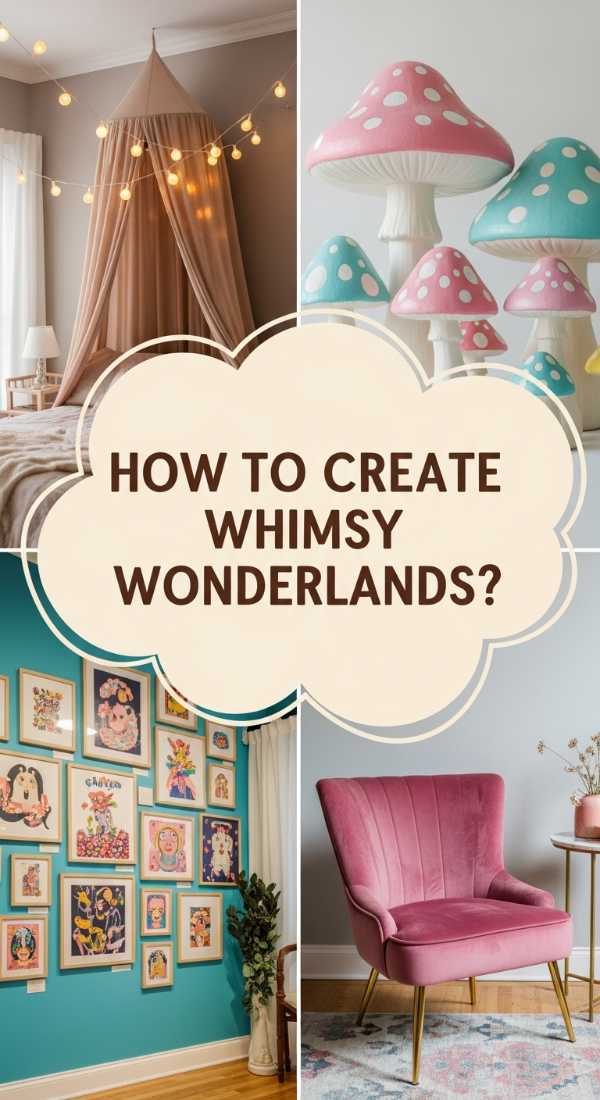
How to Create Whimsy Wonderlands for Pure Magic and Joy
Why we love this
Whimsy is the ultimate antidote to the seriousness of adulthood, and creating a wonderland at home is like reclaiming your childhood imagination. We love the unexpected pops of pastel pinks against mint greens, and the way a scalloped edge on a shelf can make you smile every time you pass it. The texture here is soft and marshmallow-like—think velvet poufs and fluffy faux-fur throws that invite you to sink in and dream. It’s a sensory delight of sugary colors and playful shapes that makes the ordinary feel extraordinary and every day feel like a storybook adventure.
Essential Elements:
- Scalloped furniture edges
- Pastel color palettes (mint, blush, lilac)
- Novelty lighting (mushroom lamps or neon signs)
- Velvet upholstery
- Patterned wallpapers (florals or polka dots)
- Iridescent or glass accents
How to make it
- Start with a ‘neutral batter’ of soft white walls to ensure your whimsical ‘toppings’ really pop.
- Introduce ‘texture folding’ by layering a high-pile rug over a flat-weave base to create visual and physical depth.
- Set the ‘lighting temperature’ to a warm 2700K; whimsy requires a soft, golden ‘bake’ rather than the cold blue of clinical light.
- Apply ‘decorative frosting’ using scalloped trim stickers or painting small murals in corners; look for crisp lines as a sign of professional execution.
- The room is ‘done’ when there is a surprise element in every line of sight—a hidden figurine or a clever piece of art that elicits a giggle.
How to Design Sacred Catholic Sanctuaries for Daily Peace

Why we love this
There is a deep, resonant stillness found in a home sanctuary that honors tradition and faith. We love the tactile experience of smooth beeswax candles and the cool touch of marble or polished wood under our hands. The visual richness of gold-leafed icons and the soft, rhythmic flicker of a votive light create an atmosphere of profound reverence. It’s a space where the aroma of frankincense lingers, instantly signaling the brain to leave the noise of the world behind and enter a state of quiet contemplation and soulful rest.
Essential Elements:
- Dedicated prayer altar or niche
- Framed religious icons or art
- Beeswax candles and brass holders
- Crucifix or cross wall hanging
- Lace altar cloths or fine linens
- Fresh flowers (lilies or roses)
How to make it
- Select a ‘low-traffic’ zone of the home to ensure the ‘prep area’ remains undisturbed by daily chaos.
- Position your primary icon at eye level; this serves as the ‘centerpiece’ of your spiritual dish.
- Layer your ‘base’ with a fine lace cloth, ensuring it is pressed perfectly flat with no creases—sharp lines signify respect and attention.
- Light the candles 10 minutes before use to allow the ‘aroma to bloom’ and the flame to stabilize into a steady, non-flickering glow.
- The sanctuary is ‘ready’ when the visual clutter of the room fades into the background, leaving only the illuminated focal point in sharp relief.
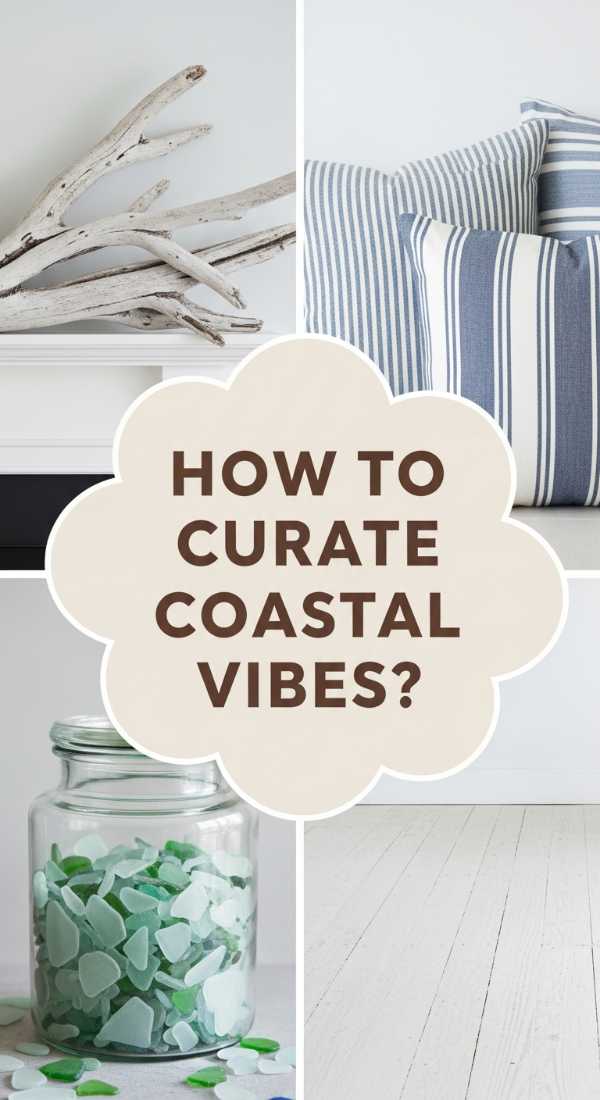
How to Curate Coastal Seaside Vibes for Total Oceanfront Calm
Why we love this
Coastal design is more than just blue and white; it’s a physical manifestation of the ocean’s rhythm. We love the weathered texture of driftwood that feels salt-cured and sun-dried to perfection. The sensory experience is defined by the sound of linen curtains rustling in the wind and the sight of soft, sandy neutrals that mimic a shoreline at dawn. It’s an effortless, ‘undone’ elegance that prioritizes comfort and breathability, making your home feel like a permanent vacation where the stress of the city simply washes away with the tide.
Essential Elements:
- Bleached wood flooring or furniture
- Navy, seafoam, and sand color palette
- Natural rope or twine accents
- Coral and seashell decor (ethically sourced)
- Large-scale landscape ocean photography
- Striped cotton dhurrie rugs
How to make it
- ‘De-salt’ your palette by removing any high-saturation warm colors (reds/yellows) that clash with the cool seaside aesthetic.
- Prep your furniture surfaces by lightly sanding wood to a matte finish; the ‘visual cue’ is a soft, chalky texture that looks like it’s been aged by the sea.
- Incorporate ‘aquatic layers’ using glass vases filled with sand and sea glass; ensure the glass is polished to a high shine to mimic water.
- Balance the ‘seasoning’ of your room with 70% neutrals and 30% blue tones to avoid the space feeling like a theme park.
- Doneness check: Sit in the center of the room; if you feel an immediate drop in heart rate and a sense of ‘coolness,’ the design is perfectly cured.
How to Layer Whimsical Accents for an Enchanting Living Room
Why we love this
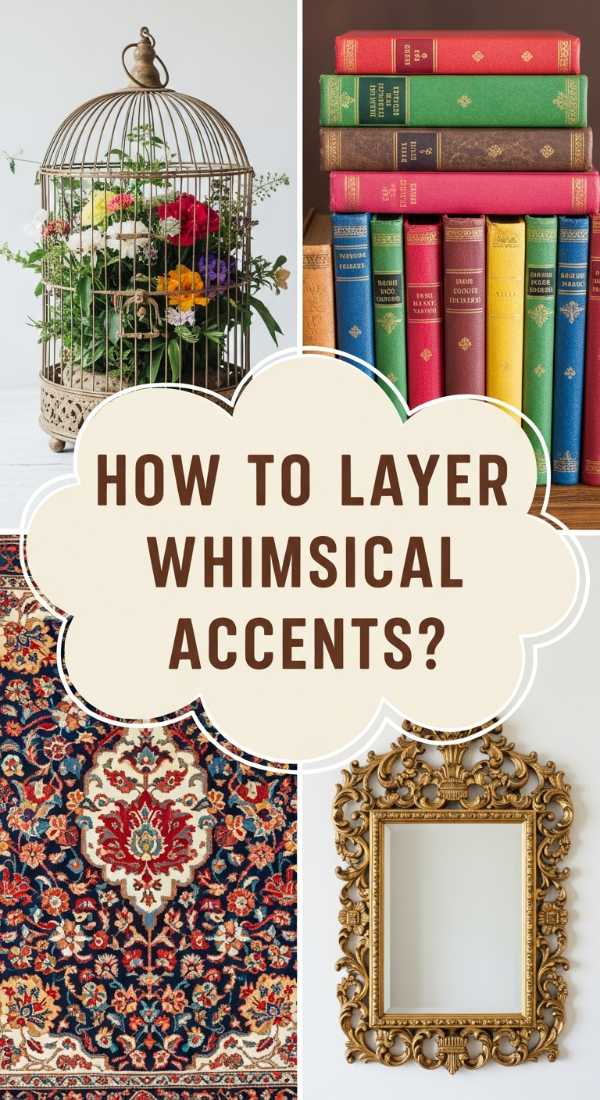
Layering whimsy into a living room is like adding secret ingredients to a classic recipe—it creates a complex, delightful ‘flavor’ that guests can’t quite put their finger on. We love the juxtaposition of a stately velvet sofa paired with a quirky, bird-shaped side table. It’s about the tactile joy of running your fingers over embroidered pillows that feature hidden woodland creatures. This style celebrates the eclectic and the eccentric, turning a standard seating area into a conversation-starting gallery of enchantment and lighthearted charm.
Essential Elements:
- Quirky animal-themed decor
- Fringed or tasseled throw pillows
- Gallery wall of mismatched frames
- Ornate gold-leaf mirrors
- Cloche displays for tiny curiosities
- Colorful, patterned lampshades
How to make it
- Build your ‘base stock’ with a solid-colored sofa to act as the foundation for the whimsical ‘spices’ to follow.
- Layer textiles by ‘folding in’ different patterns—start with a large floral and add a smaller geometric; the key is varying the scale so they don’t ‘clump’ visually.
- ‘Sear’ the room with a statement piece, like an oversized clock or a neon heart, to provide a high-energy focal point.
- Adjust the ‘density’ by grouping small objects in odd numbers (3s or 5s); this creates a natural, organic flow that feels ‘just right.’
- The room reaches ‘peak flavor’ when the eye moves constantly from one interesting detail to another without feeling overwhelmed.
How to Source Vintage Treasures for Timeless Elegant Character

Why we love this
Vintage treasures bring a ‘seasoned’ depth to a home that new items simply cannot replicate. We love the smell of old library books and the heavy, substantial feel of a solid brass candlestick from the 1920s. Each piece carries a patina—a visual history of scratches and wear that adds a layer of ‘umami’ to your interior design. It’s about the thrill of the hunt and the satisfaction of finding a one-of-a-kind object that grounds your modern home in a timeless, elegant narrative of quality and craftsmanship.
Essential Elements:
- Mid-century modern sideboards
- Antique brass hardware and accents
- Oil paintings in ornate frames
- Vintage Persian or Turkish rugs
- Gilded bookends
- Crystal decanters
How to make it
- ‘Scout and prep’ by visiting estate sales; look for ‘heavy’ items—weight is often a cue for high-quality solid wood or metal.
- Clean vintage finds with specific ‘solvents’ (like linseed oil for wood or lemon juice for brass) to restore the shine without stripping the character.
- ‘Curate the mix’ by placing one vintage piece for every two modern pieces; this ensures the room doesn’t taste ‘stale’ or like a museum.
- Position art so that the ‘patina’ is highlighted by natural light; the visual cue for a good find is a soft, non-reflective glow on aged surfaces.
- The aesthetic is ‘fully cooked’ when the room feels established, as if it has evolved over decades rather than being bought in a weekend.
How to Arrange Welcome Home Decor for the Ultimate Guest Greeting
Why we love this
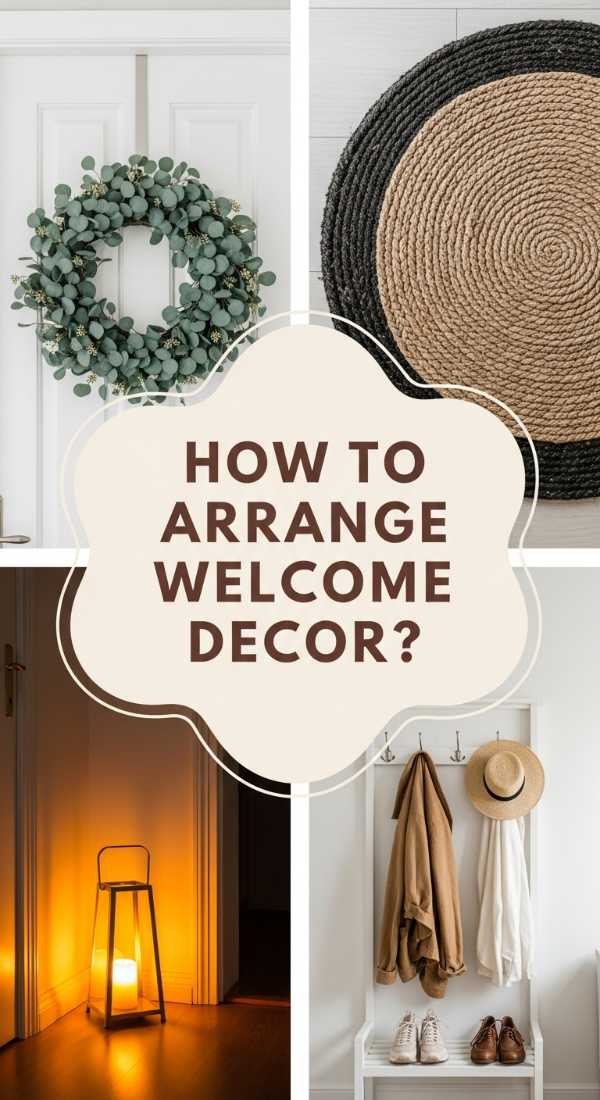
The entryway is the ‘appetizer’ of your home, setting the tone for everything that follows. We love the inviting scent of a signature candle—perhaps something with notes of vanilla and tobacco—and the soft glow of a low-wattage lamp that says ‘come in and stay a while.’ A well-arranged greeting area provides a sense of immediate relief and hospitality. The texture of a sturdy coir mat followed by a soft runner creates a transition from the harsh outside world into the plush, curated comfort of your private life.
Essential Elements:
- Console table with a catch-all tray
- Statement mirror for light reflection
- Signature home fragrance (candle or reed diffuser)
- Soft lighting (small table lamp)
- Fresh seasonal floral arrangement
- Decorative hooks for coats and bags
How to make it
- ‘Clear the workspace’ by removing all clutter; a guest’s first ‘bite’ of your home should be clean and organized.
- Set the ‘aroma profile’ by lighting your candle 30 minutes before arrival; this allows the scent to ‘reduce’ into a subtle, welcoming background note.
- Angle your mirror to reflect the most attractive part of the adjacent room; this ‘doubles’ the visual space and light.
- Place a ‘utility layer’ (tray for keys/mail) to provide function; ensure it is made of a warm material like leather or wood to keep the mood ‘soft.’
- The ‘visual cue’ for a perfect entry is the feeling of an ‘open arms’ embrace—nothing should block the walking path.
How to Blend Rustic Mexican and Vintage Textures for Soulful Style

Why we love this
Blending rustic Mexican charm with vintage elegance is like a fusion dish that hits every flavor note perfectly. We love how the rough, sun-drenched texture of a Mexican clay pot sits beautifully atop a polished, vintage mahogany desk. It’s a soulful combination that marries the rugged spirit of the desert with the refined grace of the past. The sensory experience is rich and layered—think the smell of leather and old paper mixed with the earthy vibration of hand-woven wool rugs, creating a home that feels deeply rooted and globally inspired.
Essential Elements:
- Leather ‘Equipal’ chairs
- Vintage industrial lighting
- Hand-carved wooden masks or art
- Antique textile wall hangings
- Worn-in leather sofas
- Aged copper kitchenware or accents
How to make it
- ‘Marinade’ your plan by picking a dominant style (60%) and a supporting style (40%) to ensure they don’t compete for the ‘palate.’
- Incorporate ‘texture bridges’—items that share qualities of both styles, like a vintage wooden trunk with iron Mexican hardware.
- Apply ‘heat’ through color; use the warm ochres and terracottas of Mexico to warm up the potentially ‘cool’ or dark tones of vintage pieces.
- Layer ‘aged’ accents; look for a visual cue of ‘crackle’ in pottery or ‘wear’ in leather to unify the two different origins.
- The style is ‘perfectly plated’ when the room feels like a collection of travels and history rather than a specific ‘look.’
How to Infuse Whimsical Details into Coastal Living for Playful Elegance

Why we love this
Infusing whimsy into coastal decor prevents the style from becoming too ‘beach-shack’ and moves it into the realm of playful elegance. We love the surprise of a seashell-encrusted mirror that has a slightly surreal, oversized shape, or a lamp base shaped like a giant pineapple but finished in sleek, nautical white. It’s a sensory delight that feels like a salty sea breeze mixed with a burst of laughter. The textures are a mix of rough sisal and smooth, glossy ceramics, creating a sophisticated yet lighthearted sanctuary that doesn’t take itself too seriously.
Essential Elements:
- Seashell-encrusted frames or mirrors
- Nautical stripes in unexpected colors (like coral or mint)
- Playful marine life sculptures (octopus or whales)
- Glossy ceramic garden stools
- Driftwood chandeliers with crystal drops
- Watercolor ocean art with gold leaf accents
How to make it
- Start with a ‘brine’ of classic coastal colors (white and sand) to keep the base sophisticated.
- ‘Infuse’ the whimsy by choosing one ‘hero’ piece—like a giant pink coral sculpture—to act as the room’s main ‘flavor’ profile.
- Keep ‘texture tension’ high by pairing a very rough natural element (rope) with a very smooth, whimsical element (glass beads).
- Adjust ‘visual seasoning’ by ensuring the whimsical items are high-quality materials; avoid plastic to keep the ‘elegance’ intact.
- Doneness cue: The room should feel like a ‘sophisticated playground’ where you feel both relaxed and inspired by the creative details.
Conclusion: Your Home, Your Masterpiece
Transforming your home from drab to divine isn’t about following a set of rigid rules; it’s about learning the ‘recipe’ for your own happiness and adjusting the ingredients until they taste just right. Whether you find peace in the sacred silence of a prayer corner or joy in the whimsical pops of a pastel-filled living room, your home should be a reflection of your journey. Take it one room at a time, trust your instincts, and remember that the most beautiful homes are the ones that are filled with love, character, and a little bit of magic.