
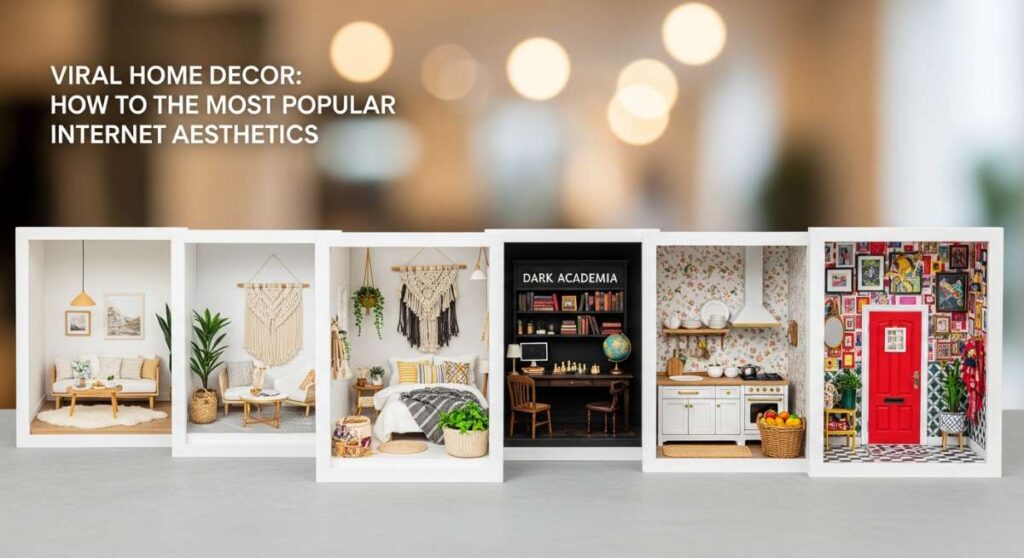
Viral Home Decor: How to Nail the Most Popular Internet Aesthetics
Have you ever scrolled through your feed and felt a physical tug at your heart when you see a perfectly curated living room? It is that moment where the lighting, the textures, and the overall ‘vibe’ just click. We spend so much of our lives within these four walls, and lately, the internet has become a global mood board that helps us redefine what ‘home’ feels like. Whether you are looking for peace, playfulness, or a trip down memory lane, there is a viral aesthetic waiting to transform your space into a sanctuary.
In this guide, we are diving deep into the trends that are currently breaking the internet. We aren’t just looking at pretty pictures; we are breaking down the DNA of these styles so you can recreate them with confidence. From the sun-drenched warmth of a Mexican hacienda to the nostalgic neon of the nineties, let’s explore how to ‘cook up’ a home environment that nourishes your soul and impresses every guest who walks through the door.
How to Style Rustic Mexican Home Decor for a Warm Living Room
Why we love this
There is an undeniable soulfulness in rustic Mexican decor that feels like a warm embrace from the sun. Imagine the scent of aged cedar wood mingling with the earthy, mineral aroma of sun-baked terracotta tiles underfoot. The texture is a beautiful dance between the ruggedness of hand-carved furniture and the buttery smoothness of hand-painted Talavera pottery. This aesthetic creates a grounded, communal feeling where every imperfection tells a story of craftsmanship and heritage, making your living room feel like a vibrant, welcoming sanctuary that glows even on the cloudiest days.
Essential Elements:
- Terracotta floor tiles or warm clay accents
- Hand-painted Talavera pottery and tiles
- Distressed wood furniture (Parota or Pine)
- Wrought iron light fixtures and hardware
- Woven textiles like Saltillo rugs and serapes
- Large leafy indoor plants like Monstera or Yucca
How to make it
- Prepare the ‘Base Layer’: Start by clearing your space and focusing on the flooring. If you cannot install tile, use a large, rust-toned area rug to simulate the warmth of terracotta. This acts as your ‘pan,’ holding the entire design together.
- Season with Furniture: Introduce a heavy, dark wood coffee table or sideboard. Ensure the wood has a visible grain and a matte finish. This provides the ‘weight’ necessary for the rustic aesthetic.
- Add the Spices (Color): Distribute pops of cobalt blue, sunflower yellow, and burnt orange through pillows and ceramics. Space these out evenly so the ‘flavor’ of the room is balanced and doesn’t overwhelm any single corner.
- The Sear (Hardware): Swap out standard silver or gold drawer pulls for matte black wrought iron. This ‘seals’ the look, providing a sharp, artisanal contrast to the soft textures of the wood and fabric.
- Garnish with Greenery: Place large-scale plants in clay pots near windows. The organic green provides a refreshing acidity to the warm-toned palette, making the room feel alive and breathing.
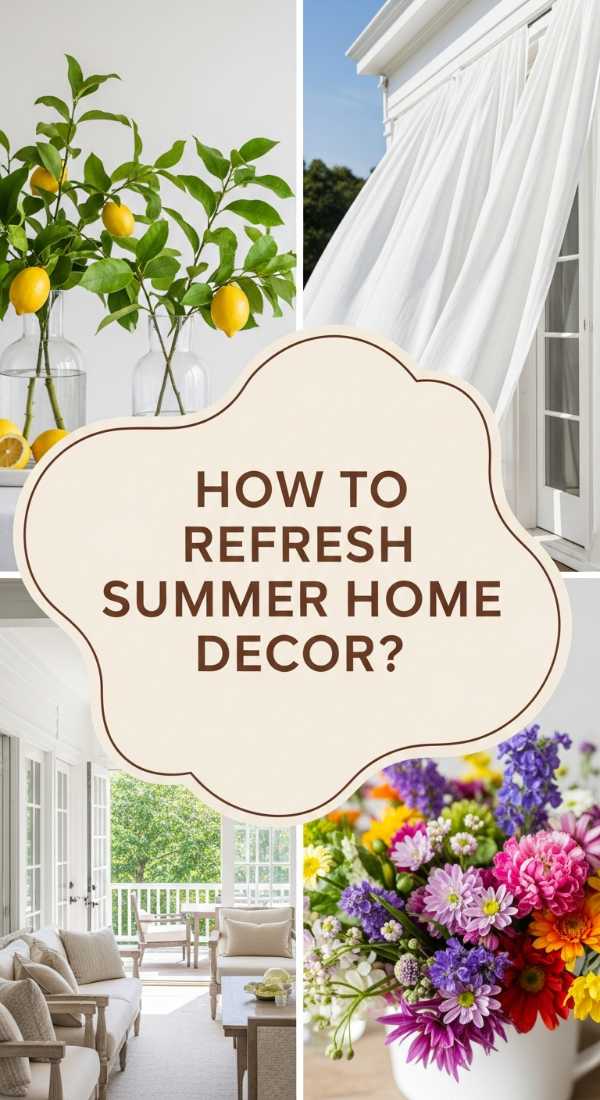
How to Refresh Summer Home Decor for an Airy Seasonal Glow
Why we love this
Summer decor is all about capturing that fleeting, golden-hour magic and letting it breathe inside your home. It smells like fresh-cut citrus and sea salt, with the tactile sensation of cool, crisp linen against your skin after a long day in the sun. We love this look because it strips away the heaviness of winter, replacing it with sheer fabrics that dance in the breeze and light-reflective surfaces that make even the smallest apartment feel like a sprawling seaside villa. It is a sensory palette cleanser that invites relaxation and lightness of spirit.
Essential Elements:
- Sheer linen or cotton curtains
- Rattan and seagrass textures
- Light oak or bleached wood accents
- Clear glass vases with wild stems
- Citrus and herb-scented candles
- Neutral color palette with pale blue or lemon accents
How to make it
- The Cooling Phase: Remove heavy velvet or wool drapes. Replace them with sheer linen panels. Ensure the rod is placed 6 inches above the window frame to draw the eye upward, maximizing the ‘airy’ volume of the room.
- Lightening the Load: Swap dark decorative pillows for light-colored, breathable fabrics. Use a ‘whipped’ texture approach—layering different shades of white and cream to create depth without adding visual weight.
- Infusing Fragrance: Place a bowl of fresh lemons or a sprig of eucalyptus in the entryway. This acts as an aromatic ‘first bite’ for anyone entering the home, instantly signaling a change in season.
- Reflective Prep: Clean all glass surfaces and mirrors to a high shine. Position a large mirror opposite your largest window to ‘double’ the natural light, bouncing it into the darker corners of the room.
- Finishing Spritz: Incorporate natural textures like a jute rug or a rattan tray. These elements ground the light colors, preventing the room from feeling too sterile or ‘floaty.’
How to Create Whimsical Home Decor for a Playful Magical Atmosphere

Why we love this
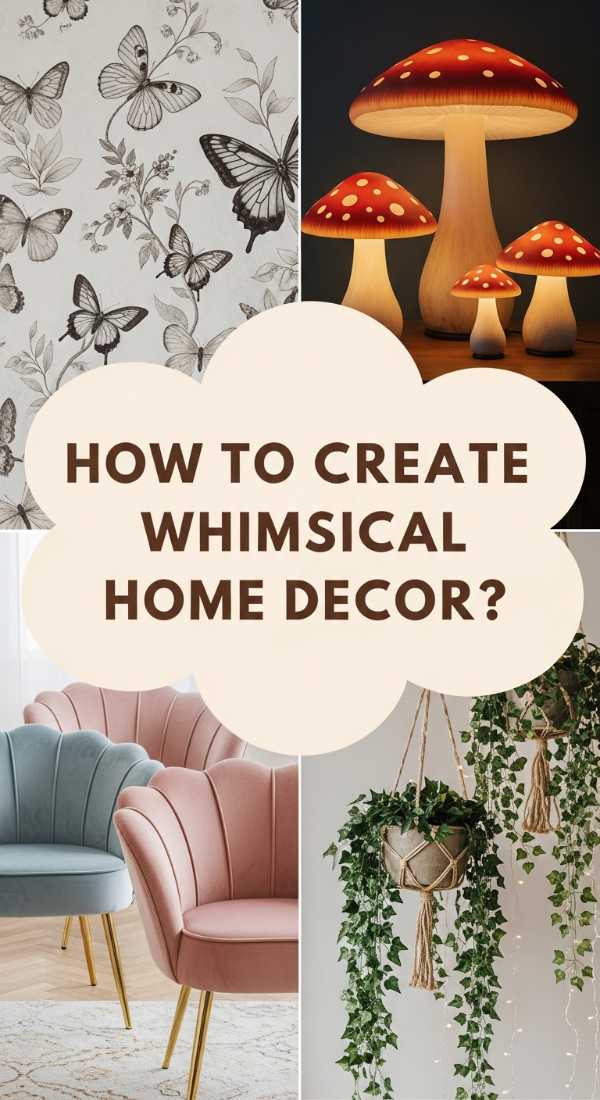
Whimsical decor is an invitation to play, turning your home into a living storybook filled with wonder and ‘main character’ energy. It is characterized by the soft glow of mushroom lamps, the velvet touch of scalloped furniture, and the sweet, nostalgic scent of vanilla or rose petals. This aesthetic celebrates the unusual—curved lines that defy gravity and a pastel color palette that feels like a sunset on another planet. It is a delightful escape from the mundane, designed to spark creativity and make every morning feel a little bit more magical.
Essential Elements:
- Mushroom-shaped lamps and lighting
- Scalloped edges on rugs or shelving
- Iridescent or holographic finishes
- Soft pastel color schemes (lavender, mint, blush)
- Curvy, non-linear furniture shapes
- Floral motifs and botanical prints
How to make it
- Mapping the Magic: Identify ‘zones of interest’ in your room where you can break traditional rules. Instead of a square rug, ‘pour’ a wavy or blob-shaped rug onto the floor to disrupt the linear flow.
- The Lighting Technique: Avoid harsh overhead lights. Use ‘low-heat’ ambient lighting like soft-glow mushroom lamps or LED strips hidden behind furniture. The goal is a diffuse, ethereal glow that mimics a twilight forest.
- Mixing Textures: Combine contrasting ‘mouthfeels’—pair a fuzzy faux-fur stool with a sleek, iridescent acrylic side table. This tension creates the ‘unreal’ sensation vital to the whimsical aesthetic.
- Color Glazing: Apply a soft pastel palette. If painting walls, use a matte finish to give the colors a chalky, dreamlike quality. Layer tone-on-tone (e.g., blush pink on rose gold) for a sophisticated yet playful depth.
- The Final Flourish: Add ‘easter eggs’ throughout the room—small, unexpected details like a brass snail figurine or a hidden floral mural inside a closet. These details reward the observer for looking closer.
How to Incorporate Catholic Home Decor for a Sacred Peaceful Sanctuary
Why we love this
There is a profound sense of timelessness and peace found in the ‘Churchcore’ or sacred aesthetic. It is a sensory experience defined by the rich, heavy scent of beeswax and frankincense, the cool touch of stone or polished wood, and the visual beauty of ornate iconography. We love this because it creates a dedicated space for reflection and quietude in a noisy world. The combination of candlelight, velvet textures, and gold leaf accents provides a ‘soul-deep’ warmth that feels both ancient and incredibly grounding for the modern spirit.
Essential Elements:
- Home altars or prayer corners (Oratories)
- Religious icons or classical art prints
- Crucifixes and sacred hearts (Milagros)
- Beeswax candles and incense burners
- Rich velvet fabrics in deep red or blue
- Antique wood furniture and brass accents
How to make it
- Establishing the Hearth: Choose a quiet corner to serve as your focal point or ‘altar.’ Use a small wooden table or wall shelf. This is the ‘foundation’ of your sacred space, where all other elements will converge.
- Layering the Sacred: Place a lace or velvet runner over the surface. The fabric should hang slightly over the edges to create a sense of ‘drape’ and ceremony, similar to traditional liturgical settings.
- Visual Seasoning: Arrange icons or art at eye level. Use varied heights by placing some items on small wooden blocks. The ‘rule of three’ works best here—one central piece flanked by two smaller supporting elements.
- Aromatic Activation: Incorporate scent through pure beeswax candles or a small incense bowl. The lighting should be ‘low and slow’—warm candle flames providing the primary illumination to create moving shadows and a sense of life.
- Final Dedication: Add a small vessel for holy water or a bowl for prayer intentions. These tactile touchpoints encourage a daily ‘prep’ of the spirit, making the decor functional for your personal ritual.
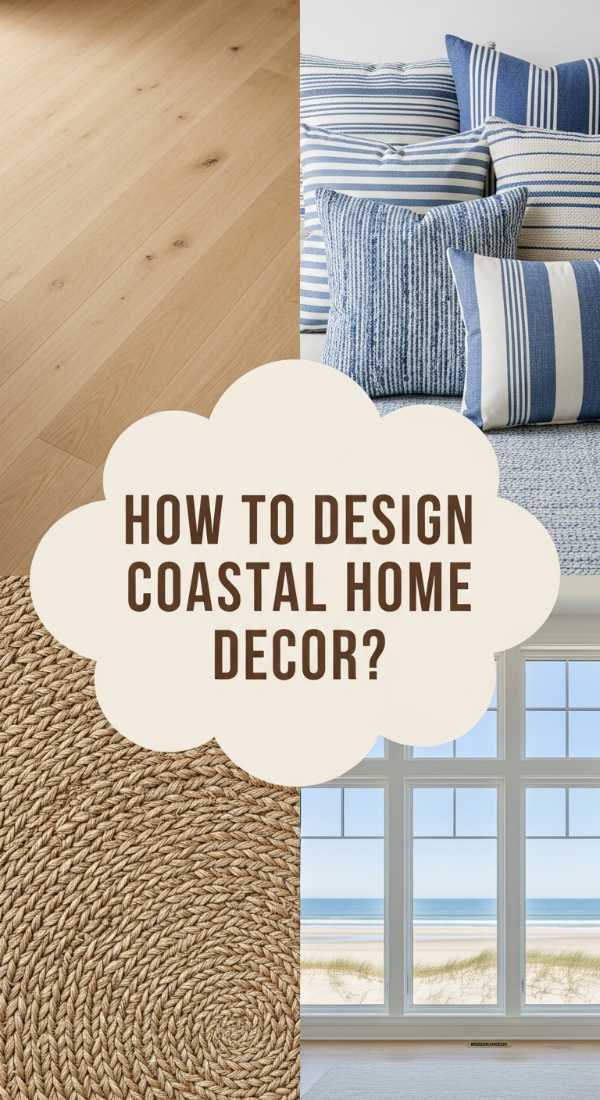
How to Design Coastal Home Decor for a Breezy Oceanfront Feeling
Why we love this
Coastal decor isn’t just about shells; it’s about the feeling of the horizon meeting the sea. It is the aroma of ozone and dried seagrass, the tactile sensation of weathered wood grain, and the visual calm of a tonal blue-and-white palette. We love this look because it mimics the rhythm of the tides, bringing a sense of flow and openness to any space. It feels like a perpetual vacation, where the stress of the world is washed away by soft textures and a color story that echoes the natural beauty of the shoreline.
Essential Elements:
- Slipcovered furniture in white or oatmeal
- Weathered or ‘driftwood’ finish wood
- Jute, sisal, or seagrass floor coverings
- Striped patterns (especially ticking or Breton stripes)
- Glass bottles in sea-glass green and blue tints
- Natural textures like coral, shells, or rope
How to make it
- The Base Blanch: Start with a crisp white wall color. Use a ‘cool’ white to mimic the bright glare of the sun on sand. This creates the maximum ‘plate’ for your other design flavors to stand out.
- Adding the Salt: Introduce textured rugs made of jute or sisal. The ‘scratchy’ texture is essential—it provides the grounding contrast to the soft slipcovered seating, much like salt enhances a sweet dish.
- Depth of Flavor (Blue): Layer varying shades of blue, from the palest ‘seafoam’ to the deepest ‘navy.’ Use the navy for ‘foundation’ pieces (like a rug border) and the lighter blues for ‘garnish’ (like throw pillows).
- Texture Sauté: Bring in elements that look weathered by the elements. A coffee table with a gray-wash finish or a lamp base wrapped in thick manila rope adds the ‘crust’ that defines the coastal look.
- Letting it Rest: Keep the layout open. Avoid ‘overcrowding’ the furniture. A coastal room needs ‘air’ between pieces to simulate the vastness of the ocean, so leave plenty of negative space.
How to Layer Boho Home Decor for an Eclectic Cozy Sanctuary
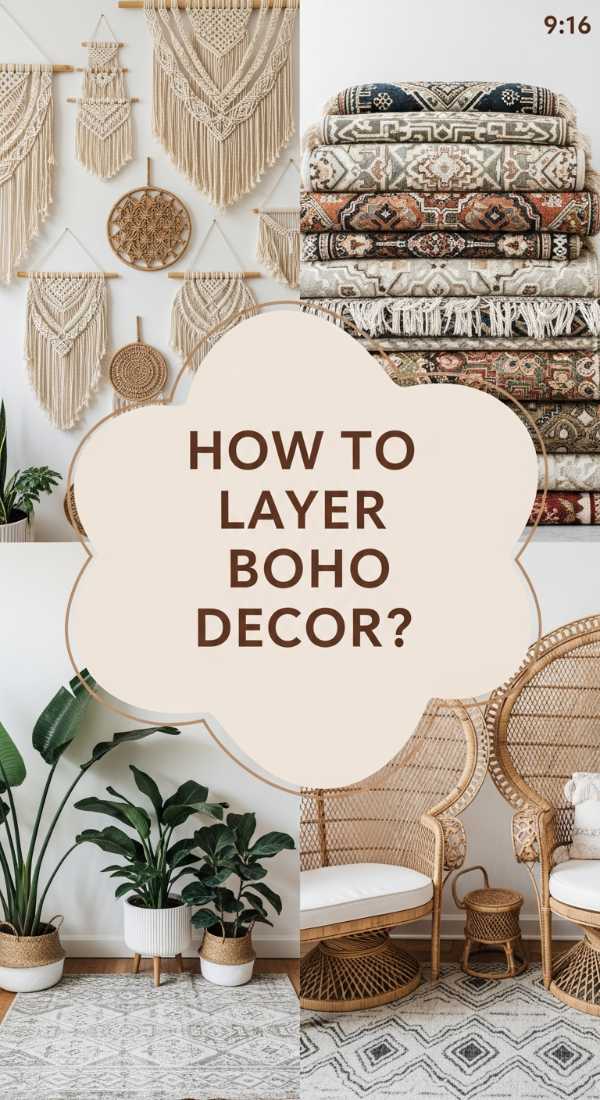
Why we love this
Boho decor is the ultimate ‘comfort food’ of interior design. It is a rich, layered feast for the senses, smelling of patchouli and cedar, and feeling like a collection of soft velvets, knotted macramé, and plush wool. We love it because it rejects perfectionism. It is a style that grows with you, allowing for an eclectic mix of global patterns, vintage finds, and an abundance of plant life. It’s a sanctuary that feels lived-in, loved, and deeply personal, offering a cozy retreat that encourages you to kick off your shoes and stay a while.
Essential Elements:
- Macramé wall hangings and plant hangers
- Layered rugs (a patterned rug over a larger jute rug)
- Floor pillows and Moroccan poufs
- Peacock chairs or rattan furniture
- A mix of patterns: ikat, kilim, and floral
- Trailing plants like Pothos or Ivy
How to make it
- The Layering Technique: Start from the floor up. Lay down a large, neutral rug, then ‘cross-hatch’ a smaller, brightly patterned Persian or Kilim rug on top at a slight angle. This creates the ‘messy-perfect’ foundation.
- Folding in Texture: Add textiles in stages. Place a chunky knit throw over the back of a velvet sofa. The ‘clash’ of the smooth velvet and the rough wool is exactly the ‘flavor profile’ we are looking for.
- Height Adjustment: Incorporate varying levels of seating. A low-profile floor pouf next to a standard chair breaks the ‘horizon line’ of the room, making it feel more relaxed and informal.
- Plant Infusion: Treat your plants like ‘herbs’—more is usually better. Place trailing plants on high shelves and tall fiddle-leaf figs in corners. The ‘green canopy’ overhead provides the enclosure needed for a sanctuary feel.
- The Final Seasoning: Display your ‘collected’ items—vintage books, brass candle holders, and travel souvenirs. These items provide the ‘authentic notes’ that make the Boho style feel real rather than staged.
How to Revive Nineties Home Decor for a Bold Nostalgic Vibe
Why we love this
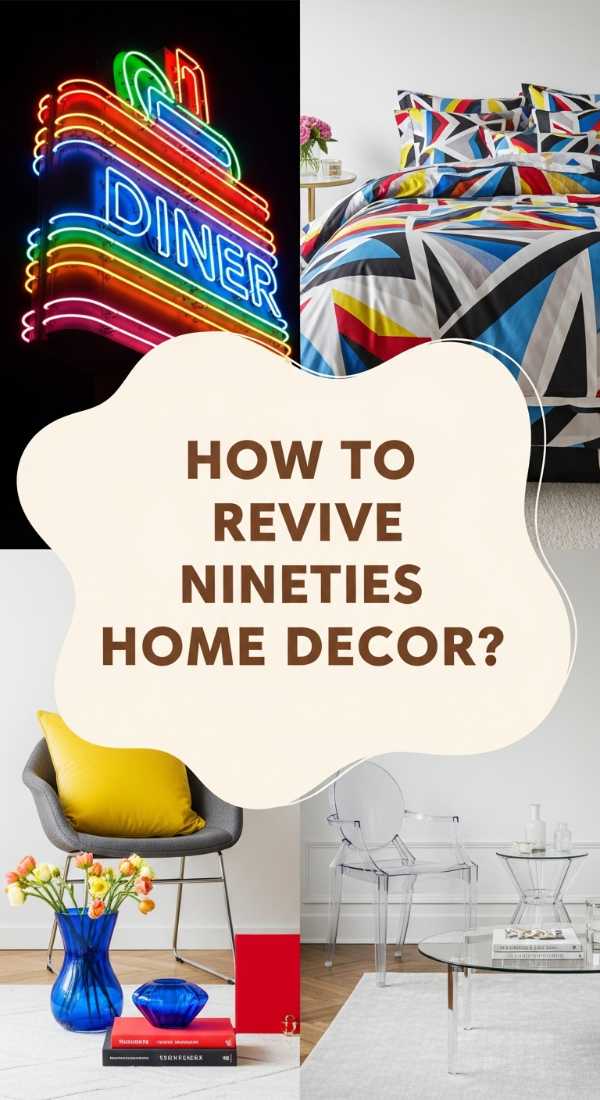
Nineties revival is the design equivalent of a pop anthem—loud, energetic, and unapologetically fun. It smells like a fresh ‘new car’ scent and feels like smooth plastic, inflatable vinyl, and fuzzy neon textiles. We love this because it breaks the ‘beige’ cycle of modern design, reintroducing bold primary colors and geometric shapes that spark instant joy. It’s a nostalgic trip back to a time of optimism and digital dawn, creating a space that feels vibrant, youthful, and full of personality.
Essential Elements:
- Primary color accents (Red, Yellow, Blue)
- Geometric and ‘squiggle’ shapes
- Inflatable furniture or acrylic ‘ghost’ chairs
- Neon signs and lava lamps
- Checkerboard patterns
- Pop art prints and posters
How to make it
- The High-Contrast Base: Start with a neutral background (white or light gray) to allow the ‘neon’ colors to pop. This is like using a high-heat pan to get a quick sear on your colors.
- Geometric Prep: Introduce furniture with bold shapes. Look for ‘chunky’ silhouettes or the iconic ‘squiggle’ mirror. These shapes act as the ‘main protein’ of the room’s visual menu.
- The Color Flash: Choose one primary color to lead. If you pick cobalt blue, use it in large doses—a rug or an armchair—and then ‘garnish’ with smaller pops of yellow or red to create visual tension.
- Material Mix: Combine ‘high-tech’ materials like acrylic or chrome with ‘low-tech’ textures like a fuzzy shaggy rug. This contrast is the hallmark of nineties ‘cool.’
- Lighting the Scene: Use a neon sign or a color-changing smart bulb to wash the room in a specific hue (like pink or teal) at night. This ‘glazes’ the entire design in nostalgia.
How to Source Vintage Home Decor Ideas for a Timeless Elegant Style
Why we love this
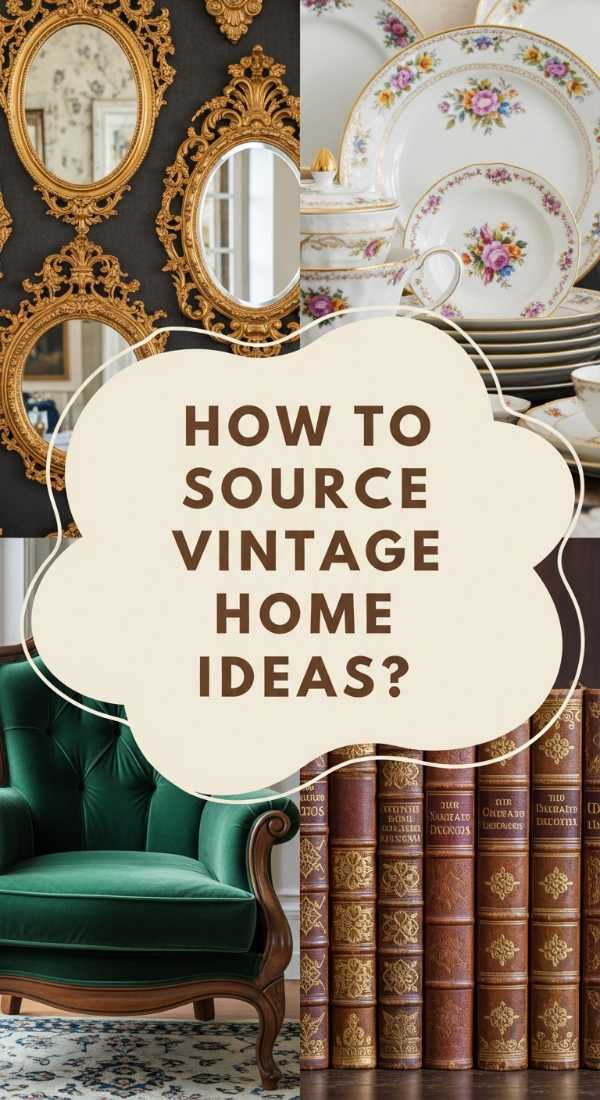
Vintage decor is like a slow-cooked meal—it takes time to assemble, but the depth of flavor is unmatched. It smells of old books and polished mahogany, with the cool, heavy weight of brass and the intricate texture of lace or brocade. We love this because it brings a sense of history and ‘soul’ to a home. Every piece has a previous life, offering a level of craftsmanship and unique detail that you simply cannot find in modern mass-produced furniture. It creates a space that feels curated, timeless, and deeply sophisticated.
Essential Elements:
- Antique wood furniture (Mid-century modern or Victorian)
- Brass or copper hardware and accents
- Ornate, gilded picture frames
- Oriental or Persian rugs with natural wear
- Crystal glassware and decanters
- Vintage oil paintings or botanical sketches
How to make it
- The Sourcing Hunt: Treat thrifting like a ‘farm-to-table’ process. Look for ‘good bones’—solid wood construction and unique silhouettes—rather than perfect finishes. Scratches add ‘character seasoning.’
- Refining the Finish: Clean and polish your finds. A high-quality wood wax or brass polish ‘wakes up’ the dormant beauty of a vintage piece, giving it a professional, high-end glow.
- The Curation Mix: Do not use only vintage items, or the room will feel like a museum. Pair a heavy 19th-century oak table with modern, minimalist chairs. This ‘fusion’ makes the vintage pieces feel relevant and fresh.
- The Framing Technique: Group smaller vintage sketches or photos together in a gallery wall using mismatched gilded frames. This creates a ‘dense’ visual texture that draws the eye in.
- Layering the Patina: Use items with a natural ‘wear pattern’—a rug where the edges are slightly faded or a leather chair with a soft ‘crackle.’ This ‘aged’ texture is the secret ingredient to a timeless look.
How to Elevate Mobile Home Decorating for a High End Luxury Look
Why we love this
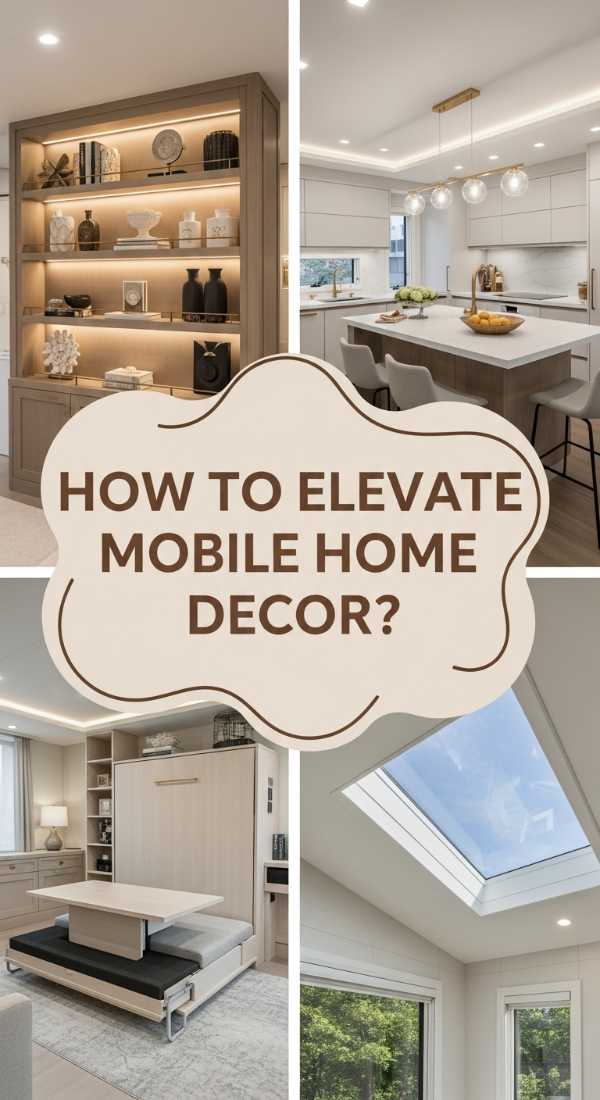
Mobile home decorating is a masterclass in ‘compact luxury.’ It is about maximizing every square inch to create a space that feels expansive, expensive, and incredibly organized. We love the challenge of this aesthetic because it relies on clever proportions and high-quality textures rather than sheer size. It smells of fresh linen and expensive candles, feeling like a high-end boutique hotel suite. By focusing on vertical lines and light-reflective surfaces, you can turn a modest footprint into a palatial retreat that defies expectations.
Essential Elements:
- Vertical wall paneling or shiplap
- Built-in storage solutions
- Over-sized mirrors to expand the view
- High-end light fixtures (chandeliers or sconces)
- Consistent flooring throughout the entire space
- Luxury textiles like velvet and high-thread-count cotton
How to make it
- The Uniformity Principle: Use the same flooring throughout the entire home. This ‘unbroken line’ tricks the eye into seeing one large continuous space rather than small, chopped-up ‘ingredients.’
- Vertical Searing: Install floor-to-ceiling curtains or vertical wood slats. This ‘pulls’ the gaze upward, increasing the perceived height of the ceilings—a critical ‘technique’ for smaller structures.
- The Scale Shift: Instead of many small pieces of furniture, use a few ‘hero’ pieces that are appropriately scaled. A slightly larger, high-quality sofa is better than three cramped chairs.
- Lighting the ‘Corners’: Mobile homes often have dark spots. Install ‘puck lights’ under cabinets and wall sconces in corners. Proper illumination ‘carves out’ the space, making it feel airy and intentional.
- The Finishing Glaze: Use high-end finishes like marble-topped tables or brass faucets. In a smaller space, these ‘luxury accents’ go a long way because you see them more closely and frequently.
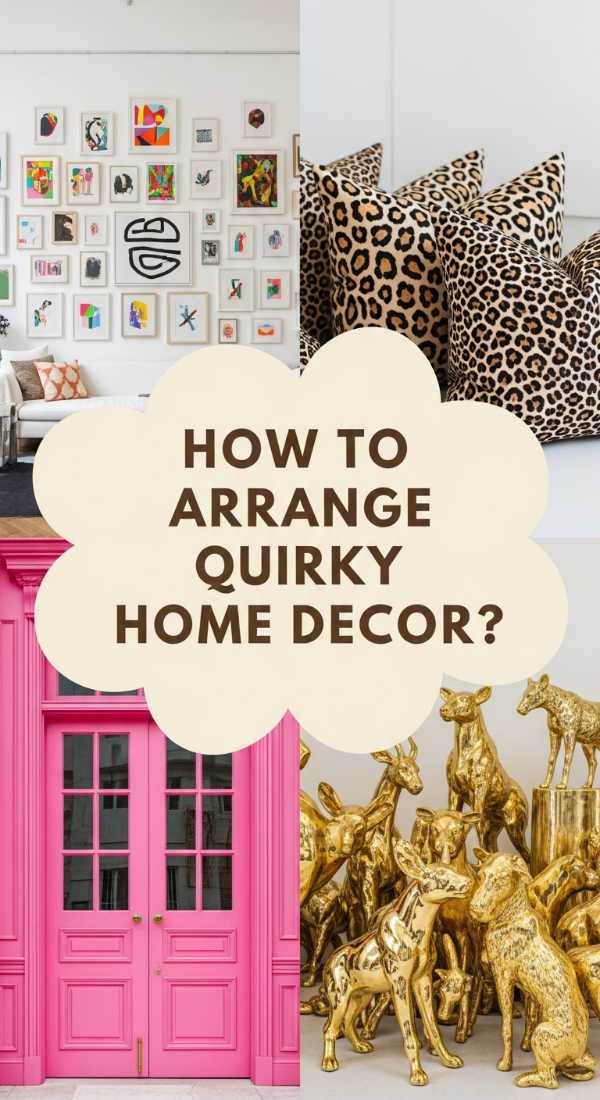
How to Arrange Quirky Home Decor for a Unique Personality Filled Space
[IMAGE_10]
Why we love this
Quirky decor is the ‘chef’s special’—a unique combination of ingredients that shouldn’t work but somehow do perfectly. It is a visual explosion of personality, featuring mismatched ceramics, odd-shaped candles, and bold, ‘clashing’ patterns. We love it because it’s a total rejection of the ‘sad beige’ trend. It feels like a celebration of your own weirdness, filled with items that make you laugh or spark a conversation. It’s a sensory playground where the only rule is that there are no rules, resulting in a home that is truly one-of-a-kind.
Essential Elements:
- Mismatched dining chairs or glassware
- Oddly shaped or ‘weird’ ceramics
- Pop-culture references and kitsch
- Bright, clashing color palettes
- Unexpected art placement (e.g., in the bathroom or near the floor)
- Statement ‘conversation’ pieces
How to make it
- The ‘Anchor’ Technique: Choose one ‘weird’ piece as your focal point—maybe a giant yellow hand-shaped chair or a neon pink bust. This is your ‘main dish’ that everything else will rotate around.
- Color Clashing: Pick two colors that are opposite on the color wheel (like orange and teal). Use them in equal amounts to create a ‘vibrant vibration’ in the room that feels intentional rather than accidental.
- Mismatched Prep: Collect dining chairs or sets of mugs that share one common trait (like ‘all made of wood’ or ‘all have handles’) but are otherwise completely different. This ‘controlled chaos’ is the key to quirky styling.
- The ‘Gallery of Oddities’: Create a shelf dedicated to ‘weird’ things—antique medical bottles, plastic dinosaurs, or strange thrift-store finds. Grouping them together makes them look like a ‘collection’ rather than ‘clutter.’
- Final Taste Test: Walk through the room and look for any spot that feels ‘too safe.’ Add one unexpected element—like a bright red tassel on a doorknob—to ensure the ‘quirky flavor’ is consistent throughout.
Creating Your Viral-Ready Sanctuary
Designing a home that feels ‘viral-worthy’ isn’t about spending thousands of dollars or having a professional designer on speed dial. It’s about understanding the ‘flavors’ of design—how light, texture, and color interact to create a specific emotional response. Whether you’re drawn to the sacred peace of a traditional aesthetic or the high-energy fun of the nineties, the secret is to lean in fully. Don’t just add a pillow; add the texture, the scent, and the lighting that makes that style come alive. Your home is the most important ‘dish’ you’ll ever prepare—make sure it tastes exactly like you.
Frequently Asked Questions
Q: How can I mix two different aesthetics without it looking messy?
A: The secret is the 80/20 rule. Choose one ‘primary’ aesthetic to cover 80% of the room (like the walls and large furniture) and use the second aesthetic for the remaining 20% (decor and accents). This ensures a cohesive ‘base’ with interesting ‘spices.’
Q: I’m on a budget. Which aesthetic is the easiest to achieve?
A: The ‘Quirky’ and ‘Boho’ aesthetics are incredibly budget-friendly because they thrive on thrifting and mismatched items. You can find unique ‘ingredients’ for these styles at yard sales and second-hand shops for very little money.
Q: How do I know if I’ve ‘over-styled’ a room?
A: If you find it difficult to move through the space or if there is nowhere for your eye to ‘rest,’ you might have over-seasoned. Try removing three items from the room; if it feels lighter and the remaining pieces stand out more, you’ve found the right balance.