
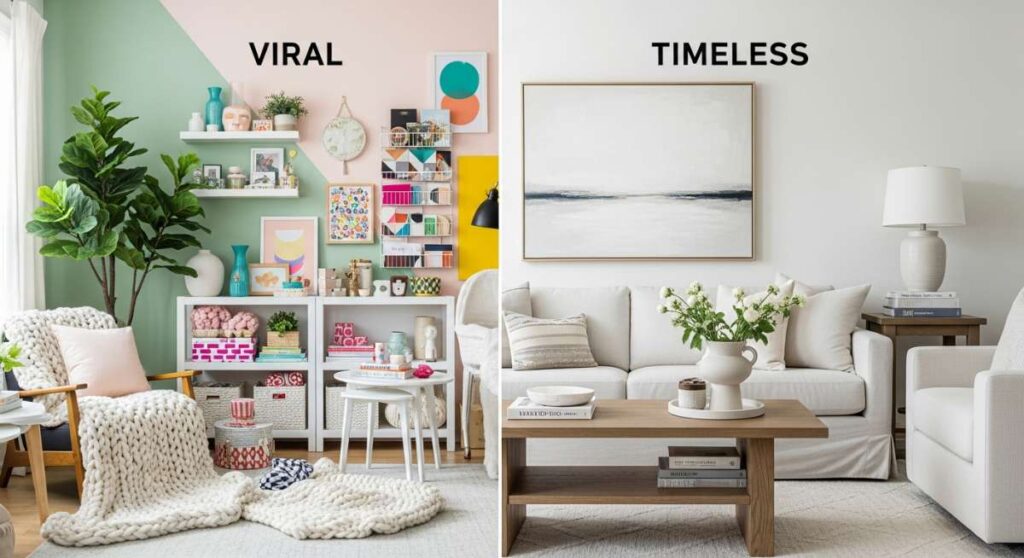
Viral vs. Timeless: Which Home Decor Trends are Actually Worth the Hype?
We’ve all been there—scrolling through our feeds at 11 PM, mesmerized by a perfectly curated room that looks like it belongs in a dream. The pull of a viral trend is undeniable; it’s that rush of inspiration that makes you want to repaint your entire living room by midnight. But as someone who has seen trends come and go like the changing seasons, I’ve learned that the true magic happens when we find that sweet spot between what’s trending on social media and what actually feeds our souls. Your home should be a reflection of your journey, a sanctuary where every texture and scent tells a story of comfort and belonging.
Today, we’re diving deep into the aesthetics that are currently taking over our screens, but with a twist. We aren’t just looking for a ‘look’; we are looking for a feeling. From the sun-drenched corners of a Mediterranean terrace to the quiet, grounding energy of a dedicated reflection nook, these styles are about more than just furniture—they are about creating a lifestyle. Let’s explore how to take these viral sensations and ground them in a way that feels timeless, personal, and absolutely worth the hype.
How to Create a Warm Hacienda Style for Instant Cozy Vibes

Why we love this
There is a grounded, earthy soulfulness to the Hacienda style that feels like a warm hug after a long day. Imagine walking into a room where the scent of aged cedar and beeswax candles lingers in the air, while the rough-hewn texture of exposed wooden beams contrasts beautifully with smooth, cool plaster walls. The warmth of terracotta tiles underfoot provides a sensory connection to the earth, making the space feel ancient and contemporary all at once. It’s a style that celebrates imperfection—the crackle in the glaze of a ceramic pot or the soft patina on a leather chair—inviting you to kick off your shoes and truly stay a while.
Essential Elements:
- Terracotta floor tiles or warm-toned rugs.
- Exposed dark wood ceiling beams.
- Wrought iron light fixtures and hardware.
- Plaster or stucco wall finishes.
- Heavy leather furniture with hand-carved wood accents.
- Hand-painted Talavera tiles for accents.
How to make it
- Begin by prepping your canvas; apply a lime-wash paint to your walls using a large masonry brush in a cross-hatch pattern to create that soft, mottled plaster look. This technique adds depth and a ‘lived-in’ feel that flat paint cannot replicate.
- Select your anchor pieces, focusing on scale; a large, dark-stained oak dining table or a chocolate-leather sofa should serve as the room’s heartbeat. Ensure the wood has a matte finish rather than a high gloss to keep the look authentic.
- Introduce the ‘visual heat’ by layering in textiles. Choose wool throws in burnt orange, deep ochre, and mustard yellow. The visual cue for success here is a ‘sun-baked’ palette that feels warm even on a rainy day.
- Incorporate greenery, specifically large-leafed plants like a Fiddle Leaf Fig or a potted olive tree in a large clay vessel. The contrast of the vibrant green against the earthy oranges creates a classic Hacienda color pop.
- Finally, audit your lighting. Swap out cool-toned bulbs for ‘warm white’ (around 2700K) to mimic the golden hour glow. The goal is to avoid any harsh shadows, opting instead for soft, diffused light that pools in the corners of the room.
How to Style a Sunny Terrace for Eternal Vacation Feelings
Why we love this
This style is the ultimate antidote to the daily grind, capturing the effervescent joy of a summer afternoon in the Mediterranean. It’s the feeling of sun-warmed stone against your skin and the gentle rustle of citrus leaves in a light breeze. When you style a terrace with this ‘eternal vacation’ mindset, you aren’t just decorating an outdoor space; you’re creating a portal to another world where time slows down and the only thing on the agenda is a cold drink and a good book. The aroma of blooming jasmine and lavender mixes with the crisp scent of sea salt, creating a sensory experience that refreshes the mind and lifts the spirit instantly.
Essential Elements:
- Classic bistro-style seating in wrought iron or woven rattan.
- Striped linen cushions in navy, cream, or lemon yellow.
- Large terracotta planters filled with olive trees or lemon trees.
- Weathered stone or mosaic tile flooring.
- String lights or hurricane lanterns with pillar candles.
- A pergola or oversized linen umbrella for dappled shade.
How to make it
- Start with the ‘floor’ of your outdoor room. If you have a plain concrete patio, use a stencil kit with outdoor masonry paint to create a Mediterranean tile pattern. Ensure each layer of paint is fully dry—usually 4-6 hours depending on humidity—before applying the next color to ensure crisp lines.
- Position your largest plants first to create a ‘green wall’ of privacy. Place citrus trees in the sunniest corners, as they need at least 6-8 hours of direct light. Pro tip: Use pot ‘feet’ to lift the planters slightly, allowing for better drainage and preventing stains on your terrace floor.
- Layer your seating with high-quality outdoor linens. Look for fabrics with a high ‘double rub’ count that are UV-resistant. When choosing cushions, ‘doneness’ is measured by the bounce; they should be firm enough to support a long lunch but soft enough to sink into for a nap.
- Install your overhead lighting. Drape high-quality Edison-style string lights in a ‘zigzag’ pattern across the space. The visual cue you are looking for is a gentle, canopy-like effect that mimics the stars.
- Finish by styling a side table with a tray, a stack of vintage travel magazines, and a carafe of water infused with cucumber and mint. This final touch transforms the space from a simple deck into a curated resort experience.
How to Craft a Magical Fairy Garden Room for Daily Wonder

Why we love this
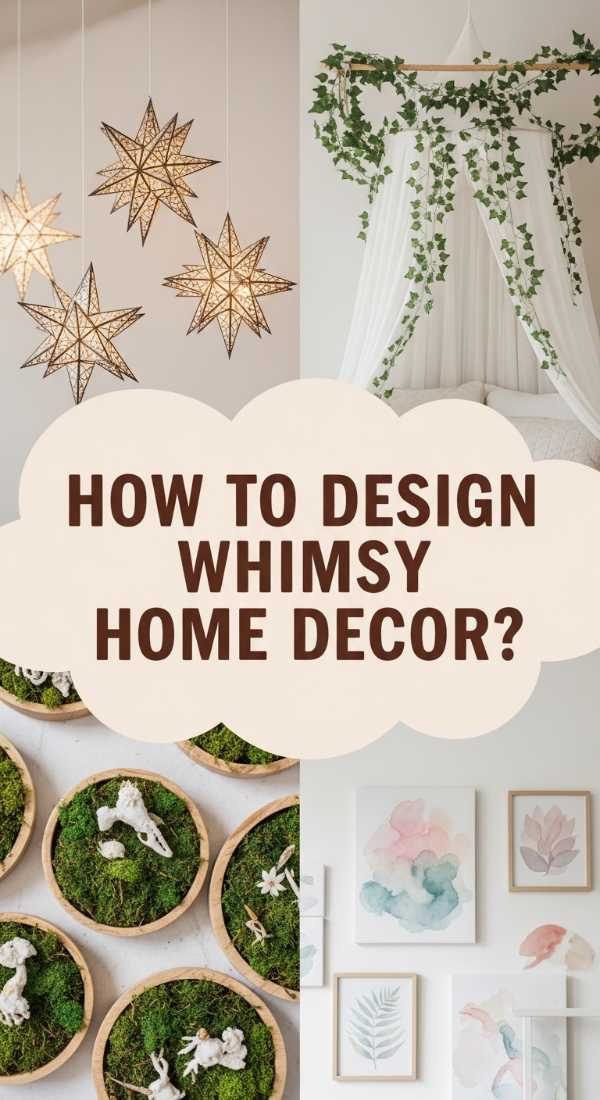
Stepping into a fairy garden room is like walking directly into a childhood storybook, where the veil between the ordinary and the magical is thin. It’s a whimsical, botanical wonderland filled with the softest textures—think mossy velvets, sheer gossamer drapes, and the delicate flutter of dried pressed flowers. The room feels alive, breathing with the lush green energy of indoor ferns and the ethereal glow of hidden fairy lights that sparkle like captured fireflies. This is a space for the dreamers, a place where the air feels lighter and your imagination is free to wander through a forest of your own creation.
Essential Elements:
- Climbing indoor vines like Pothos or English Ivy.
- Soft, multi-layered lighting (fairy lights, salt lamps, mushroom lamps).
- Furniture made of natural, gnarled wood or wicker.
- Velvet floor cushions in forest green or dusty rose.
- Terrariums and glass cloches displaying miniature landscapes.
- Pressed flower art and vintage botanical prints.
How to make it
- Begin by creating a ‘canopy’ effect using sheer, iridescent fabrics draped over your ceiling or bed frame. Secure them with small, hidden command hooks, allowing the fabric to swoop low to mimic the feeling of being inside a forest glade.
- Integrate your greenery vertically. Use macramé hangers of varying lengths to suspend trailing plants at different eye levels. The visual cue for a balanced fairy room is that no single wall feels ‘flat’; there should be life growing in every dimension.
- Hide your light sources. Tuck thin wire LED fairy lights behind your plants and under furniture. The goal is to see the ‘glow’ but not the ‘bulb,’ creating an ambient shimmer that feels supernatural rather than electronic.
- Incorporate ‘treasures’ like crystals, polished stones, and vintage brass ornaments. Arrange these in small ‘vignettes’ on windowsills where the natural light can catch the facets of the glass and throw rainbows across the room.
- Finalize the atmosphere with scent. Use a diffuser with oils like cedarwood, sandalwood, and sweet orange. The aroma should be earthy and sweet, completing the sensory illusion of an enchanted forest.
How to Arrange a Sacred Prayer Nook for Peace and Reflection
Why we love this
In a world that never stops shouting, a sacred prayer nook is a whispered invitation to be still. It’s a sanctuary of intentionality, where the air is thick with the soothing scent of frankincense or sage, and the textures are chosen for their ability to ground you. Soft silk cushions, the smooth grain of a wooden prayer bench, and the flickering warmth of a single flame create a focus point for the mind. This isn’t just a corner of a room; it’s a dedicated space for your soul to catch its breath, a place where the silence is heavy with peace and the distractions of the outside world simply melt away.
Essential Elements:
- A low-profile meditation cushion or zafu.
- A small altar table or floating shelf.
- Meaningful spiritual artifacts (beads, statues, or scripture).
- A high-quality singing bowl or soft chimes.
- Natural elements like a single flower in a bud vase or a bowl of water.
- Unscented beeswax candles for a clean, natural burn.
How to make it
- Identify a ‘dead corner’ of your home that receives minimal foot traffic. Clear the space entirely to reset the energy. Even a few square feet can be enough if it feels secluded and quiet.
- Place your ‘anchor’—a plush rug or a woven mat. This defines the boundary of your sacred space. Opt for a neutral, calming color like sage green or cream to lower your heart rate visually.
- Set up your altar at eye level when you are seated. Arrange your items with symmetry; balance a candle on one side with a natural element (like a crystal or plant) on the other. This visual balance translates to mental clarity.
- Incorporate a ‘sound element.’ Whether it’s a small desktop water fountain or a high-quality Bluetooth speaker hidden from view to play soft ambient drones, sound helps to drown out the hum of household appliances.
- Establish a ‘lighting ritual.’ Use a match instead of a lighter to light your candle; the tactile experience of striking the match acts as a cognitive bridge, signaling to your brain that it is time to transition from ‘doing’ to ‘being.’
How to Design a Breezy Seaside Sanctuary for Ultimate Relaxation
Why we love this
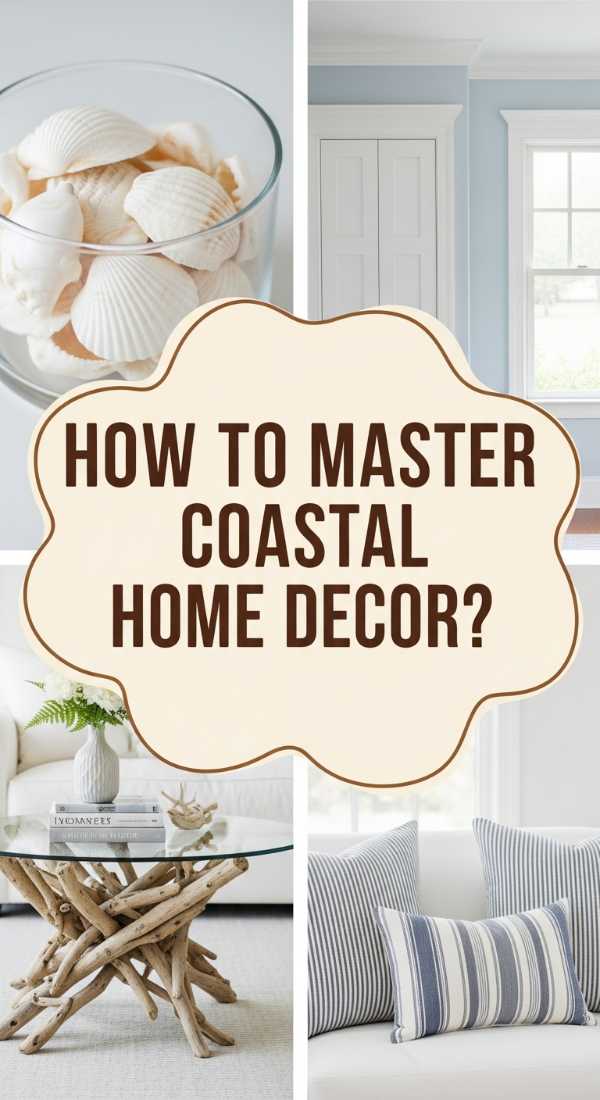
The seaside sanctuary trend is all about capturing that coastal ‘exhale’—the moment you crest a sand dune and see the ocean for the first time. It is a palette of bleached whites, sandy beiges, and the softest, most watery blues that make the room feel like it’s floating. The textures are raw and honest: sun-bleached driftwood, coarse jute, and crisp, breathable linens that dance in the cross-breeze. It’s a clean, airy aesthetic that prioritizes light and space, making even the smallest room feel like it has a horizon. You can almost hear the rhythmic pulse of the tide and feel the cool mist on your face when you walk through the door.
Essential Elements:
- Slipcovered sofas in white or oatmeal linen.
- Natural jute or seagrass area rugs.
- Accents of driftwood and sea glass.
- Light-filtering sheer curtains that catch the wind.
- A palette of soft blues, sandy tans, and crisp whites.
- Woven baskets for storage and texture.
How to make it
- Start by maximizing natural light. Remove heavy drapes and replace them with ultra-lightweight linen or voile panels. Hang the rod higher and wider than the window frame to make the glass appear larger and let in more ‘sky.’
- Choose a ‘foundation’ rug made of jute or sisal. The technique here is layering; place a smaller, softer cotton rug in a striped blue pattern over the jute to provide comfort for bare feet while maintaining that rugged coastal texture.
- Style your coffee table using the ‘Rule of Three.’ Group a large piece of coral (real or resin), a stack of linen-bound books, and a glass candle with a ‘sea salt’ scent. This creates a focal point that feels curated but effortless.
- Introduce ‘movement’ with your accessories. Use a tall, clear glass vase filled with dried pampas grass or long reeds. The way they sway slightly in the airflow of the room mimics the movement of beach grass.
- Ensure your ‘whites’ are consistent. Coastal style can look messy if you mix ‘cool’ whites and ‘warm’ yellows too aggressively. Stick to a ‘milk white’ for walls and a ‘bleached linen’ for fabrics to keep the vibe cohesive and fresh.
How to Layer Textures in a Free Spirited Space for Maximum Comfort
Why we love this
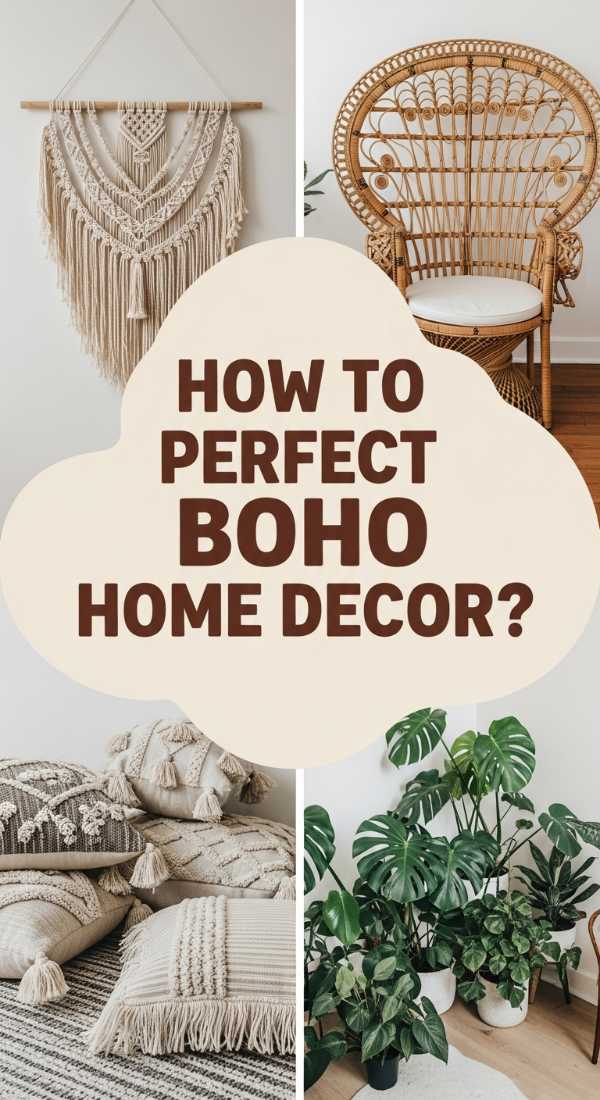
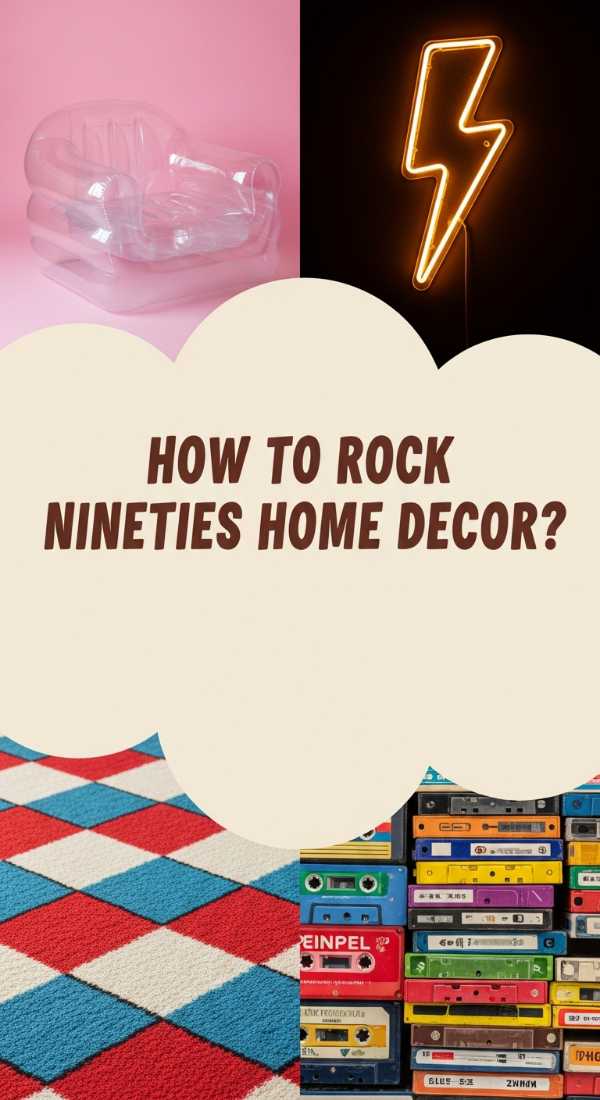
A free-spirited, textured space is a celebration of tactile abundance; it’s a room that begs you to touch everything. It’s the cozy chaos of a chunky knit throw draped over a smooth velvet armchair, or the way a shaggy Moroccan rug feels against the sleek surface of a mid-century coffee table. This style is about the ‘more is more’ philosophy when it comes to comfort. The air feels cozy and insulated, and there’s a sense of playful rebellion in mixing patterns and fabrics that shouldn’t work together but somehow do. It’s warm, lived-in, and unapologetically comfortable, making it the perfect backdrop for long conversations and late-night lounging.
Essential Elements:
- Macramé wall hangings and fiber art.
- A mix of velvet, silk, and wool cushions.
- Layered rugs (a flatweave over a plush shag).
- Rattan and wicker accents for an organic feel.
- Fringe, tassels, and pom-poms on textiles.
- Hand-thrown pottery and ceramic vessels.
How to make it
- Start with your largest surface area—the rug. Layer a large, neutral sisal rug as your base, then angle a smaller, plush patterned rug (like a Beni Ourain) on top. The visual cue is a ‘diagonal overlap’ which creates a sense of casual, artistic flow.
- Use the ‘Three-Texture Rule’ for every seating area. Ensure each chair or sofa has something smooth (leather or velvet), something rough (linen or jute), and something soft (faux fur or chunky knit). This variety prevents the room from feeling one-dimensional.
- Build a ‘gallery wall’ that isn’t just frames. Mix in a woven basket, a small brass mirror, and a fabric wall hanging. The technique here is to keep the spacing irregular—between 2 and 3 inches—to give it a spontaneous, curated-over-time appearance.
- Focus on your pillows. Instead of buying sets, buy individual covers in different fabrics but a similar color family. Fill them with high-quality feather inserts that are 2 inches larger than the cover for that ‘plump’ designer look.
- Finish with ‘organic life.’ A free-spirited room needs plants that trail and vine. Place a ‘String of Pearls’ on a high shelf and let it cascade down, adding a delicate, living texture to your hard surfaces.
How to Recreate a Nostalgic Retro Living Area for Fun Throwback Vibes
Why we love this
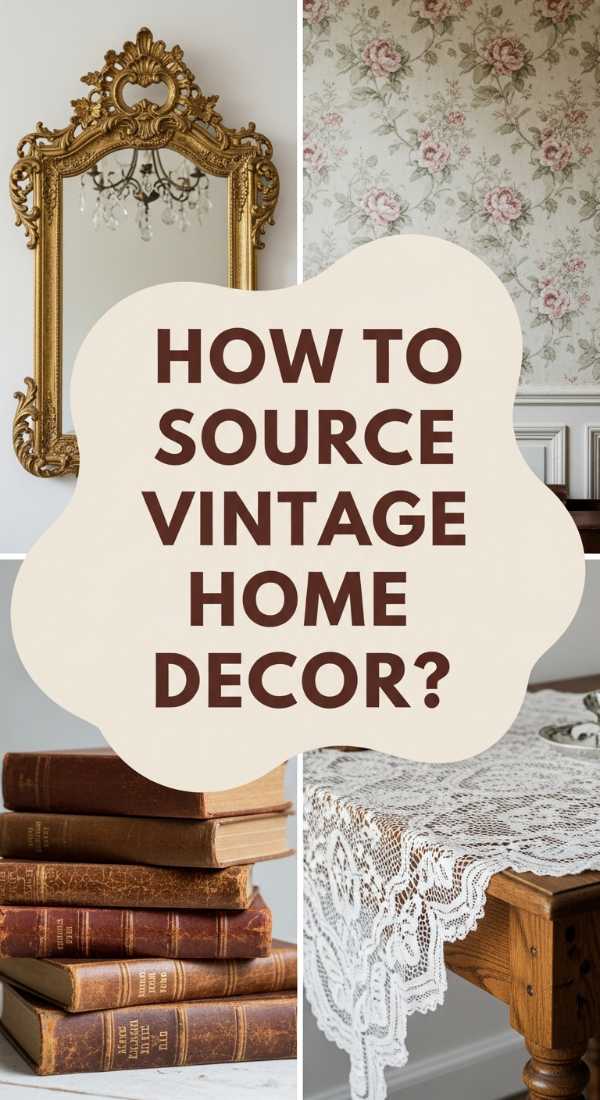
There is a vibrant, electric energy to a retro-inspired room that feels like an instant mood booster. It’s a playful nod to the 60s and 70s, where bold colors like avocado green, mustard yellow, and burnt orange reign supreme. The furniture is all about sleek lines and ‘space age’ curves, sitting alongside the warm, nostalgic crackle of a vinyl record playing in the corner. This style doesn’t take itself too seriously; it’s about fun, personality, and a bit of kitsch. It smells like old books and teak wood, and it feels like a cocktail party that never has to end—a perfect blend of mid-century sophistication and bohemian groove.
Essential Elements:
- Mid-century modern furniture with tapered ‘peg’ legs.
- Bold, geometric wallpaper or wall art.
- Record player and a dedicated vinyl storage unit.
- Sunburst mirrors and kitschy brass animal figurines.
- Velvet sofas in ‘pop’ colors like teal or orange.
- Shag rugs or low-pile rugs with psychedelic patterns.
How to make it
- Select your ‘hero’ piece first. A low-slung, tufted velvet sofa or a pair of teak ‘Z’ chairs will instantly set the era. Look for furniture with clean, architectural lines and tapered legs to keep the floor space visible and airy.
- Create a ‘Music Station.’ Dedicate a credenza to your record player. Use vertical wire racks to display your vinyl sleeves—the album art serves as rotating, nostalgic decor.
- Apply color with intention. If you’re nervous about bold walls, use a ’60-30-10′ ratio: 60% neutral (walls/rug), 30% secondary color (sofa), and 10% bold retro pop (pillows/vases). The visual cue for ‘Retro Done Right’ is balance; you want it to look like a curated set, not a costume shop.
- Introduce ‘Period Lighting.’ Look for ‘Sputnik’ chandeliers or mushroom-shaped floor lamps in chrome or brushed brass. These geometric shapes provide a strong focal point and reinforce the vintage aesthetic.
- Finish with a ‘Bar Cart’ setup. Use glass decanters and colorful ‘coupe’ glasses. The shimmer of the glass and the metallic glint of the cart add that 1960s ‘Mad Men’ sophistication to the fun, groovy vibes.
How to Curate Antique Treasures for a Timeless Sophisticated Look
Why we love this
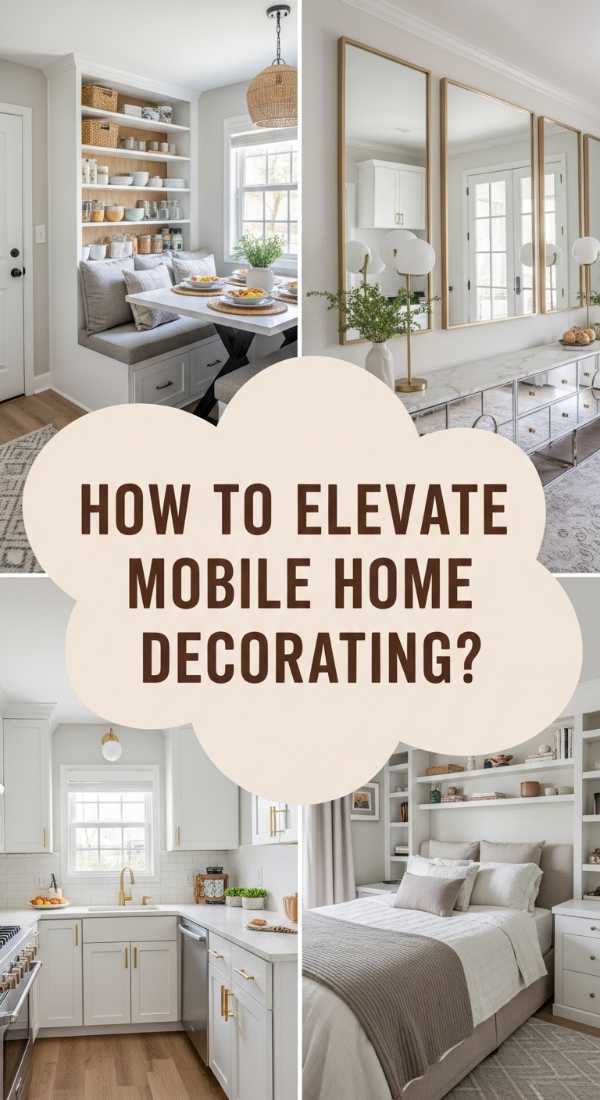
Curating antiques is like becoming a guardian of history; every piece has a story, a previous life, and a soul that modern furniture simply can’t mimic. This style is about the quiet luxury of ‘the find’—the heavy weight of a solid mahogany desk, the intricate carving on a gilded mirror, or the faded elegance of a hand-knotted Persian rug. It’s a sophisticated look that feels earned over time. The room smells of lemon oil polish and old paper, and it feels steady, permanent, and deeply personal. It’s about rejecting the ‘fast furniture’ culture in favor of pieces that were built to last for generations, creating a home that feels both grand and intimate.
Essential Elements:
- Heavy, dark wood furniture (mahogany, walnut, or oak).
- Gilded or ornate gold-leaf frames and mirrors.
- Oil paintings (portraits or landscapes) with a visible patina.
- Classic textiles like silk damask, toile, or heavy velvet.
- Brass or silver candlesticks and trays.
- Oriental or Persian rugs with ‘worn’ areas for character.
How to make it
- Start at local estate sales or flea markets. Look for ‘good bones’—solid wood construction and dovetail joints. Don’t be afraid of minor scratches; they add to the ‘patina’ which is the visual cue for authenticity.
- Master the art of ‘The Mix.’ To prevent the room from looking like a museum, pair one large antique (like a sideboard) with a modern, clean-lined lamp. This ‘tension’ between old and new is the professional tip for a sophisticated, current look.
- Use ‘Deep Color’ on the walls. Antiques pop beautifully against dark, moody colors like charcoal, navy, or forest green. Use a matte finish to allow the luster of the wood and the glint of the gold frames to take center stage.
- Style your bookshelves with ‘Found Objects.’ Interspersed with your books, place antique magnifying glasses, old globes, or ceramic busts. Group items in odd numbers (3 or 5) and vary the heights to create visual interest.
- Invest in professional restoration for your best pieces. A light ‘wax and buff’ can revive the glow of old wood without removing its history. The final result should look ‘well-cared-for,’ not ‘brand new.’
How to Maximize Style in Small Spaces for a Grand Aesthetic
Why we love this
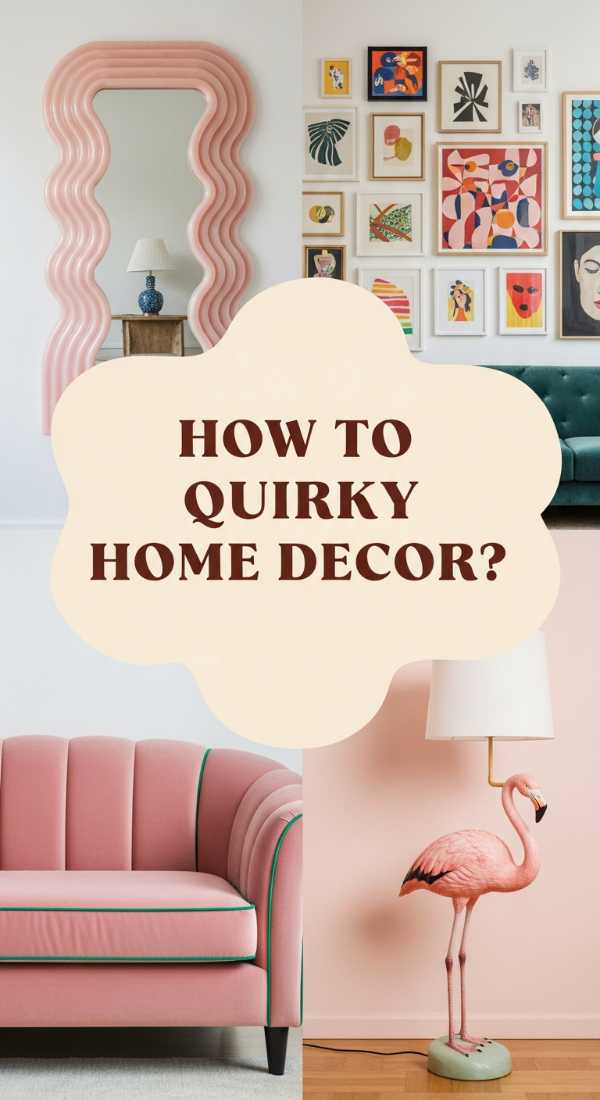
There is a brilliant, jewel-box quality to a small space that is styled to the nines. It’s about proving that luxury isn’t a matter of square footage, but a matter of detail and curation. In a small, grand room, every inch is intentional. You are surrounded by the things you love most, creating a cozy, high-impact environment that feels like a warm embrace. The light bounces off strategically placed mirrors, the walls are adorned with floor-to-ceiling art, and the furniture is multi-functional but never compromises on beauty. It feels clever, sophisticated, and incredibly chic—a testament to the idea that the best things really do come in small packages.
Essential Elements:
- Large mirrors to create the illusion of double the space.
- Lucite or glass furniture that ‘disappears’ visually.
- Vertical storage and floor-to-ceiling shelving.
- Bold wallpaper or a dark paint color to ‘push back’ the walls.
- Oversized art to create a ‘grand’ focal point.
- Multi-purpose furniture (storage ottomans, drop-leaf tables).
How to make it
- Embrace ‘The Big Move.’ Counter-intuitively, one large piece of furniture (like a sectional that fits perfectly) makes a small room feel larger than several small, ‘dainty’ pieces. Ensure the piece is on legs to show as much floor as possible.
- Go vertical. Install shelving that reaches all the way to the ceiling. Use the top shelves for decor and the bottom for functional items. This technique draws the eye upward, highlighting the height of the room rather than the narrowness of the floor.
- Use ‘reflective surfaces’ strategically. Place a large floor mirror opposite your main window. This visual cue effectively ‘borrows’ light and view from the outside, making the room feel like it has an extra window.
- Limit your color palette. Using different shades of the same color (monochromatic) prevents the eye from getting ‘stuck’ on harsh transitions, creating a seamless, expansive feel. Pro tip: Paint your baseboards and crown molding the same color as the walls.
- Edit, edit, edit. In a small space, clutter is the enemy of grandeur. Use ‘closed storage’ (cabinets with doors) to hide the chaos of daily life, leaving only your most beautiful, high-impact items on display.
How to Mix Eclectic Patterns for a Bold Personal Expression
[IMAGE_10]
Why we love this
Mixing eclectic patterns is an act of creative bravery; it’s about tossing the rulebook out the window and trusting your instinct. This style is vibrant, rhythmic, and deeply personal. It’s the visual melody of a floral wallpaper harmonizing with a striped rug and ikat-patterned pillows. The room feels energized and alive, filled with a sense of ‘ordered chaos’ that reflects a worldly, adventurous spirit. It’s a sensory feast—the variety of prints creates a depth and richness that keeps the eye moving and discovering new details at every turn. It’s a home that says, ‘This is me,’ in the loudest, most beautiful way possible.
Essential Elements:
- A mix of scales (one large print, one medium, one small).
- A unifying color palette to tie different prints together.
- Textiles from around the world (Kilims, Toile, Chintz, Batiks).
- Patterned wallpaper or stenciled floors.
- Solid-colored ‘breaks’ (a solid sofa or rug) to rest the eye.
- Art that incorporates mixed media and various styles.
How to make it
- Start with a ‘Lead Pattern.’ This is usually your largest or most complex print (like a multi-colored floral rug). All other patterns you choose should pull at least one color from this lead piece to ensure harmony.
- Vary the ‘Scale.’ If your rug has a large, sweeping floral print, choose a medium-sized geometric for your curtains and a tiny ‘pin-stripe’ or ‘dot’ for your accent pillows. The visual cue for success is that the patterns shouldn’t ‘fight’ for attention because they are all different sizes.
- Distribute the pattern evenly. Don’t clump all your prints in one corner. Spread them throughout the room—on the floor, the walls, and the seating—to balance the ‘visual weight.’
- Use ‘The Solid Buffer.’ Every eclectic room needs a ‘resting place’ for the eye. A solid-colored sofa in a neutral tone acts as a canvas that allows the surrounding patterns to shine without feeling overwhelming.
- Trust the ‘Vibe Check.’ Once you’ve layered your patterns, stand back and squint. If one area looks too busy or one color stands out too harshly, swap a pillow or add a solid throw. The goal is a room that feels like a ‘rich tapestry,’ not a ‘jumble.’
Conclusion
In the end, the most viral trend in the world doesn’t matter if it doesn’t make you feel at home. Whether you are drawn to the sun-soaked stones of a terrace or the structured elegance of antique treasures, the key is to decorate with intention. Don’t be afraid to mix these styles, to experiment, and to let your home grow with you. After all, the most ‘timeless’ home is one that is filled with the things, the colors, and the memories that make you truly happy. Happy decorating, friends!