
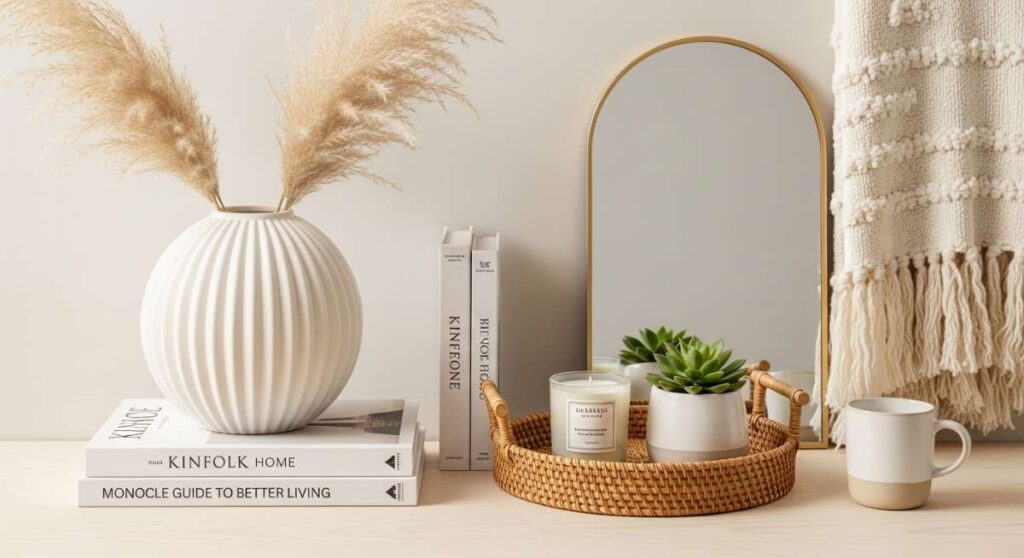
From Basic to Boutique: Viral Decor Secrets for a Dreamy Lifestyle
Have you ever scrolled through your feed and felt a pang of envy at those effortlessly chic, sun-drenched living rooms that seem to whisper of peace and luxury? We’ve all been there—sitting on a sofa that’s seen better days, staring at a blank wall, and wondering how to bridge the gap between ‘lived-in’ and ‘curated.’ The secret isn’t a massive renovation budget; it’s a mindset shift toward intentionality and the magic of small, tactile details that transform a house into a sanctuary.
Creating a boutique lifestyle is about more than just buying furniture; it’s about crafting moments. It’s the way the morning light hits a textured ceramic vase or the comforting weight of a chunky knit throw as you settle in for the evening. In this guide, we’re diving deep into the viral secrets that will help you reclaim your space and turn every square inch of your home into a dreamy, Pinterest-worthy retreat that feels uniquely yours.
How to Achieve Minimalist Calm for Better Focus

Why we love this
There is an incredible sense of liberation that comes with a minimalist space, where every object has room to breathe and your mind isn’t constantly snagged by visual clutter. Imagine walking into a room filled with the scent of white tea and sandalwood, where the air feels lighter and the silence is punctuated only by the soft texture of a natural jute rug underfoot. This aesthetic isn’t about emptiness; it’s about the luxury of space, allowing you to focus on your thoughts while surrounded by smooth oak finishes and a palette of warm whites that glow in the afternoon sun.
Essential Elements:
- Hidden storage solutions (baskets and closed cabinets).
- A cohesive neutral color palette (cream, beige, and soft greys).
- A single, high-quality statement piece like a sculptural lamp.
- Natural materials such as linen, light wood, and stone.
How to make it
- Begin by performing a ‘visual audit’ of your room, removing every item that doesn’t serve a functional purpose or bring you genuine joy.
- Choose a base color for your walls, preferably a ‘warm’ white with yellow or pink undertones to prevent the space from feeling clinical or cold.
- Invest in ‘closed’ storage—furniture with doors rather than open shelving—to hide the necessary but unappealing items of daily life like chargers and remote controls.
- Select one focal point, such as a large-scale piece of abstract art or a minimalist armchair, and arrange the rest of the furniture to provide ‘white space’ around it.
- Incorporate various light sources at different heights, using 2700K warm-toned bulbs to create a soft, inviting glow that enhances the minimalist serenity.
How to Design Cozy Nooks for Ultimate Relaxation
Why we love this
A cozy nook is like a warm hug for your home, providing a dedicated sanctuary for introspection and rest. Think of a corner bathed in the amber glow of a vintage floor lamp, where the scent of a fresh espresso mingles with the earthy aroma of old book pages. The feeling of sinking into a plush velvet chair while draped in a weighted wool blanket creates a sensory experience that melts away the stresses of the outside world, making it the perfect spot for long afternoons of reading or simply watching the rain slide down the windowpane.
Essential Elements:
- A deeply cushioned armchair or a built-in window seat.
- A small, sturdy side table for mugs and candles.
- A dimmable floor lamp with a linen shade.
- Layers of soft textiles, including pillows and a throw.
How to make it
- Identify an underutilized corner of your home, preferably near a window for natural light or tucked away in a quiet hallway.
- Place a comfortable seating option that supports your back but allows for curling up; test the ‘sink-in’ factor before committing.
- Add a side table at arm’s height, ensuring it has enough surface area for a book, a drink, and a small candle.
- Layer a small, high-pile rug underneath the chair to visually define the ‘zone’ and add warmth to your feet.
- Finish the space with a ‘comfort kit’ consisting of two oversized pillows and a high-quality throw blanket in a contrasting texture like faux fur or chunky knit.
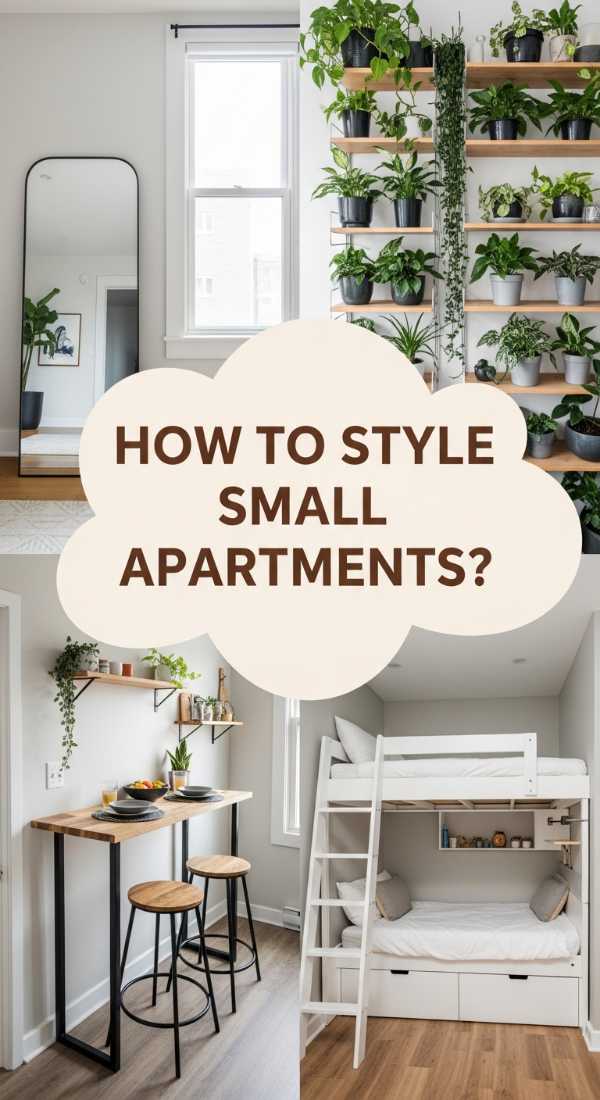
How to Style Small Apartments for Maximum Comfort
Why we love this
Small apartments possess an inherent intimacy that, when styled correctly, feels like a jewel-box sanctuary rather than a cramped box. We love the challenge of making a compact space feel expansive by using clever reflections and multi-functional pieces that serve your lifestyle without overwhelming your senses. There is a specific satisfaction in seeing a tiny studio transform into a sophisticated home where the smooth glass of a coffee table reflects the soft flicker of a candle, and every corner is optimized for both style and utility.
Essential Elements:
- Large-scale mirrors to bounce light and create depth.
- Leggy furniture that shows the floor underneath (creates an illusion of space).
- Multi-functional items like ottomans with storage.
- Vertical shelving that draws the eye upward.
How to make it
- Mount a large, thin-framed mirror opposite your largest window to instantly double the perceived light and space in the room.
- Swap out bulky, floor-length furniture for pieces with exposed legs, which allows the eye to travel further and makes the floor plan feel open.
- Utilize your walls by installing floating shelves high up near the ceiling; this draws the gaze upward and provides storage without taking up precious floor real estate.
- Choose a ‘low-profile’ sofa to keep sightlines clear across the room, preventing the furniture from acting as a visual barrier.
- Use sheer linen curtains instead of heavy drapes to maintain privacy while still allowing maximum natural light to flood the interior.
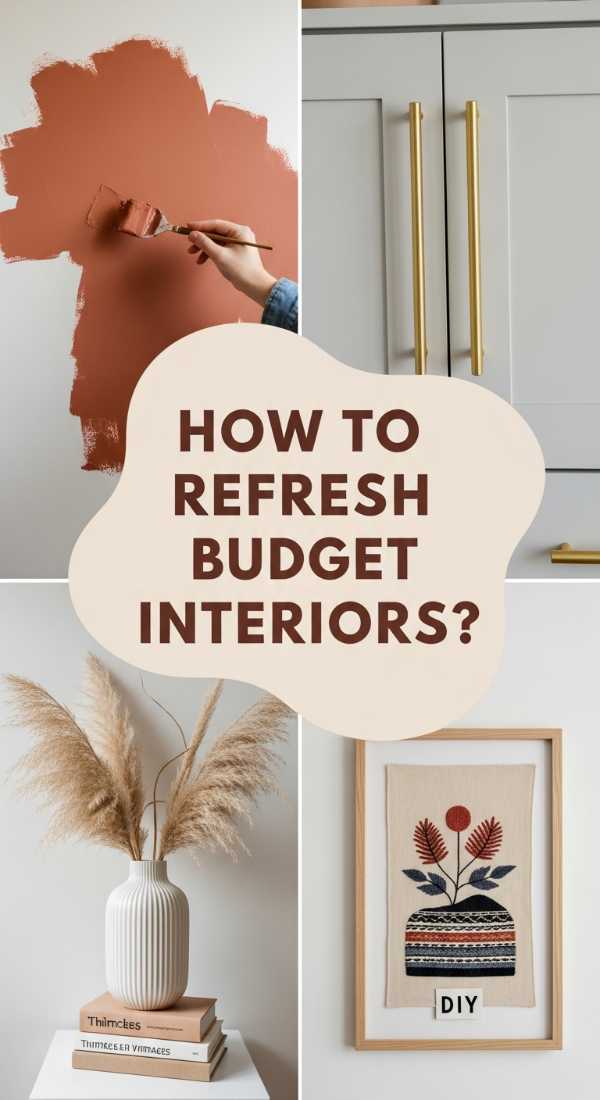
How to Refresh Budget Interiors for a Luxury Feel
Why we love this
There is a profound thrill in taking something basic and elevating it to the level of a high-end boutique hotel through simple, thoughtful upgrades. This approach celebrates the ‘high-low’ mix, where the cool touch of a marble tray from a thrift store meets a designer candle, creating an atmosphere that feels curated and expensive. We love how this allows anyone to cultivate a luxurious lifestyle, focusing on the tactile quality of hardware and the visual impact of oversized elements that make a grand statement without the grand price tag.
Essential Elements:
- Designer-inspired hardware (brass or matte black knobs).
- Oversized art or large-scale decorative objects.
- High-quality light fixtures or ‘puck light’ hacks.
- Thrifted vintage pieces with unique silhouettes.
How to make it
- Replace standard builder-grade cabinet handles and drawer pulls with heavy, solid brass or knurled matte black hardware for an instant tactile upgrade.
- Create ‘expensive’ wall art by framing a large piece of high-quality fabric or a wallpaper sample in a minimal, oversized frame with a wide mat board.
- Upgrade your lighting by adding wireless, battery-operated puck lights to the underside of shelves or inside sconces where you lack electrical wiring.
- Visit local thrift stores specifically looking for heavy materials like marble, solid wood, or thick glass, and use these as ‘foundations’ for your coffee table styling.
- Apply a fresh coat of paint to old furniture in a ‘muted’ tone like sage green or charcoal grey, finishing with a wax rub to give it a professional, matte appearance.
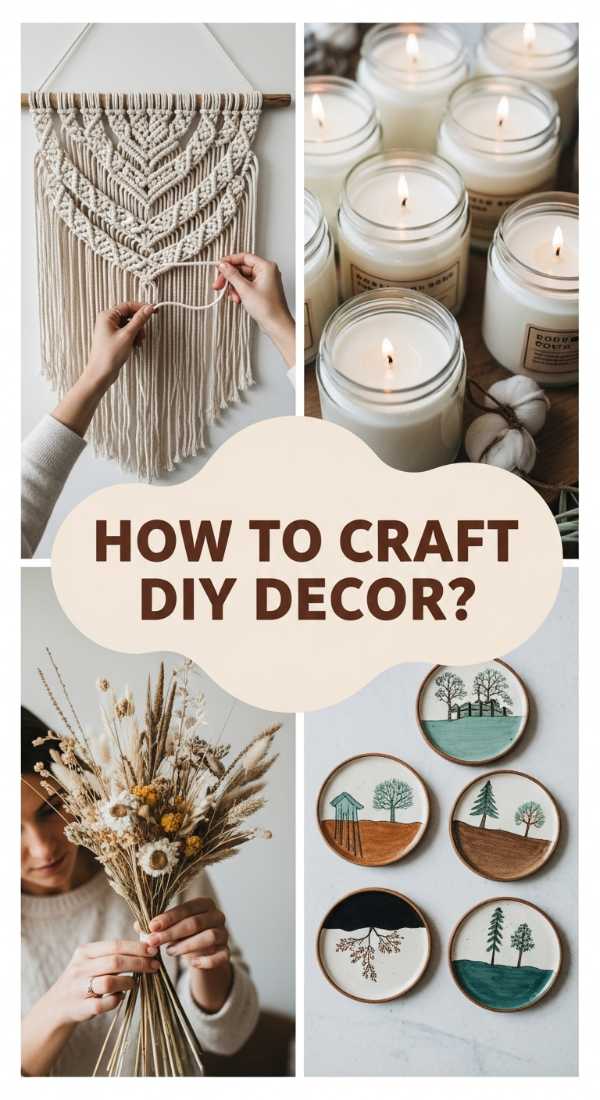
How to Craft DIY Decor for a Personal Touch
Why we love this
DIY decor is the soul of a boutique home, offering a story and a tactile connection that mass-produced items simply cannot replicate. We love the process of working with our hands—the grainy feel of air-dry clay, the earthy scent of terracotta paint, and the rhythmic motion of weaving or painting. These pieces become conversation starters, imbued with your personal energy and creativity, turning a generic space into a gallery of your own making where every textured vase and hand-painted canvas tells a story of discovery and craft.
Essential Elements:
- Raw materials like clay, wood, or unbleached cotton.
- A designated ‘craft kit’ with high-quality paints and brushes.
- Inspiration images from art galleries or nature.
- Natural dyes or ‘trash-to-treasure’ items like glass jars.
How to make it
- Start with an ‘aged vase’ project by mixing acrylic paint with baking soda to create a thick, gritty texture that mimics antique stone or terracotta.
- Apply the mixture to a standard glass bottle in messy, horizontal strokes, allowing it to dry between layers to build up a realistic, weathered look.
- Create custom line art by using a single continuous stroke of black paint on a canvas, focusing on fluid, organic shapes that mirror the natural world.
- Dry your own flowers by hanging bouquets upside down in a dark, dry closet for two weeks, then spray them with a light coating of hairspray to preserve their shape.
- Assemble a ‘memory jar’ using found elements from a favorite walk, such as smooth river stones or dried moss, arranged artfully inside a clean glass cloche.
How to Curate Modern Spaces for Sleek Living

Why we love this
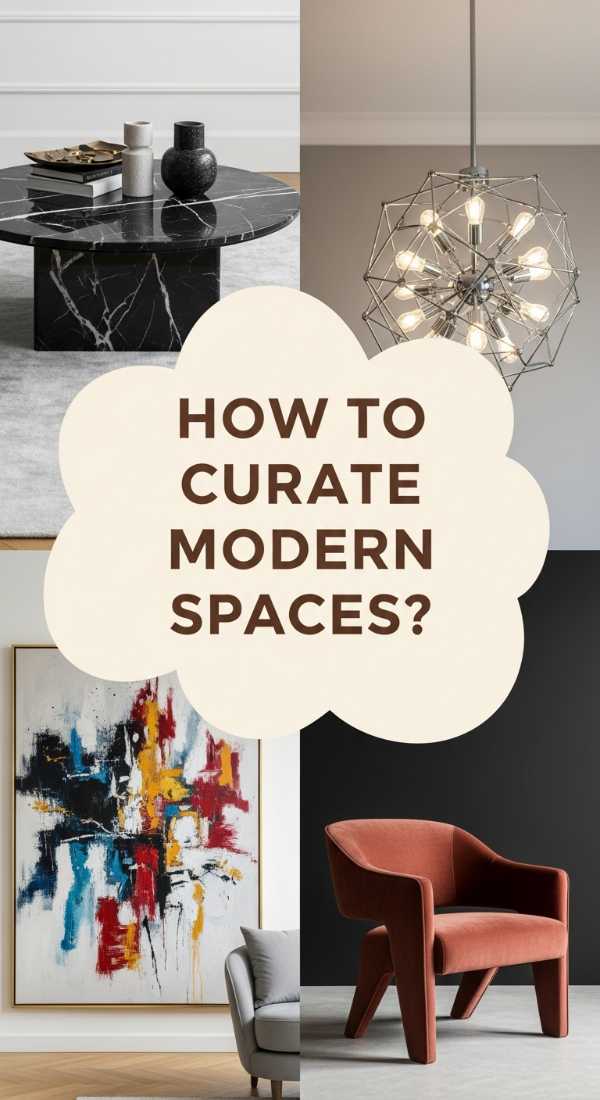
Modern design is the art of precision and the beauty of the ‘clean line,’ offering a lifestyle that feels organized, efficient, and undeniably cool. We love the juxtaposition of cold surfaces like polished concrete or glass against the warmth of a deep espresso leather sofa. It’s an aesthetic that demands quality over quantity, where the sharp silhouette of a black metal lamp against a white wall creates a graphic, striking visual that feels both timeless and cutting-edge, perfect for the urban dweller who appreciates architectural clarity.
Essential Elements:
- Clean, geometric lines in furniture and architecture.
- A high-contrast color palette (black, white, and chrome).
- Integrated technology and hidden wires.
- Polished surfaces like marble, lacquer, or metal.
How to make it
- Select furniture with ‘architectural’ silhouettes—look for squares, circles, and triangles in the frames of tables and chairs to establish a geometric foundation.
- Implement a strict color code; if you choose a ‘monochrome’ modern look, ensure that your blacks are the same undertone (blue-black vs. brown-black) to maintain cohesion.
- Hide all tech clutter by using cable management boxes and routing wires behind walls or under rugs to keep the visual planes uninterrupted.
- Incorporate ‘industrial’ materials like a stainless steel shelving unit or a concrete-top dining table to provide a sturdy, modern weight to the room.
- Keep surfaces 90% clear, choosing only one or two high-impact decorative items per surface, such as a large chrome bowl or a single architectural branch in a glass vase.
How to Find Interior Inspiration for a Unique Home
Why we love this
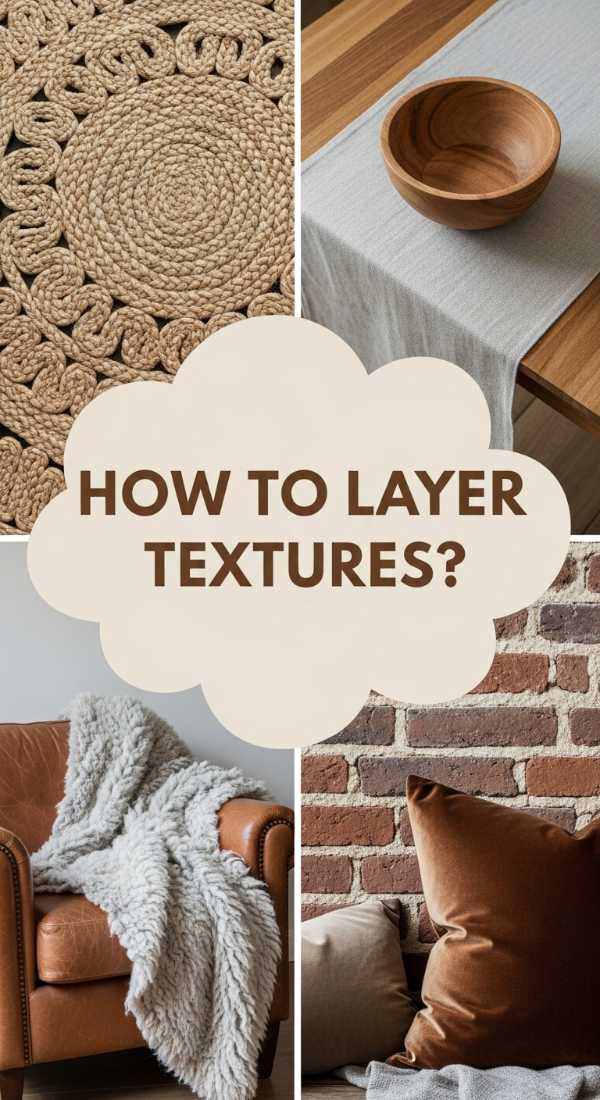
The journey of discovery is perhaps the most exciting part of the decor process, as you learn to see the world through the lens of design. We love the ‘hunt’—the way a color in a sunset or the texture of a vintage coat can spark an idea for a whole room. This process is about curating a ‘visual vocabulary’ that is entirely unique to you, moving beyond trends to find pieces that resonate with your personal history and aspirations, making your home a true reflection of your inner world and travels.
Essential Elements:
- Digital mood boards (Pinterest, Canva).
- Physical samples (fabric swatches, paint chips).
- Nature-inspired textures and colors.
- A ‘design diary’ to jot down ideas and sketches.
How to make it
- Create a ‘Master Mood Board’ by pinning 50 images that move you, then look for recurring themes in color, light, and texture to identify your true style.
- Visit local museums and botanical gardens with your phone camera, capturing specific color combinations or patterns that occur in nature or historical art.
- Collect physical samples of materials you love—linen scraps, wood shavings, or stone pebbles—and keep them in a ‘tactile box’ to reference when shopping for furniture.
- Follow independent interior designers on social media who specialize in ‘eclectic’ or ‘slow’ design rather than just following high-street brand accounts.
- Spend an hour each week ‘window shopping’ in high-end antique stores or art galleries to train your eye to recognize quality craftsmanship and unique forms.
How to Layer Textures for a Warm Atmosphere
Why we love this
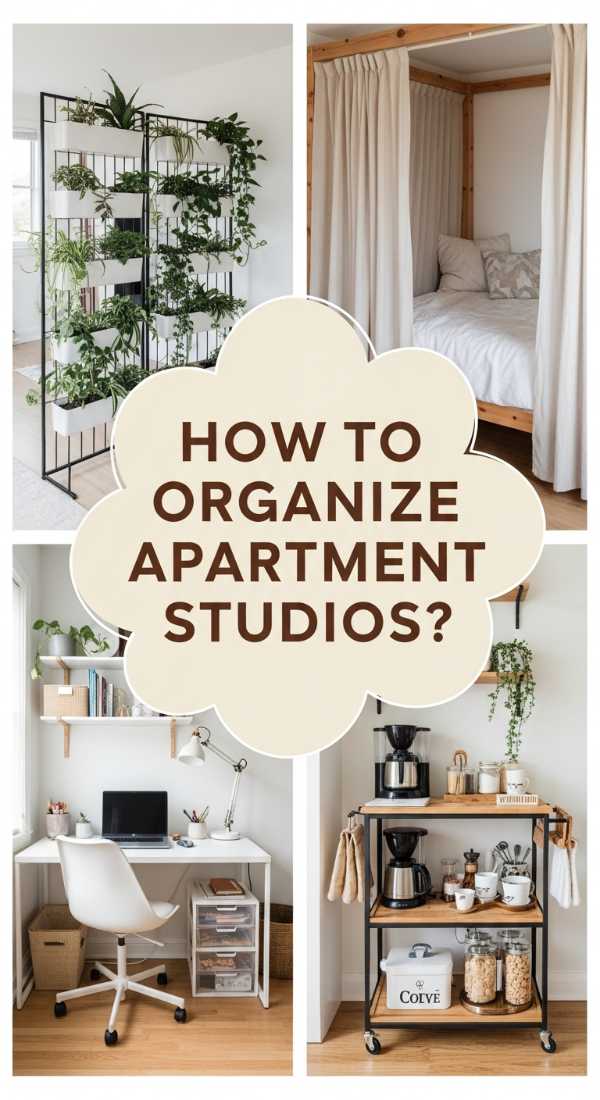
Layering textures is the secret sauce that turns a flat, one-dimensional room into a rich, sensory experience that feels ‘lived-in’ and luxurious. We love the interplay between a rough, hand-woven basket and the slick, cool surface of a marble countertop. It’s about creating a ‘tactile landscape’ where your eyes can almost feel the softness of a mohair throw or the grain of a reclaimed wood table before you even touch them. This depth makes a home feel incredibly welcoming and cozy, especially during the colder months when we crave warmth and comfort.
Essential Elements:
- A mix of ‘hard’ and ‘soft’ materials (stone vs. wool).
- Various fabric weights (sheer linen, heavy velvet, chunky knits).
- Natural elements like rattan, seagrass, and leather.
- Contrast in finishes (matte, gloss, and brushed).
How to make it
- Start from the floor up by layering a smaller, patterned wool rug over a larger, neutral sisal or jute rug to create immediate visual and tactile depth.
- On your sofa, mix three different fabric types: a smooth cotton base, a heavy velvet accent pillow, and a loosely woven linen throw.
- Introduce ‘organic’ textures through natural wood furniture that shows the grain and knots, providing a counterpoint to smooth, painted walls.
- Use a variety of metals in one room—like a brushed gold lamp next to a matte black picture frame—to prevent the space from feeling too ‘matched’ or flat.
- Add a ‘living’ texture with indoor plants; the waxy leaves of a Fiddle Leaf Fig or the feathery fronds of a fern add a vibrant, soft texture that synthetic materials can’t mimic.
How to Organize Apartment Studios for Peaceful Living
Why we love this
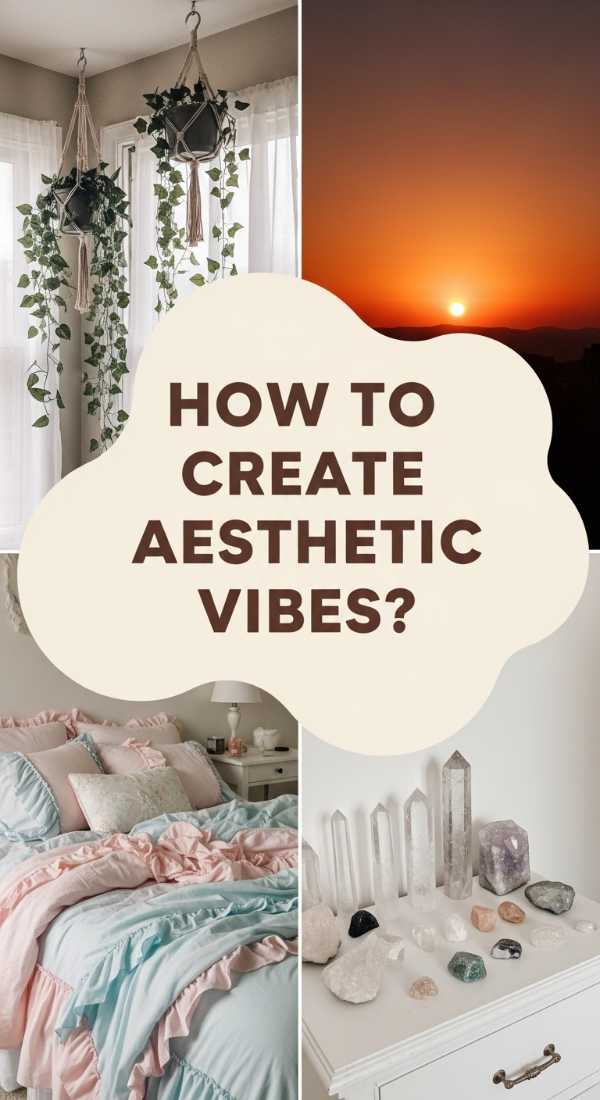
There is a unique peace that comes from a studio apartment that functions like a well-oiled machine, where every zone is clearly defined yet flows seamlessly into the next. We love the ‘zoning’ philosophy, which allows you to ‘leave’ your work area and ‘enter’ your bedroom in a single room. The clever use of dividers and cohesive styling creates a sense of order that calms the nervous system, turning a small footprint into a multi-functional sanctuary where you never feel trapped, but rather perfectly ensconced in your own curated world.
Essential Elements:
- Physical dividers like open bookshelves or folding screens.
- Consistent color palettes across the entire studio to maintain flow.
- Rugs used as ‘anchors’ for different zones (sleeping, eating, working).
- Multi-purpose furniture like a desk that doubles as a vanity.
How to make it
- Define your ‘bedroom’ zone by placing a tall, open-backed bookshelf at the foot of the bed; this creates a wall without blocking light or making the room feel smaller.
- Use different rugs to ‘ground’ each area; a plush rug for the lounge area and a flat-weave rug for the dining area clearly signal a change in function to the brain.
- Keep a consistent ‘accent color’ throughout the entire studio—like a specific shade of navy or ochre—to tie the different zones together visually.
- Opt for ‘floating’ furniture or pieces with glass tops in the center of the room to maintain clear sightlines, which prevents the studio from feeling cluttered.
- Designate a ‘drop zone’ near the entrance with a small mirror and a few hooks for keys and bags to prevent daily clutter from migrating into your living or sleeping areas.
How to Create Aesthetic Vibes for a Dreamy Bedroom
[IMAGE_10]
Why we love this
The bedroom is the most personal space in the home, and creating a ‘dreamy’ vibe is essential for a lifestyle that prioritizes rest and rejuvenation. We love the feeling of sinking into a cloud-like bed with high-thread-count sheets that feel like cool silk against the skin, surrounded by soft, diffused lighting that mimics a permanent sunset. The scent of lavender and cedarwood in the air, combined with the sight of flowing linen curtains, creates an ethereal atmosphere that makes every night feel like a stay at a boutique retreat, allowing you to drift off in total serenity.
Essential Elements:
- Layered bedding with a mix of duvets and quilts.
- Soft, warm ambient lighting (avoid overhead lights).
- Scent diffusers or high-quality soy candles.
- Blackout curtains layered with sheer decorative drapes.
How to make it
- Invest in an oversized duvet (one size larger than your bed) to create that lush, overstuffed look often seen in luxury hotels.
- Layer your pillows by placing two large ‘euro shams’ against the headboard, followed by your sleeping pillows, and finishing with two smaller decorative lumbar pillows.
- Ditch the ‘big light’ and use only bedside lamps and floor lamps with warm-toned bulbs to create a relaxing, low-contrast environment in the evening.
- Install a curtain rod that is wider than your window and hang drapes from the ceiling to the floor; this makes the windows look larger and the room feel more ‘grand.’
- Introduce a ‘sleep ritual’ element, such as a beautiful ceramic tray on your nightstand for your carafe of water and a silk eye mask, to elevate the mundane into a boutique experience.
Transforming Your Life, One Corner at a Time
As we’ve explored, the journey from ‘basic’ to ’boutique’ isn’t about how much you spend, but how much you care about the details of your daily environment. By focusing on sensory experiences—texture, light, scent, and flow—you can transform any space into a dreamy sanctuary that supports your lifestyle and fuels your creativity. Remember, your home is an evolving reflection of your journey. Start small, trust your intuition, and enjoy the process of crafting a life that feels as good as it looks.