
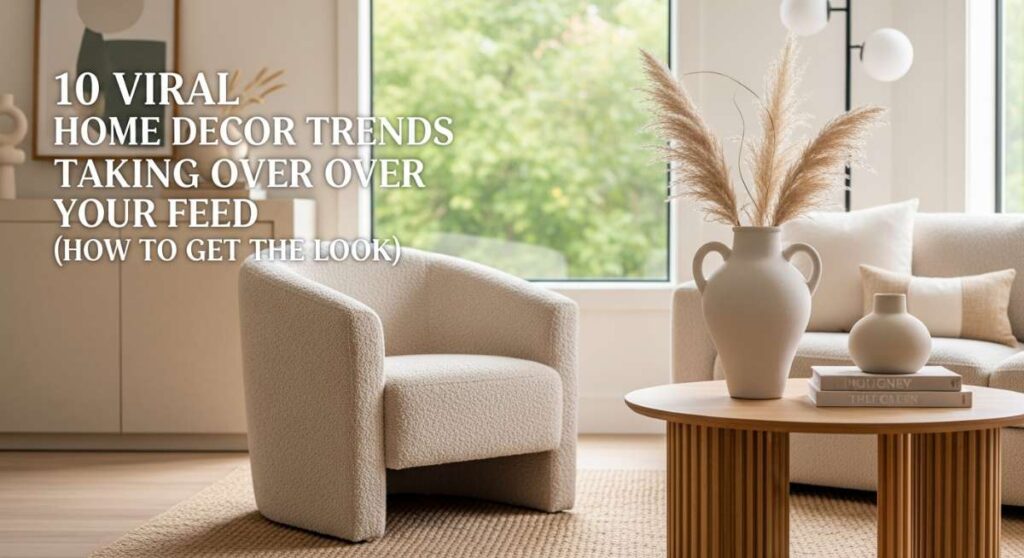
10 Viral Home Decor Trends Taking Over Your Feed (and How to Get the Look)
Have you ever found yourself scrolling through your feed at midnight, your heart skipping a beat at the sight of a perfectly sun-drenched breakfast nook or a living room that feels like a warm hug? We’ve all been there—captured by the magic of an ‘aesthetic’ that feels less like a photo and more like a lifestyle we’re destined for. In a world that can often feel chaotic, our homes have become our ultimate sanctuaries, and the viral trends we’re seeing today are all about reclaiming that sense of personal peace and joy.
Creating a viral-worthy home isn’t about spending a fortune or having a professional designer on speed dial; it’s about the art of curation and the sensory details that make a space feel alive. Whether you’re craving the salty air of a coastal retreat or the nostalgic comfort of a nineties bedroom, these trends are about more than just looks—they are about how a room makes you feel when the sun hits the floorboards just right. Let’s dive into the ten styles currently dominating our screens and learn exactly how to bring that magic into your own four walls.
How to Create a Rustic Mexican Sanctuary for Cozy Gatherings
Why we love this
There is an undeniable soulfulness to a rustic Mexican sanctuary that resonates deep within the bones. Imagine the earthy, mineral scent of sun-baked terracotta mixing with the spicy aroma of a simmering pot of birria on the stove. The texture of hand-carved wood under your fingertips and the visual warmth of vibrant, hand-painted tiles create a space that feels celebratory yet deeply grounded. It’s a style that invites you to kick off your shoes, pour a glass of mezcal, and linger for hours under the soft glow of wrought iron lanterns while the shadows dance across rough-hewn plaster walls.
Essential Elements:
- Terracotta floor tiles (Saltillo style)
- Hand-carved dark wood furniture
- Vibrant Talavera pottery and wall accents
- Equipale leather chairs
- Textured plaster or adobe-style walls
- Dried desert botanicals and succulents
How to make it
- **Prepare the Foundation:** Start with your floor. If you aren’t ready for permanent tile, use a large, rust-toned jute rug to mimic the earthy hue of Saltillo. Ensure the base is clean and clear to allow the heavy textures of the furniture to breathe.
- **Wall Texturizing Phase:** Apply a lime-wash paint in a warm cream or light ochre. Use a wide, ‘X’ motion with a masonry brush to create that signature depth and movement found in old Mexican haciendas. Let it dry completely to see the chalky, velvet-like finish.
- **Layering the Hardscapes:** Introduce your ‘hero’ pieces, like a heavy mesquite dining table. Position it centrally to encourage flow for gatherings. The wood should feel raw and matte, not polished or shiny.
- **Integrating the Soul (Decor):** Scatter Talavera tiles as coasters or wall inserts. Drape hand-woven Mexican serapes or textiles over the backs of chairs. For lighting, swap bright LED bulbs for warm-toned Edison bulbs inside wrought iron fixtures to achieve that sunset-at-midnight ambiance.
- **Finishing with Life:** Place large terracotta pots in corners, filling them with tall cacti or snake plants. The green against the burnt orange creates a classic color contrast that feels instantly authentic.
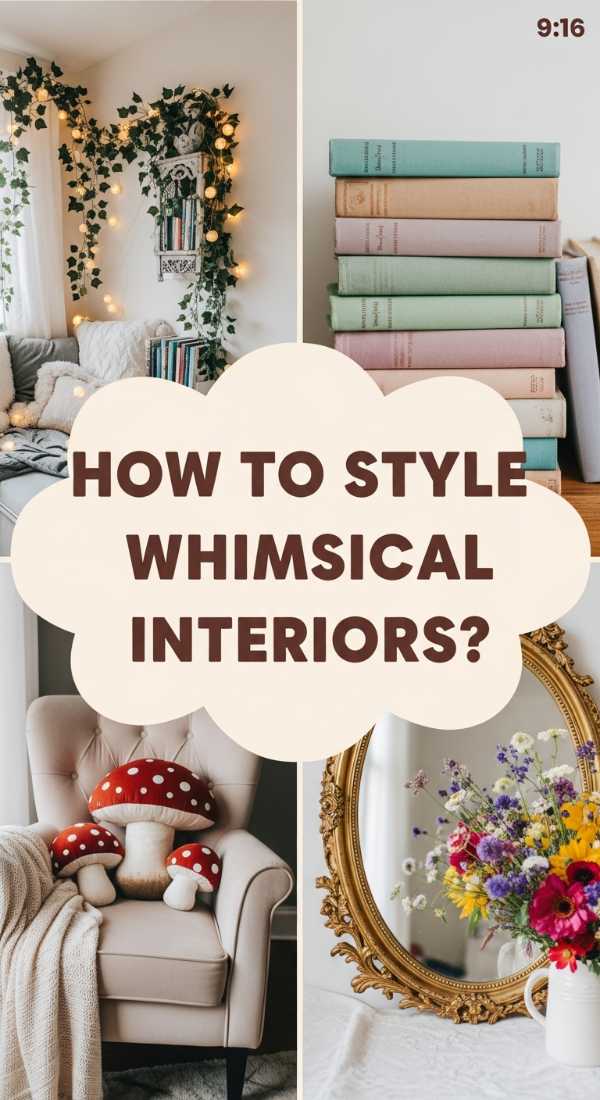
How to Design a Whimsical Secret Garden for Daily Enchantment
Why we love this
The whimsical secret garden aesthetic is like stepping into a storybook where time slows down and the air is perpetually filled with the scent of jasmine and old roses. This look relies on ‘controlled chaos’—the feeling of nature slowly reclaiming a space with delicate vines and soft, mossy textures. It is a sensory feast of cool wrought iron, velvet-soft petals, and the gentle chime of wind through crystals. Every corner offers a hidden surprise, making your daily tea or coffee feel like a magical ritual in a forgotten woodland clearing.
Essential Elements:
- Climbing ivy or jasmine vines
- Vintage-style wrought iron bistro sets
- Moss-covered stone or terracotta pots
- String fairy lights and antique lanterns
- Pastel-colored floral arrangements
- Soft, weather-worn textiles in lace or linen
How to make it
- **Establish the Perimeter:** Use trellis panels or wire mesh to create a vertical climbing surface. Position your ‘creepers’—like English Ivy or Star Jasmine—at the base and gently guide the stems upward with garden twine, ensuring they aren’t strangled but supported.
- **Grounding the Space:** Create a ‘flooring’ effect using irregular flagstones or pea gravel. This provides a tactile crunch underfoot that signals you’ve entered a special, outdoor-adjacent zone.
- **Weathering the Decor:** If your furniture looks too new, give it a ‘secret garden’ patina. Apply a thin wash of grey-green acrylic paint to metal chairs and wipe it away quickly so it stays in the crevices, mimicking years of oxidation and growth.
- **Setting the Enchantment Level:** String warm-toned fairy lights through the climbing vines rather than across the ceiling. This creates a soft, internal glow that looks like fireflies caught in the greenery.
- **The Sensory Peak:** Introduce a small stone water feature. The sound of trickling water is the final ‘ingredient’ that masks city noise and completes the feeling of being in a secluded, magical glen.
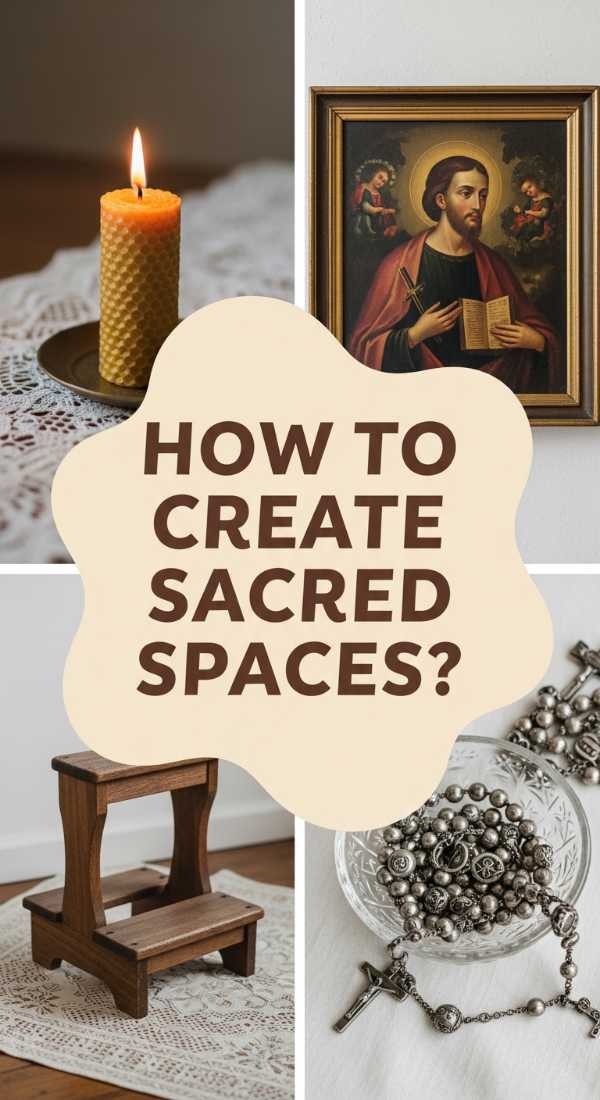
How to Arrange a Catholic Prayer Nook for Spiritual Serenity
Why we love this
This aesthetic is all about ‘sacred maximalism’—a dedicated corner of the home that feels heavy with history, devotion, and peace. There is something profoundly calming about the flicker of candlelight against gold-leafed icons and the lingering, sweet-woodsy scent of frankincense. It utilizes rich, heavy textures like burgundy velvet and dark oak to create a ‘weighted’ environment that encourages stillness. It’s not just a trend; it’s a sensory anchor that provides a quiet, beautiful escape from the digital noise of the modern world.
Essential Elements:
- Antique or ornate wooden crucifix
- Icons with gold leaf details
- Velvet prayer kneeler or ‘prie-dieu’
- Votive candles in red or blue glass
- Small brass incense burner
- Fresh or dried sprigs of rosemary or olive branches
How to make it
- **Selecting the Altar:** Find a small, sturdy table or a wall-mounted shelf. It should be placed at chest height when standing or waist height when kneeling. Cover it with a clean linen or lace cloth to signify its special purpose.
- **Visual Hierarchy:** Place your central crucifix or main icon at eye level. Surround it with smaller holy cards or statues, ensuring the tallest items are in the back to create a sense of ‘ascending’ beauty and focus.
- **Lighting the Flame:** Use beeswax candles for a cleaner burn and a subtle honey aroma. Place them in glass votives to catch the wax drips and amplify the flickering light against any metallic surfaces in your icons.
- **The Olfactory Element:** Light a small charcoal disc in your burner and sprinkle a few grains of resin incense. The rising smoke is a classic visual cue for ‘ascending prayers’ and adds an ancient, ethereal layer to the room’s atmosphere.
- **Softening the Space:** Place a heavy velvet cushion on the floor or a kneeler. The tactile softness against your knees or feet provides physical comfort, making it easier to stay in the space for longer periods of meditation.
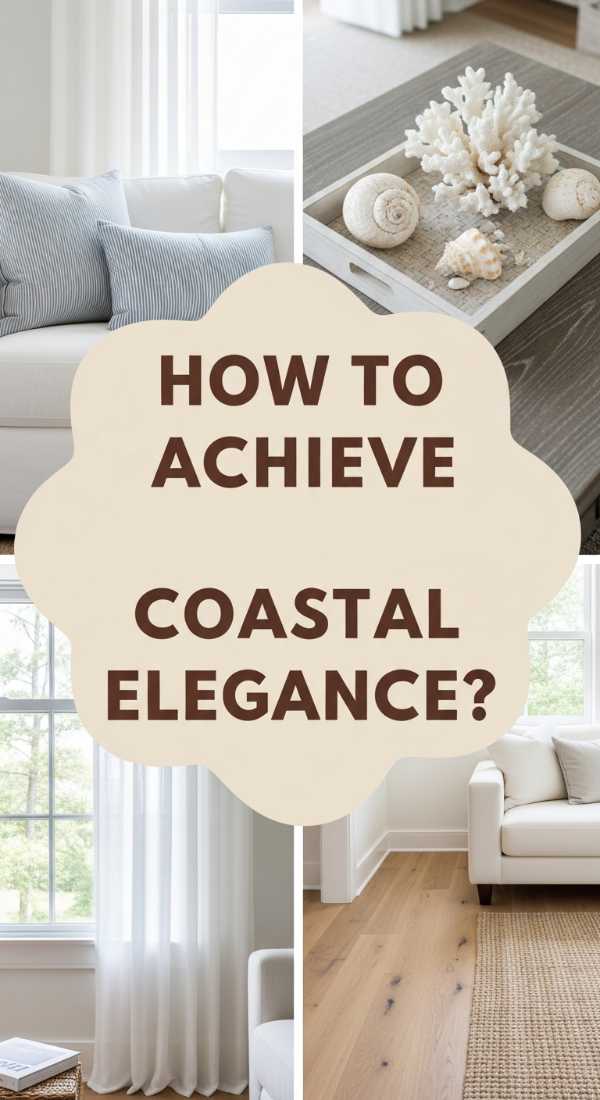
How to Style a Coastal Breeze Living Room for Seaside Calm
Why we love this
A coastal breeze living room is the ultimate antidote to stress, feeling like a long, cooling exhale at the end of a hot day. The palette is dominated by whites, sands, and watery blues, mimicking the horizon where the ocean meets the sky. You can almost feel the grit of salt on the skin and hear the rhythmic pulse of the tide through the use of airy linens and weathered driftwood. It’s a clean, breathable aesthetic that values light over clutter, making even the smallest apartment feel like a spacious beach house on the edge of the Atlantic.
Essential Elements:
- Slipcovered white sofas in breathable cotton
- Rattan or seagrass area rugs
- Driftwood accents and smooth sea glass
- Striped linen throw pillows (ticking stripes)
- Sheer white curtains that catch the wind
- Large bowls of bleached coral or seashells
How to make it
- **Maximized Light Diffusion:** Remove heavy drapes and replace them with ultra-sheer linen panels. Hang the rod higher and wider than the window frame to allow the maximum amount of natural light to flood the room, bouncing off light-colored walls.
- **Grounding with Texture:** Lay down a large jute or seagrass rug. The ‘scratchy’ yet natural texture underfoot provides an immediate sensory connection to the outdoors, acting as the ‘sand’ of your interior landscape.
- **The Slipcover Secret:** If you don’t have a white sofa, use a heavy-weight cotton drop cloth to create a ‘shabby chic’ slipcover. Tuck it deeply into the cushions for a relaxed, lived-in look that says you aren’t afraid of a little sand.
- **Curating the Coast:** Avoid ‘kitshy’ beach decor. Instead, find one large, sculptural piece of driftwood. Place it on a mantle or coffee table as a focal point. Its weathered, matte grey texture is the perfect organic contrast to soft pillows.
- **Scent and Sound:** Use a sea-salt and sage reed diffuser to provide a constant, subtle ozone scent. Open windows to allow a cross-breeze, which will move the sheer curtains and complete the ‘coastal breeze’ illusion.
How to Build a Boho Texture Haven for Relaxed Living
Why we love this
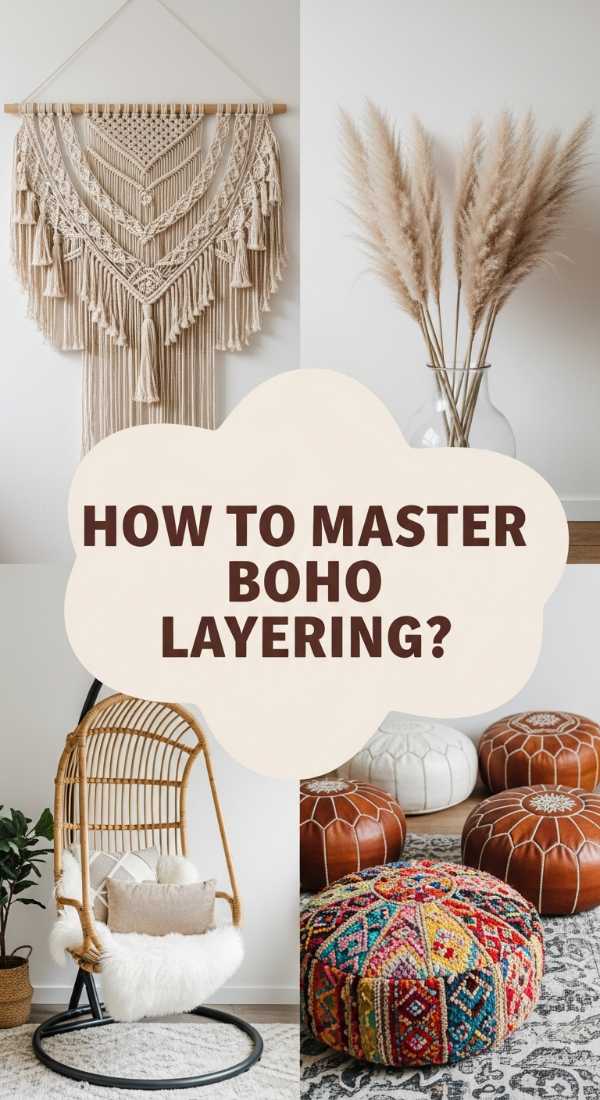
The Boho Texture Haven is the ‘weighted blanket’ of interior design. It is a celebratory riot of tactile experiences—from the rough loops of a Moroccan rug to the silky fringe of a macrame wall hanging. This look is about layered coziness that feels global and gathered over time. We love it because it’s forgiving; it thrives on imperfection and the ‘more is more’ philosophy when it comes to comfort. It turns a living room into a nest where every surface is soft, every corner is warm, and the vibe is perpetually ‘Sunday morning.’
Essential Elements:
- Macrame wall hangings and plant hangers
- Shag or high-pile Moroccan rugs
- Rattan furniture and woven baskets
- Floor poufs and oversized floor cushions
- Layered textiles (kantha quilts, chunky knits)
- Pampas grass and dried palms
How to make it
- **The Layered Base:** Start by layering rugs. Place a flat-weave jute rug down first, then angle a smaller, plush shag rug on top. This creates immediate visual depth and a luxurious feeling underfoot.
- **Vertical Softness:** Hang a large macrame piece above the sofa or bed. This softens the hard line of the wall and introduces a handcrafted, artisanal element that is central to the boho vibe.
- **Creating the ‘Nest’ (Seating):** De-prioritize formal chairs for low-profile seating. Place floor poufs and leather ottomans around a low coffee table. This lowers the room’s center of gravity, making the space feel more relaxed and intimate.
- **Botanical Integration:** Use woven baskets as ‘clothes’ for your plants. Group plants of different heights (Fiddle Leaf Figs for height, Pothos for draping) in one corner to create a ‘mini jungle’ that adds life and oxygen to the texture.
- **The Final Drape:** Toss a chunky knit throw over the arm of a chair and add at least three different types of pillows—one velvet, one linen, and one embroidered. The goal is a ‘curated mess’ that looks incredibly inviting.
How to Reclaim a Vintage Nineties Aesthetic for Nostalgic Vibes

Why we love this
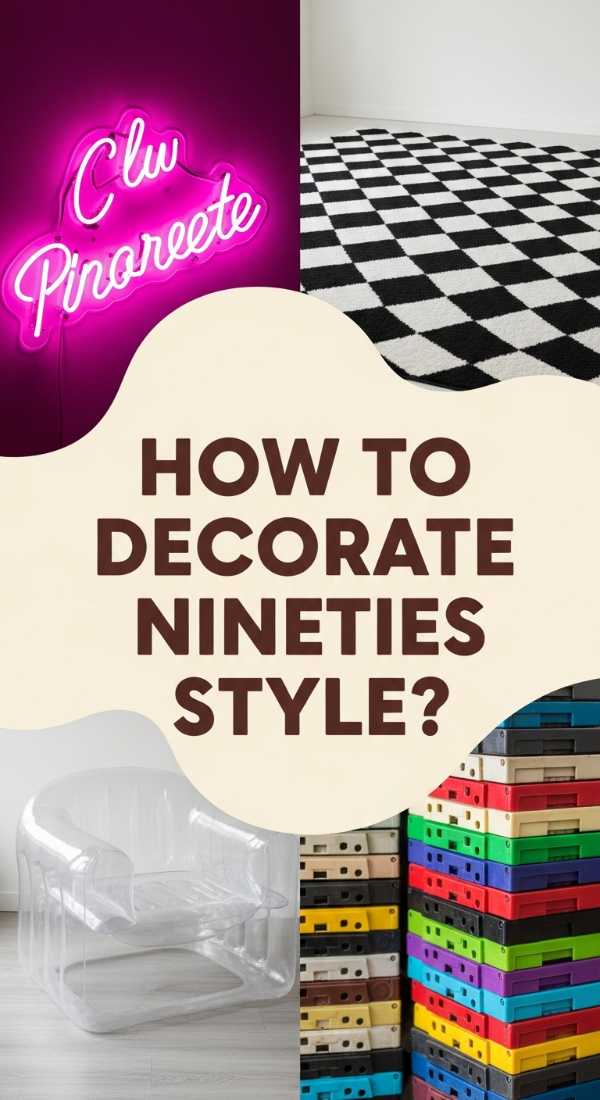
The nineties aesthetic is back with a vengeance, bringing with it a sense of playful optimism and ‘uncool cool’ that feels incredibly refreshing. Think inflatable furniture, neon glow, and the iconic ‘clear tech’ look that lets you see the inner workings of your gadgets. It’s a sensory trip back to a time of Saturday morning cartoons and CDs. We love it because it doesn’t take itself too seriously—it’s loud, it’s colorful, and it celebrates the high-tech/low-tech mashup that defined a generation.
Essential Elements:
- Inflatable chairs or velvet bean bags
- Neon signage or lava lamps
- Checkerboard patterns (rugs or bedding)
- Primary color accents (red, blue, yellow)
- Transparent plastic furniture or storage
- Retro tech (CRTs, cassette players)
How to make it
- **Color Blocking the Space:** Pick a bold primary color as your ‘anchor’ (like a bright cobalt blue) and use it in one large piece, like a rug or a painted accent wall. This provides the ‘pop’ that defined 90s interiors.
- **The Glow Factor:** Incorporate neon lighting. Whether it’s a custom sign or a simple pink neon tube, the electric glow at night transforms the room into a retro-futuristic lounge.
- **Introducing Transparency:** Find a ‘clear’ acrylic side table or shelving unit. This mimics the ‘see-through’ trend of 90s electronics and keeps the space feeling light and airy despite the bold colors.
- **Pattern Play:** Add a checkerboard element. A black-and-white checkered rug is the most viral way to do this. It adds a graphic, energetic rhythm to the floor that anchors the more whimsical elements.
- **Nostalgic Curation:** Set up a ‘tech station’ with a working VCR or a pile of vintage magazines. It’s the functional ‘props’ that make this aesthetic feel authentic rather than like a costume.
How to Curate a Summer Solstice Veranda for Sun-Drenched Afternoons

Why we love this
This look captures the feeling of a permanent Mediterranean summer—the golden hour that never ends. It is characterized by the scent of sliced citrus, the clink of ice in a carafe of sangria, and the warmth of the sun trapped in stone pavers. The palette is a dream of buttery yellows, crisp whites, and olive greens. It celebrates the ‘slow living’ movement, encouraging you to spend hours outside with a book while the golden light filters through a linen umbrella, making every afternoon feel like a holiday in Tuscany.
Essential Elements:
- Linen or canvas outdoor umbrellas with fringe
- Terracotta pots filled with lemon or olive trees
- Wrought iron or aged wood dining table
- Yellow and white striped cushions
- Outdoor string lights (G40 globe style)
- Zinc or stone table accents
How to make it
- **Setting the Shade:** Invest in a vintage-style fringed umbrella. The fringe adds a ‘resort’ feel and creates a beautiful movement in the breeze, instantly elevating a basic patio to a ‘veranda.’
- **The Living Centerpiece:** Instead of cut flowers, place a potted lemon tree in the center of the table. The vibrant yellow fruit and glossy green leaves provide a natural, fragrant focal point that screams ‘summer solstice.’
- **Textile Layering:** Use heavy-weight outdoor linen for your seat cushions. Choose a soft butter-yellow or a classic ‘cabana’ stripe. Linen is breathable, which is essential for that ‘cool in the heat’ sensory experience.
- **Atmospheric Lighting:** Hang globe string lights overhead, but keep them on a dimmer. As the sun sets, you want the light to barely glow, mimicking the soft transition from golden hour to twilight.
- **The Refreshment Station:** Set up a bar cart with clear glass carafes, bowls of fresh citrus, and sprigs of mint. The visual of the ‘prep’ is just as important as the drink itself for the overall aesthetic.
How to Transform a Mobile Home Interior for Spacious Elegance
Why we love this
The viral transformation of mobile homes is a testament to the power of design over square footage. It’s about taking a compact, often ‘wood-paneled’ space and turning it into a bright, airy jewel box that feels twice its size. We love the cleverness of this aesthetic—the hidden storage, the ‘all-white’ palettes that reflect light, and the high-end finishes that defy expectations. It’s a masterclass in intentionality, proving that elegance is about the quality of the light and the harmony of the materials, not the footprint of the house.
Essential Elements:
- Monochromatic white or light greige paint throughout
- Luxury Vinyl Plank (LVP) flooring in light oak
- Modern, slim-profile cabinetry
- Large mirrors to bounce light
- Built-in multifunctional furniture
- High-end brass or matte black hardware
How to make it
- **Light Reflection Strategy:** Paint everything—walls, ceilings, and even dated trim—in a single shade of warm white. This ‘erases’ the choppy lines of a small space, making the walls appear to recede and the ceiling to lift.
- **Flooring Continuity:** Run the same flooring through every single room, including the bathroom. This lack of visual breaks ‘tricks’ the eye into seeing one long, continuous space, which creates the feeling of a much larger home.
- **The Hardware Upgrade:** Swap out standard mobile home plastic handles for heavy, solid brass or matte black pulls. The tactile ‘weight’ of the hardware provides an immediate sensory ‘luxury’ cue every time you open a drawer.
- **Vertical Emphasis:** Hang floor-to-ceiling curtains. Even if the windows are small, placing the rod at the very top of the wall draws the eye upward, emphasizing verticality over the narrow horizontal plane.
- **Decluttering to the Max:** In a small space, every object must be beautiful or functional. Use closed storage (cabinets) for the ‘ugly’ stuff and leave only a few high-quality ‘hero’ pieces (like a designer lamp) on display.
How to Layer Quirky Eclectic Decor for Individual Expression
Why we love this
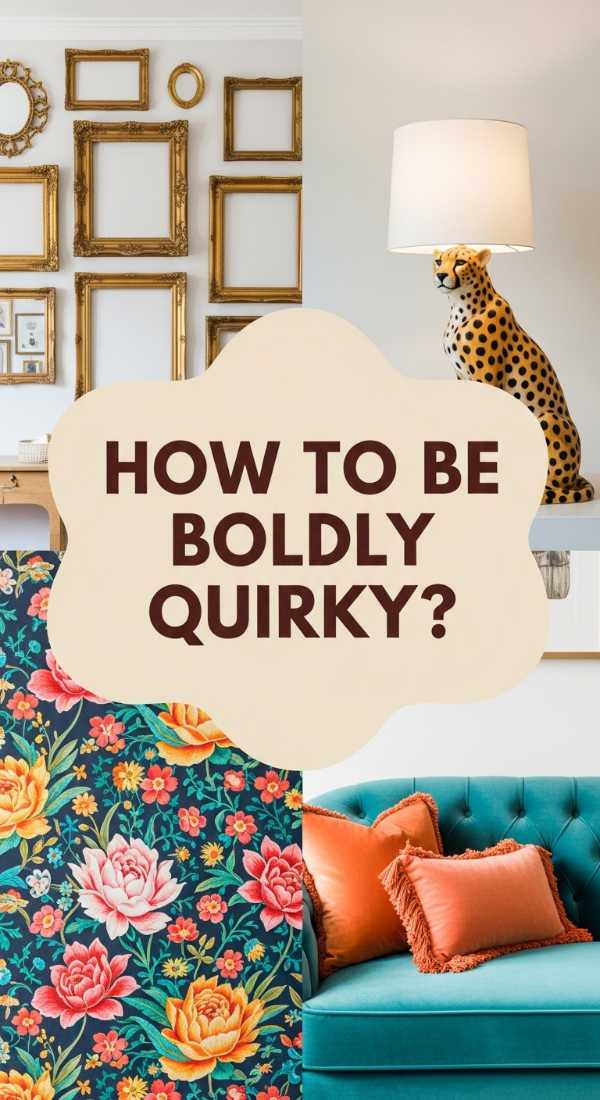
Quirky eclectic decor is the ultimate ‘anti-trend’ trend. It is a vibrant, neon-soaked celebration of the weird and the wonderful, where a 17th-century portrait might sit next to a plastic flamingo. We love it because it tells a story—your story. It is a sensory playground of clashing patterns, unexpected color combinations, and objects that spark a ‘where did you get that?’ conversation. It’s a style that feels ‘collected, not decorated,’ offering a sense of liberation from the ‘rules’ of traditional interior design.
Essential Elements:
- Gallery walls with mismatched frames
- Bold, clashing patterns (animal print meets floral)
- Vintage ‘kitsch’ collectibles
- Unexpected color palettes (pink and emerald green)
- Velvet furniture in jewel tones
- Statement lighting (goose lamps, mushroom lamps)
How to make it
- **Finding the ‘Common Thread’:** Even in chaos, you need a ‘link.’ Pick one color that appears in almost every piece—maybe a specific shade of red. This ‘leads’ the eye through the room so it feels intentional, not messy.
- **The Gallery Wall Phase:** Lay your art out on the floor first. Mix high art with low art—a framed postcard next to an oil painting. Keep the spacing tight (about 2 inches) to make the diverse collection feel like one cohesive ‘unit.’
- **Pattern Mixing (The Rule of Three):** Combine three patterns in one area: one large scale (a big floral rug), one medium scale (striped pillows), and one small ‘texture’ (a leopard print throw). This creates a balanced visual vibration.
- **The ‘Anchor’ Piece:** In a room of small quirky things, you need one large, ‘normal’ anchor—like a solid velvet sofa. This gives the eye a place to rest amid the visual excitement.
- **Curating the Weird:** Add one ‘conversational’ object per room. A giant gold hand as a jewelry holder or a neon light in the shape of a banana. These ‘quirks’ are the soul of the aesthetic.
How to Master Vintage Heirloom Styling for Timeless Charm
[IMAGE_10]
Why we love this
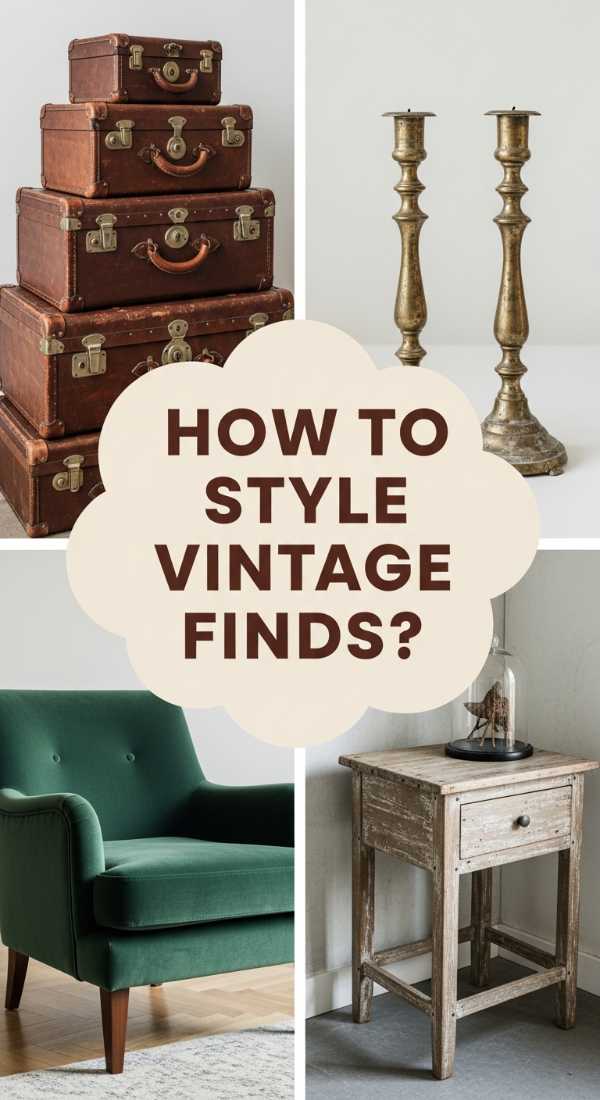
Vintage heirloom styling feels like a warm embrace from the past. It’s about the ‘patina of life’—the scratches on a mahogany desk, the faded spots on a Persian rug, and the heavy, cool feel of silver spoons. This aesthetic smells like old books and beeswax polish. We love it because it feels permanent and grounded; it rejects the ‘fast furniture’ culture in favor of pieces that have survived decades. It creates a home that feels like it has a lineage, offering a sense of continuity and quiet dignity in an ever-changing world.
Essential Elements:
- Dark wood ‘brown furniture’ (mahogany, walnut)
- Faded antique Persian or Oriental rugs
- Oil paintings in gilded frames
- Stacks of linen-bound books
- Brass candlesticks and silver trays
- Real botanicals (dried flowers or ferns)
How to make it
- **Sourcing the Soul:** Visit antique stores or estate sales for one ‘hero’ piece of solid wood furniture. Look for dovetail joints and real wood grain. This piece will act as the ‘gravity’ for the rest of the room.
- **Softening the Wood:** Balance the ‘hardness’ of dark wood with ‘soft’ antiques. Layer a faded, hand-knotted rug on the floor. The muted, ‘washed-out’ colors provide a sophisticated base that feels expensive and historic.
- **The ‘Old World’ Wall:** Hang oil paintings (landscapes or portraits). To make them look like heirlooms, avoid modern frames; go for heavy, ornate gold frames that have a bit of ‘dusty’ character.
- **Creating Still Lifes:** Group objects in threes on top of your wood furniture. A stack of old books, a brass candlestick, and a small ceramic bowl create a ‘vignette’ that looks like a Dutch master’s painting.
- **The Sensory Polish:** Use a lemon-oil or beeswax polish on your wood furniture once a month. The scent is the ‘invisible’ decor that reinforces the feeling of a well-cared-for, timeless home.
Final Thoughts on Your Home Aesthetic Journey
At the end of the day, your home shouldn’t just look like a viral photo—it should feel like the best version of your life. Whether you’ve chosen the rugged warmth of a Mexican sanctuary or the whimsical layers of an eclectic haven, the magic happens in the details you choose to surround yourself with. Don’t be afraid to mix and match these trends to find your own unique ‘vibe.’ After all, the most ‘viral’ homes are the ones that reflect the beautiful, quirky, and authentic people living inside them. Happy decorating!