
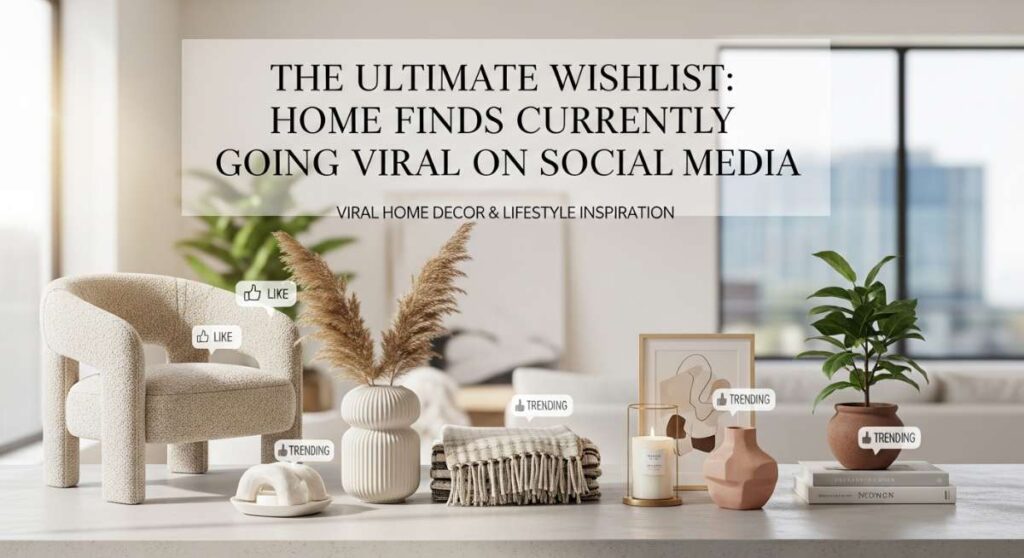
Have you ever spent hours scrolling through your feed, your thumb pausing only when a perfectly curated living room or a sun-drenched breakfast nook flashes across the screen? There is something incredibly soul-stirring about seeing a house transformed into a home—a place that doesn’t just look like a magazine spread but feels like a warm embrace. We are all searching for that little bit of magic, that specific combination of textures and tones that makes our daily surroundings feel like a curated sanctuary tailored just for our hearts.
Lately, social media has been exploding with home finds that bridge the gap between high-end design and cozy, livable reality. From the tactile richness of bohemian layers to the serene, hallowed hush of a private prayer corner, these trends aren’t just about ‘stuff’; they are about storytelling. In this post, I am diving deep into the ultimate wishlist of home styles currently going viral, showing you exactly how to capture these looks with heart, intention, and a bit of creative flair.
How to Curate Rustic Mexican Charm for a Warm Heartfelt Home
Why we love this
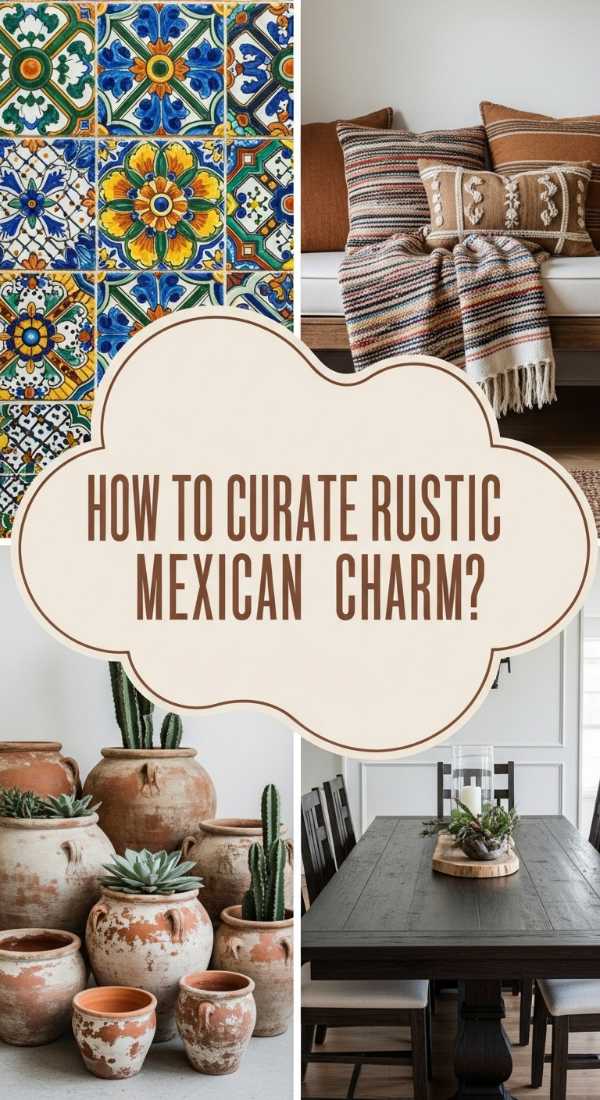
There is an undeniable soulfulness in rustic Mexican design that feels like a sun-baked afternoon in a coastal hacienda. We love the way the rough-hewn texture of hand-carved wood plays against the cool, smooth surface of hand-painted Talavera tiles, creating a sensory experience that is both grounded and vibrant. Imagine walking into a kitchen where the faint aroma of roasted chilies lingers near a terracotta-potted herb garden, and every corner tells a story of craftsmanship. It is a style that celebrates imperfections—the slight wobble in a hand-blown glass or the weathered patina of an antique bench—making every guest feel instantly at ease and deeply welcomed.
Essential Elements:
- Hand-painted Talavera tiles for backsplashes or accents.
- Warm terracotta floor tiles or planters.
- Natural wood furniture with visible grain and distressing.
- Woven textiles in earthy ochre, deep crimson, and indigo.
- Hand-blown glassware in amber or cobalt blue.
- Wrought iron light fixtures and hardware.
How to make it
- The Foundation Layer: Start by establishing a ‘base heat’ with your flooring. If you cannot replace floors, use large-scale terracotta-colored area rugs to ground the space in warmth. The goal is to mimic the visual cue of sun-warmed clay.
- Infusing the Color Palette: Slowly introduce ‘spices’ through color. Choose a primary wall color in a soft, creamy white or a pale sand to allow the vibrant Mexican hues to pop. Apply deep blues and oranges through smaller accents like cushions and pottery.
- Texture Simmering: Mix materials by placing a heavy wooden table next to chairs with woven leather seats (Equipal style). The contrast in textures provides a professional-level depth that prevents the room from feeling flat.
- The Lighting Finish: Replace modern plastic fixtures with heavy wrought iron or punched tin pendants. The way the light flickers through the holes in the tin mimics the dance of candlelight, providing that essential ‘heartfelt’ glow.
How to Style a Summer Home Sanctuary for Total Seasonal Bliss
Why we love this
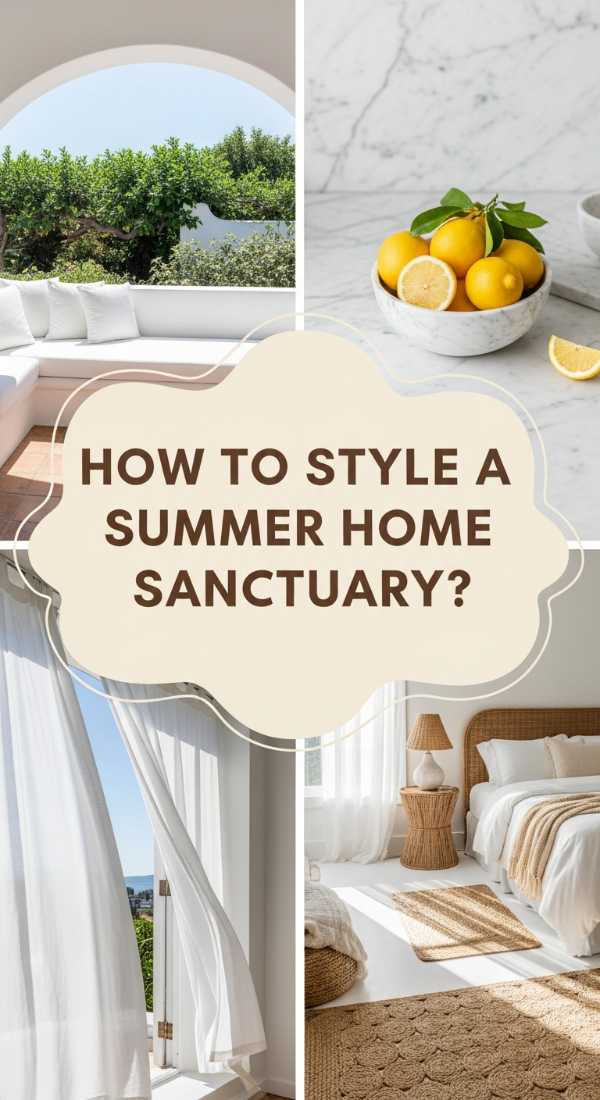
The summer sanctuary aesthetic is all about capturing the ephemeral feeling of a coastal breeze caught in a sheer linen curtain. We adore this look because it prioritizes airiness and light, utilizing a palette of soft whites, pale sands, and watery blues that practically lowers your heart rate the moment you step inside. There is a distinct sensory joy in the feeling of cool cotton percale against warm skin or the refreshing scent of sea salt and lemon zest wafting through an open window. It’s about creating a space that feels effortless, where the boundary between the lush outdoors and the tranquil indoors simply melts away.
Essential Elements:
- Lightweight linen or cotton slipcovered sofas.
- Sheer, breezy window treatments that catch the wind.
- Natural jute or sisal rugs for an organic underfoot feel.
- A palette of whites, creams, and soft cerulean.
- Potted palms or large fiddle leaf figs for lush greenery.
- Glass vases filled with seasonal wildflowers or branches.
How to make it
- Stripping Back: Begin by ‘decluttering for breathability.’ Remove heavy wool rugs and dark velvet pillows. Your visual cue for success is a room that feels five degrees cooler just by looking at it.
- The Fabric Swap: Switch out your bedding and upholstery for high-quality linen. When prepping the bed, use a ‘layered cooling’ technique: a crisp flat sheet, a lightweight waffle-weave coverlet, and a linen duvet folded at the foot for texture.
- Harnessing Natural Light: Clean every window thoroughly to maximize ‘light intake.’ Position mirrors opposite windows to bounce the summer sun into darker corners, effectively doubling the brightness of the sanctuary.
- Scent Curation: Introduce the ‘aromatic finish.’ Use a diffuser with essential oils of bergamot, grapefruit, and sea salt. The scent should be subtle—like a ‘background note’—rather than overwhelming.
How to Design Whimsical Spaces for Endless Creative Inspiration
Why we love this
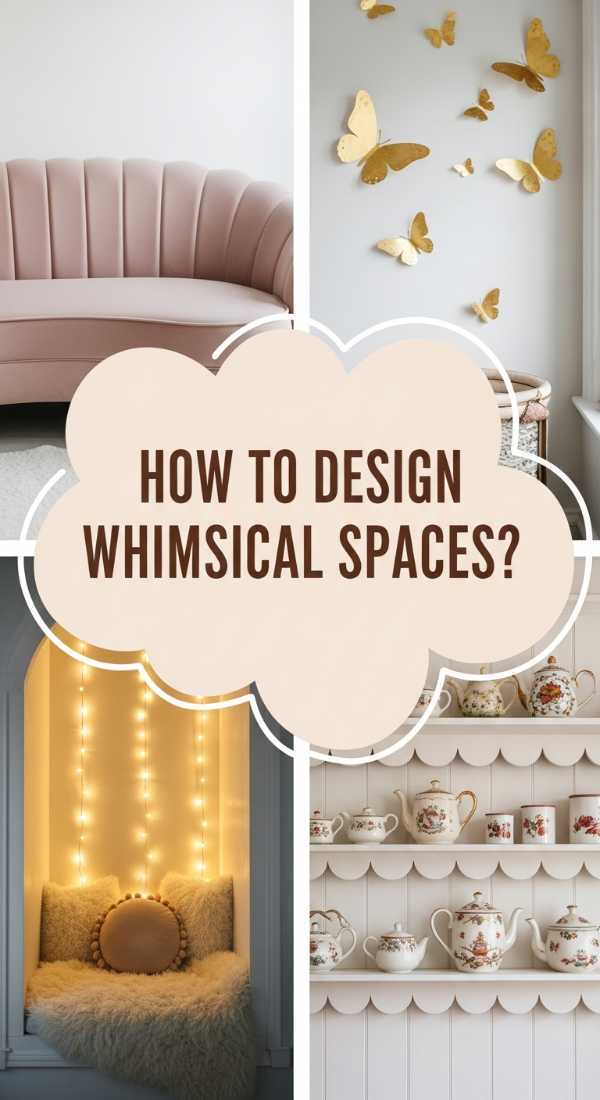
Whimsical design is a rebellious joy, a playful middle finger to the ‘beige-ification’ of modern homes. We are obsessed with the way it blends surrealism with comfort, featuring scalloped edges that remind us of vintage tea parties and bold, unexpected patterns that spark conversation. It’s a sensory delight of velvet touches, neon accents, and the clinking of quirky ceramic mugs against marble tabletops. Living in a whimsical space feels like being the protagonist of a beautifully illustrated storybook; it encourages your inner child to come out and play, ensuring that every day is infused with a sense of wonder and creative energy.
Essential Elements:
- Scalloped furniture edges and wavy mirrors.
- Bold, contrasting patterns (stripes meet florals).
- Neon signage or colorful LED accent lighting.
- Velvet upholstery in ‘jewel’ or ‘candy’ tones.
- Quirky art pieces and oversized sculptures.
- Mixed-media gallery walls with vintage and modern finds.
How to make it
- The Anchor of Weirdness: Select one ‘hero piece’ that defies logic—perhaps a bright pink velvet sofa or a chair shaped like a hand. This sets the ‘heat level’ for the room’s personality.
- Pattern Clashing 101: When mixing patterns, vary the scale. Pair a ‘large-scale’ floral wallpaper with a ‘small-scale’ striped rug. The visual cue here is ‘intentional chaos’ rather than a mess; the colors should still share a common thread.
- The Scallop Treatment: Introduce soft, wavy lines through DIY projects. Add scalloped wood trim to a standard bookshelf or use wavy-edged placemats. These curves soften the ‘harsh edges’ of standard architecture.
- Interactive Elements: Incorporate tactile ‘fidget’ decor, like a bowl of polished stones or a coffee table book of surrealist art. This ensures the space is not just for looking, but for active creative engagement.
How to Create a Sacred Catholic Prayer Corner for Daily Peace

Why we love this
In a world that is increasingly loud and hurried, a sacred prayer corner serves as a profound sensory anchor of stillness and devotion. We love the way these spaces utilize the warmth of candlelight and the tactile presence of smooth wooden beads to ground the spirit in the present moment. The air feels different here—often scented with the faint, sweet smoke of frankincense or the clean aroma of beeswax candles. It is a visual and spiritual sanctuary where the sight of a familiar crucifix or a soft-focused icon of a saint provides an immediate sense of peace and a reminder of a higher purpose, making daily reflection a beautiful, tangible ritual.
Essential Elements:
- A small altar table or dedicated wall shelf.
- Blessed candles (beeswax or unscented white).
- A crucifix or sacred icons (St. Thérèse, Virgin Mary, etc.).
- A comfortable kneeler or a plush floor cushion.
- A basket for rosaries and prayer journals.
- Fresh flowers in a simple glass or ceramic vase.
How to make it
- Selecting the Niche: Find a ‘low-traffic’ corner of your home, ideally away from screens. The visual cue for the perfect spot is a place where you can sit or kneel comfortably without blocking a walkway.
- Vertical Sacredness: Arrange your icons and crucifix at ‘eye-level’ when you are in your prayer position (kneeling or sitting). This creates a direct focal point that helps ‘filter out’ distractions from the rest of the room.
- The Lighting Ritual: Use dedicated ‘prayer lighting.’ A single lit candle should be the primary light source during your time here. The flickering flame acts as a ‘timer’ and a visual representation of your intention.
- Tactile Prayer: Include physical objects like a wooden rosary or a leather-bound Bible. The ‘prep’ here involves organizing these tools in a way that is easily reachable, encouraging the habit of daily use through ease of access.
How to Master Coastal Living Aesthetics for an Effortless Seaside Vibe
Why we love this
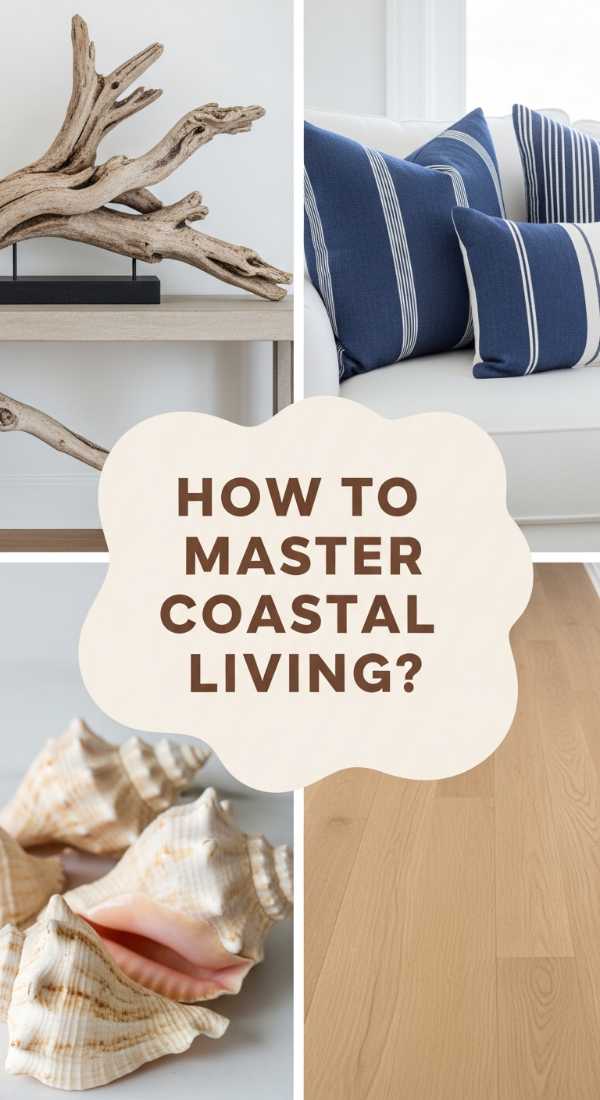
Mastering the coastal aesthetic is like capturing the soul of the ocean and bringing it indoors without the mess of actual sand in your shoes. We love this look for its sophisticated neutrality—it’s not about ‘anchor motifs’ and seashells, but about the textures of driftwood, the sheen of sea glass, and the depth of navy against crisp white. It feels like a breath of fresh, salty air. There is a luxury in the simplicity of a chunky knit throw paired with a smooth marble coffee table, creating a sensory balance between ‘rough’ and ‘refined’ that makes your home feel like a permanent vacation home on the shores of the Hamptons or Malibu.
Essential Elements:
- A palette of sand, seafoam, navy, and crisp white.
- Natural materials like rattan, seagrass, and bleached wood.
- Large-scale landscape photography of the ocean.
- Striped textiles (classic Breton or ticking stripes).
- Transparent glass lamps and accessories.
- Soft, oversized cushions for a ‘cloud-like’ seating experience.
How to make it
- The Color Wash: Apply a ‘base coat’ of warm white to your walls. Then, layer in ‘tonal blues’ through pillows and throws. Your goal is a ‘gradient effect’ that mimics the transition from the shore to the deep sea.
- Texture Mapping: Incorporate at least three different ‘natural fibers.’ Use a seagrass rug on the floor, a rattan chair in the corner, and a linen throw on the sofa. This variety prevents the neutral palette from looking ‘flat’ or sterile.
- Reflective Surfaces: Use glass and silver accents to mimic the way light hits the water. Position glass vases near windows to catch ‘specular highlights,’ which add a professional, sparkling finish to the room.
- Organic Finishing: Add a singular, oversized piece of driftwood or a large ‘bleached’ coral sculpture as a center-point. This serves as the ‘visual anchor’ that ties the coastal theme together without feeling kitschy.
How to Layer Boho Textures for the Ultimate Cozy Living Room
Why we love this
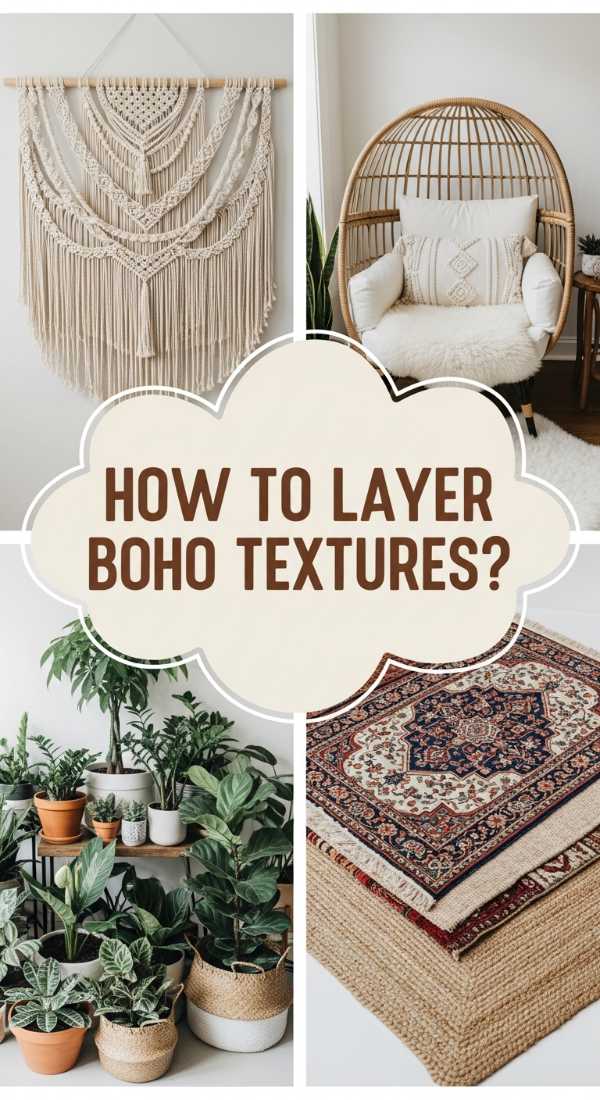
The beauty of a boho-layered living room lies in its unapologetic embrace of ‘maximalist comfort.’ We love how this style treats a room like a giant, soft nest, where every surface is an invitation to curl up and relax. The sensory experience is rich and varied: the nubby texture of a macramé wall hanging, the plush softness of a Moroccan rug, and the cool, waxy leaves of a dozen indoor plants. It smells like patchouli and old books, and it feels like a space that has been lovingly collected over time. It’s the ultimate ‘low-pressure’ aesthetic where nothing has to match perfectly, but everything has to feel good to the touch.
Essential Elements:
- Layered rugs (a flat-weave jute under a plush shag).
- Macramé or woven fiber wall art.
- An abundance of indoor plants (trailing ivy, monsteras).
- Floor pillows and mismatched poufs.
- Fringed throws and embroidered velvet cushions.
- Warm, low-level lighting (string lights or floor lamps).
How to make it
- Rug Layering (The Base): Place a large, neutral jute rug down first. Then, ‘offset’ a smaller, colorful patterned rug on top at a slight angle. This ‘messy-on-purpose’ cue is the hallmark of professional boho styling.
- The ‘Green Canopy’: Cluster your plants at varying heights. Place a tall plant on the floor, a medium one on a stool, and a trailing one on a high shelf. This creates a ‘living wall’ effect that adds humidity and oxygen to the room.
- Pillow Density: Don’t just place pillows; ‘stagger’ them. Use large, firm pillows at the back of the sofa and smaller, heavily textured ones at the front. The visual cue for ‘doneness’ is when the sofa looks like you could sink into it and disappear.
- Warmth Calibration: Swap out bright overhead bulbs for ‘warm-toned’ LEDs (2700K). The glow should feel like ‘golden hour’ at all times, highlighting the varied textures of the fabrics.
How to Revive Nineties Home Decor Trends for a Bold Retro Look
Why we love this
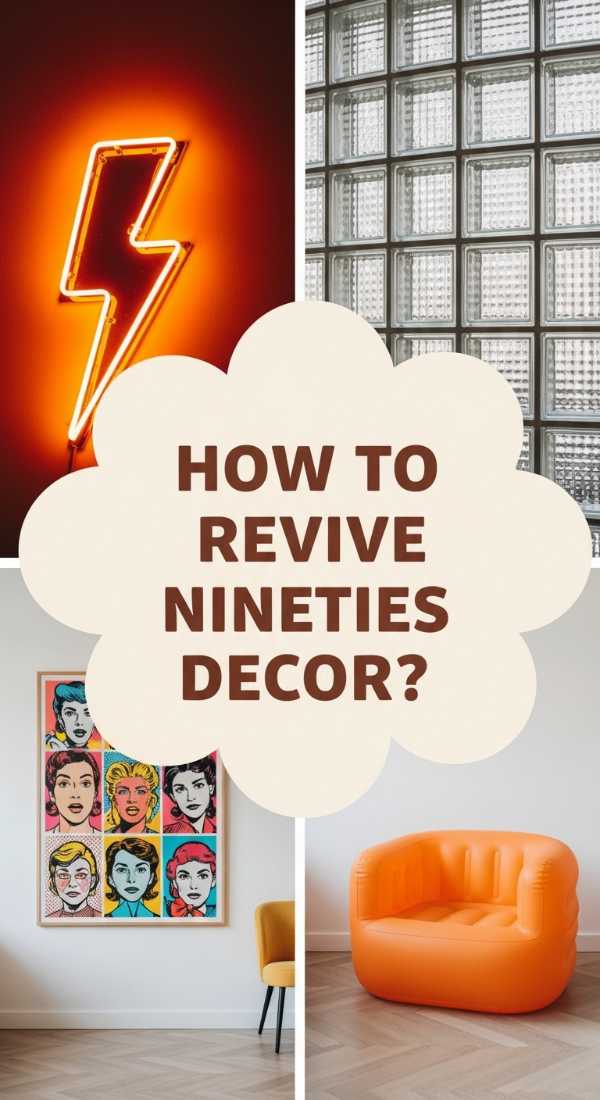
Reviving the nineties isn’t just about nostalgia; it’s about rediscovering a time when home decor was bold, graphic, and unafraid to be a little bit ‘loud.’ We love the high-contrast energy of black-and-white checkered floors mixed with the playful ‘squiggles’ of Memphis-style furniture. It’s a sensory trip back to a decade of neon, inflatable-inspired curves, and primary colors. There is a ‘high-gloss’ feel to this aesthetic—think smooth lacquered surfaces and the satisfying ‘click’ of a vintage landline phone. It’s fun, it’s energetic, and it brings a sense of ‘retro-futurism’ that makes a modern home feel incredibly current and full of personality.
Essential Elements:
- Primary colors (red, blue, yellow) against white.
- Checkered patterns (rugs, tiles, or throws).
- Curvy, ‘blob-like’ furniture shapes.
- Glass block walls or decorative accents.
- Neon accent lighting in pink or electric blue.
- Lacquered or high-gloss finishes on coffee tables.
How to make it
- The ‘Pop’ Palette: Start with a monochrome base (white walls, black furniture). Then, ‘inject’ primary colors through small high-impact items like a red lamp or a yellow vase. This ‘color-blocking’ technique keeps the look sophisticated.
- Graphic Grounding: Introduce a checkered rug. The high-contrast pattern acts as a ‘visual anchor’ that pulls the disparate retro elements together. If the room feels too busy, use a larger grid pattern to ‘calm’ the eye.
- Material Mix: Incorporate ‘nineties textures’ like frosted glass or chrome. A chrome-legged chair or a frosted glass pendant light provides the necessary ‘tech-glam’ vibe of the era.
- The Shape Shift: Look for ‘wavy’ or ‘circular’ silhouettes in your decor. Replace a rectangular mirror with a round one or a ‘wiggle’ frame. This ‘softening’ of geometry is key to the nineties aesthetic.
How to Source Vintage Home Finds for a Timeless Storyteller Aesthetic
Why we love this
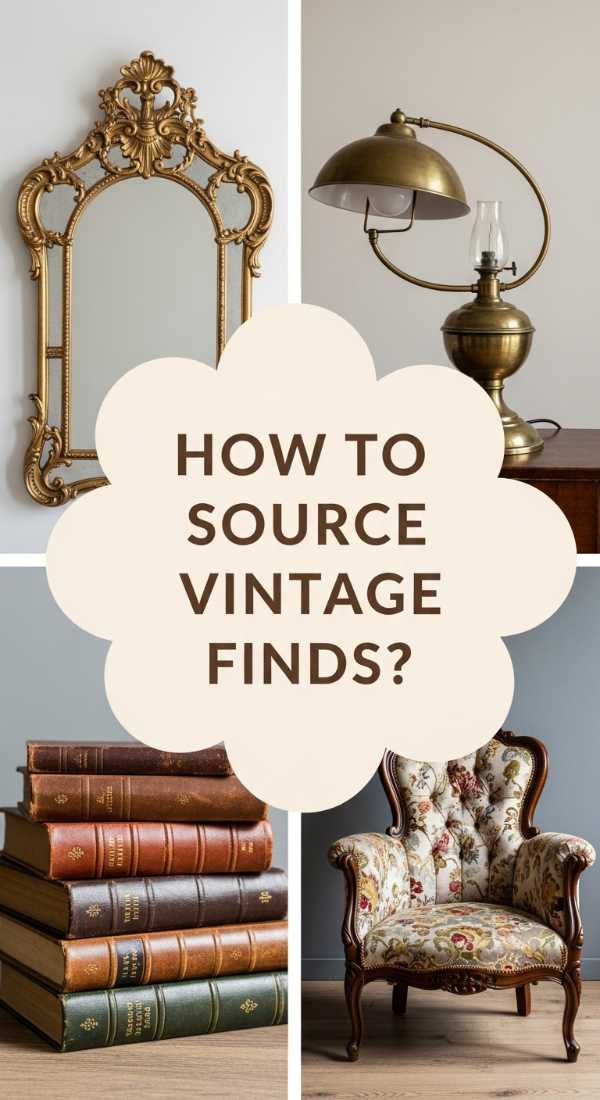
There is a deep, quiet magic in a home filled with things that have lived a previous life. We love the storyteller aesthetic because it rejects the ‘disposable’ nature of modern furniture in favor of the weight of solid oak, the patina of aged brass, and the soft, frayed edges of a hand-knotted Persian rug. A vintage home smells like beeswax polish and old paper, and it feels like a collection of memories. Every scratch on a mid-century sideboard or every air bubble in a Victorian glass cloche is a testament to time, creating a home that feels anchored, intelligent, and completely unique to your own personal history.
Essential Elements:
- Antique or mid-century modern furniture pieces.
- Aged metals like brass, copper, or wrought iron.
- Original artwork (oil paintings or vintage sketches).
- Hand-knotted rugs with a ‘faded’ or ‘worn’ look.
- Stacks of old, hardcover books with interesting spines.
- Eclectic mix of ‘curiosity’ items (cloches, magnifying glasses).
How to make it
- The ‘Slow Thrifting’ Method: Never buy a whole room at once. Source one ‘anchor piece’—like a heavy vintage desk—and let it ‘marinate’ in the space. The visual cue to move to the next piece is when the room feels ‘ready’ for a companion.
- Patina Preservation: When you find vintage brass, do not polish it to a high shine. Leave the ‘tarnish’—this is the ‘flavor’ of the piece. Clean it with a damp cloth, but let the age show through.
- The ‘High-Low’ Mix: Pair a very old, ornate gold frame with a modern, minimalist print inside. This ‘time-bridging’ technique makes the vintage finds look intentional and ‘curated’ rather than just ‘old.’
- Scenting the Past: Use ‘library-inspired’ scents like cedarwood, sandalwood, or tobacco. This reinforces the ‘storyteller’ vibe by adding an olfactory layer that feels ‘historical.’
How to Decorate Mobile Home Interiors for a Spacious Modern Feel

Why we love this
We are absolutely obsessed with the ‘tiny home’ movement and the way mobile home interiors are being reimagined as high-design havens. The challenge of a smaller footprint forces a level of creativity that is incredibly inspiring. We love the clever use of vertical space, the way light-reflecting surfaces make forty square feet feel like four hundred, and the cozy, ‘cabin-like’ intimacy of the layout. It’s about ‘intentional living’—only keeping what you love. The result is a space that feels streamlined, modern, and surprisingly luxurious, proving that style has nothing to do with square footage and everything to do with smart design.
Essential Elements:
- Light-colored walls and ceilings (whites or soft grays).
- Multifunctional furniture (storage ottomans, sofa beds).
- Vertical storage solutions (floating shelves, wall hooks).
- Large mirrors to create the illusion of depth.
- Consistent flooring throughout to ‘unify’ the space.
- Smart, integrated lighting (LED strips under cabinets).
How to make it
- Expanding the Horizon: Paint the walls and the ceiling the *exact* same shade of off-white. This ‘erases’ the line where the wall meets the ceiling, a professional trick that ‘tricks’ the eye into seeing more height.
- The ‘No-Legs’ Rule: Choose furniture that sits ‘off the ground’ on slim legs. Being able to see the floor underneath your sofa and chairs creates ‘visual flow’ and prevents the room from feeling ‘clogged.’
- Vertical Intensity: Mount your curtains as high as possible—right at the ceiling line—even if the window is small. This ‘stretches’ the wall visually, making the interior feel like a modern loft rather than a mobile unit.
- Reflective Strategy: Place a large mirror directly opposite the main entrance. The ‘visual cue’ upon entering should be a reflection of light and the rest of the room, immediately ‘doubling’ the perceived square footage.
How to Embrace Quirky Decor Styles for a Truly Unique Personality
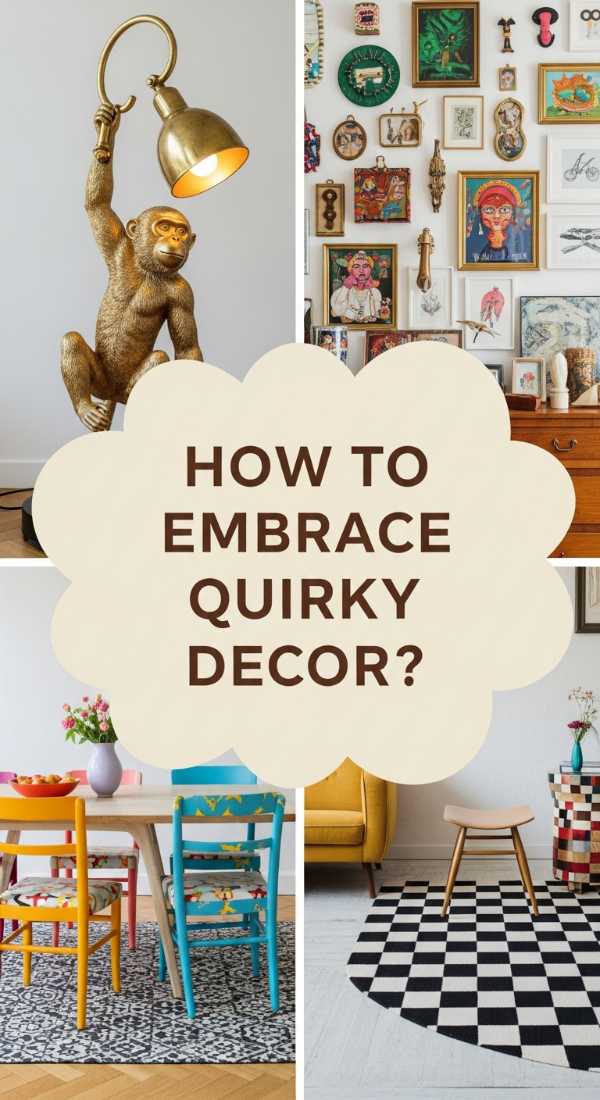
Why we love this
Embracing the quirky is the ultimate act of self-love in interior design. We love this style because it is a direct reflection of the owner’s eccentricities—a curated collection of the things that make you giggle or gasp. It’s a sensory feast of unexpected juxtapositions: a neon ‘DINER’ sign in a formal dining room, or a collection of vintage porcelain cats on a high-tech glass shelf. It feels vibrant, brave, and alive. There is no ‘correct’ way to do it, which is the most liberating thing about it. It’s about surrounding yourself with ‘conversation starters’ that ensure your home is never boring and always a true extension of your unique personality.
Essential Elements:
- Unexpected ‘statement’ items (neon, oversized toys, etc.).
- A mix of high-end design and ‘kitsch’ or thrifted finds.
- Gallery walls featuring personal collections or oddities.
- Bold use of ‘clashing’ colors and textures.
- Humorous or satirical art pieces.
- Unique, non-traditional shelving or display cases.
How to make it
- Finding Your ‘Weird’: Identify three items you own that people usually ask questions about. These are your ‘starter ingredients.’ Cluster them together on a ‘curiosity shelf’ to give them ‘authority’ in the room.
- The ‘Rule of Three’: When grouping quirky items, use the ‘rule of three’—different heights, different textures, but one common color. This ‘visually organizes’ the quirkiness so it looks like ‘art’ and not ‘clutter.’
- Scale Play: Place one ‘uncomfortably large’ item in a small space—like a giant floor lamp or a huge clock. This ‘dramatic scale’ is a professional cue for ‘high-concept’ quirky design.
- Color Anchoring: Amidst the chaos, choose one ‘anchor color’ that appears in every quirky vignette. If you have a green neon sign, include a green book and a green plant nearby. This ‘color thread’ pulls the personality together.
Conclusion
Creating a home that feels ‘viral-worthy’ isn’t about following every trend blindly; it’s about finding the styles that resonate with your personal story and weaving them into your daily life. Whether you are drawn to the rustic warmth of Mexico, the serene vibes of the coast, or the bold energy of the nineties, the goal is to create a sanctuary that feeds your soul and welcomes those you love. Remember, the best home find isn’t something you buy—it’s the feeling you create when you finally make a space your own. Happy decorating!