
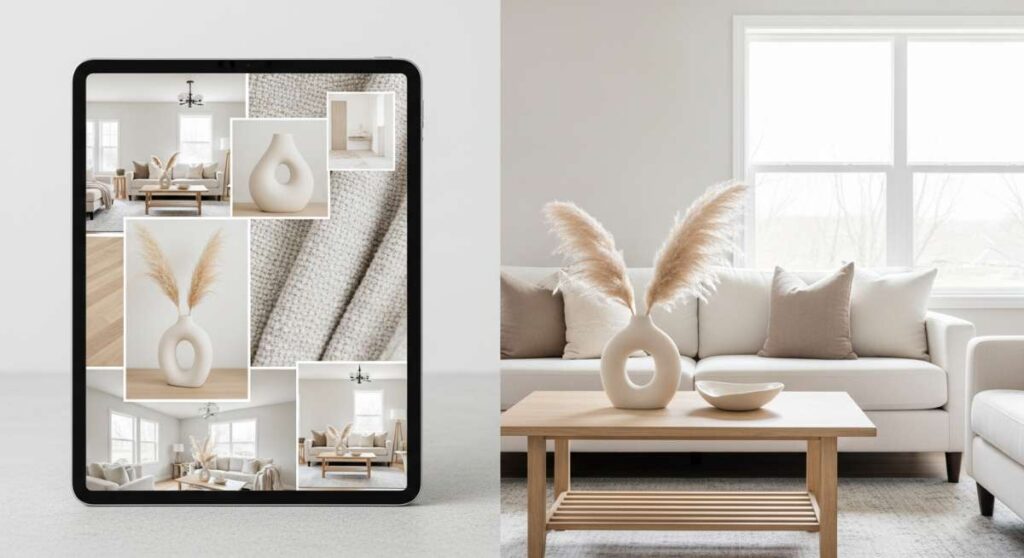
From Moodboard to Reality: Why Everyone is Obsessed with This Home Aesthetic
Have you ever found yourself scrolling through social media at 2 AM, your heart fluttering at the sight of a sun-drenched nook or a perfectly layered living room? We’ve all been there—that visceral, ‘I want to live inside this picture’ feeling that makes us want to overhaul our entire lives starting with the floorboards. It’s more than just decor; it’s about creating a sanctuary that feels like a warm hug the moment you step through the door.
The shift from digital inspiration to physical reality is where the magic truly happens. Lately, the design world has moved away from cold, sterile minimalism toward spaces that tell a story, evoke a memory, or spark a sense of wonder. Whether it’s the nostalgic pull of the nineties or the grounded peace of a devotional corner, we are all collectively craving homes that feel deeply personal, tactile, and intentionally curated.
How to Create a Rustic Mexican Haven for Warm Gatherings
Why we love this
There is an undeniable soulfulness in a home that embraces the rustic warmth of Mexican design, where every corner feels like a celebration of heritage and craftsmanship. Imagine the earthy scent of sun-baked Saltillo tiles underfoot and the vibrant contrast of hand-painted Talavera pottery against thick, white-washed adobe walls. It’s a sensory feast of heavy oak furniture, the tactile grain of hand-woven textiles, and the gentle flicker of iron-wrought lanterns that cast dancing shadows during long, laughter-filled dinners. This aesthetic isn’t just about look; it’s about a feeling of openness, where the doors are always metaphorically open and the atmosphere is thick with hospitality and sun-soaked comfort.
Essential Elements:
- Terracotta or Saltillo floor tiles
- Hand-painted Talavera ceramic accents
- Reclaimed wood ceiling beams or heavy oak furniture
- Wrought iron light fixtures and hardware
- Textiles featuring traditional embroidery or Oaxacan patterns
- Potted succulents and vibrant bougainvillea
How to make it
- Begin with the foundation: choose a warm, earthy color palette including ochre, terracotta, and creamy whites for your walls to mimic traditional adobe. Use a matte finish paint to avoid modern reflections.
- Source authentic flooring or high-quality replicas; if you cannot replace the floor, layer a large jute rug with a smaller, brightly patterned Mexican runner to anchor the space.
- Incorporate ‘living’ materials like unsealed wood and forged iron. When selecting furniture, look for pieces with visible wood grain and slightly distressed edges to suggest a history of use.
- Layer your ceramics: display a collection of mismatched Talavera plates on a dining wall or use a large clay pot as a focal point in the entryway. The key is intentional imperfection.
- Focus on lighting by swapping out modern recessed lights for hanging iron pendants with warm-toned Edison bulbs (2700K) to simulate the glow of candlelight.
How to Design a Whimsical Secret Garden Corner for Daily Magic

Why we love this
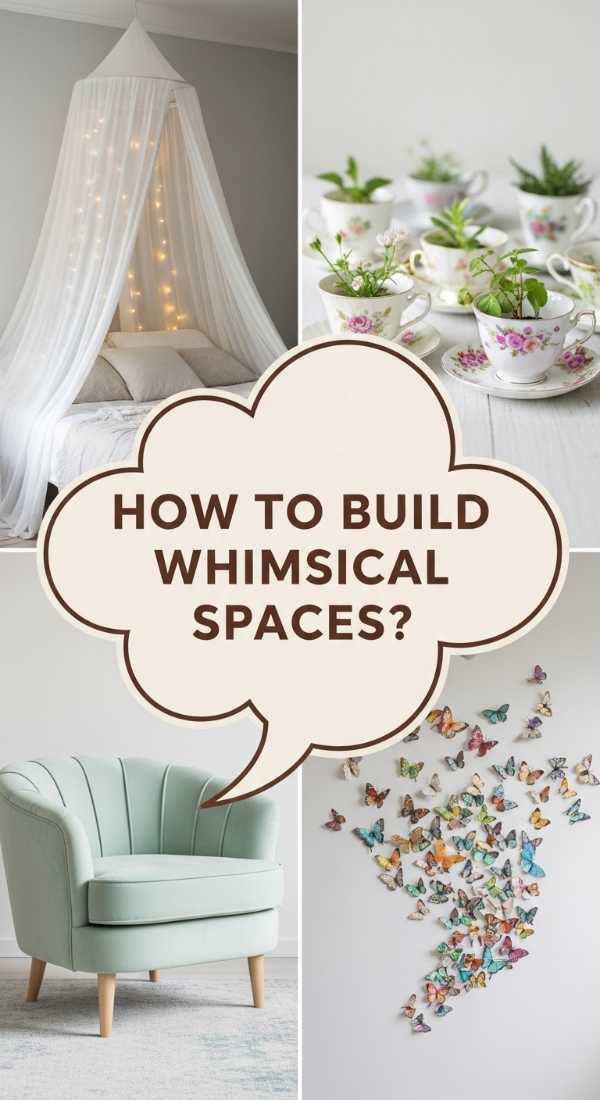
Stepping into a whimsical secret garden corner feels like falling into the pages of a fairytale, where the boundary between the wild outdoors and the cozy indoors completely vanishes. We love the way English ivy climbs gracefully up a weathered stone wall and the delicate, honeyed fragrance of climbing roses that drifts through an open window. It’s the feeling of soft moss under a vintage wrought-iron chair and the magical shimmer of fairy lights hidden among thick fern fronds. This aesthetic offers a quiet, green retreat from the digital noise, providing a space where time slows down and the simple act of reading a book feels like an enchanting event.
Essential Elements:
- Climbing plants like Ivy, Jasmine, or Creeping Fig
- Weathered wrought iron or wicker furniture
- Vintage birdcages and stone statuary
- Soft, layered lighting including twinkle lights and lanterns
- Textiles with delicate floral or botanical prints
- A small water feature or birdbath for ambient sound
How to make it
- Identify a corner with moderate natural light; this is crucial for the health of your ‘indoor garden’ elements. Install a sturdy trellis or wall-mounted lattice to encourage climbing plants to grow vertically.
- Select your plants: use a mix of heights. Place a large potted fern on the floor, a hanging spider plant above, and thread a philodendron through your furniture for a ‘reclaimed by nature’ look.
- Weather your furniture: if you have new metal chairs, use a sea-salt spray or antiquing paint technique to create a faux-patina that suggests decades of garden exposure.
- Layer your lighting by weaving copper-wire fairy lights through the foliage and placing a solar-powered lantern on a side table to create a soft, ethereal glow at dusk.
- Add the finishing touch with sound; a small, plug-in basalt stone fountain provides a gentle trickle that masks city noise and completes the sensory immersion.
How to Style a Coastal Seaside Sanctuary for Eternal Calm

Why we love this
The seaside sanctuary aesthetic is a love letter to the ocean, capturing that breathless moment when the tide pulls back and leaves behind a world of bleached wood and soft sand. It’s the feeling of crisp, white linen against sun-warmed skin and the subtle, briny aroma of sea salt carried on a cross-breeze. We adore the way the light reflects off pale blue glass jars, mimicking the clarity of a coastal morning, and the tactile satisfaction of running your hand over a piece of smooth driftwood. This style is the ultimate antidote to stress, wrapping you in a palette of foam whites, sandy beiges, and misty greys that make every day feel like a slow Sunday at the beach.
Essential Elements:
- Bleached wood or white-washed furniture
- Natural linen upholstery and curtains
- A color palette of whites, creams, and sea-foam blues
- Natural textures like seagrass, jute, and driftwood
- Glass vessels and seashell accents
- Ample natural light and sheer window treatments
How to make it
- Start with a ‘bleached’ base: paint your walls a crisp, cool white and opt for light-colored flooring. If your floors are dark, a large, chunky-knit seagrass rug will instantly lighten the room’s visual weight.
- Choose furniture with a relaxed silhouette; slipcovered sofas in white or oatmeal linen are the gold standard for this look, allowing for a comfortable, lived-in feel.
- Incorporate ‘found’ objects: display a single, large piece of weathered driftwood on a mantel or fill a clear glass lamp base with collected sea glass to bring authentic coastal elements inside.
- Keep window treatments light and airy. Use sheer linen panels hung high and wide to maximize the ‘breeze’ effect and allow as much natural light as possible to bounce off the walls.
- Introduce subtle blue accents through textiles—think ticking-stripe pillows or a soft cashmere throw in a dusty navy—to provide depth without breaking the monochromatic calm.
How to Curate Vintage Home Treasures for Timeless Elegance

Why we love this
Curating vintage treasures is like being the director of your own historical drama, where every object has a previous life and a secret to tell. There is a profound richness in the scent of old library books mixed with the metallic tang of aged brass and the plush, heavy drape of emerald velvet. We love the way a Victorian-era mirror with foxed glass reflects a room with a soft, dreamlike haze, and the weight of a solid walnut desk that has stood the test of a century. It’s an aesthetic that rejects the ‘disposable’ culture of modern furniture, favoring the patina of age and the soulful elegance of pieces that were built to last forever.
Essential Elements:
- Antique brass or copper decorative objects
- Dark wood furniture (walnut, mahogany, or cherry)
- Velvet upholstery and heavy brocade fabrics
- Gallery walls featuring ornate, mismatched frames
- Hardbound vintage books and leather-bound journals
- Classic oriental or Persian rugs with faded patterns
How to make it
- Focus on ‘The Anchor’: every vintage room needs one high-quality antique piece, like a sideboard or a roll-top desk, to set the historical tone. Don’t be afraid of dark woods; they provide the necessary gravitas.
- Master the art of the ‘mix’: pair a sleek, modern sofa with a pair of Louis XIV chairs. This prevents the room from looking like a museum and makes it feel like a curated collection.
- Hunt for patina: look for brass items that have a bit of tarnish or wood with slight surface wear. These ‘imperfections’ are what provide the character and authenticity of the aesthetic.
- Create a ‘story’ on your shelves: stack books both vertically and horizontally, and intersperse them with vintage magnifying glasses, globes, or ceramic busts to create visual layers.
- Hang art in ornate, heavy frames. Even a simple modern sketch can look like a treasure when placed inside a gilded, multi-tiered frame from an estate sale.
How to Master Boho Chic Textures for Ultimate Comfort
Why we love this
Boho chic is the ultimate expression of creative freedom and unadulterated comfort, turning a house into a soft, textured landscape of relaxation. We are obsessed with the tactile harmony of a knotted macramé wall hanging resting against a smooth plaster wall, and the way a plush Moroccan rug feels like walking on a cloud. It’s the earthy, grounding scent of sandalwood incense and the visual rhythm of layered textiles—fringe, pom-poms, and woven jute all living in perfect, messy harmony. This aesthetic invites you to kick off your shoes, sink into a pile of floor cushions, and breathe in a space that feels as wild and free as your spirit.
Essential Elements:
- Macramé and woven wall tapestries
- Layered rugs (jute base with a patterned top)
- Rattan and wicker furniture
- Abundant indoor plants (Monstera, Fiddle Leaf Fig)
- Low-profile seating and floor cushions
- Fringed throws and textured mudcloth pillows
How to make it
- Build ‘Layered Flooring’: start with a wall-to-wall neutral jute rug, then throw a colorful, shaggy kilim rug at a slight angle over the top. This creates instant depth and a relaxed, ‘undone’ vibe.
- Incorporate ‘Natural Heights’: use plant stands of varying heights and hanging macramé planters to draw the eye upward and fill the room with life-giving greenery.
- Focus on the ‘Touch Factor’: every surface should have a different texture. Pair a smooth leather chair with a chunky wool throw and a velvet pillow to hit all the sensory notes.
- Use ‘Low Seating’ strategies: replace a traditional coffee table with a large upholstered pouf or a cluster of floor cushions to encourage a more casual, grounded way of lounging.
- Keep the palette ‘Warm Neutral’: use a base of creams and tans, then inject ‘earth tones’ like terracotta, mustard yellow, and sage green through your textiles and art.
How to Revive Nineties Retro Vibes for Nostalgic Joy

Why we love this
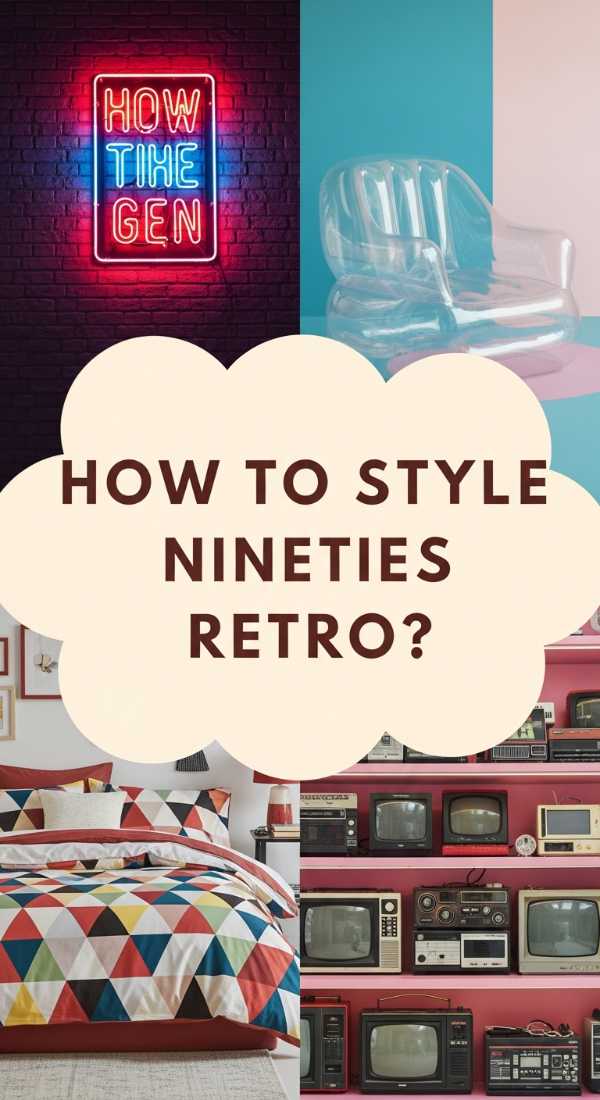
The revival of the nineties retro aesthetic is a playful, high-energy trip down memory lane that prioritizes joy and self-expression over rigid design rules. We love the neon pop of a glowing sign against a bold, primary-colored wall and the quirky, geometric shapes that remind us of our favorite childhood cartoons and music videos. It’s the smooth, cool touch of an inflatable chair (now in a sophisticated tint!) and the nostalgic hum of a vintage gaming console. This aesthetic is vibrant, loud, and unapologetically fun, bringing a sense of lightheartedness and tech-nostalgia into the modern home that makes every day feel like a Saturday morning.
Essential Elements:
- Bold, primary color palettes (yellow, red, blue)
- Geometric patterns and Memphis-style squiggles
- Neon lighting and lava lamps
- Acrylic and ‘inflatable-look’ furniture
- Checkered patterns (floors or textiles)
- Nostalgic tech (VHS tapes, record players, retro consoles)
How to make it
- Start with a ‘Color Pop’ feature wall. Choose a saturated shade like electric blue or sunshine yellow. If you’re color-shy, use a removable checkered wallpaper to get the look without the permanent commitment.
- Integrate ‘Memphis Design’ elements: look for lamps or side tables with unconventional shapes, like cone bases or zig-zag legs. This adds the architectural ‘quirk’ essential to the nineties.
- Curate a ‘Tech Nook’: set up a dedicated station for a turntable or an old-school Nintendo. Display the media (records or cartridges) as art pieces on clear acrylic shelves.
- Use ‘Transparent Accents’: choose chairs or tables made of clear or tinted acrylic. This mimics the ‘inflatable’ aesthetic of the era but with a much higher level of durability and style.
- Install neon: whether it’s a custom word or a simple shape, a neon light provides the specific ‘after-dark’ energy that defines the late nineties aesthetic.
How to Arrange Catholic Devotional Spaces for Spiritual Peace

Why we love this
Creating a devotional space is an act of quiet rebellion against a frantic world, carving out a pocket of stillness that smells of beeswax and aged paper. We love the soft, golden light of a flickering votive candle reflecting off the smooth surface of a silver crucifix, and the tactile comfort of smooth wooden prayer beads held in the hand. It’s the sight of a delicate lace cloth draped over a small wooden table, topped with an icon whose colors have softened over time. This aesthetic isn’t just about religion; it’s about the beauty of ritual, providing a grounded, sacred anchor that invites contemplation and deep, spiritual breathing.
Essential Elements:
- A dedicated small table or ‘home altar’
- Religious icons or framed sacred art
- Beeswax candles and vintage candle holders
- A crucifix (metal, wood, or stone)
- Lace or linen altar cloths
- Fresh flowers and a small bowl for holy water
How to make it
- Choose a ‘Quiet Zone’: find a low-traffic corner of your home, ideally near a window for natural morning light. This helps signal to your brain that this space is for reflection, not work.
- Layer your textiles: start with a simple white linen cloth as a base, then add a smaller handmade lace runner. This traditional layering adds a sense of ‘set apart’ importance to the surface.
- Centralize the ‘Focus’: place your primary icon or crucifix at the center, slightly elevated on a small wooden riser or a stack of prayer books to create a visual hierarchy.
- Incorporate ‘Living Prayer’: use real beeswax candles rather than paraffin; the scent is cleaner and more traditional. Keep a small vase of fresh lilies or roses to represent life and growth.
- Organize your tools: keep rosaries or prayer books in a small, beautiful wooden box or on a dedicated tray so the space remains uncluttered and intentional.
How to Refresh Summer Veranda Styling for Sunny Afternoons

Why we love this
Summer veranda styling is all about capturing the fleeting magic of a golden afternoon and stretching it into an eternal season of leisure. We love the rhythmic creak of a rattan porch swing and the cool, condensation-covered glass of iced tea resting on a mosaic side table. It’s the scent of sun-warmed cedar decking mixed with the heady perfume of blooming jasmine, and the way a light breeze catches the fringe of an outdoor rug. This aesthetic celebrates the ‘in-between’ spaces, turning a simple porch into a lush, sun-drenched living room where the transition between the comfort of home and the beauty of nature is completely seamless.
Essential Elements:
- Rattan or teak outdoor furniture
- Weather-resistant cushions in striped or floral patterns
- Outdoor rugs in natural fibers
- Potted citrus trees and flowering vines
- Hurricane lanterns and string lights
- A rolling bar cart for summer refreshments
How to make it
- Create a ‘Conversational Core’: arrange your seating (chairs, loveseats) in a tight circle or u-shape around a central coffee table or fire pit to encourage lingering afternoon chats.
- Focus on ‘Vertical Greenery’: use hanging baskets and tall planters to enclose the space, making it feel like a ‘room’ rather than just a platform. This also provides natural privacy.
- Upgrade your textiles: use ‘Performance Fabrics’ that look like indoor linen but are UV-resistant. Layer several outdoor pillows in different sizes for a high-end, plush look.
- Master the ‘Night Glow’: install a mix of overhead string lights (the larger ‘globe’ style) and floor-level hurricane lanterns to ensure the space is usable and magical long after the sun sets.
- Add a ‘Refreshment Station’: style a weatherproof bar cart with acrylic glassware and a galvanized bucket for ice, ensuring you never have to leave the breeze to get a cold drink.
How to Transform Mobile Home Spaces for Cozy Living

Why we love this
There is a unique, compact charm in mobile home living that forces a beautiful kind of intentionality and coziness we absolutely adore. We love the way every square inch is utilized, creating a ‘snug’ feeling where the walls feel like a warm embrace and every object has a designated, meaningful place. It’s the sound of rain on a metal roof and the clever use of vertical space that turns a hallway into a library or a corner into a home office. This aesthetic proves that style isn’t about square footage; it’s about the ‘slow living’ philosophy of having exactly what you need and making it look stunningly curated.
Essential Elements:
- Built-in seating and storage solutions
- Light, bright wall colors (whites and soft greys)
- Multifunctional furniture (storage ottomans, folding tables)
- Vertical wall storage and floating shelves
- Large mirrors to expand the visual space
- Cozy, high-quality textiles like wool and sheepskin
How to make it
- Adopt a ‘Monochromatic Base’: paint the walls, ceiling, and trim the same shade of off-white. This removes visual breaks and makes the small space feel significantly larger and more cohesive.
- Use ‘Leggy’ furniture: choose sofas and tables that are raised on slim legs rather than sitting flat on the floor. Seeing more of the floor creates the illusion of more space.
- Maximize ‘Vertical Real Estate’: install floating shelves all the way to the ceiling. Use the higher shelves for decorative items and the lower ones for daily essentials.
- Optimize ‘Light Reflection’: place a large, oversized mirror opposite the main window. This doubles the natural light and creates a ‘window’ where there isn’t one.
- Keep it ‘Soft and Snug’: because spaces are smaller, quality matters more than quantity. Invest in one high-end sheepskin rug or a handmade quilt to provide that ‘high-design’ tactile feel.
How to Mix Quirky Art Pieces for Bold Expression
[IMAGE_10]
Why we love this
The quirky art aesthetic is a fearless celebration of personality, where your home becomes a living gallery of your most eccentric and cherished finds. We love the visual ‘jolt’ of a neon pink bust sitting next to a traditional landscape painting, and the way a giant, oversized clock becomes a playful architectural statement. It’s the thrill of the unexpected—a collection of vintage hats used as wall decor or a coffee table book that’s actually a hidden storage box. This style is for the bold at heart, creating a conversation-starting environment that feels alive with wit, humor, and a total refusal to follow the status quo.
Essential Elements:
- Unexpected color combinations (pink and orange, teal and mustard)
- Surrealist or pop-art prints
- Non-traditional wall decor (plates, hats, neon signs)
- Mixed-media gallery walls
- Sculptural furniture with unusual silhouettes
- Statement accessories (oversized items, quirky ceramics)
How to make it
- Start with a ‘Hero Piece’: find one large, strange, or incredibly colorful piece of art and make it the focal point of the room. Build the rest of your decor around its color palette.
- Curate a ‘Cluster Gallery’: instead of one neat row of frames, mix frames of different styles, sizes, and depths. Include 3D objects like a small ceramic mask or a brass hand to add texture.
- Use ‘Color Bridges’: if you have two very different quirky pieces, find a third small accessory (like a vase or pillow) that contains colors from both to tie them together visually.
- Play with ‘Scale’: don’t be afraid to put a very large item in a small space, or a tiny, intricate piece on a large blank wall. This ‘incorrect’ scaling is what creates the ‘quirky’ energy.
- Trust your ‘Gut Instinct’: quirky design is personal. If a piece makes you laugh or sparks a memory, it belongs in the room, regardless of whether it ‘matches’ the traditional decor.
Conclusion: Your Home, Your Story
At the end of the day, the ‘viral’ nature of these aesthetics isn’t about being trendy—it’s about finding a visual language that speaks to your soul. Whether you are drawn to the rugged warmth of a Mexican haven or the playful nostalgia of the nineties, your home is the canvas where you get to paint the best version of your life. Don’t be afraid to mix, match, and break the rules until your space feels like a true reflection of you. Happy styling!