

Have you ever scrolled through Pinterest and felt that sudden, sharp pang of home-envy? We’ve all been there—staring at a screen filled with sun-drenched nooks and perfectly curated shelves, wondering how on earth someone creates a space that looks like it belongs in a high-end magazine while still feeling like a place you can actually live in. Home isn’t just about the walls we inhabit; it’s about the soul we breathe into them, the stories told through the textures of our rugs, and the quiet moments of peace we find in a well-placed armchair.
Today, we are diving deep into the aesthetics that are currently breaking the internet. From the earthy, soulful warmth of a Mexican sanctuary to the nostalgic, neon-tinted vibes of the nineties, these styles aren’t just trends; they are lifestyle shifts. Whether you are looking to overhaul your entire house or just sprinkle a bit of magic into a forgotten corner, these viral home styles offer a blueprint for creating a space that feels deeply personal, incredibly cozy, and undeniably beautiful. Let’s get into the details of how you can manifest these dream aesthetics in your own home.
How to Create a Warm Rustic Mexican Sanctuary for Authentic Soulful Living
Why we love this
There is a profound, grounding weight to the Rustic Mexican aesthetic that speaks directly to the heart. Imagine the smell of aged cedar and simmering spices wafting through a room bathed in the soft, golden glow of afternoon sun hitting terracotta tiles. The texture of hand-carved wood under your fingertips and the visual feast of vibrant, hand-painted Talavera pottery create a space that feels both ancient and alive. It is a style that celebrates imperfection—the cracked glaze of a vase or the weathered grain of a heavy dining table—reminding us that there is beauty in the history of things and the warmth of community.
Essential Elements:
- Terracotta floor tiles or warm clay accents
- Hand-carved reclaimed wood furniture
- Vibrant Talavera tiles and ceramics
- Woven wool textiles and Oaxacan rugs
- Wrought iron light fixtures and hardware
- Potted succulents and cacti in clay vessels
How to make it
- Prep the Base: Start by stripping back modern surfaces to reveal raw textures. Like prepping a heavy cast iron skillet, your walls should have a slight ‘tooth’—use a lime wash or a subtle stucco finish in a warm sand or ochre tone. Keep the ‘heat’ low and steady here; you want a backdrop that feels lived-in, not stark.
- Layer the Earth: Lay down your terracotta elements. Think of this as the slow-roasting phase. The tiles provide the thermal mass and visual weight. If you can’t replace flooring, use large clay pots as anchors. The ‘visual cue’ for doneness is when the room feels physically warmer just by looking at the floor.
- Season with Color: Introduce your Talavera and textiles. This is the spice of the design. Space out your pops of cobalt blue, sun-yellow, and deep red. If the room feels too ‘busy,’ turn down the intensity by adding more raw wood or neutral linen to balance the ‘flavor’ profile.
- The Final Sear: Add your wrought iron and greenery. The sharp black of the iron acts like a char on a grill—it provides definition and structure. When the shadows from the ironwork dance against the textured walls, the sanctuary is ready to serve.
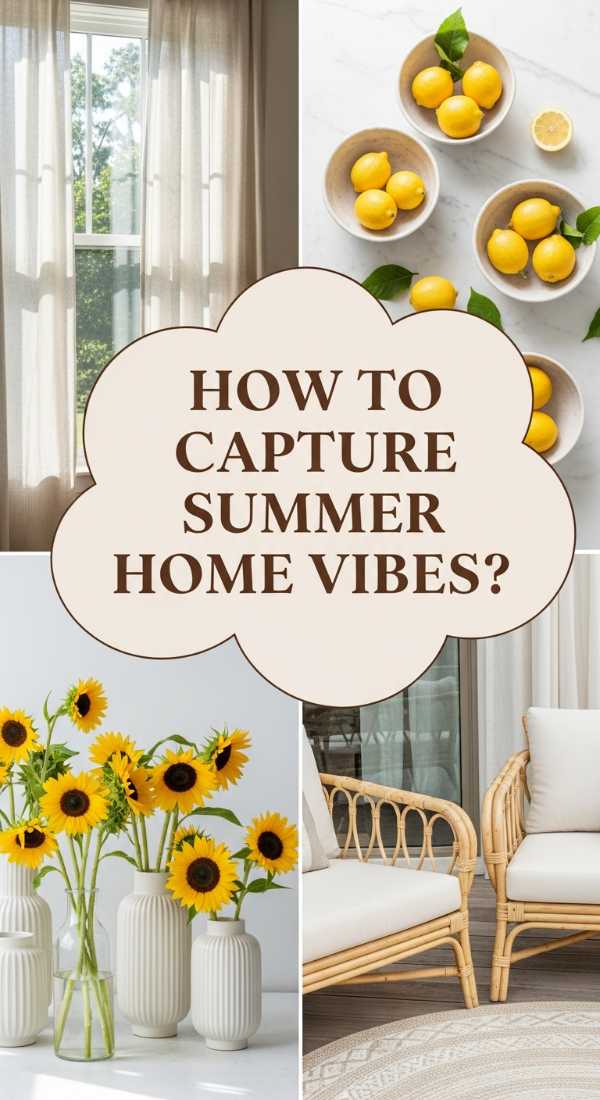
How to Style a Breezy Summer Sanctuary for Endless Sunshine Vibes
Why we love this
Walking into a breezy summer sanctuary feels like taking a long, cooling breath of salt-kissed air. It is the architectural equivalent of a linen shirt—light, effortless, and perfectly relaxed. We love the way this style prioritizes light above all else, using sheer curtains that dance in the breeze and a palette of whites and soft sands to make even the smallest room feel infinite. It’s about the sensory delight of bare feet on a jute rug and the soft clink of ice in a glass of lemonade, creating a perennial vacation mindset that lasts long after the season ends.
Essential Elements:
- Sheer linen or cotton window treatments
- Natural fiber rugs (jute, sisal, or seagrass)
- Bleached wood or wicker furniture
- A palette of crisp whites, creams, and pale blues
- Ocean-inspired accents like driftwood and sea glass
- Large-leaf tropical plants or fresh citrus branches
How to make it
- Clarify the Air: Begin by decluttering until the room feels ‘light as a meringue.’ This is the aeration phase. Remove heavy drapes and replace them with the thinnest possible linen. The goal is to maximize ‘translucency’—if light can’t pass through it, it might be too heavy for this recipe.
- Whisk in the Neutrals: Layer your whites and creams. Treat this like folding egg whites into a batter; you want to maintain the fluffiness. Use different textures (knit throws, smooth cotton, rough jute) in the same color family to prevent the room from looking flat. The ‘visual cue’ is a space that looks like a soft cloud.
- Infuse with Salt: Add your organic elements. Driftwood, shells, and wicker bring in that earthy, seaside ‘grit.’ Distribute these evenly so no single corner feels too ‘heavy.’ The ‘timing’ here is crucial; add these slowly until the room feels grounded but still buoyant.
- Garnish with Greenery: Finish with a tall palm or a vase of lemon branches. This adds the ‘acid’ to the design—a bright, fresh pop that cuts through the neutrals and brings the whole ‘dish’ to life.
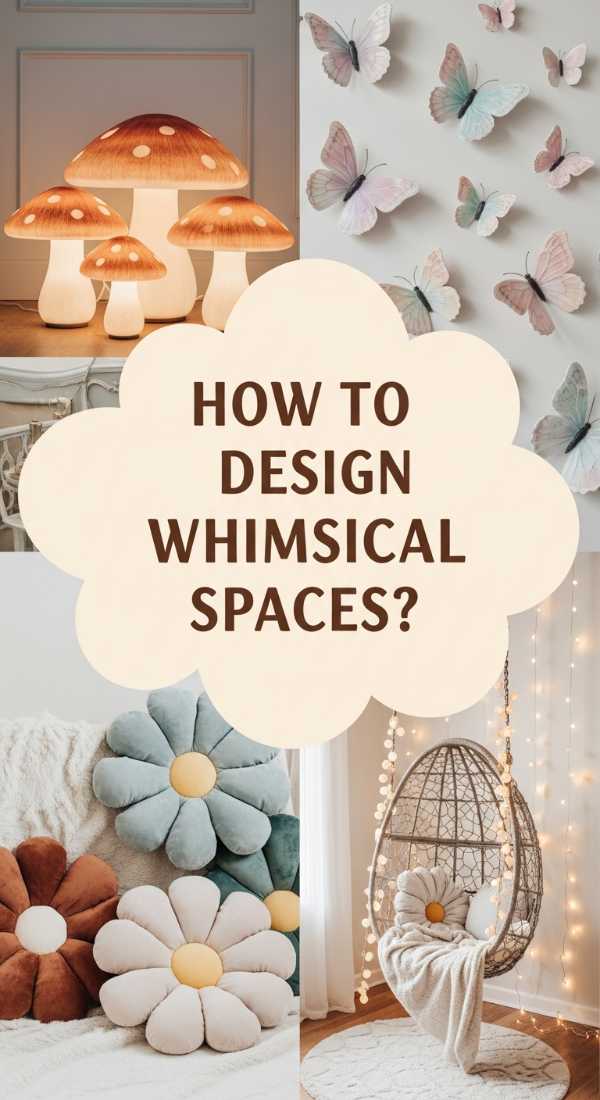
How to Arrange a Whimsical Secret Garden Room for Magical Afternoon Tea

Why we love this
There is something inherently romantic about bringing the wild, untamed beauty of a garden indoors. A secret garden room feels like a hidden chapter in a fairy tale, filled with the scent of dried rose petals and the soft glow of fairy lights hidden amongst indoor vines. It’s a space that encourages slow living—where you can lose yourself in a book or host a tea party that feels like it’s taking place in an enchanted forest. The blend of vintage velvet, wrought iron, and an abundance of greenery creates a lush, multisensory experience that is both cozy and surreal.
Essential Elements:
- Climbing indoor plants (like Ivy or Pothos)
- Vintage floral wallpaper or botanical prints
- Ornate wrought iron bistro sets
- Mismatched vintage china and silver spoons
- Soft, mood lighting with string lights and candles
- Velvet cushions in deep forest green or dusty rose
How to make it
- Cultivate the Base: Treat your walls as the ‘soil.’ Apply botanical wallpaper or a deep garden-green paint. This is your ‘foundation’—it needs to be rich and fertile. Ensure the ‘heat level’ of the green is cool to evoke the feeling of a shaded glade.
- Plant the Structure: Place your iron furniture and large potted trees first. These are your ‘perennials.’ They provide the permanent shape of the room. The ‘visual cue’ for doneness here is when the room feels like it has ‘bones’ before you add the decorative ‘blooms.’
- Infuse the Whimsy: Drape your climbing vines across bookshelves and mirrors. Like adding herbs to a stew, let them flow naturally. If a vine looks too ‘manicured,’ gently pull it loose to maintain that wild, overgrown ‘flavor.’
- Simmer with Softness: Layer in the velvet pillows and lace runners. This is the ‘reduction’ phase where you make the room soft and inviting. Finish with low-wattage warm bulbs to simulate ‘dappled sunlight’ filtering through leaves.
How to Design a Peaceful Catholic Prayer Nook for Daily Spiritual Connection

Why we love this
In the chaos of modern life, a dedicated prayer nook serves as a spiritual anchor, a place where the air feels still and the heart can finally rest. We love the intentionality of this space—the flickering flame of a beeswax candle, the smooth wood of a well-worn rosary, and the presence of sacred art that draws the mind upward. It is a sensory sanctuary of silence and scent, where the aroma of frankincense and the soft texture of a linen kneeler create an environment that feels holy, private, and deeply grounding for the soul.
Essential Elements:
- A small altar table or wall-mounted shelf
- A central Crucifix or sacred icon
- Votive candles or a sanctuary lamp
- A comfortable kneeler or a simple wooden chair
- Fresh flowers in a modest vase
- Storage for a Bible, missal, and rosaries
How to make it
- Sanctify the Space: Choose a quiet corner far from ‘high-heat’ household activity (like the TV or kitchen). Clean the area thoroughly—think of this as ‘sterilizing your equipment’ before a delicate preparation. The air should feel neutral and calm.
- Establish the Focal Point: Place your Crucifix or Icon at eye level when kneeling. This is the ‘main ingredient.’ Everything else in the nook should support, not distract from, this central element. The ‘visual cue’ is a sense of immediate focus when you enter the space.
- Layer the Ritual: Add your candles and incense. This provides the ‘aroma profile’ of the room. Use natural beeswax for a clean, sweet scent. The ‘timing’ here is about creating a habit; the scent should eventually trigger an immediate ‘cooling’ of your internal stress.
- Softened Finish: Place a small rug or cushion. Like finishing a sauce with a pat of butter, this adds the necessary comfort to ensure you linger in the space rather than rushing through the experience.
How to Curate a Serene Coastal Living Space for Relaxing Seaside Dreams
Why we love this
Coastal living is less about a theme and more about a feeling—the feeling of the tide going out and leaving behind a sense of pure, washed-clean serenity. This aesthetic is a masterclass in texture, blending the roughness of seagrass with the smoothness of polished sea glass and the softness of oversized cotton sofas. We love the palette of misty grays, pale aquas, and bleached driftwood tones that mimic the horizon where the sea meets the sky. It’s a space that feels cool to the touch and incredibly soothing to the eyes, perfect for drifting off into a seaside daydream.
Essential Elements:
- Slipcovered furniture in white or oatmeal linen
- Natural textures: jute, rattan, and chunky knits
- A palette of watery blues, grays, and sandy beiges
- Large windows with minimal, airy coverings
- Decor inspired by the shore: coral, shells, and sea glass
- Distressed wood accents that look ‘salt-washed’
How to make it
- Wash the Palette: Start with a base of ‘cool-tone’ white. Think of this as your base stock. It must be clean and bright. Avoid ‘yellow’ whites which can make the space feel ‘sunny’ rather than ‘coastal.’ The ‘visual cue’ is a crisp, chilled environment.
- Layer the Texture: Bring in your jute rugs and chunky throws. This is the ‘texture mapping’ phase. Like adding different grains to a salad, you want a variety of ‘mouthfeel’ (or touch-feel). Rough against smooth creates interest without needing bold colors.
- Add the ‘Salt’: Decorate with weathered wood and glass. These elements should look as if they were ‘cured’ by the ocean. Keep the ‘heat’ low—don’t over-decorate. Each piece needs ‘room to breathe’ like a well-plated dish.
- Breezy Finish: Ensure airflow. If possible, keep windows cracked. The ‘final touch’ is the physical movement of air, which makes the static design feel like a living, breathing coastal retreat.
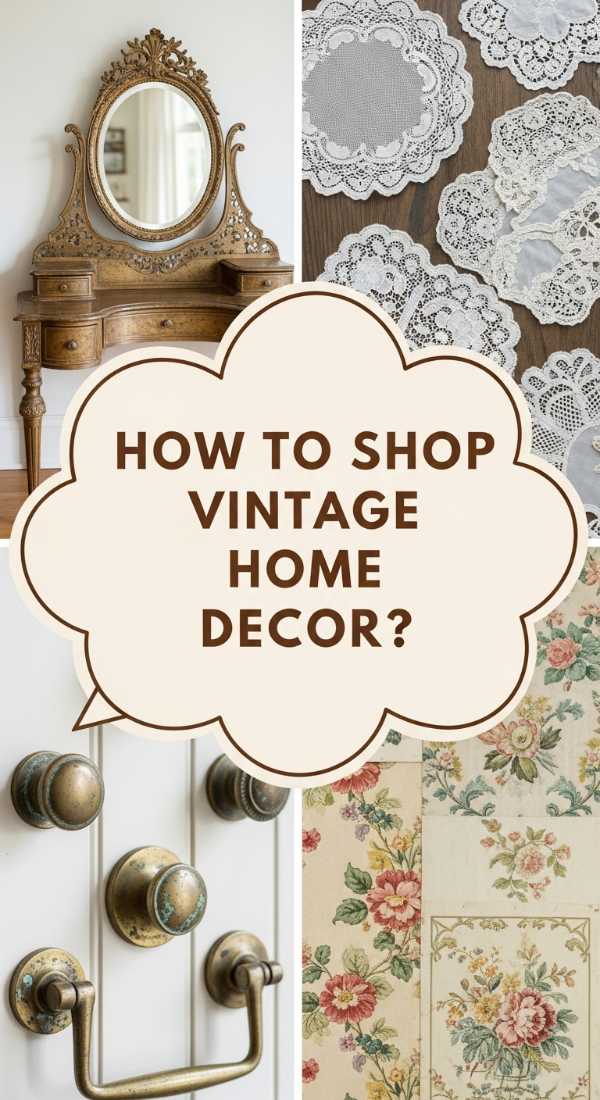
How to Source Charming Vintage Treasures for Timeless Heritage Style

Why we love this
There is a unique thrill in the hunt for vintage treasures—the discovery of a heavy brass candlestick or an oil painting with just the right amount of ‘crazing’ on its surface. We love Heritage Style because it feels earned; it’s a collection of stories rather than a set of store-bought furniture. The sensory experience is rich and varied: the smell of old books, the cool weight of silver-plated flatware, and the sight of dark, polished mahogany reflecting the light of a table lamp. It creates a home that feels established, wise, and deeply comforting.
Essential Elements:
- Antique oil paintings in ornate gold frames
- Vintage brass accents and hardware
- Solid wood furniture with a natural patina
- Oriental or Persian rugs with faded colors
- Curated ‘curiosity’ displays: old clocks, globes, or cameras
- Classic textiles like plaid, houndstooth, or heavy velvet
How to make it
- Sift the Quality: When sourcing, look for ‘pure ingredients.’ Check for solid wood construction and real metals. Like choosing the best cuts of meat, the ‘raw materials’ of your vintage finds determine the longevity of the style. The ‘visual cue’ is a piece that feels heavy and substantial.
- Clean and Prep: Gently restore your finds. Polish the brass but leave some patina for ‘flavor.’ Clean the wood with lemon oil to bring back the ‘aroma’ of heritage. Don’t over-process; you want to keep the character intact.
- Marinate the Layout: Don’t rush the arrangement. Vintage style needs to ‘age’ in the room. Place pieces and live with them for a few days to see how they interact. If a corner feels ‘bitter’ or cluttered, remove one item to balance the ‘acidity.’
- The Final Glaze: Group small items into ‘vignettes.’ Like a garnish on a plate, three small vintage bottles together look intentional, whereas one looks like an accident. The ‘doneness’ cue is when the collection feels like a curated gallery.
How to Layer Textures for a Boho Chic Bedroom for Ultimate Cozy Comfort
Why we love this
Boho Chic is the ultimate ‘hug’ of interior design. It’s a style that invites you to dive into a sea of pillows and forget the world exists. We love the sheer abundance of it—the interplay of macrame wall hangings, fringed wool blankets, and smooth silk pillowcases. It’s a tactile paradise where every surface is soft and every corner is glowing with the warmth of Moroccan lanterns. The scent of sandalwood and the sight of trailing plants against a backdrop of earthy oranges and deep teals make this aesthetic the gold standard for cozy, soulful relaxation.
Essential Elements:
- Macrame wall art and woven dreamcatchers
- Layered rugs (a patterned rug over a larger jute one)
- Piles of floor cushions and textured throw pillows
- Trailing indoor plants like Philodendrons or String of Pearls
- Warm, low-level lighting (lanterns, salt lamps, fairy lights)
- Natural materials: rattan, bamboo, and raw cotton
How to make it
- Base Layering: Start with your ‘foundation’ rug. This is like the base layer of a cake. It needs to be large and neutral. Then, ‘frost’ it with a smaller, colorful patterned rug on top at an angle. This creates the ‘messy-perfect’ look essential to Boho.
- Build the Bulk: Layer the bed with linens, then a duvet, then three different throws. This is the ‘braising’ phase—you are building deep layers of comfort. The ‘visual cue’ for doneness is when you can no longer see the edge of the mattress.
- Infuse the Glow: Replace overhead bulbs with ‘warm-warm’ tones. Use multiple light sources at different heights. Think of this as ‘tempering’ the room’s atmosphere. You want a soft, amber glow that mimics a sunset.
- Garnish with Green: Hang plants from the ceiling and place them on high shelves. The ‘dripping’ effect of the leaves adds a vertical layer of texture that makes the room feel like a cozy, private jungle.
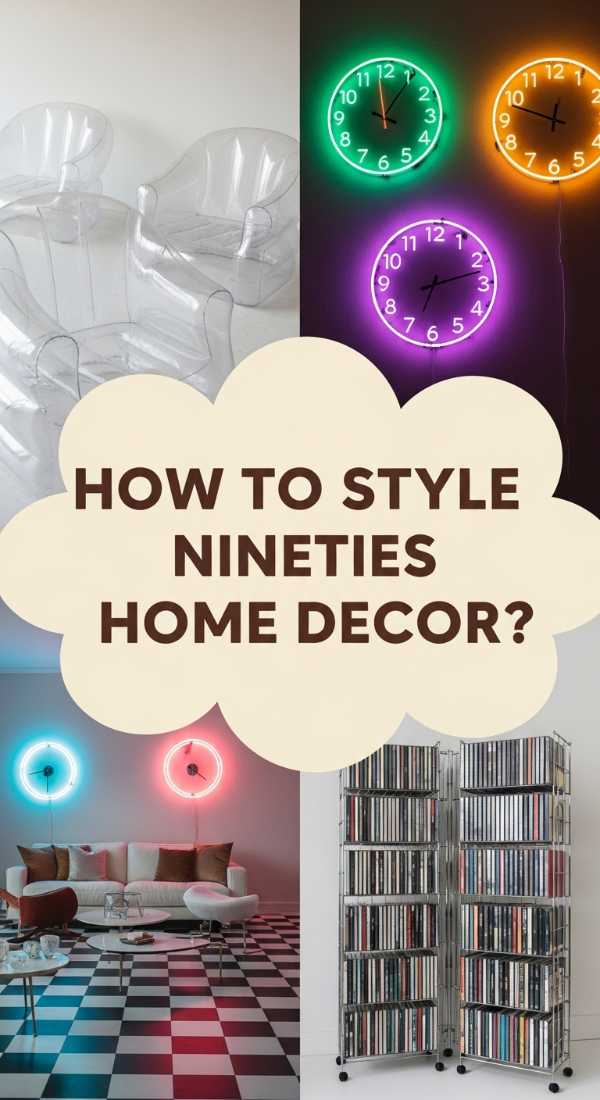
How to Revive Retro Nostalgic Nineties Decor for a Bold Statement Home
Why we love this
The nineties are back, and they are louder and more fun than ever. This aesthetic is a shot of pure dopamine—a mix of playful primary colors, geometric shapes, and a touch of tech-nostalgia. We love the ‘anything goes’ attitude of this style, where a neon sign can live happily next to a glass-block wall. It’s about the tactile feel of inflatable textures (reimagined in high-end materials), the visual pop of checkerboard patterns, and the overall sense of optimism and energy. It’s a home style that doesn’t take itself too seriously and encourages everyone who enters to smile.
Essential Elements:
- Bold, primary color palettes (red, blue, yellow)
- Geometric shapes and Memphis-design-inspired patterns
- Checkerboard rugs or tiled surfaces
- Neon lighting and ‘lava lamp’ inspired accents
- Glass blocks and acrylic (lucite) furniture
- Pop art prints and oversized graphic posters
How to make it
- Crank the Heat: Choose one ‘hero’ color to be your high-heat element. Whether it’s a bright cobalt sofa or a red accent wall, this provides the ‘sear’ that defines the room. Don’t be afraid of the ‘intensity’—nineties decor is all about the ‘bold flavor.’
- Mix the Patterns: Combine stripes with checkerboards. This is like ‘fusion cooking.’ It shouldn’t work on paper, but if you keep a consistent color thread throughout, it blends perfectly. The ‘visual cue’ is a space that feels high-energy and vibrating.
- Clarify with Transparency: Use acrylic or glass furniture to ‘lighten the dish.’ Like a clear consommé, these pieces provide structure without taking up visual space, allowing the bold colors and patterns to remain the star of the show.
- The Snap Finish: Add a piece of tech-nostalgia (like a retro phone or a neon clock). This is the ‘crunch’ on top—the final, satisfying detail that completes the nostalgic experience.
How to Display Quirky Art Collections for a Truly Unique Personality
Why we love this
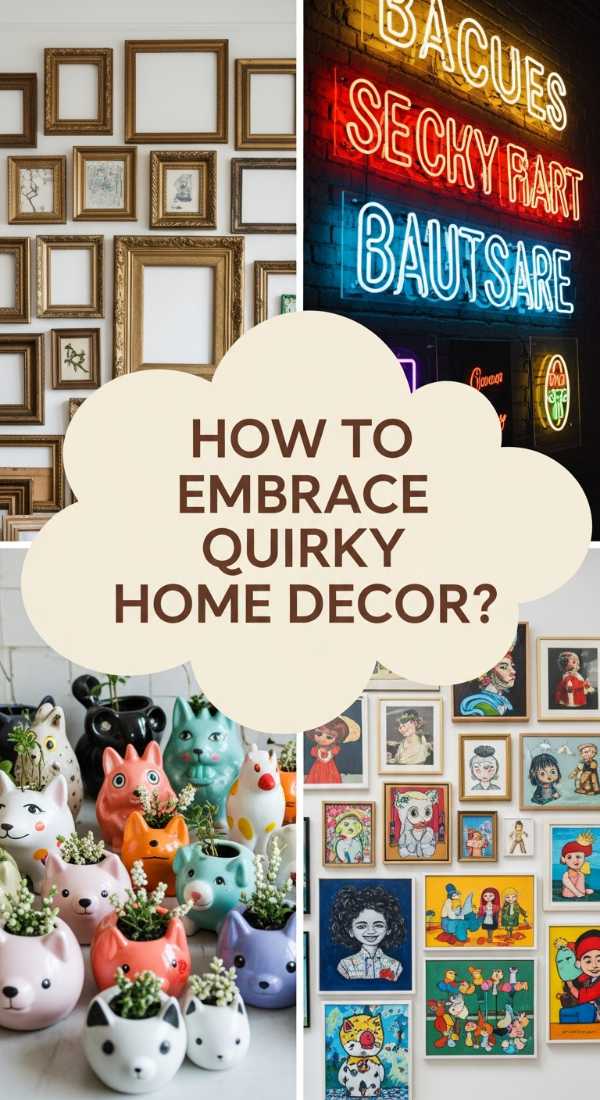
A home filled with quirky art is a home that tells a story of a life well-traveled and a mind that finds beauty in the unexpected. We love the ‘gallery wall’ approach because it allows for a beautiful chaos—a mix of high-brow oil paintings, vintage postcards, and maybe a framed 3D object like a skeleton key or a piece of textile. The sensory joy comes from the visual rhythm of the different frame textures—gold, wood, black lacquer—and the way a room feels suddenly ‘full’ and intelligent. It turns your walls into a conversation starter and a true reflection of your personality.
Essential Elements:
- An eclectic mix of art: prints, originals, and 3D objects
- Varied frame styles, sizes, and finishes
- A cohesive color story (even if the subjects are different)
- Picture lights or adjustable track lighting
- Unconventional mounting: clips, leans, or layered frames
- A central ‘anchor’ piece to ground the collection
How to make it
- Prep the Layout: Lay all your pieces out on the floor first. This is your ‘mise en place.’ You wouldn’t start a stir-fry without chopping your veggies; don’t start hammering without a plan. Move them around until the ‘weight’ feels balanced.
- Set the Anchor: Hang the largest or boldest piece first, slightly off-center. This is your ‘main protein.’ Every other piece will be ‘plated’ around this central focus. The ‘visual cue’ for the next step is when the anchor feels ‘locked in.’
- Simmer the Gaps: Fill in the spaces with smaller works. Keep the distance between frames relatively consistent—about 2-3 inches. This ‘consistent simmer’ prevents the wall from looking like a cluttered mess and makes it look like a curated collection.
- Adjust the Lighting: Aim your lights to highlight the textures of the art. This is the ‘presentation’ phase. If a piece has a lot of texture (like an oil painting), use side-lighting to cast small shadows and bring the ‘flavor’ of the work to life.
How to Craft a Heartfelt Welcome Home Entryway for the Warmest Family Greetings
[IMAGE_10]
Why we love this
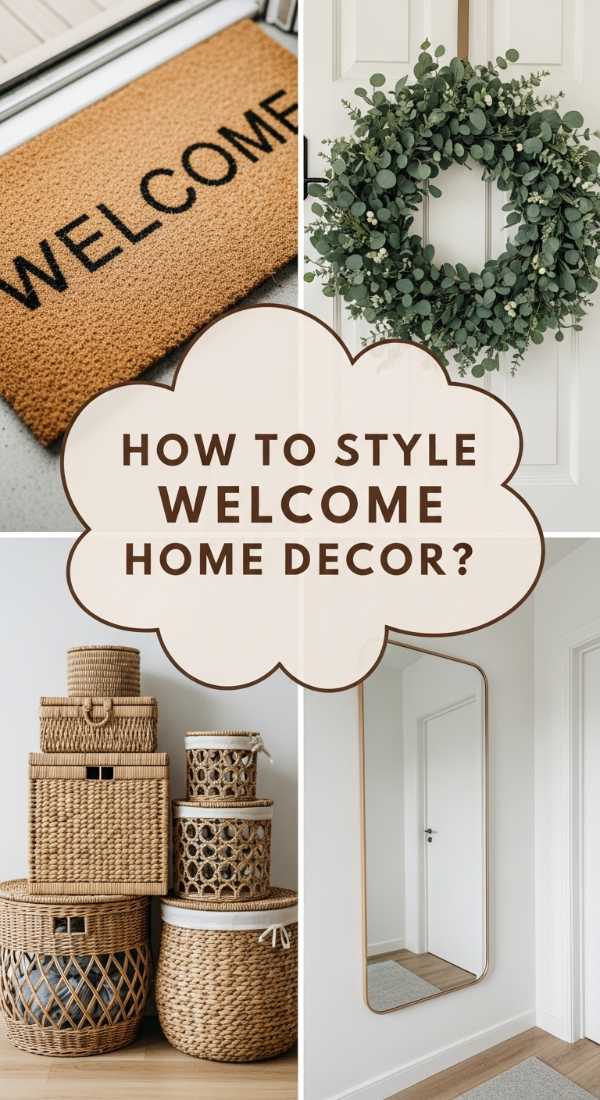
The entryway is the ‘handshake’ of your home. It’s the first thing you see when you return from a long day and the last thing your guests experience. We love an entryway that focuses on warmth and utility—the smell of a signature ‘home’ candle, the soft texture of a washable runner that handles muddy boots with grace, and the organized beauty of a wooden bench. It’s a space that says, ‘You are home, you can put your bags down, and you are loved.’ It’s the ultimate expression of hospitality and family-centric design.
Essential Elements:
- A sturdy wooden bench for seating
- A large mirror to bounce light and for last-minute checks
- Functional storage: hooks, baskets, and a ‘catch-all’ tray
- A durable, high-traffic rug (like a washable runner)
- A signature scent via a candle or diffuser
- Personal touches: a family photo or a seasonal wreath
How to make it
- Clear the Path: Start by removing any ‘clutter-heat.’ If it doesn’t belong in the entryway, ‘toss it out of the kitchen.’ The flow must be clear and easy. The ‘visual cue’ is a clear line of sight from the door into the house.
- Season with Function: Install your hooks and place your bench. These are your ‘cooking tools’—they make the daily routine work. Ensure the ‘heat level’ of the wood matches the rest of your home to create a seamless transition.
- Infuse the Scent: Light a candle with notes of vanilla, cedar, or citrus. This is the ‘secret ingredient.’ Scent is the fastest way to change the ‘flavor’ of a room. The ‘timing’ should be 20 minutes before guests arrive for full effect.
- The Warm Garnish: Place a bowl of fresh fruit or a vase of flowers on the console. This is the ‘fresh finish’ that makes the space feel cared for and ready to serve your family and friends.
Conclusion
Transforming your home into a Pinterest-perfect sanctuary isn’t about having a massive budget or a professional design degree; it’s about understanding the ‘flavors’ of design and how they work together to create a mood. Whether you’re leaning into the earthy soul of a Mexican retreat or the vibrant energy of a nineties-inspired living room, remember that the most important element is *you*. Your home should be a reflection of the things you love and the way you want to feel. So go ahead, layer those textures, light those candles, and start creating a space that makes you feel viral every single day.