
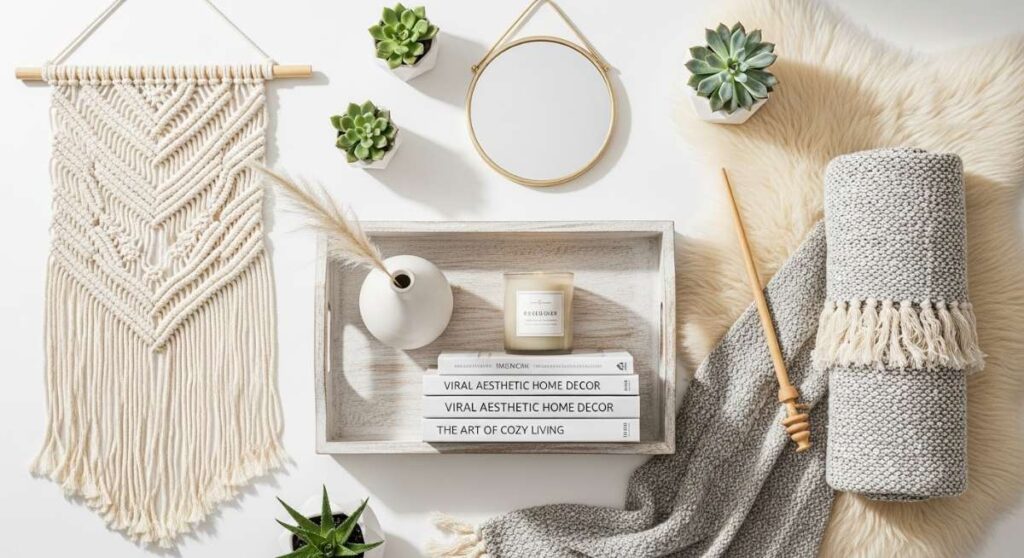
How to Get the Pinterest-Perfect Look: Viral Decor Essentials
Have you ever spent hours scrolling through your feed, your thumb hovering over that perfect image of a sun-drenched living room or a perfectly curated shelf, wondering how on earth someone makes a house feel so much like a feeling? We’ve all been there—trying to capture that elusive ‘aesthetic’ that feels both lived-in and effortlessly chic. It’s not just about buying furniture; it’s about the soul of a space, the way the light hits a linen throw, or the smell of a beeswax candle flickering in a quiet corner.
Creating a viral-worthy home is really an act of self-care. It’s about building a sanctuary that reflects your journey, your quirks, and your dreams. Whether you’re looking to transform a small nook into a coastal escape or turn a mobile home porch into a welcoming haven, the secret lies in the details. In this guide, I’m breaking down ten of the most viral decor aesthetics with step-by-step ‘recipes’ to help you curate a home that feels as good as it looks.
How to Style Rustic Mexican Spaces for Authentic Cultural Warmth

Why we love this
There is an undeniable soulfulness to rustic Mexican decor that feels like a warm embrace from the sun. We love the tactile richness of hand-fired Saltillo tiles underfoot and the way the earthy, mineral aroma of terracotta fills the room when the humidity rises. The sensory experience is defined by the contrast between rough-hewn cedar beams and the vibrant, intricate patterns of hand-painted Talavera. It’s a style that celebrates imperfection—the slight wobble in a hand-blown glass or the weathered patina of an antique trunk—making every corner feel deeply personal and rooted in history.
Essential Elements:
- Saltillo or Talavera floor tiles
- Hand-carved Equipales furniture with pigskin leather
- Heavy woven Zarape or Rebozo textiles
- Exposed dark wood ceiling beams
- Hand-pressed tin mirrors and punched-metal lanterns
- Terracotta planters and vibrant bougainvillea
How to make it
- Foundation Prep: Start with the floor. If installing Saltillo tiles, ensure you apply a high-quality sealant in three thin layers, allowing 24 hours of ‘cure time’ between coats to achieve that deep, honey-hued finish that glows under light.
- Wall Saturation: Use a lime-wash paint in a warm ‘Hacienda White’ or a soft ochre. Apply using a ‘cross-hatch’ brush technique; this creates the visual depth of aged plaster. The ‘doneness’ cue here is a velvety, non-reflective matte finish that changes tone slightly as the sun moves across the room.
- Thermal Layering: Introduce heavy timber elements. If you aren’t installing beams, use reclaimed wood mantels. The ‘heat level’ of the room is controlled by the wood tone; use dark walnut stains for high-contrast drama or light pine for a softer, desert-modern vibe.
- Textile Infusion: Drape hand-woven blankets over furniture. For professional-grade styling, fold the blankets ‘asymmetrically’ to allow the fringe to catch the light, creating a sense of movement and authentic ‘lived-in’ warmth.
How to Design Summer Living Areas for Fresh Airy Comfort

Why we love this
This aesthetic is the interior design equivalent of a cold glass of lemonade on a humid July afternoon. We love the way linen curtains dance in a cross-breeze, bringing the scent of freshly cut grass and jasmine indoors. The texture is all about lightness—the crispness of cotton slipcovers against the smooth, cool surface of a marble coffee table. It’s a visual breath of fresh air that prioritizes negative space and natural light, making even the smallest apartment feel like an expansive, breezy seaside villa where time slows down.
Essential Elements:
- Sheer white linen window treatments
- Jute or seagrass area rugs for organic texture
- Slipcovered seating in white or pale cream
- Woven rattan accent chairs
- Fresh citrus branches in clear glass floor vases
- Light oak or bleached wood surfaces
How to make it
- Light Harvesting: Remove heavy drapes and install tension rods with 100% linen sheers. The ‘technique’ here is to ‘puddle’ the fabric on the floor by exactly two inches to create a relaxed, airy drape that signifies luxury.
- Texture Calibration: Layer a flat-weave jute rug over a larger neutral carpet. Ensure the jute is ‘pre-conditioned’ by vacuuming thoroughly to remove loose fibers, providing a smooth, barefoot-friendly base that feels grounded yet light.
- Aromatic Staging: Place a bowl of real lemons or limes on the center table. For the ‘professional’ touch, scratch the skin of one lemon slightly to release the oils, providing a constant, subtle top-note of freshness to the room’s atmosphere.
- Visual Aeration: Clear 30% of your shelf space. The ‘visual cue’ for success is when your eyes can move across the room without ‘stumbling’ on clutter, leaving only the items that reflect light or bring a sense of calm.
How to Create Whimsy Garden Rooms for Enchanting Playful Peace
Why we love this
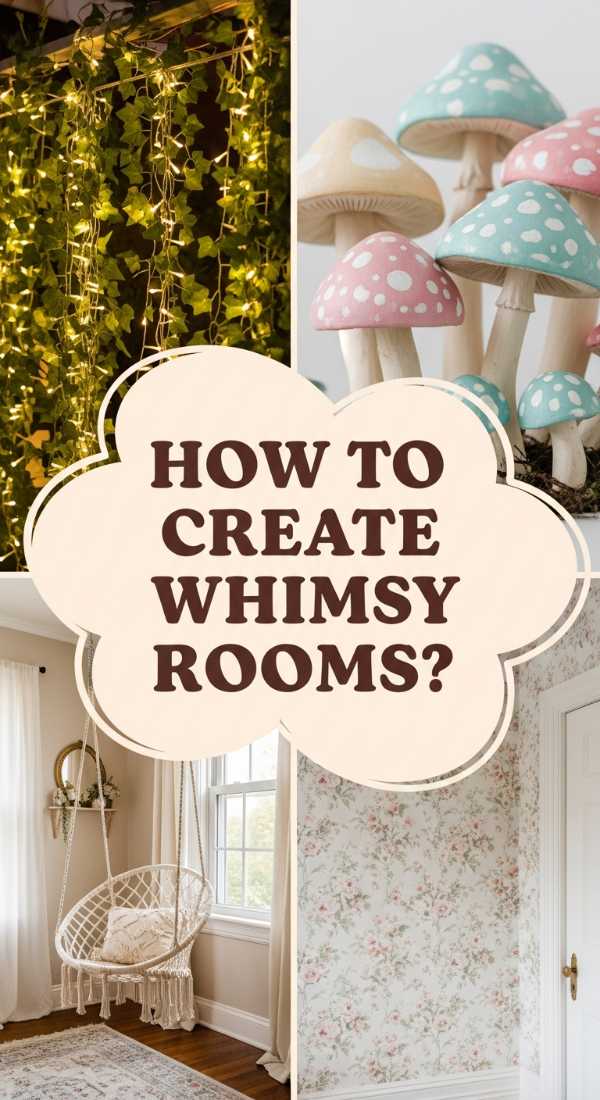
The whimsy garden room is where childhood wonder meets sophisticated botanical design. It feels like stepping into a storybook, with the soft, earthy scent of damp moss and the delicate tinkling of wind chimes. We adore the play of dappled light through climbing ivy and the surprising textures of velvet mushrooms or wrought-iron birdcages used as planters. It’s a space that encourages daydreaming, offering a sensory retreat where the boundaries between the wild outdoors and the cozy indoors blur into a magical, green sanctuary.
Essential Elements:
- Climbing indoor vines like Pothos or English Ivy
- Vintage wrought-iron bistro sets
- Floral-patterned wallpaper or botanical prints
- Soft, multi-colored fairy lights
- Moss-covered decorative spheres and terrariums
- Antiqued garden statues or stone fountains
How to make it
- Vertical Greening: Install a lattice or wire guide along one wall. Train your vines to ‘climb’ using soft floral tape. The ‘growth timing’ is key; allow the vines to reach the ceiling line before pruning to ensure a full, lush ‘canopy’ effect.
- Atmospheric Lighting: String warm-toned (2700K) micro-LEDs through the foliage. The ‘heat level’ should be low; you want the lights to look like distant fireflies rather than a bright lamp, creating a soft, magical glow.
- Tactile Flooring: Use a high-pile green rug to mimic the feel of grass. For an ‘authentic’ feel, tuck small ‘river stones’ into the corners of the room to create a natural transition between the floor and the wall.
- Sound Integration: Add a small electric stone fountain. The ‘doneness’ cue is the sound level; the water should ‘trickle’ rather than ‘splash,’ providing a white-noise backdrop that masks outside distractions.
How to Curate Catholic Altar Spaces for Focused Sacred Prayer

Why we love this
There is a profound, grounding stillness in a dedicated altar space that calls to the spirit. We love the heavy, comforting aroma of beeswax and frankincense that lingers in the air, creating an immediate sense of sanctity. The textures are classic and timeless—cool marble, smooth polished wood, and the weight of a hand-bound missal. It’s a corner of the home that feels physically ‘heavy’ in the best way possible, offering a visual anchor of faith and a sensory environment designed for deep, quiet reflection and soul-restoring prayer.
Essential Elements:
- A sturdy wood or stone console table
- Crucifix or sacred icons in ornate frames
- Votive candles in red or clear glass
- Hand-embroidered linen altar cloths
- A small kneeler or velvet prayer bench
- Fresh lilies or roses in a simple vase
How to make it
- Zoning the Sacred: Select a quiet corner with eastern light. Prepare the surface by cleaning it with a natural wood oil. The ‘technique’ is to create a ‘focal point’ by centering your largest icon at eye level when kneeling.
- Lighting the Flame: Use 100% beeswax candles for a cleaner burn and a natural honey scent. The ‘timing’ for lighting should be 5 minutes before you begin prayer, allowing the wax to ‘pool’ and the aroma to settle into the immediate vicinity.
- Textile Layering: Lay your altar cloth so it hangs evenly on both sides. Use a ‘weighted’ hem or small hidden clips to ensure the cloth remains perfectly straight, signifying the order and reverence of the space.
- Visual Cues: Arrange your prayer books and rosary in a ‘circular’ layout. This visual cue helps the mind transition from the ‘linear’ chaos of daily tasks to the ‘cyclical’ peace of spiritual practice.
How to Arrange Coastal Escape Nooks for Pure Oceanfront Calm
Why we love this
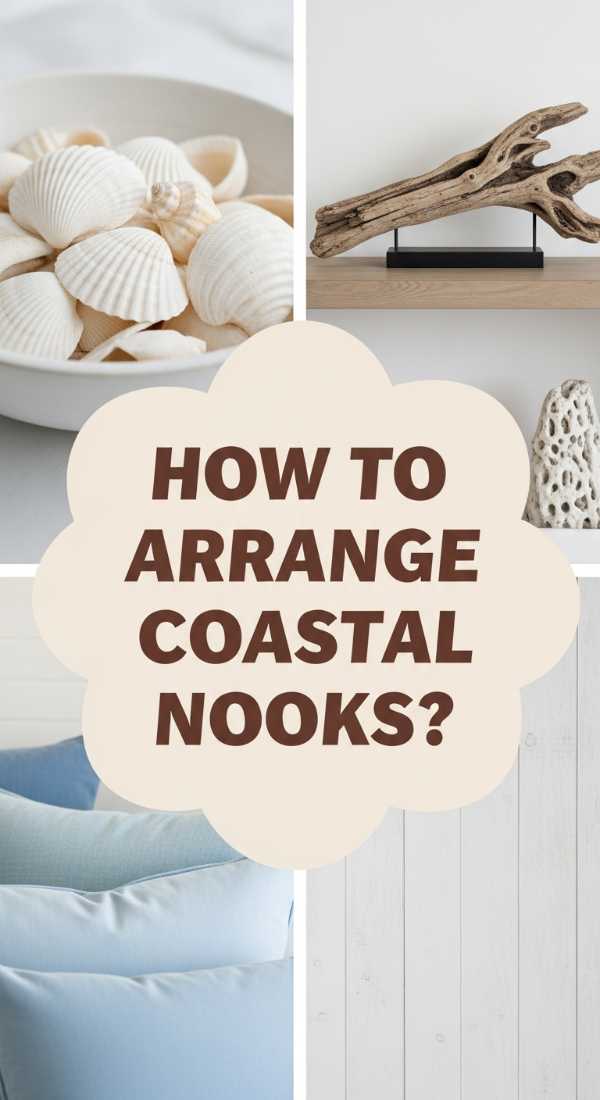
Coastal escape nooks bring the therapeutic power of the Pacific or the Atlantic right into your home. We love the ‘scrubbed-clean’ feeling of white-washed wood and the rough, salty texture of dried starfish and sea glass. The aroma is crisp and ozone-rich, reminiscent of a morning walk on the beach. It’s the ultimate relaxation spot where the color palette of seafoam green, sandy beige, and navy blue works to lower your heart rate, creating a sensory experience that feels like a permanent vacation from the grind.
Essential Elements:
- Weathered or reclaimed ‘driftwood’ shelving
- A collection of sea glass and oversized shells
- Striped navy and white cushions in durable canvas
- Rope-wrapped lamps and nautical hardware
- Watercolor paintings of local shorelines
- A chunky knit throw in a sandy hue
How to make it
- Weathering the Wood: If your wood is new, use a ‘dry-brush’ technique with diluted white acrylic paint. Apply the paint quickly and wipe it back immediately with a rag. The ‘visual cue’ is seeing the wood grain ‘ghosting’ through the white for a sun-bleached look.
- Arranging the Shore: Group shells in odd numbers (3 or 5). The ‘professional tip’ is to place the largest shell at the back and ‘cascade’ the smaller sea glass pieces forward, mimicking the way debris is naturally washed up on the tide line.
- Textile Tension: Use canvas covers for cushions. The ‘doneness’ cue for a coastal look is a ‘firm’ fill; the pillows should stand upright and hold a ‘karate chop’ indent at the top, suggesting a luxury resort aesthetic.
- Color Temperature: Keep your blues ‘cool’ and your whites ‘warm.’ This contrast creates the ‘heat’ of a sunny beach day without making the room feel sterile or cold.
How to Build Boho Sanctuary Bedrooms for Total Relaxed Ease

Why we love this
A Boho sanctuary is the ultimate ‘un-decorated’ room that actually takes a lot of heart to create. We love the maximalist layers of soft, tufted rugs and the earthy, spicy scent of sandalwood incense that seems to live in the fibers of the macramé wall hangings. It’s a feast of textures—fringe, pom-poms, velvet, and crochet all mingling together. This style is about radical comfort and creative freedom, offering a sensory experience that feels like a warm, artistic embrace where every object has a story to tell.
Essential Elements:
- Macramé wall hangings and plant hangers
- Rattan headboard or a low-profile platform bed
- Layered Persian-style or Moroccan shag rugs
- Dozens of mismatched throw pillows in jewel tones
- Dried pampas grass in tall ceramic floor jugs
- Floor cushions and low-slung seating
How to make it
- Layering the Base: Start with a large, low-pile rug and ‘overlap’ it with a smaller, high-shag rug at a 45-degree angle. This ‘technique’ breaks the boxy lines of the room and creates immediate visual interest.
- Wall Softening: Hang your macramé at least 6 inches from the ceiling. The ‘visual cue’ for the perfect height is that the bottom fringe should graze the top of your headboard, creating a seamless ‘flow’ of texture.
- Botanical Drying: When using pampas grass, spray the plumes with a light coat of unscented hairspray. The ‘timing’ is essential; do this outside and let it ‘set’ for 2 hours before bringing it in to prevent shedding and keep the plumes ‘fluffy.’
- Light Saturation: Use warm-toned salt lamps or amber-tinted bulbs. The ‘heat level’ should be golden; the room should feel like it’s permanently bathed in the ‘golden hour’ glow of a setting sun.
How to Organize Vintage Treasure Displays for Classic Elegant Style

Why we love this
There is a sophisticated nostalgia in a vintage treasure display that feels like a quiet conversation with the past. We love the faint, papery scent of old books and the cool, heavy touch of tarnished brass. The textures are rich and varied—cut crystal that catches the light like a diamond, worn leather bindings, and delicate lace doilies. It’s a curated collection that rewards the close observer, providing a sensory experience of discovery and elegance that makes any home feel like a storied estate.
Essential Elements:
- Antique glass-fronted curios or mahogany hutches
- Vintage brass candlesticks and silver trays
- Stacks of linen-bound or leather-bound books
- Framed Victorian botanical sketches or oil portraits
- Crystal decanters and etched glassware
- Small velvet-lined jewelry boxes or watch cases
How to make it
- Composition Curation: Use the ‘Rule of Three’ but vary the heights. Place a tall candlestick next to a medium-sized clock and a low, flat dish. The ‘visual cue’ for doneness is a ‘triangle’ shape that leads the eye across the display.
- Patina Management: Don’t over-polish your brass. The ‘technique’ is to clean the high points with a soft cloth but leave the dark oxidation in the crevices. This creates ‘depth’ and proves the item’s age.
- Book Anchoring: Stack three books horizontally to act as a ‘pedestal’ for a smaller object. The ‘professional tip’ is to remove any modern dust jackets to reveal the textured fabric or leather beneath.
- Lighting the Glass: Place a small battery-operated puck light at the ‘rear’ of the shelf, pointing upward. This ‘backlighting’ technique makes crystal glow from within, creating a high-end museum effect.
How to Reimagine Mobile Home Porches for a Friendly Welcome Home

Why we love this
A reimagined mobile home porch is the heart of neighborhood connection and simple, honest comfort. We love the rhythmic ‘creak-slap’ of a screen door and the cooling sensation of a ceiling fan overhead. The textures are durable and welcoming—woven outdoor wicker, painted wood planks, and soft outdoor rugs. The aroma is often a mix of blooming window-box petunias and the smell of rain on pavement. It’s a space that prioritizes hospitality, turning a transitional area into a full-fledged outdoor living room that invites you to stay a while.
Essential Elements:
- Two high-back rocking chairs or a porch swing
- Hanging ferns or overflowing flower baskets
- An outdoor-rated patterned rug
- Battery-operated lanterns for evening ambiance
- A small side table for drinks and books
- Decorative ‘Welcome’ signs or address plaques
How to make it
- Surface Leveling: If your porch is metal or older wood, install ‘click-lock’ deck tiles. The ‘technique’ is to start from the door and work outward. This provides a ‘finished’ floor feel that mimics a luxury deck.
- Vertical Cooling: Install a damp-rated ceiling fan if possible. The ‘timing’ for use is early morning and late evening to circulate the air. The ‘visual cue’ is a slow, steady rotation that suggests ease rather than a high-wind storm.
- Privacy Shielding: Hang outdoor curtains or bamboo shades on one side. The ‘professional tip’ is to tie them back with thick nautical rope to add a layer of ‘texture’ while allowing light to filter through.
- Color Grounding: Paint the porch floor a deep navy or ‘porch gray.’ This ‘heat level’ absorbs scuffs and creates a solid visual foundation that makes the bright colors of your flowers ‘pop.’
How to Decorate 90s Themed Dens for Bold Retro Joy

Why we love this
The 90s themed den is a neon-soaked explosion of pure, unadulterated nostalgia. We love the squish of an inflatable chair and the synthetic, ‘new car’ smell of retro electronics. The textures are bold and tactile—fuzzy neon rugs, smooth plastic surfaces, and the ‘clack’ of a cassette tape. It’s a sensory time machine that celebrates bright colors like fuchsia, teal, and lime green. This space isn’t about being ‘correct’; it’s about being loud, fun, and reminding yourself not to take life too seriously.
Essential Elements:
- Neon light signs in geometric shapes
- Lava lamps and glitter globes
- Inflatable furniture or bean bag chairs
- Posters of 90s icons in simple black frames
- A dedicated ‘tech’ corner with a CRT TV or old console
- Checkerboard or ‘splatter’ pattern textiles
How to make it
- Neon Saturation: Place your primary neon sign on a dark-colored wall (navy or charcoal). The ‘technique’ is to allow the light to ‘bleed’ onto the dark surface, which increases the perceived ‘glow’ and makes the color look more intense.
- Furniture Inflation: When blowing up inflatable pieces, leave 5% ‘room’ for the air to expand. The ‘visual cue’ is a surface that is firm but yields slightly when pressed, preventing that ‘plastic pop’ sound when you sit.
- Pattern Clashing: Layer a checkerboard rug with a ‘zig-zag’ throw. The ‘professional tip’ for 90s styling is to ensure at least one color is shared between the two patterns to create ‘controlled chaos.’
- Sound Staging: Set up a vintage boombox. The ‘technique’ is to keep a collection of ‘clear plastic’ cassettes nearby; the visual of the tape reels spinning is as much a part of the decor as the music itself.
How to Assemble Quirky Art Corners for Unique Personal Expression

Why we love this
A quirky art corner is a visual diary of everything that makes you, you. We love the chaotic harmony of mismatched frames and the creative energy that seems to vibrate off the walls. The textures are endlessly interesting—thick oil paint impasto, smooth digital prints, and maybe even a piece of 3D wall art made of wire or clay. It smells faintly of ink and inspiration. It’s a sensory playground where the only rule is that there are no rules, offering a corner of the home that is purely devoted to the joy of seeing and making.
Essential Elements:
- A gallery wall with at least 10 mismatched frames
- An easel or a drafting table with visible art supplies
- Open shelving for sketchbooks and reference objects
- A comfortable, oddly-shaped accent chair
- Task lighting with an adjustable ‘architect’ arm
- Artistic clutter like paint brushes in glass jars
How to make it
- The Layout ‘Simmer’: Lay all your frames out on the floor before hanging. The ‘technique’ is to leave exactly 2 inches of space between each frame. The ‘timing’ cue is to walk away for 30 minutes and come back; if your eye isn’t ‘stuck’ on one spot, the layout is balanced.
- Frame Prep: Mix metal, wood, and painted frames. For the ‘professional’ look, sand the edges of new wood frames to give them an ‘art-school’ weathered vibe.
- Supply Staging: Place your brushes in a jar with the bristles ‘up.’ The ‘visual cue’ is having the tools of the trade visible; it makes the corner feel like a working studio rather than a static display.
- Lighting Calibration: Use a bulb with a high CRI (Color Rendering Index) of 90+. This ensures that the ‘heat’ of the light doesn’t distort the colors of your artwork, keeping the ‘expression’ as true as the day it was created.
Conclusion
Transforming your home into a viral-worthy sanctuary isn’t about following every trend—it’s about finding the ‘recipe’ that resonates with your soul. Whether you’re drawn to the sacred silence of an altar or the vibrant neon of a 90s den, the key is in the layering of sensory details. Don’t be afraid to experiment with textures, aromas, and lighting until the space feels ‘done’ to you. Your home is your canvas; go ahead and paint it with the colors of your life.