
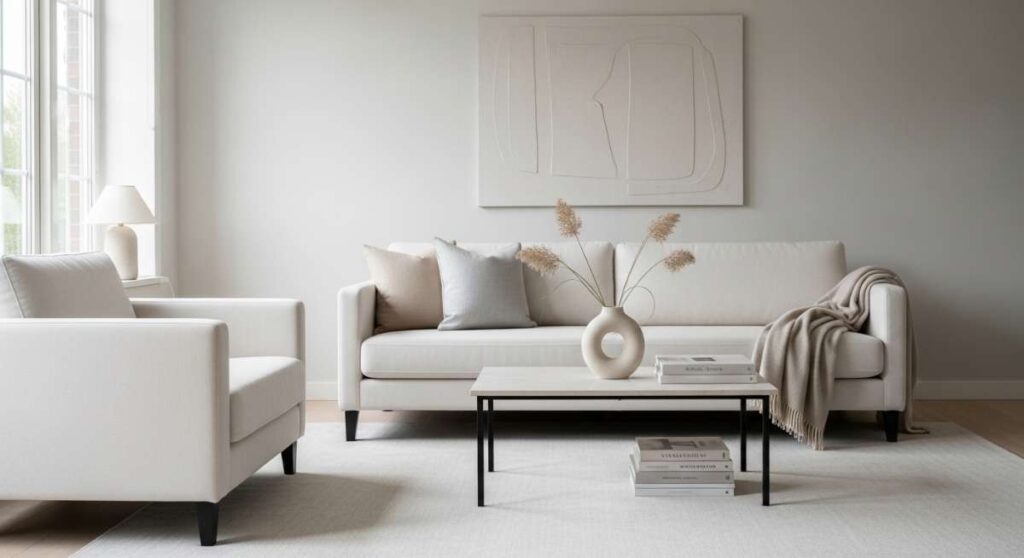
Have you ever walked into a space and felt an immediate, grounding sense of calm—the kind where your shoulders drop and your breath finally deepens? That is the essence of ‘Quiet Luxury.’ It isn’t about flashy logos or exorbitant price tags; it’s an intentional way of living that prioritizes quality, comfort, and a curated sense of peace. In today’s fast-paced world, our homes have become our ultimate sanctuaries, and mastering this aesthetic is about more than just buying new furniture—it’s about crafting a feeling.
In this guide, I’m taking you through a journey of transformation. Whether you are living in a compact city studio or a sprawling suburban house, quiet luxury is accessible to everyone. We will explore how to blend the soft, organic textures of boho design with the sharp, clean lines of modern minimalism, all while keeping that warm, human touch that makes a house a home. Let’s dive into the art of creating a space that feels as expensive as it is inviting.
How to Style Small Apartment Spaces for Maximum Comfort

Why we love this
There is a profound sense of intimacy in a small space that large rooms often lack; it’s about the tactile joy of reaching for a soft throw while the scent of a vanilla-sandalwood candle lingers in the air. When you style a small apartment for comfort, every square inch becomes a deliberate choice that contributes to a cozy, cocoon-like atmosphere. You can almost feel the visual weight lifting off your chest as you walk into a room where mirrors reflect the golden hour light, and the soft hum of a well-placed humidifier makes the air feel lush and breathable.
Essential Elements:
- Large-scale floor mirrors to expand light.
- Multifunctional furniture with soft, rounded edges.
- Sheer linen curtains for diffused natural illumination.
- A neutral, monochromatic color palette.
- Strategic accent lighting (warm-toned bulbs).
How to make it
- Analyze the natural light flow in your room during peak daylight hours. Position your largest mirror directly opposite your main window to catch and throw light into the darkest corners, instantly doubling the perceived space.
- Select ‘hero’ furniture pieces that serve dual purposes, such as an ottoman with hidden storage or a coffee table with a slim profile. Ensure these pieces have at least 18 inches of clearance around them to maintain ‘traffic flow’ and prevent a cramped feeling.
- Layer your lighting by placing floor lamps at varying heights. Use warm-white LEDs (2700K) to simulate the glow of a sunset, which softens the sharp corners of the room and creates a ‘heat’ map of comfort.
- Install sheer drapery from floor to ceiling, regardless of window size. This visual cue tricks the eye into seeing taller walls and adds a soft, breezy texture that moves with the air, enhancing the sensory experience of the space.
How to Create Cozy Bedroom Aesthetics for Affordable Luxury
Why we love this
Your bedroom should feel like a five-star hotel suite that actually knows your name—a place where the crispness of high-thread-count sheets meets the earthy warmth of a hand-poured ceramic mug. Affordable luxury is about the sensory details: the way a velvet pillow feels against your skin or the subtle click of a heavy brass bedside lamp. It’s an invitation to slow down, to sink into a mountain of pillows, and to let the stresses of the day melt away into a sea of muted tones and exquisite textures.
Essential Elements:
- Egyptian cotton or bamboo bed sheets (white or cream).
- A weighted knit throw blanket.
- Brass or matte black hardware upgrades.
- A signature room mist or essential oil diffuser.
- Dimmable bedside sconces.
How to make it
- Start by ‘prepping’ your bed base with a high-quality mattress topper to give it that cloud-like fluffiness. Use the ‘hospital corner’ tucking technique for your flat sheet to ensure a tight, professional look that resists wrinkling throughout the night.
- Swap out standard plastic drawer pulls or basic hardware for heavy-duty brass or brushed nickel handles. This adds a ‘visual weight’ and tactile quality to existing furniture that feels high-end and custom-made.
- Arrange your pillows in a ‘3-2-1’ stack: three large euros against the headboard, two standard shams in front, and one long lumbar pillow in a contrasting texture like velvet or bouclé for a polished, layered finish.
- Set the ‘thermal mood’ by choosing lighting with a low Kelvin rating. Avoid overhead lights in the evening; instead, use low-wattage lamps to create a warm, honey-hued glow that signals the brain it is time for rest.
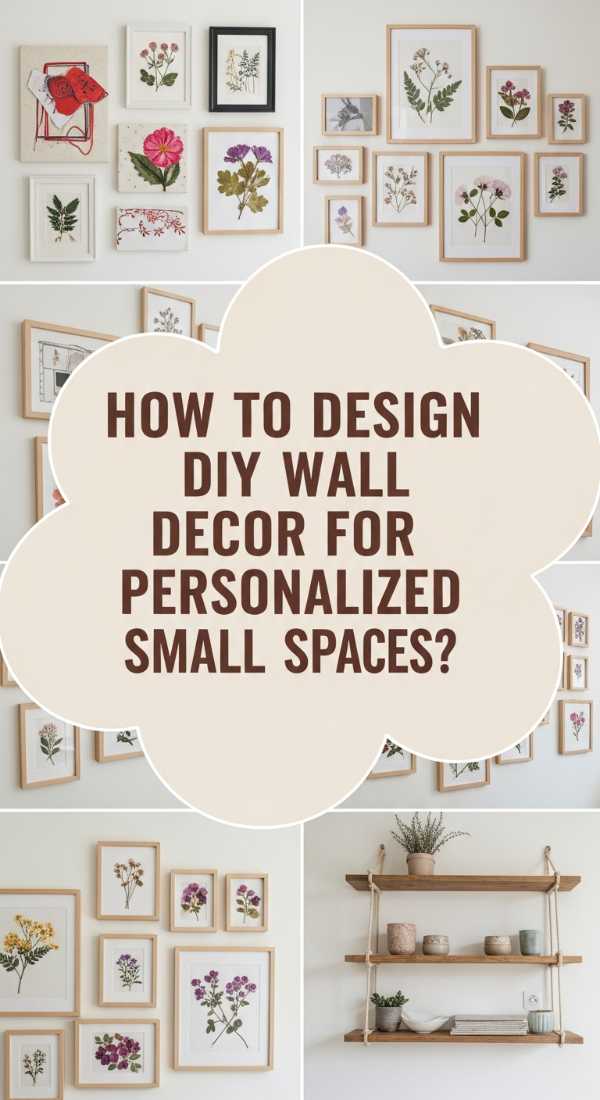
How to Design DIY Wall Decor for Personalized Small Spaces
Why we love this
There is nothing more luxurious than a piece of art that tells a story, especially when that story is yours. DIY wall decor allows you to infuse your space with soul, capturing the rough texture of plaster or the organic flow of a hand-drawn line. Imagine the satisfaction of seeing a custom-textured canvas catching the shadows as the sun moves across the room, providing a focal point that is both visually stimulating and deeply personal. It’s about creating a ‘museum moment’ in your own home that guests will swear was an expensive gallery find.
Essential Elements:
- Blank canvases of varying sizes.
- Joint compound or texture paste.
- Notched trowels or old credit cards for scraping.
- Matte acrylic paint in ‘greige’ or ‘off-white’.
- Floating wooden frames for a professional finish.
How to make it
- Prepare your canvas by laying it flat on a protected surface. Apply a thick layer of joint compound across the center, using a trowel to create organic, sweeping arcs or ‘peaks’ that mimic the movement of wind across sand.
- Wait for the compound to reach a ‘tacky’ stage—usually about 20 minutes—before using a fine-tooth comb or brush to add delicate micro-textures. This ‘timing’ is crucial for ensuring the shapes hold their form without slumping.
- Once fully dry (24 hours), apply a thin wash of matte paint. Use a ‘dry brush’ technique to highlight the ridges of the texture, giving the piece visual depth and a sense of aged, plaster-like history.
- Mount the canvas in a thin, light-wood floating frame. The ‘visual cue’ for a professional look is the small gap between the canvas and the frame, which creates a shadow line that makes the art appear to hover.
How to Curate Modern Kitchen Details for Future Home Trends
Why we love this
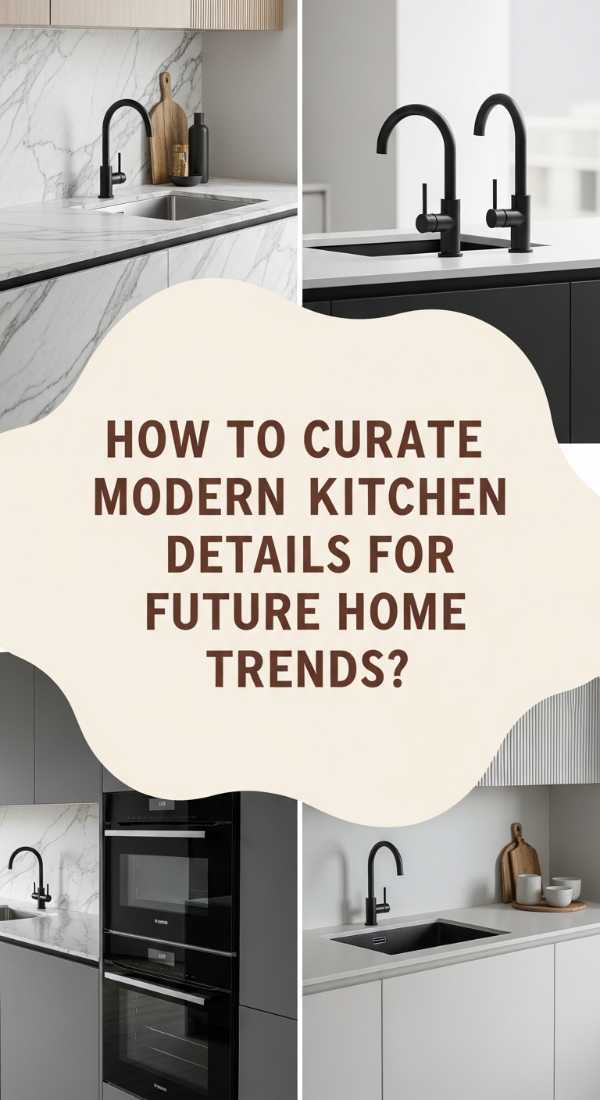
The modern kitchen is the heart of the home, but in the quiet luxury aesthetic, it becomes a gallery of functional beauty. Imagine the cool touch of a marble countertop paired with the aromatic steam of freshly ground espresso rising from a minimalist ceramic pour-over. It’s about clearing the ‘visual noise’ of cluttered counters to reveal the sleek beauty of natural materials and high-tech efficiency. This style feels futuristic yet timeless, focusing on the sensory delight of smooth stone, brushed metal, and the organized silence of hidden appliances.
Essential Elements:
- Marble or soapstone cutting boards.
- Concealed spice racks and cord management.
- Matte black or champagne gold faucets.
- Clear glass storage jars with wooden lids.
- Fresh herbs in sleek ceramic pots.
How to make it
- Begin by ‘editing’ your countertops. Remove any appliance that isn’t used daily and find a home for it inside a cabinet. The goal is to achieve 70% open surface area, which creates a ‘calm’ cooking environment and highlights the quality of your surfaces.
- Integrate ‘natural elements’ by grouping items in odd numbers. Place a large marble board, a wooden salt cellar, and a glass oil carafe on a small tray. This ‘layering’ makes the items feel like a curated vignette rather than random clutter.
- Update your sensory experience by installing soft-close hinges on all cabinets. The ‘silent finish’ of a closing drawer is a hallmark of high-end design and adds to the overall peacefulness of the kitchen prep routine.
- Install under-cabinet LED strips with a ‘warm’ setting. Direct the light downward to highlight the texture of your backsplash and provide a functional, ‘professional chef’ glow that doesn’t overwhelm the room with brightness.
How to Master Minimalist Home Decor for Peaceful Living
Why we love this
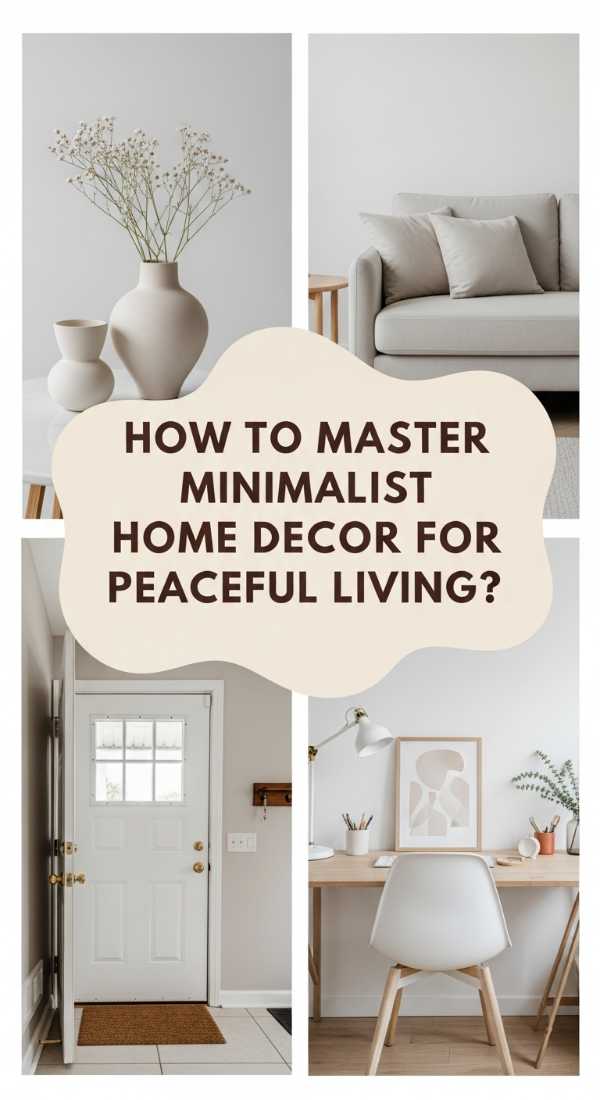
Minimalism, when done right, isn’t about emptiness—it’s about intentionality and the luxury of space. There is a specific kind of joy in a room where every object has a purpose and a place, allowing your mind to finally settle. You can feel the crisp, clean air circulating through the room, unburdened by ‘dust-collectors.’ It’s the visual equivalent of a deep, cleansing breath, where the interplay of light and shadow on a bare wall becomes art in itself, and the absence of clutter creates a profound sense of mental clarity and freedom.
Essential Elements:
- A ‘one-in, one-out’ policy for decor items.
- Hidden storage solutions (under-bed, built-ins).
- Low-profile, sleek furniture designs.
- A color palette restricted to three tonal shades.
- High-quality materials like leather, wood, and wool.
How to make it
- Evaluate every item in your living area using the ‘visual weight’ test. If an object draws too much attention or feels ‘heavy’ in a corner, relocate it to create balance. Aim for a ‘negative space’ ratio of about 40% to allow the room to ‘breathe.’
- Invest in pieces with clean, architectural lines. Look for ‘visual cues’ like tapered legs on a sofa or a thin-profile bookshelf that doesn’t block the line of sight across the room, which maintains an ‘open’ and airy feel.
- Use ‘tonal layering’ to prevent the space from feeling cold. Mix a cream sofa with an off-white rug and a beige wool throw. This ‘heat’ of similar colors creates warmth through texture rather than through visual busyness.
- Control the ‘soundscape’ of the room by using thick, high-pile rugs and heavy curtains. Minimalism can sometimes lead to echoes; adding these soft elements absorbs sound, creating the ‘hushed luxury’ typical of high-end galleries.
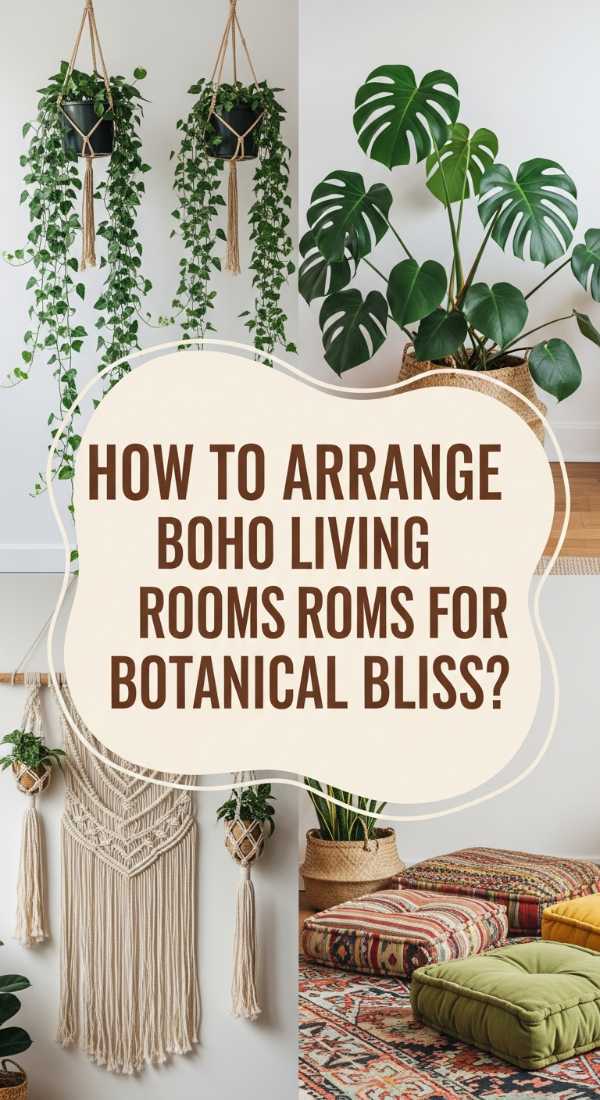
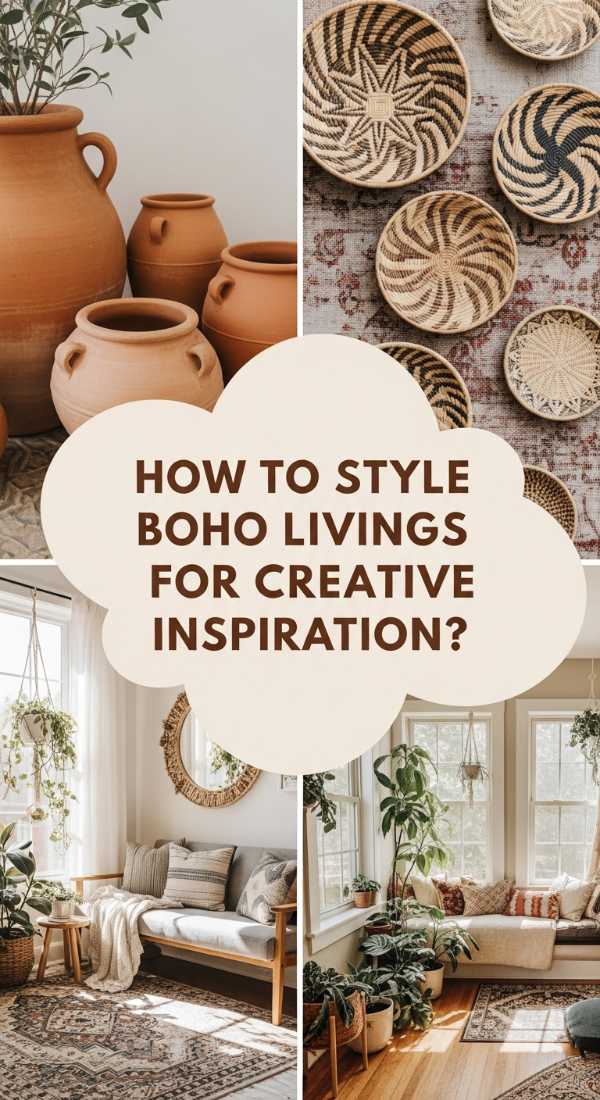
How to Arrange Boho Living Rooms for Botanical Bliss
Why we love this
Boho style is the soul of quiet luxury, bringing the wild, vibrant energy of the outdoors inside. It’s the feeling of sun-drenched leaves casting dappled shadows on a jute rug, and the earthy, revitalizing scent of damp soil and fresh oxygen. A boho living room is a living, breathing ecosystem where the lush green of a Monstera leaf contrasts beautifully against the raw, sandy texture of a rattan chair. It’s a creative sanctuary that feels curated yet effortless, inviting you to kick off your shoes and reconnect with nature in the most stylish way possible.
Essential Elements:
- A variety of indoor plants (pothos, fiddle leaf fig, snake plants).
- Natural fibers like jute, rattan, and wicker.
- Macramé wall hangings or woven baskets.
- Mismatched but tonally consistent floor cushions.
- Terracotta pots and vintage ceramic vases.
How to make it
- Create ‘levels’ of greenery to mimic a natural forest canopy. Place tall plants like a Fiddle Leaf Fig in floor pots, mid-level plants on stools or side tables, and trailing plants like Pothos on high shelves to draw the eye upward and ‘fill’ the air with life.
- Anchor the room with a large jute rug. The ‘tactile cue’ here is the slightly rough, organic texture underfoot, which grounds the space and provides a neutral, ‘earthy’ base for more colorful furniture pieces.
- Layer your seating by adding a vintage-style rattan peacock chair or a low-slung leather pouf. This ‘informal’ arrangement encourages relaxation and creative thought, breaking away from the stiff formality of traditional living rooms.
- Use ‘botanical lighting’ by placing small spotlights behind large plants. When turned on at night, the light filters through the leaves, creating dramatic, ‘lush’ shadows on the walls that change as the air moves through the room.
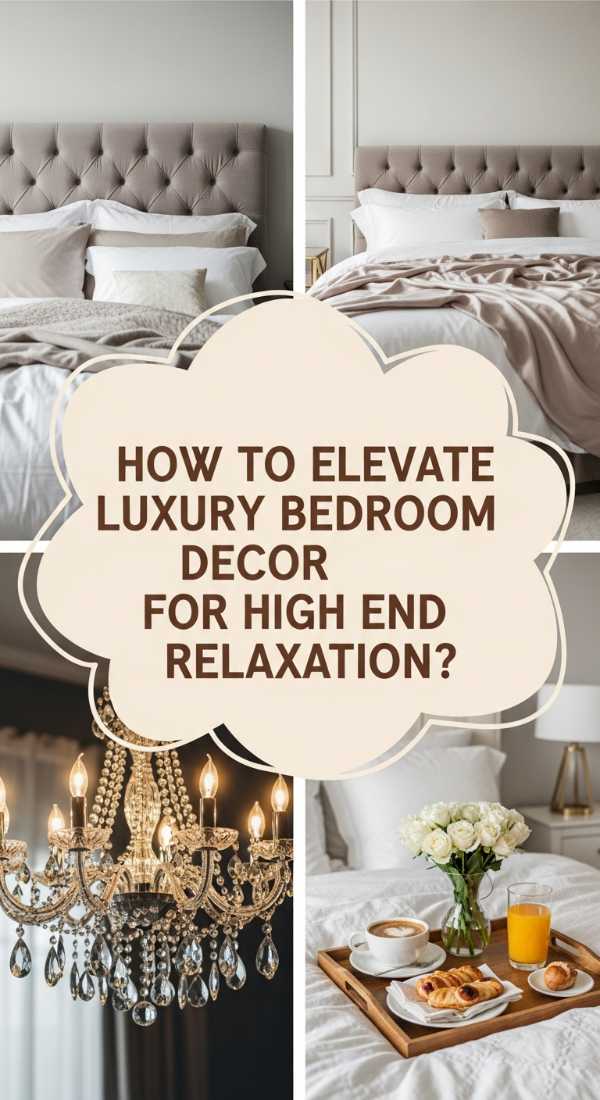
How to Elevate Luxury Bedroom Decor for High End Relaxation
Why we love this
True luxury in the bedroom is about the ‘unseen’ comfort—the weight of a silk duvet, the velvet-lined drawers, and the absolute silence of a plush carpet. This aesthetic is for those who treat sleep as a sacred ritual. Every evening becomes an event as you transition into a space that feels separated from the outside world by layers of soft, expensive fabrics and the soothing glow of amber-hued lamps. It’s a sensory masterpiece of high-end relaxation, where the richness of the materials makes you feel pampered and protected every single night.
Essential Elements:
- An oversized, upholstered velvet headboard.
- Pure silk or high-grade sateen pillowcases.
- Automated blackout curtains for total darkness.
- A plush, high-pile wool area rug under the bed.
- Crystal or artisan glass water carafes.
How to make it
- Select a headboard with a ‘visual height’ that reaches at least halfway up the wall. This creates a powerful ‘focal point’ and gives the bed an architectural presence that anchors the entire room in a sense of luxury.
- Implement ‘light blocking’ strategies by layering blackout shades behind decorative velvet curtains. Ensure the curtains are ‘puddled’ on the floor by about 2 inches, which is a classic ‘designer tip’ for a more opulent, expensive look.
- Upgrade your bedding to a ‘triple-sheet’ system: a fitted sheet, a flat sheet, and then a thin decorative coverlet before the duvet. This ‘layering technique’ adds a crisp, structured weight to the bed that mimics high-end European estates.
- Place a wide, plush bench at the foot of the bed. This ‘visual cue’ adds a finished, professional look to the room layout and provides a functional space for setting out your next day’s outfit or a tray of evening tea.
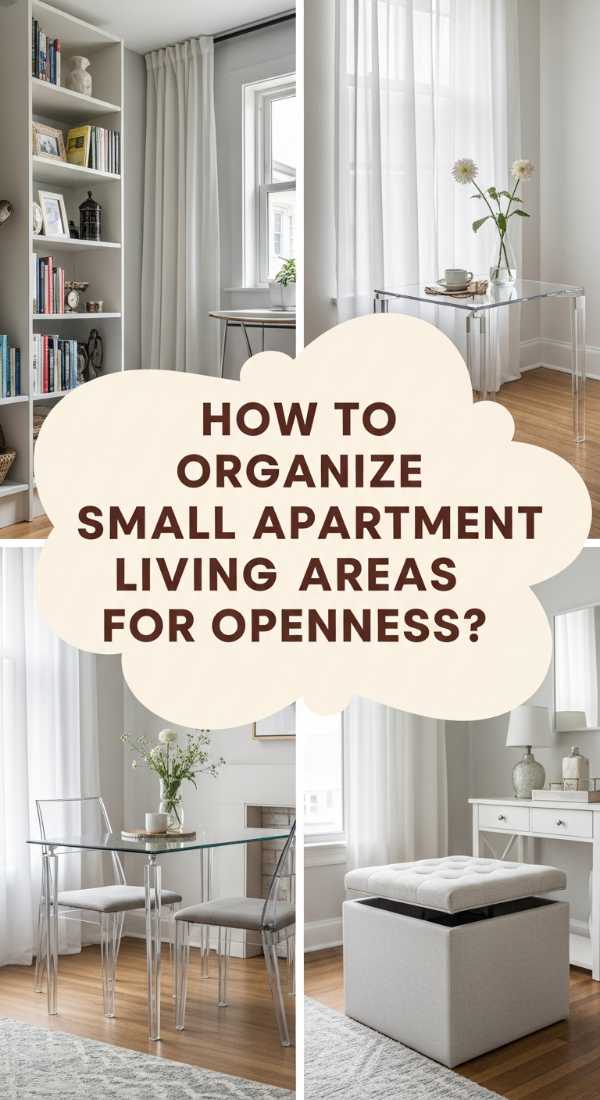
How to Organize Small Apartment Living Areas for Openness
Why we love this
There is a hidden luxury in the ‘order’ of a perfectly organized small apartment; it feels like the space has magically expanded. Imagine opening a closet to find everything perfectly binned and labeled, or seeing your living area free of the ‘visual static’ of stray cables and loose papers. This openness creates a sense of airiness and flow, where the light can travel uninterrupted and your mind feels lighter as a result. It is the ultimate form of self-care—curating a space that works for you, rather than you working for it.
Essential Elements:
- Vertical shelving units to utilize wall height.
- Uniform storage bins in neutral tones (linen or felt).
- Cord management boxes for electronics.
- Clear ‘zones’ for different activities (work, relax, eat).
- A ‘landing strip’ tray for keys and mail at the entrance.
How to make it
- Apply the ‘verticality’ rule: if you can’t go wide, go up. Install floating shelves that reach toward the ceiling, keeping ‘heavy’ items at the bottom and ‘lighter’ decorative objects at the top to keep the room’s ‘visual weight’ balanced.
- Define your ‘zones’ using area rugs. Even in a studio, a rug under the ‘living area’ and a different texture under the ‘desk area’ creates ‘visual boundaries’ that make the space feel like a series of distinct rooms rather than one cluttered box.
- Hide all ‘tech-clutter’ by using cord management kits. Bundle wires behind furniture and use boxes to hide power strips. The ‘visual cue’ for success is seeing zero tangled lines, which instantly makes the room feel ‘smarter’ and more sophisticated.
- Use ‘uniformity’ as a tool for calm. Swap mismatched storage containers for a single style of linen bin. This ‘visual repetition’ tricks the eye into seeing one clean line rather than multiple separate objects, creating a sense of ‘openness.’
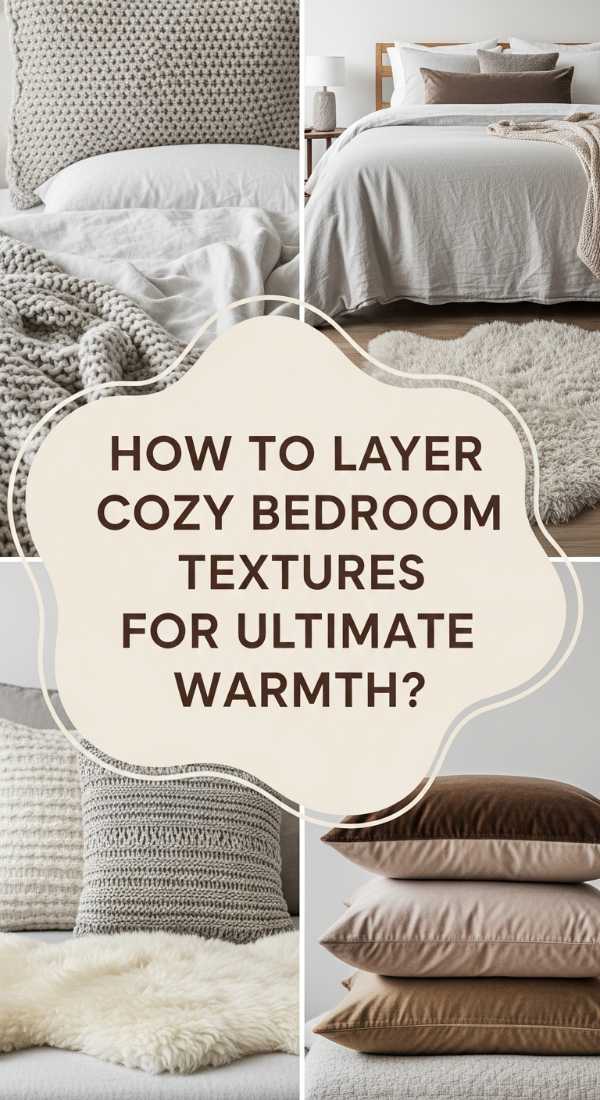
How to Layer Cozy Bedroom Textures for Ultimate Warmth
Why we love this
Layering textures is like building a symphony of touch; it’s the contrast between a smooth cotton sheet, a chunky wool knit, and a soft faux-fur throw. This is where ‘Quiet Luxury’ feels the most ‘human’ and warm. In the winter, these layers create a nest-like environment that traps heat and comfort, making your bed the ultimate destination for snowy mornings. You can feel the different weights of the fabrics pressing down, providing a grounding, ‘weighted blanket’ effect that soothes the nervous system and invites deep, restorative rest.
Essential Elements:
- A chunky, oversized knit throw blanket.
- Faux-fur or shearling accent pillows.
- Linen duvet covers for a breathable, lived-in feel.
- A quilted or coverlet layer for added structure.
- Wool-blend rugs for thermal insulation.
How to make it
- Start with a base of breathable linen. Linen has a natural ‘texture’ that feels more luxurious and ‘quiet’ than shiny synthetic fabrics. Ensure the duvet is oversized so it ‘drapes’ generously over the sides of the bed for a rich, full appearance.
- Add a ‘middle layer’ of a quilted coverlet in a slightly darker or lighter shade of the same color. This ‘tonal heat’ creates depth and provides an extra layer of warmth that can be pulled up or down depending on the temperature.
- Finish with a ‘statement’ chunky knit throw. Drape it ‘asymmetrically’ across the foot of the bed. The ‘visual cue’ is to avoid making it look too perfect; a slight ‘tousled’ look adds to the cozy, human appeal of the luxury aesthetic.
- Introduce ‘sensory variety’ by mixing materials. If your sheets are smooth, add a rough-woven linen pillow and a soft velvet lumbar. This ‘texture contrast’ is what gives the bed its ‘high-end’ designer look and feel.
How to Style Boho Living Spaces for Creative Inspiration
[IMAGE_10]
Why we love this
A boho-inspired creative space is a feast for the senses, designed to spark the imagination through the ‘organized chaos’ of beautiful objects. Think of the smell of old paper from a stack of art books, the vibrancy of a hand-woven Persian rug, and the tactile inspiration of a collection of stones or shells from your travels. It’s a space that doesn’t just look good—it makes you want to *do* something. It’s the luxury of having a home that serves as a canvas for your personal expression, filled with ‘creative heat’ and soulful artifacts.
Essential Elements:
- Floor-to-ceiling bookshelves with ‘color-coded’ or ‘reversed’ books.
- A gallery wall of eclectic, vintage-framed art.
- Layered rugs (a large jute rug topped with a smaller vintage pattern).
- Low-level lighting (floor lamps and candlelight).
- Natural artifacts (driftwood, crystals, dried flowers).
How to make it
- Design a ‘curated’ gallery wall by mixing frame styles (gold, wood, black). The ‘visual cue’ for a boho feel is an ‘organic’ layout—start in the center and build outward unevenly, ensuring there is a 2-inch gap between frames for a ‘breathable’ look.
- Layer your floor textiles. Place a vibrant, patterned kilim rug on top of a larger, neutral jute rug at a ‘slight angle.’ This ‘asymmetry’ is a core boho technique that adds a sense of history and creative ‘movement’ to the floor space.
- Incorporate ‘living’ creative elements by displaying your current projects. Place a beautiful wooden easel in the corner or a ceramic bowl filled with yarn. This ‘functional decor’ signals that the room is a place for active creation, not just passive living.
- Set the ‘aromatic mood’ with scents that spark focus, like cedarwood or rosemary. Use a vintage-style incense burner as a decorative ‘artifact’ that provides a visual and olfactory ‘anchor’ for your creative sessions.
Conclusion: Embracing Your Own Quiet Luxury
Mastering the quiet luxury aesthetic at home isn’t about achieving perfection—it’s about achieving presence. It’s the realization that luxury is found in the way the morning light hits your favorite ceramic vase, or the way a soft, wool rug feels under your feet after a long day. By focusing on sensory details, intentional organization, and a blend of modern and organic elements, you create a space that doesn’t just look expensive; it feels invaluable. Your home is your most personal story—make sure every chapter feels as beautiful as you deserve.
Quiet Luxury Home FAQ
Q: Is quiet luxury just another name for minimalism?
A: Not quite! While they share a love for clean lines, quiet luxury is ‘warmer’ than traditional minimalism. It focuses more on high-quality textures, heritage pieces, and a sense of ‘lived-in’ comfort rather than just emptiness.
Q: How can I achieve this look on a tight budget?
A: Focus on ‘small wins’: high-quality bedding, upgrading your lightbulbs to warm tones, decluttering surfaces, and bringing in fresh greenery. Luxury is often in the details, not the total cost.
Q: Can I mix boho and quiet luxury?
A: Absolutely! The key is to keep the ‘boho’ elements refined. Use natural materials like rattan and jute, but keep the color palette neutral and the layout organized to maintain that ‘luxury’ feel.
Q: What are the best colors for a quiet luxury home?
A: Think ‘nature-inspired neutrals’: sand, stone, sage green, warm cream, and charcoal. Avoid bright, neon, or overly saturated colors that create ‘visual noise.’