
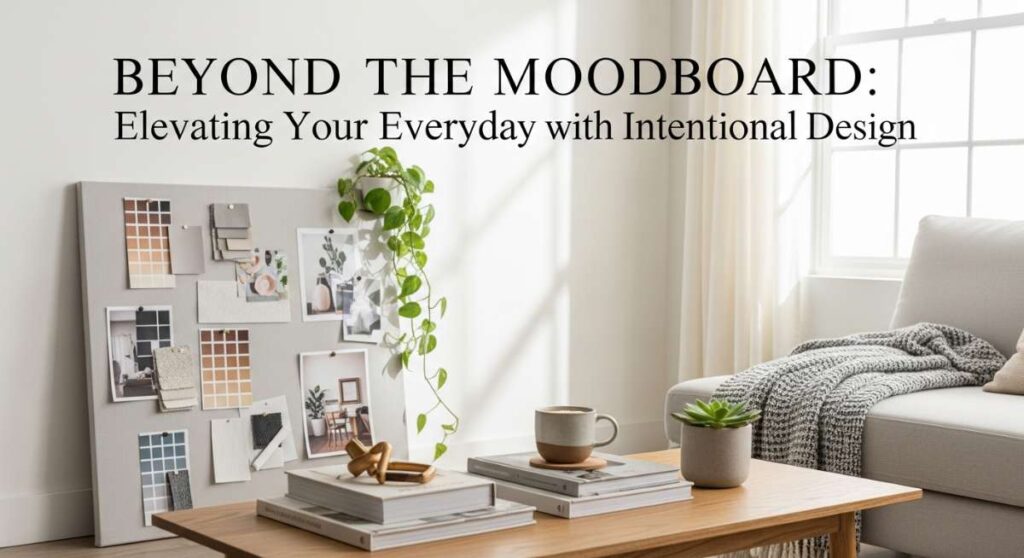
Beyond the Moodboard: Elevating Your Everyday with Intentional Design
We’ve all been there: scrolling through endless Pinterest boards at 2 AM, pinning images of sun-drenched linen sofas and perfectly organized marble kitchens, only to look up and see a pile of laundry and a coffee table covered in clutter. For a long time, I thought beautiful design was something reserved for high-end magazines or people with massive renovation budgets. But I’ve learned that design isn’t about how much you spend; it’s about how you feel when you walk through your front door after a long day.
Intentional design is the bridge between the life you have and the life you want to lead. It’s about creating a sanctuary that supports your mental health, fuels your creativity, and allows you to truly exhale. When we stop decorating for ‘the look’ and start decorating for the ‘feeling,’ everything changes. It becomes less about the items themselves and more about the way the light hits your favorite reading chair or the way a soft rug feels under your bare feet in the morning.
Today, I’m pulling back the curtain on how to actually translate those moodboard vibes into your real-life space. We’re moving beyond the digital screen and into the tactile, sensory world of your home. Whether you’re living in a tiny rental or your forever home, these steps will help you curate a space that feels uniquely, beautifully yours.
How to Achieve Minimalist Serenity for Better Mental Clarity
Why we love this
There is a profound, soul-deep sigh of relief that comes with walking into a room that breathes. Minimalist serenity isn’t about emptiness; it’s about the curated presence of peace where every object has a purpose and the air itself feels lighter. Imagine the soft scent of white tea wafting through a room bathed in pale, filtered sunlight, where the texture of a raw wood table meets the smooth coolness of a ceramic vase. It’s a sensory detox that clears the mental fog and invites a sense of stillness that is increasingly rare in our over-stimulated world.
Essential Elements:
- A palette of warm neutrals (oatmeal, sand, and soft grey)
- Natural textures like light wood, linen, and clay
- Negative space (empty areas on walls and floors)
- Hidden storage solutions to tuck away visual clutter
- One or two high-quality statement pieces
How to make it
- Begin by conducting a ‘visual audit’ of the room. Remove every single item from the surfaces until you are left with a blank canvas. This allows you to see the architectural lines of the space without distraction.
- Select a base color palette that mimics natural elements. Use a matte finish for walls to prevent harsh light reflections, aiming for a ‘soft focus’ effect in the room.
- When reintroducing items, apply the ‘one in, one out’ rule. Choose only items that serve a daily function or provide genuine aesthetic joy. Place them with intentional ‘breathing room’ around them; for example, a single candle on a large wooden tray rather than a cluster of small knick-knacks.
- Focus on lighting layers. Avoid harsh overhead fixtures. Instead, use warm-toned LED bulbs (2700K) in floor lamps with linen shades to create a soft, diffused glow that mimics the golden hour.
- Incorporate one ‘living’ element, such as a single branch in a tall vase, to provide a focal point that connects the indoor space to the natural world outside.
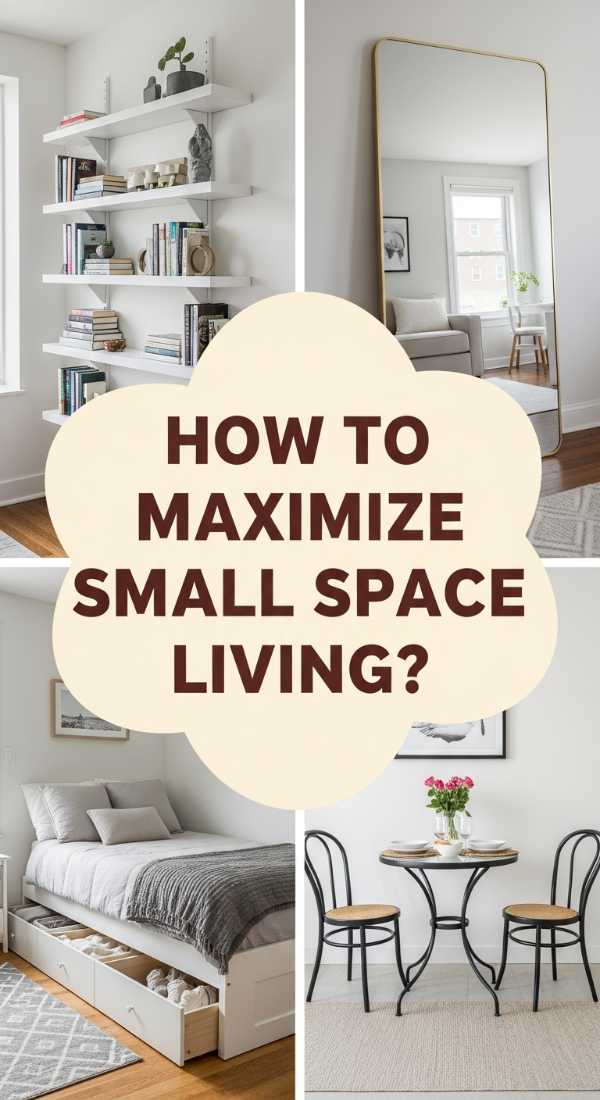
How to Maximize Small Space Living for a Roomier Feel
Why we love this
Living small is an art form that forces us to become editors of our own lives. When a small space is designed correctly, it feels like a cozy, well-tailored suit—perfectly fitted and remarkably efficient. We love the cleverness of a room that transforms with your needs, where a mirror catches the morning sun and bounces it into a dark corner, making the walls seem to push outward. It’s the feeling of ‘enoughness,’ where every square inch is optimized, creating a snug yet sophisticated atmosphere that feels intimate rather than cramped.
Essential Elements:
- Multi-functional furniture (like an ottoman with storage)
- Large-scale mirrors to create depth
- Light, reflective paint colors
- Vertical shelving units
- Legged furniture that shows more floor space
How to make it
- Measure your floor plan precisely and select furniture that is ‘scale-appropriate.’ Avoid bulky, overstuffed sofas that swallow the room; instead, opt for pieces with slim profiles and exposed legs to create a sense of ‘flow’ underneath the furniture.
- Install mirrors strategically. Place a floor-to-loud mirror directly opposite your primary window. This technique doubles the visual depth of the room and maximizes the entry of natural light.
- Utilize vertical real estate. Install floating shelves that go all the way to the ceiling. This draws the eye upward, creating the illusion of taller ceilings and providing storage without occupying precious floor space.
- Keep window treatments light and airy. Use sheer linen curtains hung ‘high and wide’—meaning the rod is placed several inches above the window frame and extends beyond the sides. This makes the windows appear larger and lets in maximum light.
- Use a consistent flooring material throughout different zones. This lack of visual breaks tricks the brain into seeing the entire area as one continuous, expansive space.
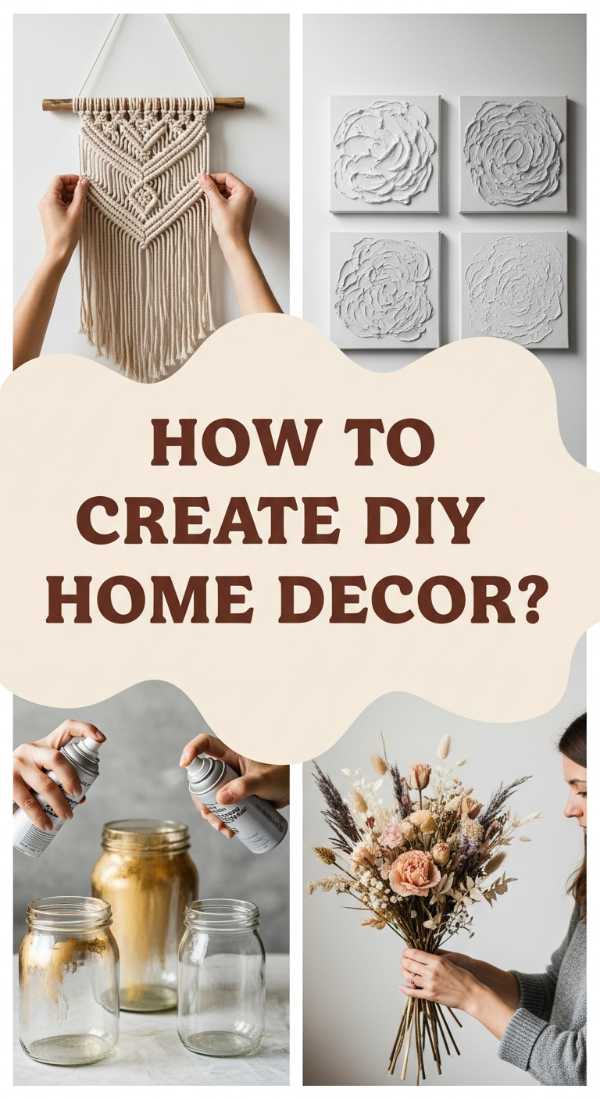
How to Create DIY Home Decor for a Custom Touch

Why we love this
There is an incomparable warmth in an object that carries the story of your own hands. DIY decor adds a layer of ‘soul’ to a room that store-bought items simply cannot replicate. Think of the tactile grit of a hand-textured canvas or the earthy aroma of a hand-poured soy candle. These pieces act as conversation starters and personal anchors, turning a house into a home by infusing it with your unique creative energy and a sense of pride that radiates from every intentional imperfection.
Essential Elements:
- High-quality raw materials (canvas, plaster, wood, or clay)
- A dedicated workspace with protective coverings
- Professional-grade tools (palette knives, sandpaper, or brushes)
- A clear vision board for the specific project
- Neutral or complementary paint pigments
How to make it
- For a custom textured wall art piece, start with a large, heavy-duty primed canvas. Secure it to a flat, stable surface.
- Mix lightweight joint compound with a small amount of acrylic paint to achieve your desired base shade. The consistency should be thick, like cake frosting, to ensure it holds its shape on the canvas.
- Using a palette knife or a notched trowel, apply the compound to the canvas in sweeping, organic motions. Focus on creating varying heights and ridges to catch the light and create shadows.
- Allow the piece to dry for at least 24 to 48 hours in a dust-free environment. Once dry, lightly sand any overly sharp peaks with fine-grit sandpaper for a professional, touchable finish.
- Seal the work with a matte spray fixative to protect the texture and prevent yellowing over time, then frame it in a thin ‘floater’ frame for a high-end gallery look.
How to Build a Cozy Reading Nook for Endless Relaxation
Why we love this
A reading nook is more than just a chair; it’s a portal to another world. It’s the ultimate form of self-care, a dedicated corner where time seems to slow down. Imagine sinking into a plush velvet armchair as a soft, chunky knit throw settles around your shoulders. The air is filled with the faint, comforting scent of sandalwood and old paper. It’s a sensory cocoon that protects you from the noise of the outside world, offering a tactile experience of warmth and softness that invites you to linger for just one more chapter.
Essential Elements:
- A deep, comfortable accent chair or floor cushion
- Layered textiles (blankets, pillows, and a small rug)
- Task lighting (a dimmable floor lamp or wall sconce)
- A small side table for tea or coffee
- Proximity to a window or a bookshelf
How to make it
- Identify a ‘dead corner’ or a quiet alcove in your home, preferably near a window for natural daytime light. Ensure the area is away from high-traffic zones like the kitchen or entryway.
- Select a chair that supports your posture while allowing you to tuck your feet up. Test the ‘sink-in’ factor—you want a balance of support and softness.
- Position a task light slightly behind and to the side of the chair. The bulb should be positioned so the light falls directly onto your lap without creating a glare on your reading material. Use a warm-spectrum bulb for eye comfort.
- Layer your textiles. Start with a plush sheepskin or high-pile rug under the chair, then drape a heavy-weight throw over the arm. Add a lumbar pillow for lower back support.
- Complete the zone with a ‘service surface.’ A small wooden pedestal or a floating shelf at arm’s height is essential for holding a steaming mug or an extra candle, ensuring you never have to break your relaxation flow.
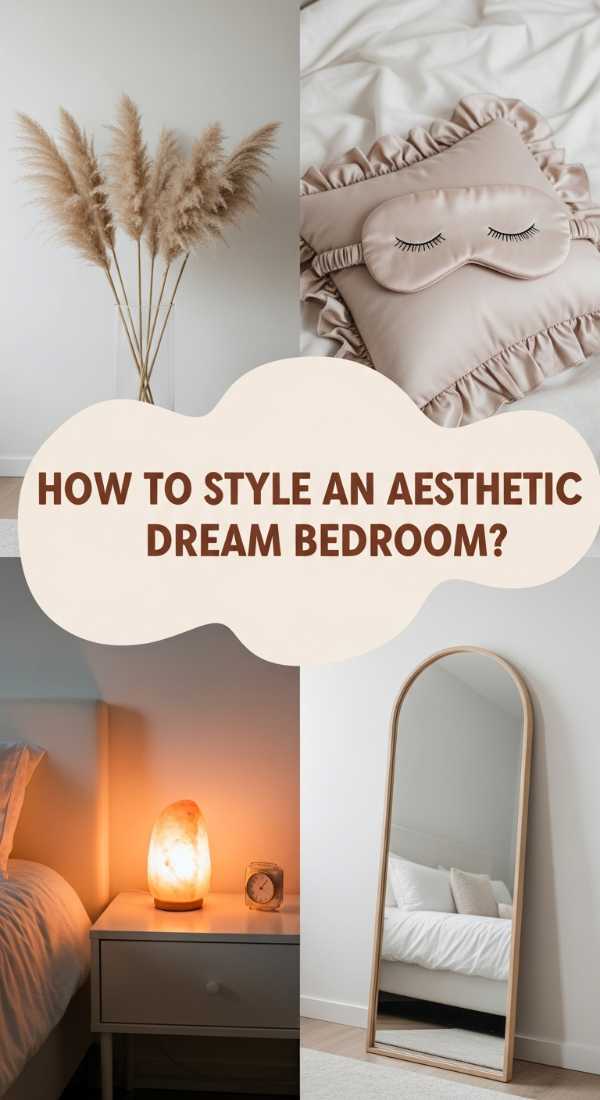
How to Style an Aesthetic Dream Bedroom for Daily Inspiration
Why we love this
Your bedroom should be the physical embodiment of a deep breath. It’s the first thing you see when you open your eyes and the last sanctuary you experience before sleep. An aesthetic dream bedroom balances the crispness of fresh, high-thread-count linens with the warmth of personal mementos. We love the way a well-styled bed looks like a fluffy cloud, inviting you to leave the day’s stresses at the door. It’s a space that feels curated yet lived-in, where the atmosphere is thick with tranquility and the promise of a fresh start.
Essential Elements:
- High-quality linen or cotton bedding in soft tones
- A variety of pillows (Euro shams, standard, and decorative)
- Soft, ambient bedside lighting
- Minimalist nightstands with curated essentials
- A statement headboard or wall art
How to make it
- Begin with the ‘foundation’ of the bed. Use a high-quality mattress topper for extra loft and wrap it in a crisp, breathable cotton fitted sheet. Ensure all wrinkles are smoothed out for a hotel-quality base.
- Layer your duvet. For that ‘Pinterest-perfect’ look, use a duvet insert that is one size larger than your cover (e.g., a King insert in a Queen cover). This creates a plump, overstuffed appearance. Fold the top third of the duvet back to reveal the sheets.
- Arrange your pillows in ‘descending’ order. Place two large Euro shams against the headboard, followed by two standard pillows, and finish with one long lumbar or ‘bolster’ pillow in a contrasting texture like velvet or bouclé.
- Clear the nightstands of all ‘functional clutter’ like charging cables and medication. Replace them with one beautiful ceramic tray, a small carafe of water, and a single book.
- Introduce a soft scent through a stone diffuser or a luxury candle. Scents like lavender or cedarwood help signal to the brain that it is time to transition from the productivity of the day to the rest of the night.
How to Master Budget Home Styling for a Luxury Appearance
Why we love this
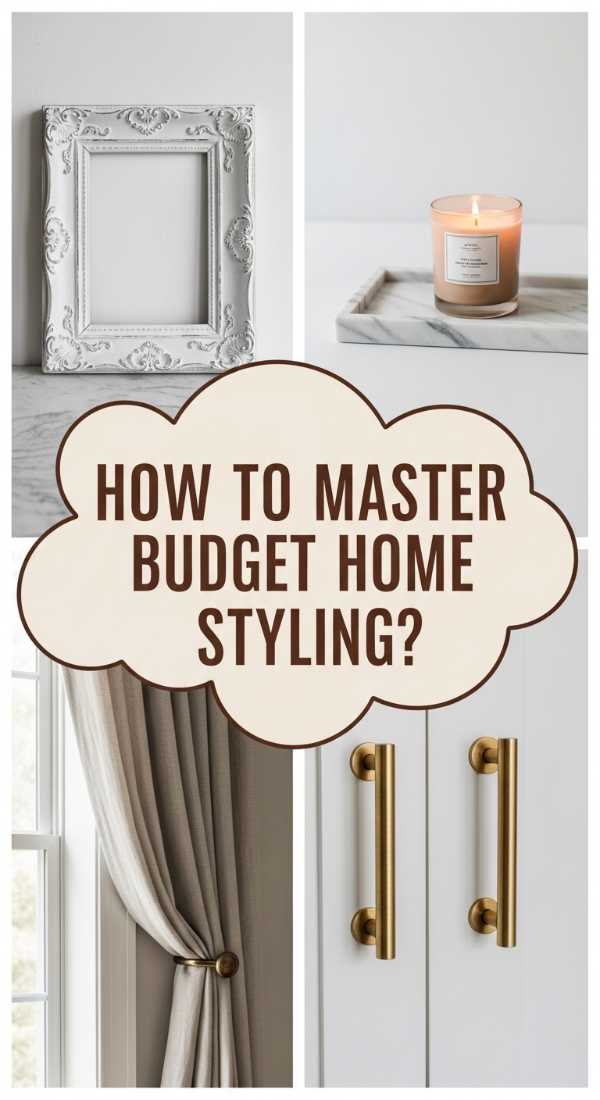
There is a unique thrill in achieving a ‘million-dollar look’ on a thrift-store budget. Budget styling is about the ‘edit’ and the ‘mix’—finding those hidden gems and presenting them with the confidence of a high-end designer. We love the clever juxtaposition of a vintage brass find against a modern, clean-lined sofa. It’s a sensory experience of discovery, where the patina of an old vase adds history and depth to a room, making it feel expensive because it feels intentional and curated over time, rather than bought all at once from a catalog.
Essential Elements:
- Second-hand or vintage ‘hero’ pieces
- Uniformity in small details (matching frames or hangers)
- High-quality textiles (velvet, linen, or wool)
- Fresh greenery or branches
- Metallic accents for a touch of ‘glam’
How to make it
- Identify ‘high-impact’ areas like the entryway or the center of the coffee table. These are the places where you should invest in one or two slightly nicer items or a very convincing vintage ‘dupe.’
- Shop ‘second-hand first.’ Visit estate sales or online marketplaces specifically looking for heavy materials like marble, solid wood, and brass. These materials retain their value and look ‘expensive’ regardless of their price tag.
- Upgrade the hardware. Replace standard plastic or cheap metal cabinet pulls and door handles with heavy matte black or brushed gold hardware. This is a low-cost ‘tweak’ that drastically elevates the perceived value of your furniture.
- Apply the ‘rule of three’ when styling surfaces. Group items in odd numbers, varying their heights and textures. For example, a tall glass vase, a medium-sized stack of books, and a small brass tray. This creates a balanced, professional look.
- Use paint to unify mismatched furniture. A coat of high-quality ‘eggshell’ finish paint in a sophisticated color like charcoal or mushroom can turn three different garage sale finds into a cohesive, high-end set.
How to Implement Modern Decor Elements for a Sleek Vibe
Why we love this
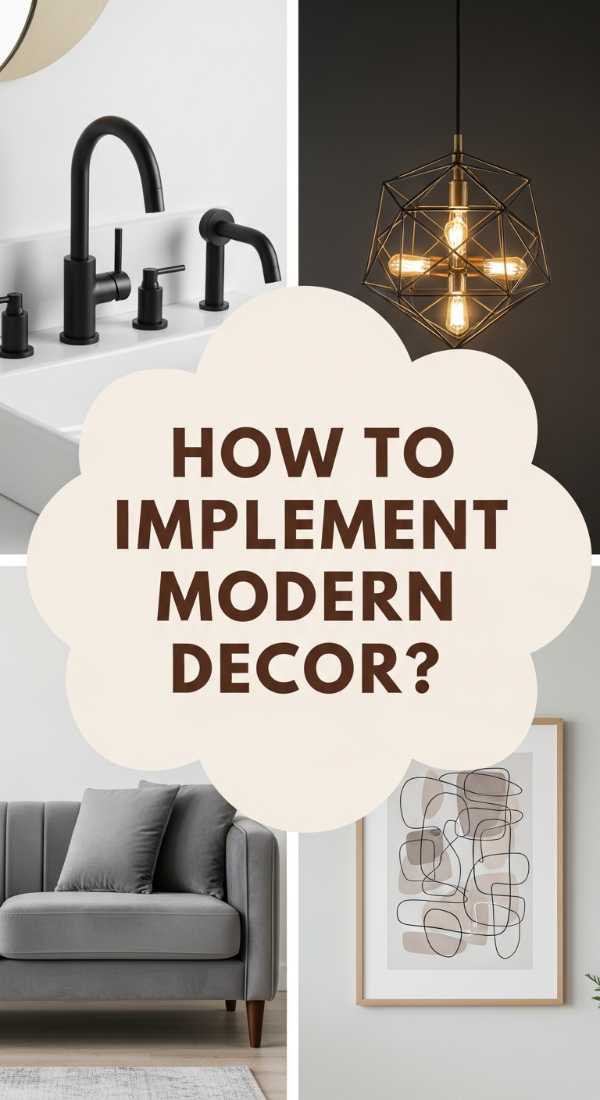
Modern decor is the celebration of the ‘now’—it’s crisp, confident, and unapologetically bold. We love the satisfying precision of a clean line and the way matte black finishes pop against a gallery-white wall. It’s a visual experience of clarity and sophistication, where every piece of furniture feels like a work of art. The feeling is one of efficiency and forward-thinking, providing a sleek backdrop that allows your own personality and movements to be the main event in the room.
Essential Elements:
- Clean, geometric lines in furniture
- A high-contrast color palette (black, white, and bold accents)
- Industrial materials like steel, glass, and concrete
- Minimal window treatments
- Abstract or oversized art pieces
How to make it
- Choose a ‘focal point’ piece with a strong silhouette. This could be a sofa with track arms or a dining table with a sculptural pedestal base. Avoid ornate carvings or ‘frilly’ details.
- Incorporate ‘industrial’ textures. Add a concrete-topped side table or a matte black steel floor lamp. The juxtaposition of these ‘hard’ materials against soft seating creates that signature modern tension.
- Simplify your window treatments. Opt for recessed motorized shades or simple black curtain rods with grommet-top panels. The goal is to highlight the architecture of the window rather than hide it.
- Curate a ‘monochromatic plus one’ color scheme. Use varying shades of grey and white for the majority of the room, then add a single pop of a bold color, like an emerald green chair or a cobalt blue vase, to create a sense of modern drama.
- Use ‘negative space’ as a design tool. Don’t feel the need to fill every wall. One oversized piece of abstract art on a large, clean wall is far more impactful than a cluttered gallery wall in a modern setting.
How to Personalize Apartment Rentals for a True Home Feeling
Why we love this
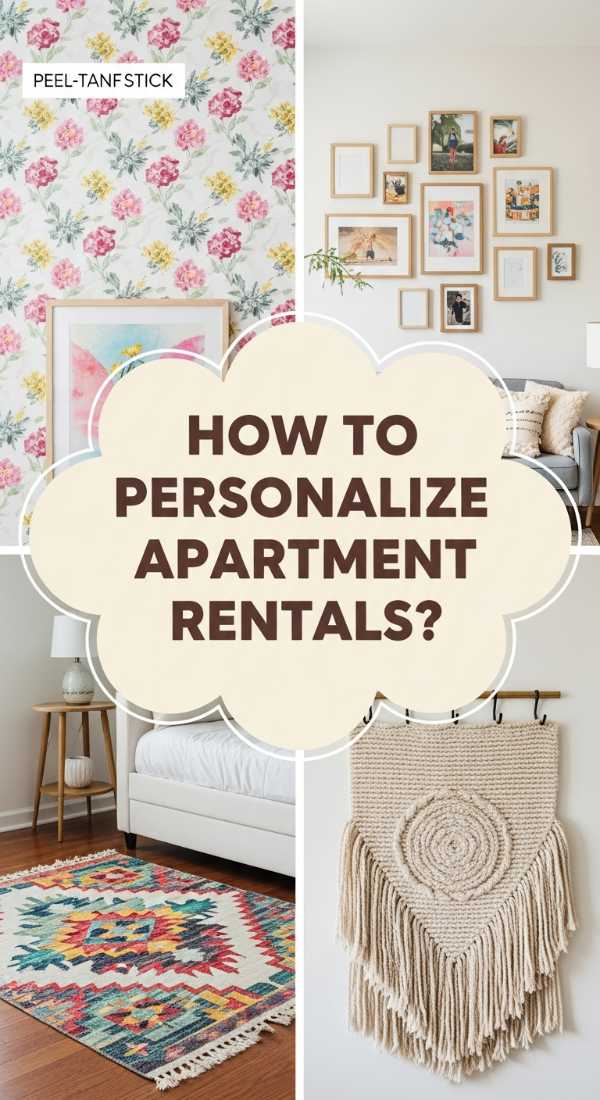
Rentals often feel like a ‘waiting room’ for your real life, but personalizing them turns a temporary space into a true reflection of your identity. We love the creativity that comes with ‘non-permanent’ styling—the clever use of removable wallpaper that adds a burst of pattern, or the way a large, plush rug hides a generic carpet. It’s the feeling of taking ownership of your environment, proving that home isn’t a place you own, but a feeling you create through thoughtful layers and personal touches that you can take with you when you leave.
Essential Elements:
- Peel-and-stick wallpaper or backsplash tiles
- Command hooks and ‘no-drill’ hanging solutions
- Large area rugs to define zones and cover flooring
- Plug-in wall sconces and stylish floor lamps
- Personal artwork and photos
How to make it
- Start with the ‘fifth wall’—the floor. Most rentals have generic flooring. Overlay a large, high-quality area rug that reflects your style. This immediately changes the color temperature and comfort level of the entire room.
- Use peel-and-stick solutions for high-impact walls. Apply a removable textured wallpaper to the wall behind your bed or sofa. Ensure the surface is cleaned with rubbing alcohol first to ensure a secure, bubble-free bond.
- Upgrade the lighting without rewiring. Use plug-in sconces that can be mounted with heavy-duty adhesive strips. Hide the cords with paintable cord covers for a built-in, professional appearance.
- Switch out the ‘stock’ features. Remove the standard showerhead and kitchen faucet handles (save them in a box!) and replace them with high-end versions. This tactile upgrade makes every daily task feel more luxurious.
- Create a ‘gallery’ using leaning frames. If you are restricted on wall holes, use large frames leaned against the wall on top of dressers or the floor. This adds a sophisticated, ‘collected’ vibe without the need for a drill.
How to Design a Productive Home Office for Peak Focus

Why we love this
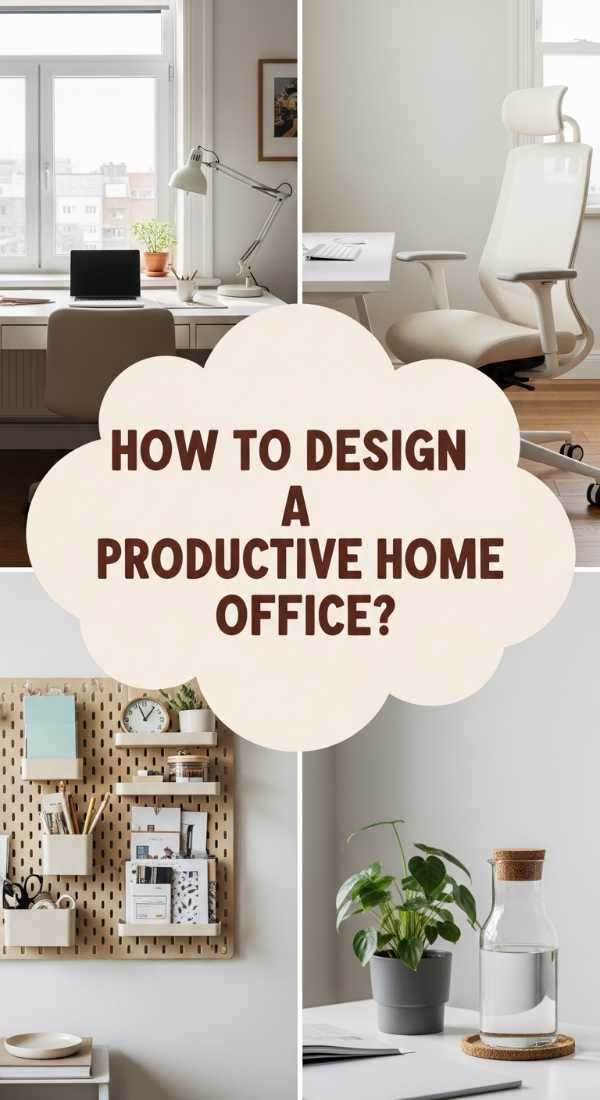
A well-designed office is the ultimate engine for your ambitions. It’s a space that should feel both energizing and calm, a delicate balance of ergonomic comfort and aesthetic inspiration. We love the feeling of a sturdy desk under our hands and the organized hum of a space where everything has a place. It’s the sensory experience of ‘getting into the zone,’ where the light is just right, the chair supports you perfectly, and the visual environment is so harmonious that your mind is free to do its best work.
Essential Elements:
- An ergonomic chair that supports long-term sitting
- A desk with ample surface area and cable management
- Natural light or full-spectrum ‘daylight’ bulbs
- Storage for office supplies to keep the surface clear
- Inspirational elements (a vision board or plant)
How to make it
- Position your desk according to the ‘power position’—facing the door but not directly in line with it, ideally near a window for natural light. This reduces ‘startle response’ and provides visual breaks for your eyes.
- Invest in ‘hidden’ cable management. Use adhesive clips or a ‘cable tray’ underneath the desk to tuck away all power strips and cords. A ‘cord-free’ visual environment significantly reduces mental stress and distraction.
- Optimize your lighting for screen work. Use a ‘monitor light bar’ that sits on top of your screen to illuminate your workspace without creating a glare on the display. Supplement this with a warm floor lamp to keep the room from feeling like a clinical office.
- Incorporate ‘sensory focus’ tools. Keep a high-quality linen-bound notebook for analog brainstorming and a stone diffuser with peppermint or rosemary essential oils to stimulate alertness and concentration.
- Add one ‘non-work’ element. A small piece of art or a beautiful ceramic bowl for paperclips softens the utilitarian feel of the space, making it a place you actually enjoy spending time in.
How to Incorporate Indoor Greenery for a Natural Sanctuary
[IMAGE_10]
Why we love this
Plants are the ‘lungs’ of a home, bringing a vibrant, pulsing energy into even the most static rooms. We love the way a deep green Monstera leaf catches the light, or the delicate trail of a Pothos vine softened the hard edge of a bookshelf. It’s a sensory experience of growth and vitality—the earthy smell of fresh soil after watering and the visual rhythm of organic shapes against geometric furniture. Greenery transforms a room into a living sanctuary, grounding us in the cycles of nature even when we are deep in the heart of the city.
Essential Elements:
- A mix of ‘low-light’ and ‘bright-light’ plants
- Beautiful ceramic or terracotta planters with drainage
- A dedicated watering can and pruning shears
- Plant stands to vary heights
- Organic fertilizers or moss poles
How to make it
- Assess the light levels in each corner of your room using a light meter app on your phone. Match your plant selection to these levels—for example, a Snake Plant for a dark corner and a Fiddle Leaf Fig for a bright, south-facing window.
- Repot your plants into ‘breathable’ vessels. Terracotta is excellent for plants that like to dry out, while glazed ceramic is better for moisture-loving varieties. Always ensure there is a drainage hole to prevent root rot.
- Style your plants in ‘clusters.’ Instead of scattering them individually, group three plants of varying heights together. Use a tall plant stand for one, place one on the floor, and a smaller one on a stack of books to create a lush, ‘jungle’ effect.
- Incorporate ‘living textures.’ Use a moss pole for climbing plants to encourage larger leaf growth, or add a layer of decorative river stones on top of the soil to create a finished, polished look that also helps retain moisture.
- Establish a ‘ritual’ day for maintenance. Once a week, wipe the dust off the leaves with a damp cloth; this not only makes them shine but allows the plant to photosynthesize more efficiently, ensuring your sanctuary stays vibrant and healthy.
Creating Your Personal Sanctuary
Designing a home isn’t about reaching a final destination where everything is perfect; it’s about a continuous journey of curation and care. Your home is a living, breathing reflection of your life’s seasons. Some days it will be a bustling hub of activity, and other days it will be the quiet shell you retreat into for healing. By focusing on intentional design—choosing pieces that speak to your soul and arranging them in a way that serves your daily needs—you turn the mundane acts of living into a beautiful, sensory experience. Don’t be afraid to experiment, to move the furniture, and to let your space evolve as you do. After all, the most beautiful thing in any home is the life being lived inside it.
Frequently Asked Questions
Q: How do I choose a color palette if I’m overwhelmed by options?
A: Start with your ‘hero’ item—usually a rug or a piece of art you love. Extract three colors from that item: one neutral base, one secondary ‘bridge’ color, and one bold accent. Stick to this ’60-30-10′ rule for a balanced look.
Q: Can I really have a nice home with pets and kids?
A: Absolutely! The key is ‘performance fabrics.’ Look for ‘Solution Dyed Acrylic’ (like Sunbrella) or ‘distressed’ materials like leather and reclaimed wood that actually look better with a bit of wear and tear.
Q: What is the most common design mistake people make?
A: Pushing all the furniture against the walls. ‘Floating’ your furniture—even just a few inches off the wall—creates a much more high-end, conversational feel and makes the room appear larger.