
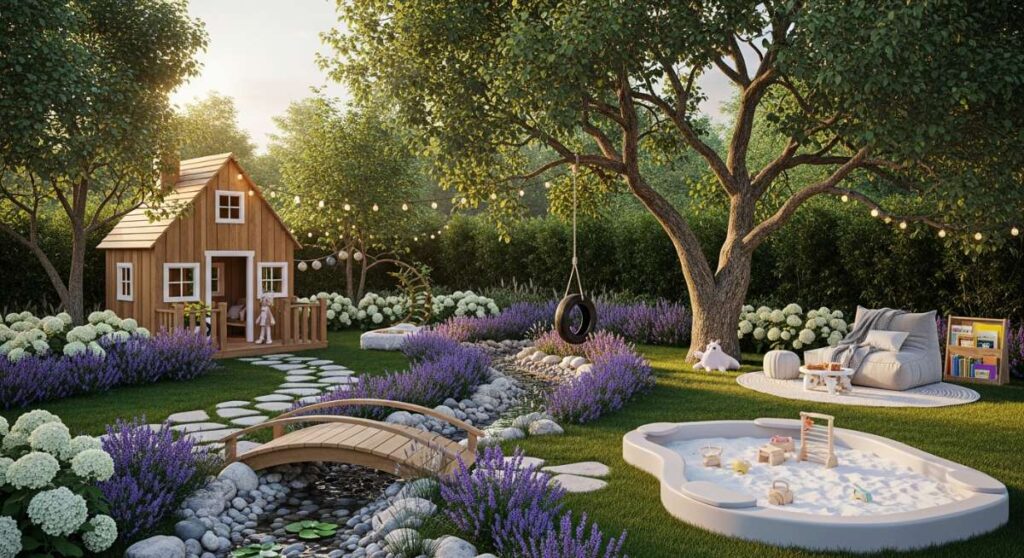
Turning Your Yard into a Fairytale: Dreamy Play Spaces for Kids
Do you remember that feeling of pure, unadulterated magic when you stepped outside as a child? The way a simple oak tree could become a sprawling castle, or how a patch of tall grass felt like an untamed jungle waiting to be explored. There is something profoundly sacred about the backyard; it is the first frontier of independence for our little ones, a place where the air smells like clover and the afternoon sun paints everything in a hazy, golden glow. As parents, we often find ourselves scrolling through photos of whimsical gardens, longing to recapture that sense of wonder for our own children.
Creating a dreamy play space isn’t just about buying the most expensive swing set on the market. It’s about intentionality, texture, and the way the space breathes with your family. It’s about crafting a sanctuary where the laughter of children mingles with the rustle of leaves, and where every corner invites a new adventure. Whether you have a sprawling estate or a cozy urban patio, you have the power to turn your yard into a fairytale that will be etched into your children’s memories forever. Let’s dive into the art of building a backyard legacy that nurtures the soul and sparks the imagination.
How to Build a DIY Playground for Endless Summer Fun
Why we love this
There is an incredible sense of pride that comes with building a play sanctuary with your own two hands, feeling the rough grain of cedar beneath your palms and the satisfying weight of the hammer. This DIY approach allows you to tailor the structure to your child’s specific height and bravery levels, ensuring it grows with them over the years. Imagine the smell of freshly cut wood mingling with the sweet scent of sun-warmed pine needles as the kids climb higher than they ever thought possible. The rhythmic ‘thwack’ of a swing reaching its peak and the cool touch of smooth wooden handrails create a multisensory experience that feels grounded, sturdy, and deeply personal.
Essential Elements:
- Pressure-treated or cedar 4×4 posts for the main frame.
- Heavy-duty galvanized swing hangers and chains.
- UV-resistant plastic slide and climbing grips.
- Pre-drilled decking boards for the play platform.
- Wood sealant and outdoor-rated hardware.
How to make it
- Level the ground by excavating the designated 10×12 area, removing all sod and debris until you have a flat, dirt surface; check with a 4-foot level to ensure zero incline.
- Dig four post holes at least 24 inches deep using an auger, then set your 4×4 cedar posts in concrete, ensuring they are perfectly plumb using a post-level before the mix hardens.
- Construct the main platform frame at a height of 48 inches using 2×6 joists, securing them with 3-inch deck screws and joist hangers for maximum weight-bearing capacity.
- Attach the decking boards with a 1/8-inch gap between them to allow for wood expansion and water drainage; sand all edges until they are buttery smooth to prevent splinters.
- Install the swing beam across the top using heavy-duty A-frame brackets, then drill through the beam for your swing hangers, tightening the bolts until the washers bite slightly into the wood for a secure fit.
- Finish the entire structure with two coats of a non-toxic, water-based wood sealer, letting it cure for 48 hours until the surface feels dry and non-tacky to the touch.
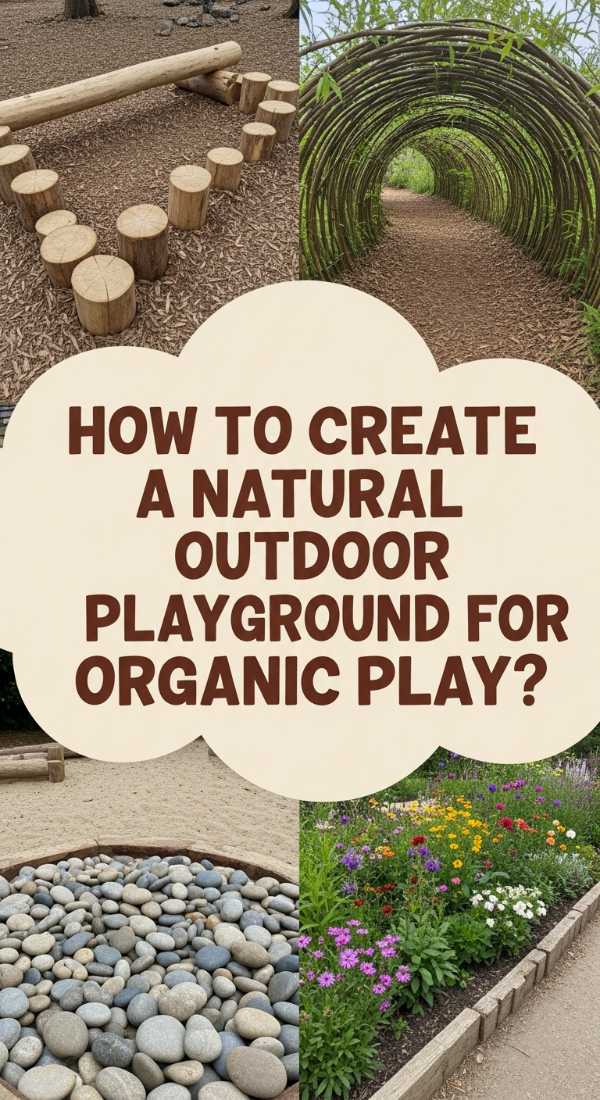
How to Create a Natural Outdoor Playground for Organic Play
Why we love this
Stepping into a natural playground feels like entering a hidden glade where the boundaries between the garden and the play area blur into a soft, organic tapestry. Instead of bright plastics, your eyes rest on the silver-grey of weathered logs, the vibrant green of creeping thyme, and the earthy brown of mulch. This space encourages ‘loose parts’ play, where a smooth river stone becomes a treasure and a fallen branch becomes a wizard’s staff. The tactile sensation of cool mud, the crunch of dried leaves, and the gentle tickle of tall grasses against skin foster a deep, biological connection to the earth that modern life so often lacks.
Essential Elements:
- Large, debarked acacia or oak logs for balancing.
- Smooth river stones and various sizes of pea gravel.
- Native, non-toxic plants like Lavender, Lamb’s Ear, and Feather Reed Grass.
- A sturdy willow tunnel or woven twig teepee.
- A designated ‘mud kitchen’ station with stainless steel bowls.
How to make it
- Map out a winding path through your yard using landscape flags, creating ‘rooms’ or zones that are separated by clusters of tall, hardy ornamental grasses.
- Source reclaimed logs from a local arborist, ensuring they are free of rot and pests; bury the bottom third of the logs vertically to create a stable, varying-height ‘stump walk’.
- Excavate a shallow pit and fill it with play-grade sand and rounded river rocks to create a sensory ‘dry creek bed’ that allows for tactile exploration and water play.
- Plant a willow tunnel by inserting long, flexible willow wands into the ground in two parallel rows, then arching the tops over and tying them with twine to create a living green hallway.
- Construct a simple mud kitchen using an old wooden pallet as a base, installing a deep plastic bin as a ‘sink’ and hanging old metal pots on hooks for a realistic, sensory-rich culinary experience.
- Mulch the entire area with 3 inches of shredded cedar bark to provide a soft landing surface and a cohesive, woodland aesthetic that smells divine after a rain shower.
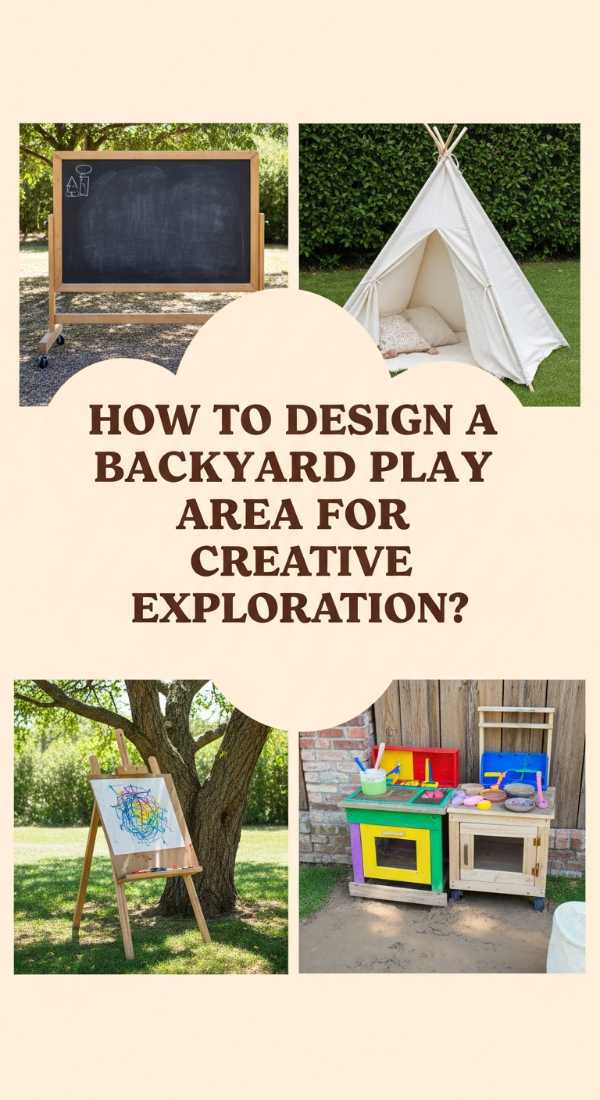
How to Design a Backyard Play Area for Creative Exploration
Why we love this
This play space is a vibrant sanctuary for the little dreamers, poets, and artists who see the world in a kaleidoscope of possibilities. It’s a place where the air is filled with the faint scratching of chalk on slate and the rustle of costume fabrics fluttering in the breeze. The visual feast of an outdoor chalkboard against a backdrop of blooming sunflowers creates a studio-like atmosphere that respects a child’s creative output. We love the way this design encourages slow play, where hours can disappear while a child paints a masterpiece on a plexiglass easel or orchestrates a puppet show from a velvet-curtained stage.
Essential Elements:
- Large-scale outdoor chalkboard or weather-proof acrylic painting wall.
- Weather-resistant storage trunk for costumes and props.
- Small raised platform or deck to serve as a performance stage.
- A ‘maker’s table’ made of sturdy redwood with integrated tool storage.
- A musical ‘sound wall’ featuring recycled pots, pans, and bells.
How to make it
- Mount a sheet of exterior-grade plywood to a fence or wall, then prime and paint it with three layers of high-quality chalkboard paint, allowing each layer to dry for 4 hours.
- Build a low-profile wooden stage (approx. 6ft x 4ft) using 2×4 framing and composite decking, ensuring the surface is slip-resistant for theatrical performances.
- Install a clear acrylic sheet between two 4×4 posts to serve as a ‘transparent easel,’ allowing kids to paint with washable tempera while looking at the nature behind the glass.
- Construct a ‘sound wall’ by screwing various metal objects—like old muffin tins, colanders, and pipes—onto a vertical pallet, ensuring all edges are filed down for safety.
- Set up a weather-proof storage bench nearby to house ‘loose parts’ like pinecones, shells, and beads, organizing them in clear, labeled bins for easy access.
- String waterproof fairy lights above the creative zone to extend playtime into the twilight hours, creating a magical ambiance for evening storytelling.
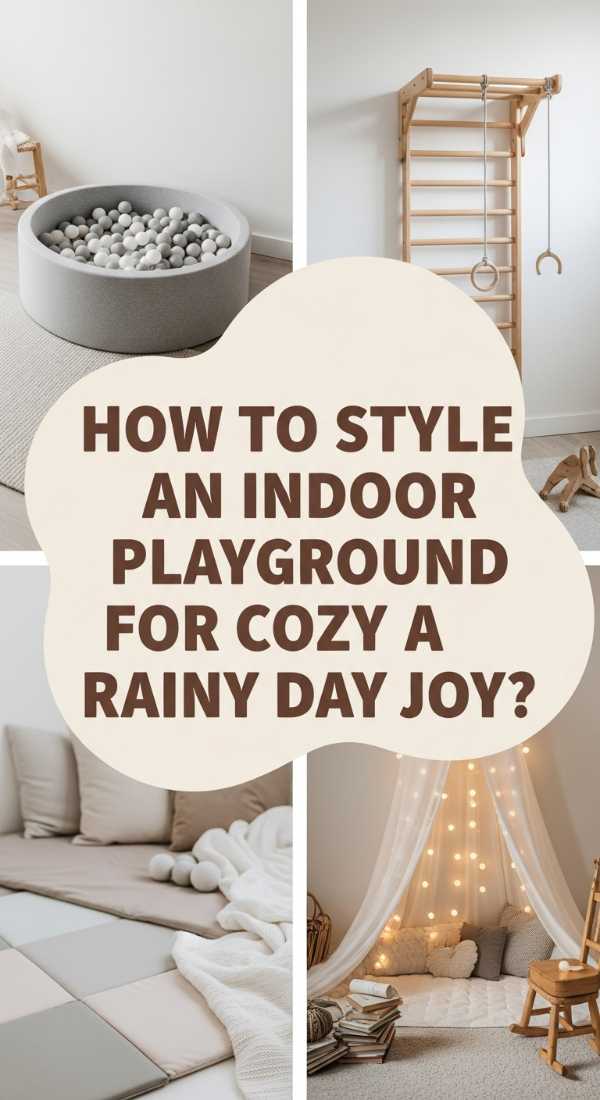
How to Style an Indoor Playground for Cozy Rainy Day Joy

Why we love this
When the clouds roll in and the rain begins its rhythmic pitter-patter against the windowpane, an indoor playground becomes a warm, snug cocoon of activity. This space celebrates softness—the plush touch of velvet floor cushions, the gentle give of a cotton macramé swing, and the smooth, cool surface of a birchwood climbing triangle. It’s an aesthetic triumph that proves play equipment can be beautiful, blending seamlessly with your home’s decor while providing a vital outlet for energy. The scent of essential oils like lavender and orange wafts through the room, creating a calm yet stimulating environment where rainy afternoons feel like a gift rather than a chore.
Essential Elements:
- A wooden Pikler triangle or a stylish Scandinavian climbing wall.
- Soft, thick gymnastic mats in neutral or muted tones.
- A ceiling-mounted sensory swing or cotton pod chair.
- Floating bookshelves at kid-height for a cozy reading nook.
- Large wicker baskets for organizing soft play blocks.
How to make it
- Identify a corner of the playroom or living area with at least 6 feet of vertical clearance and secure wall studs for mounting heavy equipment.
- Install a climbing wall using pre-sanded birch plywood panels, drilling holes for colorful resin hand-holds and securing the panels directly into the wall studs with 3-inch lag bolts.
- Find the ceiling joist using a stud finder to install a heavy-duty eye-bolt for the sensory swing, ensuring the hardware is rated for at least 250 lbs to guarantee safety during vigorous spinning.
- Layer the floor with 2-inch thick high-density foam mats, covering them with a large, machine-washable rug to provide both impact protection and a cozy texture.
- Assemble a modular wooden play couch (like a Nugget) into a ‘fort’ configuration, placing it near a window to catch the natural light during indoor play sessions.
- Organize toys into open-topped baskets made of natural fibers, rotating the selection weekly to keep the ‘rainy day’ environment fresh and engaging for the kids.
How to Craft Kids Backyard Ideas for Enchanted Afternoon Play

Why we love this
An ‘enchanted’ play space is all about the details that feel like they were left behind by forest sprites. It’s the soft glow of solar lanterns hanging from low branches, the secret pathway hidden behind a curtain of weeping willow, and the tiny fairy house tucked into the roots of an old oak. This style of play area prioritizes the whimsical over the functional, focusing on the charm of a scalloped-edge sandbox and the delight of a miniature bridge crossing a dry creek bed. We love how this environment encourages a slower pace of play, where children stop to whisper to ladybugs and spend hours arranging tea parties for imaginary friends on moss-covered stumps.
Essential Elements:
- A white-washed wooden playhouse with a cedar shingle roof.
- Solar-powered ‘firefly’ lights and hanging lanterns.
- A ‘secret garden’ entrance like a rose arbor or a low wooden gate.
- Miniature furniture sized perfectly for a child’s tea party.
- Bird feeders and butterfly-friendly plants like Zinnias.
How to make it
- Designate a semi-shaded corner of the garden as the ‘enchanted zone,’ bordering it with low-growing boxwood or flowering perennials to create a sense of enclosure.
- Assemble a classic wooden playhouse, then add personal touches like window boxes filled with pink petunias and a vintage-style brass doorbell for a ‘grown-up’ feel.
- Lay a winding path of irregularly shaped flagstones leading to the playhouse, filling the gaps with ‘Creeping Jenny’ for a soft, lived-in look that feels centuries old.
- Hang multiple solar-powered lanterns at varying heights from tree branches using sturdy twine, ensuring they receive enough sunlight during the day to glow for 6-8 hours at night.
- Set up a small cafe table and chairs inside the playhouse, draping the table with a linen cloth and providing a wooden ‘high tea’ set for imaginative role-play.
- Tuck small ‘fairy doors’ at the base of trees and hide ‘dragon eggs’ (painted stones) throughout the bushes to encourage a backyard-wide scavenger hunt.
How to Assemble a DIY Kids Playground for Sustainable Garden Fun
Why we love this
In a world of fast-moving trends, a sustainable playground feels like a deep, grounding breath. It’s a space built with respect for the future, utilizing reclaimed timber that tells a story and non-toxic finishes that keep the soil healthy. The aesthetic is raw and honest—think hemp ropes, untreated larch wood that silvers beautifully over time, and a thick carpet of clover instead of chemical-laden turf. There is a profound beauty in watching your children play on a structure that will eventually return to the earth, teaching them through experience the value of stewardship and the quiet elegance of natural materials.
Essential Elements:
- Reclaimed scaffolding boards or FSC-certified timber.
- Natural hemp or sisal ropes for climbing and swings.
- Recycled rubber or organic cork tiles for impact zones.
- Solar-powered task lighting for evening play.
- A rainwater collection barrel for a ‘nature’ water table.
- Pollinator-friendly ‘wildflower’ patches surrounding the area.
How to make it
- Source local, reclaimed wood from architectural salvage yards, ensuring it is free of lead paint or hazardous chemicals before sanding it down to its natural grain.
- Construct a simple A-frame climbing structure using 4×4 larch beams, joining them with stainless steel bolts that can be tightened or replaced easily over the decades.
- Hand-braid heavy-duty hemp rope to create a cargo net for climbing, knotting the ends securely through pre-drilled holes in the wooden frame and sealing with beeswax.
- Replace traditional grass with a ‘no-mow’ clover lawn in the play zone; it requires less water, provides a soft cushion, and supports local bee populations.
- Install a gravity-fed water table by mounting a recycled plastic tub slightly higher than a second tub, connecting them with a bamboo trough for sustainable water flow play.
- Apply a homemade finish of linseed oil and beeswax to all wooden surfaces once a year, rubbing it in with a soft cloth until the wood glows with a deep, protected luster.
How to Organize an Outdoor Kids Play Area for Tiny Backyard Spaces
Why we love this
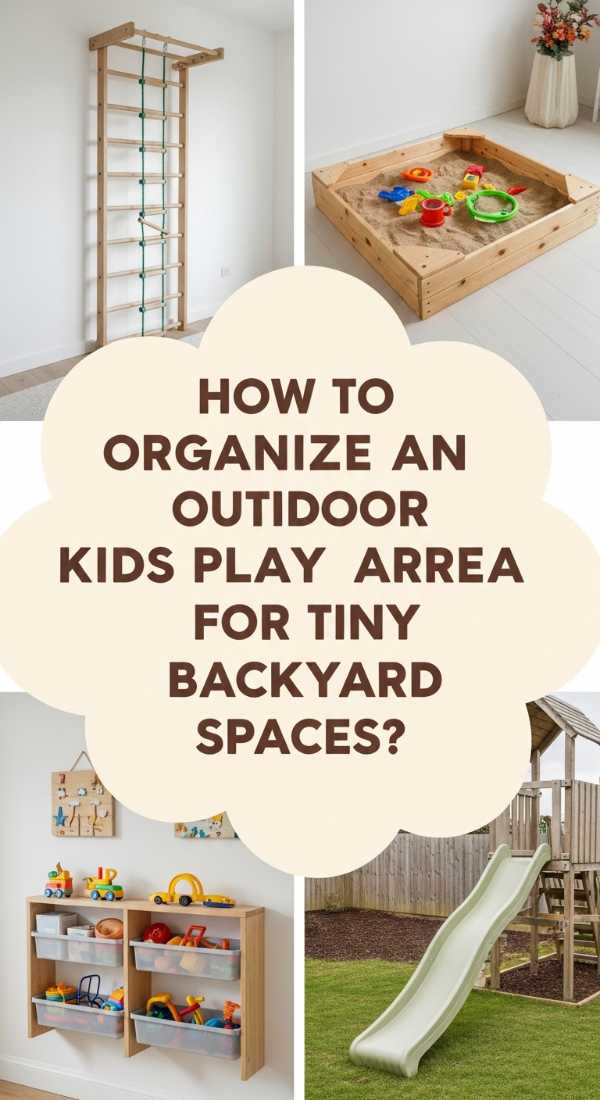
Small spaces demand creativity, and there is a unique satisfaction in maximizing every square inch of an urban patio or a tiny side yard. This approach is all about ‘verticality’—using the walls and fences to host the fun so the floor remains clear for movement. We love the cleverness of a fold-down sand table or a wall-mounted marble run that turns a boring fence into an engineering marvel. In a tiny yard, the play area feels like a curated boutique, where every item is chosen for its multi-functional beauty and the way it encourages big play in a small footprint.
Essential Elements:
- Vertical wall-mounted activity boards (gears, mazes, or magnets).
- A foldable or ‘tuck-away’ sandbox with a bench lid.
- Magnetic vertical water wall made from PVC pipes.
- Hanging ‘nest’ swing that can be unclipped and stored easily.
- Multi-tiered herb and flower planters for ‘garden play’.
How to make it
- Utilize your fence line by mounting 1×4 horizontal slats, creating a modular ‘French Cleat’ system where you can hang and swap different play bins and activities.
- Build a wall-mounted ‘drop-down’ table that latches against the house when not in use, providing a surface for art or snacks without consuming permanent floor space.
- Construct a ‘vertical water wall’ by attaching clear vinyl tubing and funnels to a lattice panel, allowing kids to pour water at the top and watch it navigate the maze.
- Select a compact, 40-inch diameter nest swing and install it from a single heavy-duty ceiling hook on a porch or a sturdy overhanging branch, allowing for 360-degree motion.
- Create a ‘hidden’ sandbox by building a low wooden box that fits underneath your existing deck or outdoor bench, pulling it out on heavy-duty casters when it’s time to play.
- Use bright, weather-proof paint to create a hopscotch grid directly on the patio stones, providing a permanent game that takes up zero physical space.
How to Map a Playground Backyard for Healthy Physical Growth
Why we love this
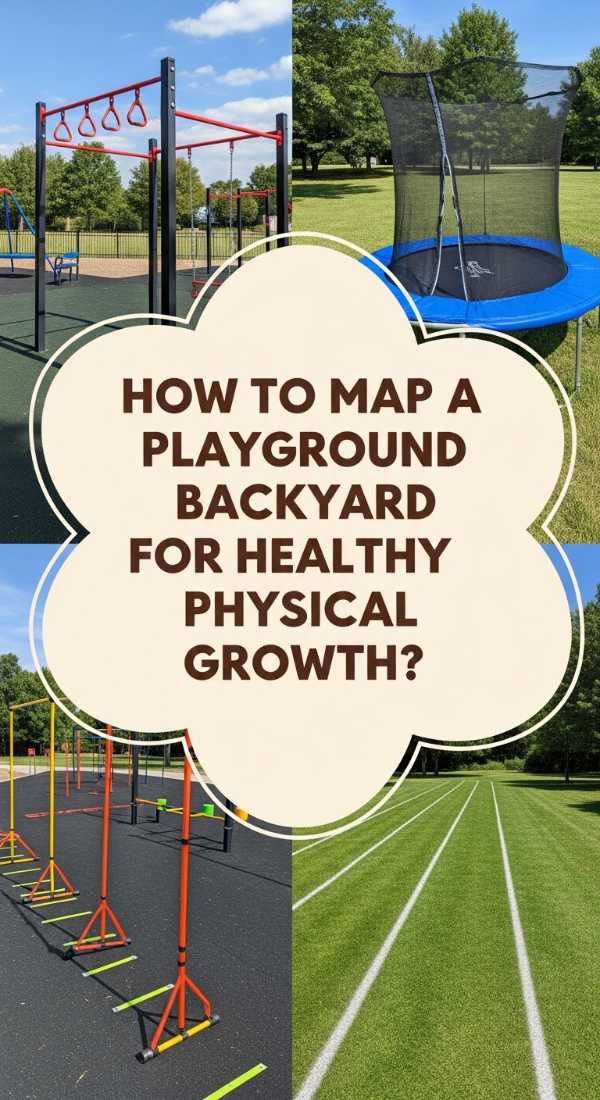
This design is an ode to the ‘climb, jump, and hang’ philosophy, focusing on the developmental milestones that turn toddlers into confident, agile children. The layout is rhythmic and intentional, guiding the child through a series of physical challenges—from the shaky bridge that tests balance to the monkey bars that build upper-body strength. We love the vibrant energy of this space, where the sound of heavy breathing and triumphant ‘I did it!’ shouts fill the air. It’s a gymnasium disguised as a fairytale, where the textures of cool metal, grippy rubber, and smooth wood provide the feedback young muscles need to thrive.
Essential Elements:
- A series of graduating monkey bars or a ninja-style obstacle course.
- A balance beam made of a single 4×4 beam, slightly raised.
- An incline ramp with a pull-rope for leg strength.
- Rubber ‘stump’ steppers for agility and coordination.
- A horizontal climbing ‘traverse’ wall on a sturdy fence.
How to make it
- Map out a circuit-style layout that encourages a continuous flow of movement, ensuring there is a clear ‘start’ and ‘finish’ to the obstacle course.
- Install monkey bars at a height of 6.5 feet, spacing the rungs 12 inches apart to challenge reach and grip without being inaccessible.
- Build a 10-foot long balance beam by securing a 4×4 cedar beam to low-profile ‘feet,’ keeping the beam only 6 inches off the ground for safety while developing core stability.
- Mount climbing ‘holds’ in a horizontal line along a 12-foot section of fence, creating a ‘traverse wall’ where kids move sideways, building lateral strength and problem-solving skills.
- Anchor a 1.5-inch thick manila climbing rope to a sturdy tree limb or play structure, tying large knots every 18 inches to assist smaller children in their ascent.
- Place 12 inches of engineered wood fiber (EWF) mulch under all high-activity areas to provide a tested, impact-absorbing surface that meets safety standards for falls.
How to Elevate Kids Outdoor Play for Mindful Sensory Development
Why we love this
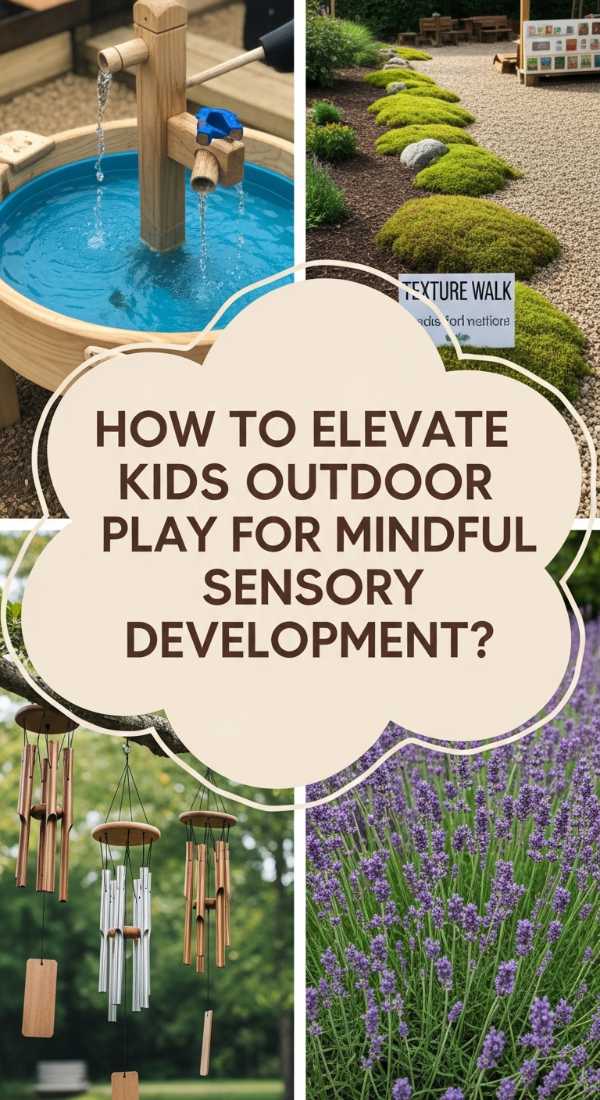
A sensory-focused play area is a sanctuary for the nervous system, offering a gentle yet stimulating environment that engages all five senses. It’s about the fragrance of crushed mint underfoot, the shimmering light reflecting off a wind spinner, and the soothing sound of water trickling over smooth stones. This space is designed to be explored slowly and deeply, encouraging children to ground themselves in the present moment. We love how this design caters to both high-energy seekers and quiet observers, providing a ‘sensory diet’ that helps children regulate their emotions and connect with the subtle nuances of the natural world.
Essential Elements:
- A ‘scent garden’ featuring mint, rosemary, and lemon balm.
- A tactile ‘texture wall’ with samples of grass, stone, wood, and fur.
- Wind chimes with a deep, melodic tone and reflective sun-catchers.
- A solar-powered fountain or a gentle bubbling water feature.
- Soft, oversized beanbags or hammocks for vestibular regulation.
How to make it
- Create a ‘texture path’ by laying down 2×2 wooden frames and filling each with a different material: smooth river rocks, soft moss, crunchy pinecones, and fine sand.
- Plant a ‘sensory border’ using plants with distinct textures, like the velvety ‘Lamb’s Ear’ (Stachys byzantina) and the feathery ‘Bronze Fennel,’ which smells like licorice.
- Hang high-quality tuned wind chimes (like Corinthian Bells) in a breezy corner, selecting a scale like C-major to ensure the sounds are harmonically pleasing and calming.
- Install a low-profile solar fountain in a shallow basin, surrounding it with large, smooth boulders that kids can sit on while they dip their fingers into the cool water.
- Create ‘viewing stations’ by hanging colored plexiglass discs from tree branches; as the sun moves, they will cast vibrant, moving shadows across the ground for visual stimulation.
- Set up a ‘brushing station’ with different types of natural brushes (soft hair, stiff sisal, rough bark) for children to explore the sensation of touch on their hands and arms.
How to Curate Outdoor Play Areas for Sophisticated Family Living
[IMAGE_10]
Why we love this
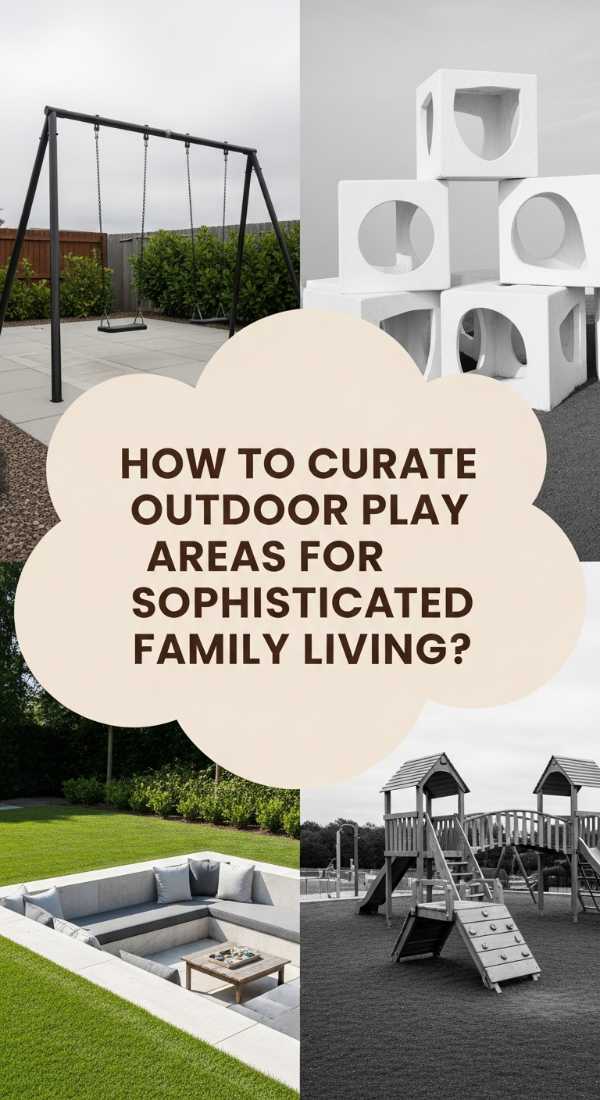
Sophisticated family living is about the harmony between adult relaxation and childhood exuberance. It’s a design philosophy where the play area doesn’t ‘scream’ for attention but instead whispers its presence through high-end materials and thoughtful integration into the landscape. We love the look of a sleek, black-framed swing set that mirrors the architecture of a modern home, or a sandbox hidden beneath a custom-built hardwood deck. This approach treats the play space as an extension of the home’s interior design, ensuring the backyard remains a cohesive sanctuary where parents can sip wine on the patio while children play in a space that is as beautiful as it is functional.
Essential Elements:
- Aesthetic, powder-coated steel or black-stained wood structures.
- Integrated seating for adults built into the play perimeter.
- Neutral-colored play accessories (grey swings, white slides).
- Architectural lighting that highlights both the garden and the play zone.
- High-quality artificial turf or premium stone pavers for a clean look.
How to make it
- Select a monochrome or muted color palette for all equipment, using matte black spray paint on metal hardware and a dark charcoal stain on all wooden components.
- Build a wrap-around ‘bench wall’ that serves as a boundary for the play area, providing plenty of comfortable seating for adults to supervise comfortably.
- Install ‘in-ground’ trampolines or sandboxes that sit flush with the lawn, minimizing the visual clutter and maintaining the long, clean sightlines of a designer garden.
- Use professional-grade uplighting on specimen trees near the play area to create a dramatic, ‘resort-style’ evening atmosphere that feels sophisticated rather than cluttered.
- Incorporate ‘hidden play’ elements, like a slide built directly into a hillside or a climbing wall that doubles as a minimalist privacy screen.
- Finish the space with high-end outdoor fabrics for any cushions or swings, opting for Sunbrella-grade materials in sophisticated patterns like herringbone or solid linen-look weaves.
Conclusion: The Legacy of Play
As we wrap up our journey through these fairytale play spaces, remember that the most important ingredient isn’t the wood, the paint, or the plants—it’s you. It’s the time you spend pushing the swing, the cookies you ‘eat’ at the tea party, and the stories you tell under the glow of the lanterns. Your backyard is more than just land; it is a canvas for your family’s most precious memories. By investing a little heart and creativity into these spaces, you are giving your children a gift that will last a lifetime: a sense of wonder and a place to truly call their own. So grab a shovel, find your inspiration, and start building that fairytale today.